Artwork
Regrets Superflus!
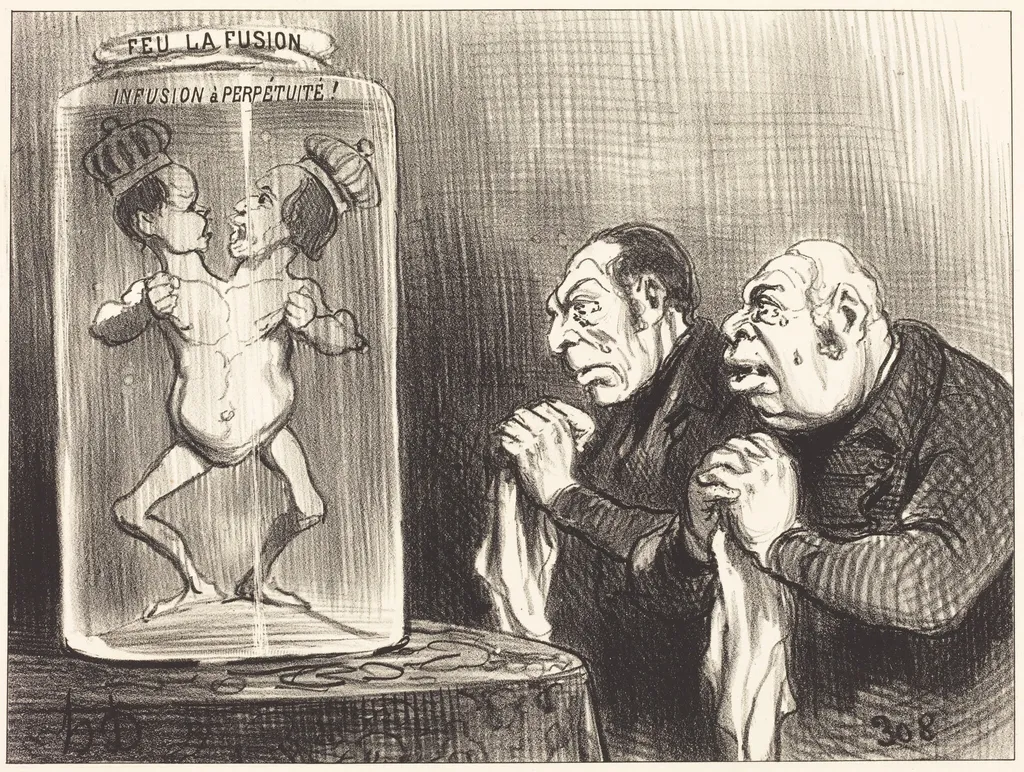
Regrets Superflus! is an ink print by the Impressionist artist Honoré Daumier. It dates from 1851 and is held in the collection of the National Gallery of Art.
About this work
Overview
Created in 1851, this lithograph by Honoré Daumier presents a satirical tableau that critiques contemporary French society.
Created in 1851, this lithograph by Honoré Daumier presents a satirical tableau that critiques contemporary French society. Executed as a single‑sheet print, it shows two men reacting anxiously to a glass jar that holds a naked, crowned figure, the vessel marked with the phrases “FEU LA FUSION” and “INFUSION A PERPETUITE!” The composition is set against a dark backdrop, heightening its dramatic tone.
Subject & Meaning
The central motif, a crowned nude confined within a jar, serves as a visual allegory for the perceived corruption of monarchy and clergy. The two onlookers, one covering his mouth, suggest alarm or disbelief, reinforcing Daumier’s republican stance and his habit of exposing the absurdities of power through biting caricature.
Technique & Style
Daumier employed lithographic processes that allow bold, expressive lines and varied shading, giving the image a textured, almost tactile quality. The stark contrasts and dynamic contours convey movement and tension, while the dark ground and highlighted central jar focus the viewer’s eye, echoing the immediacy found in his newspaper cartoons rather than the softer brushwork of Impressionism.
History & Provenance
The print emerged from Daumier’s prolific period of political satire, during which his work appeared in publications such as La Caricature and Le Charivari. Though not originally intended for a gallery setting, the lithograph circulated among the era’s reformist circles and later entered museum collections as a representative example of mid‑19th‑century French political printmaking.
Own this work as a print
Artist & collection
Artist
Honoré-Victorin Daumier (French: ; 26 February 1808 – 10 or 11 February 1879) was a French painter, sculptor, and printmaker, whose many works offer commentary on the social and political life in France, from the…









- Le Rajeunissement du Constitutionnel
 Ce n'est pas encore cette fois-ci...
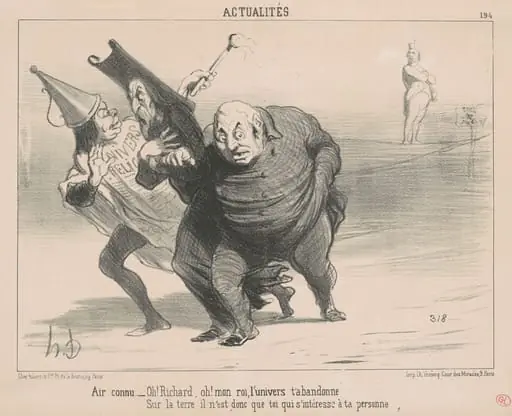 Air connu: Oh! Richard, Oh! Mon roi ...
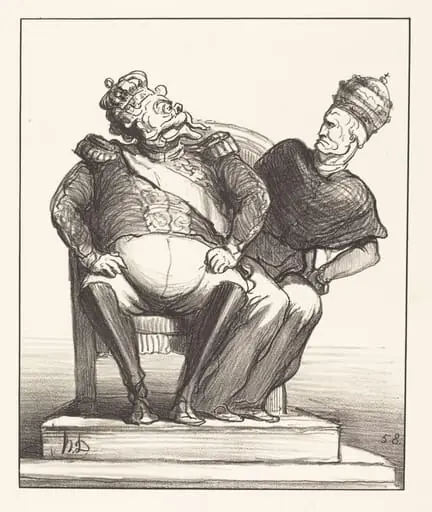 Trop étroit pour deux
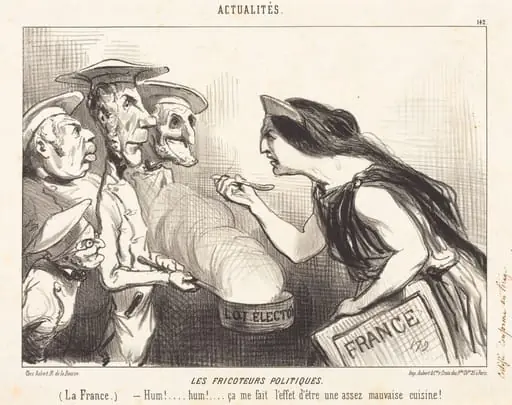 Les Fricoteurs politiques
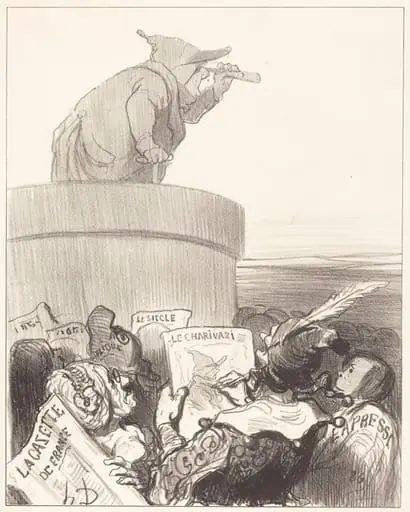 Le Constitutionnel contemplant l'horizon politique
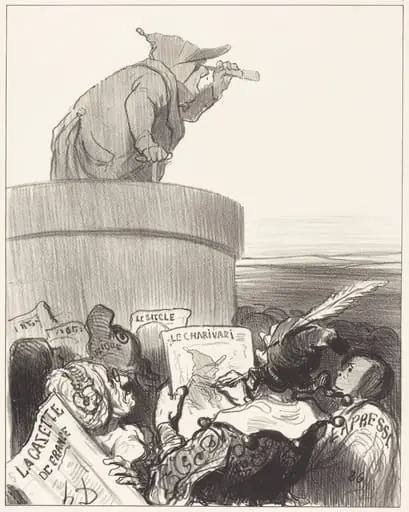 Le Constitutionnel contemplant l'horizon politique
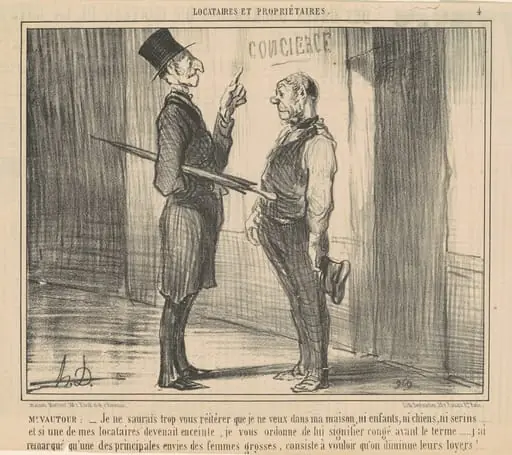 M. Vautour: Je ne saurais trop ...
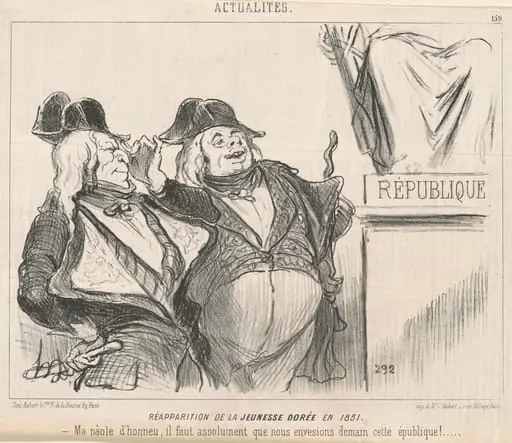 Réapparition de la jeunesse dorée en 1851
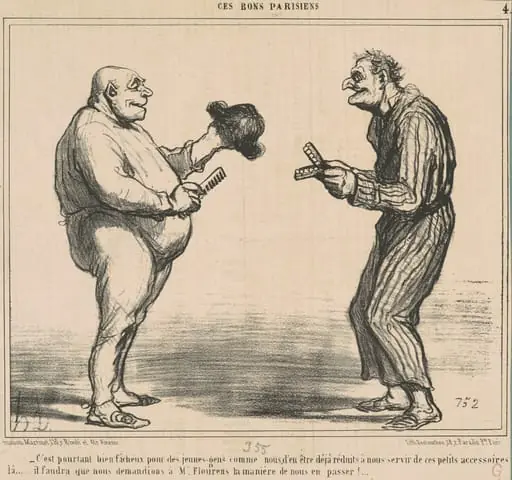 C'est pourtant bien facheux pour ...
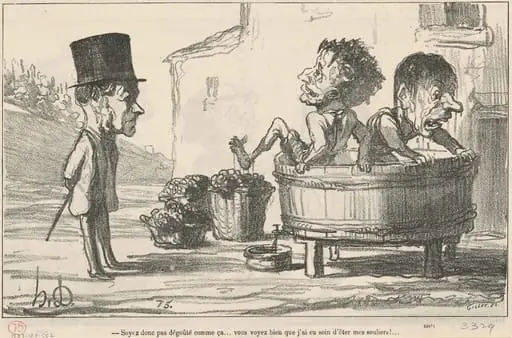 Soyez donc pas dégouté comme ca ...
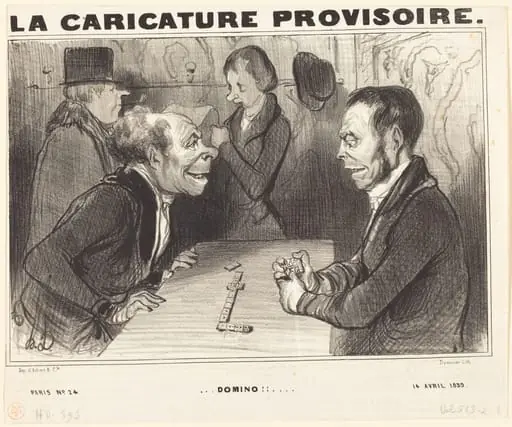 Domino!!