Artwork
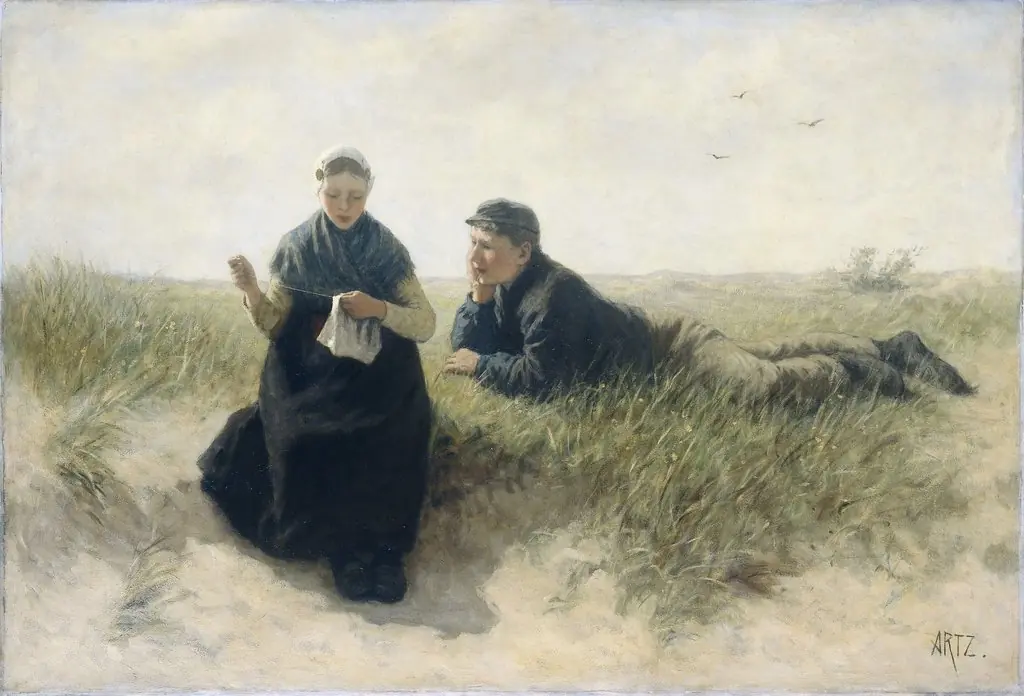
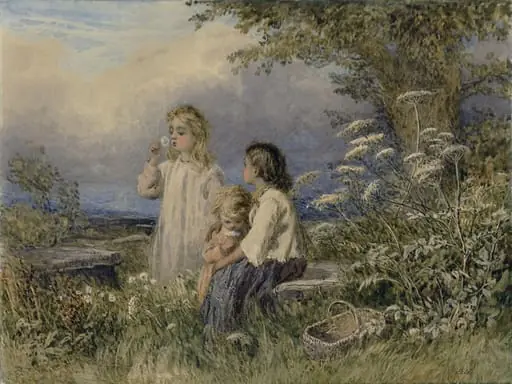
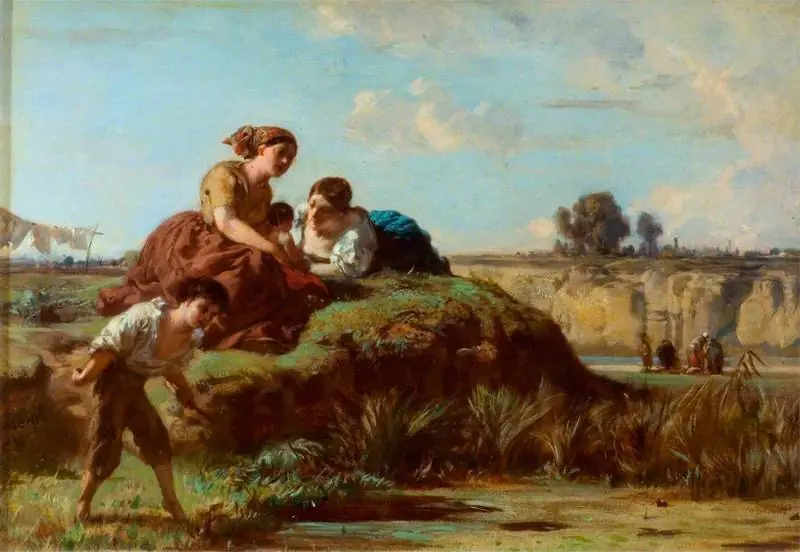
Two Girls on the Dunes, bleaching
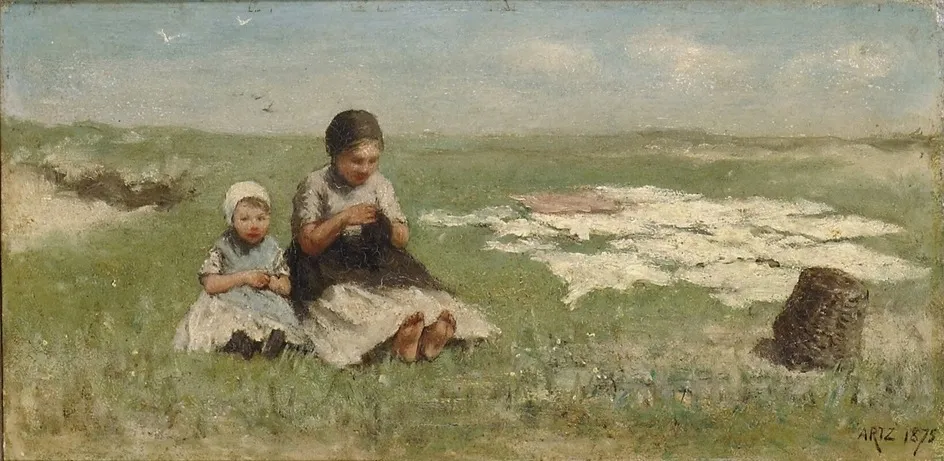
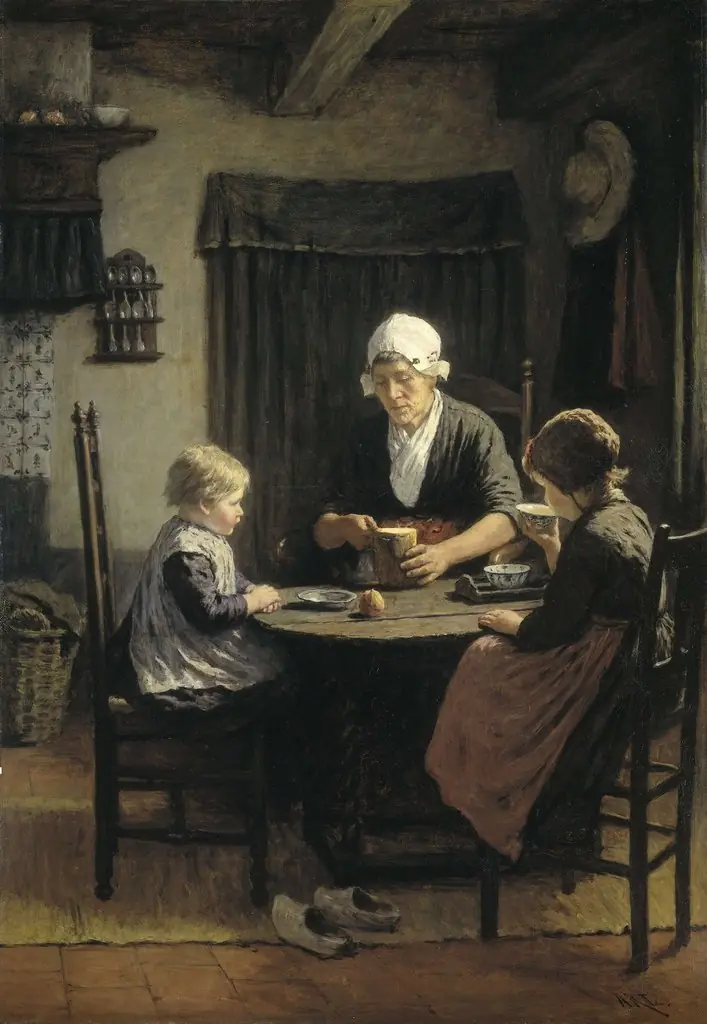
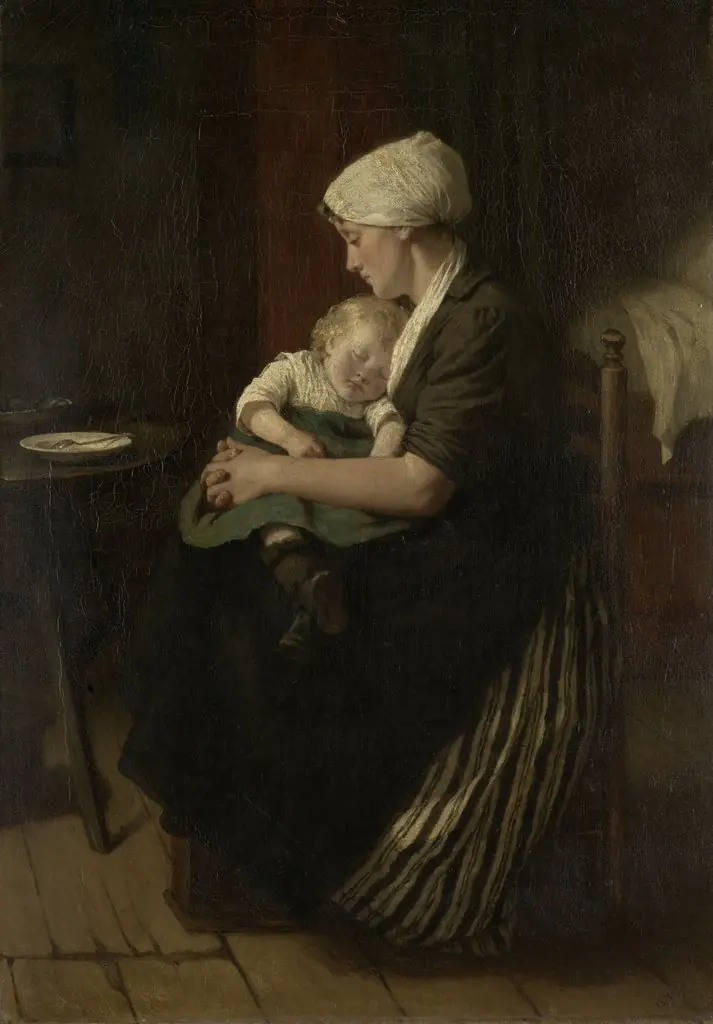
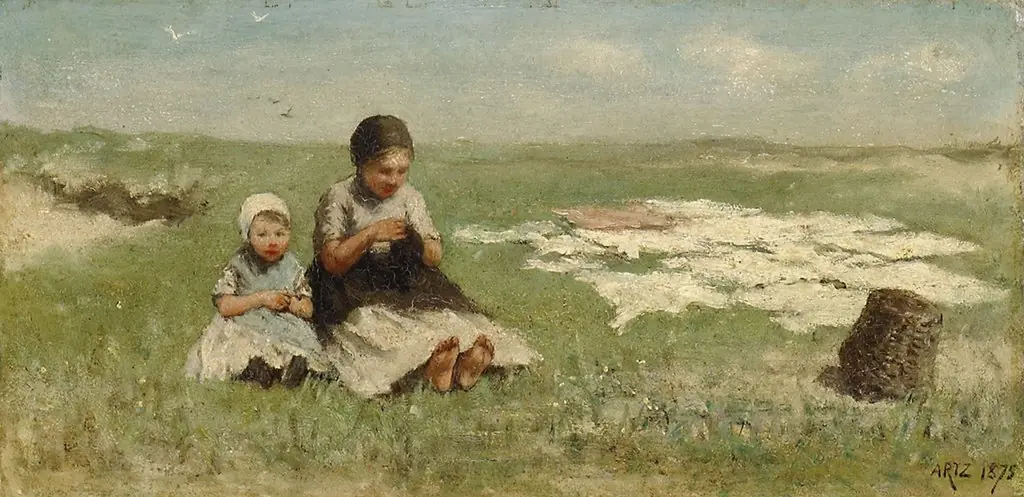
Two Girls on the Dunes, bleaching is an oil painting by the Plein Air artist David Adolph Constanz Artz. It dates from 1873 and is held in the collection of the Ashmolean Museum.
About this work
Overview
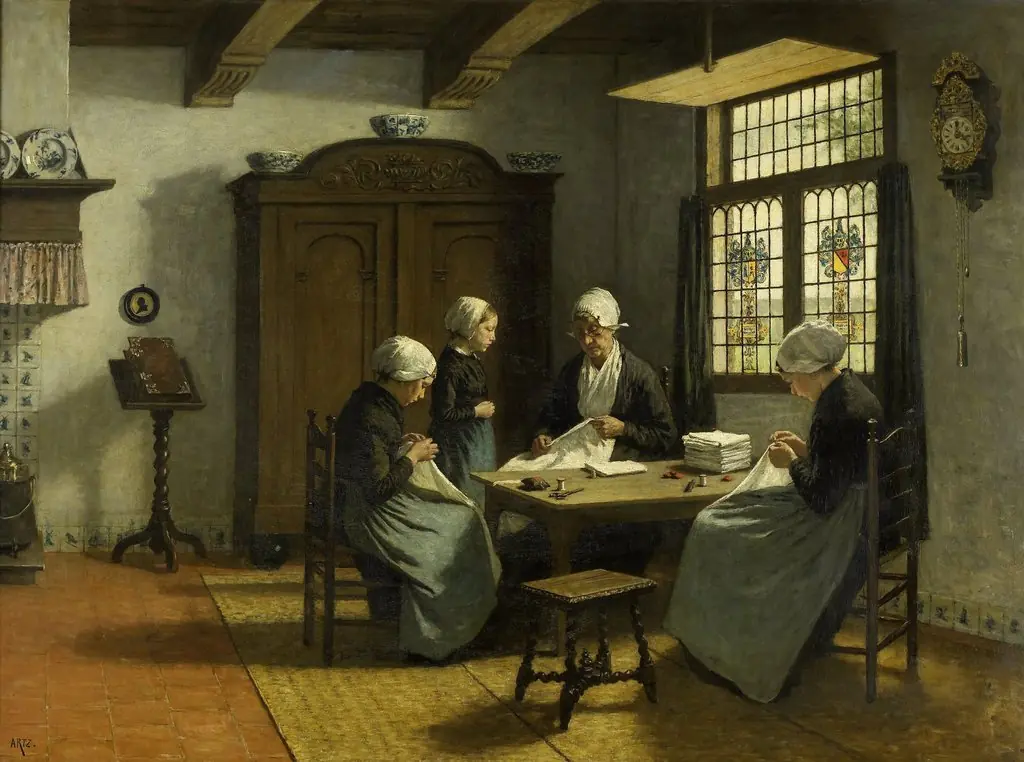
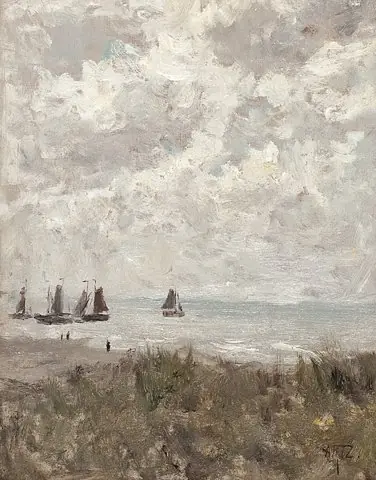
David Adolph Constant Artz, a Dutch artist linked to the Hague School, painted Two Girls on the Dunes, bleaching around 1873. Executed in oil, the work captures a quiet rural moment on the Dutch coast. It reflects the movement’s interest in everyday life and natural light, rendered with a restrained palette and careful attention to atmosphere rather than dramatic narrative.
Subject & Meaning
The painting portrays two young girls seated on a grassy dune, tending to linen spread out to bleach in the sun. Their activity reflects a common domestic chore in coastal communities, where seawater and sunlight were used to whiten fabric. The scene conveys diligence and stillness, emphasizing labor integrated into the rhythms of nature, without sentimentality or idealization.
Technique & Style
Artz employed plein air methods to capture the effects of natural light and atmosphere. His brushwork is loose yet deliberate, building texture in the dunes and fabric through subtle tonal shifts. The sky, rendered in soft blues and whites, recedes gently behind the figures, creating depth. Shadows are muted, avoiding strong chiaroscuro in favor of a diffuse, sunlit harmony.
History & Provenance
Completed circa 1873, the painting entered the Ashmolean Museum’s collection as part of its broader acquisition of 19th-century Dutch works. Its preservation reflects institutional interest in regional realism. No significant exhibition or ownership history beyond the museum is documented, suggesting it has remained a quiet, studied presence within the collection.
Context
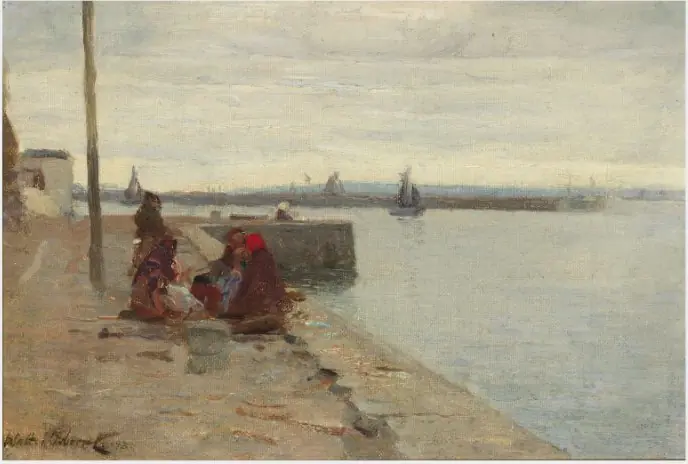
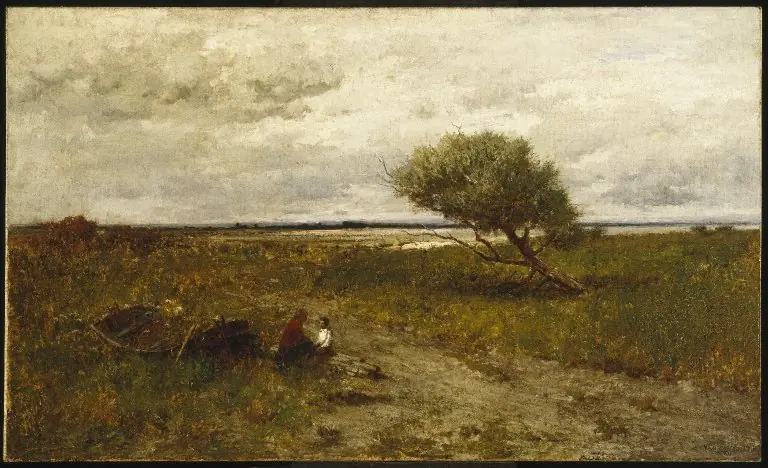
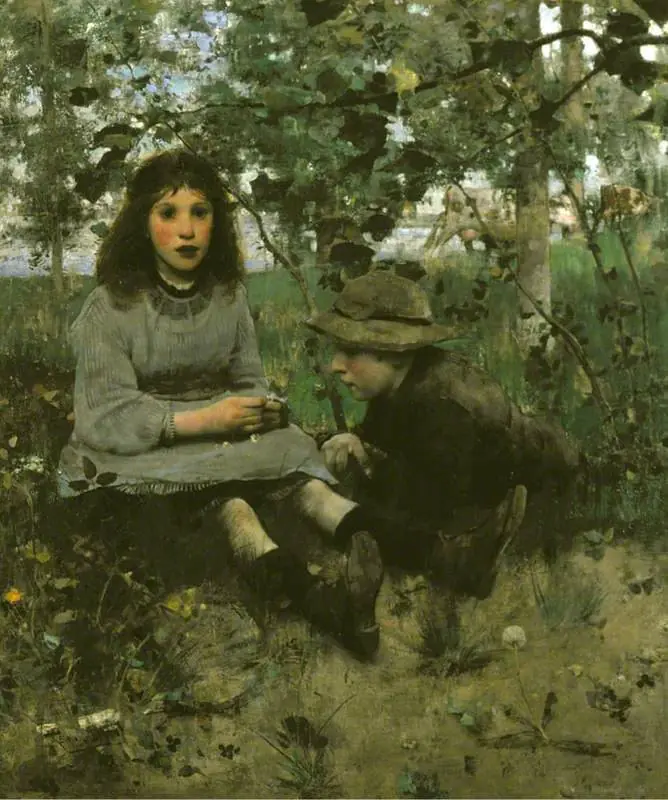
Artz worked alongside artists of the Hague School, who rejected academic grandeur in favor of honest depictions of rural and coastal life. This painting aligns with their focus on labor, landscape, and the effects of weather and light. The bleaching of linen was a seasonal, communal task in the Netherlands, making it a resonant subject for artists seeking authenticity over romance.
Legacy
Though not widely reproduced or celebrated in major surveys, the painting remains a representative example of Hague School sensibility. It contributes to the understanding of how ordinary labor was rendered with dignity and quiet observation. Its presence in the Ashmolean ensures continued access for study, preserving a modest but meaningful slice of Dutch visual culture.
Artist & collection
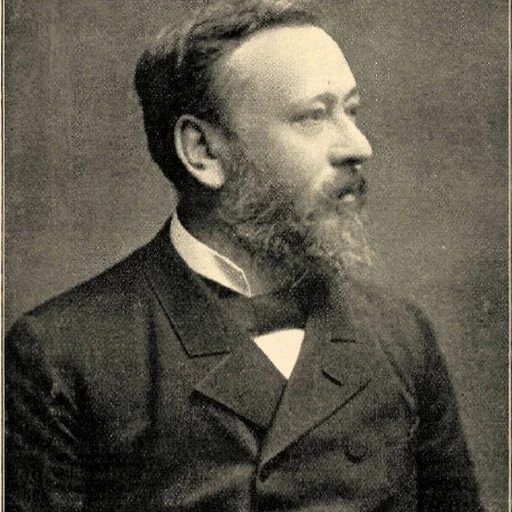
Artist
David Adolph Constant Artz (The Hague, 1837 – The Hague, 1890) was a Dutch painter and collector who associated with some members of the Hague School.