Artwork
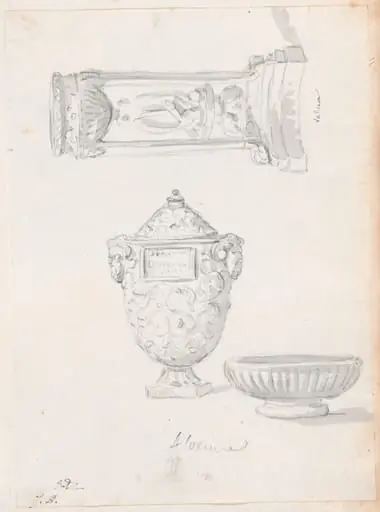
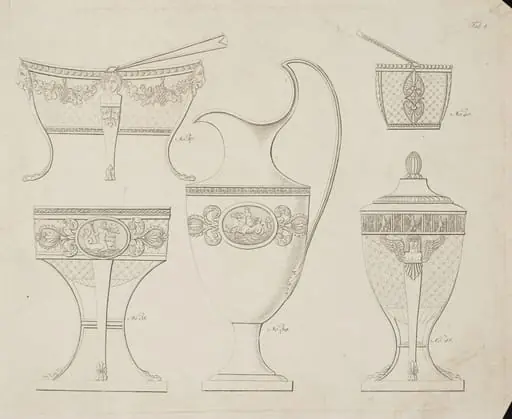
An Urn and Two Quivers
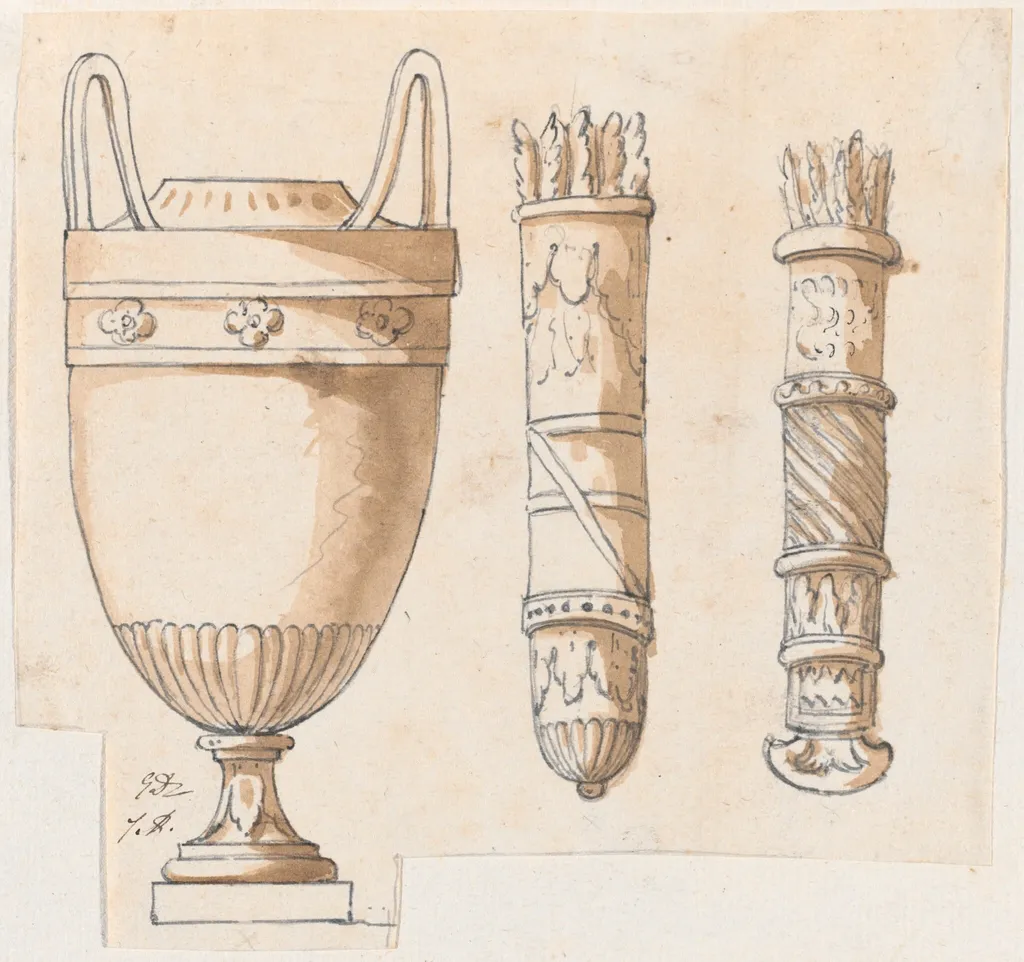
An Urn and Two Quivers is an ink drawing by the Neoclassicist artist Jacques-Louis David. It dates from 1778 and is held in the collection of the National Gallery of Art.
- Inscription
- Inscribed:lower left: paraphes of E.D. and J.D.
About this work
Overview
Created in 1778, Jacques‑Louis David’s drawing titled An Urn and Two Quivers presents a modest still‑life composed of three classical objects rendered on a beige sheet of laid paper. The composition places a sizeable, two‑handled urn on the left, while two arrow‑holding quivers occupy the central and right positions, each topped with a plume of feathers.
Subject & Meaning
The work isolates objects associated with antiquity and the hunt, inviting contemplation of their symbolic resonance. The urn, a vessel for storage or ritual, contrasts with the quivers, tools of martial activity, suggesting a dialogue between domesticity and warfare that reflects Enlightenment interest in classical themes.
Technique & Style
David employed black ink combined with a brown wash to achieve a warm, muted tonal range. Delicate hatching and cross‑hatching build surface texture and convey volume, while the wash adds subtle shading that unifies the three items against the paper’s natural hue.
History & Provenance
The drawing dates from the early phase of David’s career, preceding his rise as a leading Neoclassical painter. It remains a testament to his preparatory studies of classical motifs, though details of its ownership history prior to museum acquisition are not extensively documented.
Own this work as a print
Artist & collection
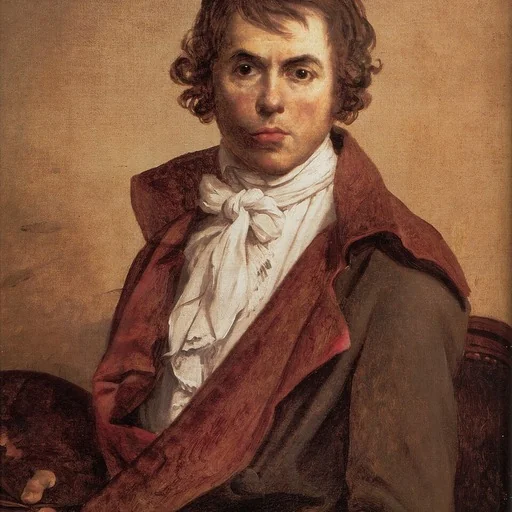
Artist
Jacques-Louis David was born in Paris on 30 August 1748 into a bourgeois family; his father died in a duel when the boy was nine, and a maternal uncle guided his education.

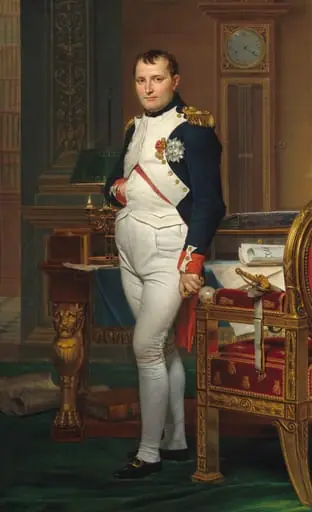 The Emperor Napoleon in His Study at the Tuileries
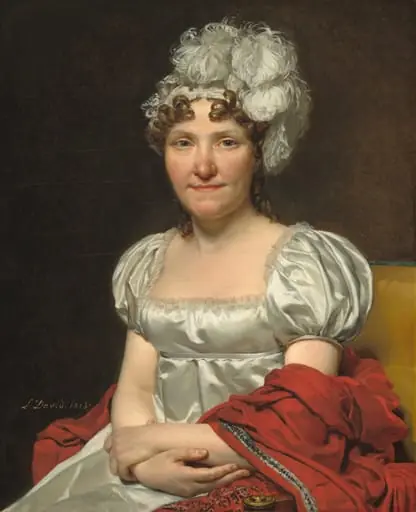 Madame David
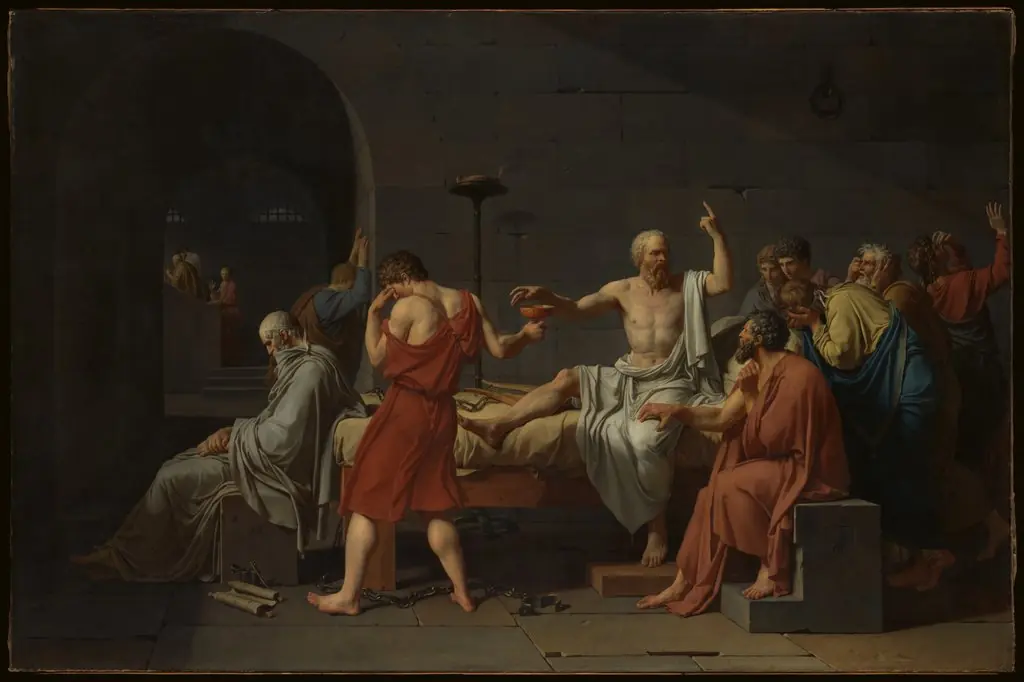 The Death of Socrates
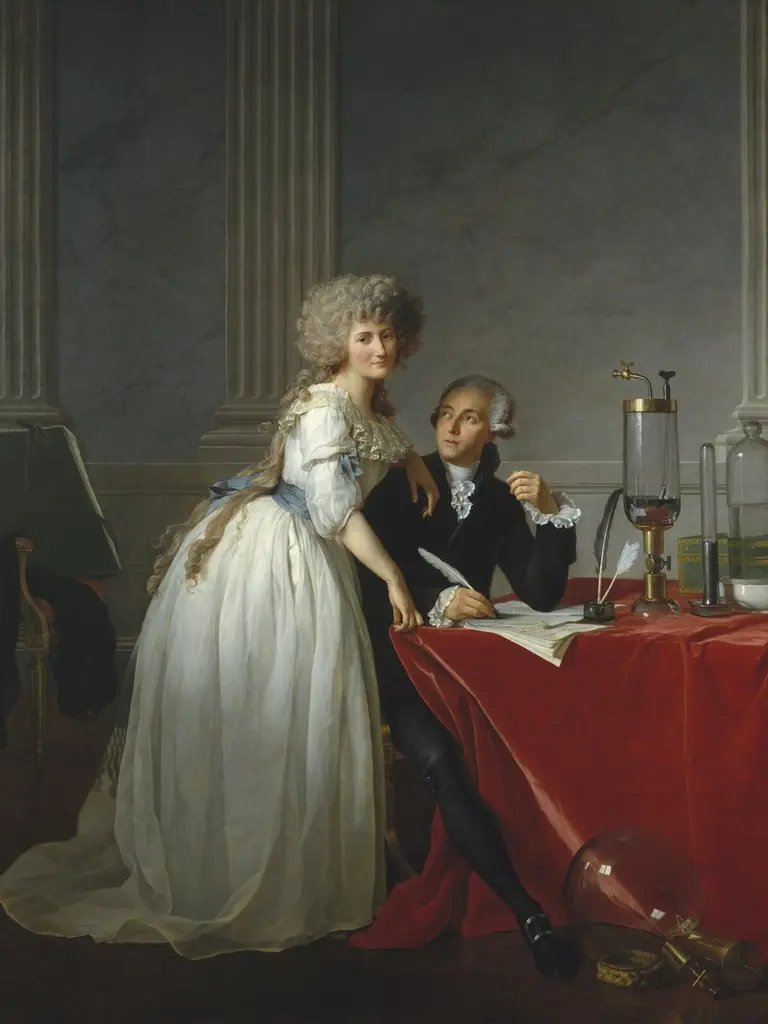 Portrait of Antoine-Laurent Lavoisier and his wife
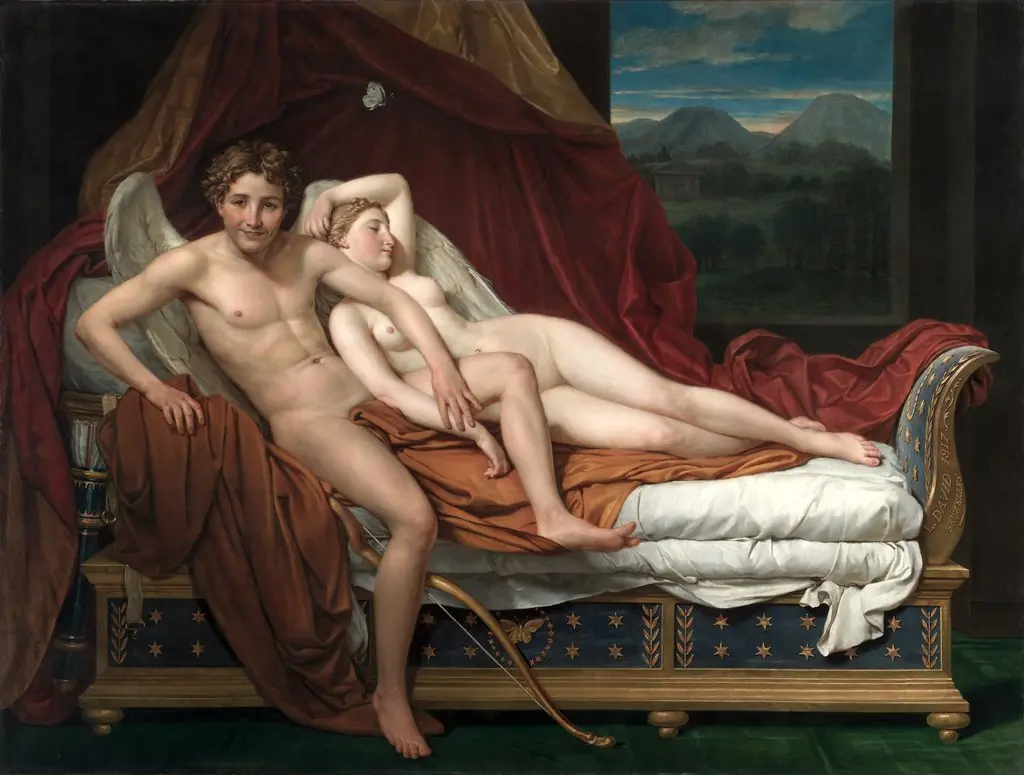 Cupid and Psyche
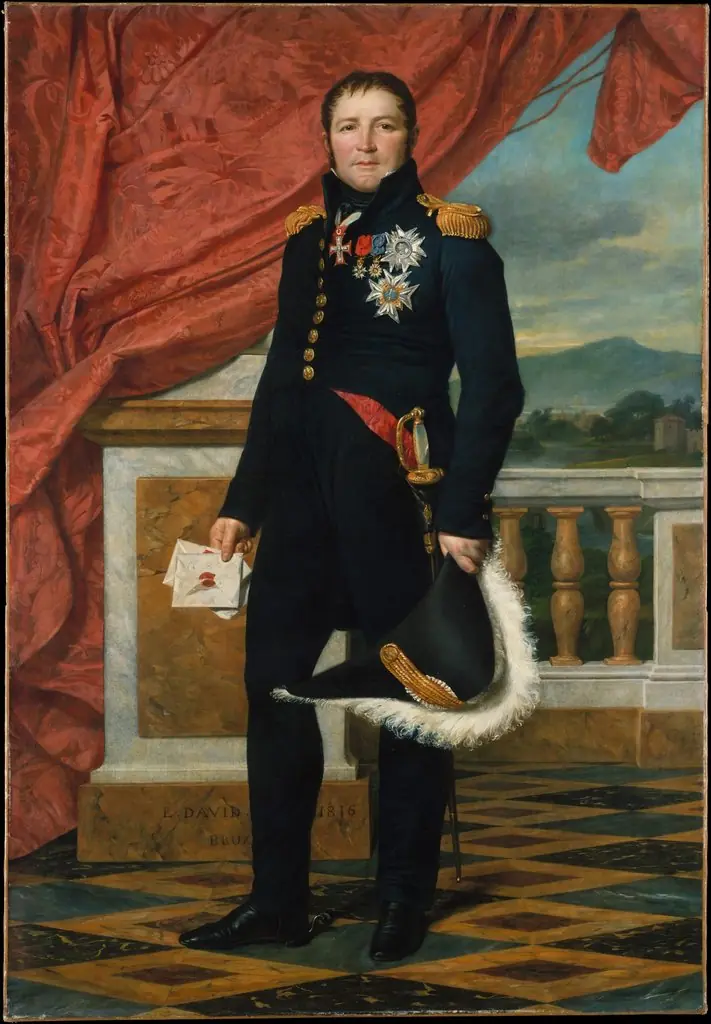 General Étienne-Maurice Gérard (1773–1852), Marshal of France
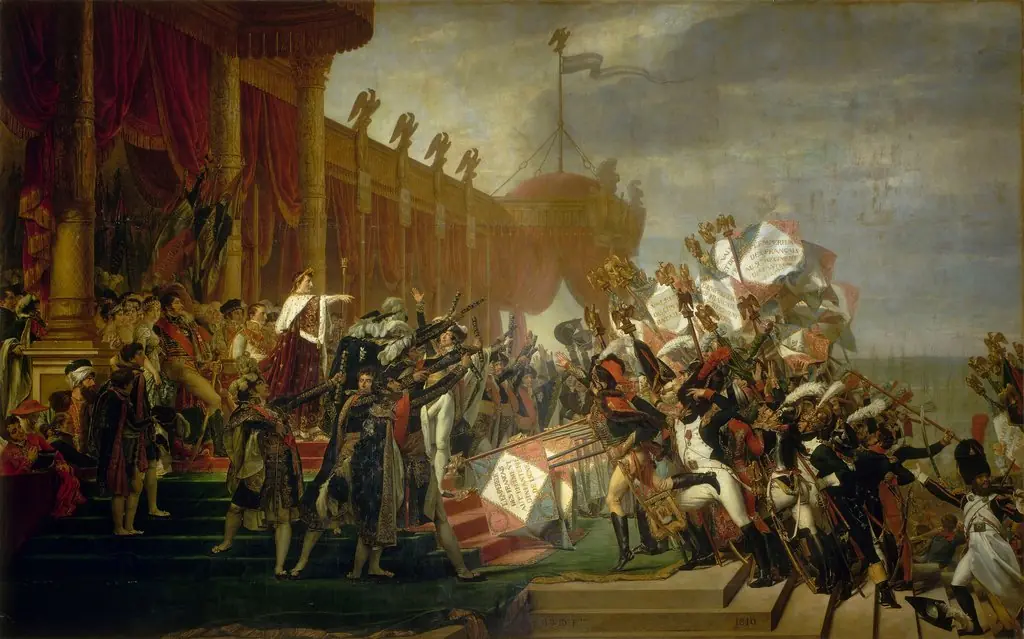 The Distribution of the Eagle Standards
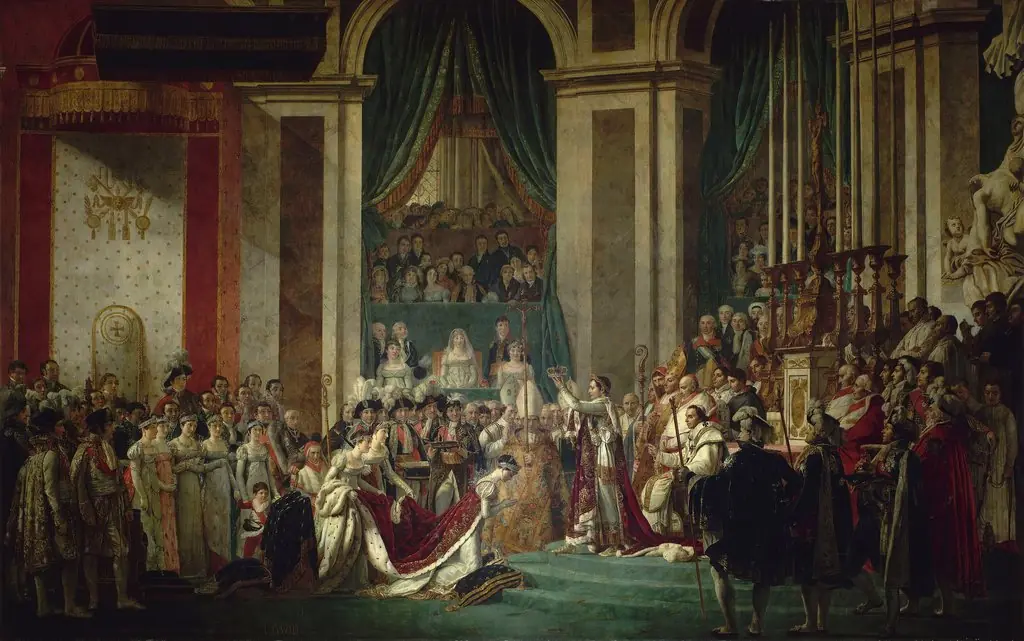 Coronation of Emperor Napoleon I and Coronation of the Empress Josephine