Artwork
Man with a Golden Lace
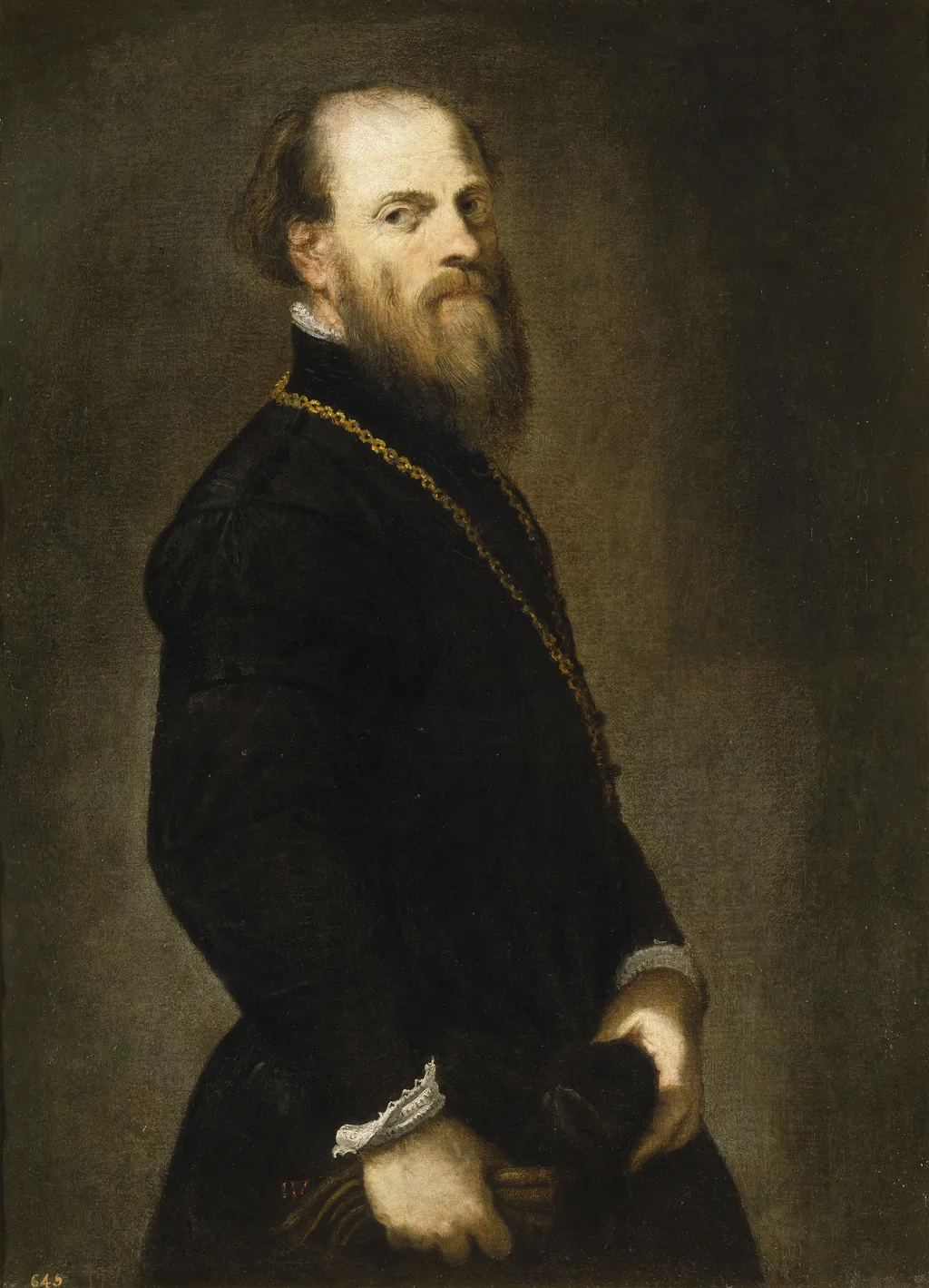
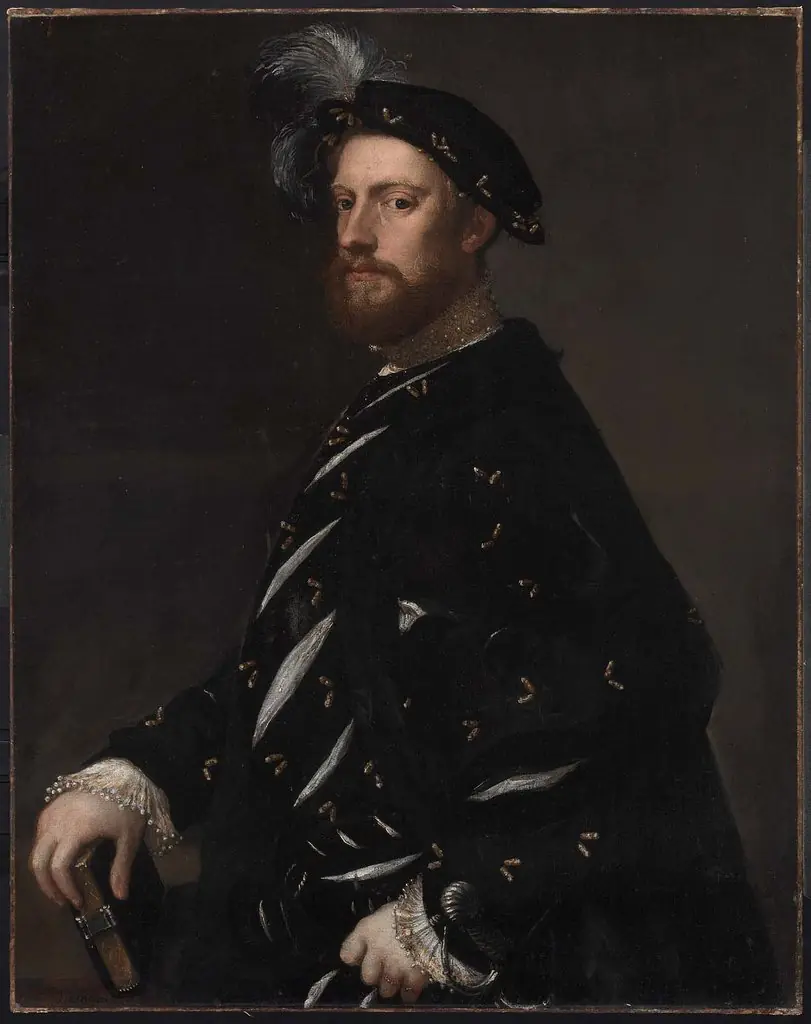
Man with a Golden Lace is an oil painting by the Mannerist artist Jacopo Tintoretto. It dates from 1560 and is held in the collection of the Museo del Prado.
About this work
Subject & Meaning
The composition's cropped framing emphasizes the figure's dynamic posture, capturing a moment of psychological tension that reflects the sitter's inner resolve.
The painting portrays a man holding a golden chain, commonly identified as a symbolic reference to knighthood or chivalric honor. The attire and accessory suggest aristocratic status, while the direct gaze engages the viewer, implying a moment of decisive confrontation. The work is interpreted as an emblem of valor and moral resolve within the Mannerist tradition.
The golden chain functions as a visual allegory for order and authority, reinforcing the subject's noble identity. The composition's cropped framing emphasizes the figure's dynamic posture, capturing a moment of psychological tension that reflects the sitter's inner resolve.
The portrait is housed in the Museo del Prado, where it remains part of the royal collection originally assembled by Ferdinand VII of Spain.
Technique & Style
Man with a Golden Lace is executed in oil on canvas, a medium consistent with Tintoretto's Venetian practice. The support measures 103.7 cm in height by 76.7 cm in width. Stylistically, the work belongs to the Mannerist tradition of the Venetian school, and the handling is notable for its unconventional cropping of the sitter above the knees and his isolation against a dove-colored background.
The composition captures a slow torsion of the figure as the head turns suddenly toward the viewer, fixing the sitter with a direct, decided gaze.
History & Provenance
The painting titled Man with a Golden Lace is attributed to Jacopo Tintoretto and was created in 1555 as an oil on canvas portrait. It entered the collection of Ferdinand VII of Spain and is now housed in the Museo del Prado in Madrid. According to the source, the work was likely acquired by Diego Velázquez during his second visit to Venice, indicating a notable provenance involving Spanish royal interest and a significant transaction in the art market of the 16th century.
The composition features a man holding a glove and a gemstone, rendered in a mannerist style characteristic of the Venetian school, measuring 103.7 cm in height and 76.7 cm in width.
The painting is held in the collection of the Museo del Prado in Madrid, Spain. It is considered one of the most distinguished portraits by the artist preserved within this specific museum. Historical accounts suggest the work was likely acquired by Diego Velázquez during his second trip to Italy, specifically while he was in Venice purchasing art for the Spanish crown.
Earlier ownership is attributed to Ferdinand VII of Spain. The work measures approximately 103 centimeters in height and 76 to 77 centimeters in width, executed in oil on canvas.
Context
Executed around 1560, this oil on canvas is widely regarded as one of Jacopo Tintoretto's most significant portraits and the finest example of his portraiture held within the Museo del Prado. The work exemplifies the Venetian school's approach to Mannerism, characterized by an unusual composition that crops the figure above the knees against a solid dove-gray background. This framing isolates the subject to emphasize a dynamic torsion of the body, capturing a sudden turn of the head that directs a decisive gaze toward the viewer.
Scholarly provenance suggests the painting may have been acquired in Venice by Diego Velázquez during his second trip to Italy, later entering the Spanish royal collection under Ferdinand VII. Art historical analysis highlights how the composition breaks from traditional static portraiture to convey psychological immediacy and movement.
Overview
Jacopo Tintoretto’s oil portrait, dated to around 1560, presents a solitary male figure rendered in the Mannerist idiom of the Venetian Renaissance. The work resides in the collection of the Museo del Prado and exemplifies the artist’s penchant for dramatic lighting and vigorous brushwork, hallmarks of his reputation as a leading Venetian painter.
Own this work as a print
Artist & collection
Artist
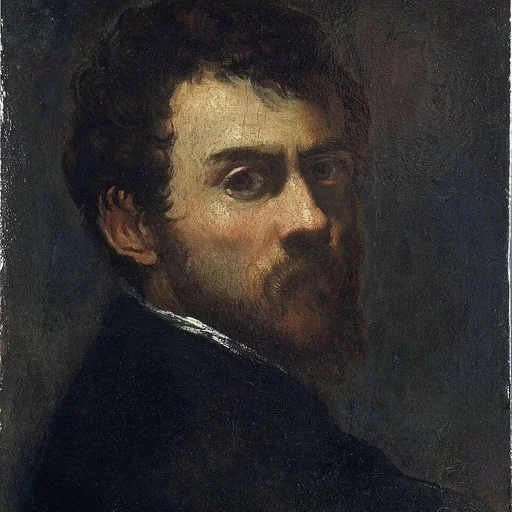
Jacopo Robusti (late September or early October 1518 – 31 May 1594), best known as Tintoretto ( TIN-tə-RET-oh; Italian:; Venetian: ), was an Italian Renaissance painter of the Venetian school.

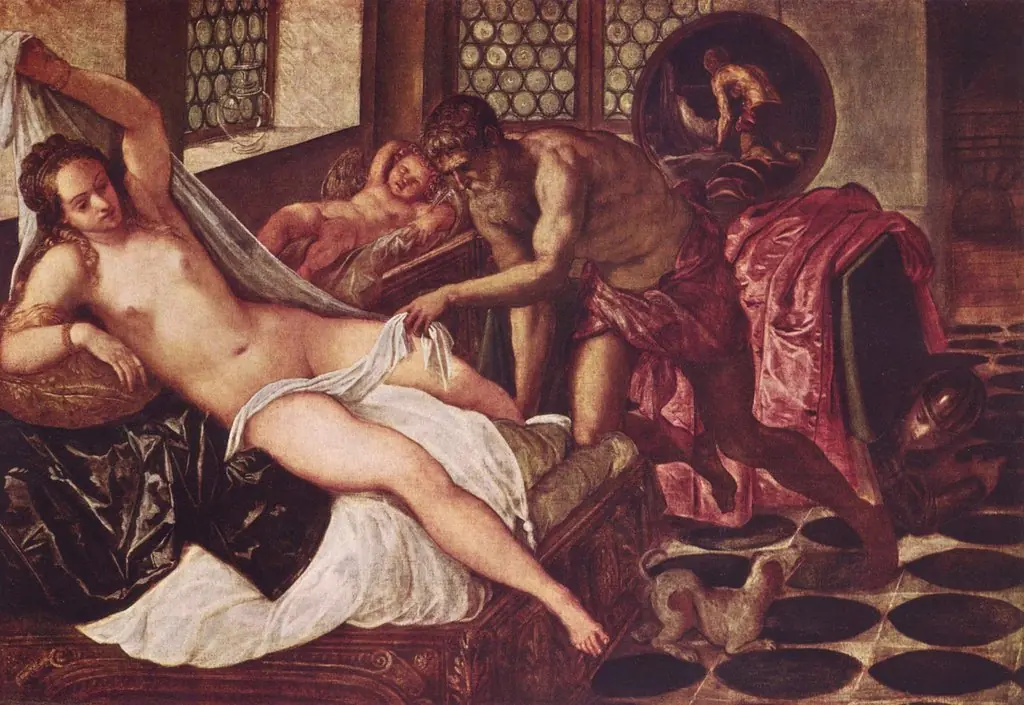
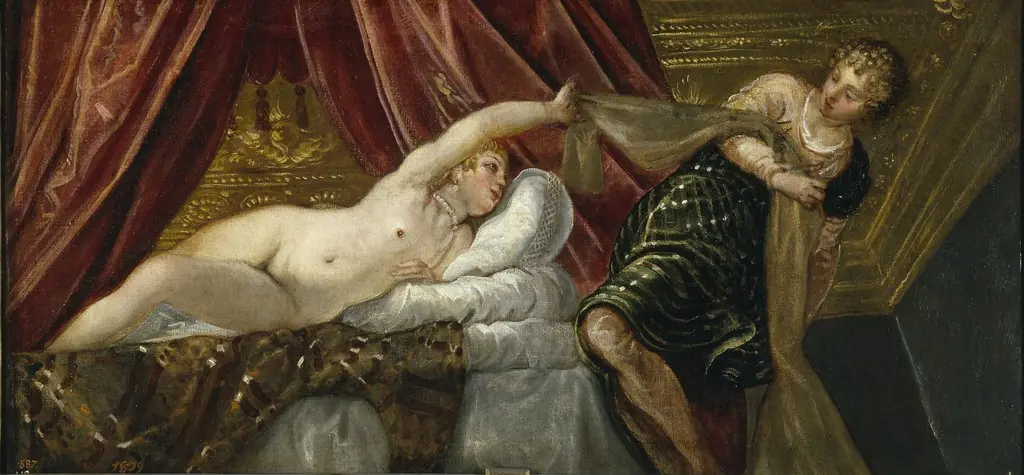
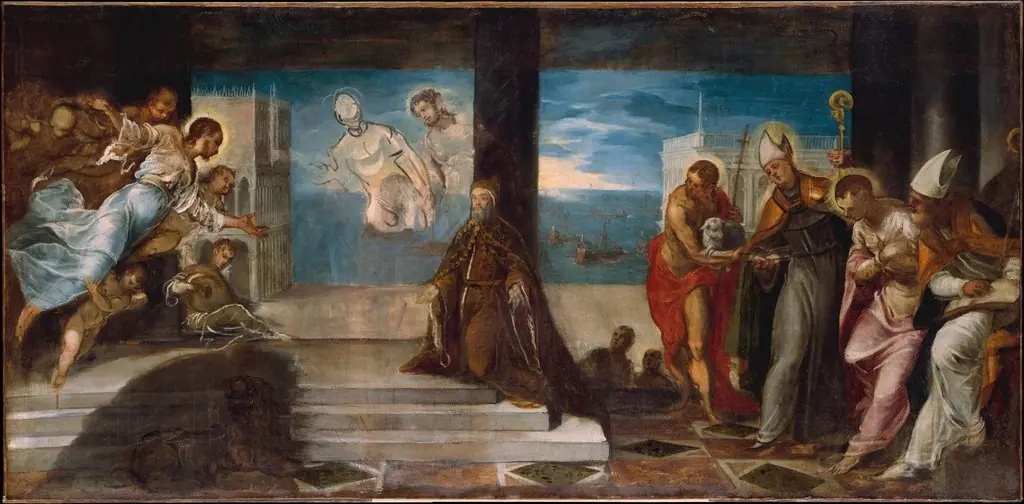
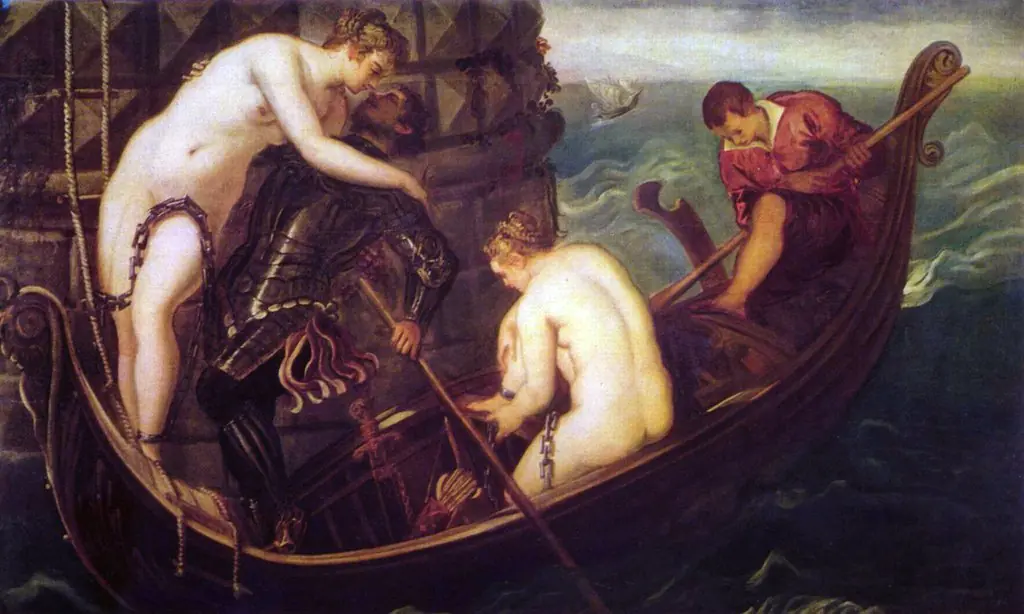
- Portrait of Antonio Anselmi
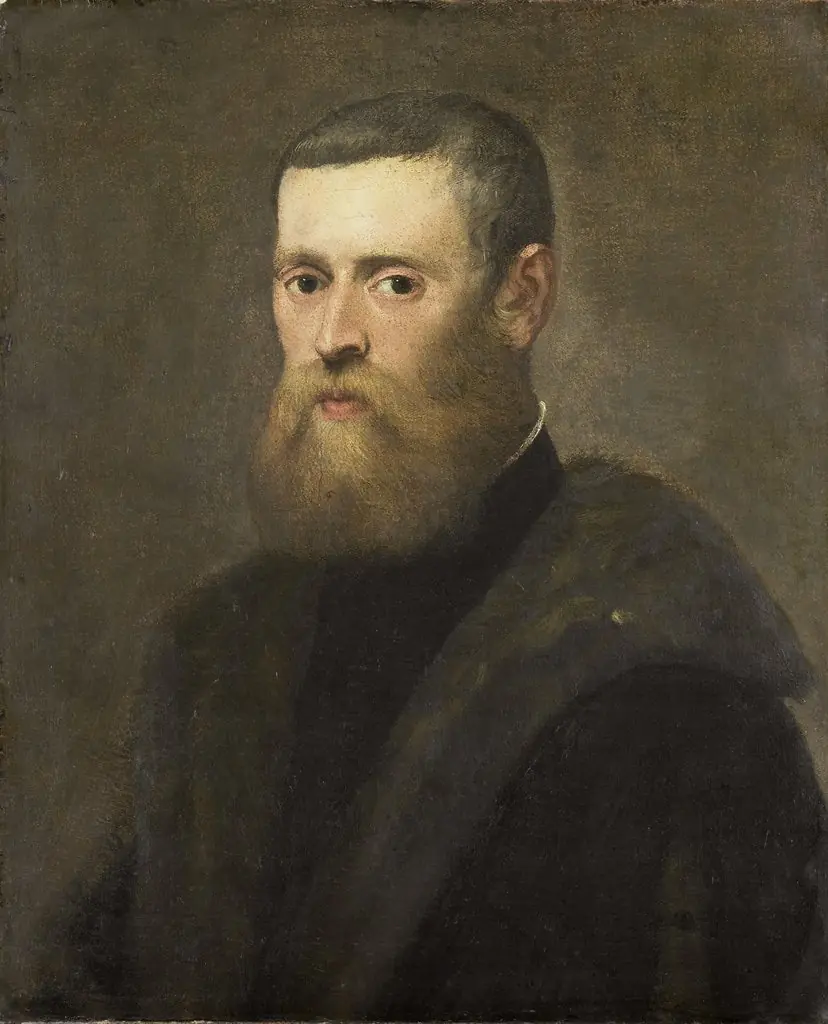 Portrait of a Man
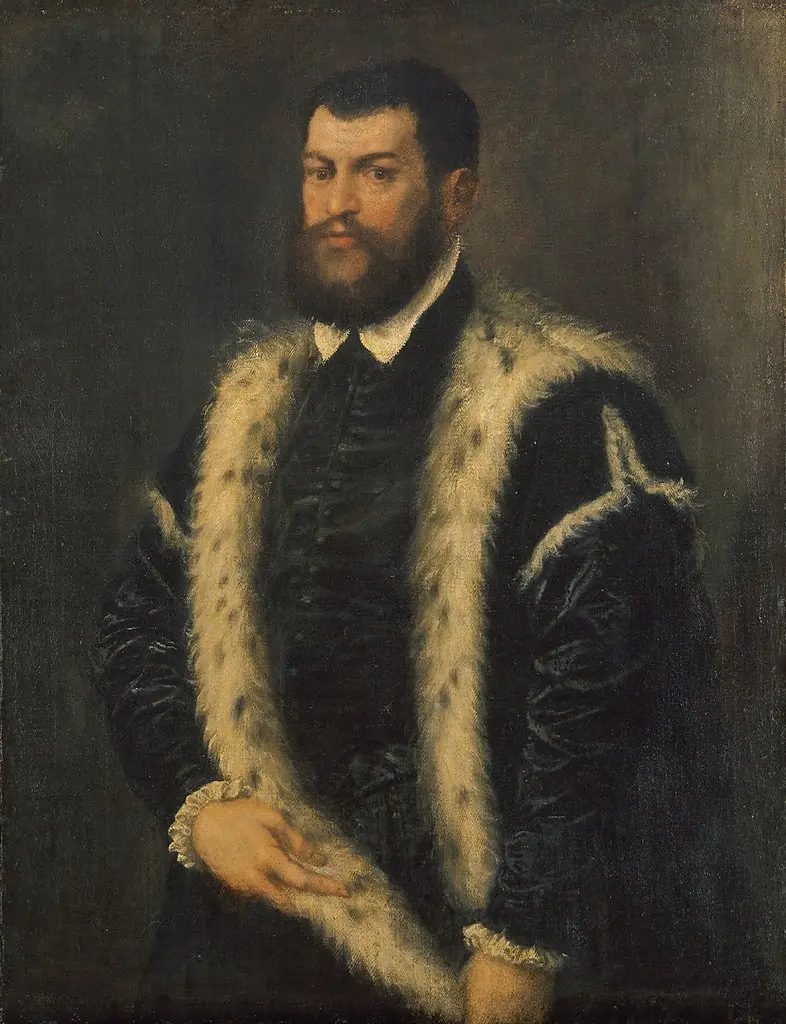 Man with Ermine Coat
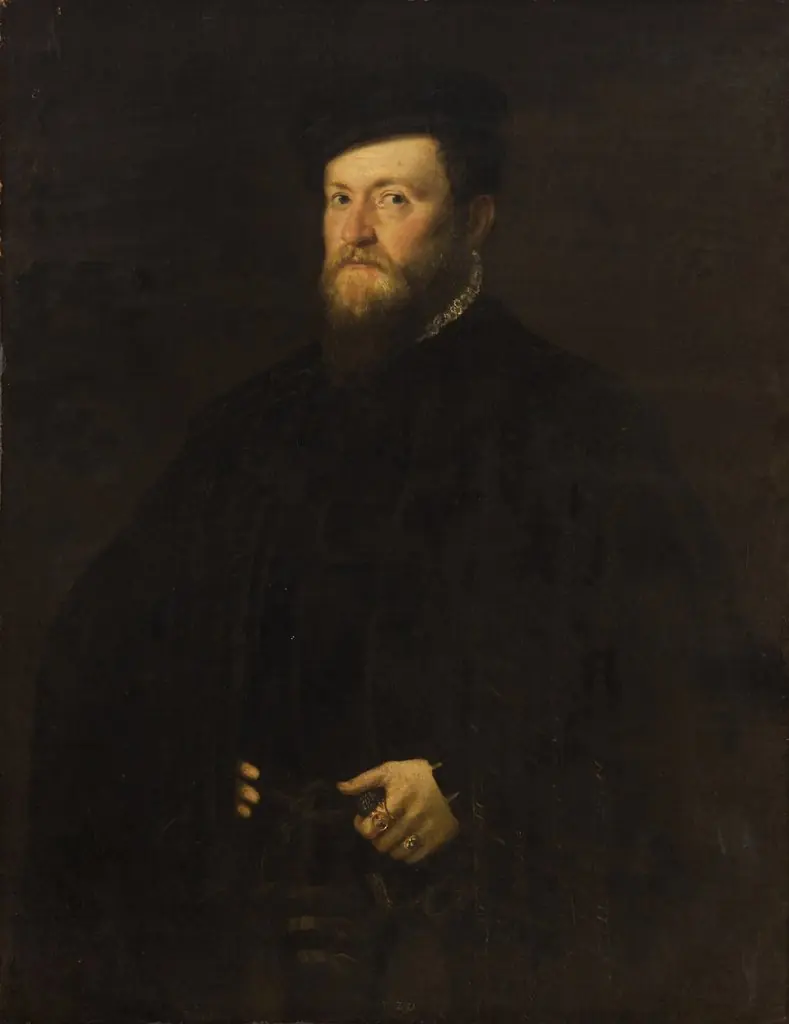 Portrait of a Man in a Cape
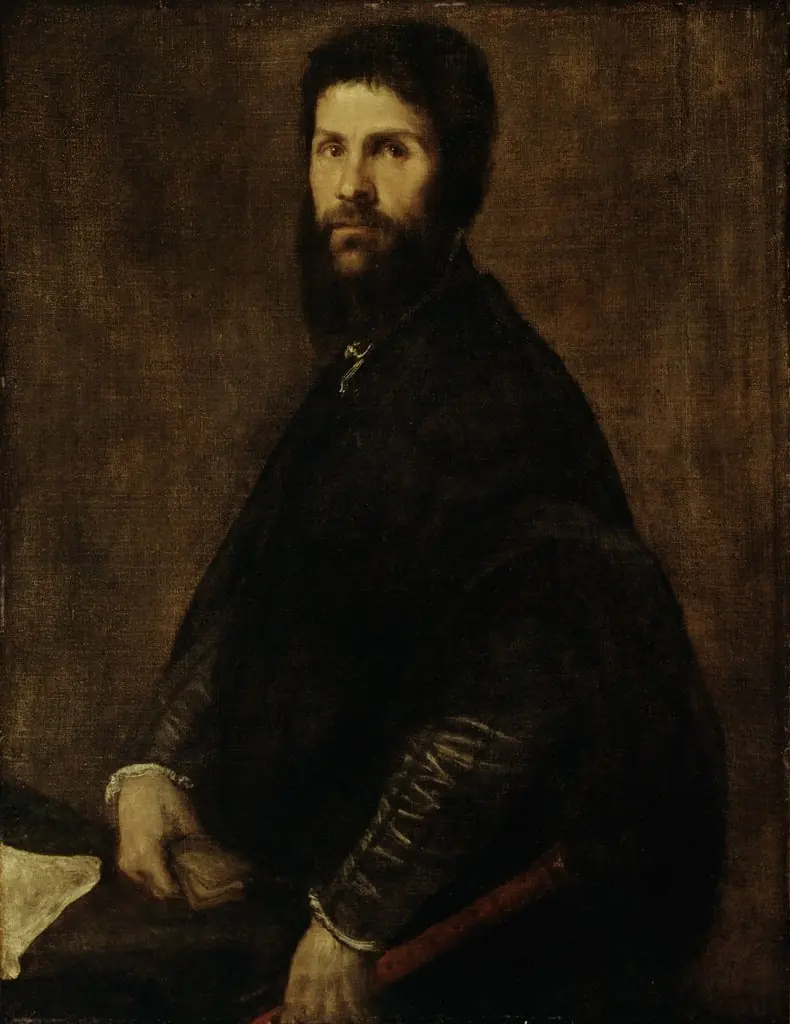 Man Holding a Flute
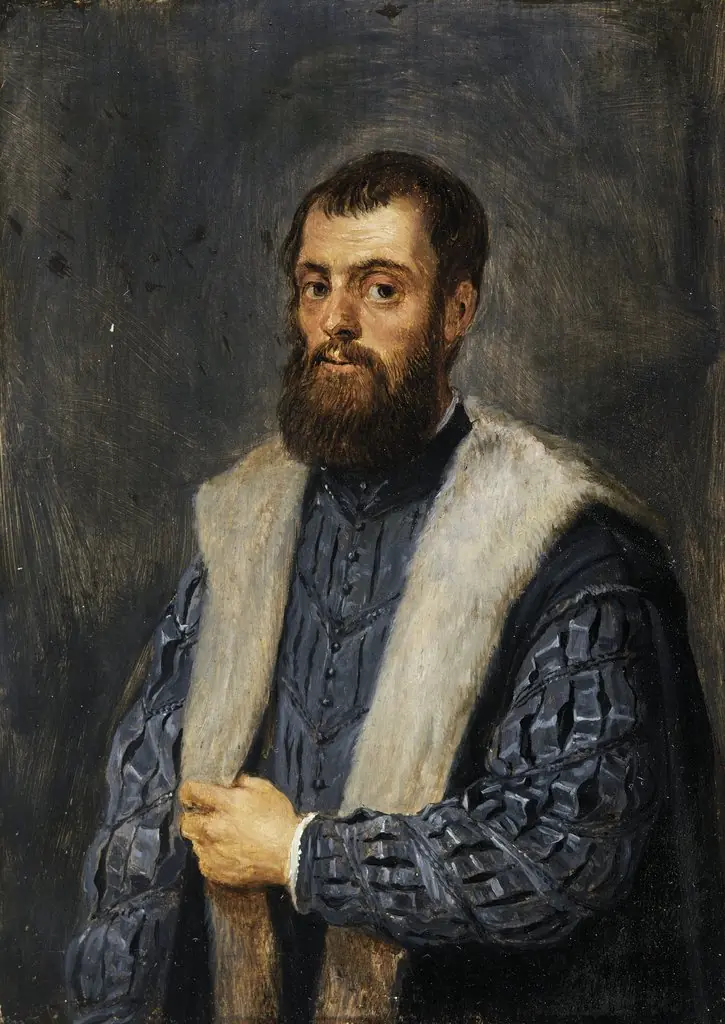 Portrait of a Man
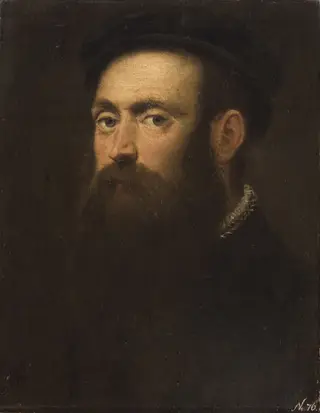 Bildnis eines bärtigen Mannes mit Barett
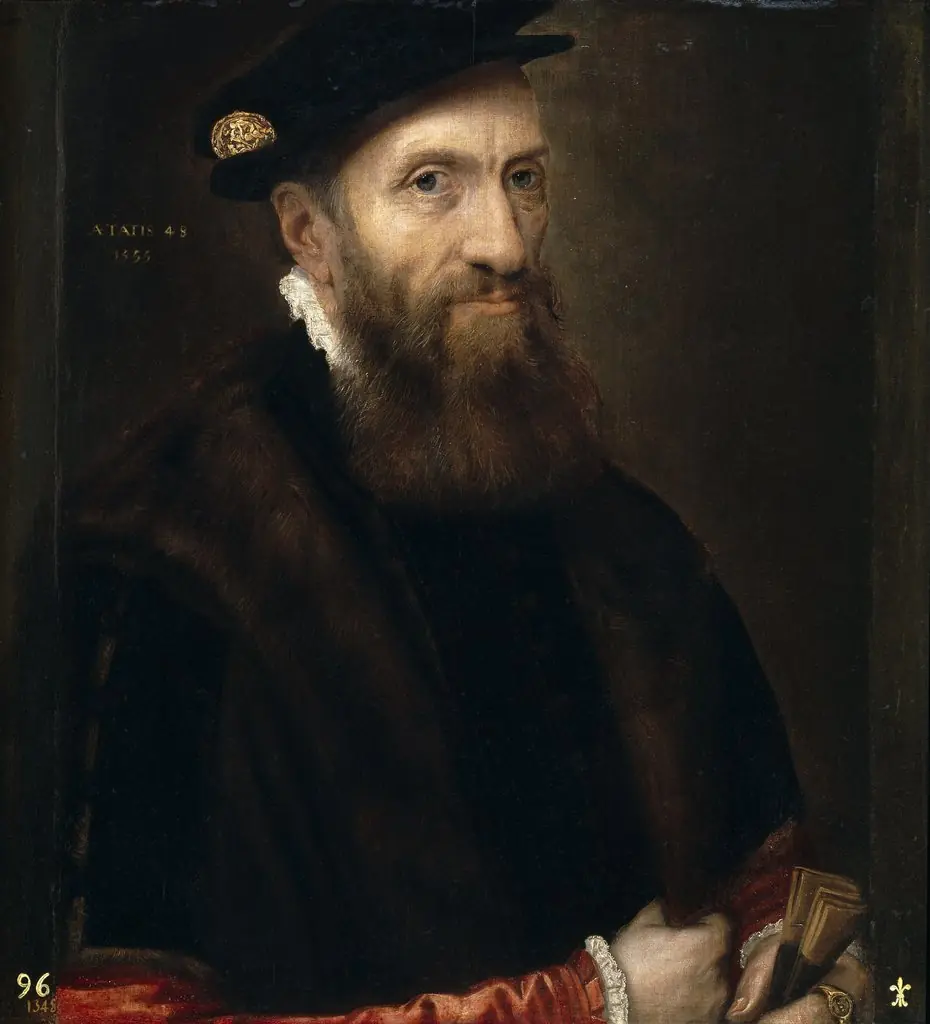 Portrait of a Man aged 48
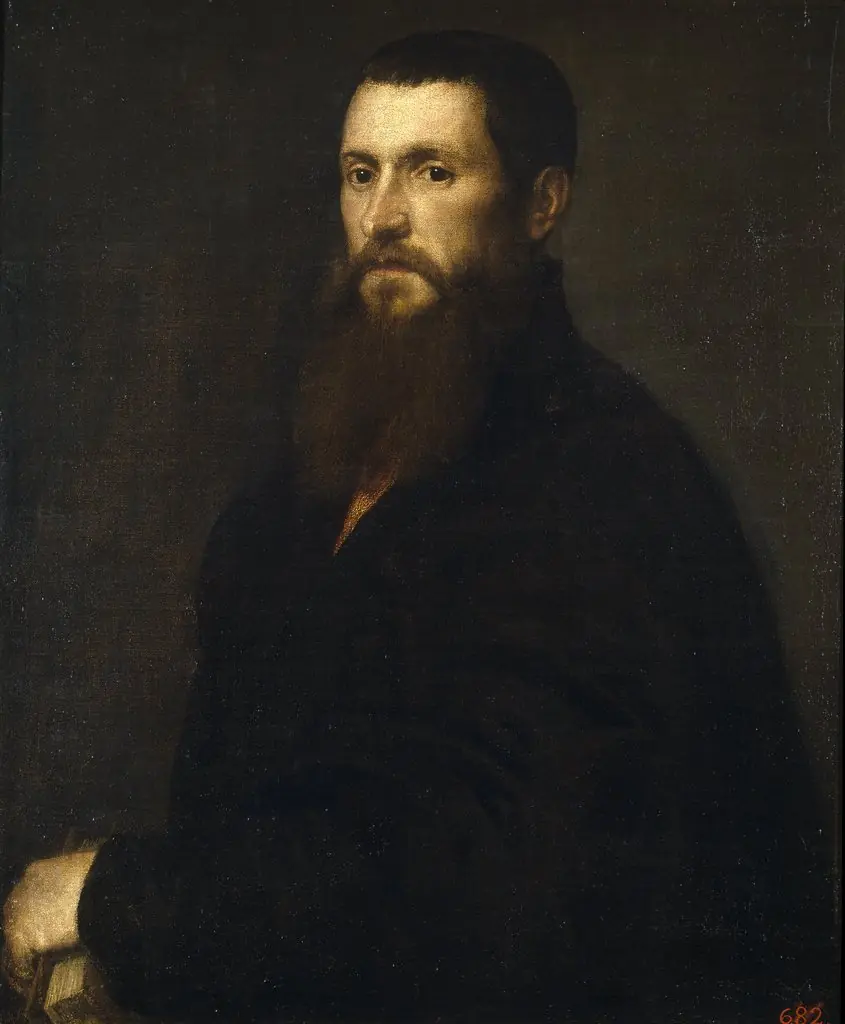 Daniele Barbaro, Patriarch of Aquileia
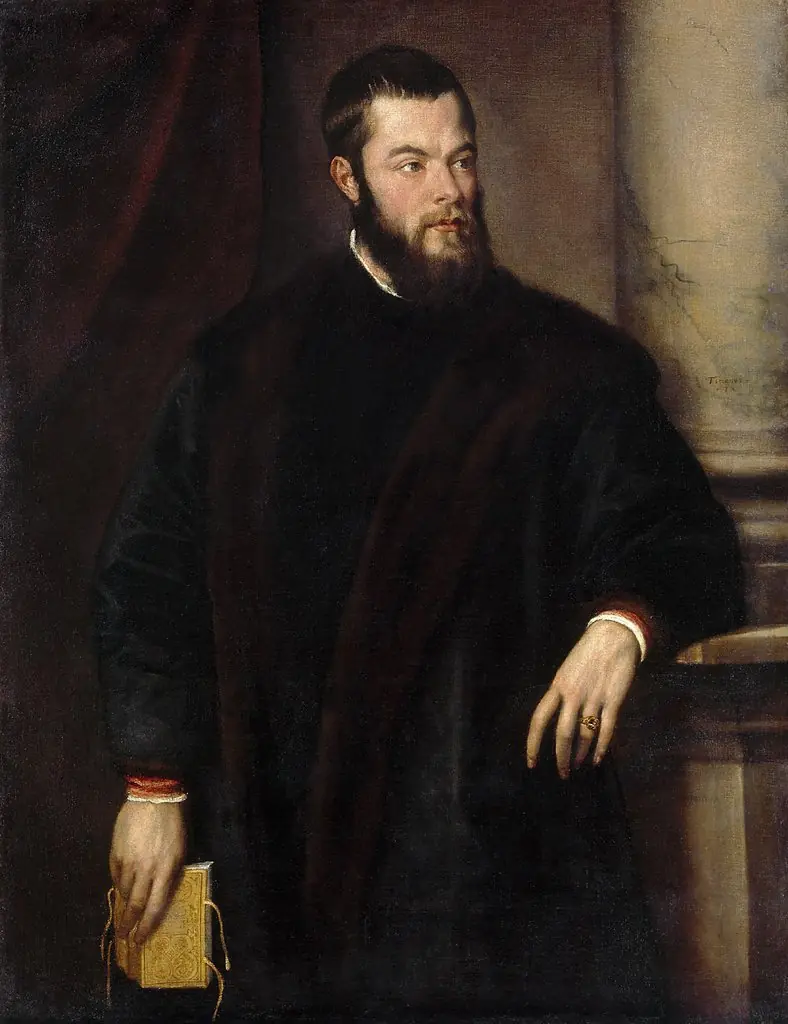 Portrait of Benedetto Varchi
 Portrait of a Man Holding a Book
 The Lacemaker