Artwork
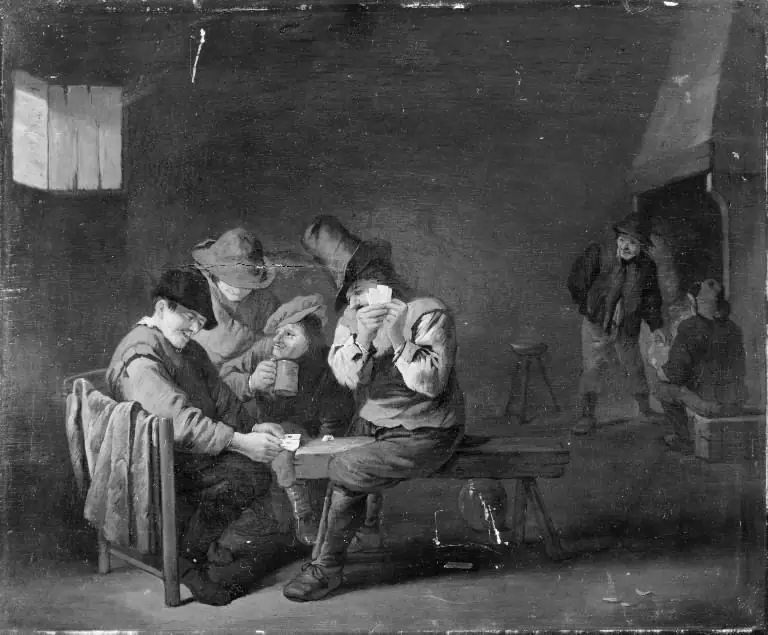
Tric Trac Players
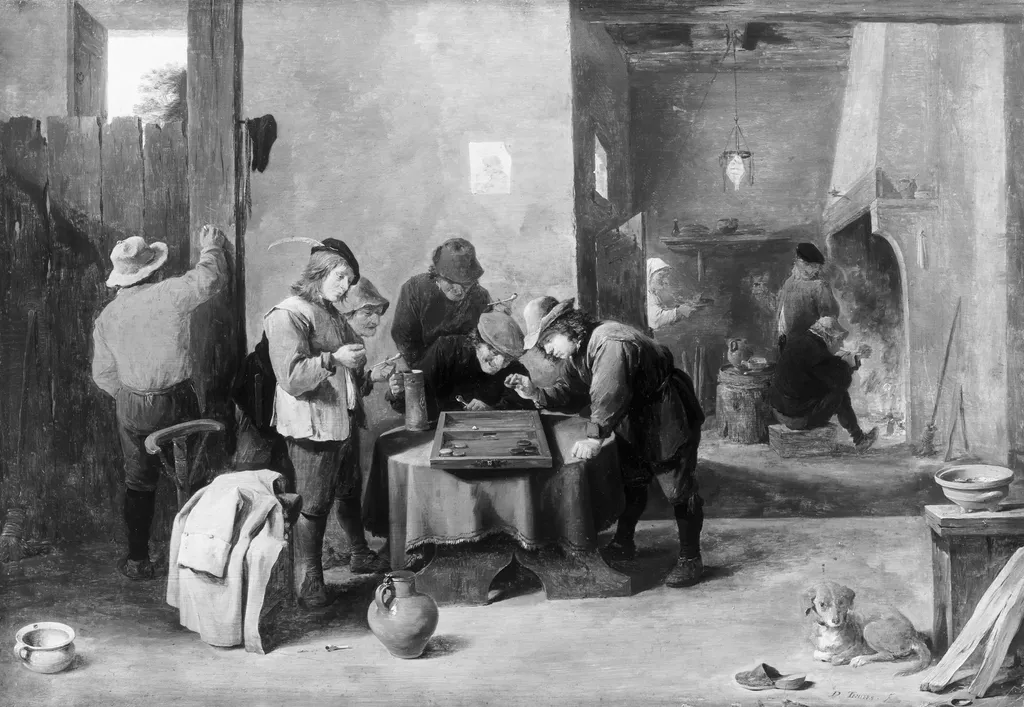
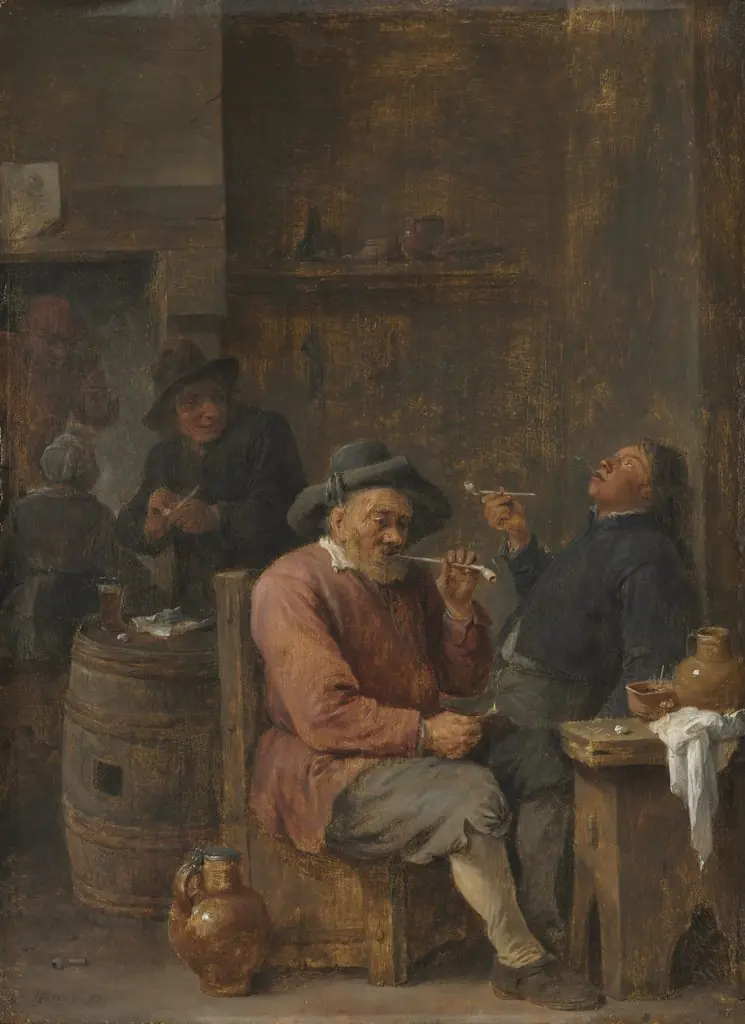
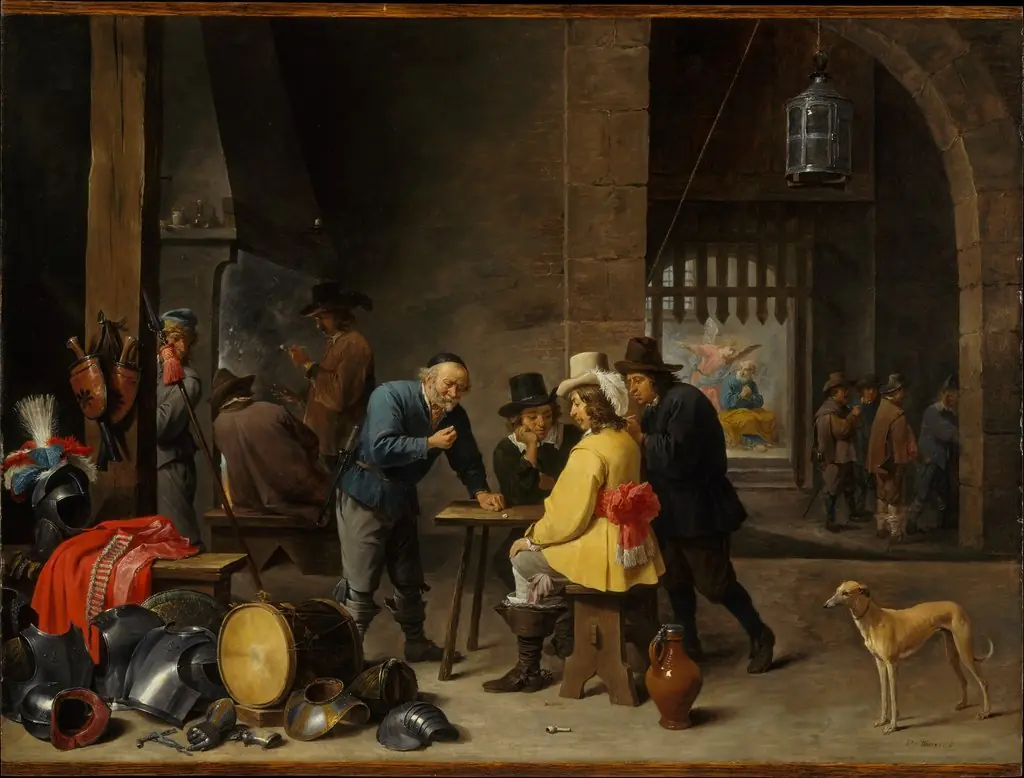
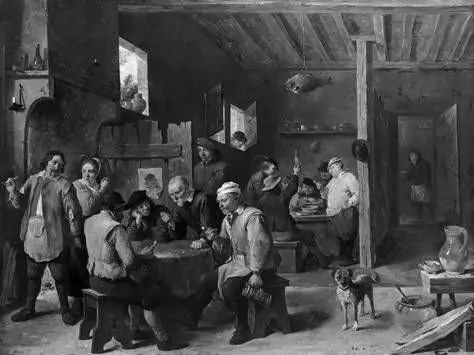
Tric Trac Players is an oil painting by the Flemish Baroque painting artist David Teniers the Younger. It dates from 1641 and is held in the collection of the Gemäldegalerie Berlin.
About this work
Overview
Tric Trac Players is an oil painting by the Flemish Baroque artist David Teniers the Younger, dated to 1641.
Tric Trac Players is an oil painting by the Flemish Baroque artist David Teniers the Younger, dated to 1641. Measuring 46 by 66 centimetres, this genre scene depicts a group of men gathered in a tavern interior to play tric trac, a dice-based board game popular in early modern Europe. The painting is held in the collection of the Gemäldegalerie, Berlin, where it remains on public display. As a characteristic example of Teniers's tavern scenes, the work exemplifies the artist's role in developing and refining Flemish genre painting during the mid-seventeenth century, a period when he emerged as the leading practitioner of such subjects in the Spanish Netherlands.
Subject & Meaning
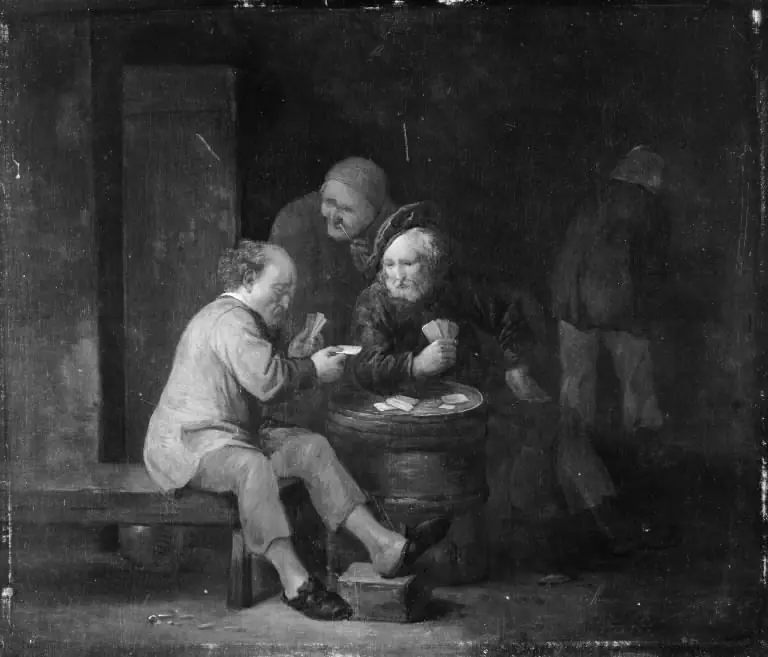
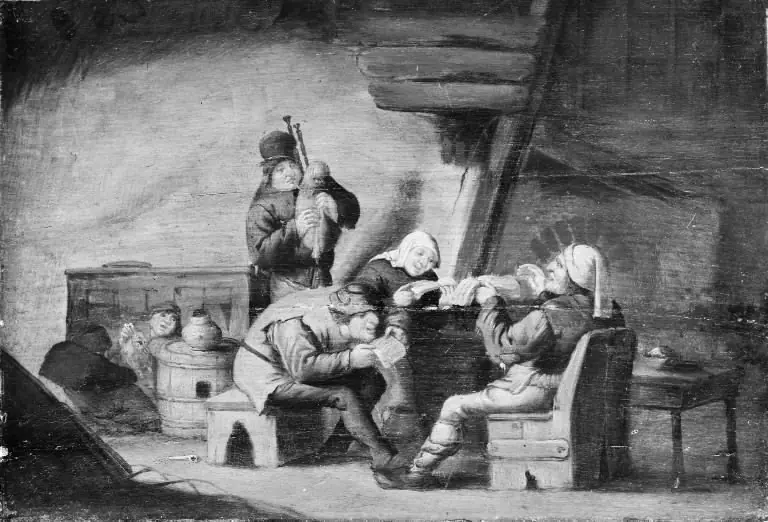
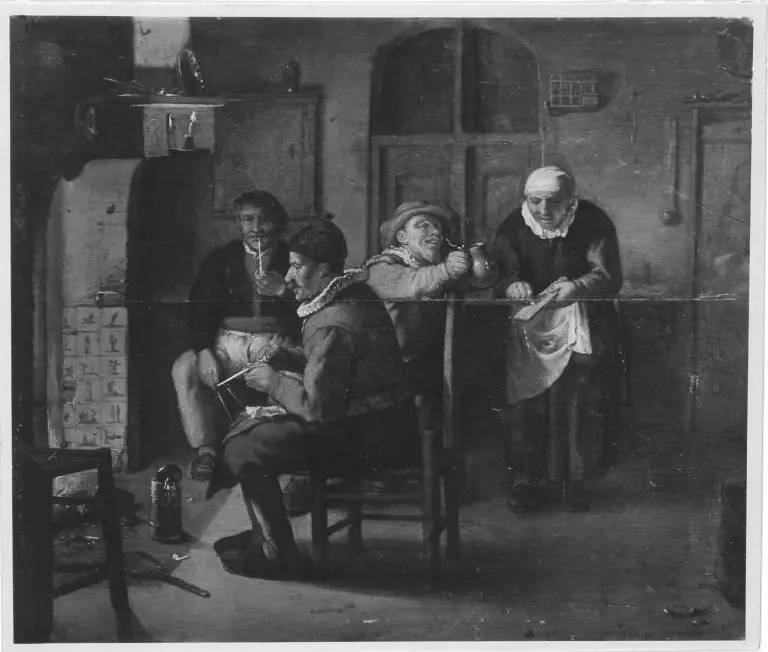
The painting presents a tavern interior divided between a central gaming group and secondary activity near a fireplace to the right. Several male figures lean intently over the tric trac board, while one figure stands to the left with his back turned, reaching toward a wooden post, and another sits near the hearth in the background. The visible objects carry symbolic weight: the tric trac board with its playing pieces, ceramic vessels, a metal tankard, a hanging lantern, and wooden furniture all speak to the rituals of male sociability and leisure. A dog lies in the foreground right, shoes rest on the floor, and draped cloth covers a chair, details that ground the scene in everyday material life. The composition carries potential moral undertones common to genre painting of this era, where scenes of gaming could imply warnings against idleness or vice, though Teniers's treatment tends toward observation rather amusement rather than overt moralising. The presence of soldiers waiting in the shadows of the background, as noted in related works, may subtly remind viewers of the military labour and broader social order that underpinned such casual moments of recreation in early modern Antwerp.
Technique & Style
Executed in oil paint, the work displays the smooth and controlled brushwork characteristic of Teniers's mature style. The artist employs a muted palette of browns and grays, with light entering from an open doorway at upper left to illuminate the central group while casting the right side of the room in deeper shadow. This dramatic lighting structure creates a natural focal point on the gaming action while permitting atmospheric depth in the background. Teniers demonstrates particular care in rendering textures: the grain of wood, the weave of fabric, the sheen of earthenware, and the gleaming surfaces of metal objects are all differentiated with precision. The oil medium allows for the easy depiction of varied appealing surfaces, from the warm wood of the tric trac table to the textured textiles of the clothing. The composition balances the foreground leisure activity against the darker recesses of the tavern, creating spatial complexity within a modest format. A signature is visible in the lower right corner, consistent with Teniers's practice.
Context
In 1641, Teniers stood at the threshold of his greatest professional success. He had already collaborated on Rubens's Torre de la Parada project, though his contribution to that series is now considered lost, and had cemented his relationship with Rubens through marriage and family connections. Within three years, in 1643, he would receive the commission for a group portrait from the Guild of St George, and by 1644-45 he would serve as dean of the Antwerp Guild of Saint Luke. The painting thus emerges from a period of growing reputation and productivity, before his appointment as court painter to Archduke Leopold Wilhelm in the late 1640s. Teniers's tavern scenes built upon a Flemish tradition extending back through his father to Pieter Bruegel the Elder, yet his refined technique and more intimate scale distinguished his work. His particular specialisation in such scenes, alongside peasant subjects, pictures of collections, and scenes with alchemists and physicians, made him the most versatile and prolific genre painter of his generation in Flanders. The critical reception of his work has consistently emphasised this leading position, with later scholars recognising him as the dominant Flemish genre painter of his day.
Legacy
Tric Trac Players occupies a representative place within Teniers's extensive oeuvre and the broader tradition of Flemish genre painting. The work exemplifies the tavern scene that became one of his signature contributions to European art, influencing the next generation of Northern genre painters and, ultimately, French Rococo artists such as Antoine Watteau. Teniers's innovations in depicting everyday social rituals, with their careful attention to material culture and atmospheric interior spaces, established a model that resonated well beyond his immediate circle. His founding of the Antwerp Academy, where young artists were trained to draw and sculpt in the hope of reviving Flemish art after the deaths of Rubens and Van Dyck, ensured the transmission of his approach to subsequent generations. The painting's continued presence in the Gemäldegalerie, Berlin, testifies to its enduring status as a significant work within this tradition, accessible to scholars and the public as a primary document of mid-seventeenth-century Flemish visual culture.
Own this work as a print
Artist & collection
Artist
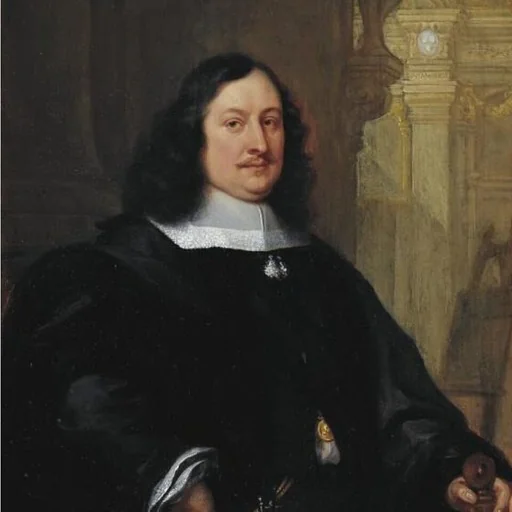
David Teniers the Younger or David Teniers II was a Flemish Baroque painter, printmaker, and artist.