Artwork
Hopwood Hall, Middleton
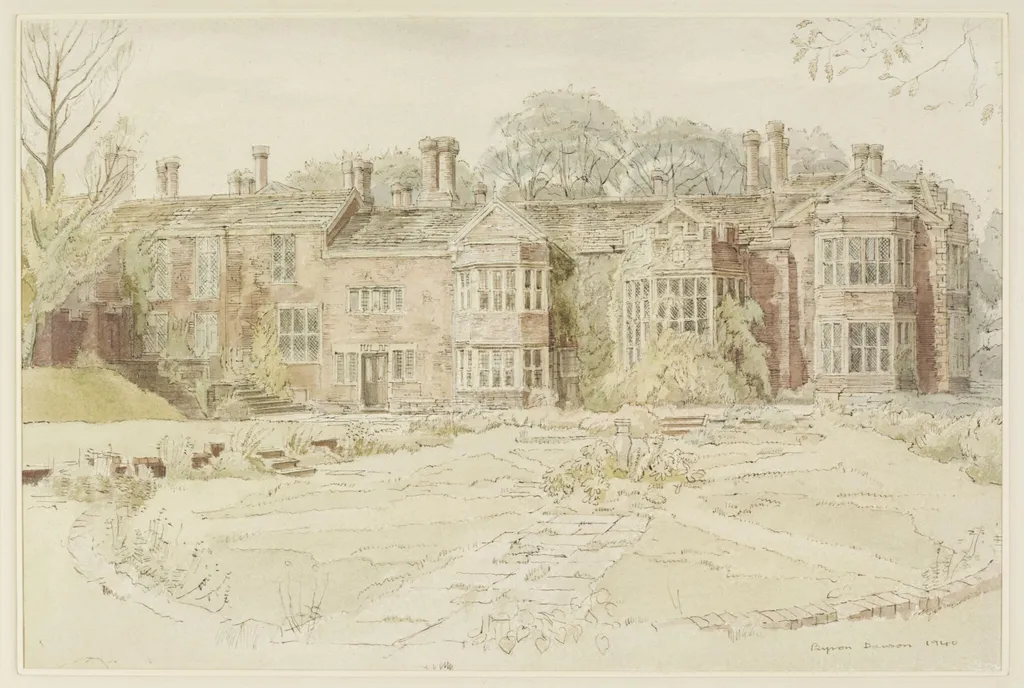
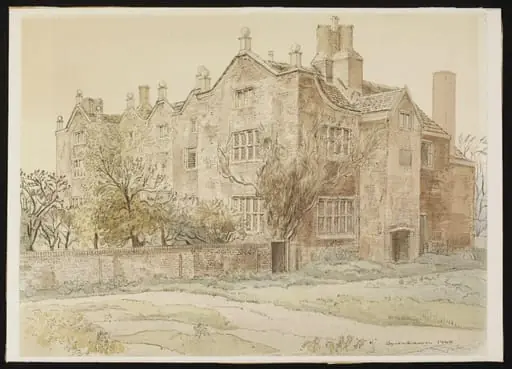
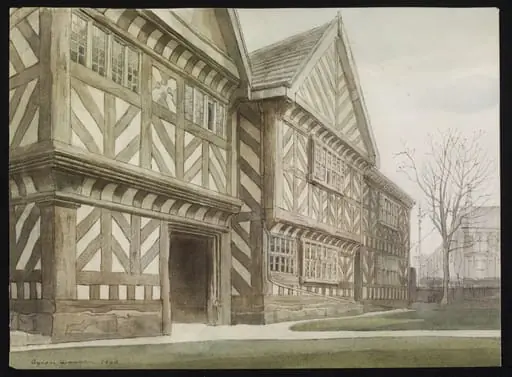
Hopwood Hall, Middleton is a watercolor work on paper by the Social Realist artist Dawson. It dates from 1940 and is held in the collection of the Victoria and Albert Museum.
About this work
Overview
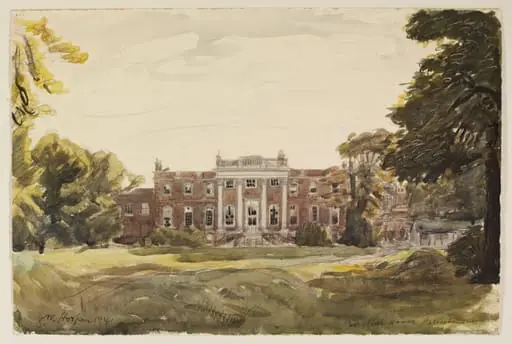
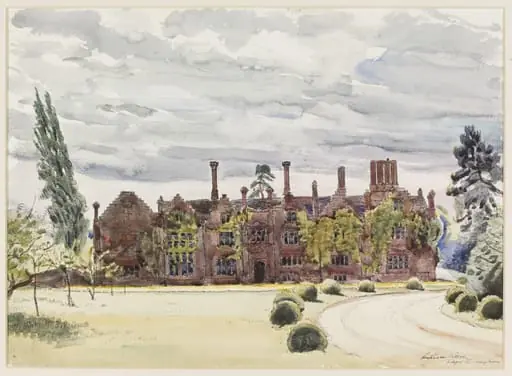
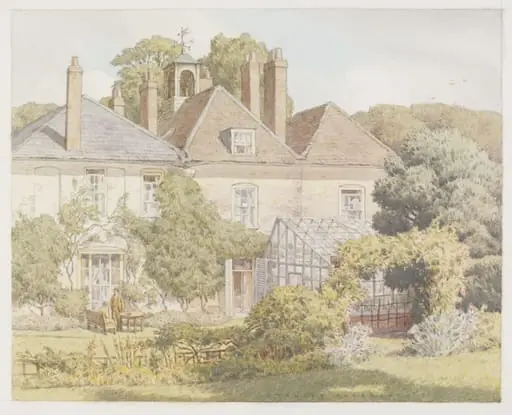
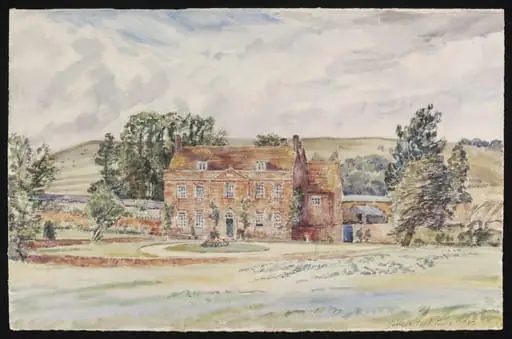
Hopwood Hall, Middleton is a 1940 watercolour by Dawson, depicting a 17th-century gabled house set amidst an overgrown courtyard. Created for the 'Recording Britain' project, the work captures a moment in the estate's decline.
Subject & Meaning
The subject, Hopwood Hall, is portrayed in a state of gentle neglect, with ivy, overgrown vegetation, and decay, symbolizing the broader theme of vanishing British heritage during WWII.
Technique & Style
Dawson employed soft light and meticulous attention to architectural detail (notably uneven bricks and crumbling steps) in this topographical watercolour, emphasizing the structure's age and wear.
History & Provenance
Commissioned under the 'Recording Britain' initiative (funded by the Pilgrim Trust and directed by Sir Kenneth Clark), this piece is part of a national collection documenting endangered landscapes and buildings during the war.
Context
Part of a larger collection focusing on English scenes (excluding Northern Ireland and most of Wales and Scotland), it reflects the project's geographical scope and preservation goals.
Artist & collection
Artist
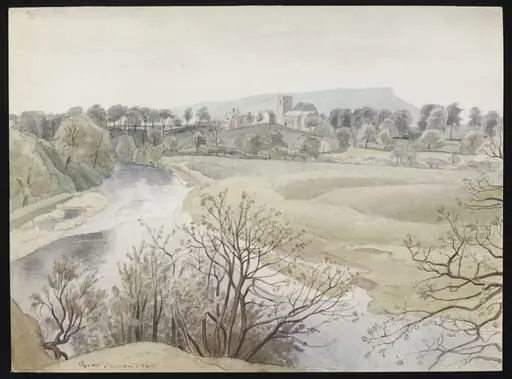
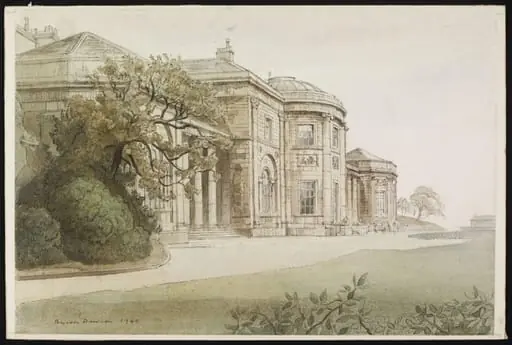
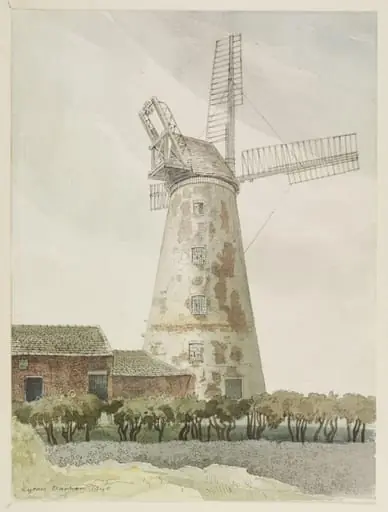
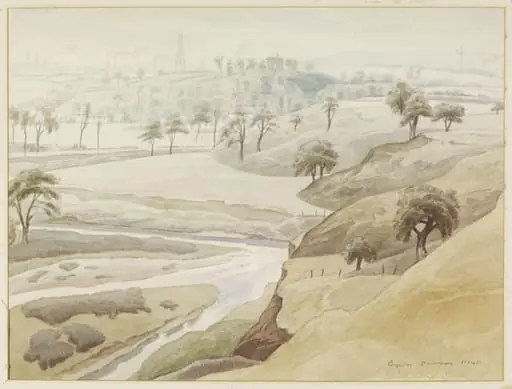
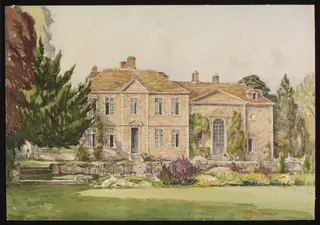
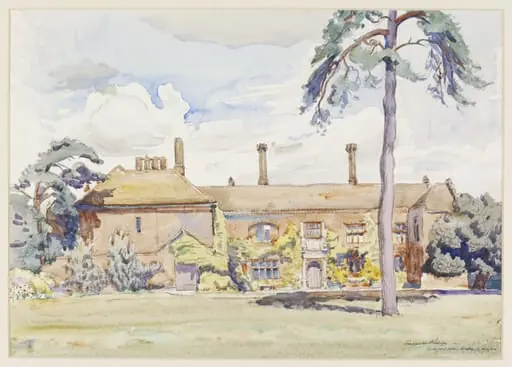
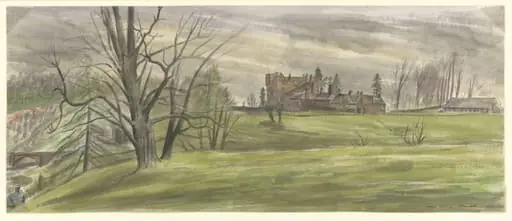
This artist painted watercolours of grand old buildings and riverside mills around Manchester and Lancashire in the early 1940s.