Artwork
Heaton Hall, Manchester
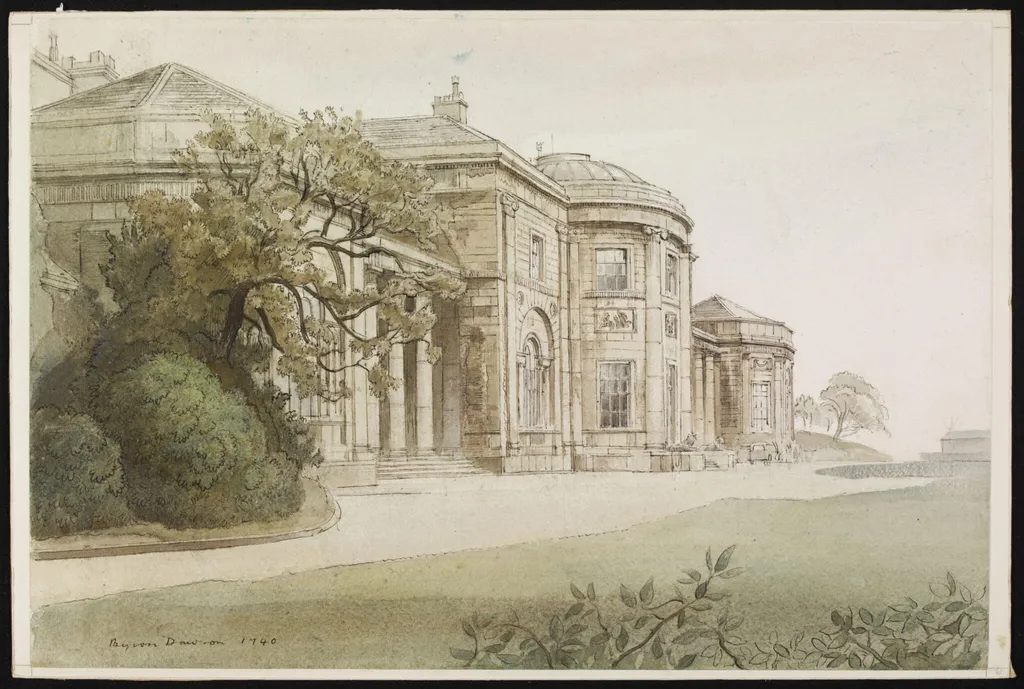
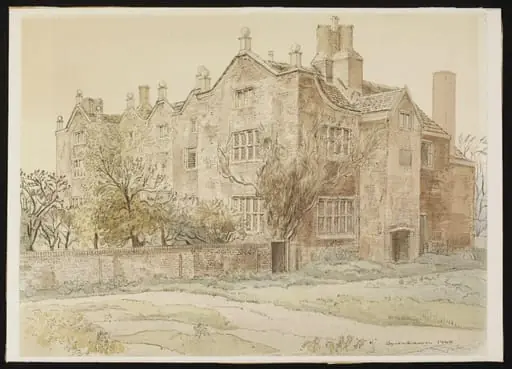
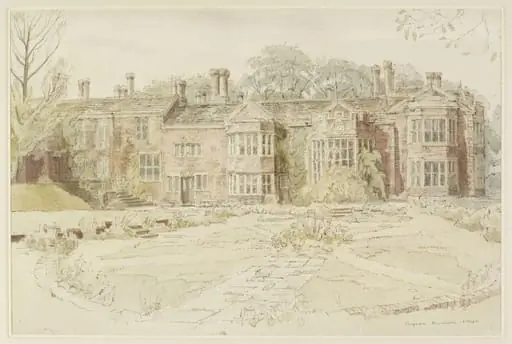
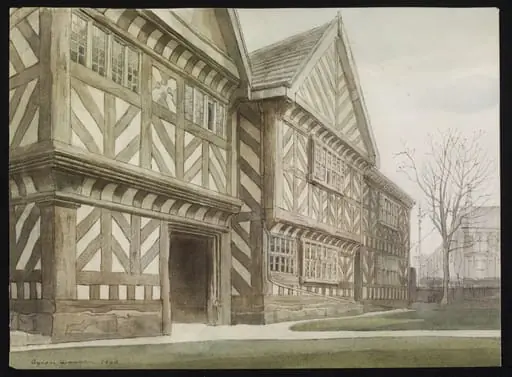
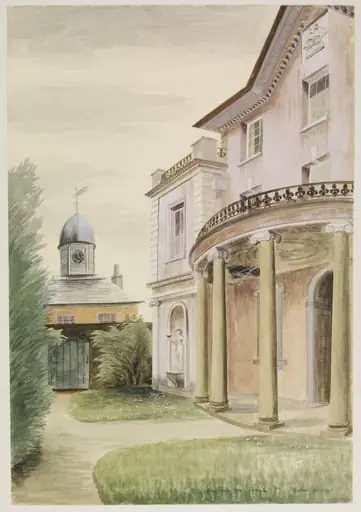
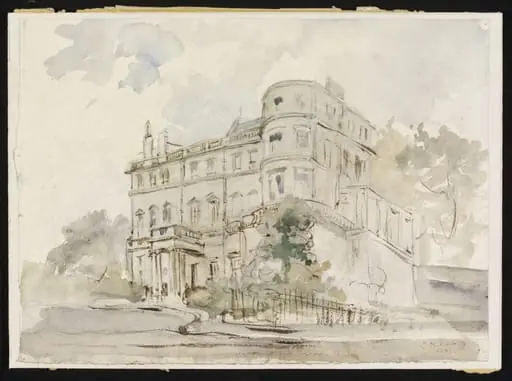
Heaton Hall, Manchester is a watercolor work on paper by the Regionalist artist Dawson. It dates from 1940 and is held in the collection of the Victoria and Albert Museum.
About this work
Overview
Executed as part of the Recording Britain initiative, the work belongs to a broader effort to document architectural and landscape heritage during wartime.
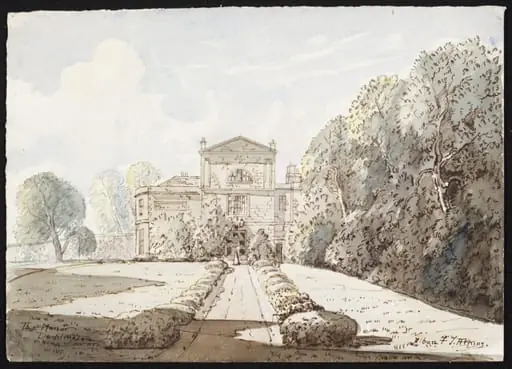
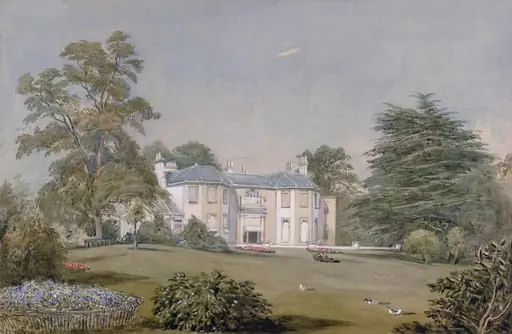
Created in 1940, this watercolour by Dawson captures Heaton Hall, an 18th-century neoclassical mansion in Manchester. Executed as part of the Recording Britain initiative, the work belongs to a broader effort to document architectural and landscape heritage during wartime. The piece reflects a quiet, observational approach, emphasizing the building’s symmetry and its integration with cultivated grounds, rather than dramatic or emotional expression.
Subject & Meaning
Heaton Hall, a symbol of aristocratic country living, is portrayed without human figures or activity, reinforcing its isolation and timelessness. The composition invites contemplation of a fading social order, as the estate stands amid open lawns and sparse vegetation. Its inclusion in the Recording Britain project suggests a deliberate act of preservation, not of grandeur, but of quiet endurance in the face of impending change.
Technique & Style
Dawson employs delicate washes and restrained brushwork to convey a hazy, atmospheric quality. The soft transitions between sky and building, and the subtle gradations in the lawns, avoid sharp definition, lending the scene a meditative stillness. Watercolour’s transparency allows underlying paper to suggest light, enhancing the sense of a calm, overcast day and reinforcing the project’s emphasis on subtle observation over bold statement.
History & Provenance
Commissioned by the Pilgrim Trust under the direction of Sir Kenneth Clark, this watercolour was produced as part of the Recording Britain project during the Second World War. The initiative sought to create a visual archive of at-risk landscapes and buildings. Dawson’s work, like others in the series, was later absorbed into the Victoria and Albert Museum’s collection, where it remains accessible as a historical record of Britain’s material culture during wartime.
Context
The Recording Britain project emerged amid fears that urban bombing and postwar development would erase historic sites. Artists were sent across the country to record vernacular architecture, rural scenes, and country houses, places deemed culturally significant yet vulnerable. Heaton Hall, though not in immediate danger, represented the broader tradition of landed estates whose future was uncertain, making its depiction both archival and quietly elegiac.
Legacy
Dawson’s watercolour contributes to a lasting visual archive that continues to inform historical and architectural studies. Its restrained aesthetic aligns with the project’s ethos of quiet documentation rather than heroic representation. Today, it stands as a testament to the role of art in preserving collective memory during periods of national upheaval, offering a sober counterpoint to wartime propaganda.
Artist & collection
Artist
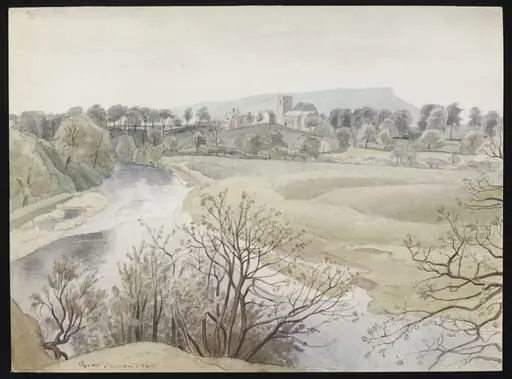
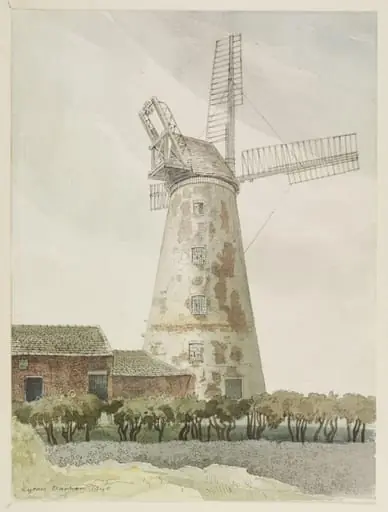
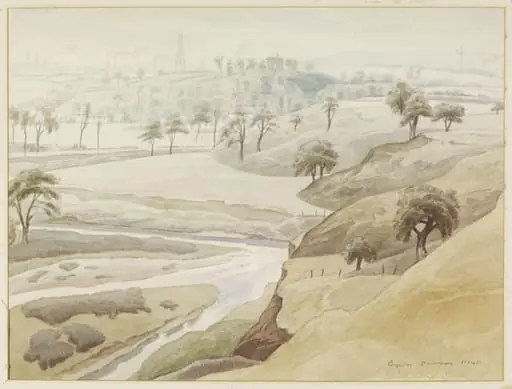
This artist painted watercolours of grand old buildings and riverside mills around Manchester and Lancashire in the early 1940s.