Artwork
The Ribble at Great Mitton near Clitheroe
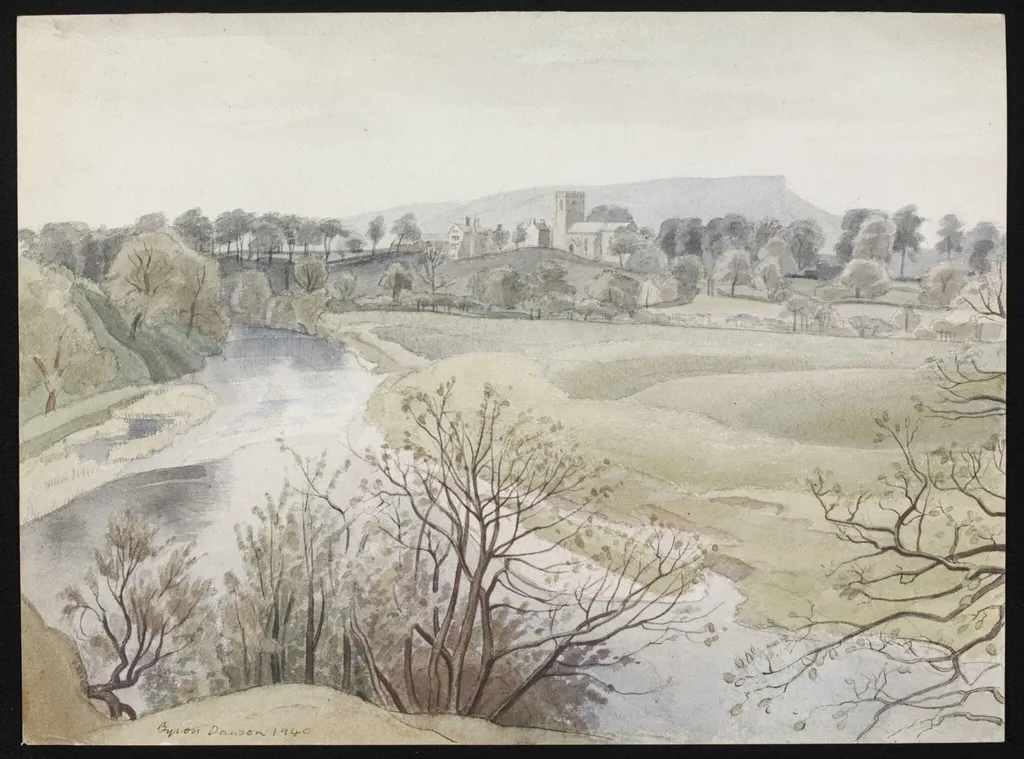
The Ribble at Great Mitton near Clitheroe is a watercolor work on paper by the Regionalist artist Dawson. It dates from 1940 and is held in the collection of the Victoria and Albert Museum.
About this work
Overview
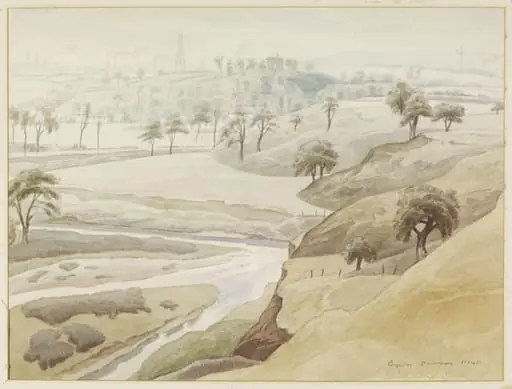
The work is a watercolour painted in 1940 that portrays the River Ribble as it passes near the village of Great Mitton, with the settlement visible on a low rise in the background. The composition captures a tranquil stretch of water bordered by leaf‑less trees under a muted sky, suggesting a quiet, early‑yeartime atmosphere.
Subject & Meaning
The scene presents a rural English landscape where the river, the village church and modest dwellings form a modest tableau of community life. By emphasizing the stillness of the water and the sparse vegetation, the image reflects a sense of continuity and resilience in the countryside during a period of national uncertainty.
Technique & Style
The artist employs a restrained palette of soft, blended tones that convey a hazy, almost wintry light. Delicate washes render the sky and water, while finer brushwork defines the bare branches and architectural outlines. The overall effect is one of calm diffusion rather than sharp detail, reinforcing the atmospheric quality of the view.
History & Provenance
Created as part of the Recording Britain scheme, the piece was commissioned by a wartime initiative overseen by Sir Kenneth Clark and financed by the Pilgrim Trust. The project enlisted artists to document the visual character of Britain’s landscapes and settlements at a time when bomb damage and urban growth threatened traditional scenery.
Context
The Recording Britain programme aimed to preserve visual evidence of a Britain perceived to be changing rapidly in the early 1940s. By focusing on rural settings such as the Ribble valley, the series sought to capture elements of national identity that might be lost through wartime destruction or post‑war development.
Artist & collection
Artist
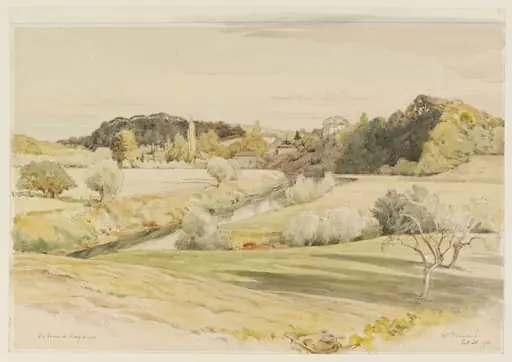
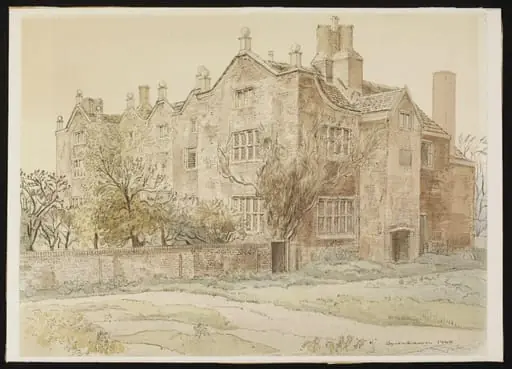
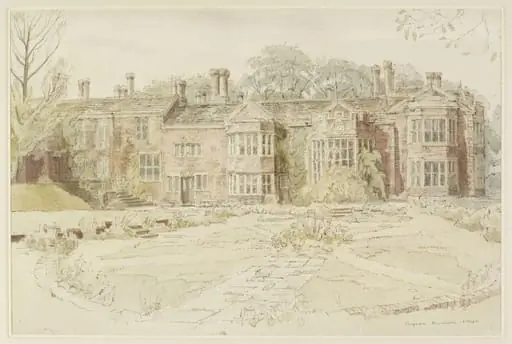
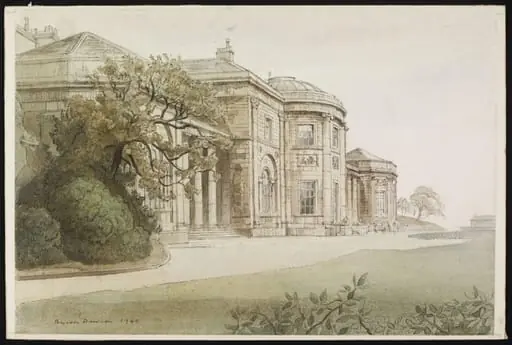
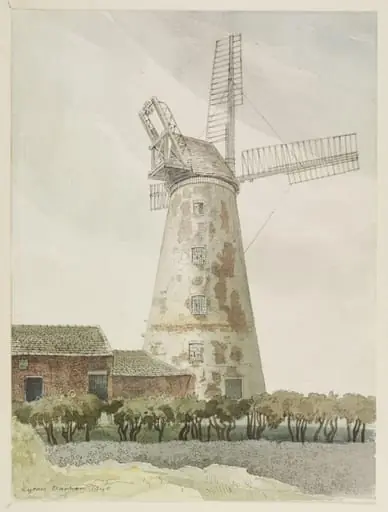
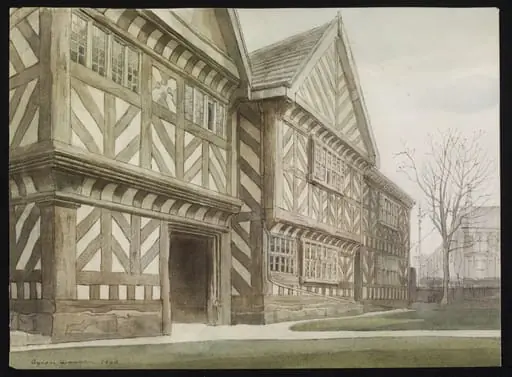
This artist painted watercolours of grand old buildings and riverside mills around Manchester and Lancashire in the early 1940s.

- The Teme at Knightwick
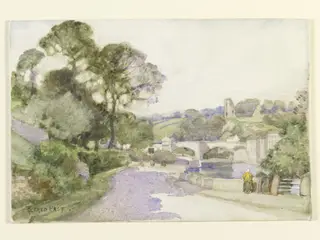 Barnard Castle
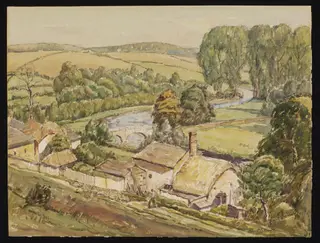 Woodford Bridge in the Avon Valley
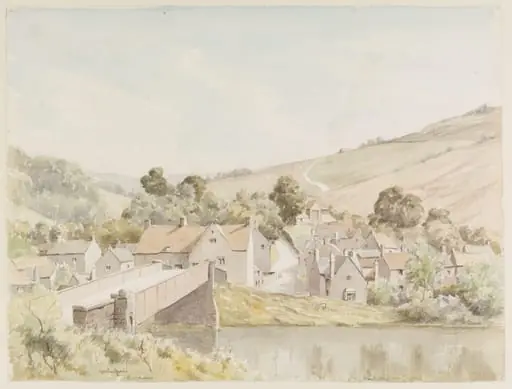 Brockweir, near Tintern, Monmouthshire
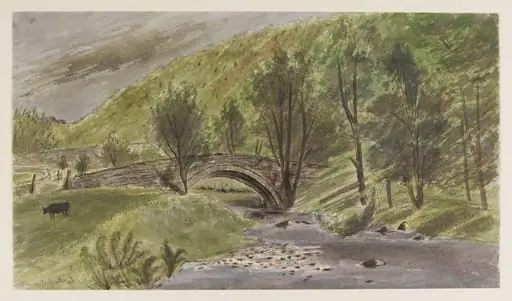 Dol-y-moch Bridge in the Maentwrog Valley, Merionethshire
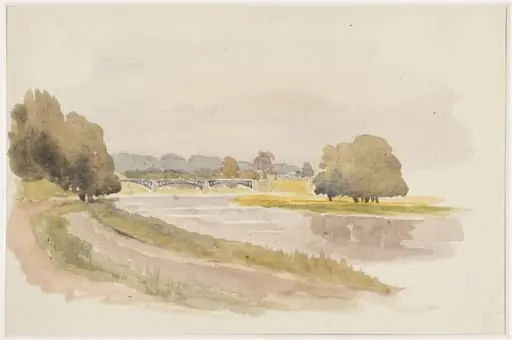 View of the bend of a river
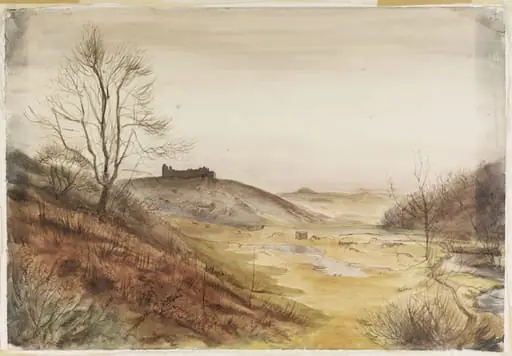 Pennard Castle, Gower, Glamorganshire
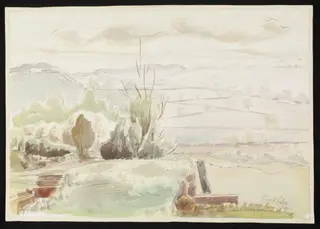 Porter Valley, No.2
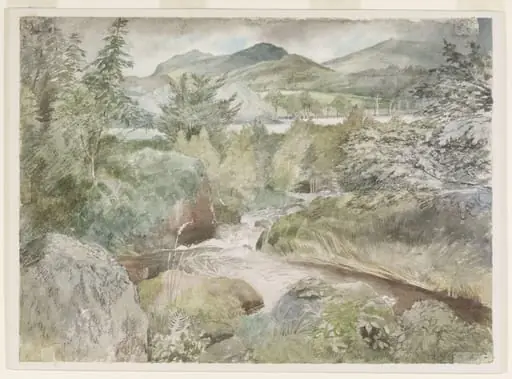 Garn Dolbenmaen, Caernarvonshire
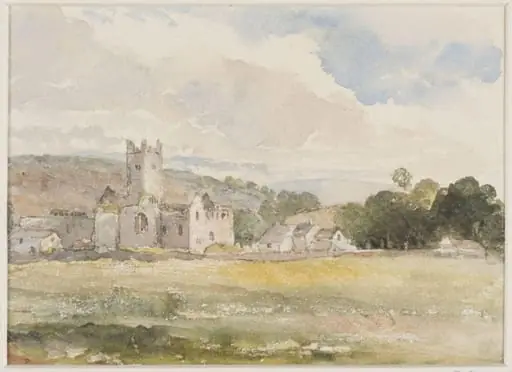 Jerpoint Abbey
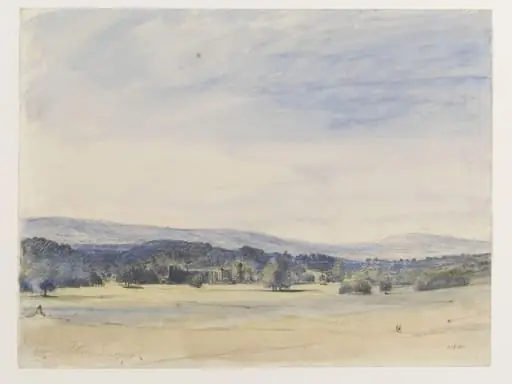 The ruins of a Cowdray House
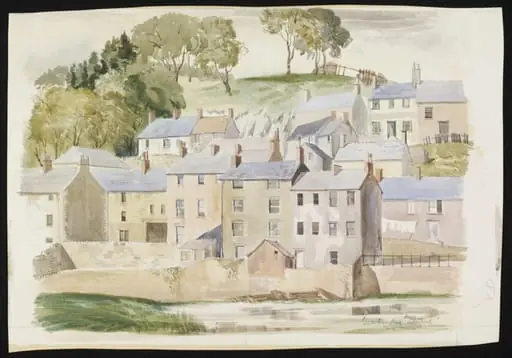 "Scarthin Nick" Cromford