Artwork
Matthias de L'Obel
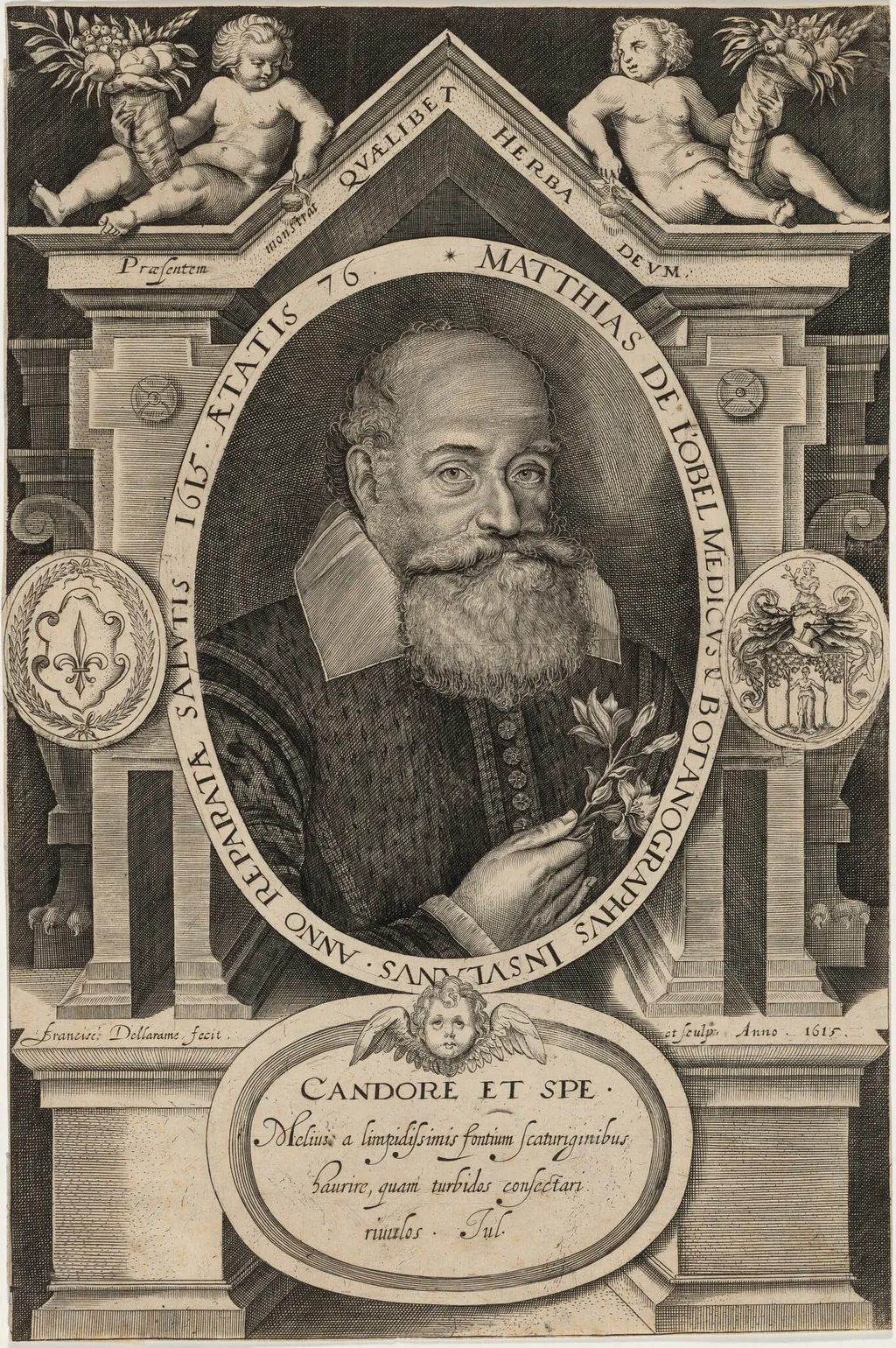
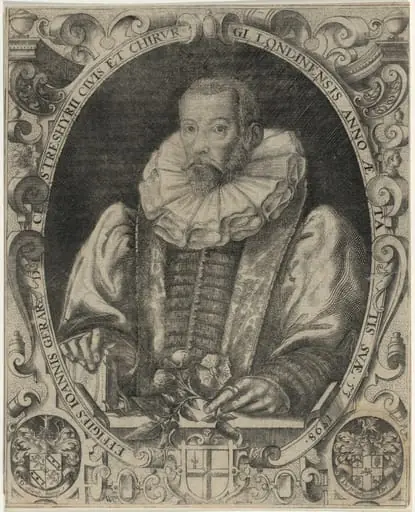
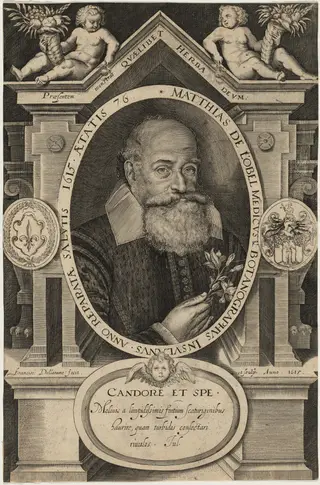
Matthias de L'Obel is an ink print by the Baroque artist Francis Delaram. It dates from 1615 and is held in the collection of the National Gallery of Art.
About this work
Overview
Francis Delaram’s 1615 engraving depicts Matthias de L'Obel, a Flemish botanist and physician known for his contributions to plant classification.
Francis Delaram’s 1615 engraving depicts Matthias de L'Obel, a Flemish botanist and physician known for his contributions to plant classification. Executed in etching and engraving, the portrait belongs to a tradition of scholarly portraiture common in early 17th-century Europe. Delaram, an English printmaker of probable Flemish descent, specialized in book illustrations and likenesses, often working for historical and scientific publications.
Subject & Meaning
De L'Obel is shown holding a plant specimen, emphasizing his identity as a botanist. His serious expression and direct gaze convey intellectual authority. The cherubs above, holding botanical specimens, symbolize the natural world he studied, linking human knowledge to nature’s order.
The architectural setting suggests erudition and classical learning, reinforcing his status as a man of science within Renaissance humanist ideals.
Technique & Style
Delaram employed fine cross-hatching and delicate line work to render texture in fabric, beard, and stone carvings. The cherubs and ornamental columns reflect Flemish decorative traditions, with intricate detailing in their forms. While the background architecture lacks spatial coherence, the precision of the figure’s rendering demonstrates the artist’s skill in portraiture. The tonal contrast between light and shadow enhances the figure’s presence without overt dramatization.
History & Provenance
The engraving was likely produced for inclusion in a scholarly publication, possibly related to William Camden’s historical works, with which Delaram was associated. It circulated among intellectual circles in England and the Low Countries, serving as a visual record of a leading botanist. No early ownership records are known, but its survival suggests continued interest in de L'Obel’s scientific legacy during the 17th century.
Context
In early 17th-century Europe, portraiture of scientists often combined realism with symbolic elements to communicate expertise. De L'Obel’s image aligns with contemporaneous depictions of naturalists like Gesner and Clusius, who were similarly shown with plants and in scholarly settings. The integration of cherubs and classical architecture reflects a broader cultural trend of associating scientific inquiry with divine and ancient wisdom.
Legacy
Delaram’s engraving remains one of the few surviving visual records of Matthias de L'Obel. It contributed to the visual canon of early modern botanists and was referenced in later botanical publications. Though Delaram’s career was relatively brief, this work endures as a precise example of how scientific identity was constructed through print culture in the Baroque era.
Own this work as a print
Artist & collection
Artist
Francis Delaram (born around 1590, fl. 1615–1624 or 1627), was an English engraver. Delaram left a substantial collection of engraved portraits, landscapes and book illustrations (specifically, William Camden's…

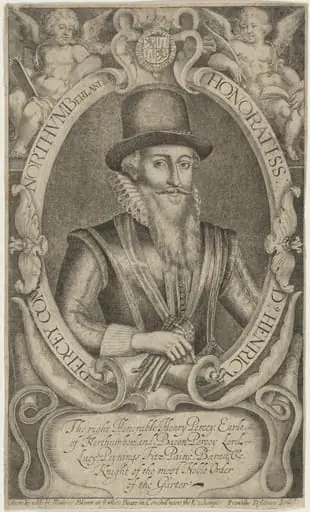 Henricus Percye (Henry Percy, Ninth Earl of Northumberland)
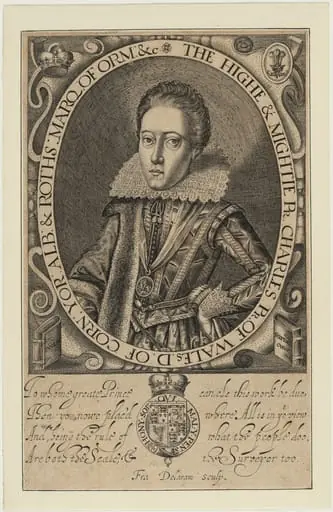 Charles I, as Prince of Wales
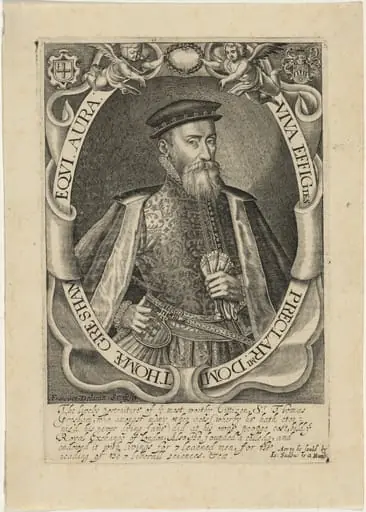 Sir Thomas Grisham
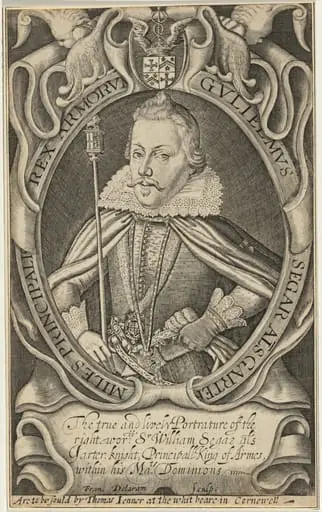 Guliemus Segar (Sir William Segar)
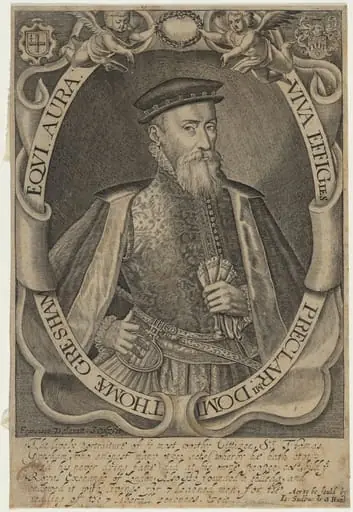 Thomae Gresham Equi. Aura (Sir Thomas Gresham)
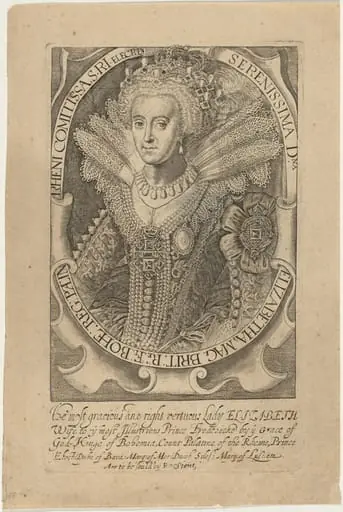 Elizabeth, Queen of Bohemia
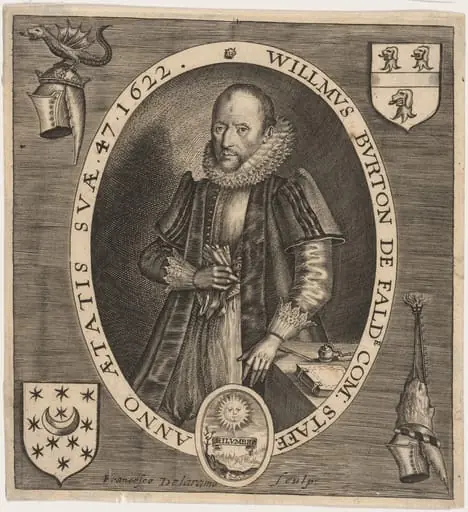 Willmus Burton de Falde (William Burton)
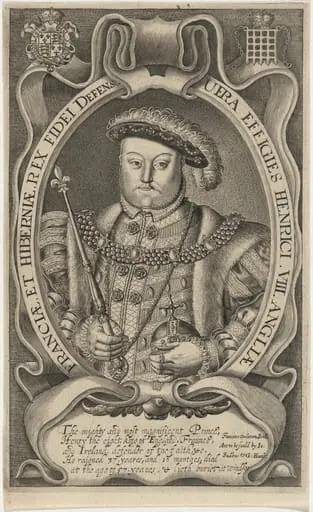 Henrici VIII Angliae, Franciae et Hiberniam Rex (King Henry VIII)