Artwork
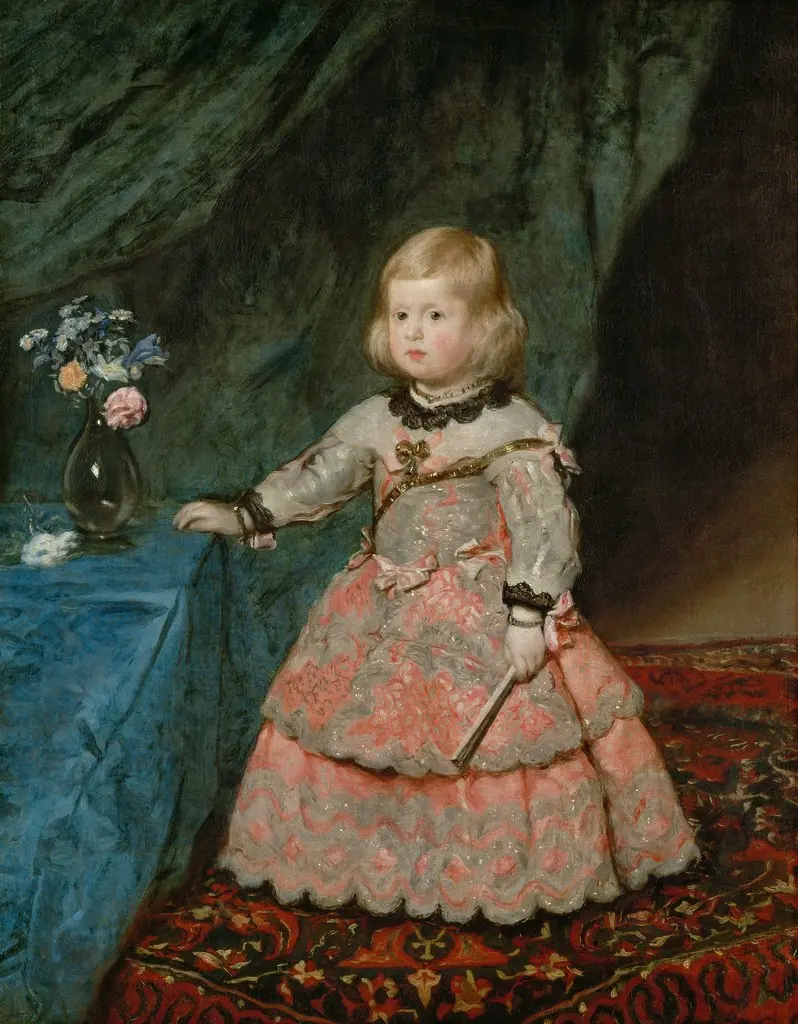
Infanta Margaret Theresa in a White and Silver Dress
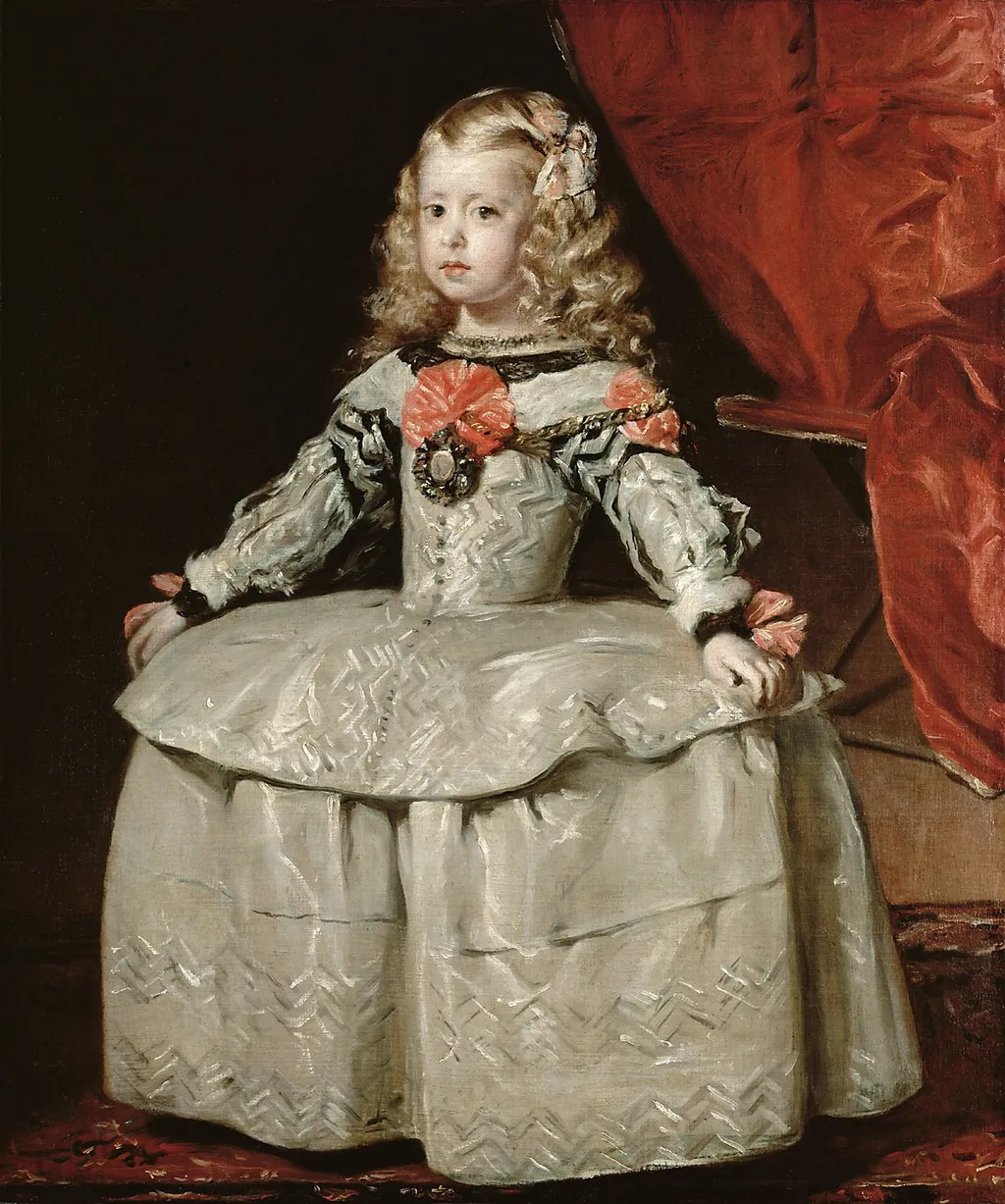
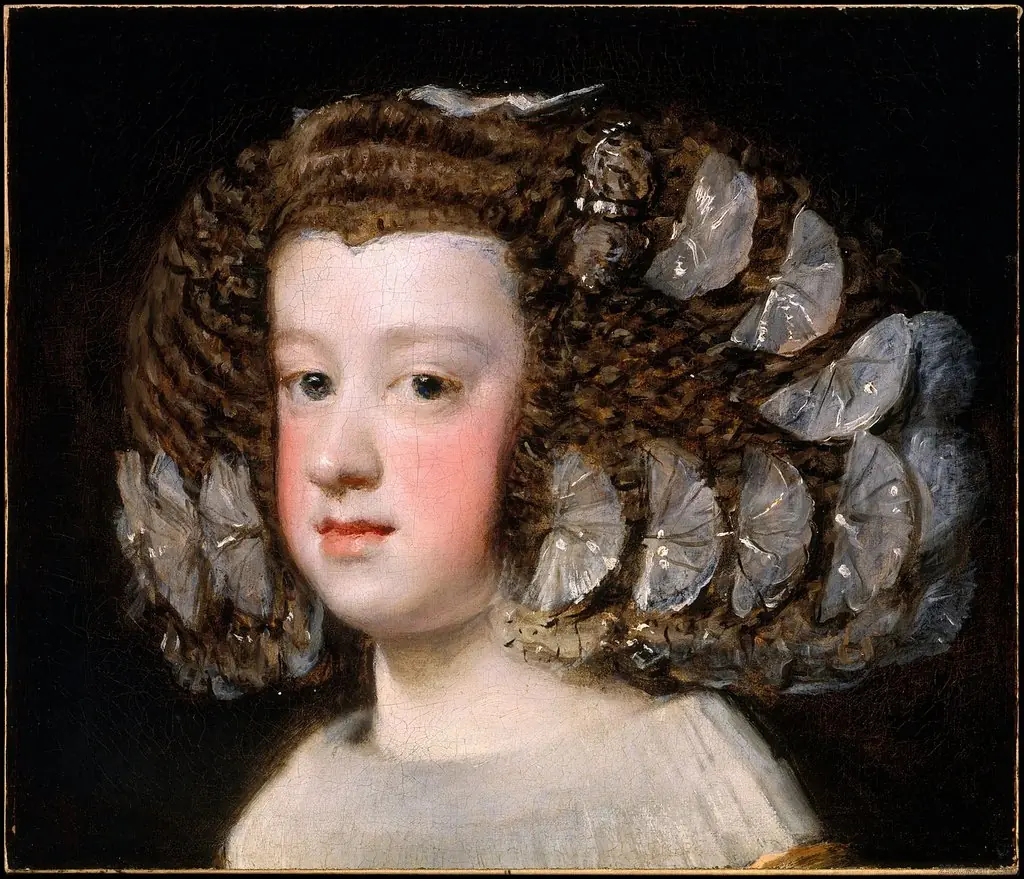
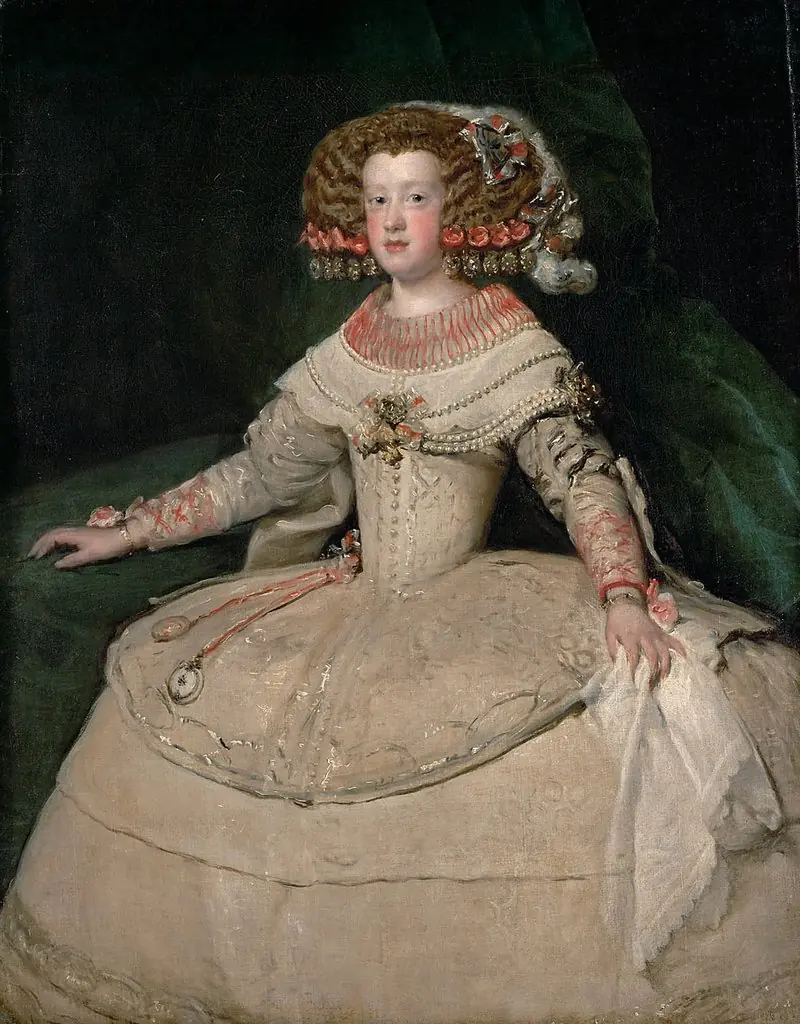
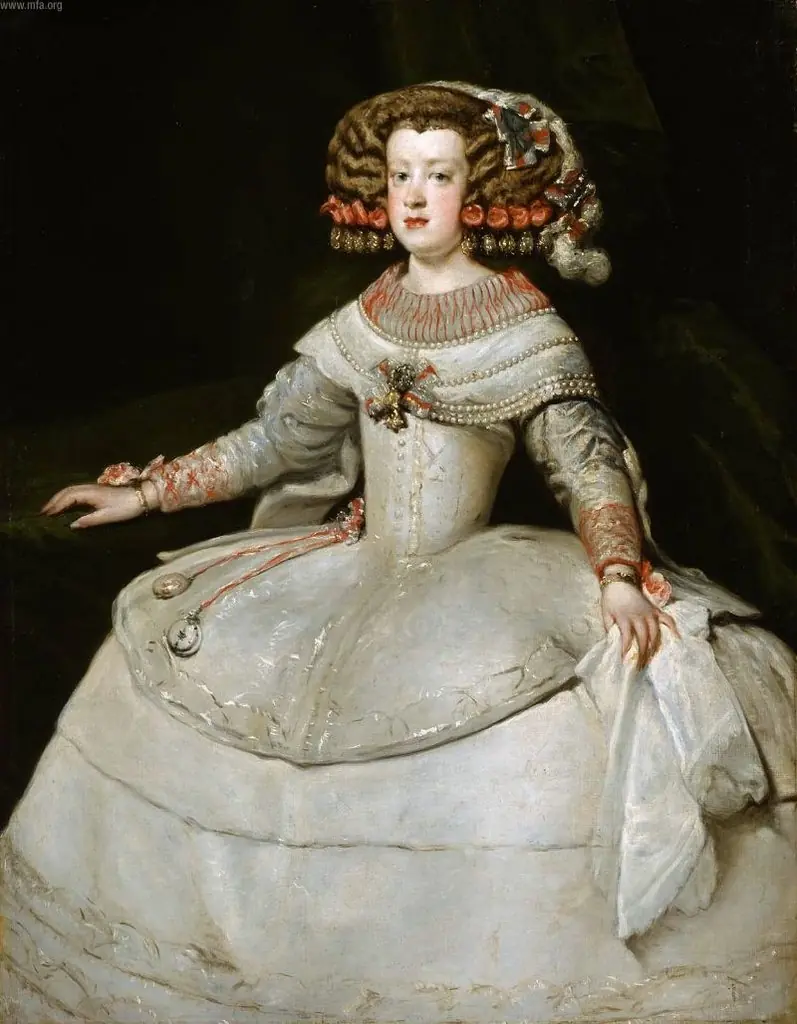
Infanta Margaret Theresa in a White and Silver Dress is an oil painting by the Baroque artist Diego Velázquez. It dates from 1656 and is held in the collection of the Kunsthistorisches Museum.
About this work
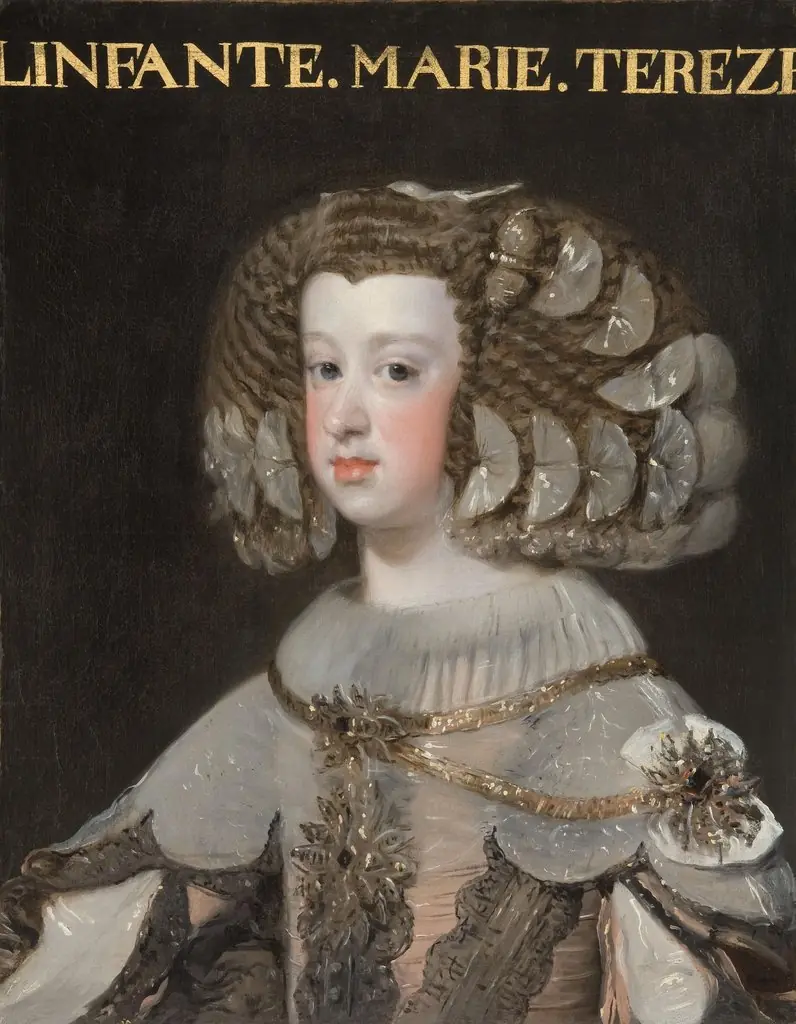
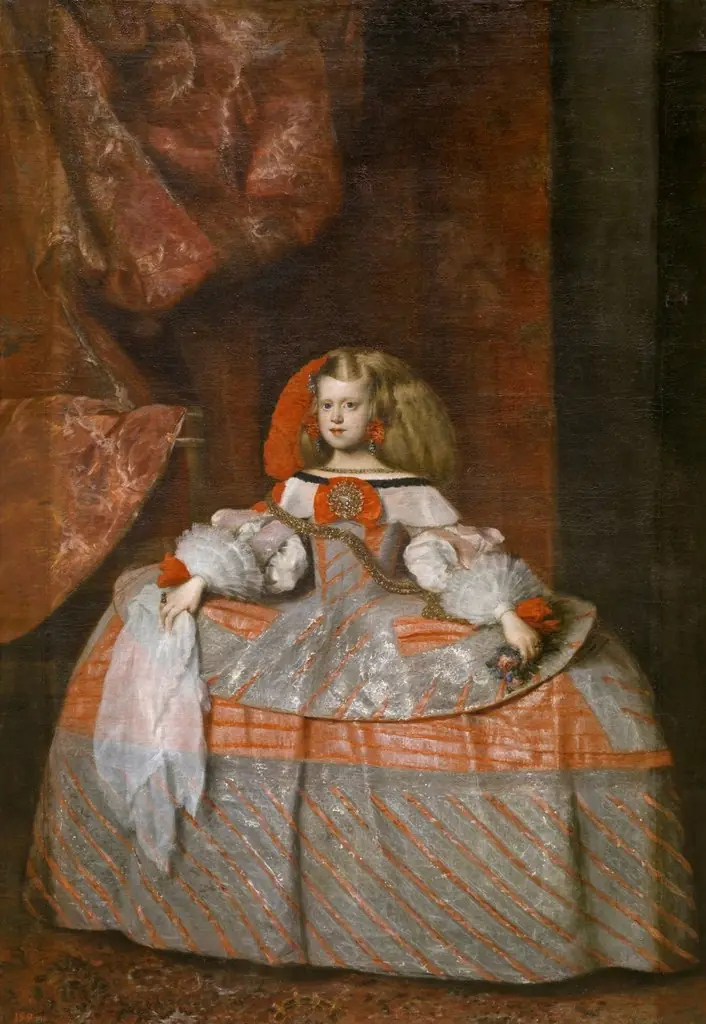
This painting shows Margaret Theresa of Spain as a young girl in a formal dress. Diego Velázquez painted it in 1656. It’s an oil portrait, one of five he made of her.
The princess wears a pale, silver-trimmed gown. Velázquez often painted royal children this way. The work is at the Kunsthistorisches Museum in Vienna.
Want to see more like this? Check out other portraits by Diego Velázquez.
Subject & Meaning
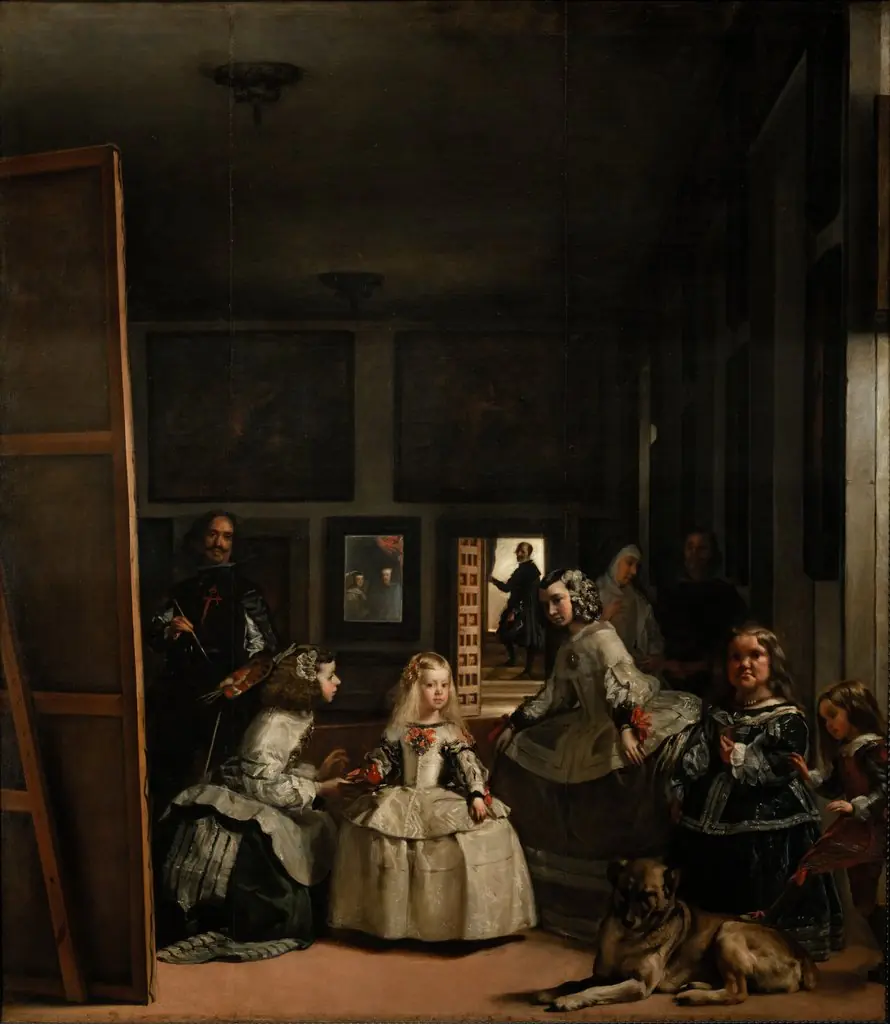
It belongs to a series of portraits Velázquez made of the young infanta, who appears in a similar white gown in the slightly earlier Las Meninas.
The painting is a portrait of Margaret Theresa of Spain, depicted at the age of five in a white dress. It belongs to a series of portraits Velázquez made of the young infanta, who appears in a similar white gown in the slightly earlier Las Meninas. The work was produced as part of a diplomatic marriage arrangement, sent to Vienna for her future husband, Leopold I of Habsbourg, who would become Holy Roman Emperor.
The white and silver attire carries dynastic and ceremonial weight, presenting the child as a formal representative of the Spanish Habsburg line rather than an informal sitter. By producing multiple portraits of Margaret Theresa in comparable courtly dress, Velázquez visually linked her to the iconography of royal identity established in Las Meninas, reinforcing her status as both a Spanish infanta and the future consort of the Austrian Habsburgs.
Technique & Style
The painting is executed in oil on canvas, a medium typical of Velázquez’s mature practice. Its composition centers on the Infanta Margaret Theresa, who is shown in a white satin dress with silver embroidery, the costume rendered with precise, luminous brushwork that captures the play of light on the fabric’s folds. The figure is set against a neutral, dark background that isolates her presence and emphasizes the tactile quality of the textiles. Stylistically, the work belongs to Velázquez’s late period, characterized by refined handling and a restrained palette that prioritizes tonal harmony over dramatic contrast. The handling is fluid yet controlled, with delicate glazes used to model the face and hands while maintaining a crisp definition in the costume details.
History & Provenance
Diego Velázquez executed this portrait of Infanta Margaret Theresa in 1656, when the subject was five years old. Art historian Martin Warnke posits that the work was completed shortly after Las Meninas, noting the similarity in the white dress worn by the Infanta in both compositions. As one of the painter's final creations, the canvas was dispatched to Vienna intended for Leopold I, the Infanta's future husband and the eventual Holy Roman Emperor. This transfer established the painting's presence in the imperial collection, where it remains housed today at the Kunsthistorisches Museum. While an etching by Félix Bracquemond appeared in 1856, that reproduction was based on a different privately owned version of the portrait rather than this specific Viennese original.
The painting is held in the Kunsthistorisches Museum, Vienna. It is inventoried as GG_1188 in the museum’s holdings. The work was sent to Vienna in 1656 as part of a group of portraits destined for Leopold I, the future Holy Roman Emperor and husband of Margaret Theresa. It has remained in the museum’s collection since that time.
Context
Scholars often read Velázquez’s late portraits of Margaret Theresa as emblematic of his Baroque court style, marked by restrained elegance and psychological subtlety. Martin Warnke situates this work slightly after Las Meninas (1656), noting the recurrence of the white dress motif across both compositions. Sent to Vienna as part of Margaret Theresa’s trousseau for her betrothal to Leopold I, the painting entered the Habsburg collections and is now in the Kunsthistorisches Museum, anchoring its place in the dynastic portraiture exchanged between Madrid and the imperial court.
The painting’s reception emphasizes its fusion of Spanish sobriety with the ceremonial grandeur expected in diplomatic gifts. Its survival in a Viennese collection reflects the work’s original function as a political image, later preserved as a canonical example of Velázquez’s mature portraiture within the broader Baroque canon.
Legacy
The painting has been recognized as one of Velázquez's last major portraits and as a key work in the Baroque tradition, influencing later artists' depictions of courtly childhood. It was reproduced in 1856 by Félix Bracquemond as an etching, attesting to its enduring visual impact. The work continues to be central to scholarship on Velázquez's oeuvre, cited in major studies such as Martin Warnke's 2007 monograph on the artist.
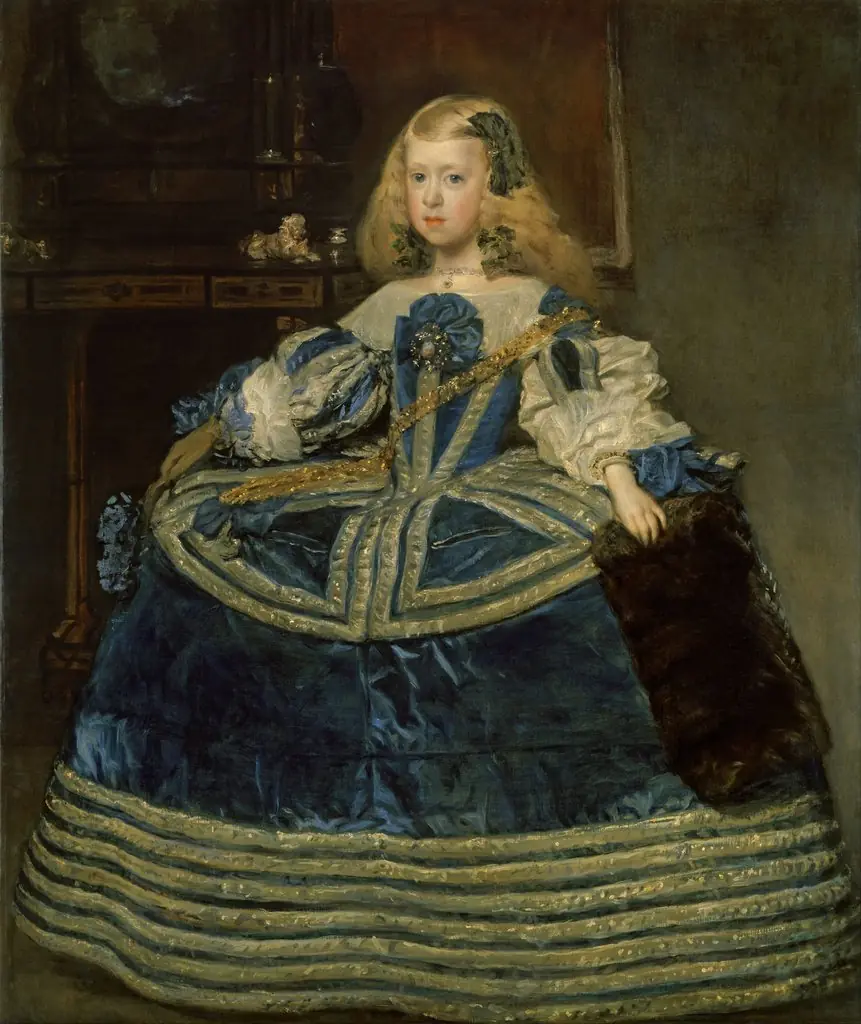
Artist & collection
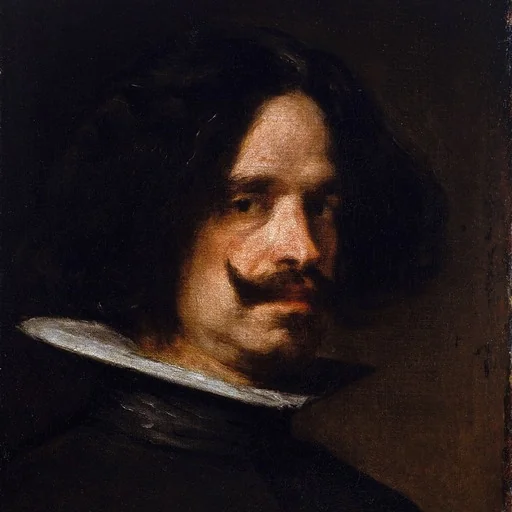
Artist
Diego Rodríguez de Silva y Velázquez was a Spanish Baroque painter, the leading artist in the court of King Philip IV of Spain and Portugal, and of the Spanish Golden Age.