Artwork
Portrait of Juan de Pareja
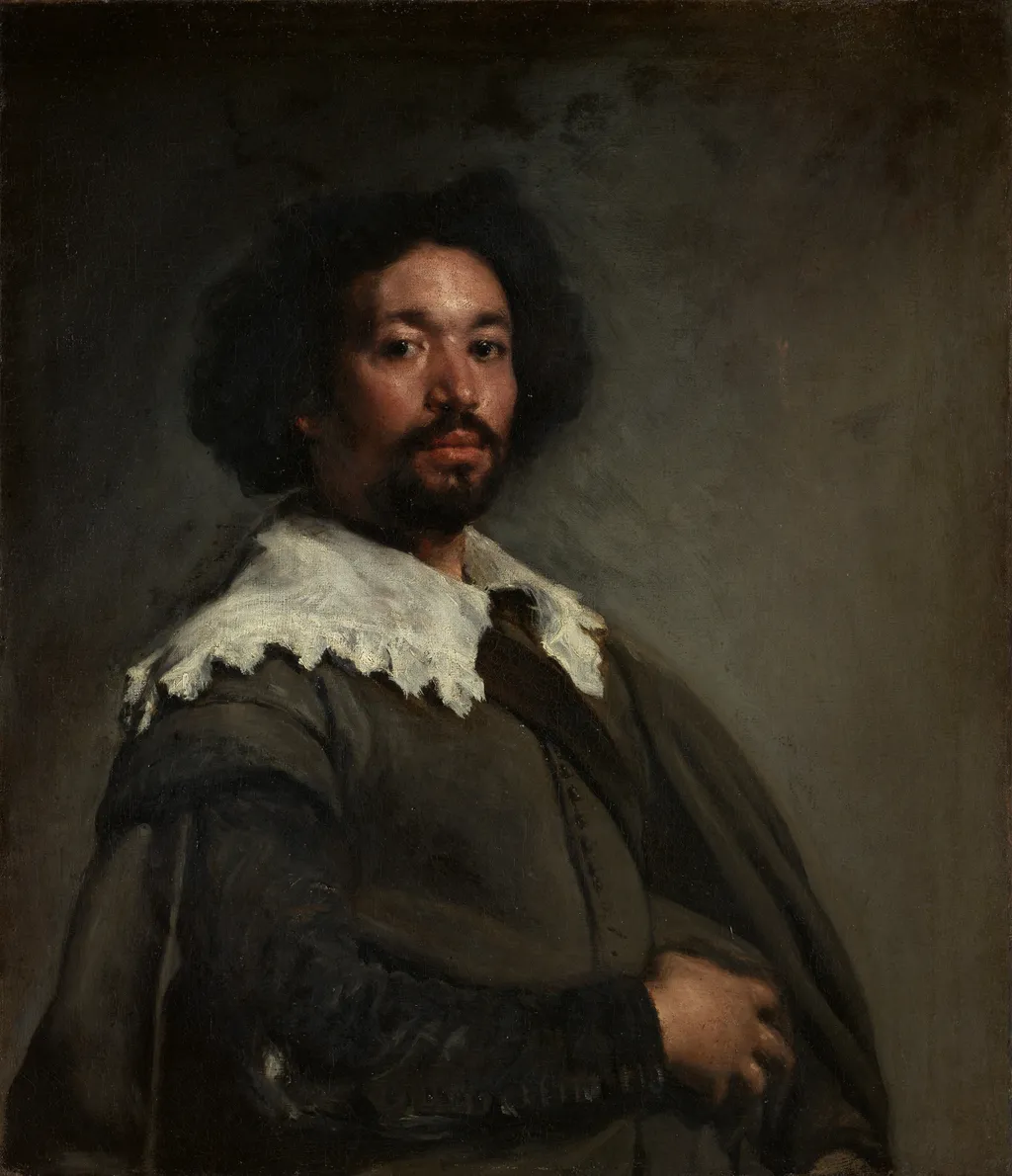
Portrait of Juan de Pareja is an oil painting by the Baroque artist Diego Velázquez. It dates from 1650 and is held in the collection of the Metropolitan Museum of Art.
About this work
Subject & Meaning
The painting portrays Juan de Pareja, an enslaved man of Moorish descent from Antequera in southern Spain, who served as an assistant in Velázquez's workshop.
The painting portrays Juan de Pareja, an enslaved man of Moorish descent from Antequera in southern Spain, who served as an assistant in Velázquez's workshop. It is the earliest known portrait of a Spanish man of Moorish origin. Velázquez depicted him in a bust-length, three-quarter pose with an intense, direct gaze, dressed in elegant attire including a cloak draped over his doublet and a white Flemish-lace collar.
His proud, self-assured bearing resembles that of a courtier or established patrician rather than a slave, lending the sitter a dignity that contemporary viewers would not have expected from a person of his condition. The work also functioned as a preparatory exercise for Velázquez's official portrait of Pope Innocent X, allowing him to explore a restricted palette and rapid, loose brushwork to capture vitality. Velázquez freed Pareja, whose manumission took effect in 1654, acknowledging his status as a painter in his own right.
Technique & Style
The Portrait of Juan de Pareja is executed in oil paint on canvas, measuring 81.3 by 69.9 centimeters. Velázquez painted it in his Roman workshop between July 1649 and March 1650, working as a preparatory exercise for his official portrait of Pope Innocent X. The sitter is rendered as a half-length figure in three-quarter profile, gazing directly at the viewer, set against a diffuse, architecturally undefined background. Strong frontal lighting strikes the face, producing bright and bronze-toned reflections on the dark skin and illuminating the deep black curls of hair, beard, and mustache.
The clothing is painted exclusively in finely graded dark olive-green tones, with a wide cloak draped elegantly over a doublet and shoulder, and a crisp white collar trimmed with delicate Flemish lace. To compensate for this restricted palette, Velázquez adopted a loose, almost impressionistic handling of brushwork, lending the subject an intense vitality and a proud, self-assured bearing more akin to a courtier than to an enslaved man.
History & Provenance
Velázquez painted the portrait in Rome in 1650, during his second Italian sojourn, while preparing his official portrait of Pope Innocent X; the work served as a preparatory study for the papal commission. The painting was first exhibited at the Pantheon on 19 March 1650 during the feast of Saint Joseph, where it was praised by contemporary artists for its truthful representation. Juan de Pareja, Velázquez's enslaved assistant and later a painter in his own right, was freed by a deed of manumission signed on 23 November 1650 that took effect in 1654, after which he continued to work in connection with the household.
The painting remained in Rome after Velázquez's departure; by 1765 it was recorded in the collection of Cardinal Troiano Acquaviva d'Aragona. It passed to Neapolitan collections, including those of the Dukes of Baranello, before entering the holdings of Sir William Hamilton in Naples. After Hamilton's departure in 1798, the work was sent to London and auctioned at Christie's on 17 March 1801 for 39 guineas.
It resurfaced in the collection of Jacob Pleydell-Bouverie, 2nd Earl of Radnor, by 1814, and remained with the Radnor family until sold at Christie's London on 27 November 1970 for £2,310,000, a record price at the time, before acquisition by the Metropolitan Museum of Art in 1971.
The Portrait of Juan de Pareja is currently held by the Metropolitan Museum of Art in New York City, where it is on display in the museum's main building on Fifth Avenue. The acquisition, facilitated by the Fletcher Fund and other restricted buying funds, is regarded as one of the most significant in the museum's history. Its provenance includes ownership by Cardinal Troiano Acquaviva d'Aragona in Rome, Sir William Hamilton in Naples, and the Radnor family at Longford Castle before its 1970 sale.
Context
Exhibited at the Pantheon in Rome in 1650, the portrait was immediately acclaimed by contemporary artists who deemed it 'truth' rather than mere art, according to biographer Antonio Palomino. Scholars identify the work as a preparatory exercise for Velázquez's subsequent portrait of Pope Innocent X, allowing the artist to refine his loose, impressionistic brushwork and manage a restricted color palette. Art historically, it holds distinction as the earliest known portrait of a Spanish man of Moorish descent.
Unusually for the period, Velázquez imbues the enslaved subject with the dignified bearing of a courtier. The painting's modern significance was cemented in 1970 when it became the first artwork to sell for over £1 million at auction, an acquisition the Metropolitan Museum of Art later hailed as one of its most important in history.
Legacy
Later influence and legacy of Velázquez's Portrait of Juan de Pareja include its impact on literature, modern art, and market history. The 1965 novel I, Juan de Pareja by Elizabeth Borton de Treviño, which won the Newbery Medal in 1966, drew directly on the painting's narrative. Surrealist Salvador Dalí reimagined the portrait in 1960, and French-Senegalese artist Iba N'Diaye referenced it in Juan de Pareja agressé par les chiens (1985–86).
Peruvian painter Herman Braun-Vega echoed the work in 2000, inserting a brush into a mixed-race slave's hand as a nod to the subject's own artistic activity. The canvas set a sales record when it fetched over £1 million at Christie's in 1970, becoming the first painting to surpass that threshold, and entered the Metropolitan Museum of Art's collection in 1971, hailed as one of the museum's important acquisitions. Copies of the portrait survive, notably in the Hispanic Society of America.
Overview
Diego Velázquez completed this oil painting, Portrait of Juan de Pareja, in Rome in 1650. It depicts Juan de Pareja, who was enslaved by Velázquez but was also an accomplished painter himself. The work holds historical significance as the earliest known portrait of a Spanish man of Moorish descent, offering a rare depiction from the period.
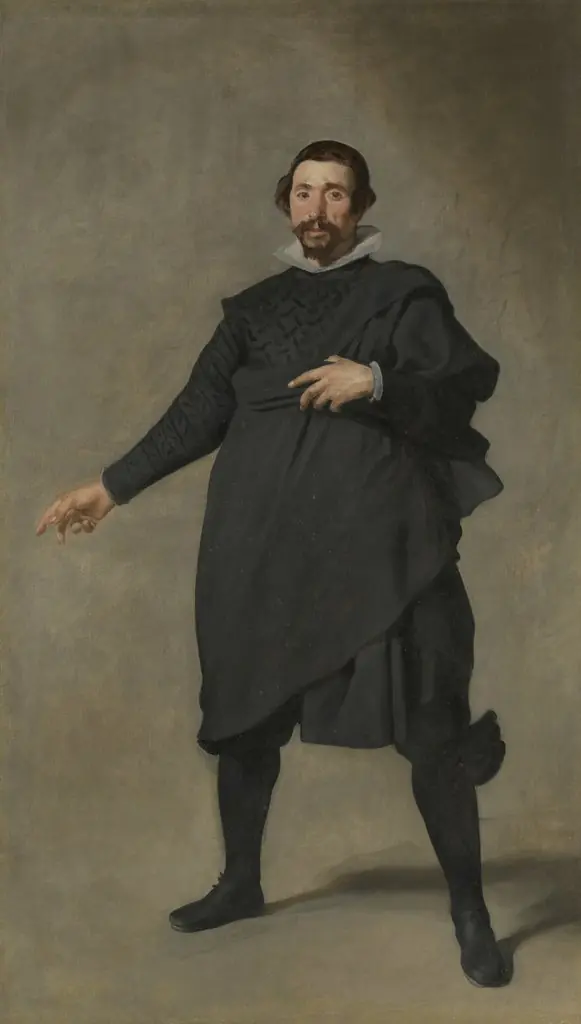
Own this work as a print
Artist & collection
Artist
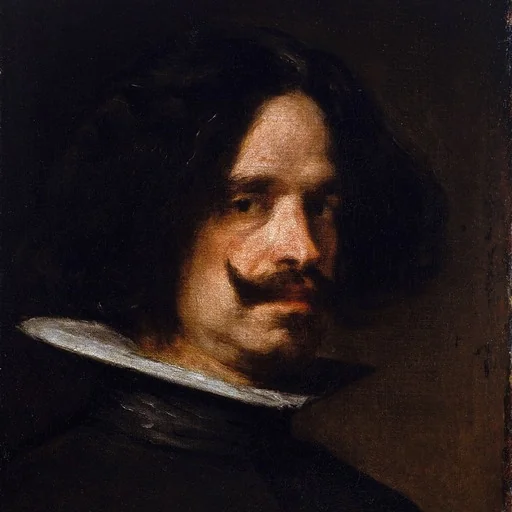
Diego Rodríguez de Silva y Velázquez was a Spanish Baroque painter, the leading artist in the court of King Philip IV of Spain and Portugal, and of the Spanish Golden Age.

 Portrait of a Man
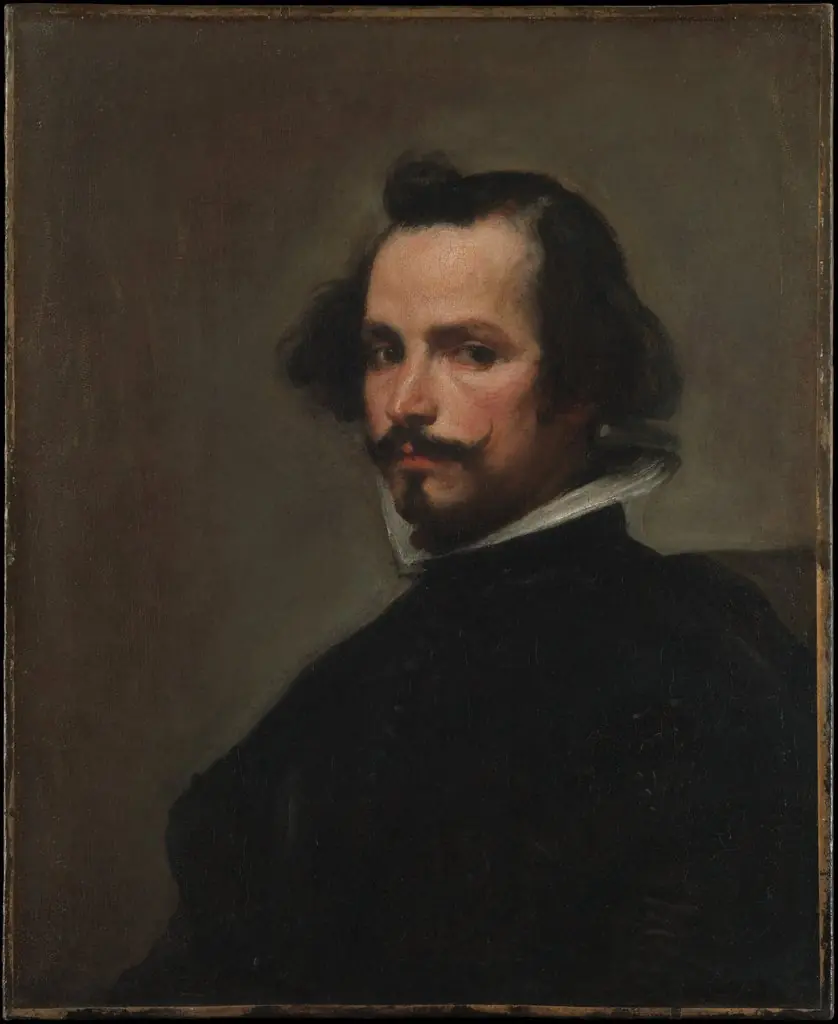 Portrait of a Man
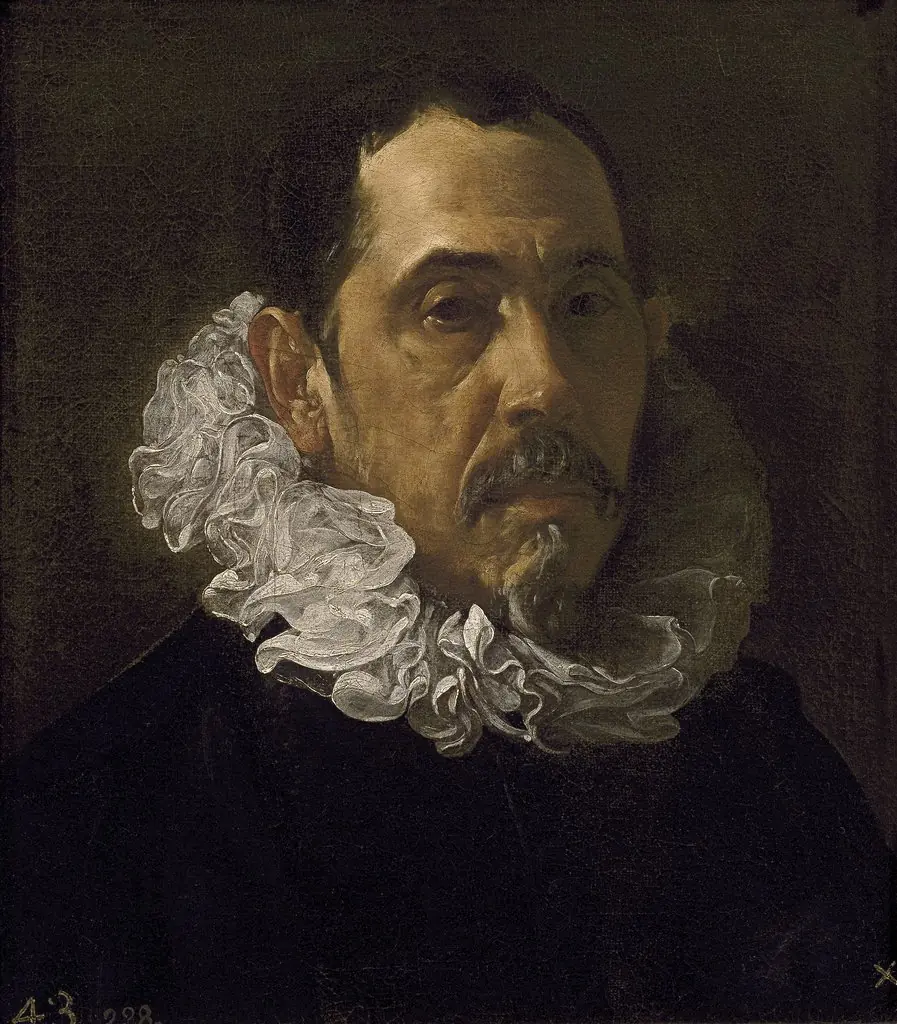 Francisco Pacheco
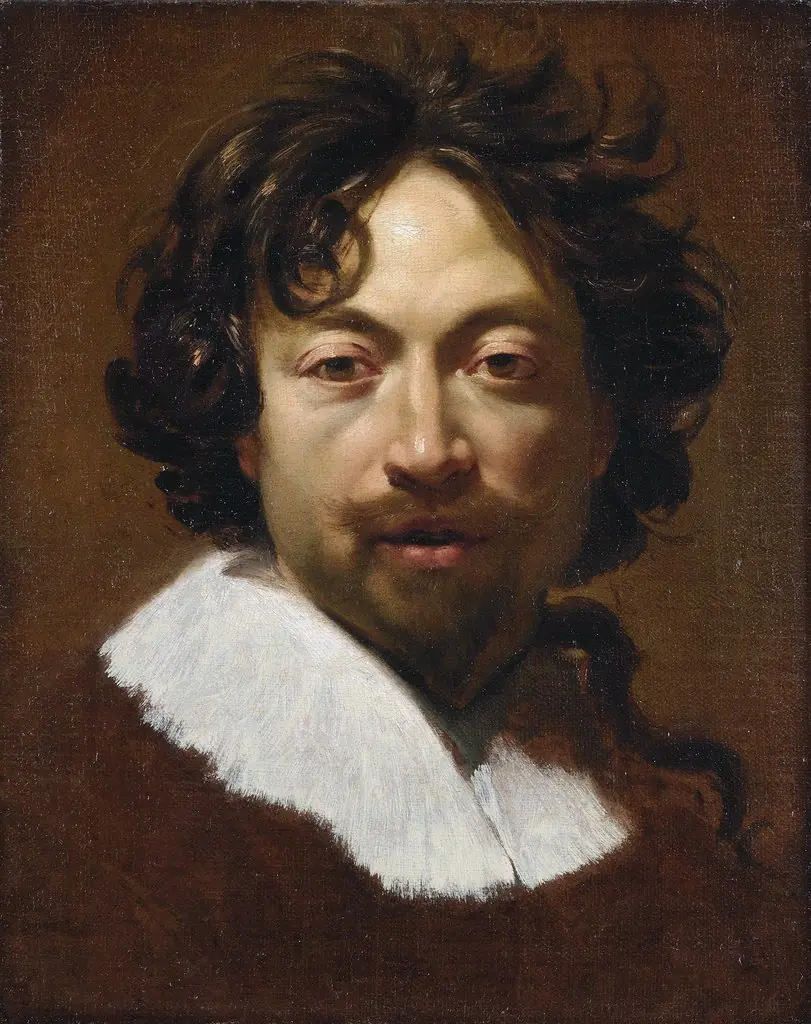 Self-portrait
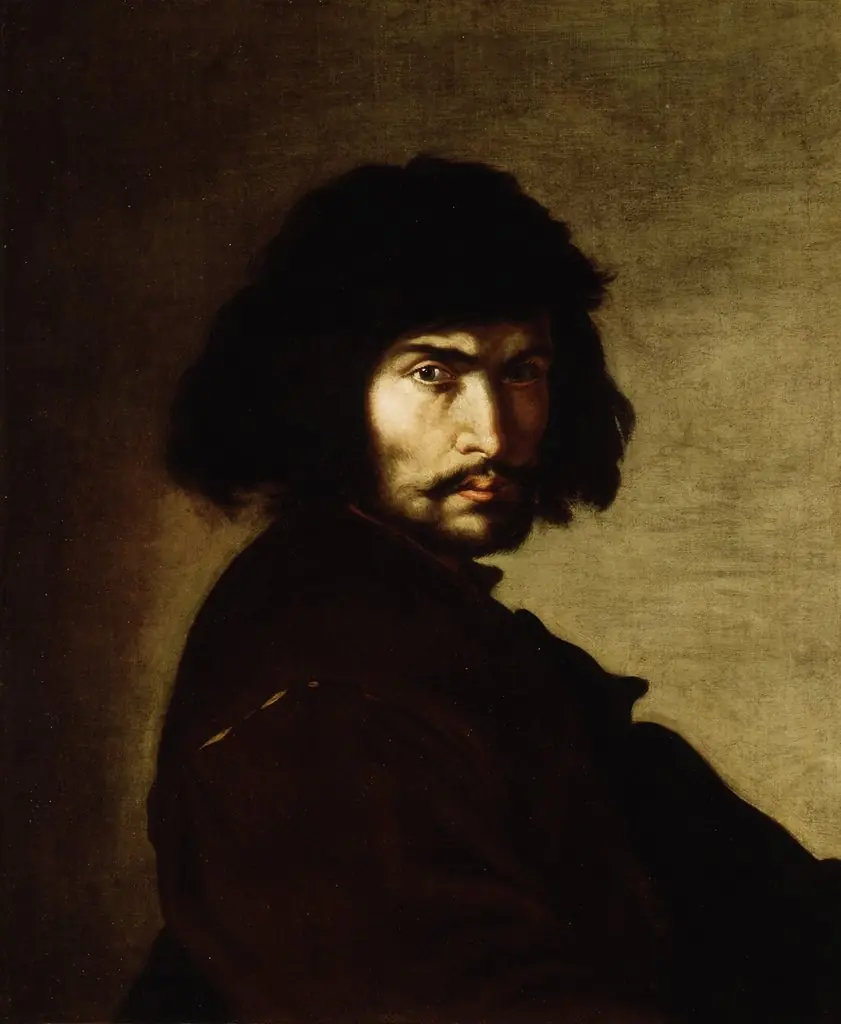 Self-Portrait
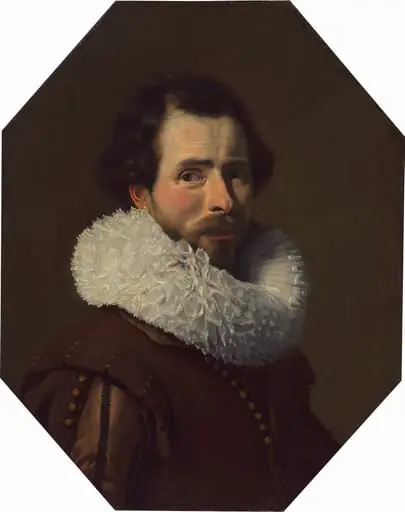 Portrait of a Gentleman Wearing a Fancy Ruff
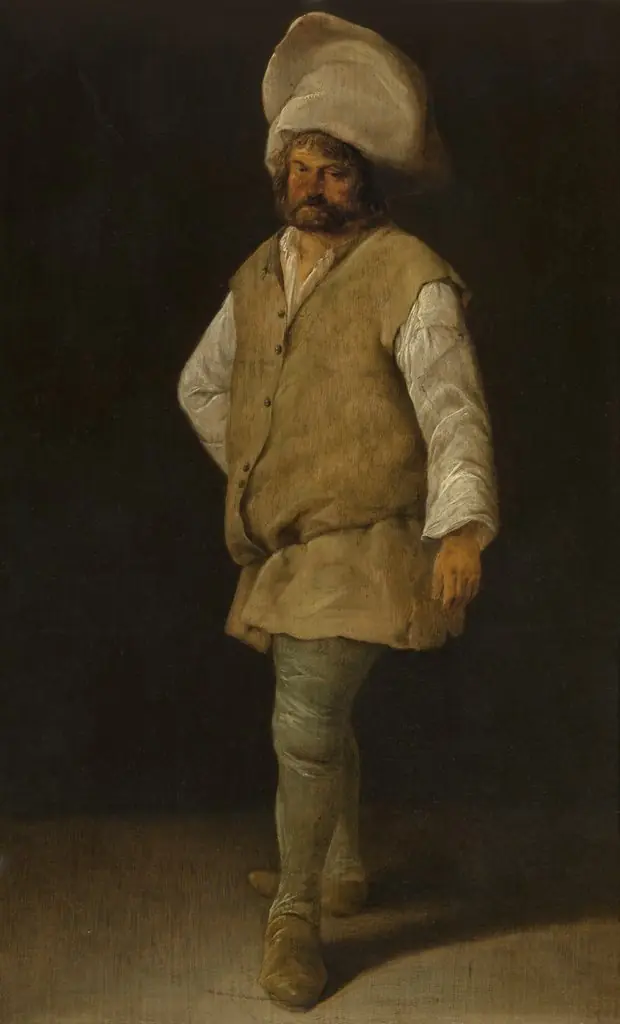 A Porter
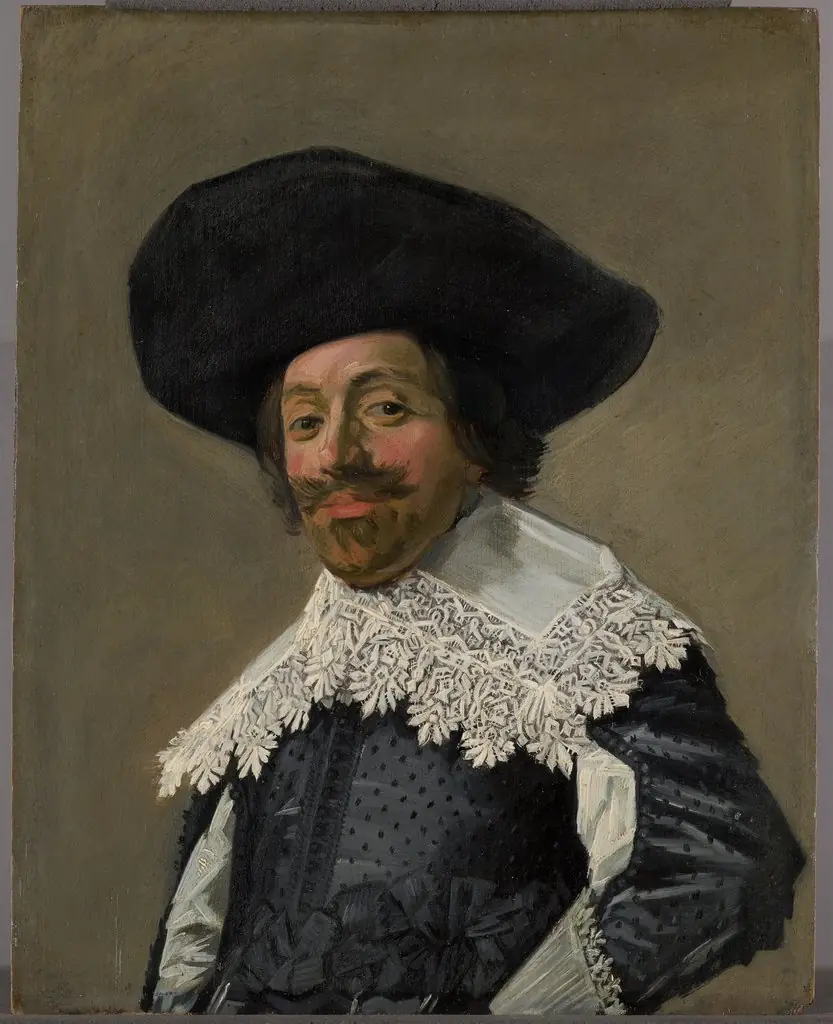 Portrait of a man with a hat
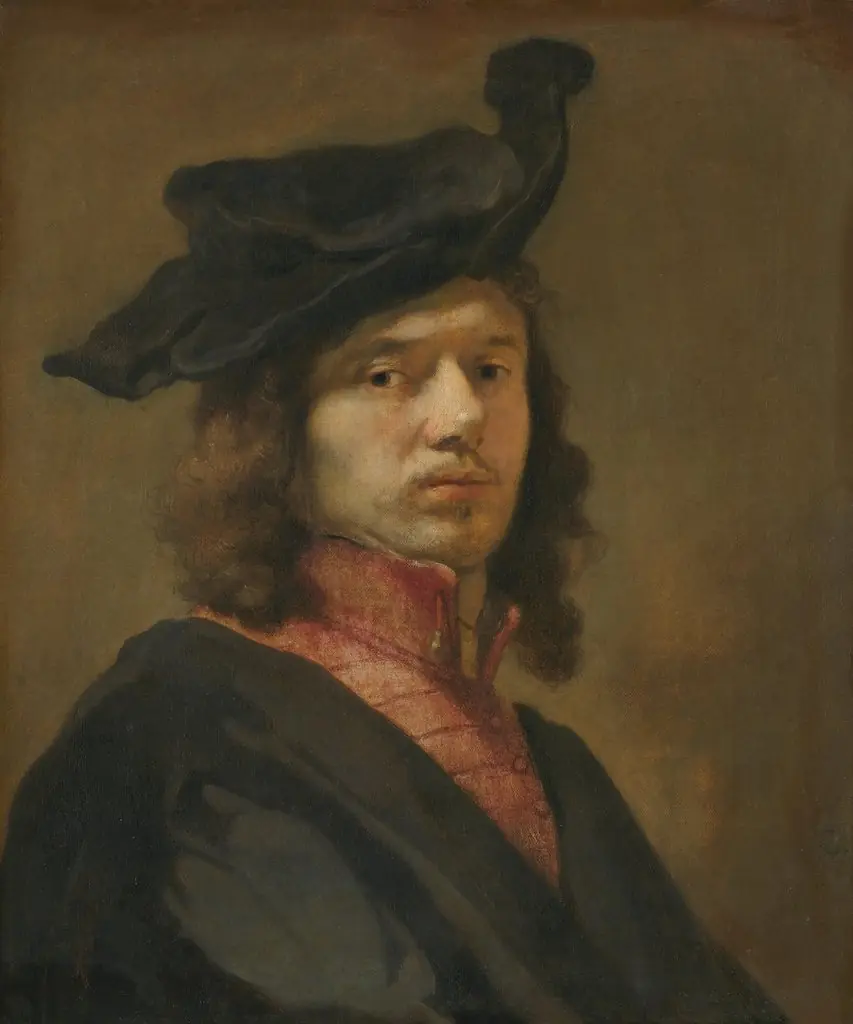 Self-portrait
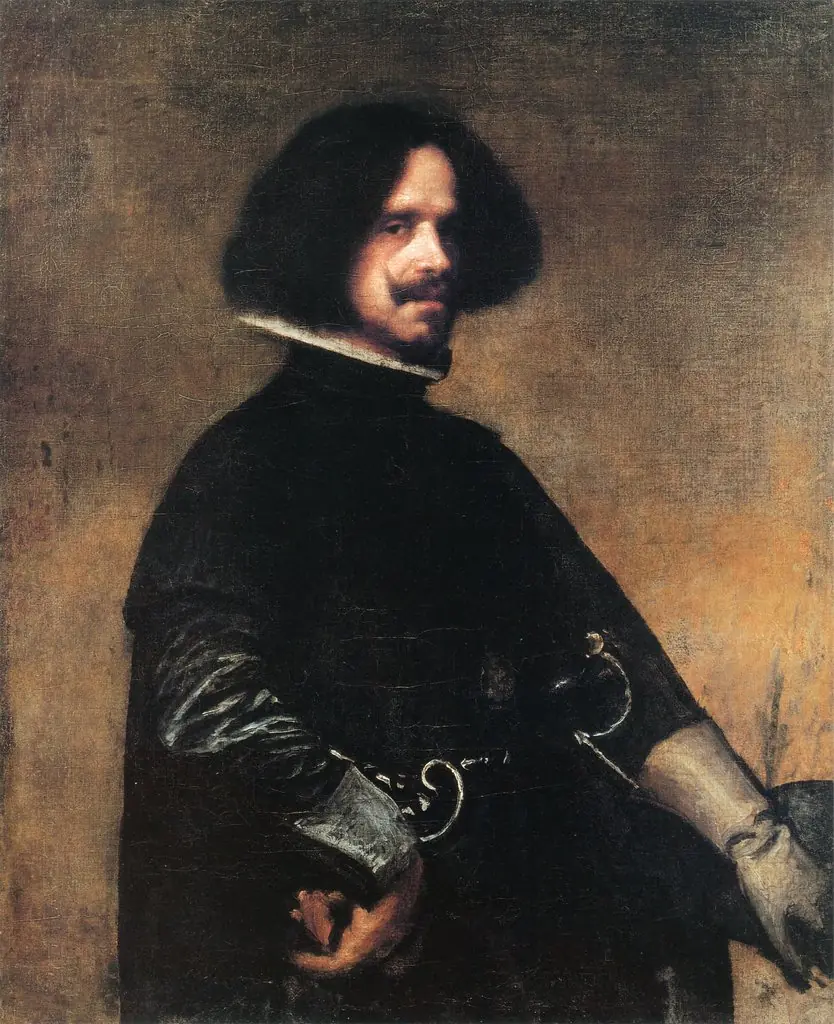 Self-portrait
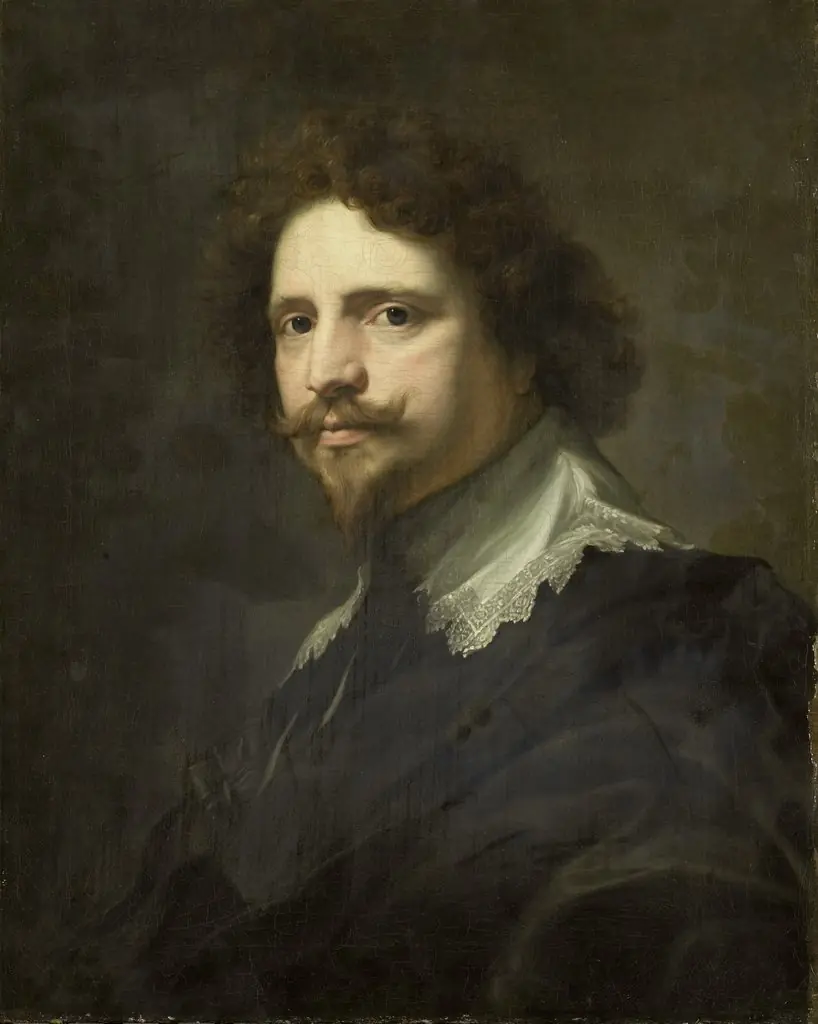 Portrait of Michel le Blon (1587-1657). Agent of Queen Christina of Sweden, goldsmith and engraver
- Portrait of Pablo de Valladolid