Artwork
Virgin and Child
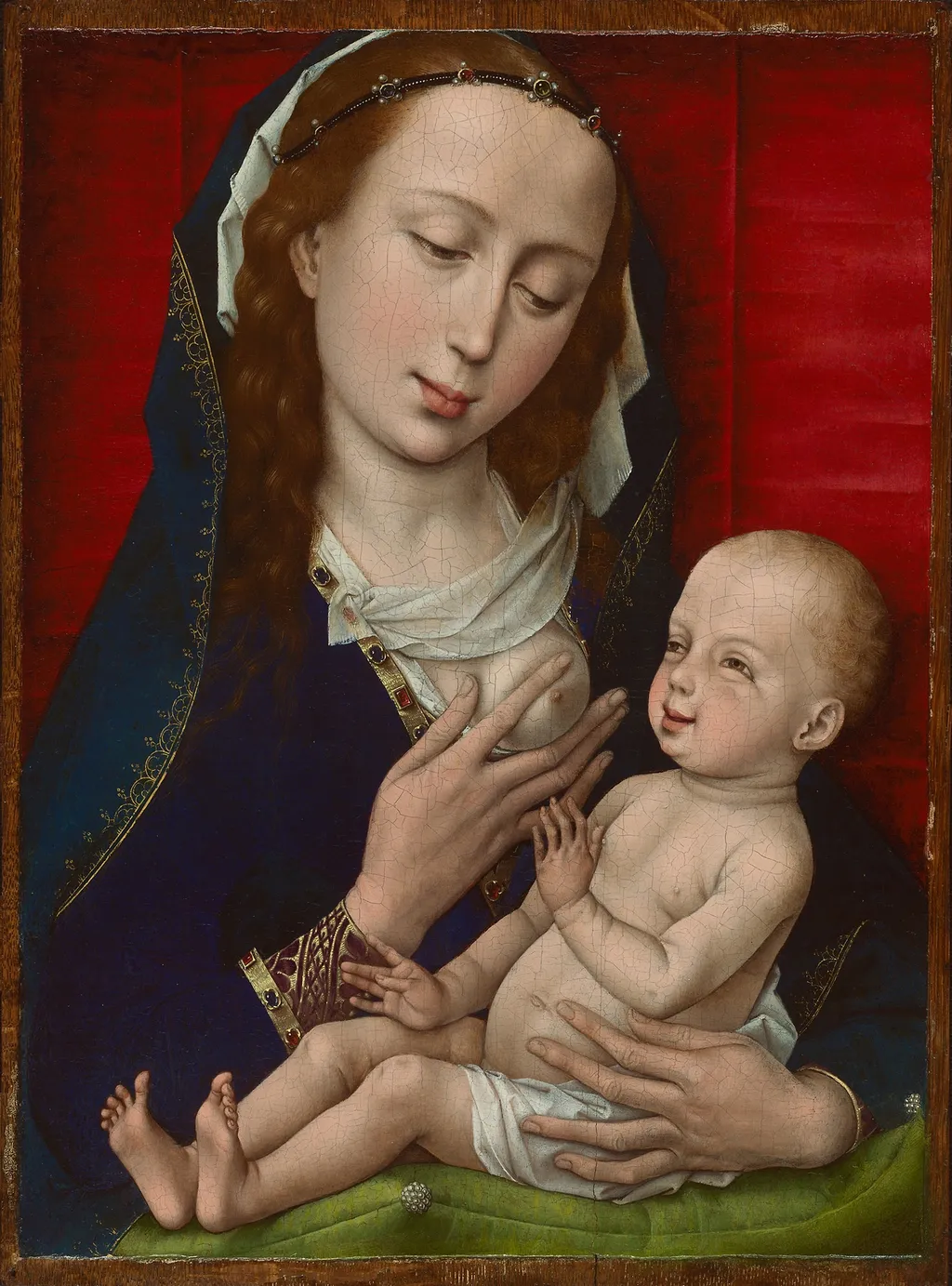
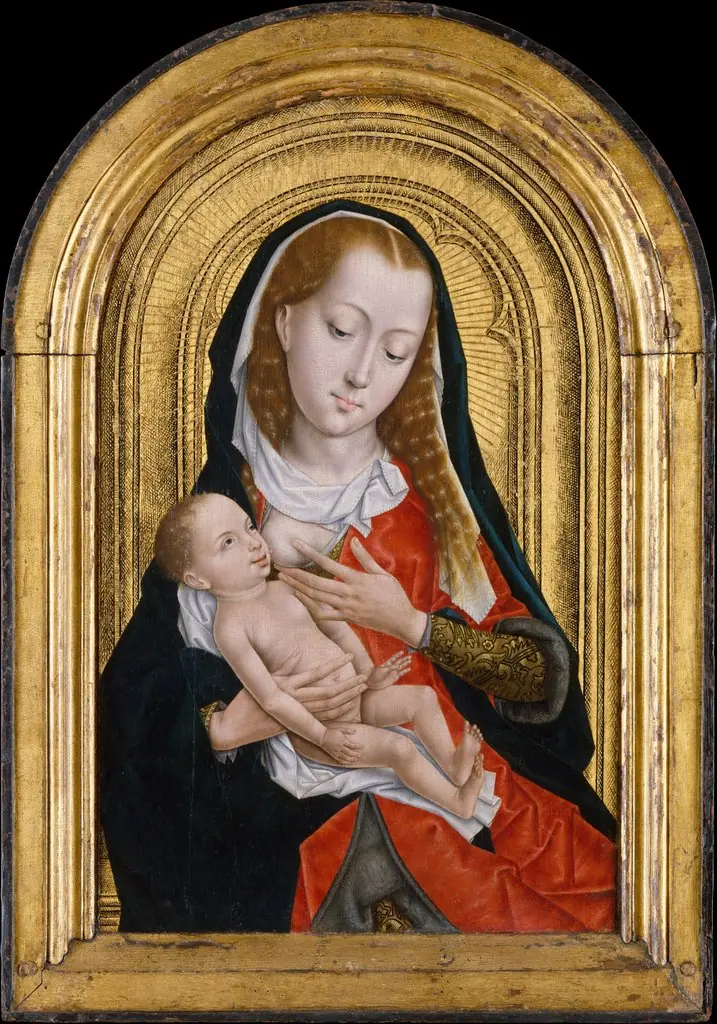
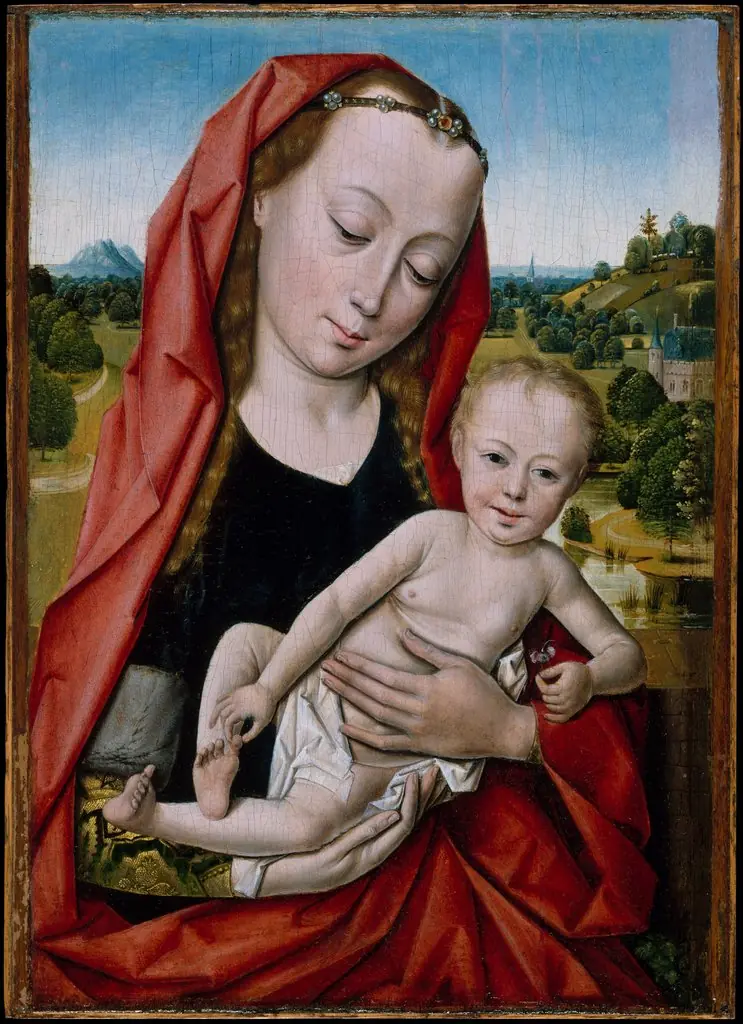
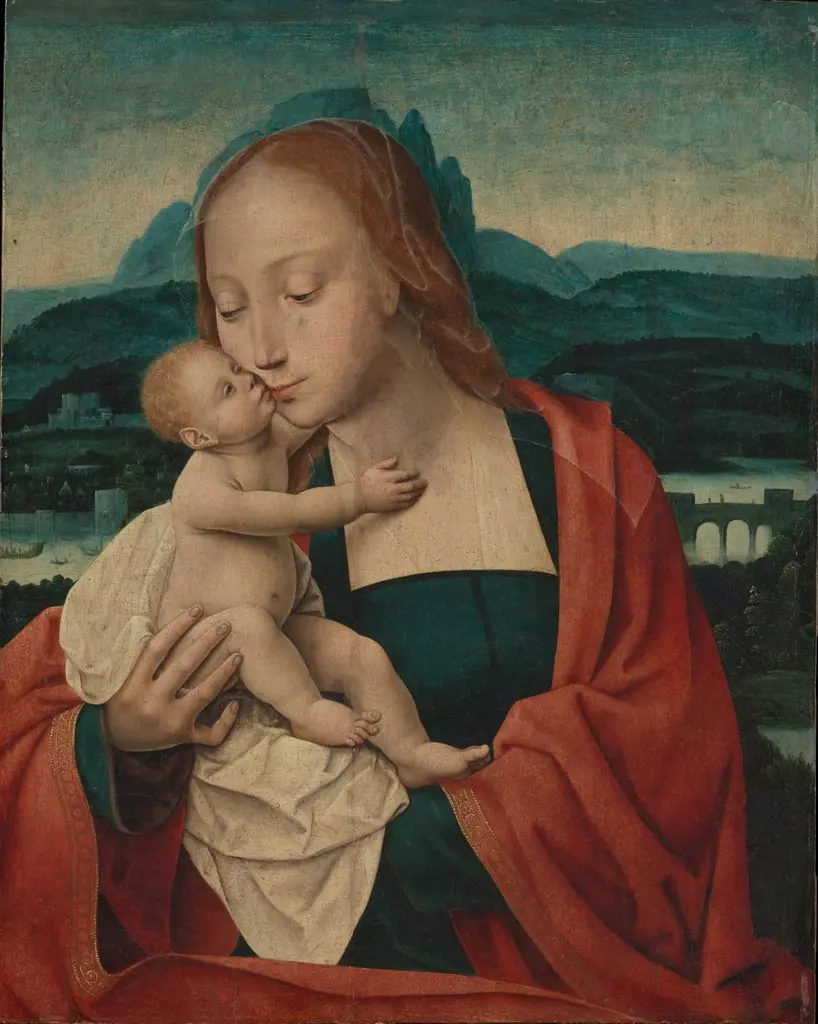
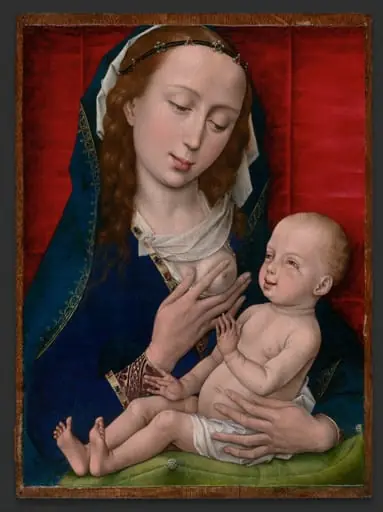
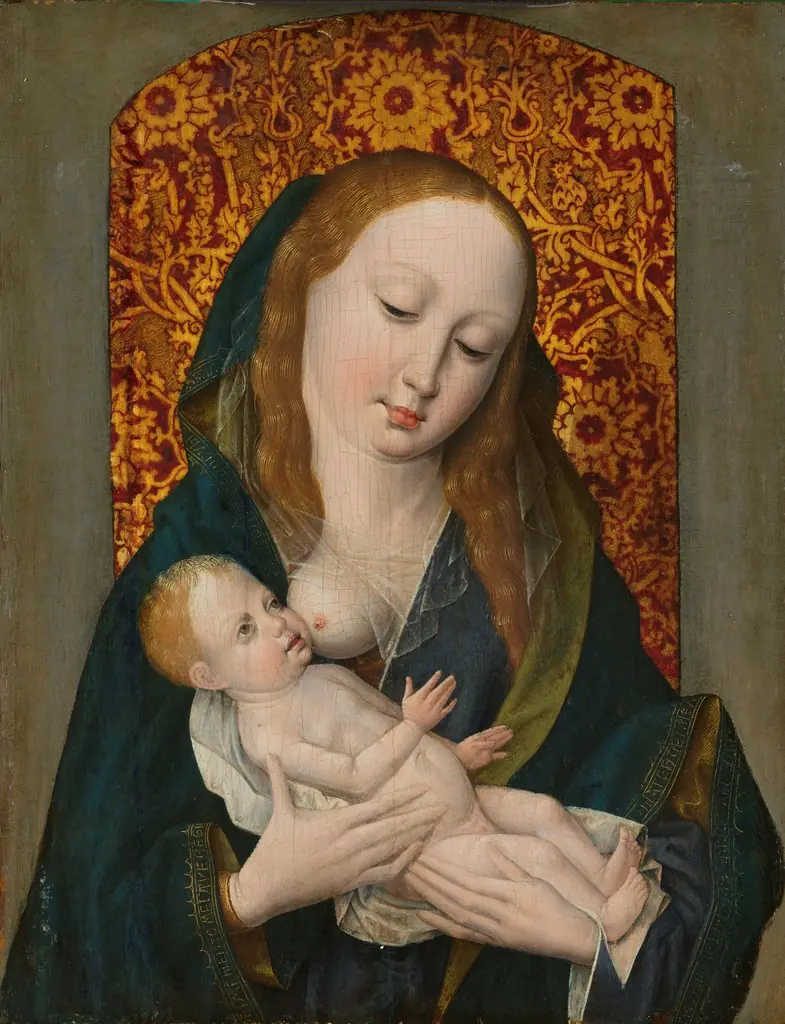
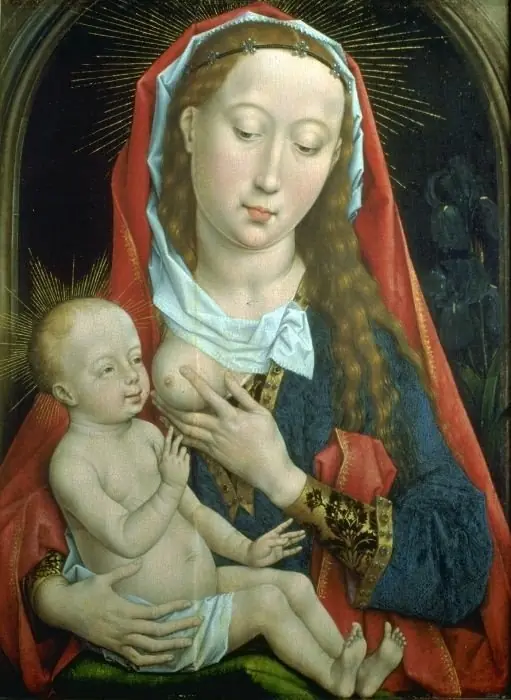
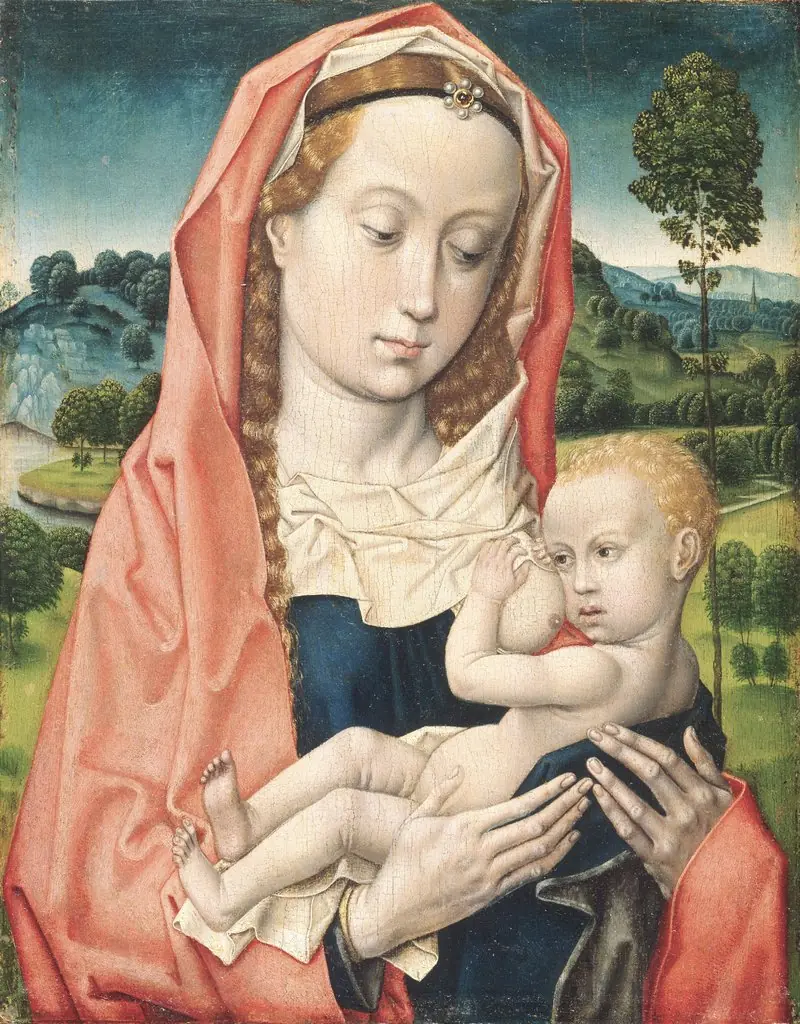
Virgin and Child is an oil painting by the Northern Renaissance artist Unknown. It dates from 1460 and is held in the collection of the Art Institute of Chicago.
About this work
Subject & Meaning
The painting presents the Madonna and Child, a devotional subject central to Christian religious art.
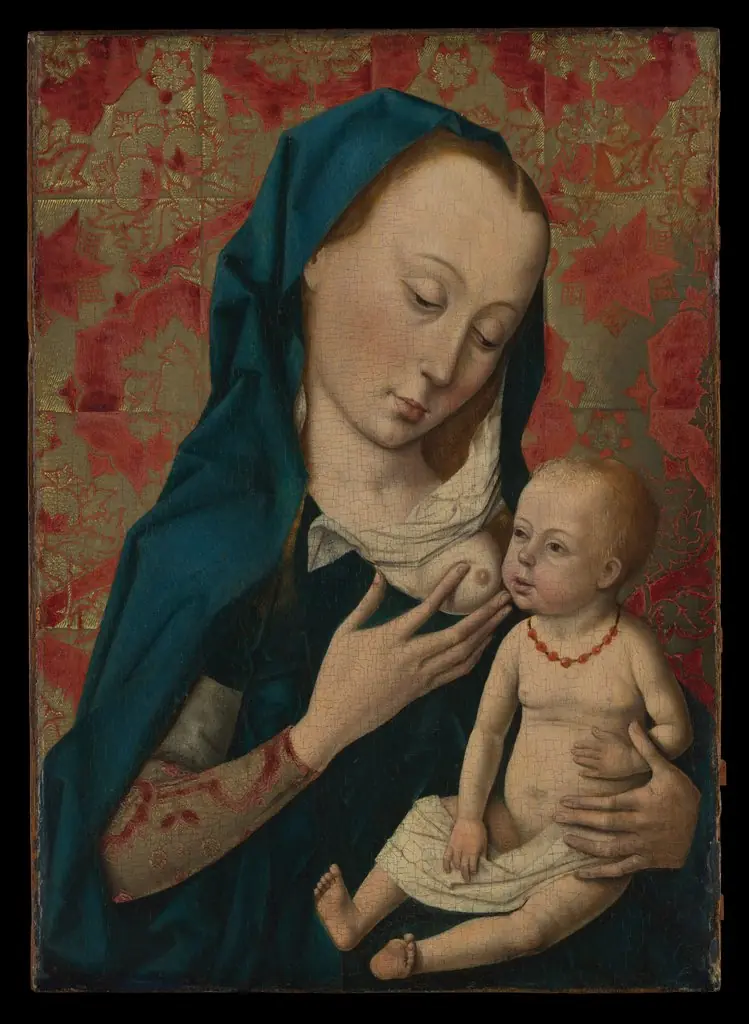
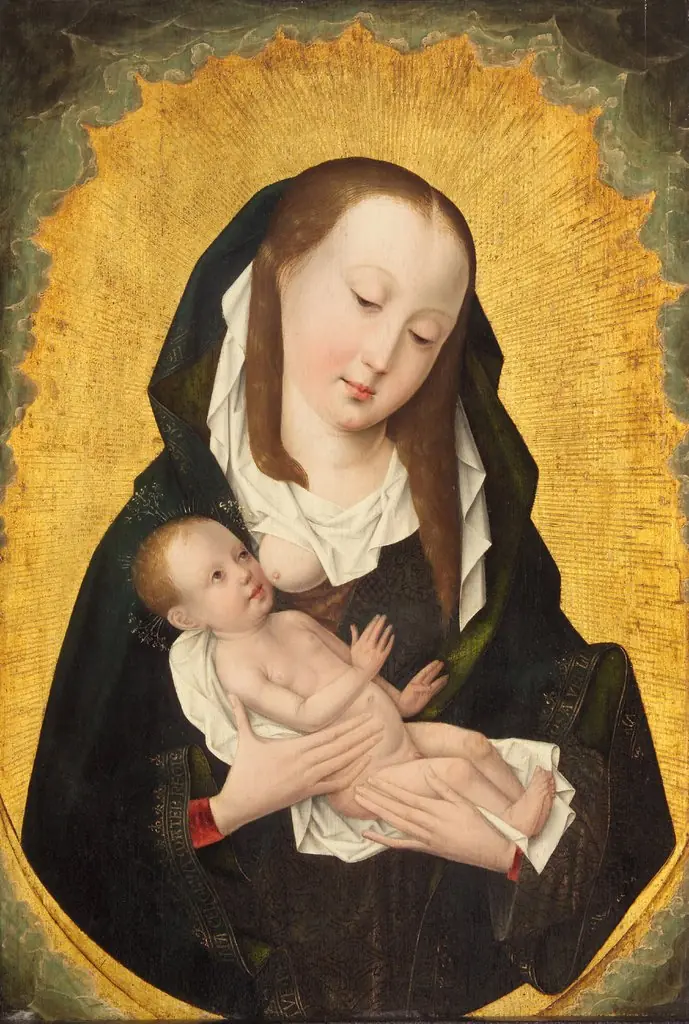
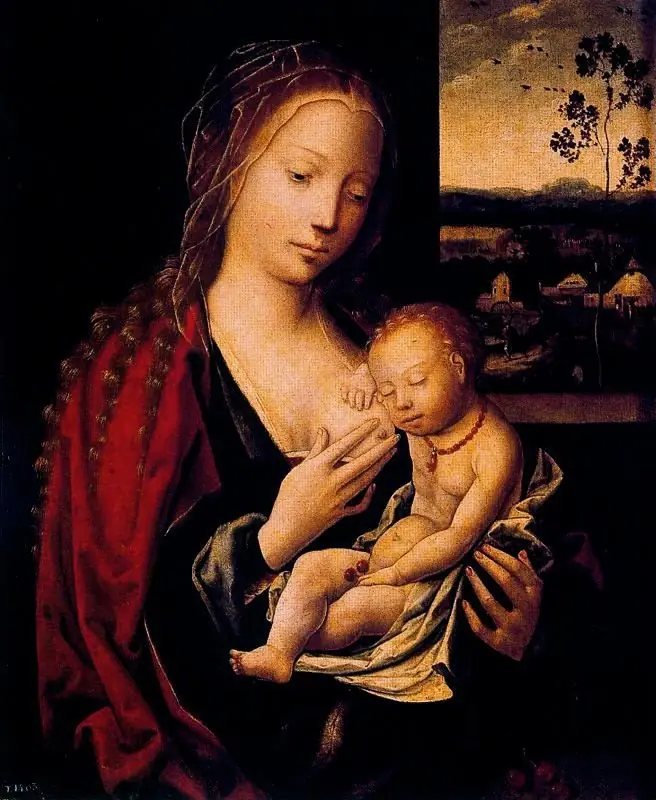
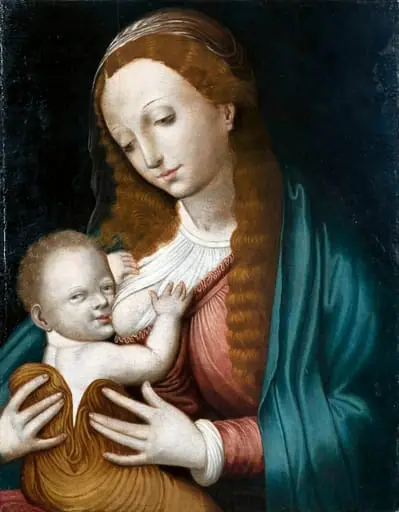
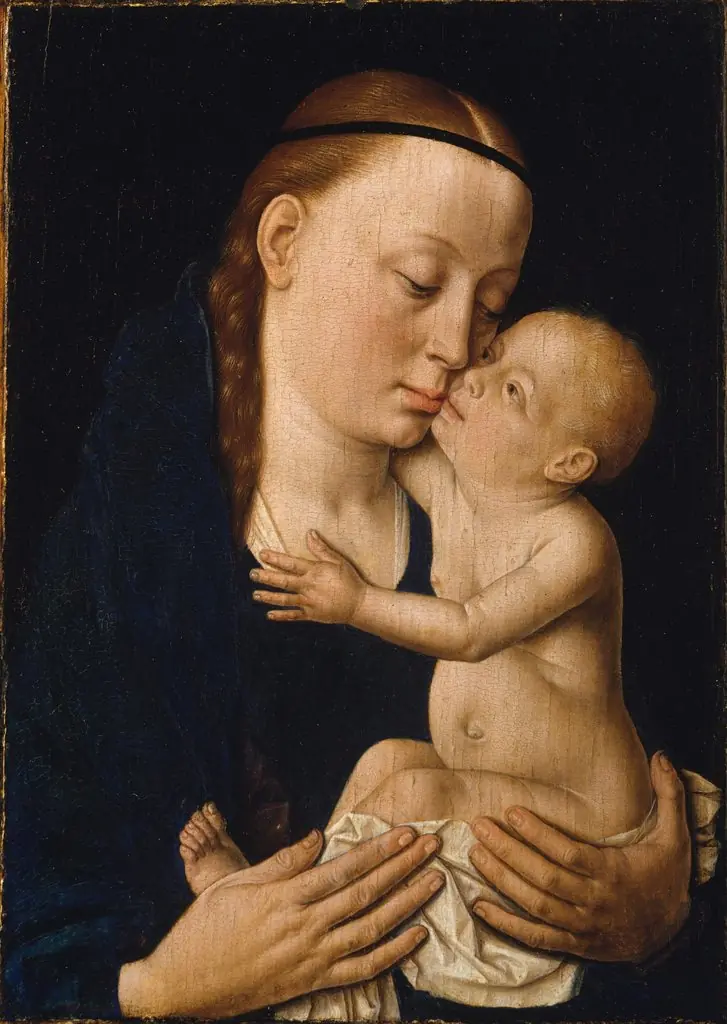
The painting presents the Madonna and Child, a devotional subject central to Christian religious art. It depicts the Virgin Mary holding the Christ Child, a motif known as the Virgin and Child that became one of the most enduring themes in Early Netherlandish painting.
Within this devotional tradition, the intimate pairing of mother and infant was meant to invite personal meditation on the humanity of Christ and the maternal role of Mary as his mother. The work is classified as religious art, and the Madonna and Child is identified as its main subject, situating the image within the long iconographic tradition of Marian devotion that flourished in the fifteenth-century Low Countries.
Technique & Style
The painting is executed in oil on a wooden panel, consistent with Early Netherlandish practice of the mid-fifteenth century. Handling aligns with Rogier van der Weyden’s workshop idiom, emphasizing crisp linear contours and delicate modeling of facial features through translucent glazes. Mary’s drapery falls in sharply defined folds, while the Christ Child is rendered with a tender, naturalistic physiognomy typical of the period.
The composition’s spatial recession is restrained, with a shallow stage that focuses attention on the figures’ interaction. The palette relies on muted earth tones punctuated by subtle shifts in hue to convey volume and texture, particularly in the Virgin’s mantle and the Child’s flesh.
History & Provenance
The painting titled Virgin and Child, attributed to the Workshop of Rogier van der Weyden, was created in 1460. Executed in oil paint on a panel, this Early Netherlandish work measures 36.5 cm in height and 27 cm in width. The artwork currently resides in the collection of the Art Institute of Chicago.
Its historical record includes participation in the Exposition des primitifs flamands à Bruges, an exhibition dedicated to Flemish Primitives. The piece depicts the Virgin Mary and the Christ Child, adhering to the religious genre conventions of the period.
The painting is held in the collection of the Art Institute of Chicago. Created around 1460 by the Workshop of Rogier van der Weyden, the work is executed in oil on panel and measures 36.5 by 27 centimeters.
Its exhibition history includes a showing at the Exposition des primitifs flamands à Bruges.
Context
The Virgin and Child, dated 1460, is a religious panel painting executed in oil that belongs to the Early Netherlandish movement. Attributed to the Workshop of Rogier van der Weyden, the work depicts the Madonna and Child, reflecting the devotional focus characteristic of its era. Its historical significance was highlighted by its inclusion in the Exposition des primitifs flamands à Bruges, a landmark exhibition dedicated to Flemish primitives.
Currently held by the Art Institute of Chicago, the painting serves as an example of mid-fifteenth-century workshop production within the broader context of Northern Renaissance art.
Overview
This painting portrays a serene and intimate scene of the Virgin Mary holding the Christ Child on her lap, characterized by gentle interactions and richly detailed attire and surroundings.
Legacy
While specific impact or influence is not detailed here, the painting's adherence to traditional themes and its serene portrayal of a pivotal religious moment suggest it may contribute to the broader canon of Virgin and Child representations in art history.
Artist & collection