Artwork
The Brioche
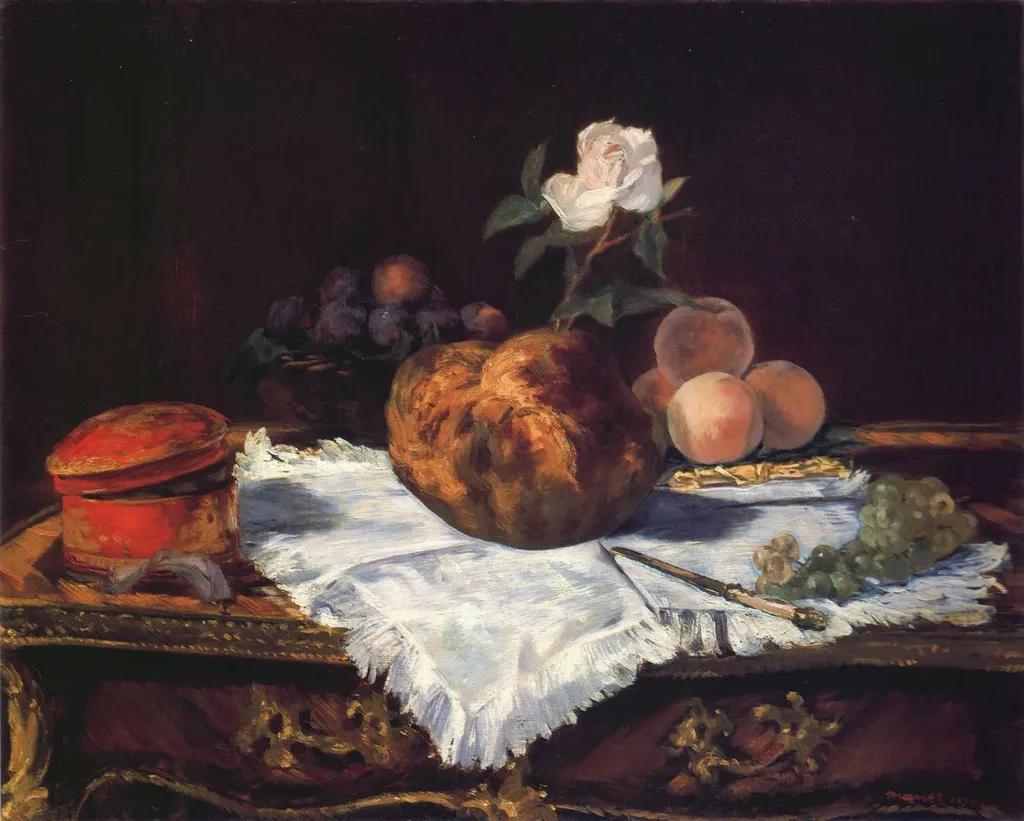
The Brioche is an oil painting by the Realist artist Édouard Manet. It dates from 1870 and is held in the collection of the Metropolitan Museum of Art.
About this work
Subject & Meaning
The Brioche presents a modestly arranged still life centered on a freshly baked brioche loaf placed on a tabletop, flanked by ripe peaches and plums.
The Brioche presents a modestly arranged still life centered on a freshly baked brioche loaf placed on a tabletop, flanked by ripe peaches and plums. The composition draws on the tradition of 18th‑century French genre painting, echoing Jean‑Siméon Chardin’s emphasis on ordinary domestic objects. Manet’s rendering is notable for its formal precision and careful handling of light, marking one of his most elaborate tabletop arrangements and the final instance of such a detailed still life in his oeuvre.
By juxtaposing the humble bread with fresh fruit, the work suggests an exploration of abundance and the fleeting nature of material comfort within the bourgeois interior.
Technique & Style
Manet’s The Brioche (1870) is executed in oil on canvas, a medium consistent with his later still lifes. The composition adopts a tightly controlled, formal arrangement, departing from his usual looser handling by emphasizing crisp outlines and precise modeling of forms. The central brioche loaf is depicted with detailed attention to its golden crust and folds.
Accompanying the brioche are peaches and plums rendered with a polished finish. The still life’s symmetry and restrained palette contrast with Manet’s freer contemporary works, marking a deliberate return to the structured compositions of 18th-century precedents, notably Chardin’s La Brioche (1763), and underscoring its role as a deliberate homage rather than an Impressionist tableau.
History & Provenance
Édouard Manet completed the oil-on-canvas painting The Brioche in 1870. The work's creation was directly prompted by the 1869 donation of Jean Siméon Chardin's 1763 still life, also titled The Brioche, to the Louvre by Louis La Caze. Inspired by this event, Manet produced his own version, which features a brioche loaf accompanied by peaches and plums, distinguishing it from Chardin's composition.
This piece stands as a formal still life and marks the final time Manet created such an elaborate tabletop arrangement. The painting is held in the collection of the Metropolitan Museum of Art in New York, where it is displayed in Gallery 810. The specific accession number is not provided in the available documentation.
Context
The Brioche occupies a singular position within Édouard Manet's still-life production. According to available sources, it is distinctive among his still lifes for its formality and represents the last occasion on which he painted such an elaborate tabletop composition. The work was directly prompted by an 18th-century precedent: a 1763 still life of a brioche by Jean Siméon Chardin, which entered the Louvre in Paris through the 1869 donation of Louis La Caze.
Manet produced his response in 1870, adapting Chardin's subject by accompanying the brioche with peaches and plums. This dialogue with a revered older master situates the painting within Manet's broader engagement with the still-life tradition, while its status as a culminating work in the genre underscores its significance in his oeuvre.
Overview
Édouard Manet's 1870 painting, The Brioche, is an oil on canvas still life. It presents a detailed arrangement of food items and objects on a draped surface. This work is part of the collection at the Metropolitan Museum of Art. It represents a notable example of Manet's engagement with the still life genre during this period.
Own this work as a print
Artist & collection
Artist
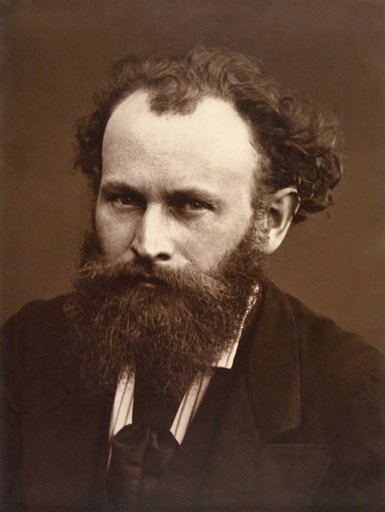
Édouard Manet was a French modernist painter. He was one of the first 19th-century artists to paint modern life, as well as a pivotal figure in the transition from Realism to Impressionism.

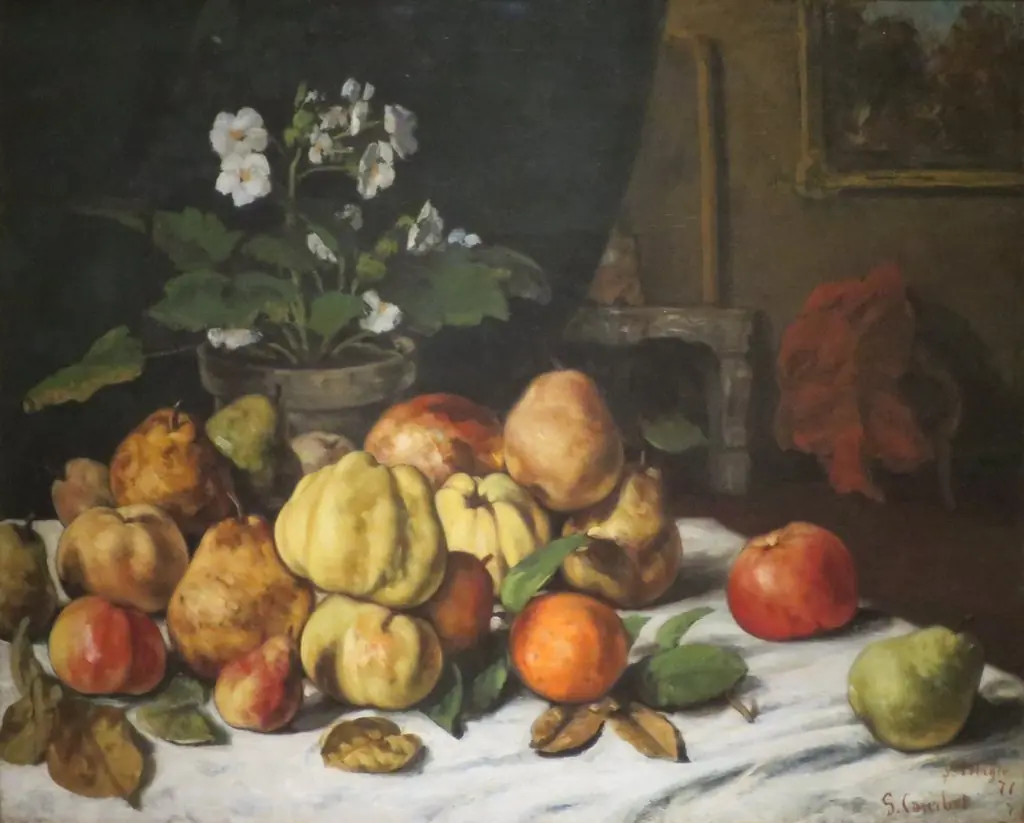
- Apples, Pears and Primroses
 Flowers and Fruit on a Table
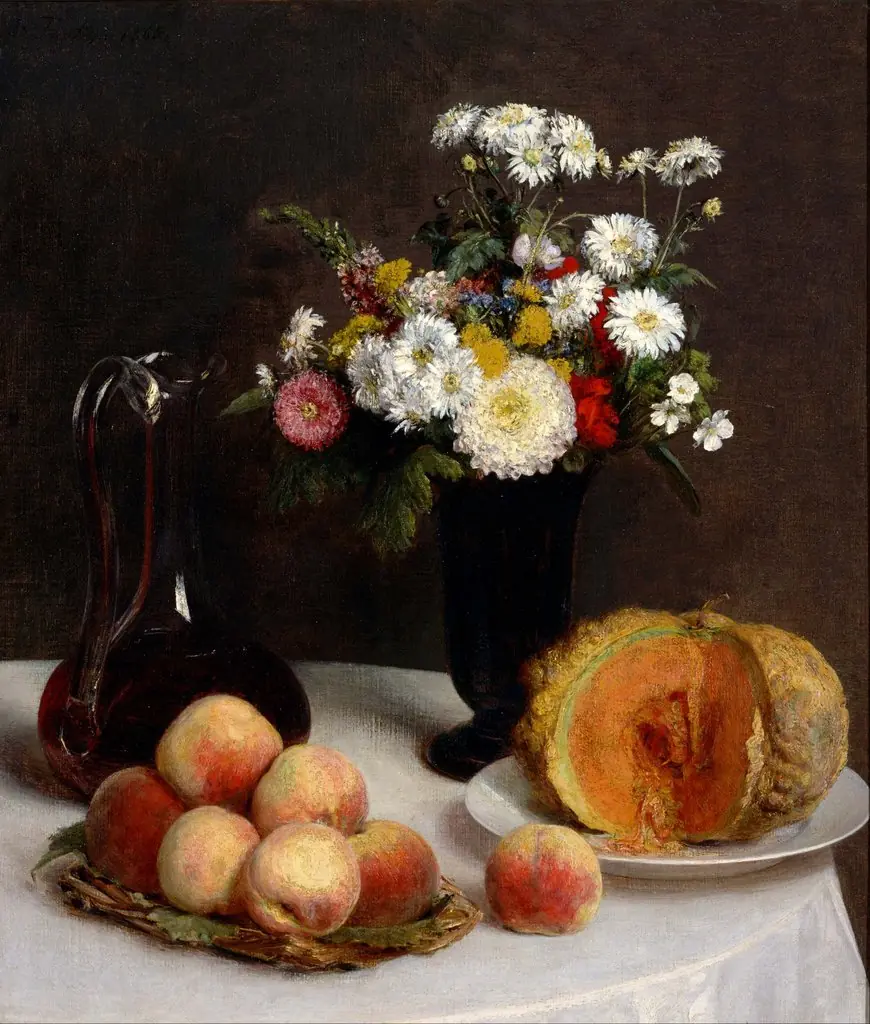 Still Life with a Carafe, Flowers and Fruit
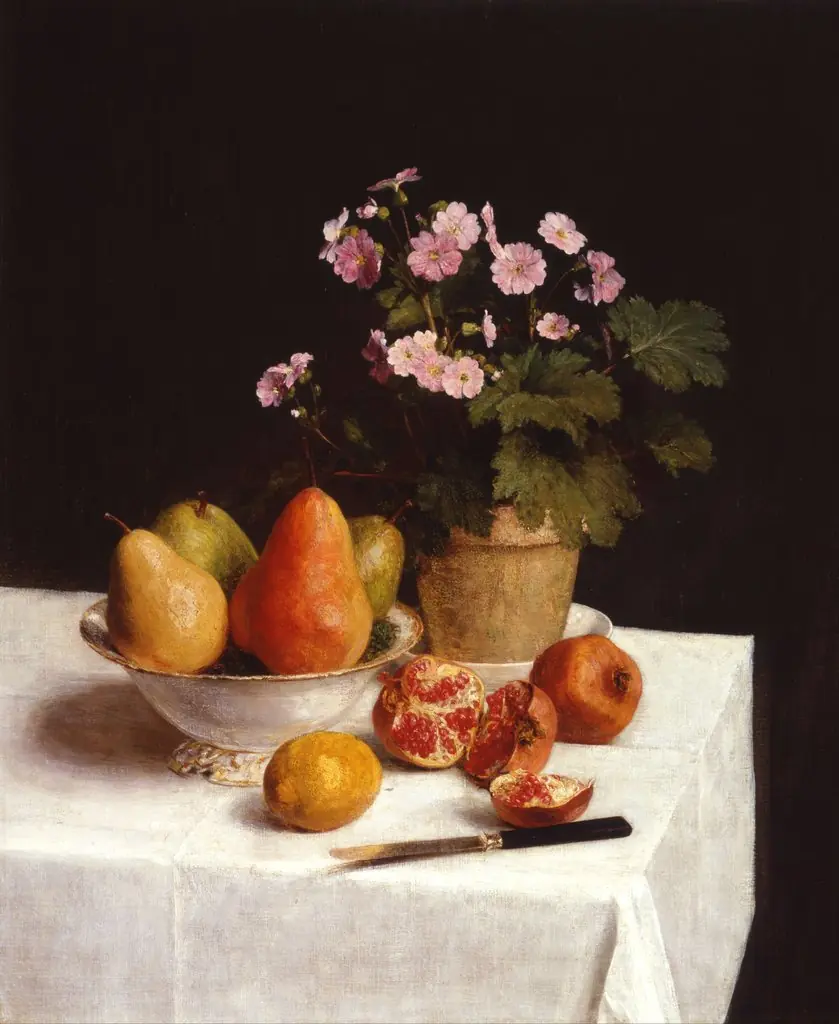 Still life (primroses, pears and pomegranates)
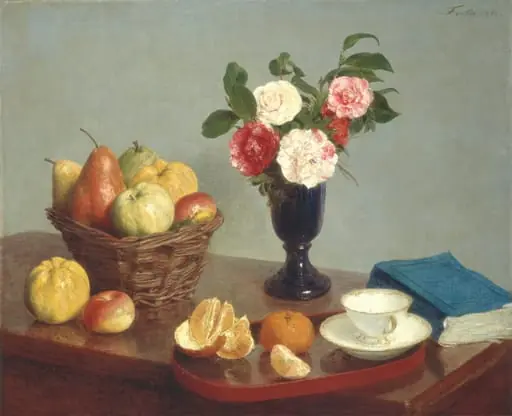 Still Life
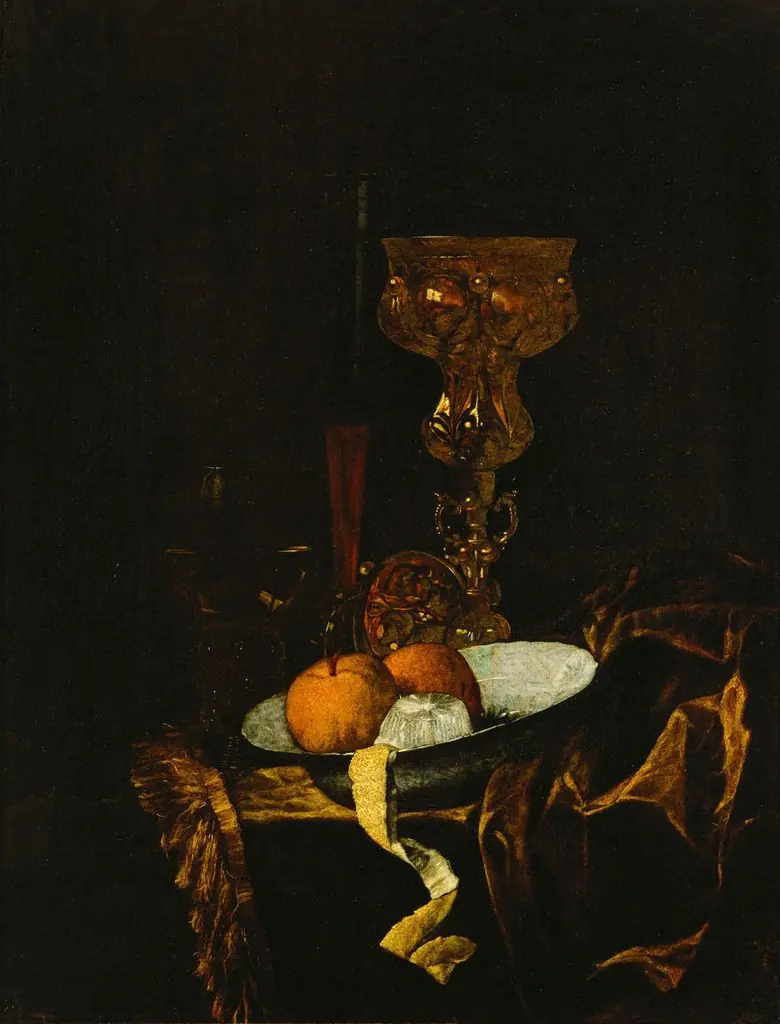 Frühstücksstilleben
 Still Life
 Still Life with a Dessert
 Still Life with Melon and Peaches
 Fruit (Still Life)
 Still Life of Fruit and Flowers
 Still Life with a Curtain