Artwork
The Bullfight
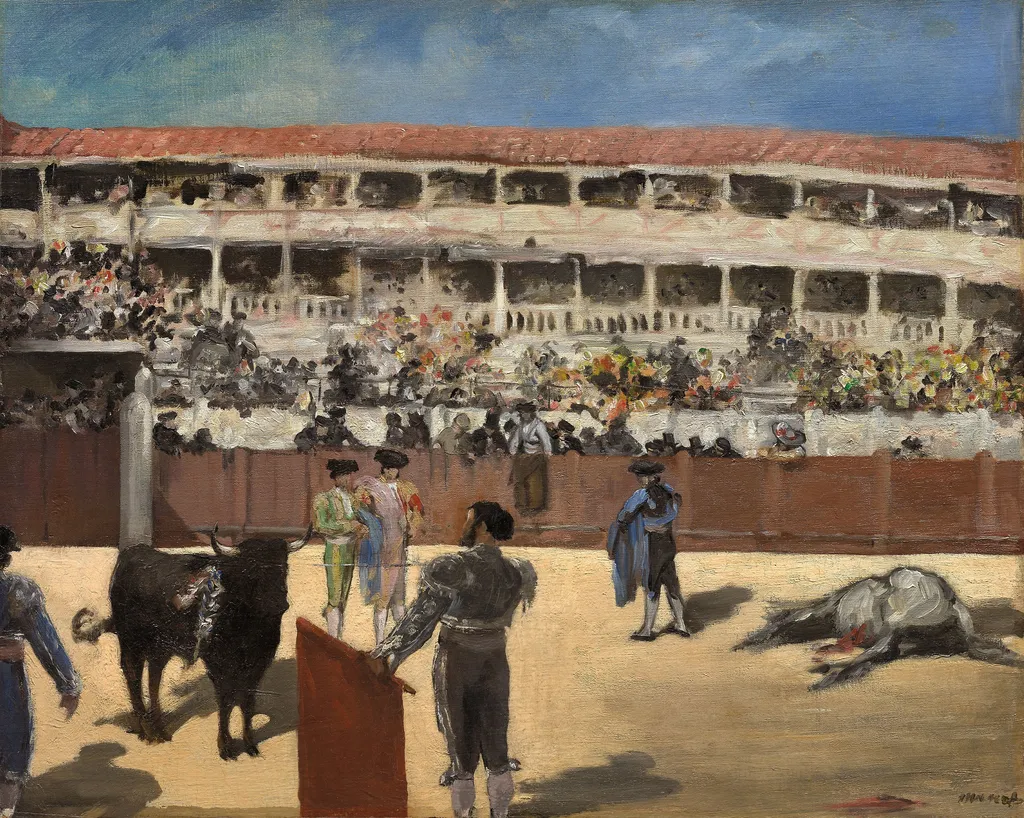
The Bullfight is an oil painting by the Realist artist Édouard Manet. It dates from 1865 and is held in the collection of the Art Institute of Chicago.
About this work
This painting has an interesting history, as it shows a scene of bullfighting, a topic that was not commonly depicted in art at that time.
The painting is called The Bullfight by Édouard Manet. It was made in 1865 using oil paint. The Art Institute of Chicago has this painting, which is also known as Bullfight – Death of the Bull.
This painting has an interesting history, as it shows a scene of bullfighting, a topic that was not commonly depicted in art at that time. The artist's choice of subject is notable, and it reflects his interest in everyday life and contemporary events. You can learn more about the artist's style and other works at the Art Institute of Chicago.
Subject & Meaning
The painting represents a bullfight in progress, set in the old arena of the Puerta de Alcalá in Madrid. The central figure is a bull that has been stopped, or parado, already bearing banderilles, though French sources note this positioning would appear improbable to an experienced bullfighting critic. Compared to the more dramatic Combat de taureau (The Fall of the Picador, Musée d'Orsay), this scene conveys a notably sunnier and less violent atmosphere, capturing what Manet described as the colorful, rapid spectacle of the assembled crowd. The relative scale of the bull to certain toreros has led some observers to suggest it may represent a novillo, a young bull, rather than a full-grown animal. Manet's declared ambition was to render both the vibrant, multicolored crowd and the dramatic elements of the corrida, the picador and horse overturned and gored by the furious bull, and the chulos attempting to distract the animal.
Technique & Style
Painted in oil on canvas, The Bullfight displays the brighter, more luminous palette that distinguishes it from the darker tonality of Combat de taureau. Manet's handling emphasizes the atmospheric quality of the arena, the rapid brushwork suited to capturing the fleeting impressions of movement and light. The composition reflects his interest in contemporary life and modern spectacle, translated through the lens of Spanish subject matter that had preoccupied him since 1862. The work's relatively modest dimensions suggest an intimate, sketch-like quality rather than a monumental treatment of the theme.
History & Provenance
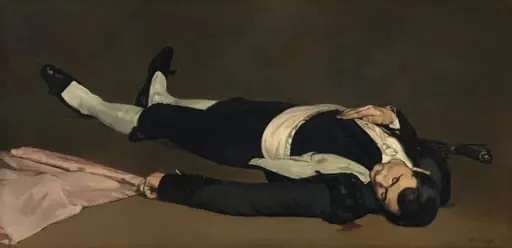
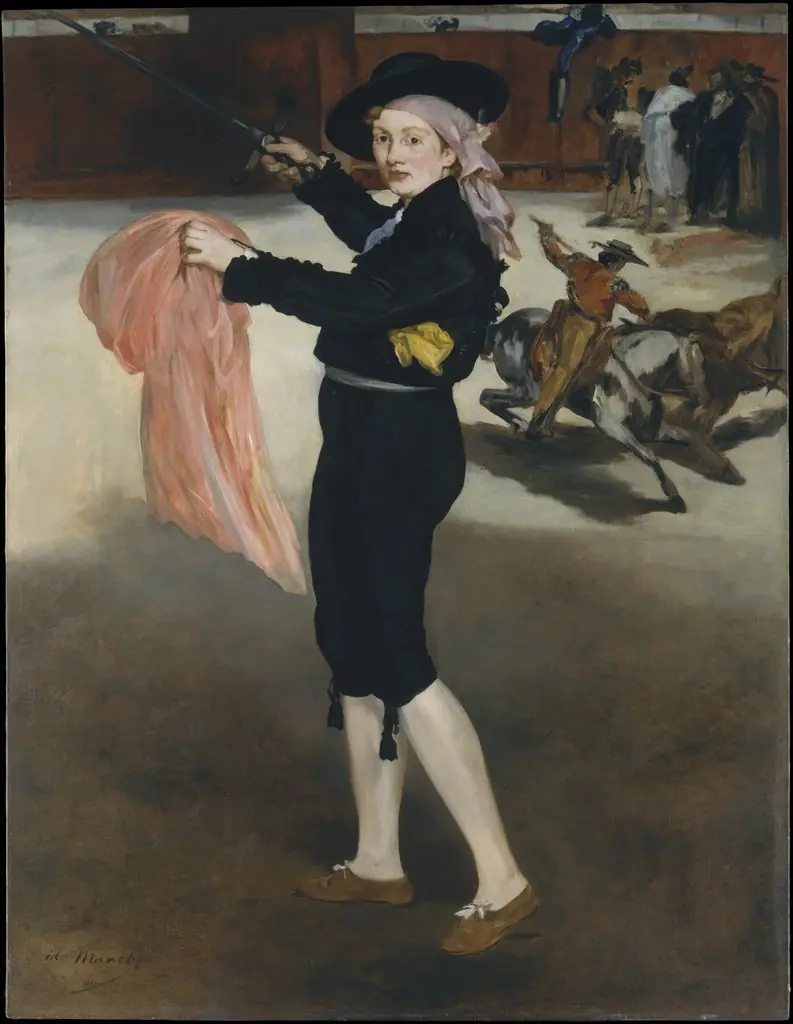
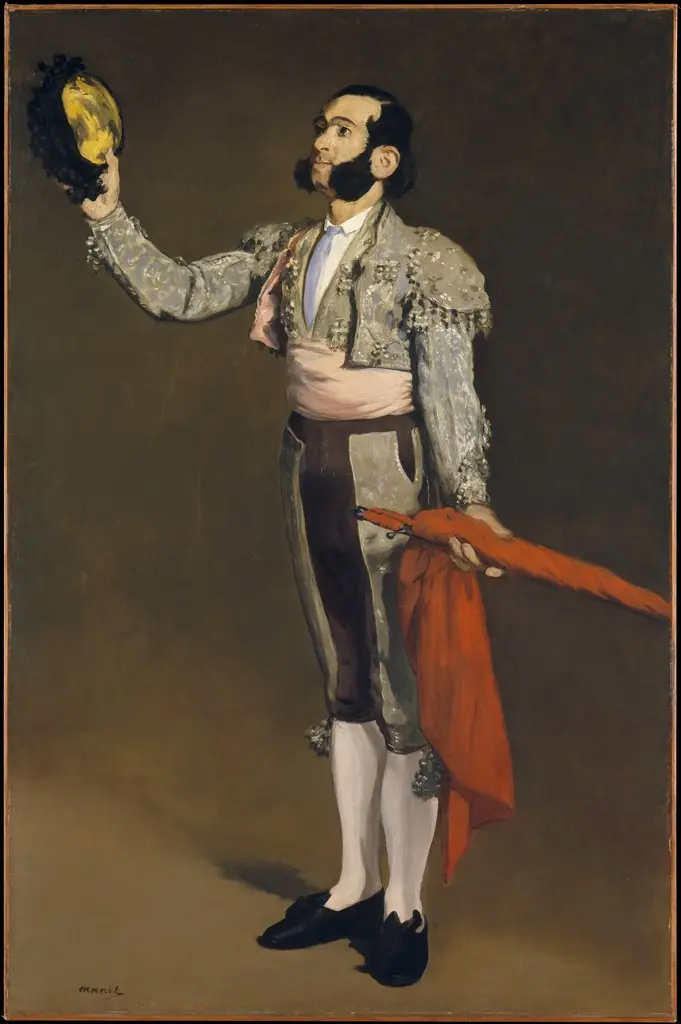
Manet had already produced several bullfighting works from 1862 onward, including two canvases created by cutting up Episode in a Bullfight, namely The Dead Man and The Bullfight, as well as Mademoiselle V. in the Costume of an Espada and The Matador Saluting. Following his return from Spain, he wrote to Zacharie Astruc on September 17, 1865, articulating his intention to paint the rapid, colorful spectacle of the bullring. The Bullfight belongs to a trio of works from this period, alongside The Fall of the Picador at the Musée d'Orsay, and a watercolor version of The Fall of the Picador in a private collection. The painting is now in the Art Institute of Chicago, though specific details of its acquisition and earlier ownership chain are not recorded in the available sources.
Context
Manet's engagement with bullfighting must be understood within his broader fascination with Spanish culture, which had begun well before his 1865 trip. His earlier Spanish-themed works, including the portrait Mademoiselle V. in the Costume of an Espada, demonstrate that the bullring imagery emerged from sustained artistic interest rather than sudden inspiration. The letter to Astruc reveals his methodical ambition to synthesize the spectacular and the dramatic, the decorative crowd and the violent action. Scholarly attention to this specific canvas has been comparatively limited, with Alvaro Martinez-Novillo's Le Peintre et la Tauromachie (1988) and the catalogue Manet 1832-1983 by Françoise Cachin, Charles S. Moffett, and Juliet Wilson Bareau (1983) representing key references. The painting's infrequent appearance in international exhibitions has contributed to its relatively modest profile within Manet's oeuvre.
Legacy
The Bullfight occupies a particular niche in Manet's legacy as part of his systematic exploration of a theme that bridged his admiration for Spanish art and his commitment to painting modern life. While individual works such as The Fall of the Picador at the Musée d'Orsay have achieved greater visibility, this canvas and its companion pieces demonstrate the persistence of bullfighting as a subject across his career. The series as a whole influenced subsequent artists' treatment of the corrida, contributing to a visual tradition that would extend through Picasso's many engagements with the theme. The Art Institute of Chicago's holding ensures the work's continued accessibility to scholars and public, even as its exhibition history remains more restricted than that of Manet's major canonical paintings.
Own this work as a print
Artist & collection
Artist
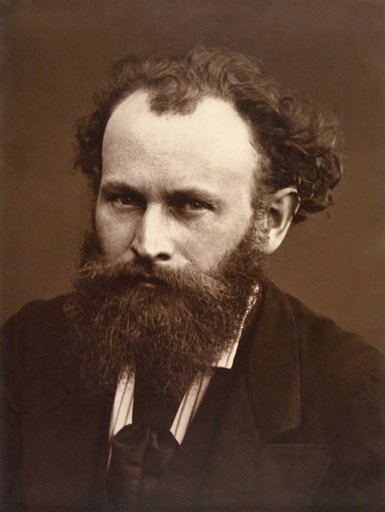
Édouard Manet was a French modernist painter. He was one of the first 19th-century artists to paint modern life, as well as a pivotal figure in the transition from Realism to Impressionism.

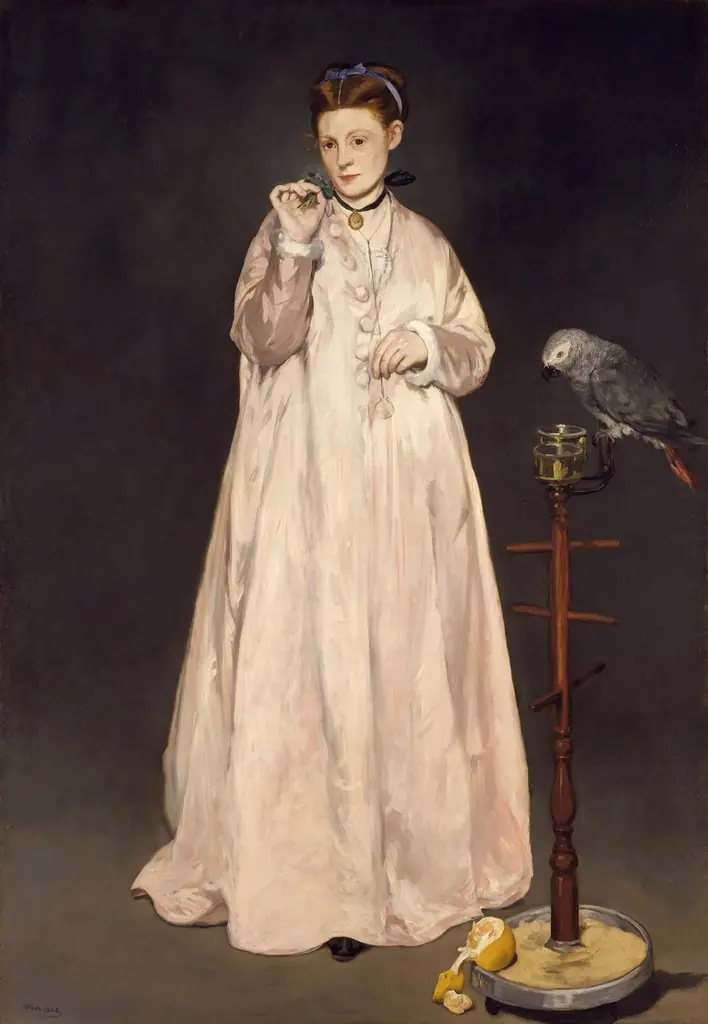
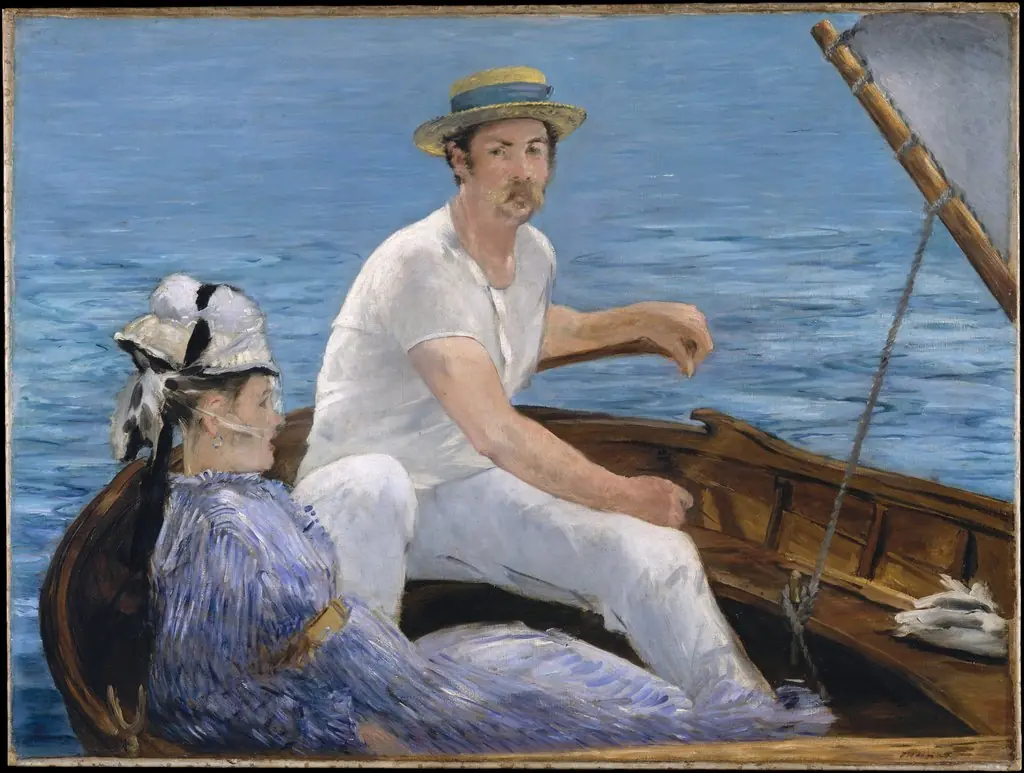
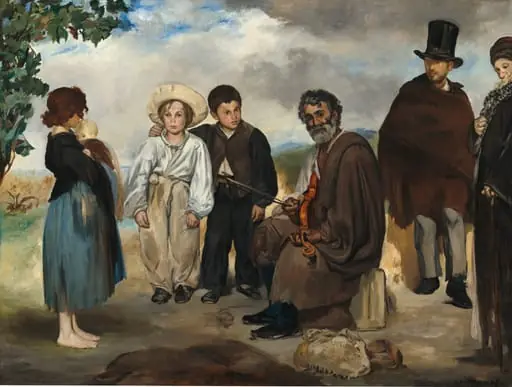
- Bullfight, Suerte de Varas
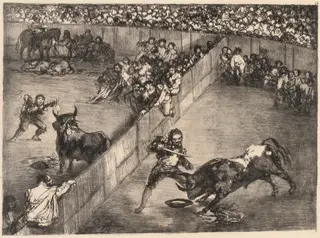 Bullfight in a Divided Ring
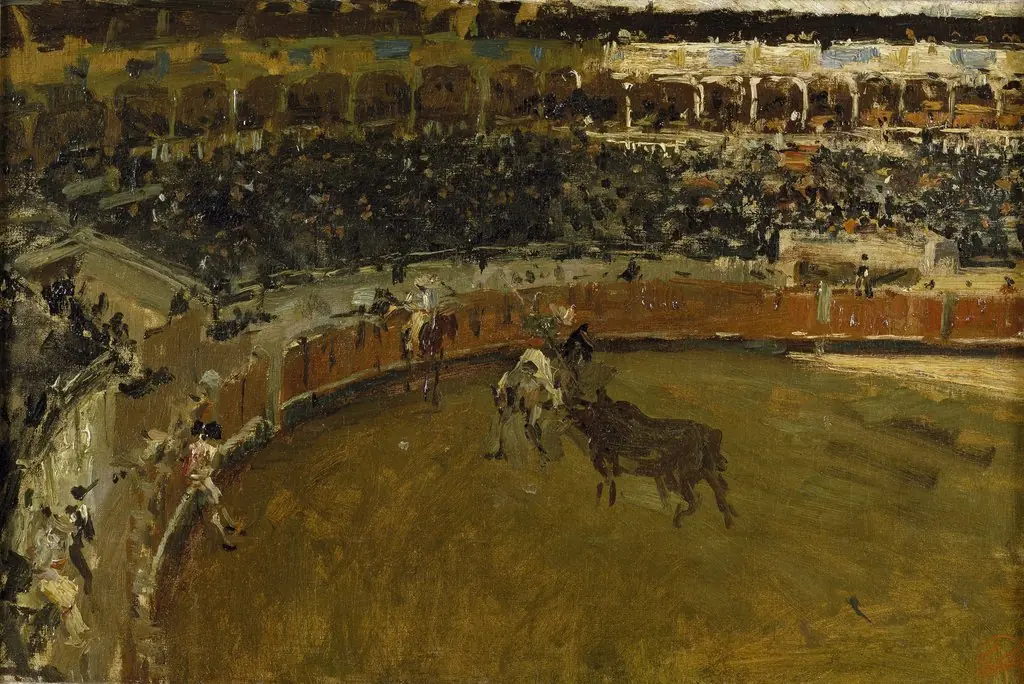 Bullfight
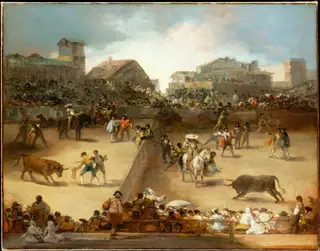 Bullfight in a Divided Ring
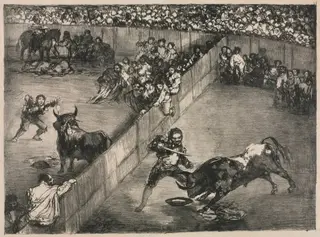 The Bulls of Bordeaux: Bullfight in a Divided Ring
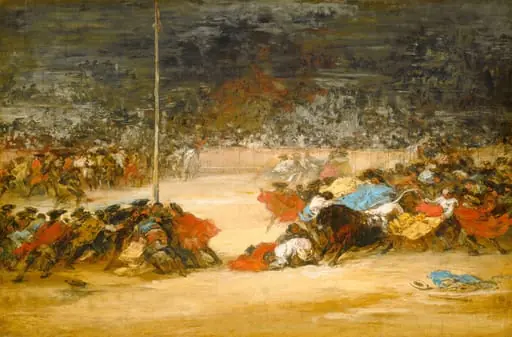 The Bullfight
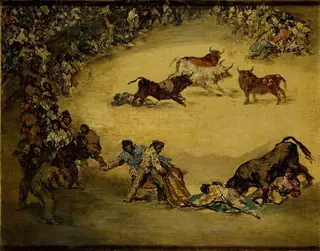 Scene at a Bullfight: Diversión de España
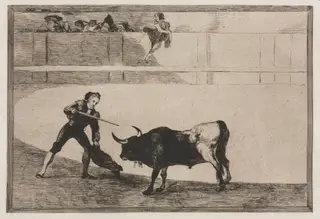 Bullfights: Pedro Romeo Killing the Halted Bull
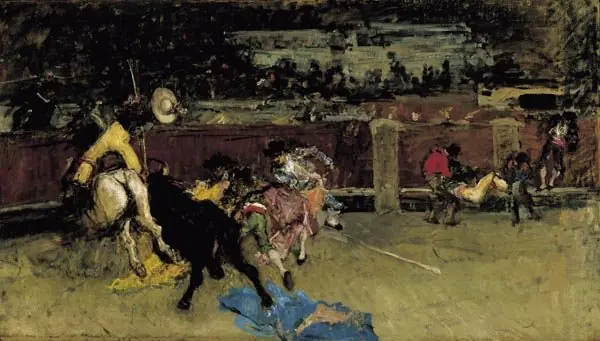 Bullfight. Wounded Picador
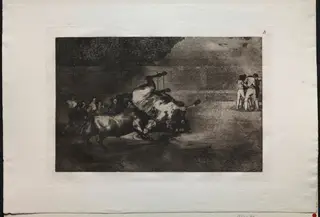 Bullfights: A Horse Thrown by the Bull
 After the Bullfight
 Bullfights: A Bullfighter Mounted on the Shoulders of an Assistant, Spearing a Bull