Artwork
The melon
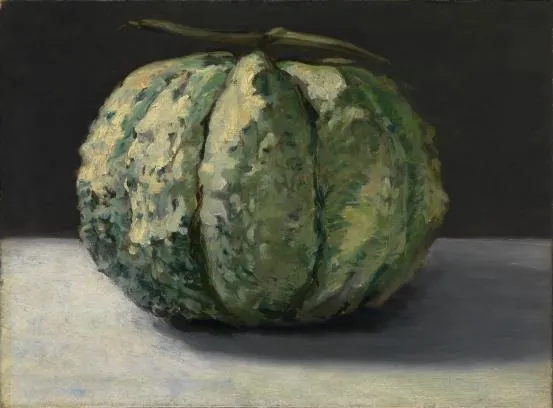
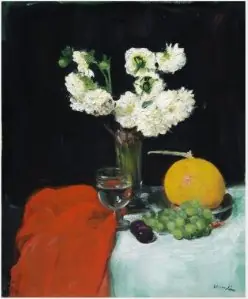
The melon is an oil painting by the Impressionist artist Édouard Manet. It is held in the collection of the National Gallery of Victoria.
About this work
Overview
The composition is deliberately restrained, focusing solely on the form and surface of the melon against a dark, undefined background.
Painted in 1890, The Melon is a small oil still life by Édouard Manet, depicting a single fruit with quiet precision. It resides in the collection of the National Gallery of Victoria. The composition is deliberately restrained, focusing solely on the form and surface of the melon against a dark, undefined background. Manet’s approach avoids narrative or symbolism, instead emphasizing the physical presence of an ordinary object.
Subject & Meaning
The subject is a common melon, rendered without context or association to abundance, luxury, or seasonal symbolism. Its placement at the center of the canvas invites close attention to its texture and weight. Manet’s choice to isolate this mundane item reflects a broader interest in the dignity of everyday things, stripping away traditional still-life conventions to focus on perception itself.
Technique & Style
Manet applied oil paint with loose, deliberate brushwork, capturing the melon’s rough rind through varied strokes of green and ochre. Light falls from the left, modeling the form with soft gradients and a faint shadow beneath, suggesting volume without harsh contrast. The dark background recedes entirely, allowing the fruit to emerge as a self-contained presence, characteristic of his late style’s emphasis on optical clarity over detail.
History & Provenance
The painting was completed in the final year of Manet’s life, during a period when he increasingly turned to intimate still lifes. It entered the National Gallery of Victoria’s collection in the 20th century, likely through acquisition from a private European source. Its history prior to that remains undocumented, though its modest scale and subject align with other late works Manet produced in his Paris studio.
Context
In the 1880s and 1890s, Manet shifted from large-scale scenes to smaller, more personal subjects, influenced by his declining health and a growing interest in the immediacy of visual experience. The Melon belongs to a series of fruit studies from this time, reflecting a move away from social commentary toward pure observation. These works resonate with the emerging modernist focus on the act of seeing rather than storytelling.
Legacy
Though not widely exhibited, The Melon exemplifies Manet’s late-period exploration of form and light, influencing later artists who valued simplicity and directness. Its quiet intensity contributed to the redefinition of still life in modern art, demonstrating that ordinary objects, when observed with rigor, could carry substantial visual weight. The painting remains a quiet testament to Manet’s enduring interest in perception over pretense.
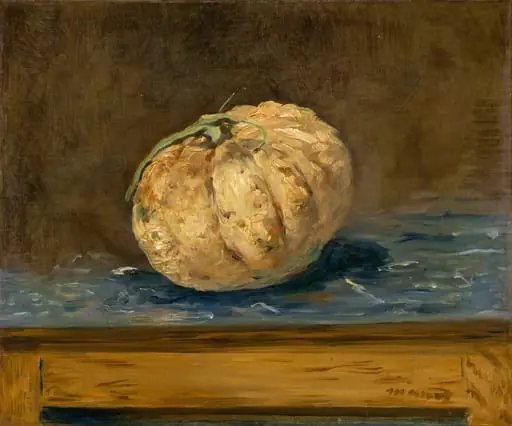
Artist & collection
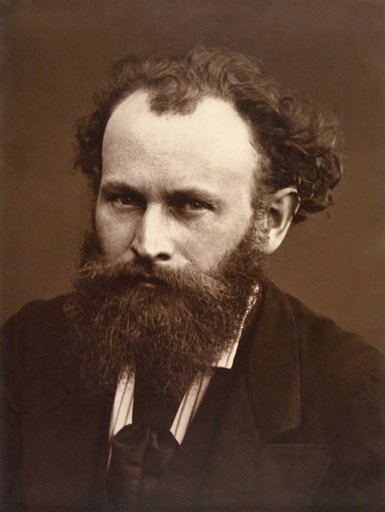
Artist
Édouard Manet was a French modernist painter. He was one of the first 19th-century artists to paint modern life, as well as a pivotal figure in the transition from Realism to Impressionism.