Artwork
Henri II de Lorraine
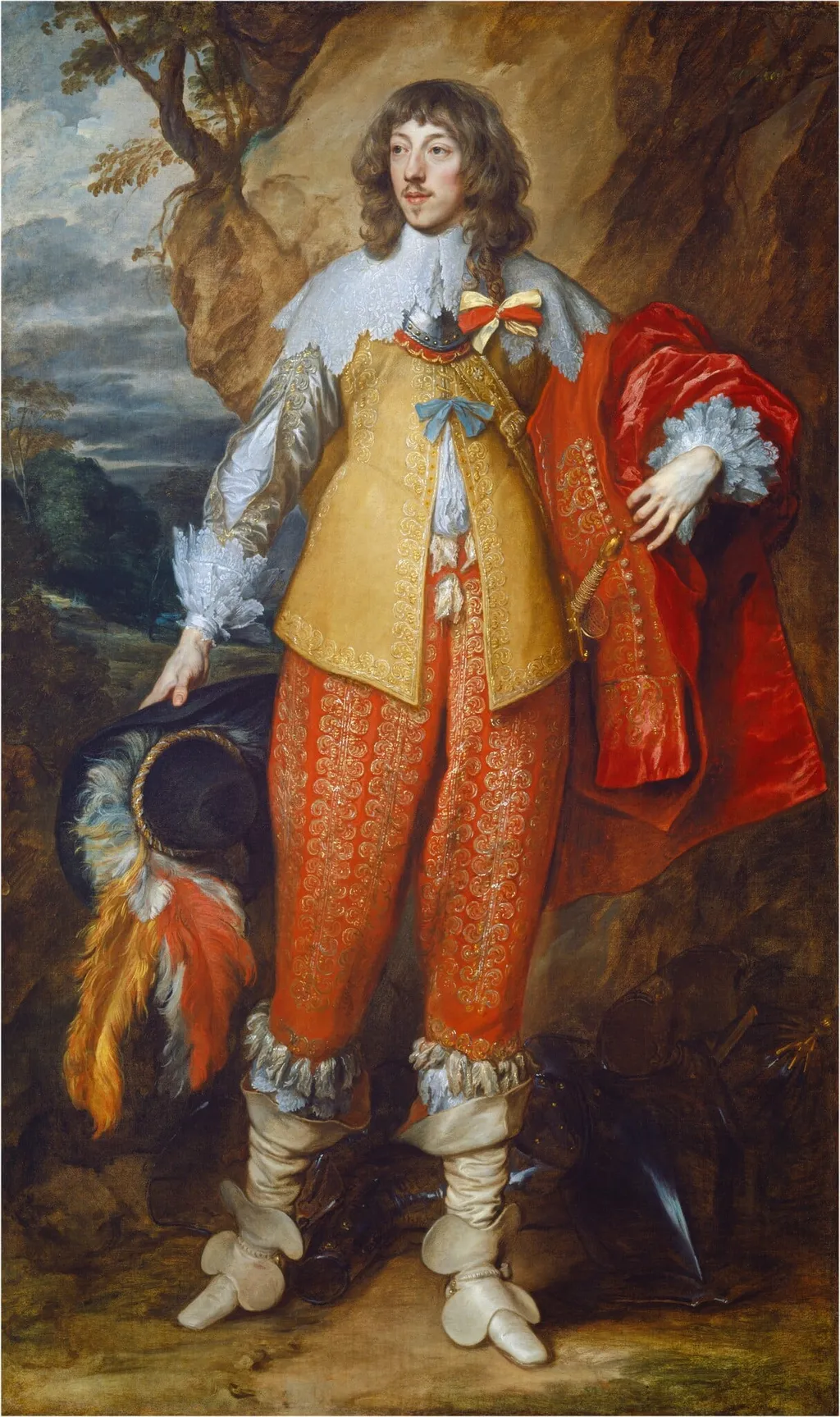
Henri II de Lorraine is an oil painting by the Baroque artist Anthony van Dyck. It dates from 1634 and is held in the collection of the National Gallery of Art.
About this work
Technique & Style
As a formal depiction of Henry II of Lorraine, Duke of Guise, the work employs the medium of oil paint to render the sitter's likeness.
Executed in 1634, this portrait is an oil painting on canvas measuring 204.6 by 123.8 centimeters. As a formal depiction of Henry II of Lorraine, Duke of Guise, the work employs the medium of oil paint to render the sitter's likeness. The classification as a portrait highlights its focus on the individual subject.
While specific details regarding the artist's brushwork, surface condition, or distinct stylistic handling are not explicitly detailed in the available records, the work's physical constitution is defined by its support of canvas and the application of oil pigments, consistent with Anthony van Dyck's practice during this period.
History & Provenance
The portrait of Henri II de Lorraine, Duke of Guise, was painted in 1634 by Sir Anthony van Dyck (oil on canvas). It first appears in the 1711 inventory of François Roger de Gaignières, who acquired it directly from the sitter’s family. The work subsequently passed through several owners: Sir Edward Grey, the Misses Bright, Arthur Kay of Glasgow, Jacob Herzog in Vienna, William Schaus, William Collins Whitney, and his descendants Harry Payne Whitney, Gertrude Vanderbilt Whitney, and Cornelius Vanderbilt Whitney, before being gifted to the National Gallery of Art in 1947.
The painting’s creation date, dimensions, and material are recorded as 1634, 204.6 cm × 123.8 cm, oil on canvas.
The portrait of Henri II de Lorraine by Anthony van Dyck is held in the collection of the National Gallery of Art in Washington, D.C., where it was accessioned in 1947 as a gift from Cornelius Vanderbilt Whitney. Prior to this acquisition, the work passed through several distinguished hands, beginning with François Roger de Gaignières, who owned it by 1711. It later entered the estate of Sir Edward Grey before being acquired by Arthur Kay in Glasgow by 1893.
The painting subsequently moved to Vienna, passing through the collections of Jacob Herzog and William Schaus in New York, before being purchased by William Collins Whitney around 1900 or 1901. Upon his death, it descended to his son Harry Payne Whitney, then to his widow Gertrude Vanderbilt Whitney, and finally to their son, who donated the piece to the National Gallery of Art.
Legacy
The portrait of Henri II de Lorraine, painted by Anthony van Dyck in 1634, came to be recognized as a key example of the artist’s courtly portraiture and of the van Dyck‑style inventory assembled by François Roger de Gaignières. Its documented passage from the French noble’s collection through Gaignières, Sir Edward Grey, various American collectors, and finally to the National Gallery of Art illustrates a continuous scholarly interest that has shaped the painting’s reputation as a benchmark for provenance research. Articles by Francis M. Kelly highlighted the work’s role in tracing Gaignières’ cabinet, influencing later studies of 17th‑century French portraiture.
Today the piece is frequently cited in art‑historical literature on Van Dyck and on the transmission of noble imagery in the early modern period.
Overview
This oil on canvas portrait, titled Henri II de Lorraine, presents a distinguished male figure seated in an elaborate chair. The artwork functions as a formal representation, capturing the subject's dignified presence through careful attention to his attire and surroundings. It reflects the conventions of portraiture from its era, emphasizing both the individual's likeness and his social standing within the aristocracy.
Subject & Meaning
The sitter is identified as Henry II of Lorraine, Duke of Guise, a notable historical figure. His portrayal in the painting underscores his elevated position and considerable wealth. Dressed in period-appropriate, opulent clothing and maintaining a solemn demeanor, the duke's image communicates authority and importance, consistent with the expectations for portraits of high-ranking nobility during this period.
Own this work as a print
Artist & collection
Artist
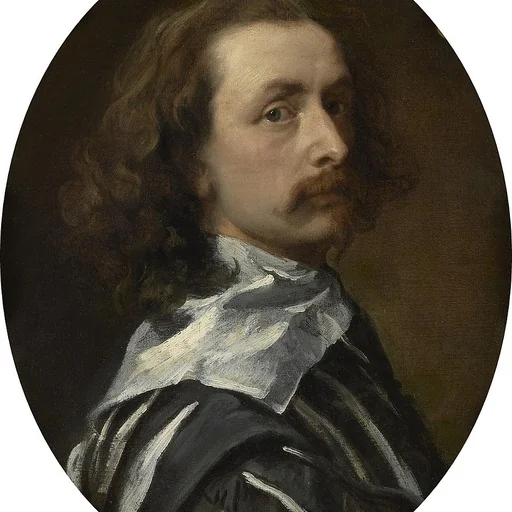
Sir Anthony van Dyck (; Dutch: Antoon van Dijck; 22 March 1599 – 9 December 1641) was a Flemish Baroque artist, who became the leading court painter in England after success in the Spanish Netherlands and Italy.

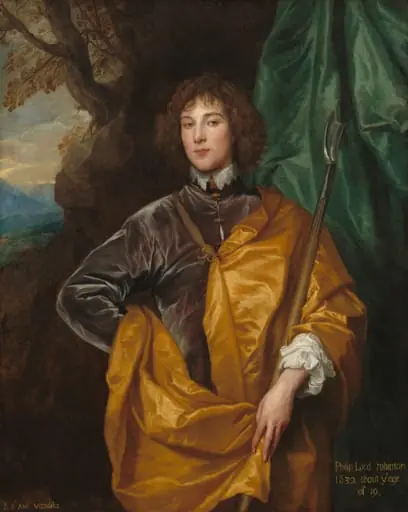
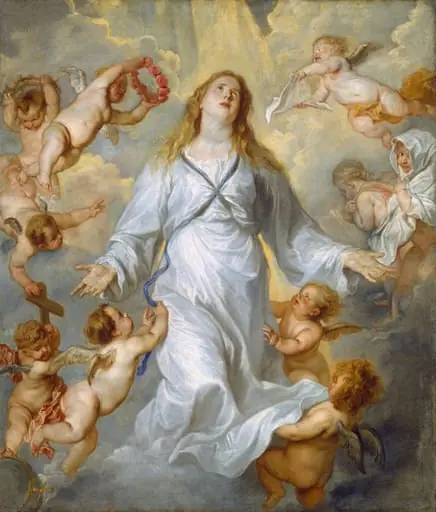
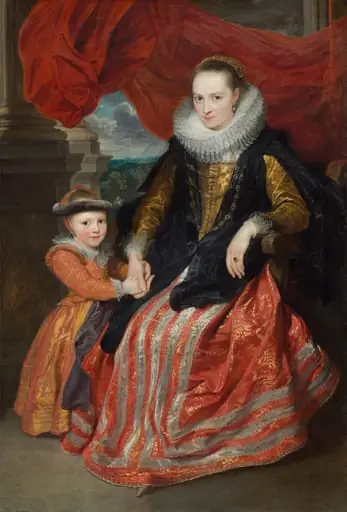
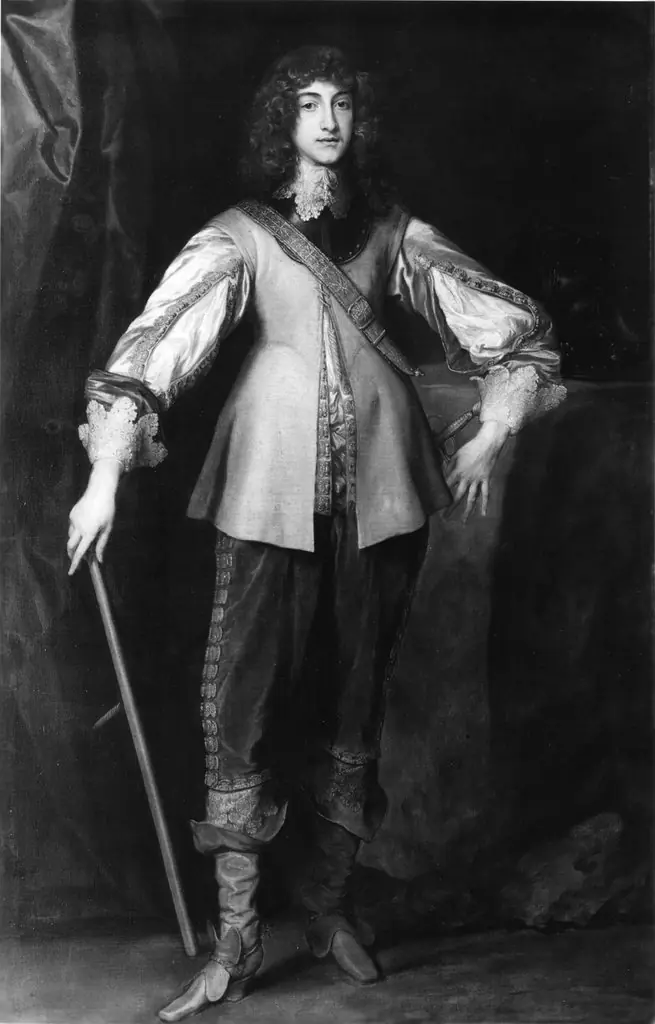
- Portrait of Prince Rupert
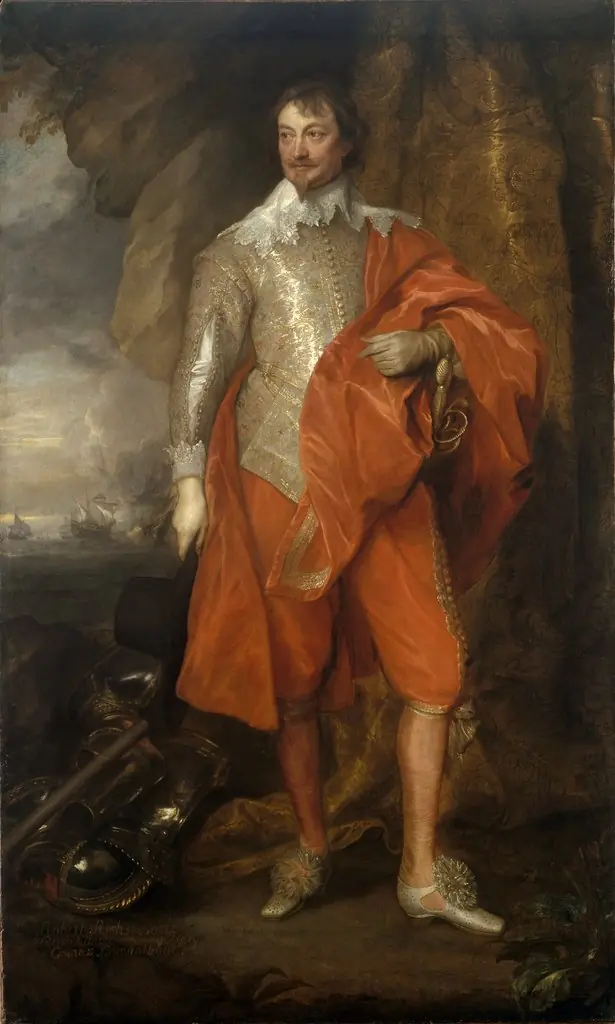 Portrait of Robert Rich, second earl of Warwick
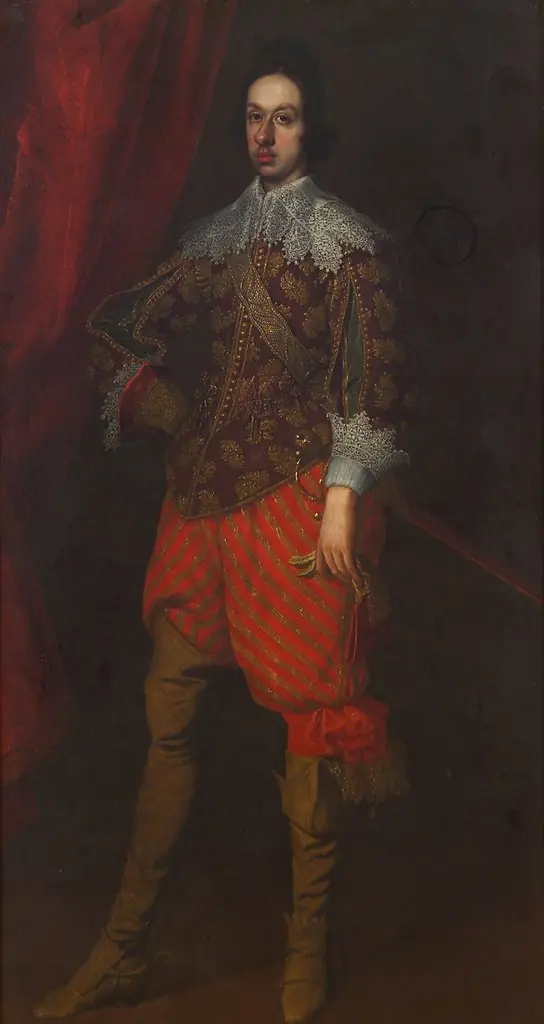 Grand Duke Ferdinando II. (1610-1670) of Tuscany
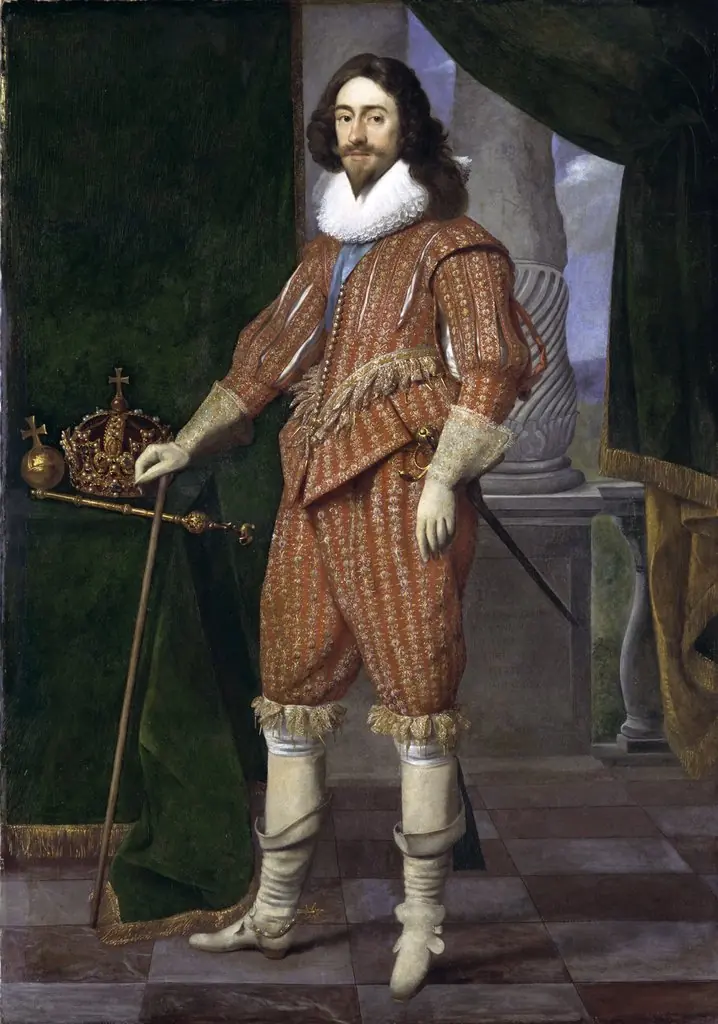 Portrait of Charles I of England
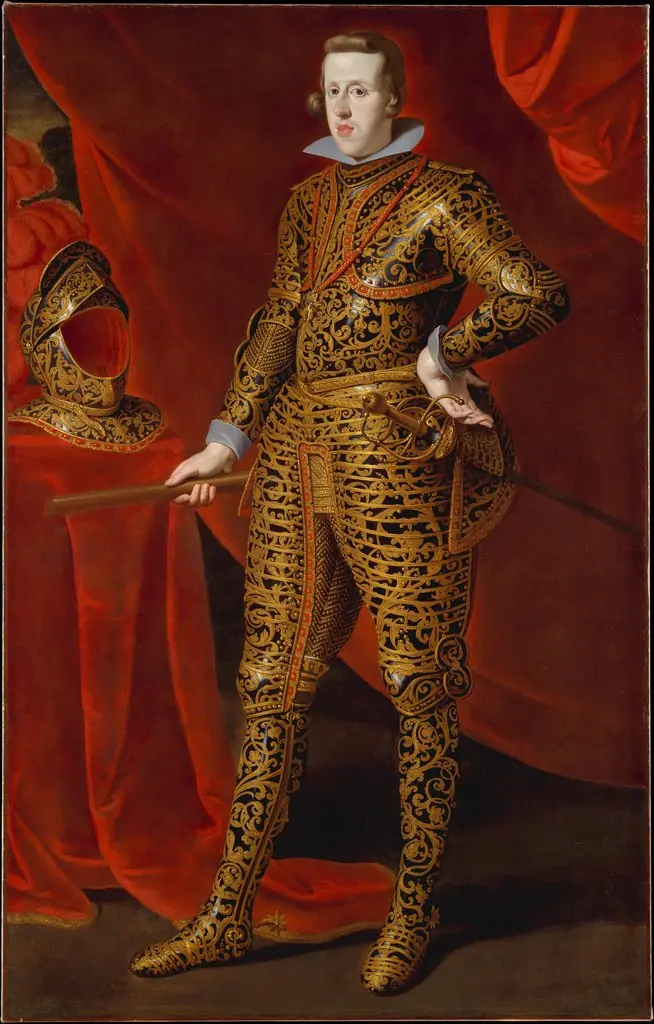 Philip IV (1605–1665) in Parade Armor
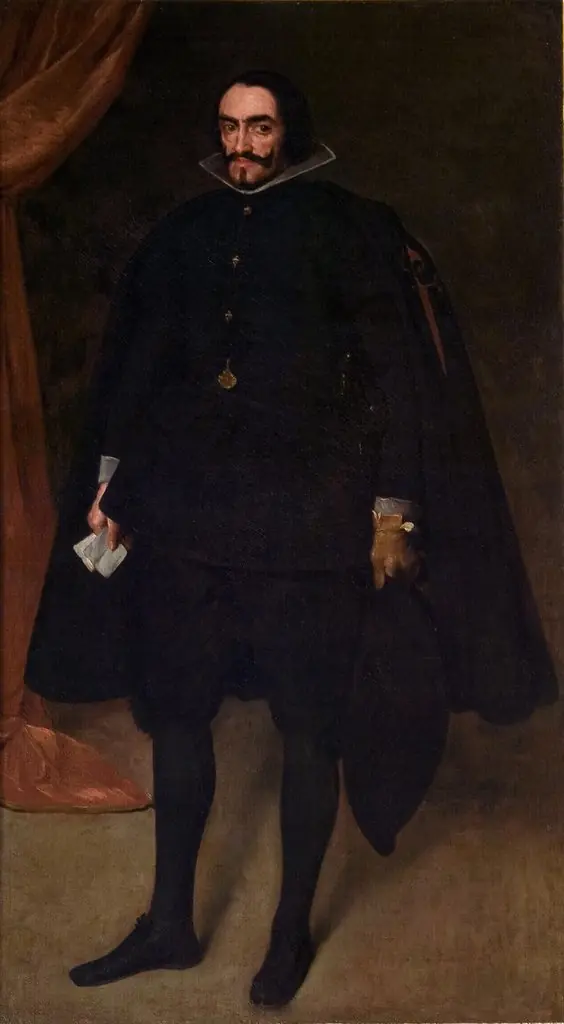 Portrait of a Knight of the Order of Santiago
 BIldnis eines jungen kurpfälzischen Prinzen (?) (?)
 Kurfürst Ferdinand Maria von Bayern
 Portrait of Henry Danvers, Earl of Danby
 Kaiser Ferdinand II (1578-1637) at the age of 14
 Ferdinand Charles, Archduke of Further Austria
 Willem Kettingh (d 1670). Chief Treasurer and Bailiff of the Prince of Orange