Artwork
Joséphine Gaujelin
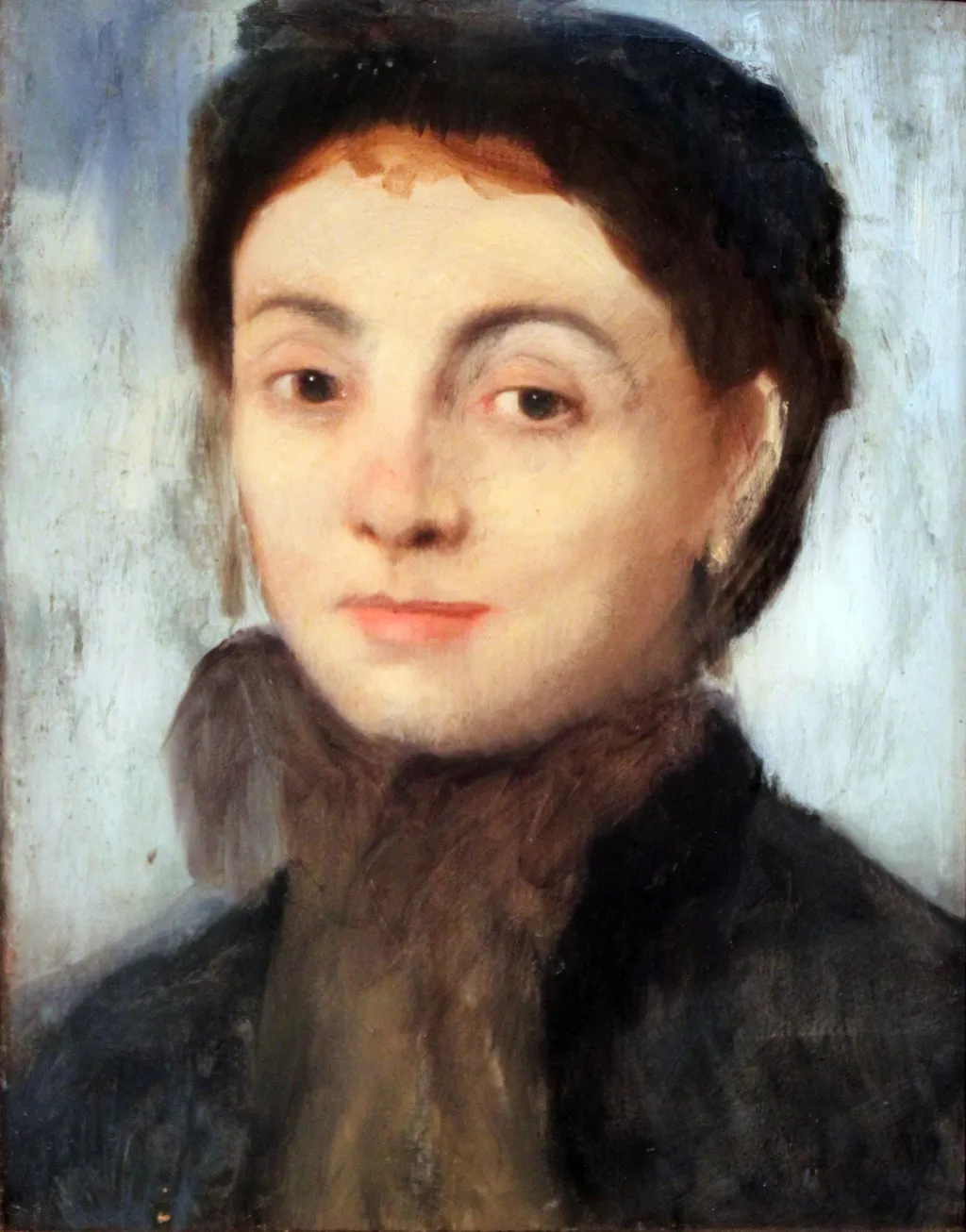
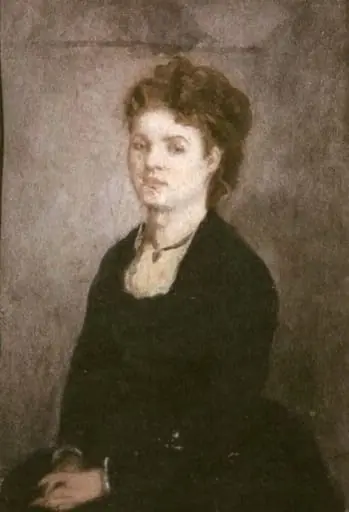
Joséphine Gaujelin is an oil painting by the Realist artist Edgar Degas. It dates from 1867 and is held in the collection of the Hamburger Kunsthalle.
About this work
Overview
Unlike formal commissioned portraits, the piece conveys a sense of quiet observation, capturing its subject in an unposed, almost candid moment.
Painted in 1867, this oil portrait by Edgar Degas depicts Joséphine Gaujelin, a woman of modest social standing. The work is part of the collection at the Hamburger Kunsthalle. Unlike formal commissioned portraits, the piece conveys a sense of quiet observation, capturing its subject in an unposed, almost candid moment. Degas’s approach here reflects his interest in private, untheatrical scenes rather than public grandeur.
Subject & Meaning
Joséphine Gaujelin is portrayed without adornment or narrative context, her identity conveyed through presence rather than status symbols. Her neutral expression and indistinct features suggest an emphasis on psychological subtlety over physical detail. The lack of overt emotion or setting invites the viewer to consider the quiet dignity of ordinary life, a recurring theme in Degas’s portraiture.
Technique & Style
Degas employed loose, fluid brushwork and a restrained palette of grays, whites, and dark tones to construct the image. The blurred contours of the face and the soft transitions between forms suggest spontaneity, as if the painting were a rapid study. The background, minimally defined, recedes without distraction, focusing attention on the figure’s subdued presence and the tactile quality of the paint.
History & Provenance
The painting entered the Hamburger Kunsthalle’s collection in the late 19th century, likely through private acquisition or donation. Its early history before that is undocumented, but its presence in a major German institution by the 1880s indicates it was recognized early as a significant example of Degas’s portrait work. No major exhibitions or ownership changes are recorded prior to its institutional acquisition.
Context
Created during Degas’s early career, this portrait aligns with his shift away from historical subjects toward intimate depictions of contemporary life. Around this time, he began exploring the psychological depth of individuals in unguarded moments, often women in domestic or private settings. The work reflects broader 19th-century interests in realism and the everyday, even as it resists conventional portraiture norms.
Legacy
Though not among Degas’s most widely reproduced works, this portrait exemplifies his distinctive approach to character and composition. Its understated quality influenced later artists seeking to capture psychological nuance without theatricality. The painting remains a quiet testament to his ability to convey presence through restraint, contributing to the redefinition of portraiture in modern art.
Own this work as a print
Artist & collection
Artist
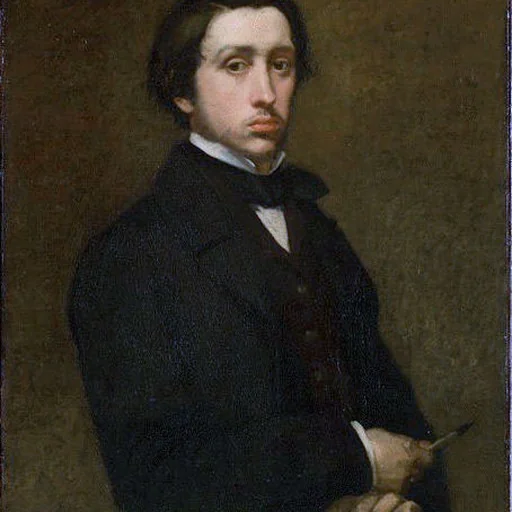
Born Hilaire-Germain-Edgar De Gas on 19 July 1834 in Paris, Edgar Degas came from an affluent banking family with aristocratic roots and spent his childhood among the cultivated circles of the French capital.

- Felicia Kirchdorffer, die Nichte des Künstlers
 Portrait of a Woman
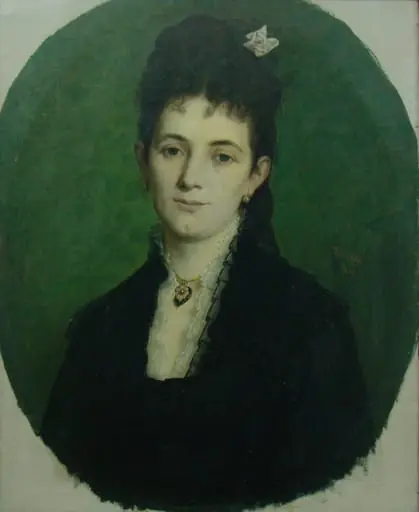 Portret de femeie
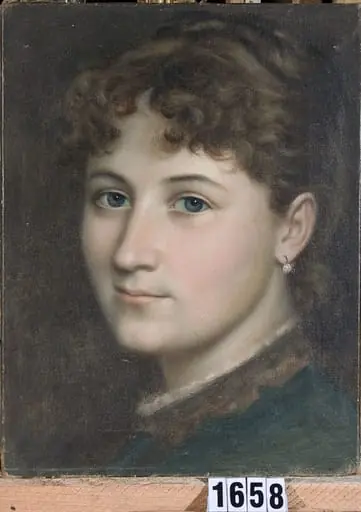 D-ra Brezeanu
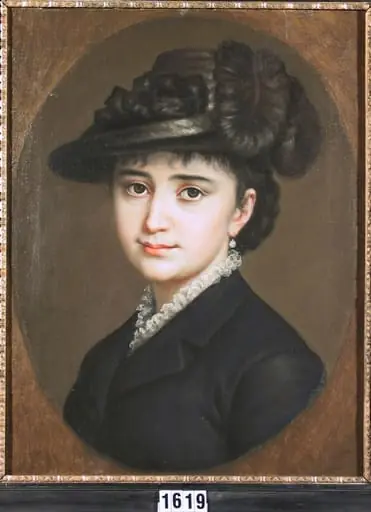 Eliza Petrovici
 Cap de femeie
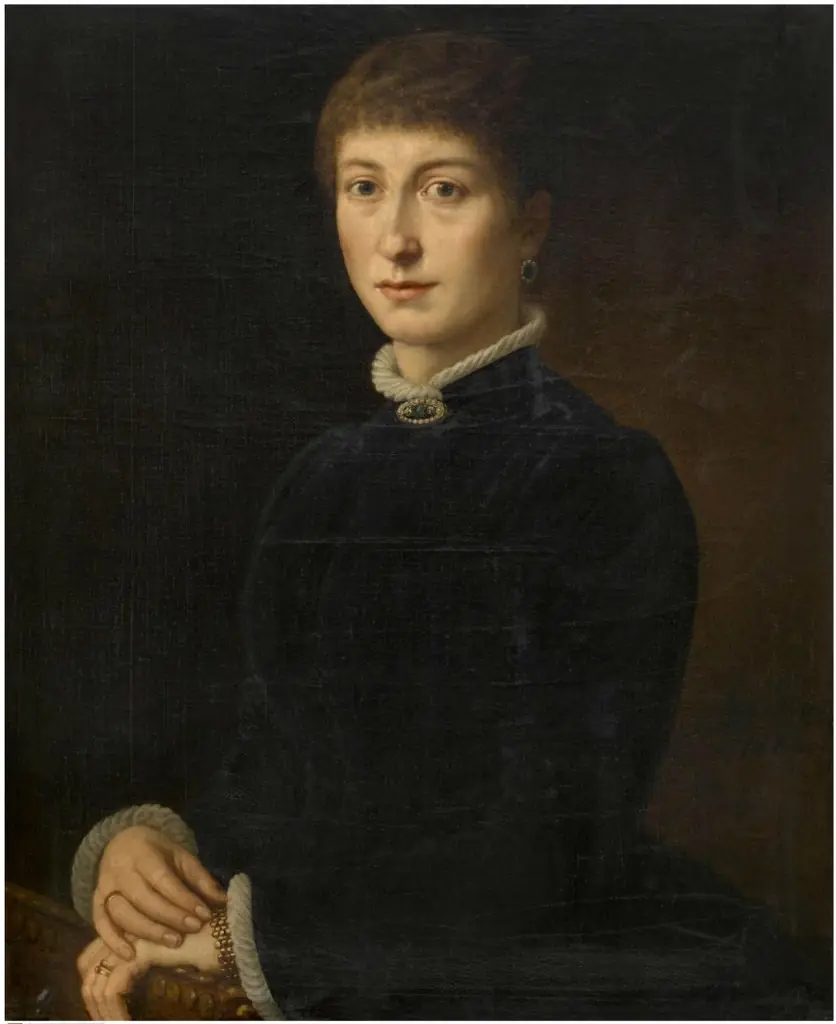 Portrait of Mrs Van Soom
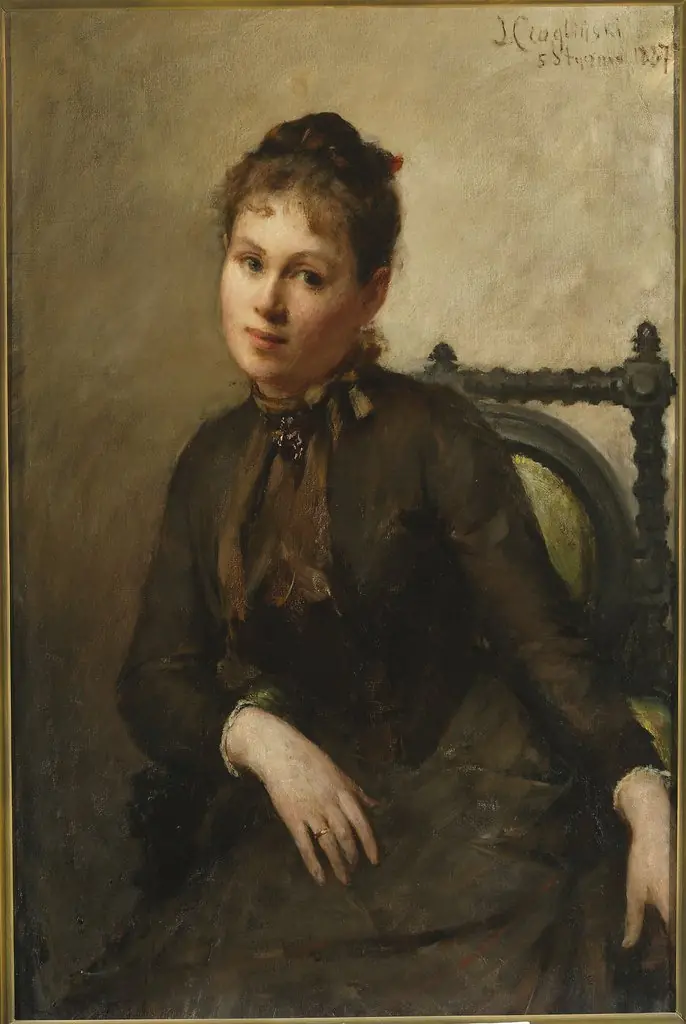 Portrait of Helena Piltz née Rymowicz
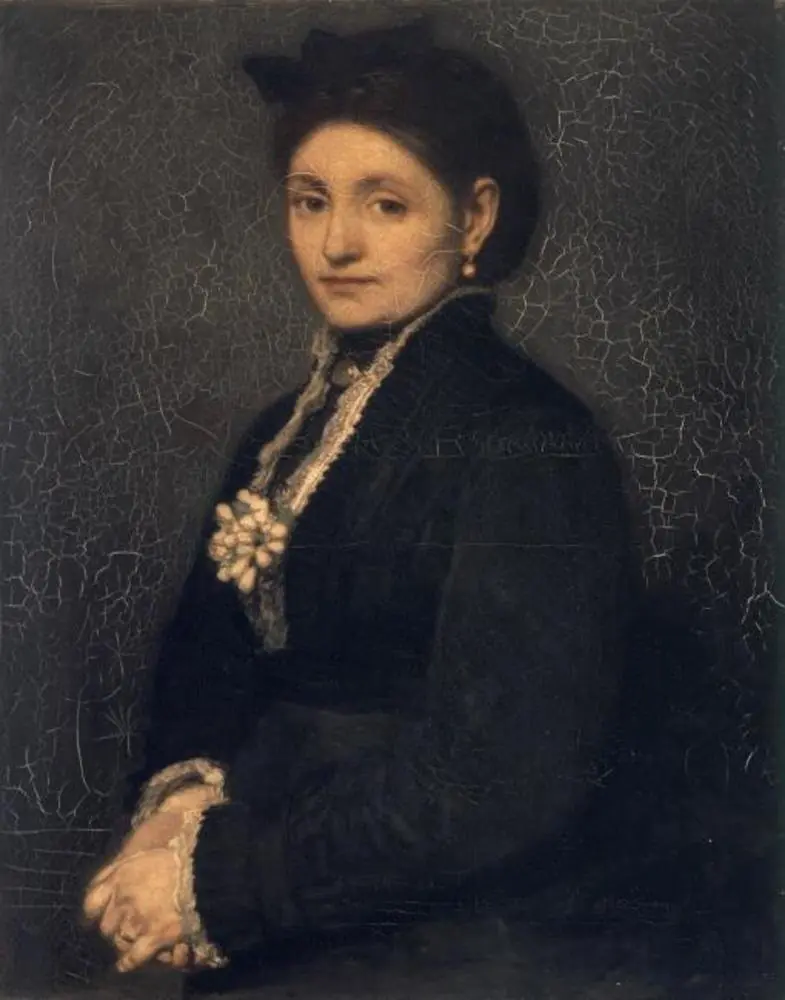 Portrait of Hendrika Troussard-Maris, sister of the painter
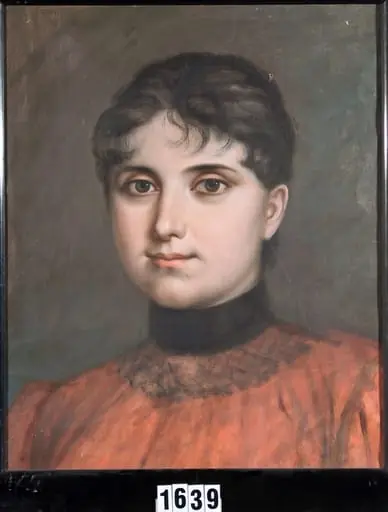 Portret de fată (D-ra J.)
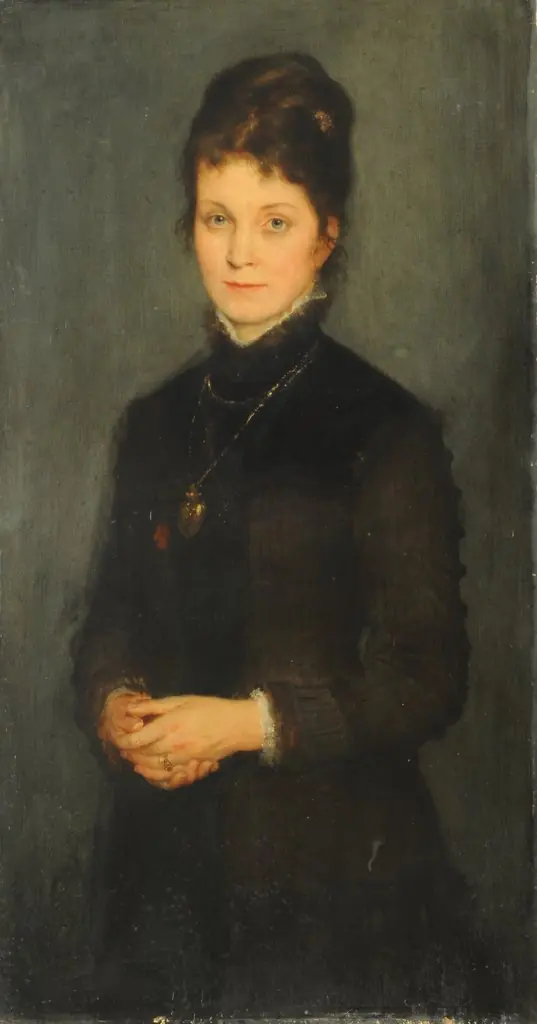 Retrato de señora
 Portret de femeie