Artwork
Am Strom, Warnemünde
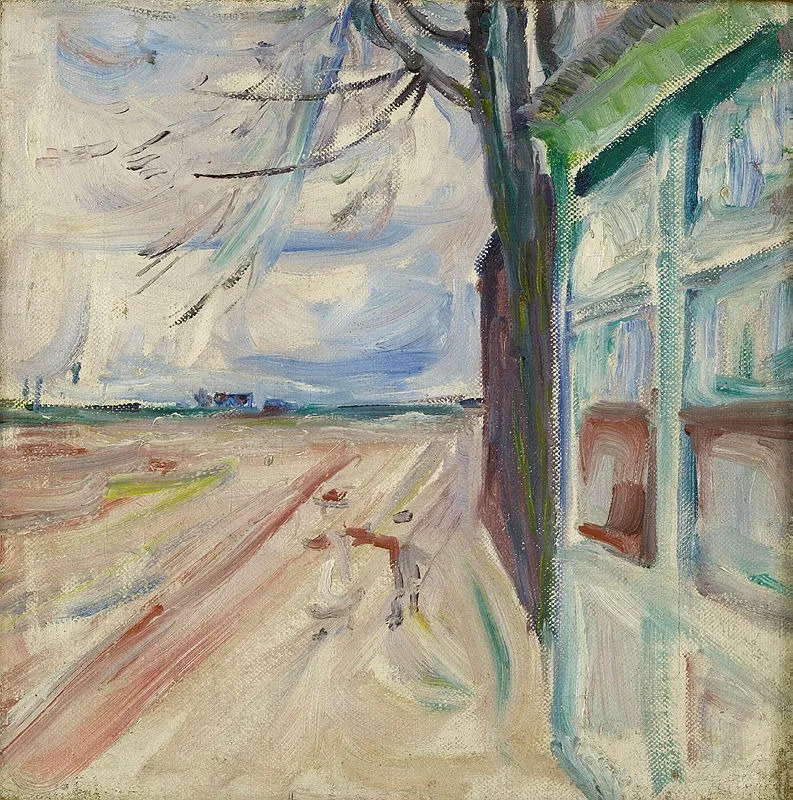
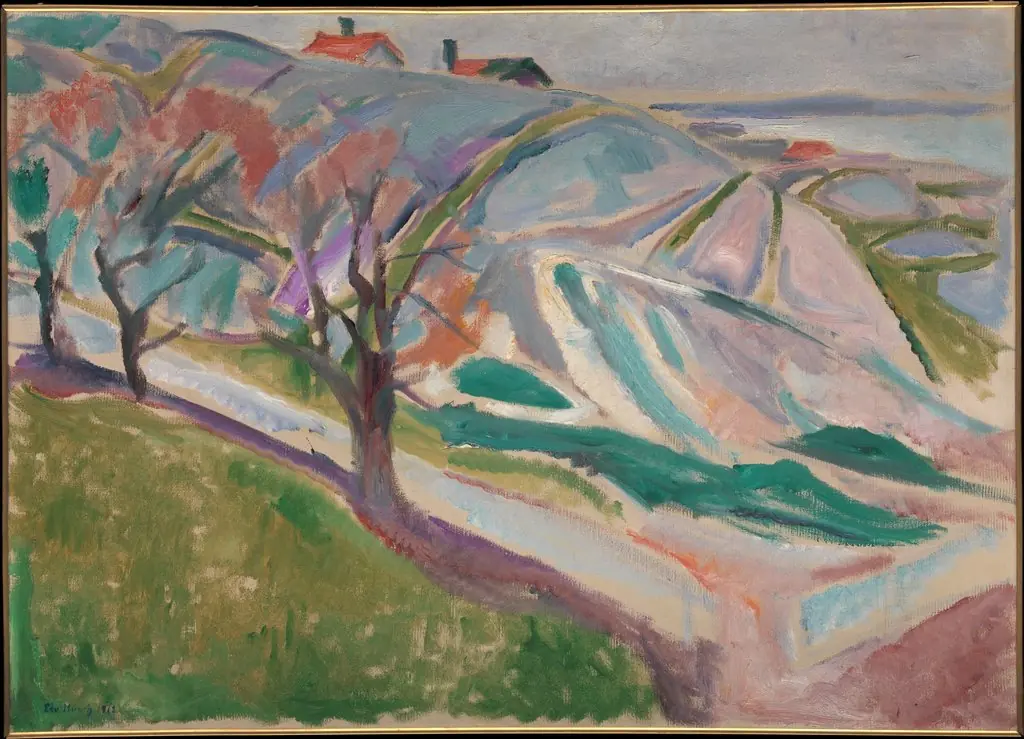
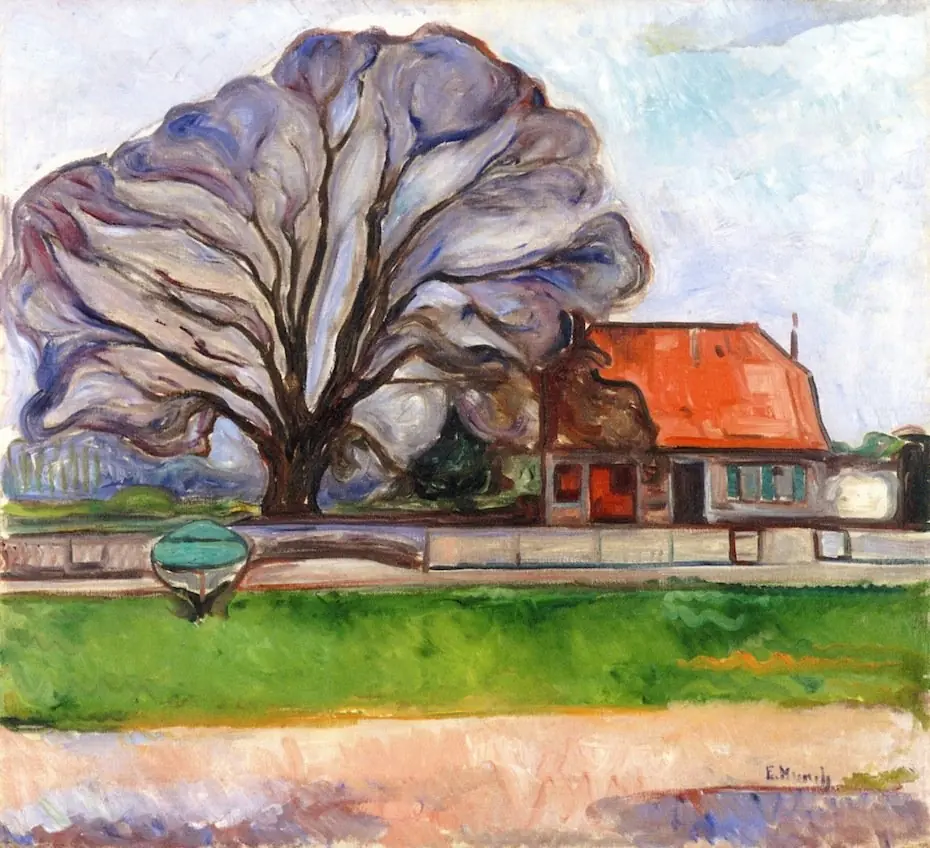
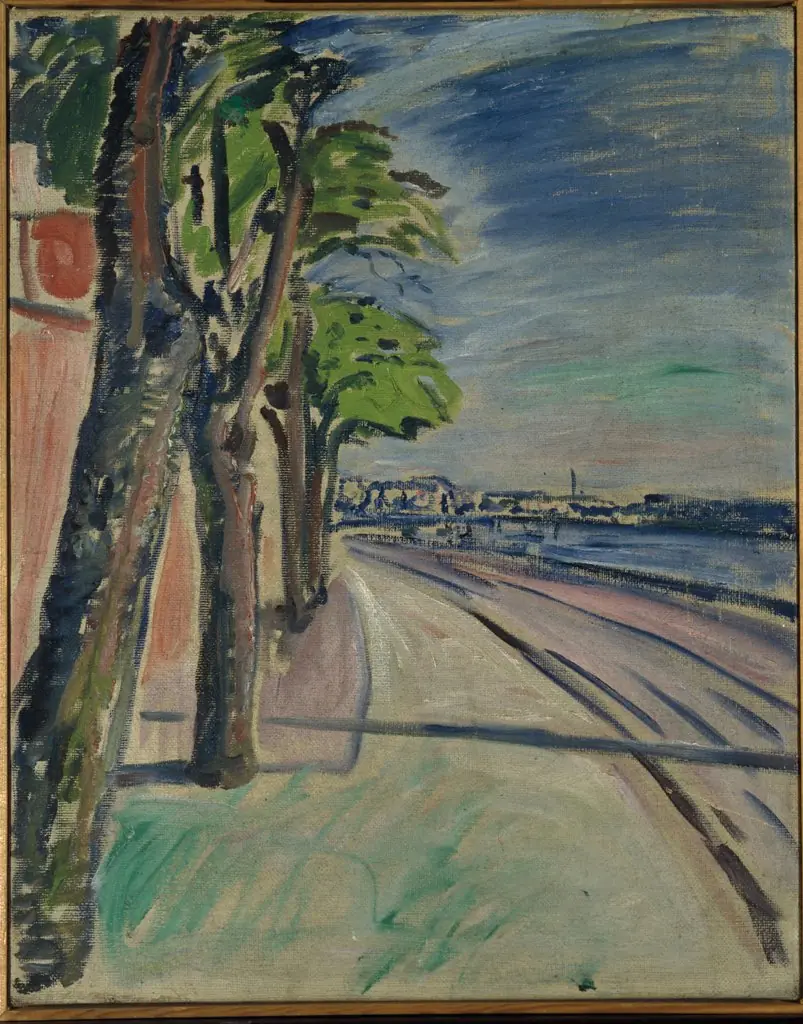
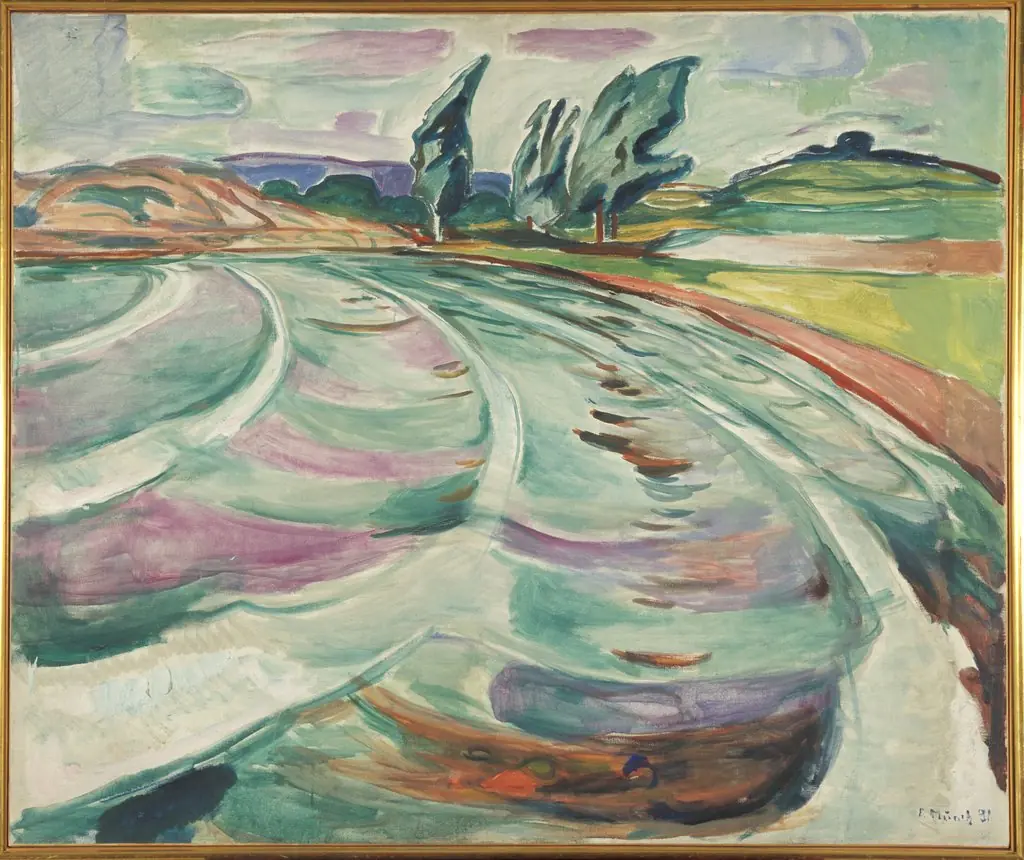
Am Strom, Warnemünde is an oil painting by the Post-Impressionist artist Edvard Munch. It dates from 1908 and is held in the collection of the Munch Museum.
About this work
Overview
It depicts a quiet coastal scene in the German seaside town of Warnemünde, capturing a moment of stillness with minimal human presence.
Painted in 1908, Am Strom, Warnemünde is an oil-on-canvas landscape by Norwegian artist Edvard Munch. It depicts a quiet coastal scene in the German seaside town of Warnemünde, capturing a moment of stillness with minimal human presence. The work belongs to Munch’s later period, when his focus shifted toward serene natural settings, contrasting with the psychological intensity of his earlier pieces like The Scream.
Subject & Meaning
The painting portrays a solitary figure walking along a beach near a modest house with a green roof and white walls, framed by a single tree. The absence of dramatic action and the muted tones suggest introspection rather than narrative. Munch often used landscapes to convey inner states, and here the calm atmosphere may reflect a personal search for peace amid recurring themes of solitude and transience in his work.
Technique & Style
Munch applied oil paint with visible, expressive brushwork, creating a textured surface that enhances the tactile quality of sand, sky, and foliage. Colors are restrained, earthy browns, soft blues, and muted greens, avoiding vivid contrasts. The composition is deliberately uncluttered, with horizontal bands of sea, shore, and sky reinforcing a sense of quietude. His approach blends observation with emotional resonance, characteristic of his post-impressionist leanings.
History & Provenance
Created during Munch’s stay in Warnemünde, the painting entered the collection of the Munch Museum in Oslo, which holds the largest assembly of his works. It was likely acquired shortly after its completion, as Munch maintained close ties with Norwegian institutions. The painting remained in private or institutional hands without significant public exhibition until the museum’s formal establishment, ensuring its preservation within his artistic legacy.
Context
In 1908, Munch was living in Norway after years in Germany and France, a period marked by personal reflection and relative stability. His earlier exposure to nihilist philosophy and bohemian circles in Kristiania had given way to a more contemplative artistic direction. Am Strom, Warnemünde reflects this shift, aligning with a broader European trend of artists turning to landscape as a vessel for emotional equilibrium rather than turmoil.
Legacy
While less known than his symbolic works, Am Strom, Warnemünde exemplifies Munch’s ability to convey psychological depth through subtle naturalism. It contributes to the understanding of his full range, demonstrating how his signature emotional intensity could manifest in quiet, observational scenes. The painting remains a key example of his later style, valued for its restraint and atmospheric nuance within his oeuvre.
Artist & collection
Artist
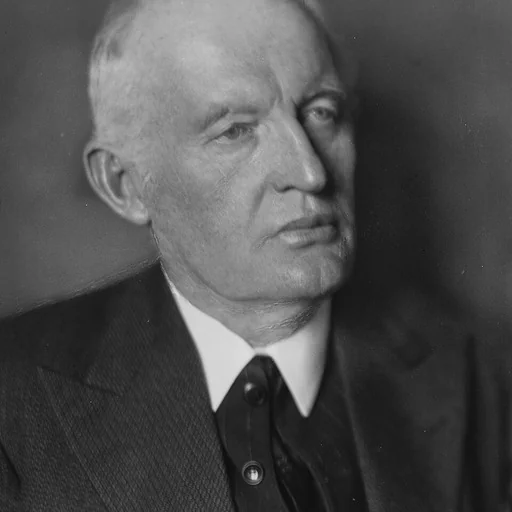
Edvard Munch ( MUUNK; Norwegian:; 12 December 1863 – 23 January 1944) was a Norwegian painter.