Artwork
Lair of the Sea Serpent
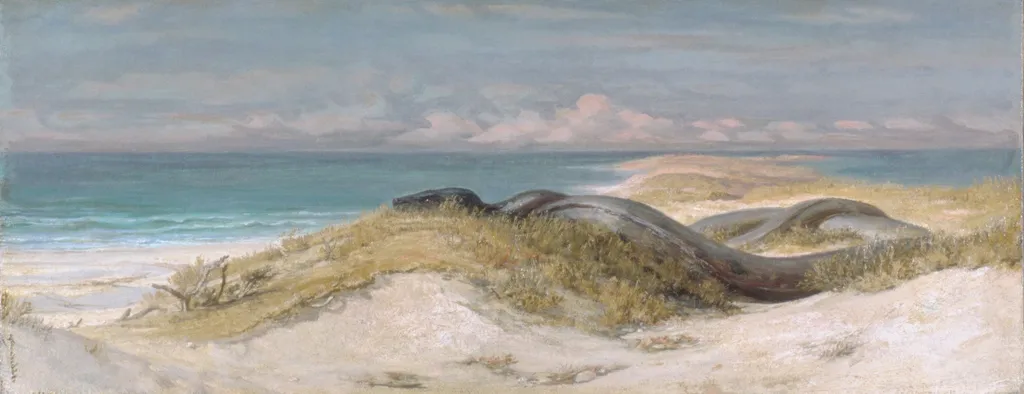
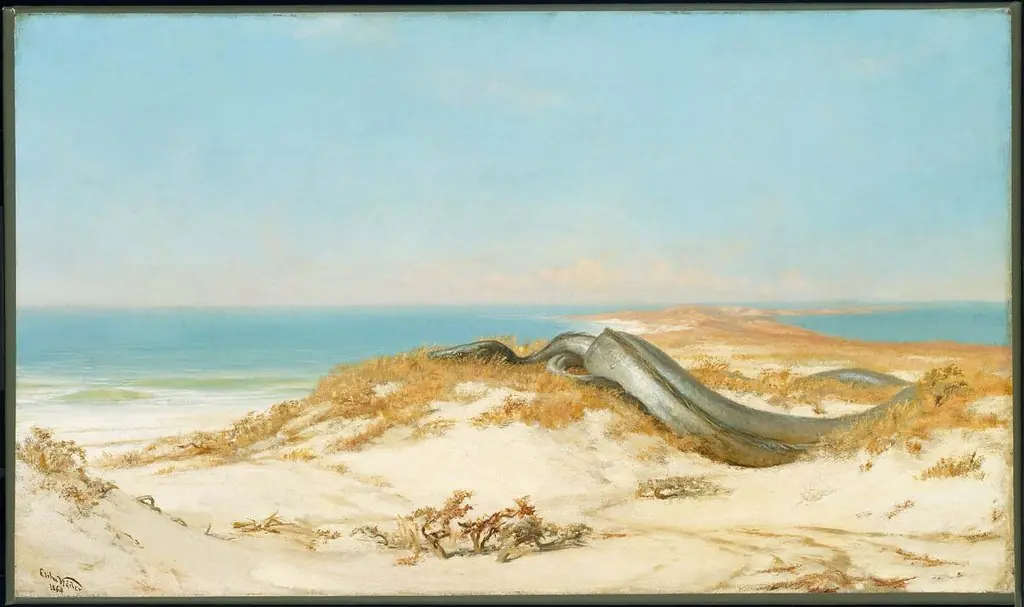
Lair of the Sea Serpent is an oil painting by the Symbolist artist Elihu Vedder. It dates from 1900 and is held in the collection of the Metropolitan Museum of Art.
About this work
Subject & Meaning
The painting thus reflects contemporary late‑19th‑century interest in mythic subjects drawn from coastal scenery.
Elihu Vedder’s 1899 oil painting Lair of the Sea Serpent portrays a tranquil shoreline inhabited by a large sea serpent, rendering the creature as a central iconographic element within the composition. The work, executed in oil on canvas, measures 30.5 cm by 76.2 cm and is housed in the Metropolitan Museum of Art. By placing a mythic snake on a real beach, Vedder juxtaposes the natural with the fantastical, allowing viewers to interpret the serpent as a symbol of hidden forces or primal nature. The painting thus reflects contemporary late‑19th‑century interest in mythic subjects drawn from coastal scenery.
Technique & Style
Lair of the Sea Serpent is an oil painting executed on canvas. The work was created in 1899 using oil paint as the medium, with the canvas serving as the support. Its dimensions measure 30.5 cm in height by 76.2 cm in width, reflecting a horizontal format that accommodates the expansive beach scene and the coiled sea serpent depicted.
The painting is classified as a work of painting and is housed in the Metropolitan Museum of Art. No specific condition details are provided in the sources, and the formal qualities are defined by the composition of shoreline, water, and the serpentine figure.
History & Provenance
Executed in 1899, Lair of the Sea Serpent is an oil painting by Elihu Vedder measuring 30.5 cm in height and 76.2 cm in width. It was later acquired by the Metropolitan Museum of Art, where it entered the collection as accession 1900.1. The work’s creation date is consistent across internal records and the museum’s holdings, placing its completion in 1899.
Lair of the Sea Serpent, an 1899 oil painting by Elihu Vedder, is held by the Metropolitan Museum of Art, where it forms part of the museum's collection. The work is documented in the museum's holdings as an oil on canvas measuring 30.5 by 76.2 centimeters. No further exhibition history beyond its presence in the Metropolitan Museum of Art's collection is recorded in the available sources.
Overview
Elihu Vedder, an American artist associated with Symbolism, completed Lair of the Sea Serpent in 1900. This oil painting presents a solitary snake on a coastal landscape, embodying the artist's characteristic exploration of suggestive themes. The work is presently housed in the collection of The Metropolitan Museum of Art, representing a facet of Vedder's diverse output as both a painter and illustrator.
Context
Elihu Vedder was a prominent American figure within the Symbolist movement, known for his imaginative and often mystical subjects. While recognized as a painter, his significant contributions also extended to illustration. Notably, his fifty-five designs for Edward FitzGerald’s translation of The Rubaiyat of Omar Khayyam earned him widespread acclaim, establishing his reputation for infusing literary works with profound visual interpretations, a sensibility also evident in his painted works.
Artist & collection
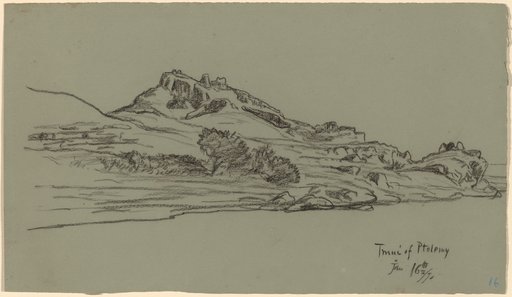
Artist
Elihu Vedder (26 February 1836 – 29 January 1923) was an American symbolist painter, book illustrator and poet from New York City.

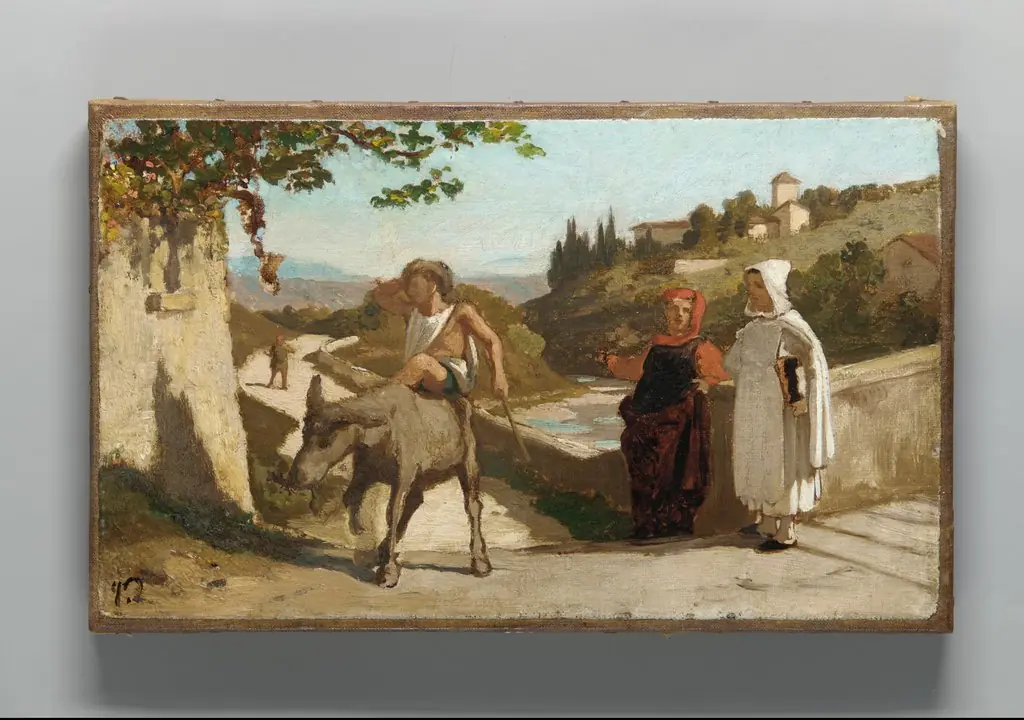 The Fable of the Miller, His Son, and the Donkey
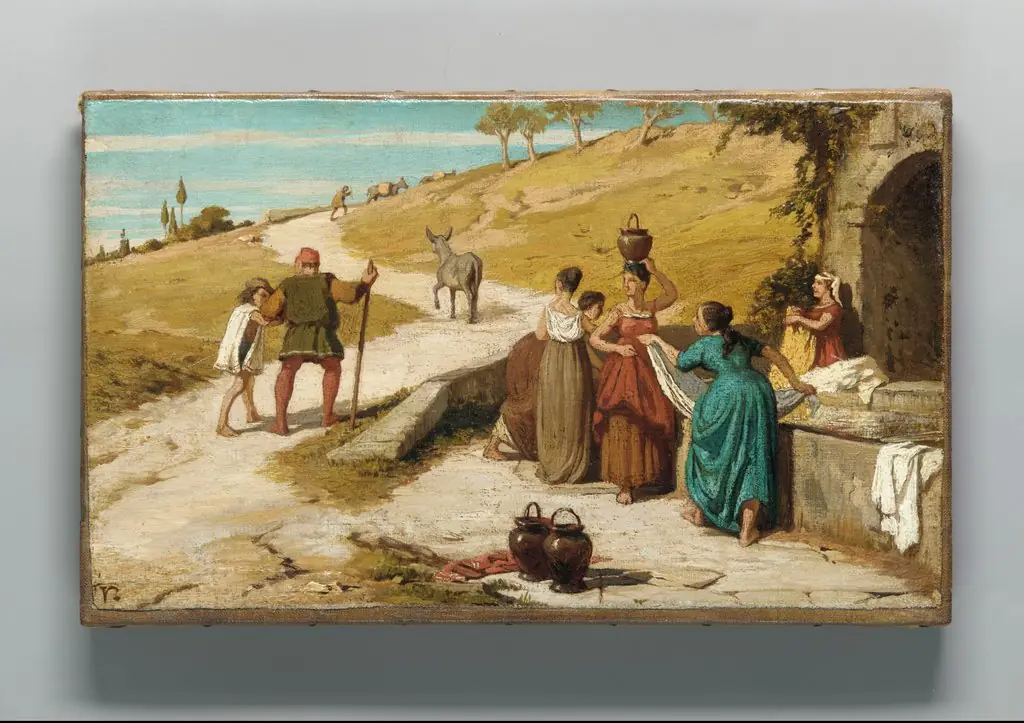 The Fable of the Miller, His Son, and the Donkey
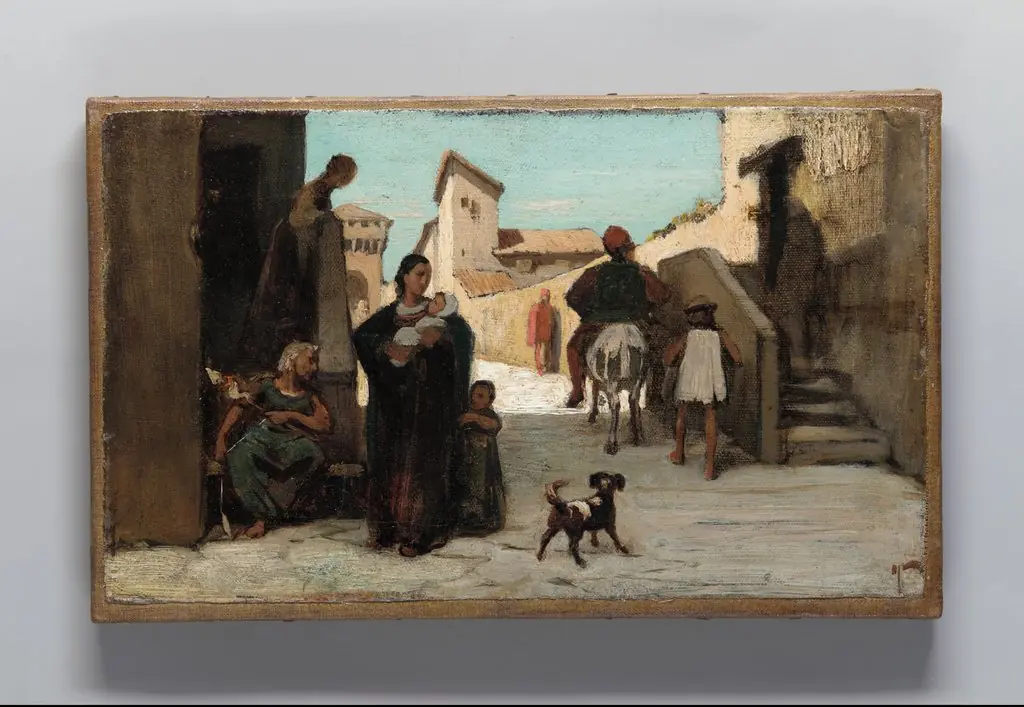 The Fable of the Miller, His Son, and the Donkey
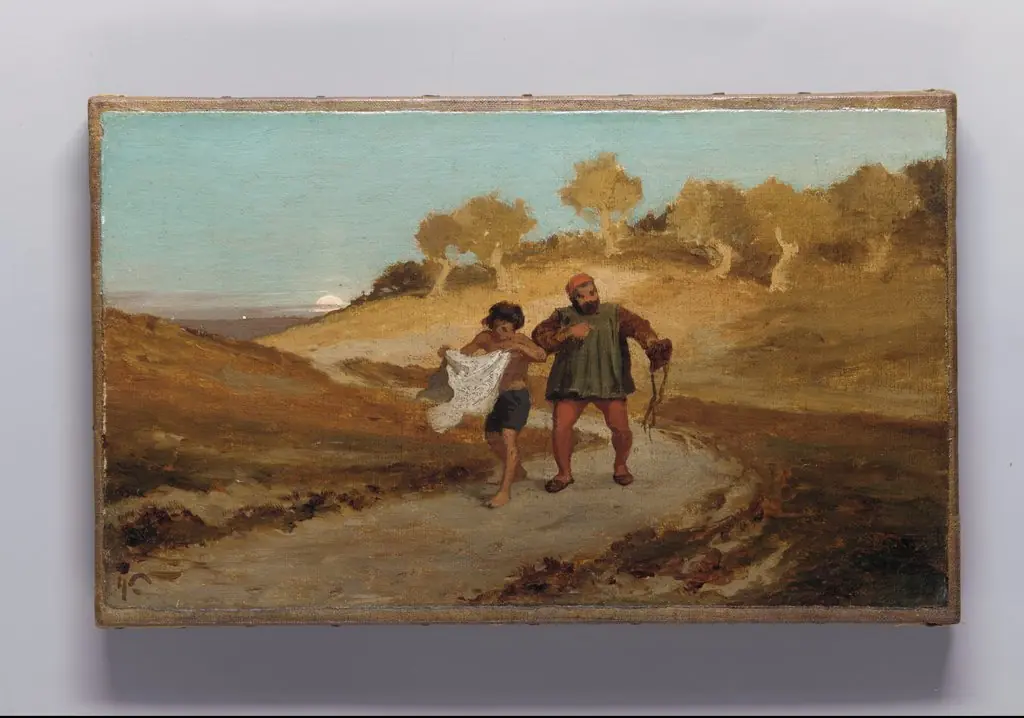 The Fable of the Miller, His Son, and the Donkey
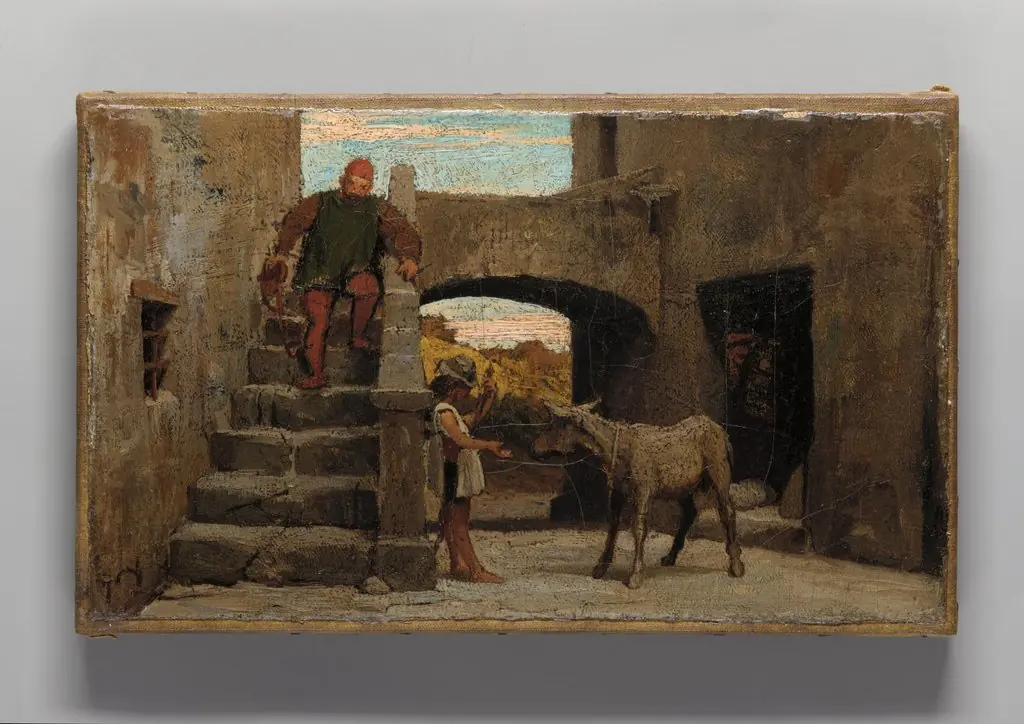 The Fable of the Miller, His Son, and the Donkey
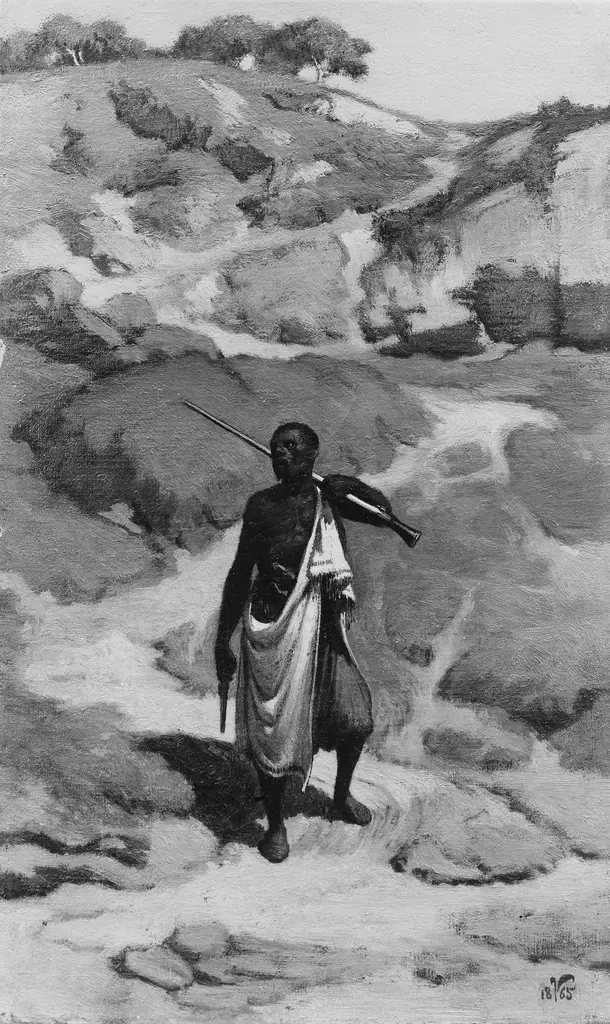 The African Sentinel
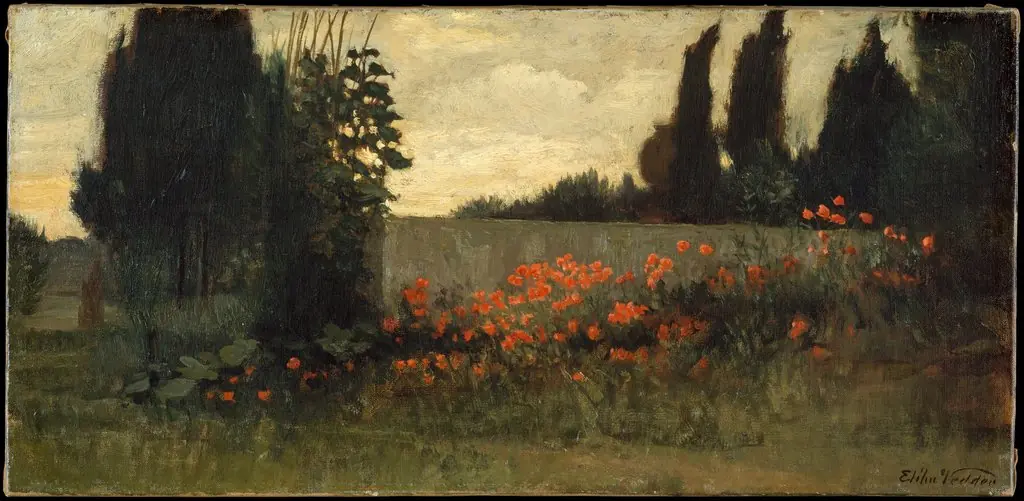 Cypress and Poppies
 The Fable of the Miller, His Son, and the Donkey