Artwork
Christ Asleep during the Tempest
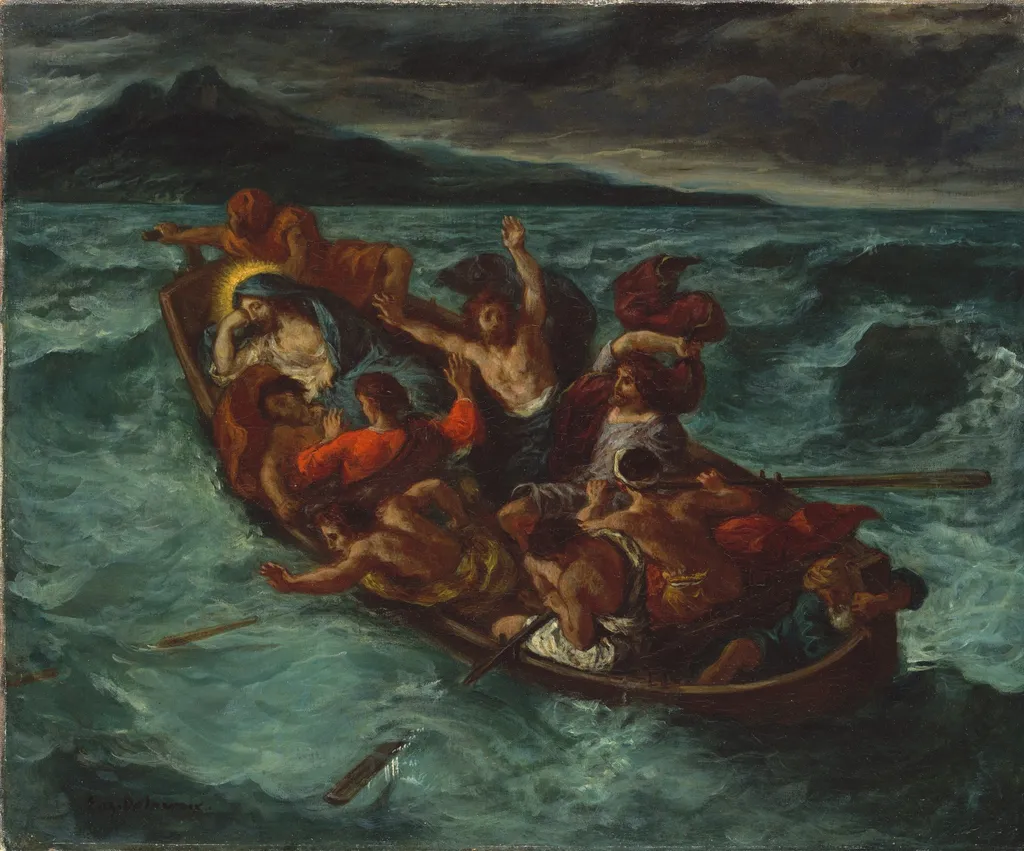
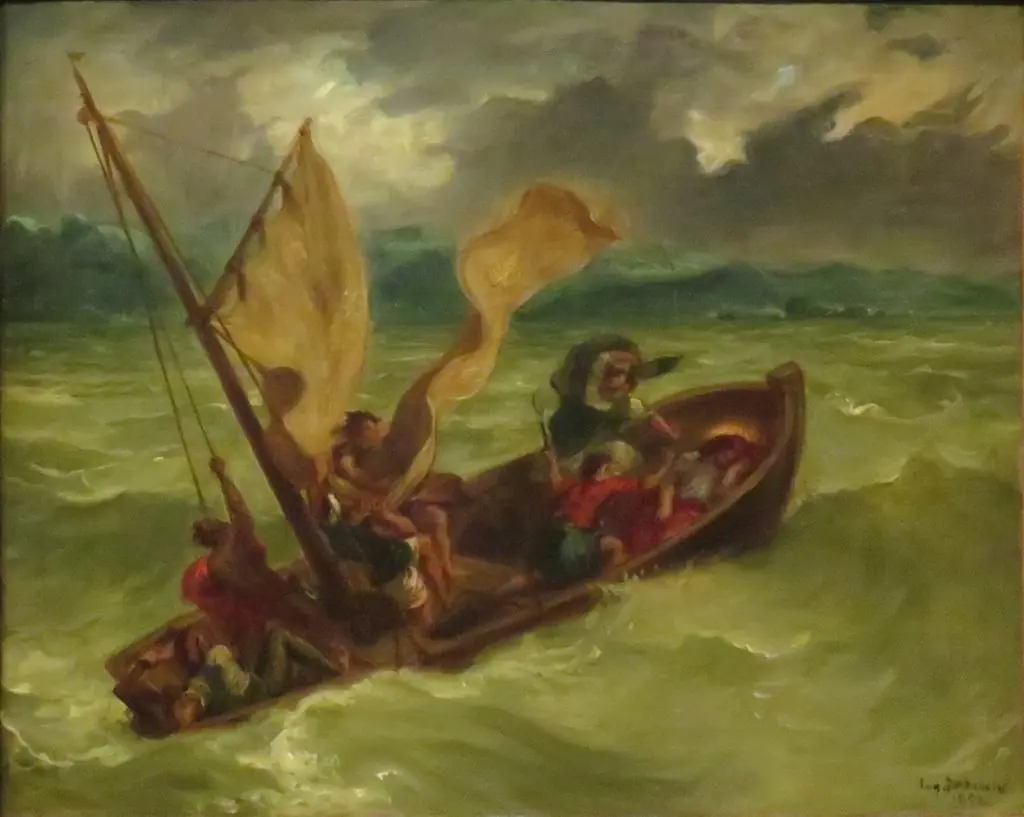
Christ Asleep during the Tempest is an oil painting by the French Romanticist artist Eugène Delacroix. It dates from 1853 and is held in the collection of the Metropolitan Museum of Art.
About this work
A quiet moment from a familiar Bible story: Eugene Delacroix paints Christ asleep in a boat while a storm rages around him. The canvas is small, just over two feet wide, yet it feels vast. He finished it in 1853, years after first sketching the idea, and returned to the same storm elsewhere, though here the emphasis falls on calm rather than chaos.
Subject & Meaning
The depiction emphasizes the miracle of divine control over nature and conveys themes of faith and providential protection.
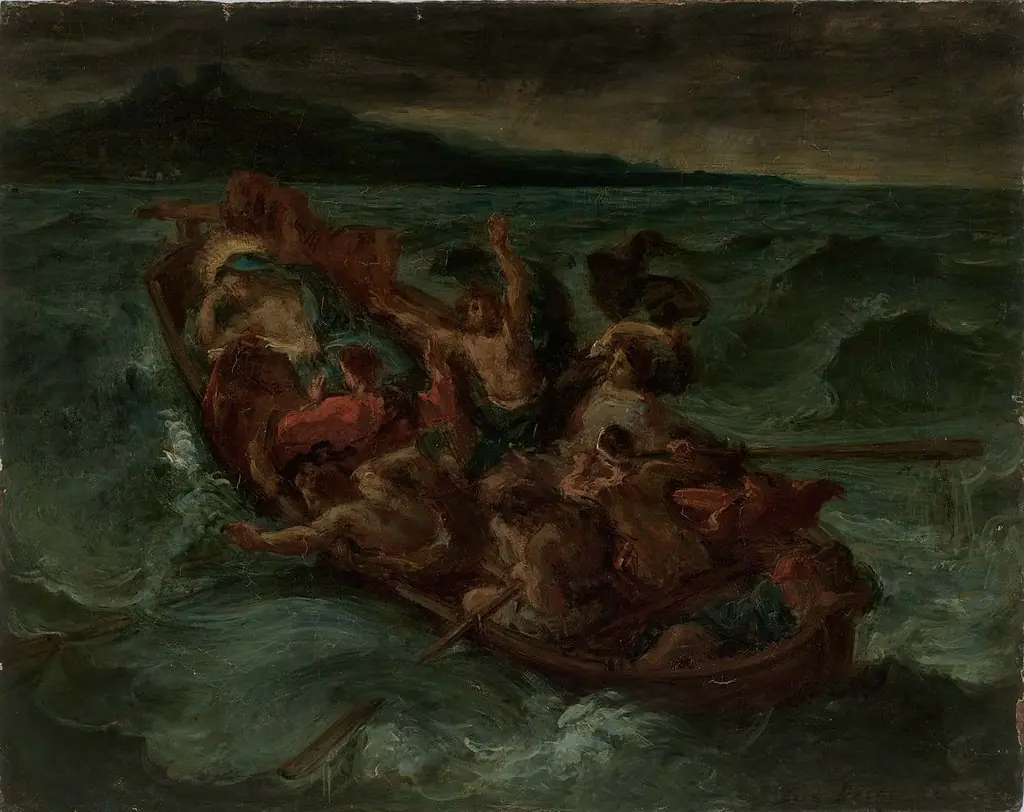
The work titled Christ Asleep during the Tempest, painted by Eugène Delacroix in 1853, is an oil on canvas religious painting that illustrates the New Testament episode in which Christ calms a storm on the Sea of Galilee. The composition shows the biblical hero asleep in a small boat while waves crash around him, a motif Delacroix rendered in at least six versions, as noted in contemporary records. The depiction emphasizes the miracle of divine control over nature and conveys themes of faith and providential protection.
The French title, Le Christ endormi pendant la tempête, specifies the setting as Lake Genesareth, and the painting’s provenance includes ownership by Louisine Havemeyer and Charles Sedelmeyer before its acquisition by the Metropolitan Museum of Art.
Technique & Style
The painting is an oil on canvas work created by Eugène Delacroix in 1853, employing the oil paint medium on a canvas support. It belongs to a series of at least six biblical compositions of Christ asleep during a storm that Delacroix produced, reflecting his recurring interest in the subject. Formal analysis highlights Delacroix’s characteristic handling of color, vivid blues and greens punctuated with touches of purple, red and lemon yellow in the halo, producing a symbolic chromatic language.
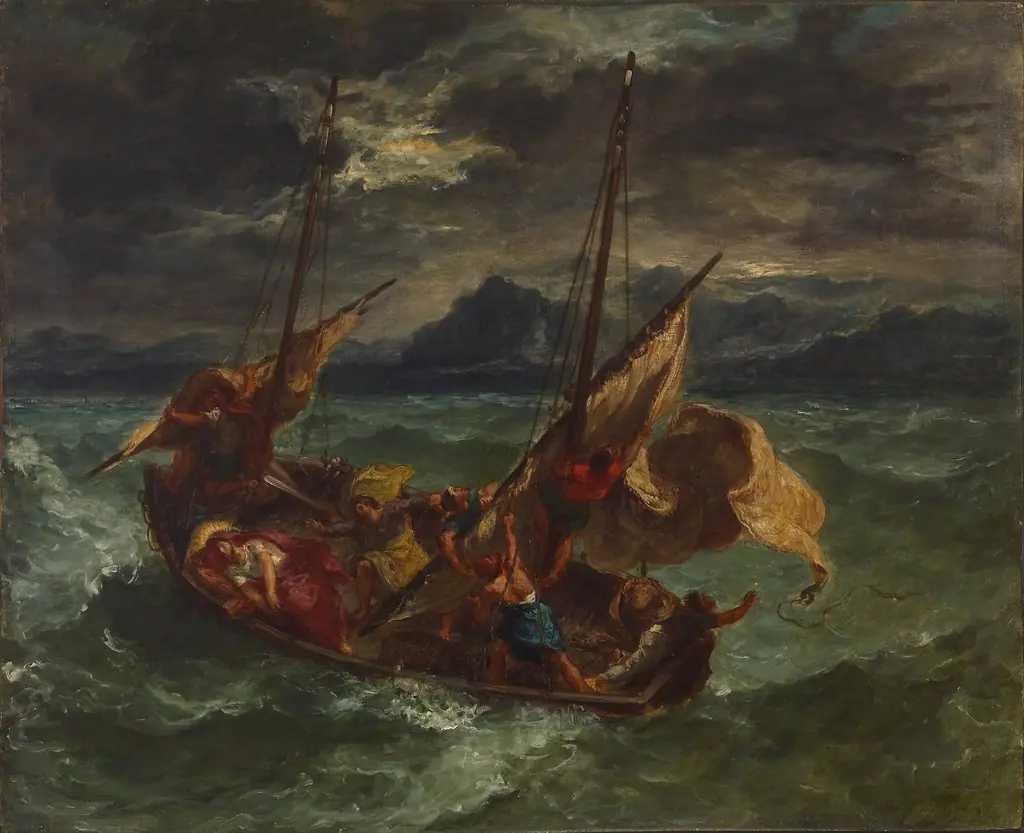
Compositionally, the later version narrows the view to the boat, giving the figure of Christ dominant emphasis over the surrounding landscape, a shift noted in contemporary descriptions.
History & Provenance
Eugène Delacroix painted Christ Asleep during the Tempest in 1853, as confirmed by multiple sources, marking it as one of at least six versions of the biblical narrative he executed. The work, an oil on canvas, was created during Delacroix’s later years, reflecting a shift in composition where the boat and Christ occupy a more central role compared to earlier variants. The painting entered the collection of art dealer Charles Sedelmeyer before being acquired by American collector Louisine Havemeyer, who later bequeathed it to the Metropolitan Museum of Art, where it has been housed since.
No specific commission for the work is documented in the provided sources, though its creation aligns with Delacroix’s broader exploration of religious themes during this period.
Context
Christ Asleep during the Tempest occupies a notable place within Eugène Delacroix's mature religious output, as the artist produced at least six versions of the New Testament episode of Christ sleeping on the Sea of Galilee before being awakened by his terrified disciples, a subject known as the Miracle of the tempest calmed. Painted around 1853, this iteration belongs to a later group in which the boat of Christ is given greater compositional prominence than the surrounding seascape, distinguishing it from earlier treatments. A closely related oil of similar composition from the same period is held by the Portland Art Museum, while a 1854 variant with a more distant viewpoint is preserved at the Walters Art Museum.
The work's significance was further affirmed in 1886 when Vincent van Gogh, viewing the painting in Paris, praised its symbolic use of color, describing the blue, green, purple, red, and lemon-yellow halo as speaking "a symbolic language through color itself."
Legacy
The painting has continued to attract scholarly attention and artistic admiration since its creation. Its visibility grew after the 1886 Paris exhibition, as recorded in the Met's exhibition history, placing Delacroix’s interpretation of the biblical episode before a wider public. The work’s symbolic use of color and composition influenced contemporary artists; Vincent van Gogh referenced the piece in 1886, noting its “symbolic language through color itself” and highlighting its impact on his own explorations of spiritual themes.
Over time, the painting has been reproduced in catalogues and online resources, cementing its status as a key example of 19th‑century religious art and contributing to Delacroix’s enduring legacy in the study of biblical subjects.
Overview
Eugène Delacroix, a leading French Romantic painter, created Christ Asleep during the Tempest around 1853. This oil on canvas depicts a serene Christ resting in a small boat amidst a violent storm on the Sea of Galilee, a scene from the New Testament. Despite its modest scale, the painting conveys a sense of immense drama and spiritual tranquility. It is currently housed at the Metropolitan Museum of Art in New York City.
Own this work as a print
Artist & collection
Artist
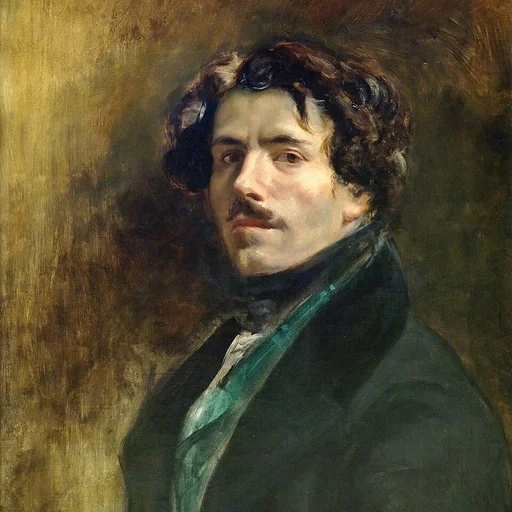
Ferdinand Victor Eugène Delacroix ( DEL-ə-krwah, -KRWAH; French:; 26 April 1798 – 13 August 1863) was a French Romantic artist who was regarded as the leader of the French Romantic school.

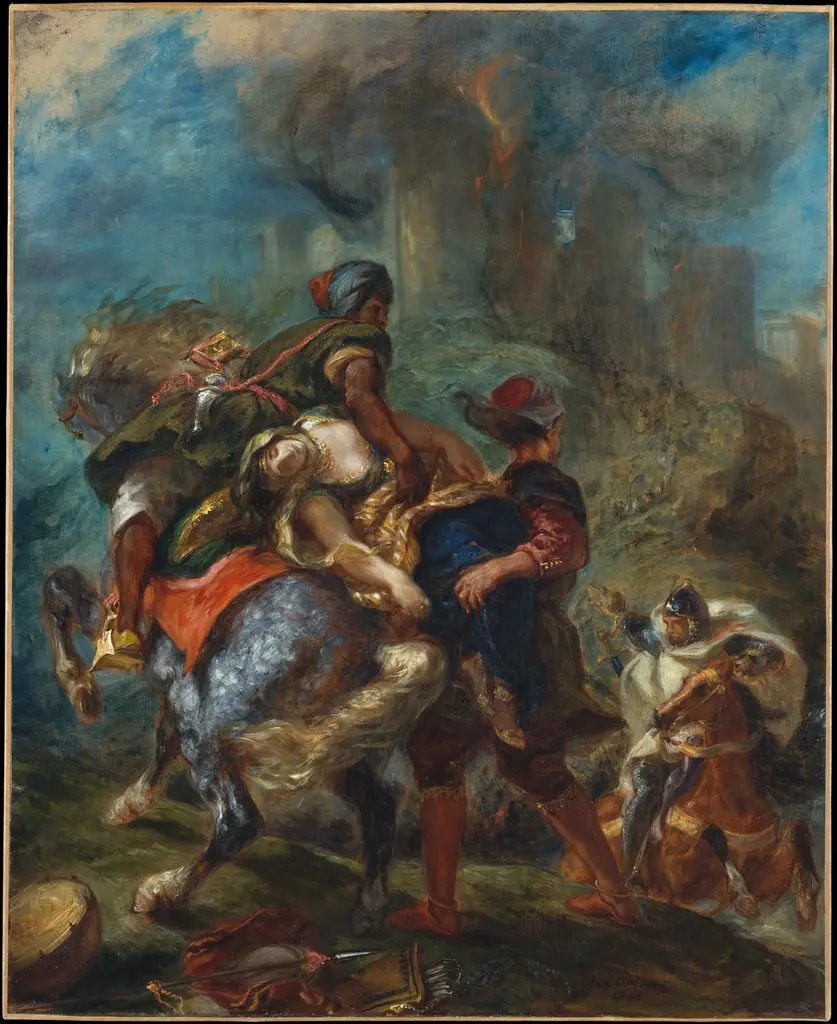
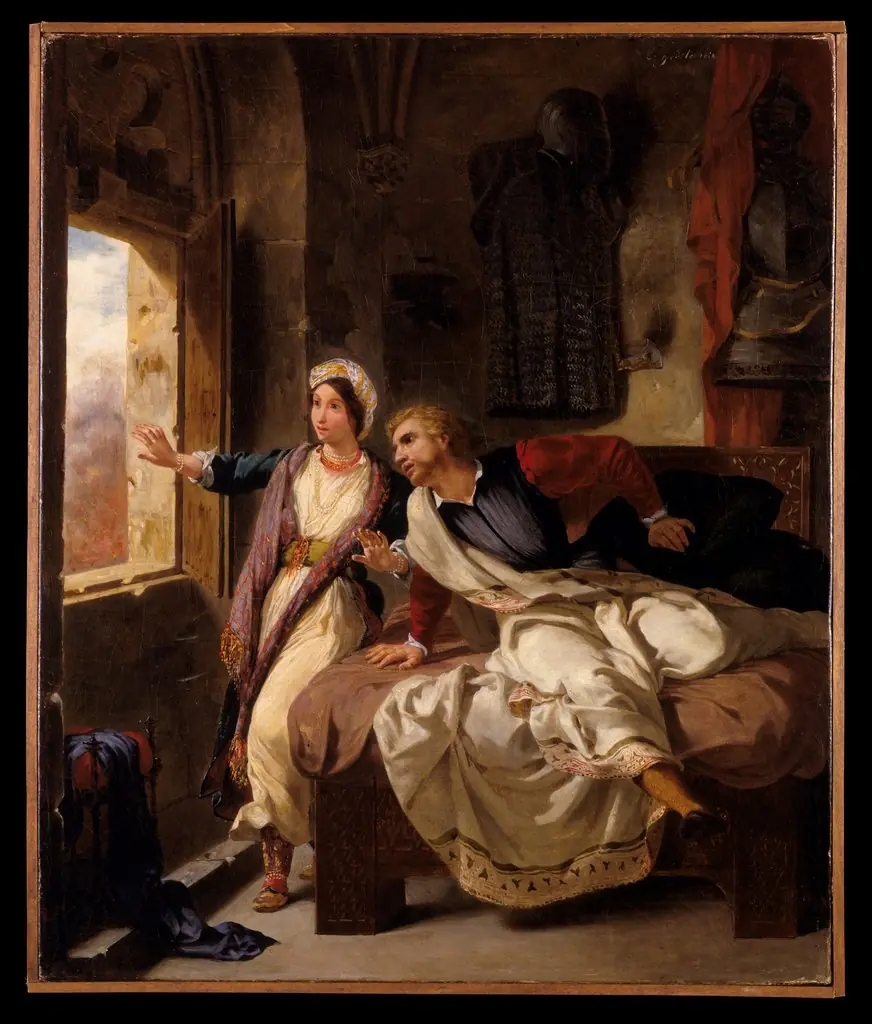
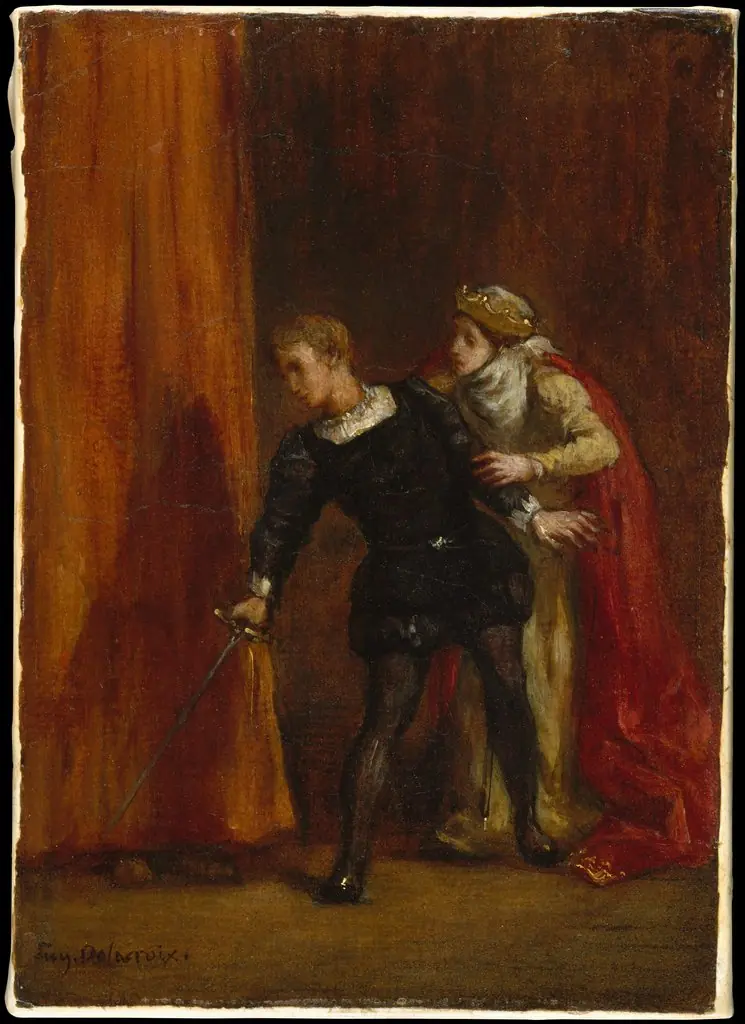
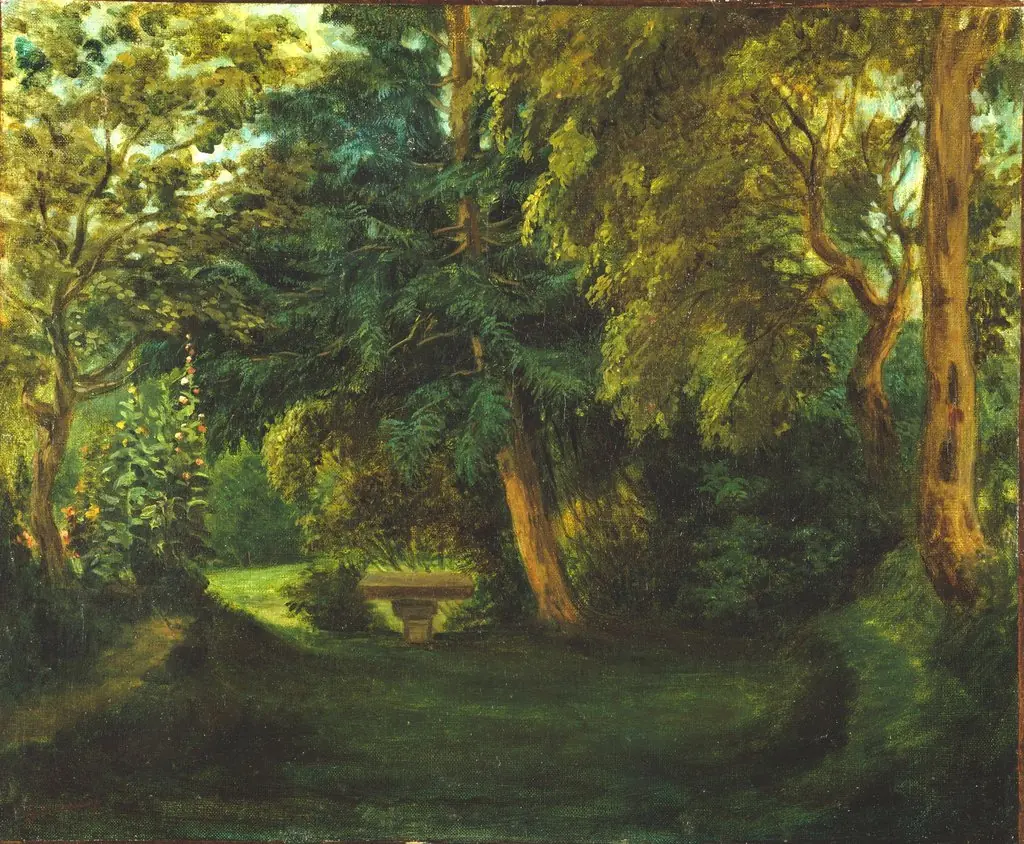
- Christ on the Sea of Galilee
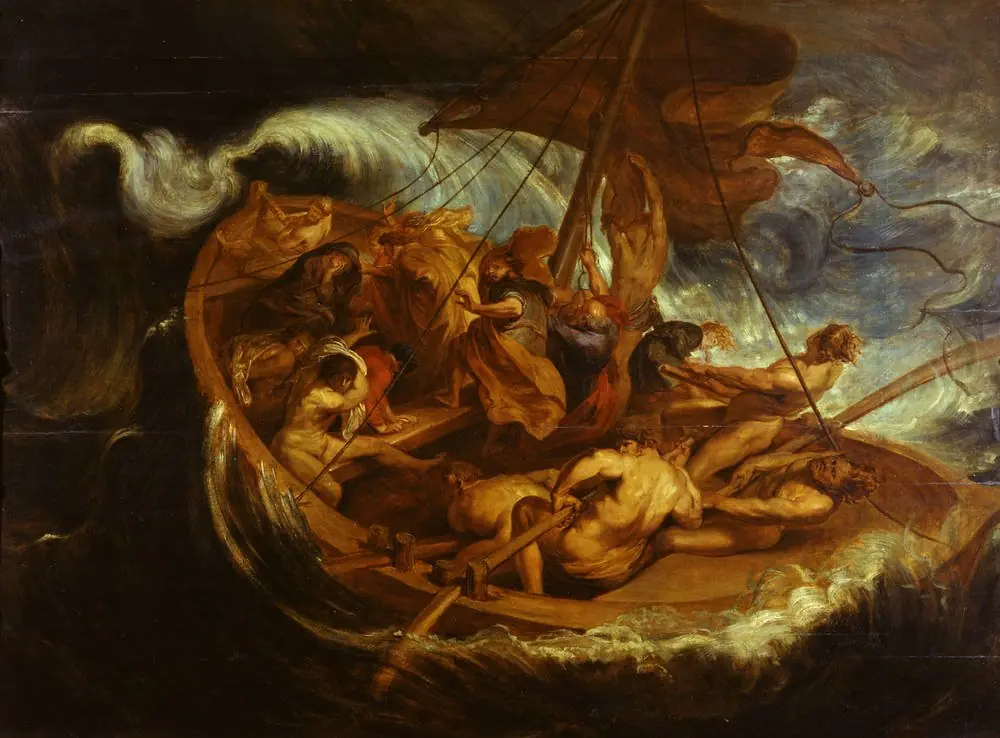 Christ on the Sea of Galilee
 Christ on the Sea of Galilee
 Christ at the Sea of Galilee
 Demosthenes on the Seashore
 Christ on the Lake of Gennesaret
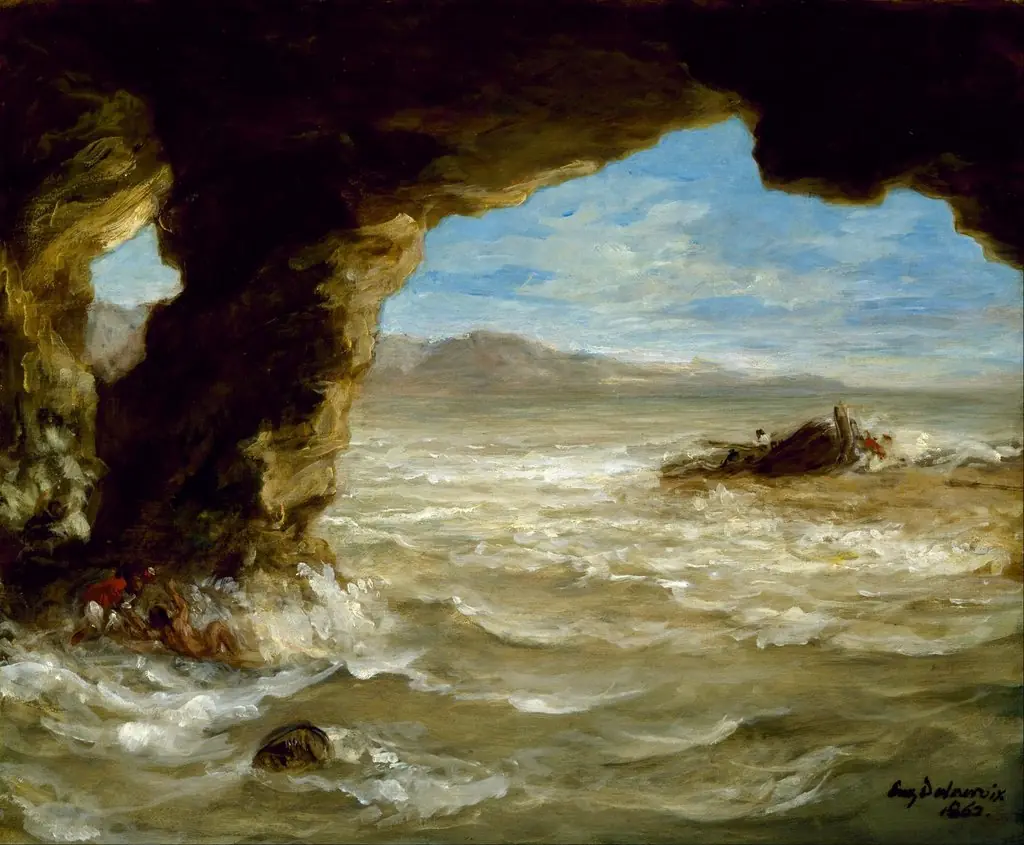 Shipwreck on the Coast
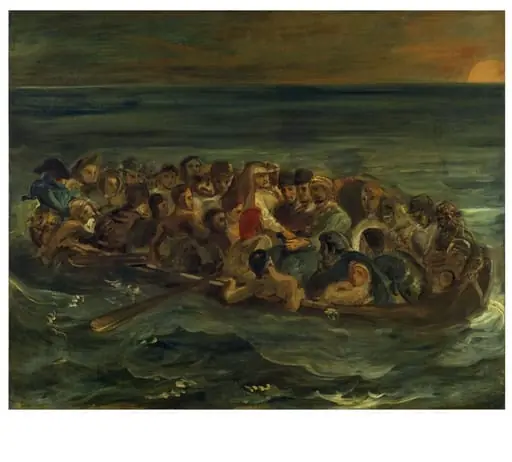 The Shipwreck of Don Juan: A Sketch
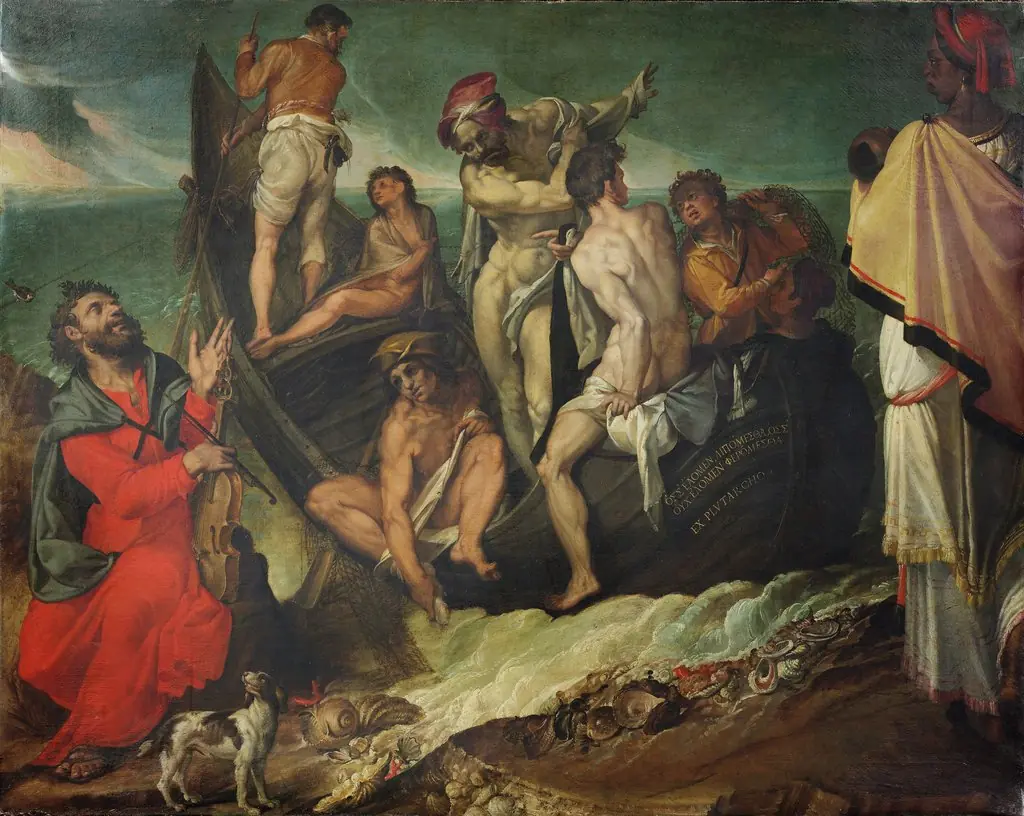 Homer’s Riddle
 Miraculous draught of fish
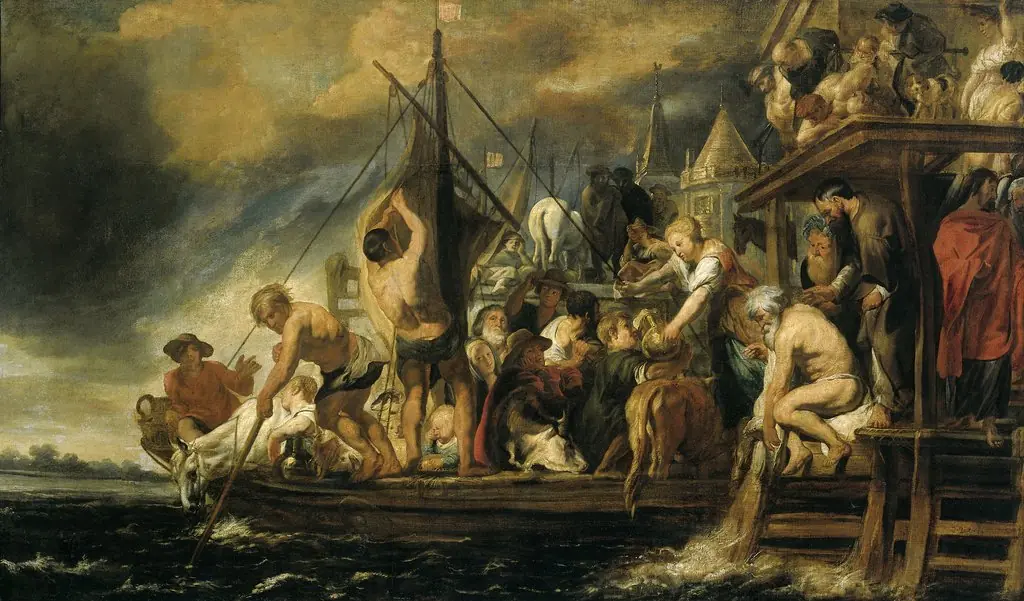 The Tribute Money - Peter Finding the Silver Coin in the Mouth of the Fish
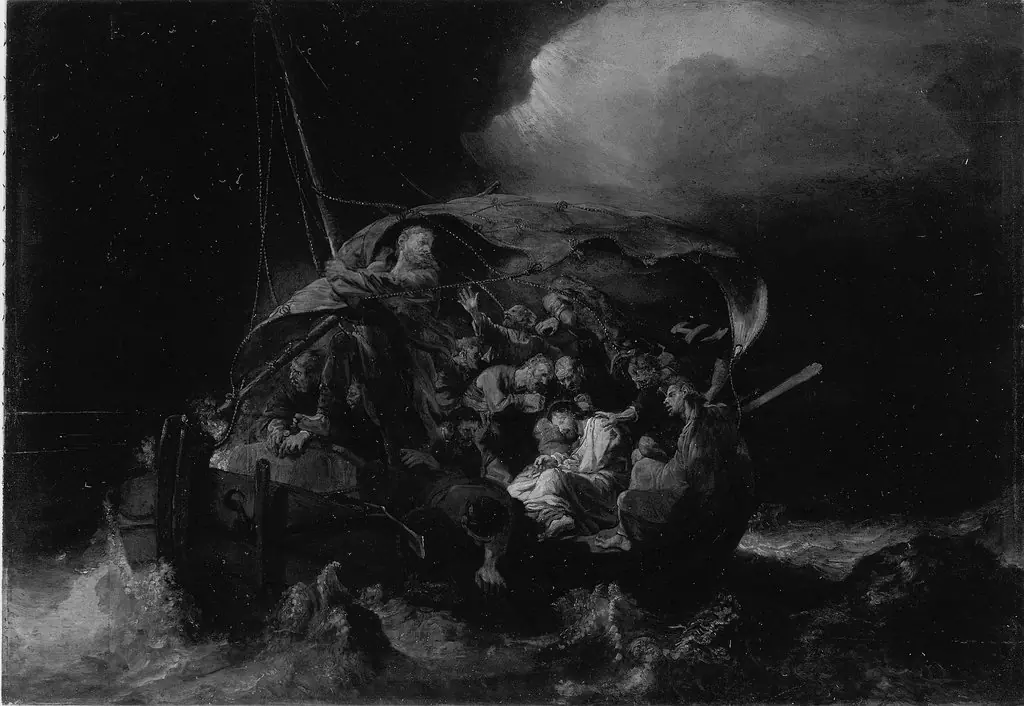 Christ in the Storm