Artwork
Miraculous draught of fish
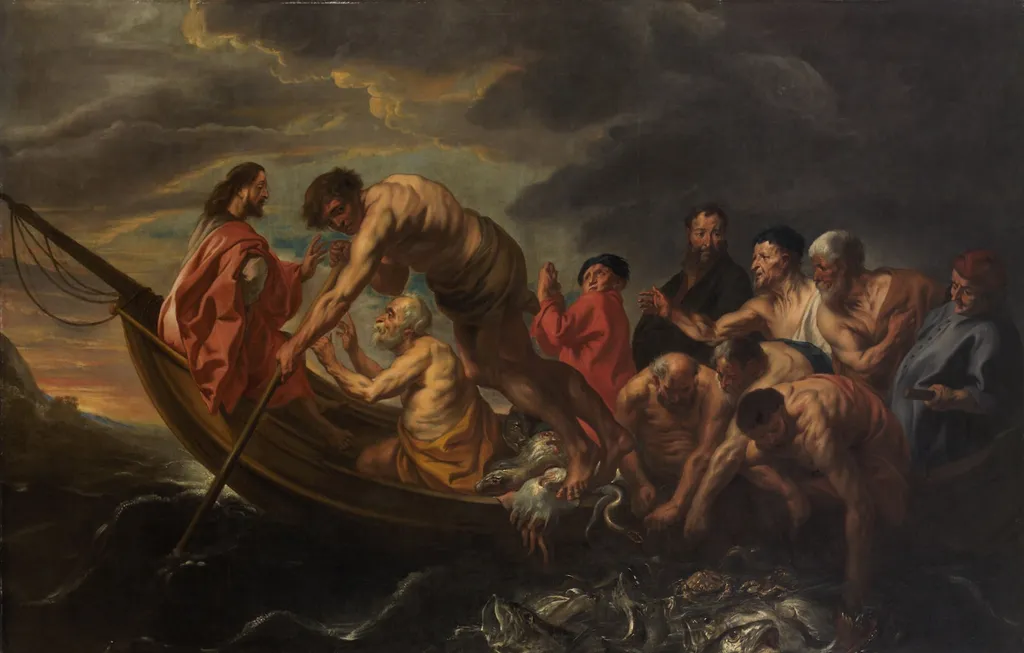
Miraculous draught of fish is an oil painting by the Early Baroque Italian artist Unknown. It dates from 1640 and is held in the collection of the Kunsthistorisches Museum.
About this work
Subject & Meaning
The work depicts the Miraculous catch of fish, a narrative drawn from Christian scripture. As a piece of religious art, the painting illustrates this specific biblical event through its visual composition. The subject matter serves as the primary iconographic focus, representing the miracle itself within the tradition of religious genre painting.
Technique & Style
Miraculous draught of fish is executed in oil paint on canvas, a standard support for large-scale Flemish religious compositions of the period.
Miraculous draught of fish is executed in oil paint on canvas, a standard support for large-scale Flemish religious compositions of the period. The work is attributed to the workshop of Jacob Jordaens and dates to 1640. Its substantial dimensions, 193 cm in height and 306.5 cm in width, indicate a large horizontal format suited to its religious subject matter, the Miraculous catch of fish. The painting is held in the Kunsthistorisches Museum.
The sources do not provide further detail on specific handling, brushwork, palette, condition, or stylistic characterization beyond the medium, support, and dimensions noted above.
History & Provenance
The painting known as the Miraculous draught of fish was created in 1640 by the workshop of Jacob Jordaens. Executed in oil on canvas, this religious work measures 193 cm in height and 306.5 cm in width. The piece is currently held in the collection of the Kunsthistorisches Museum, which serves as its documented location.
Context
The work entered the Kunsthistorisches Museum collection in 1640 as an oil painting on canvas attributed to the workshop of Jacob Jordaens, reflecting the artist's broader religious practice and the Baroque era's focus on miraculous narratives. Scholarship emphasizes its significance within the artist's oeuvre and the movement's stylistic traits, situating it as a key example of 17th-century Flemish religious art.
The painting depicts a biblical miracle, aligning with the genre's devotional purpose and the artist's engagement with contemporary religious themes.
Legacy
The Miraculous Draught of Fish (1640) by the workshop of Jacob Jordaens has secured a lasting place in the history of religious painting through its prominent display in Vienna’s Kunsthistorisches Museum. Its large scale (193 × 306.5 cm) and dynamic composition became a reference point for later artists exploring the theme of miraculous abundance in Baroque art.
As part of one of Europe’s foremost public collections, the work has shaped scholarly and public perceptions of Jordaens’ workshop practices, particularly in the collaborative production of large-format religious canvases during the mid-seventeenth century.
Overview
The painting 'Miraculous draught of fish' is an oil on canvas work depicting a dramatic scene.
Artist & collection









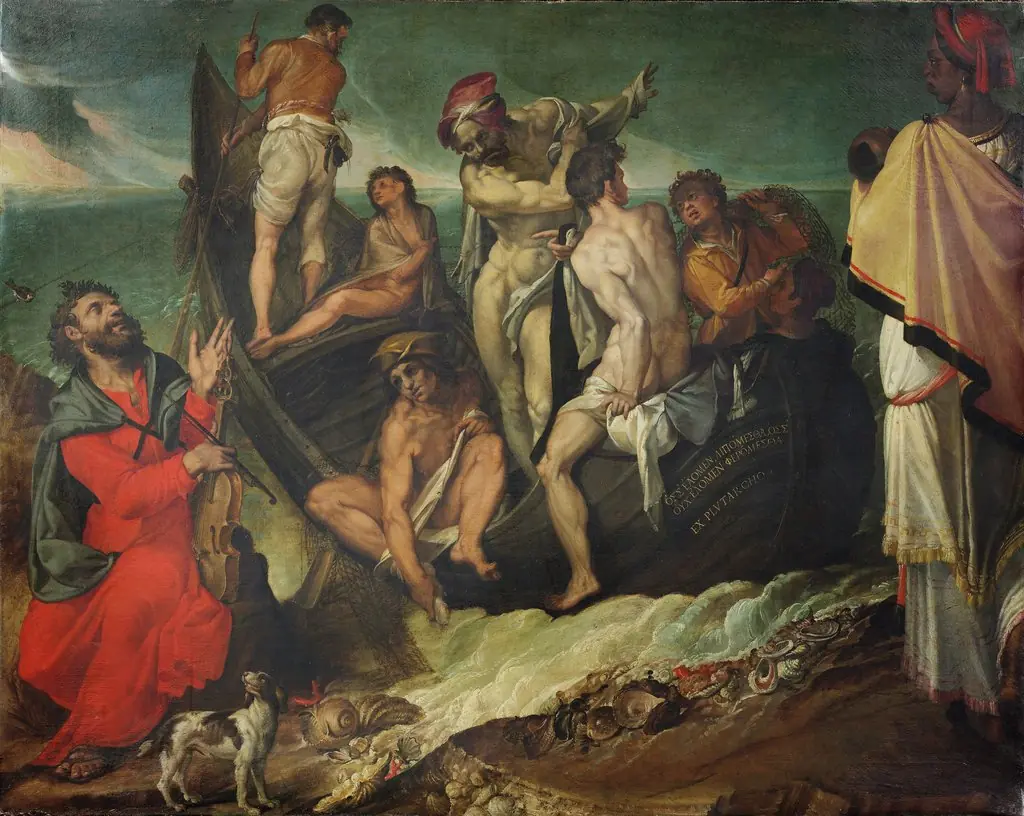 Homer’s Riddle
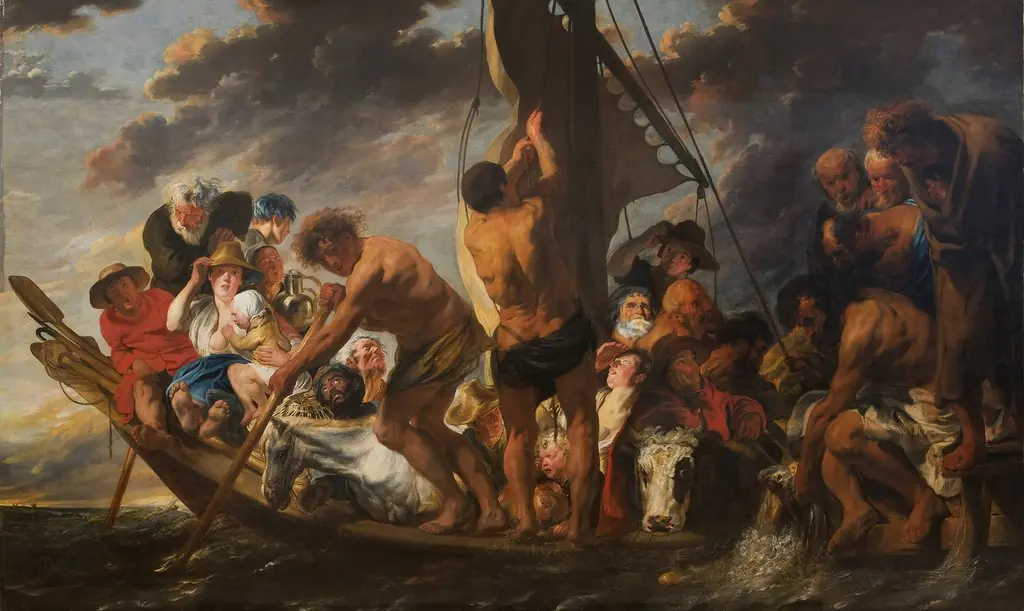 The Tribute Money. Peter Finding the Silver Coin in the Mouth of the Fish. Also called "The Ferry Boat to Antwerp"
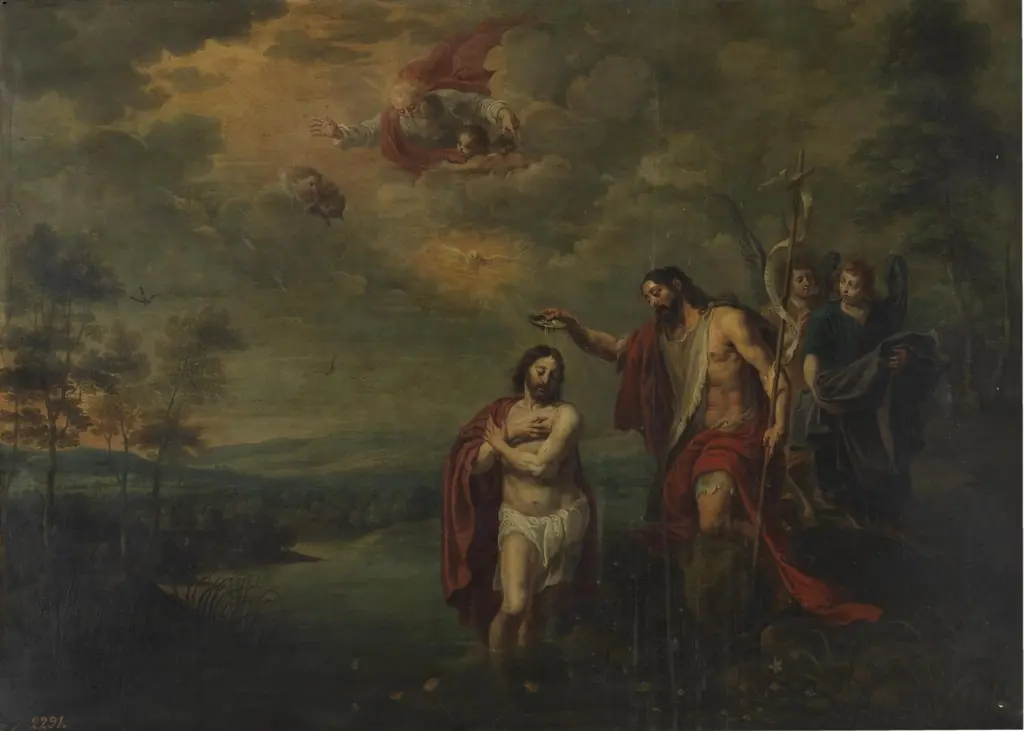 The Baptism of Christ
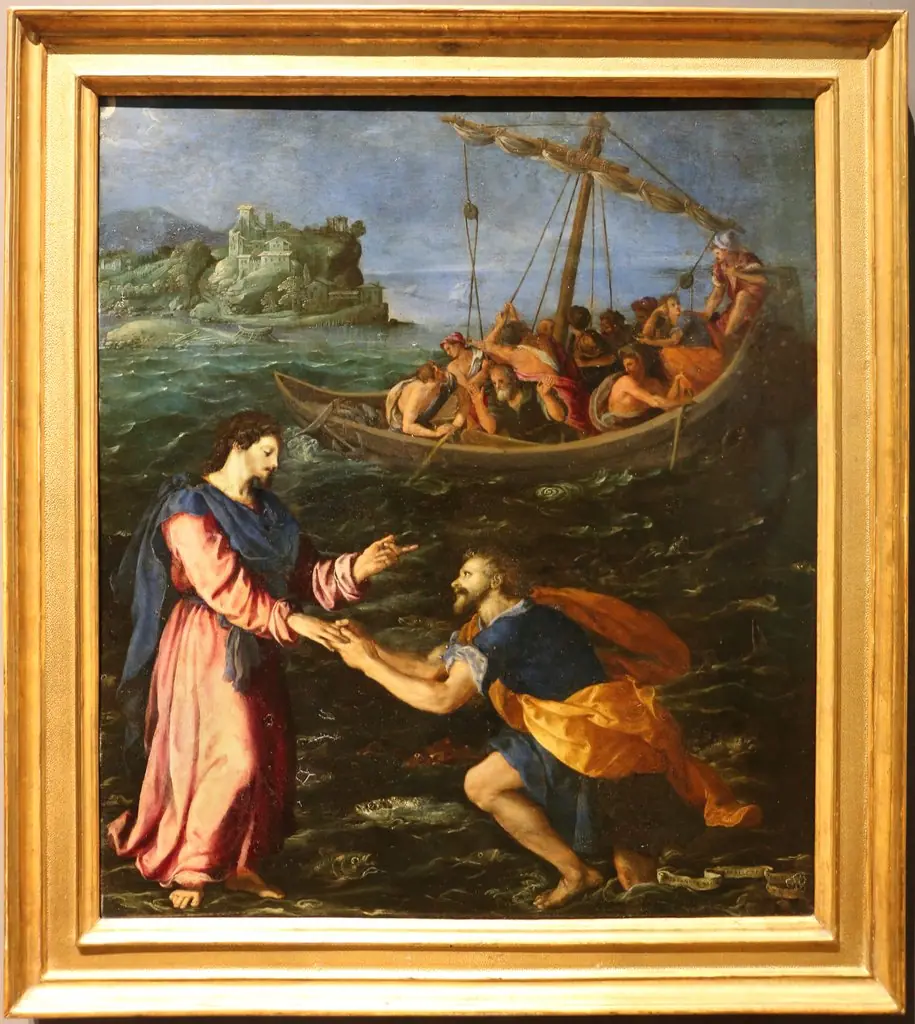 chiamata di san pietro che cammina sulle acque
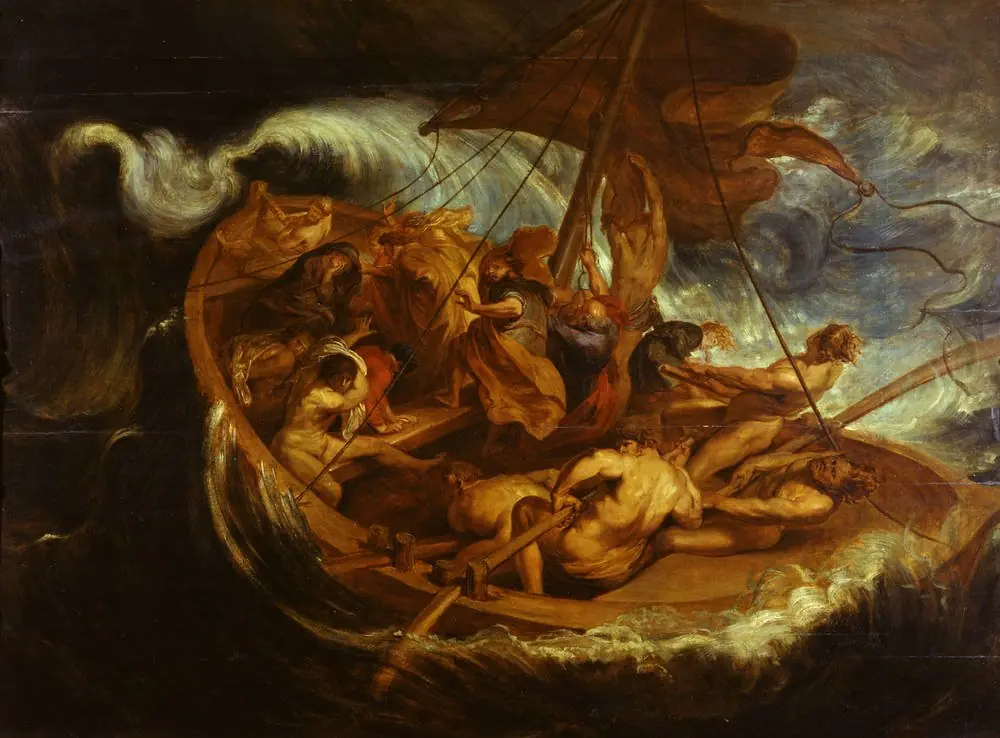 Christ on the Sea of Galilee
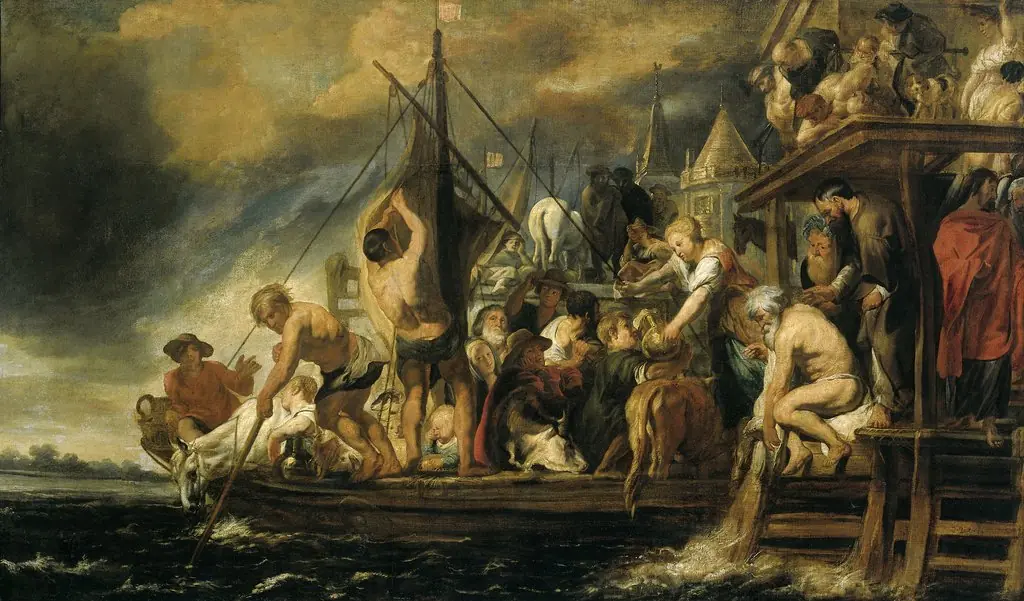 The Tribute Money - Peter Finding the Silver Coin in the Mouth of the Fish
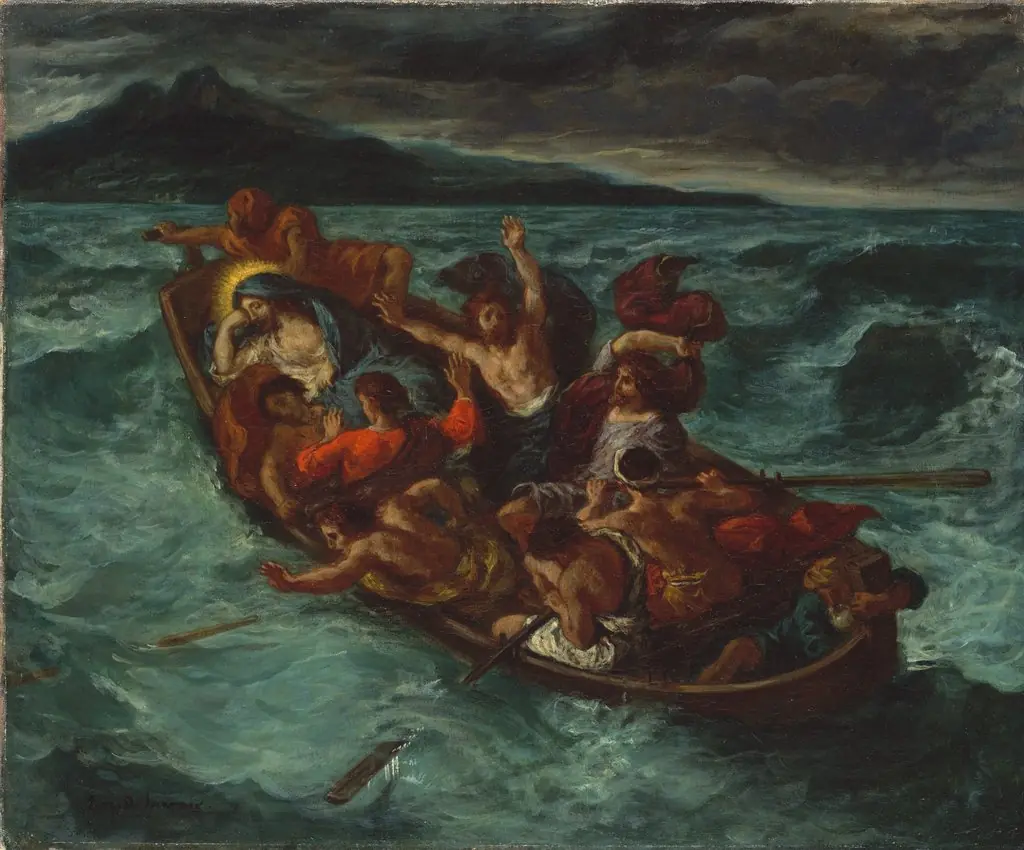 Christ Asleep during the Tempest
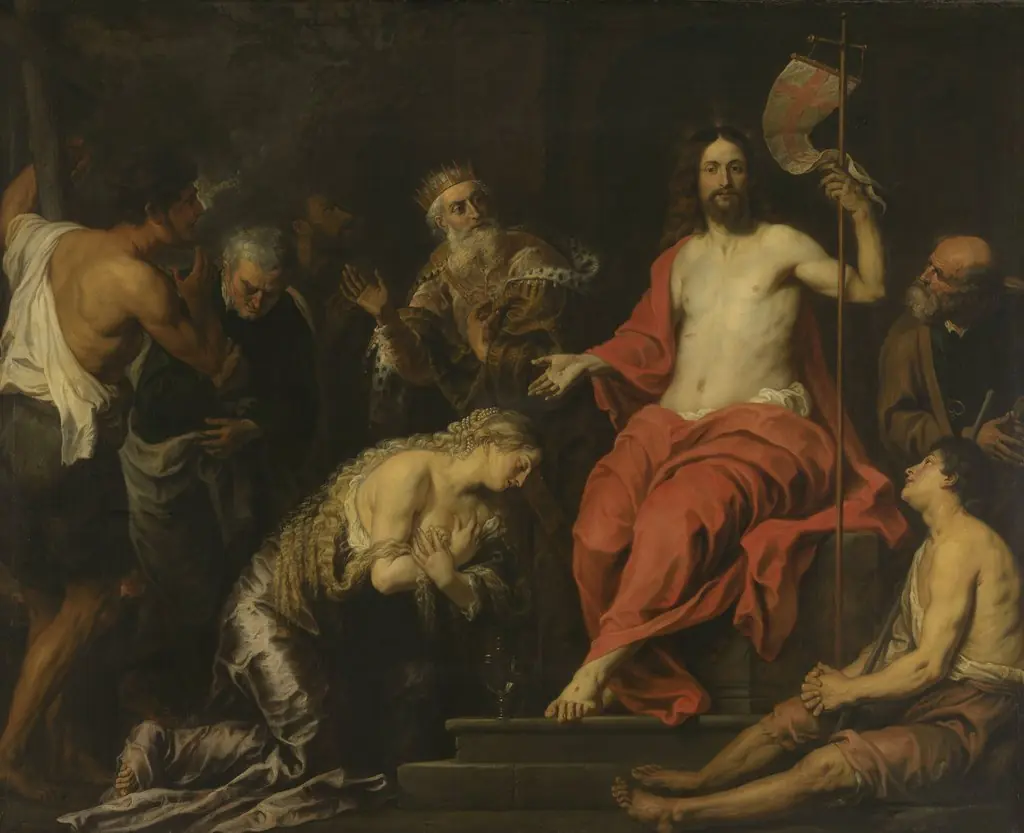 Christ and the repentant sinners