Artwork
Still Life
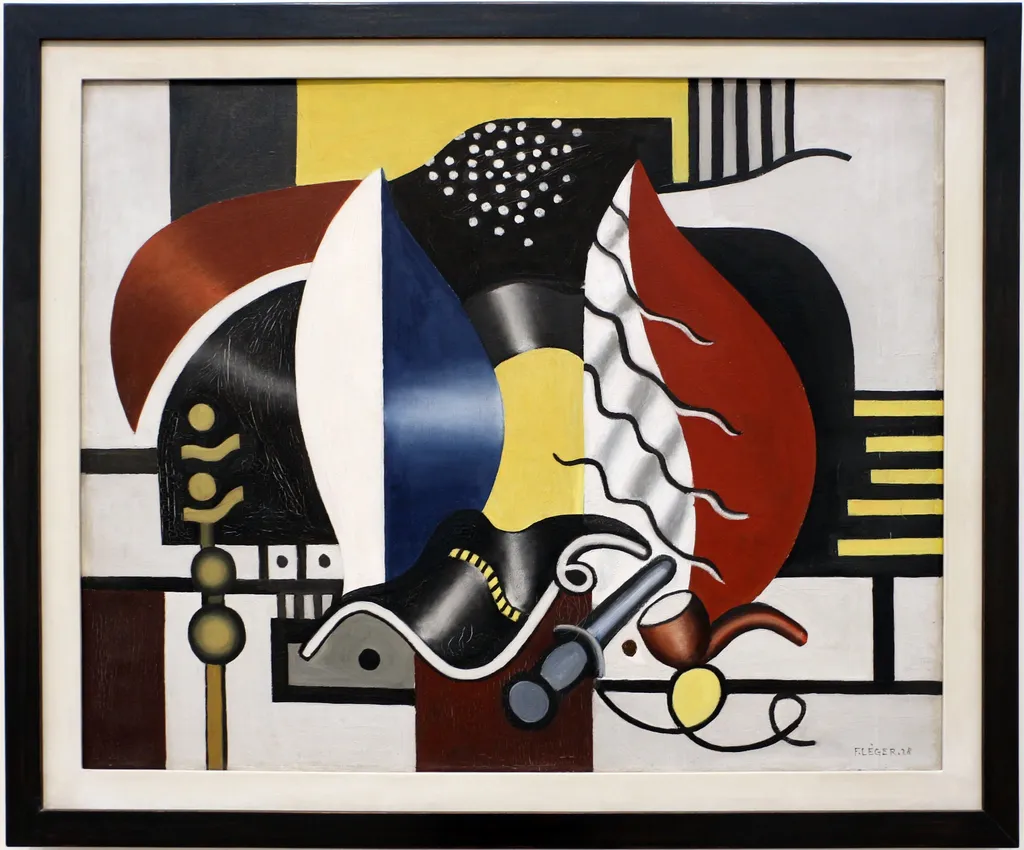
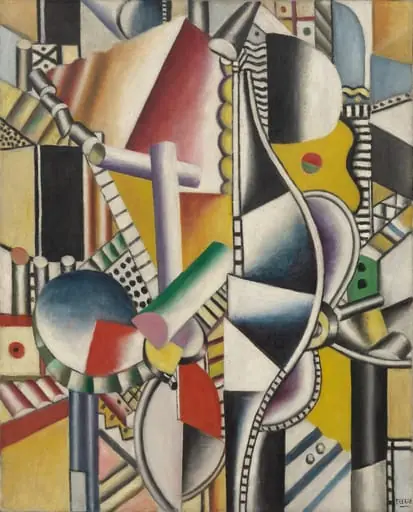
Still Life is an oil painting by the Cubism Synthetic artist Fernand Léger. It dates from 1928 and is held in the collection of the Art Institute of Chicago.
About this work
Overview
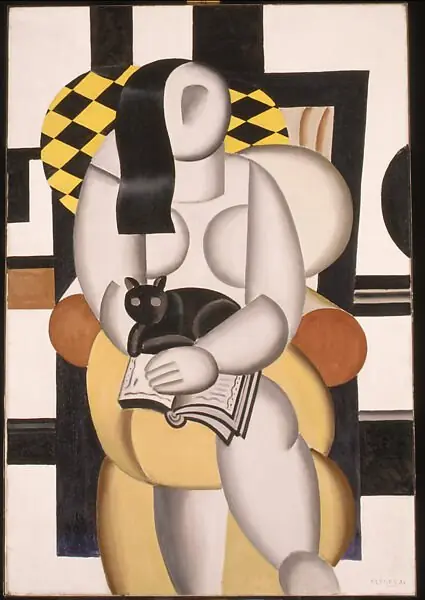
Painted in 1928, Still Life by Fernand Léger is an oil on canvas work currently held by the Art Institute of Chicago. Though titled as a still life, the composition centers on a human figure rather than inanimate objects. The painting reflects Léger’s interest in mechanized forms and simplified geometry, merging the human body with the abstract language of modern design.
Subject & Meaning
The figure, seated with legs crossed, wears a polka-dotted hat and red trousers, holding a red umbrella and a cane with a curved handle.
The figure, seated with legs crossed, wears a polka-dotted hat and red trousers, holding a red umbrella and a cane with a curved handle. These items are rendered not as functional tools but as formal elements within a structured composition. The figure’s presence suggests a quiet, almost mechanical stillness, blurring the boundary between person and object, a recurring theme in Léger’s work of the period.
Technique & Style
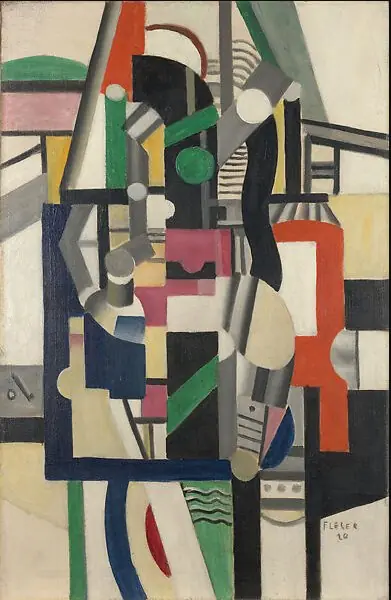
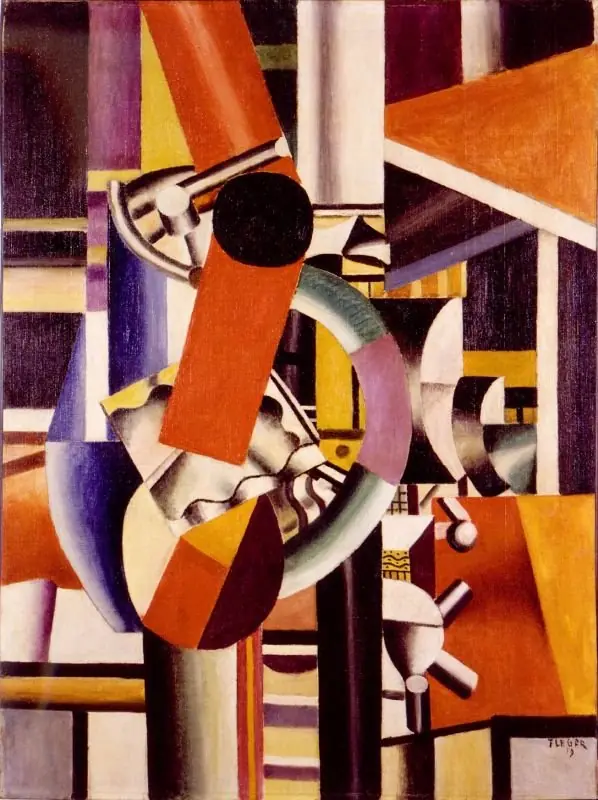
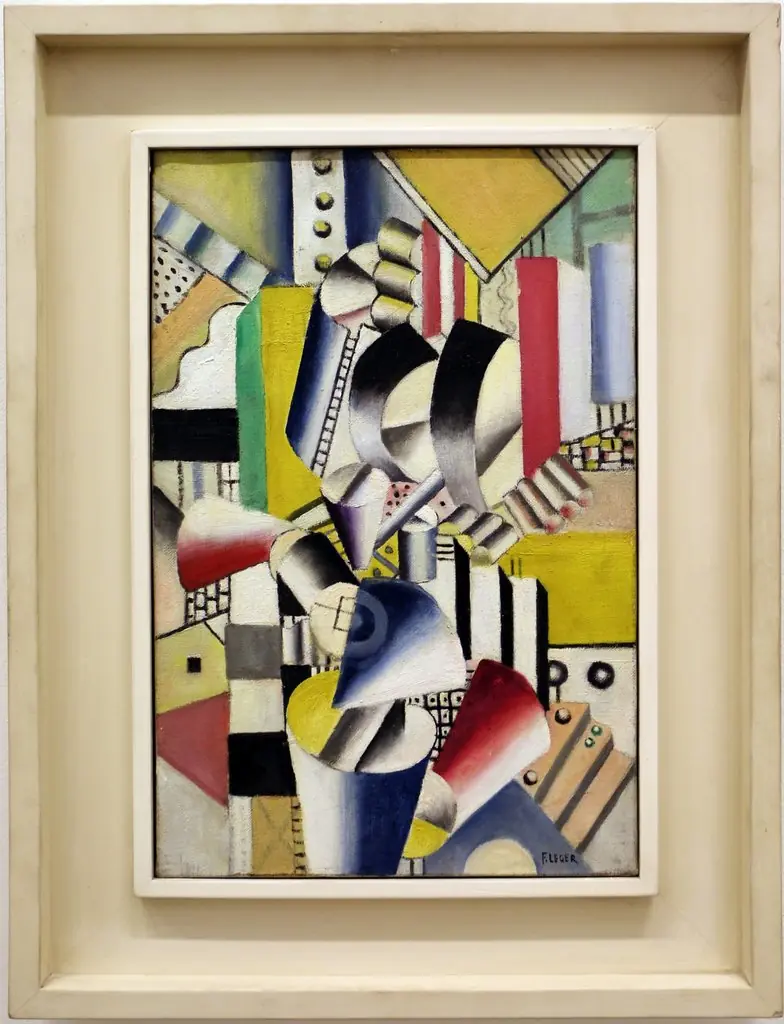
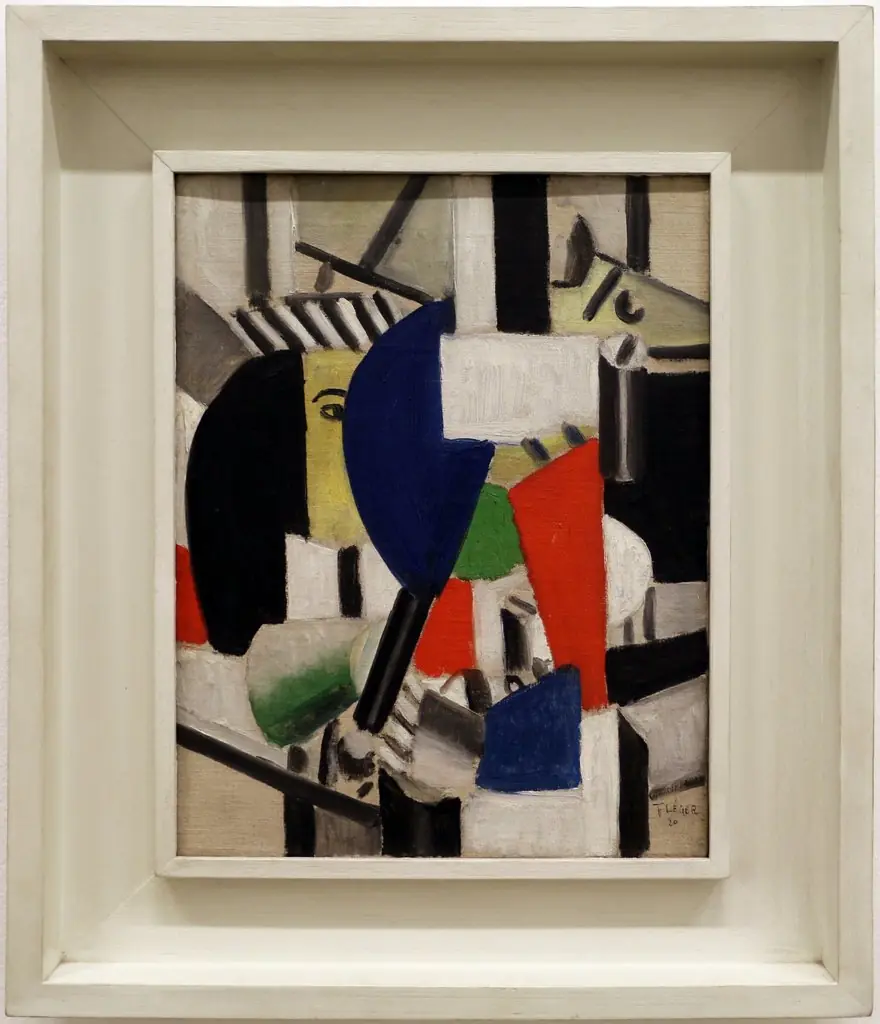
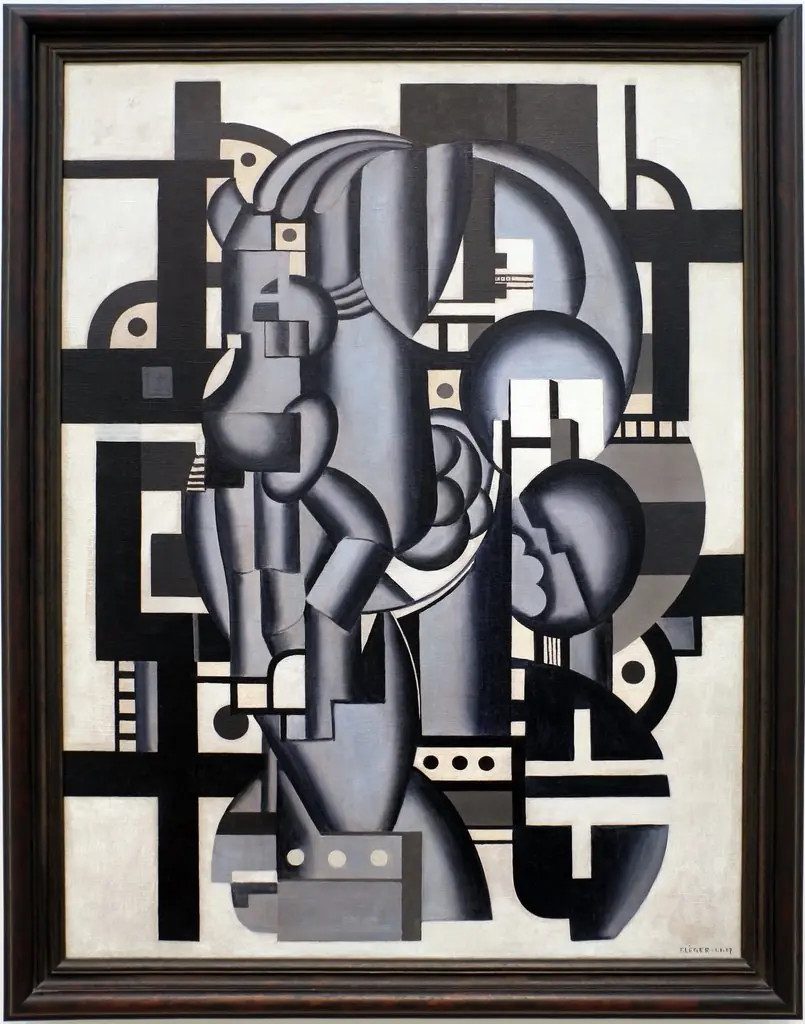
Léger reduced forms to flat, bold shapes, sharp contours, unmodulated color, and minimal shading. The figure and objects resemble cut-out silhouettes, arranged against a background of geometric blocks in black, white, and yellow. This approach reflects his fascination with industrial aesthetics and the visual language of advertising, stripping detail to emphasize structure and rhythm.
History & Provenance
The painting entered the collection of the Art Institute of Chicago in 1930, shortly after its creation. It was acquired during a period when the museum actively expanded its holdings of modern European art. Its early acquisition underscores the institution’s early recognition of Léger’s significance within the avant-garde movement of the interwar years.
Context
Created during the height of Léger’s 'mechanical period,' the work responds to postwar industrialization and the rise of mass production. Influenced by Cubism and the aesthetics of machinery, Léger sought to integrate modern life’s rhythms into painting. Still Life reflects his belief that art should engage with the visual culture of the machine age.
Legacy
Still Life exemplifies Léger’s enduring contribution to modern art: the fusion of the human form with abstract, industrial geometry. His approach influenced later movements, including Pop Art and graphic design, by demonstrating how everyday subjects could be reimagined through simplified, bold visual language. The work remains a key reference in studies of 20th-century formal innovation.
Own this work as a print
Artist & collection
Artist
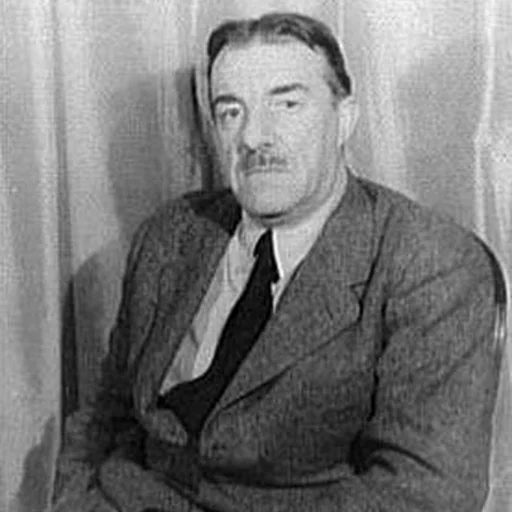
Joseph Fernand Henri Léger was a French painter, sculptor, and filmmaker. In his early works he created a personal form of cubism which he gradually modified into a more figurative, populist style. His boldly simplified…