Artwork
Saints Benedict and Apollonia (left) and Saints Paul and Frediano (right)
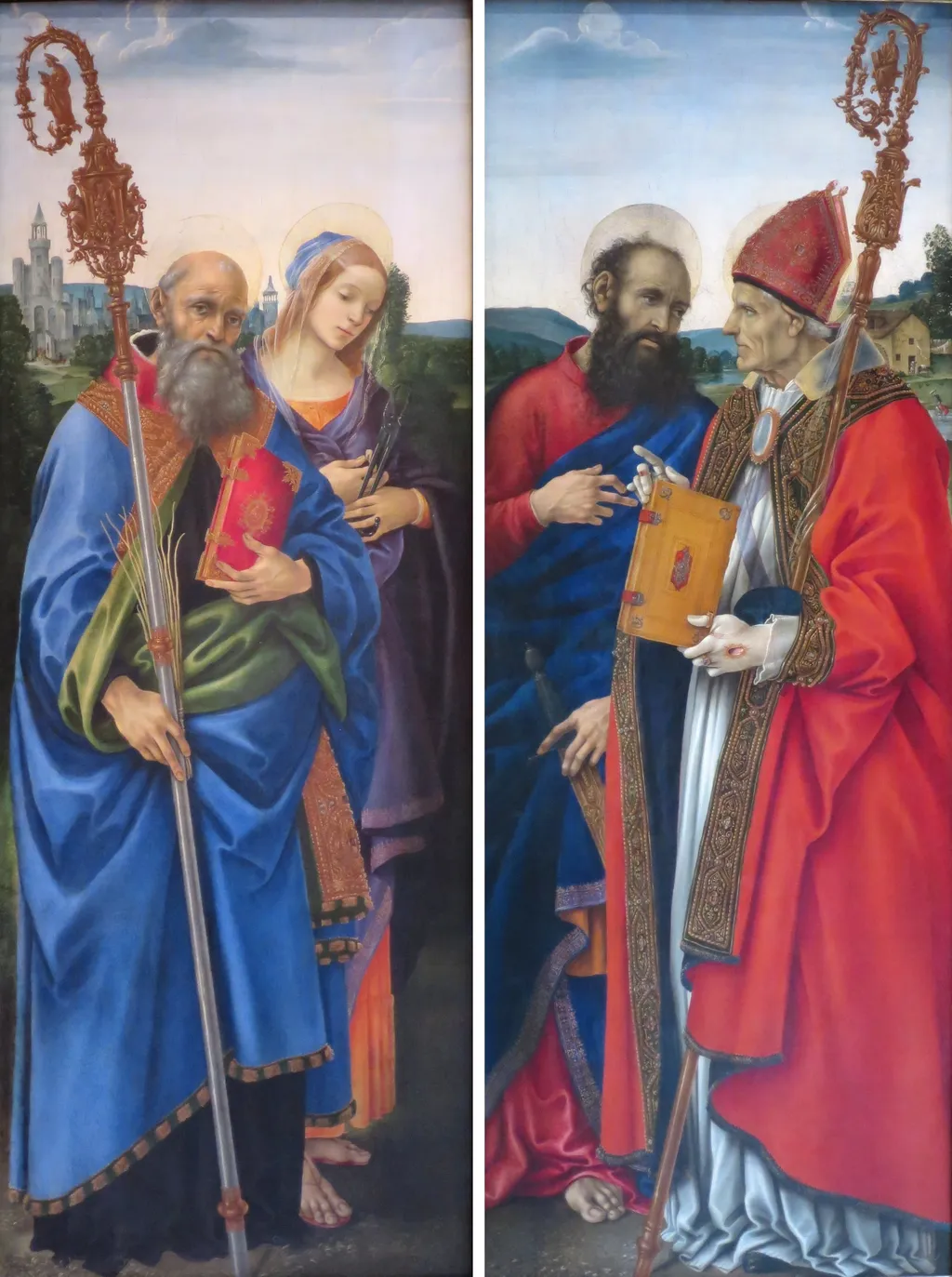
Saints Benedict and Apollonia (left) and Saints Paul and Frediano (right) is an unspecified painting by the Early Renaissance artist Filippino Lippi. It dates from 1492 and is held in the collection of the Norton Simon Museum.
About this work
Overview
This diptych, painted by Filippino Lippi in 1492, consists of two panels depicting four saints in pairs. It is a representative work of the early Renaissance period, showcasing Lippi's skill in oil or tempera painting.
Subject & Meaning
The left panel features Saints Benedict and Apollonia, while the right panel shows Saints Paul and Frediano. Each saint is characterized by specific attributes: Benedict holds a book and staff, Apollonia a palm branch and pincers, Paul a book and sword, and Frediano a book and staff, signifying their individual identities and roles.
Technique & Style
The painting is notable for its detailed rendering of clothing and accessories, as well as its use of chiaroscuro, a technique that emphasizes contrasts between light and dark to create a sense of volume and depth.
History & Provenance
Created during the transition from the Early to High Renaissance, the diptych is now part of the Norton Simon Museum's collection. Filippino Lippi, active primarily in Florence, Rome, and later northern Italian cities, produced mostly religious works during his career.
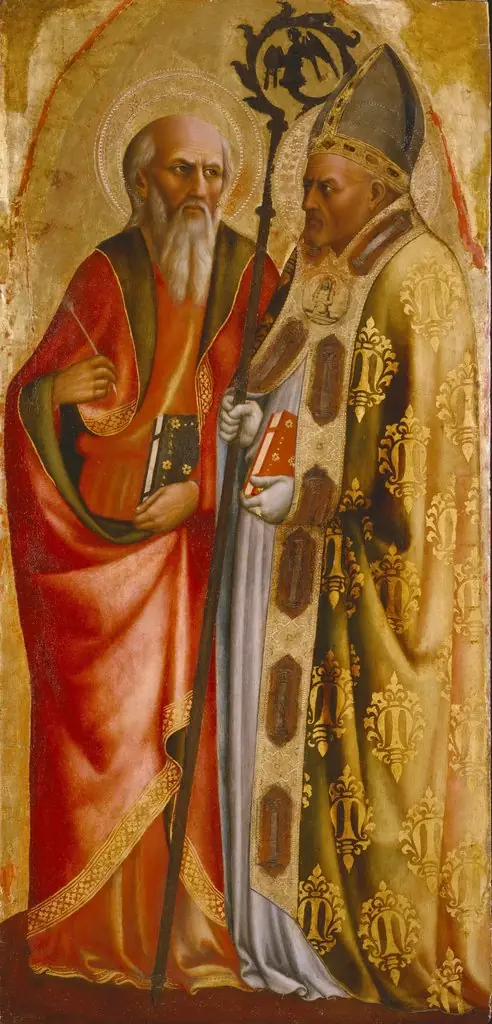
Own this work as a print
Artist & collection

Artist
Filippino Lippi (probably 1457 – 18 April 1504) was an Italian Renaissance painter mostly working in Florence, Italy during the later years of the Early Renaissance and first few years of the High Renaissance.

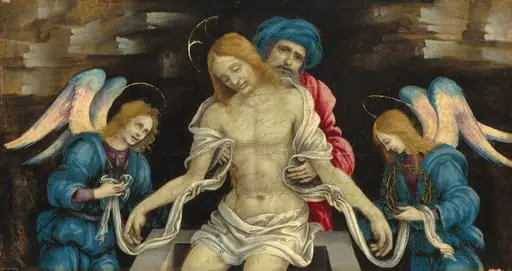 Pietà (The Dead Christ Mourned by Nicodemus and Two Angels)
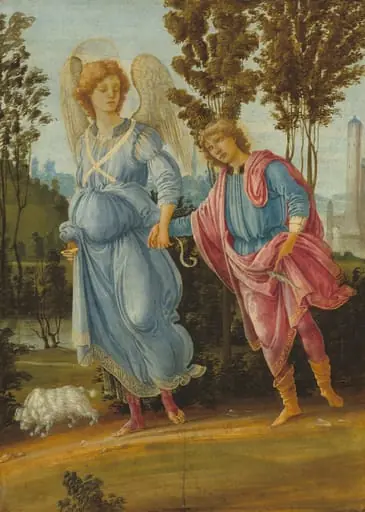 Tobias and the Angel
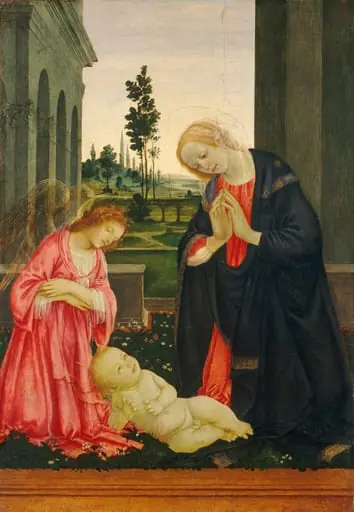 The Adoration of the Child
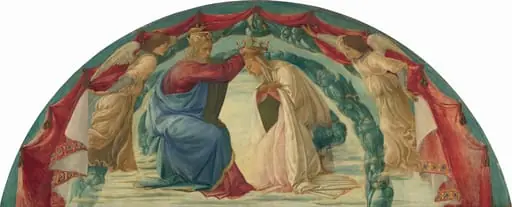 The Coronation of the Virgin
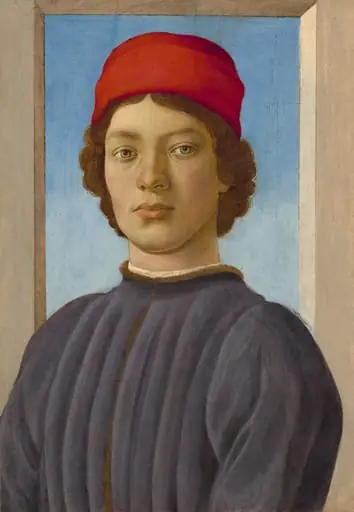 Portrait of a Youth
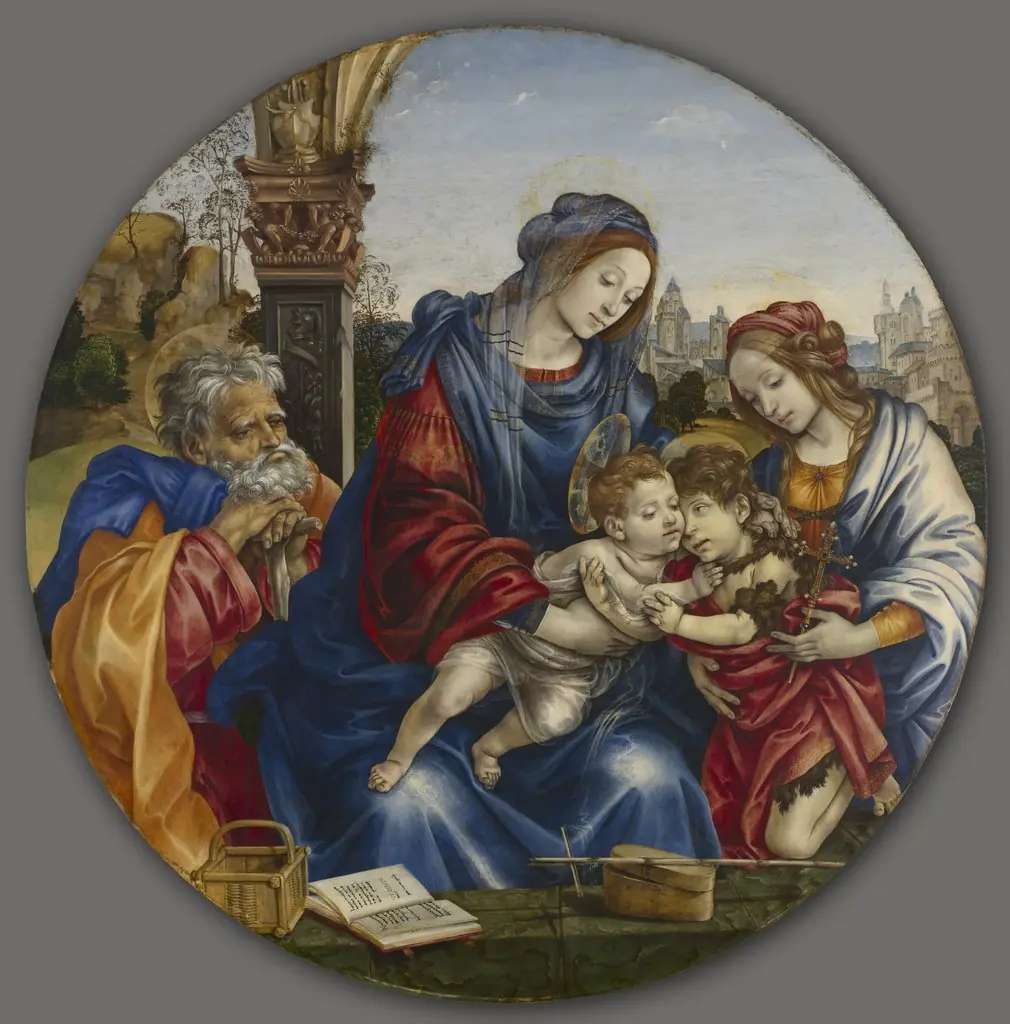 The Holy Family with Saint John the Baptist and Saint Margaret
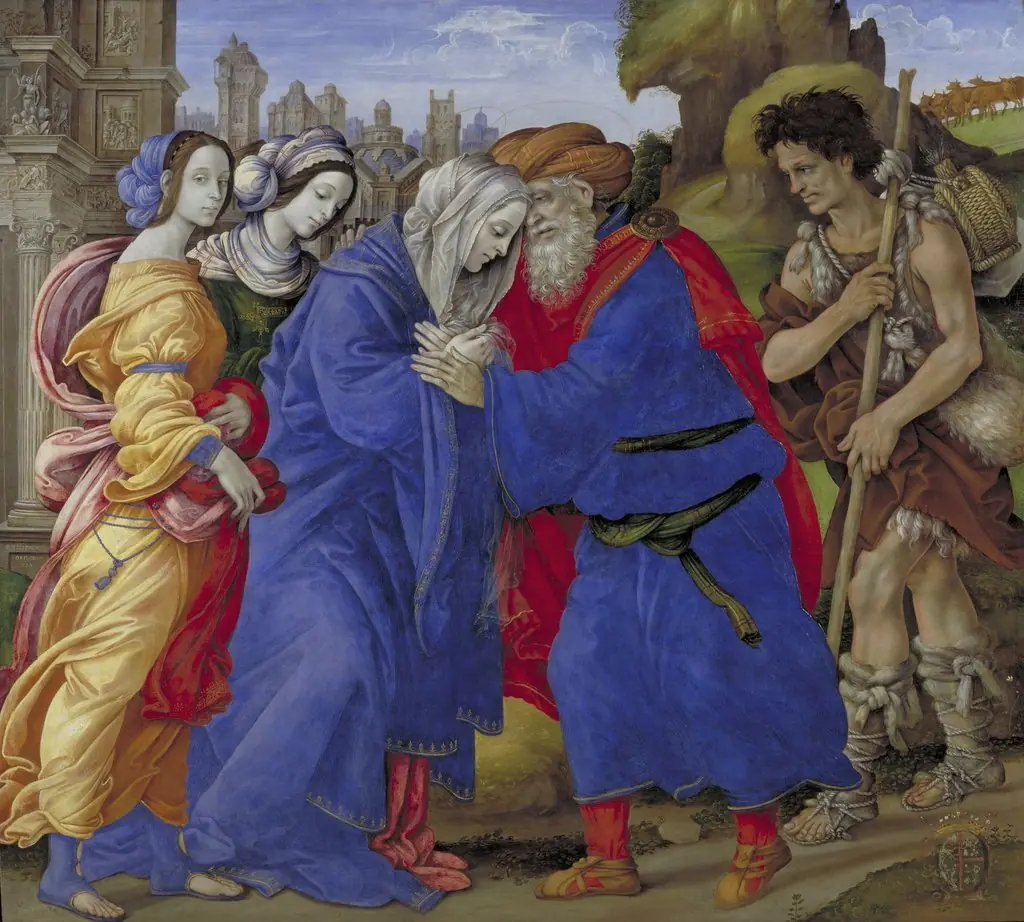 The Meeting of Joachim and Anne outside the Golden Gate of Jerusalem
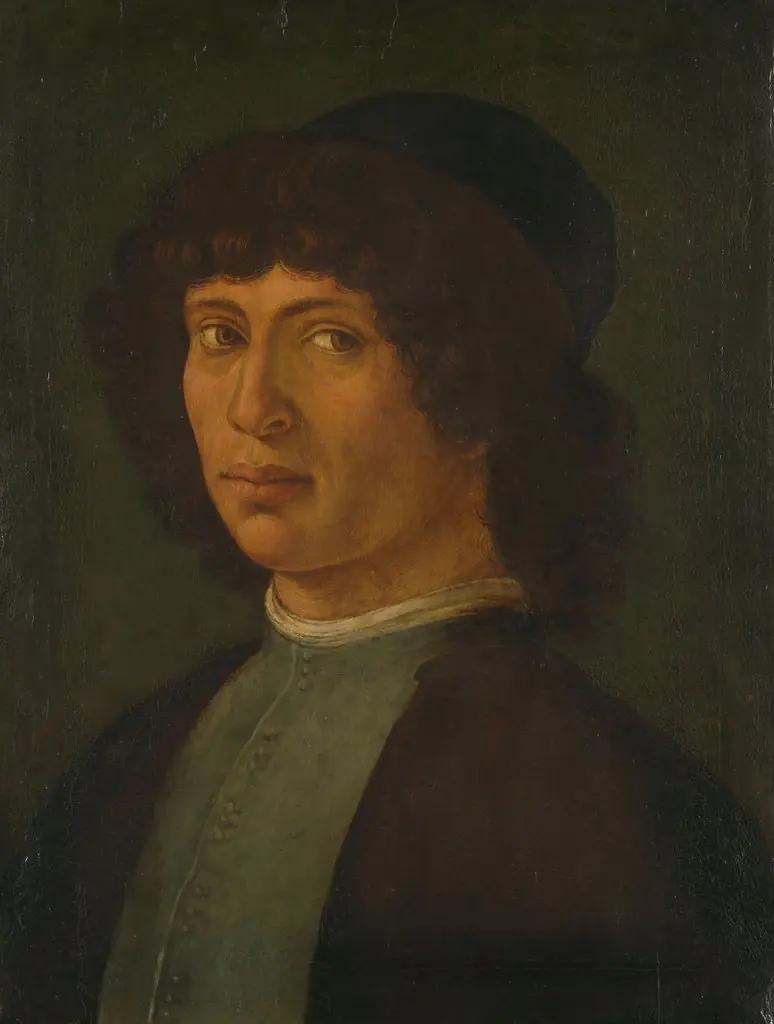 Portrait of a young man
- Saints John the Evangelist(?) and Martin of Tours
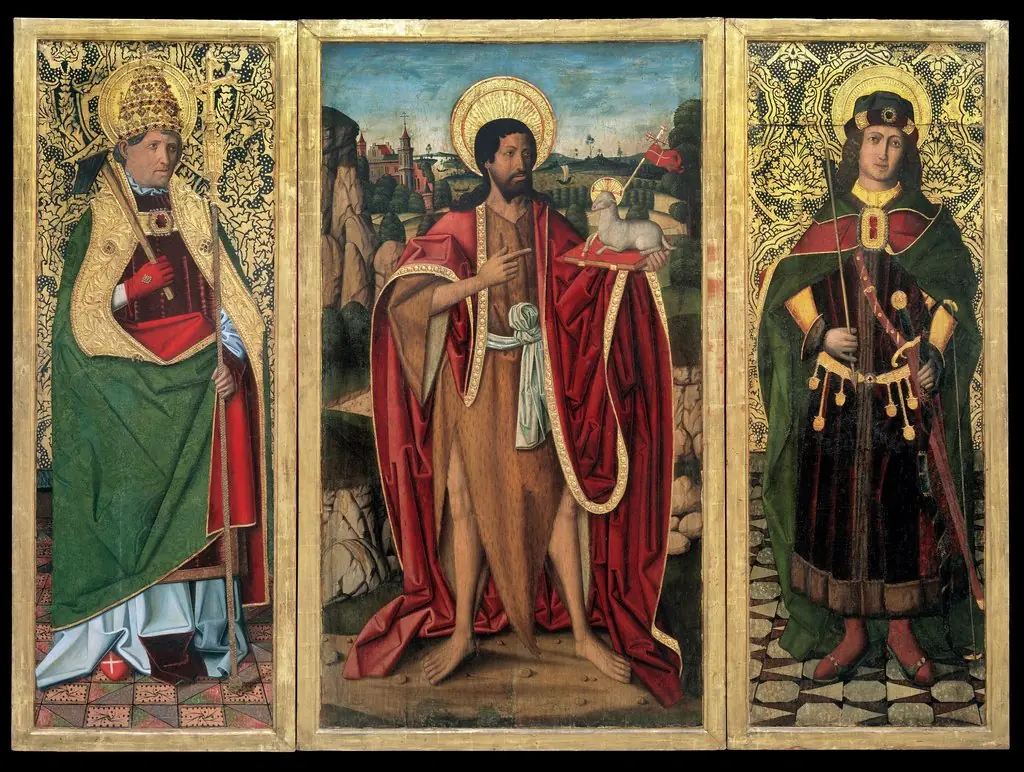 Saint John the Baptist, Saint Fabian and Saint Sebastian
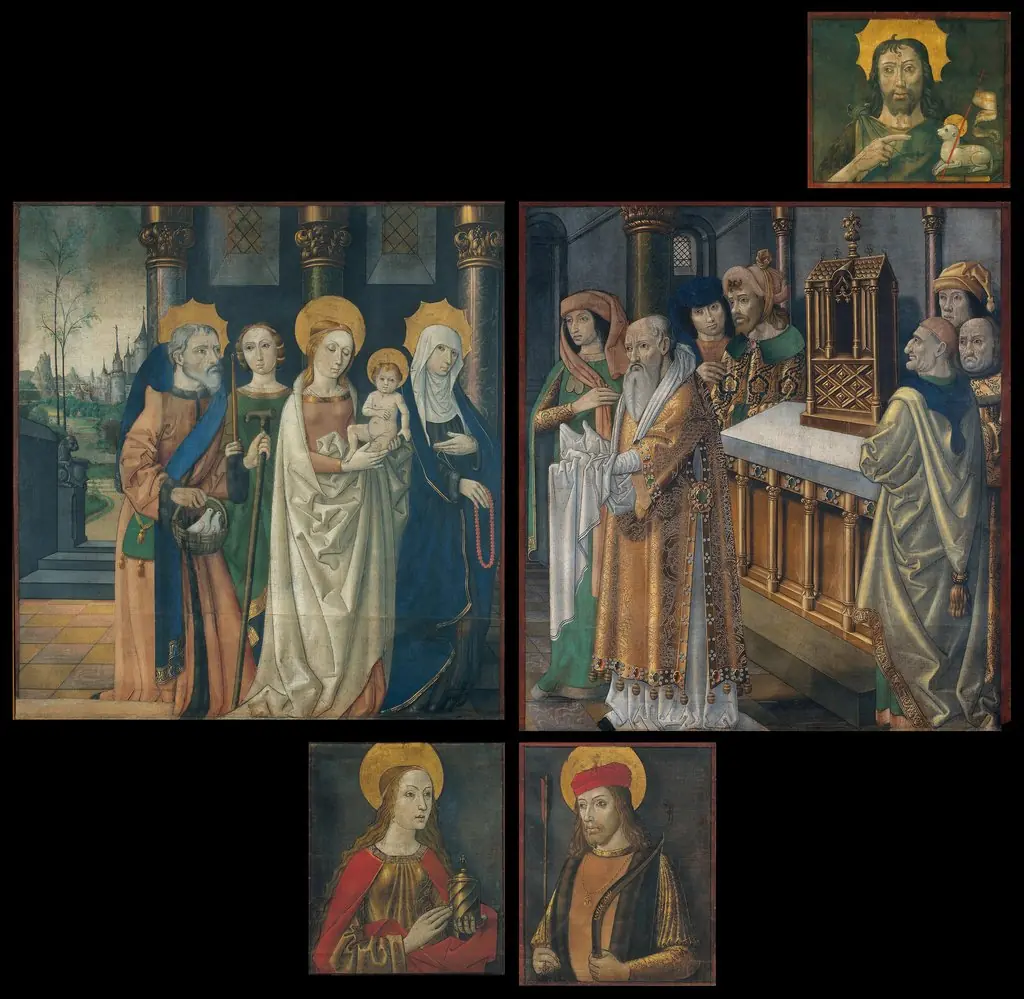 Presentation of Jesus at the Temple (Master from Canapost)
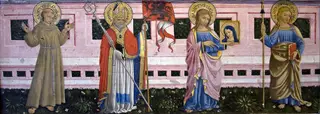 Francis of Assisi, St Herculanus, St Luke and Apostle Jacob the Elder
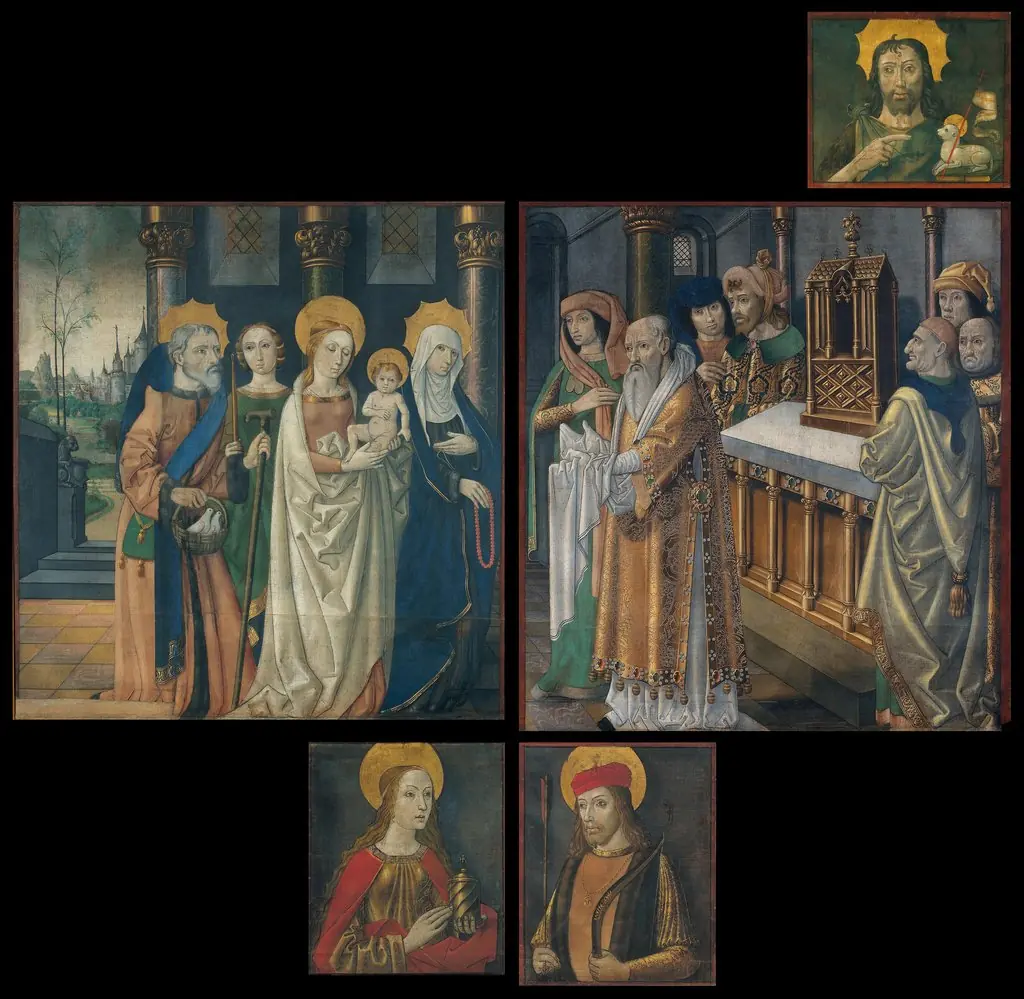 Paintings from the doors of the organ from La Seu d'Urgell cathedral
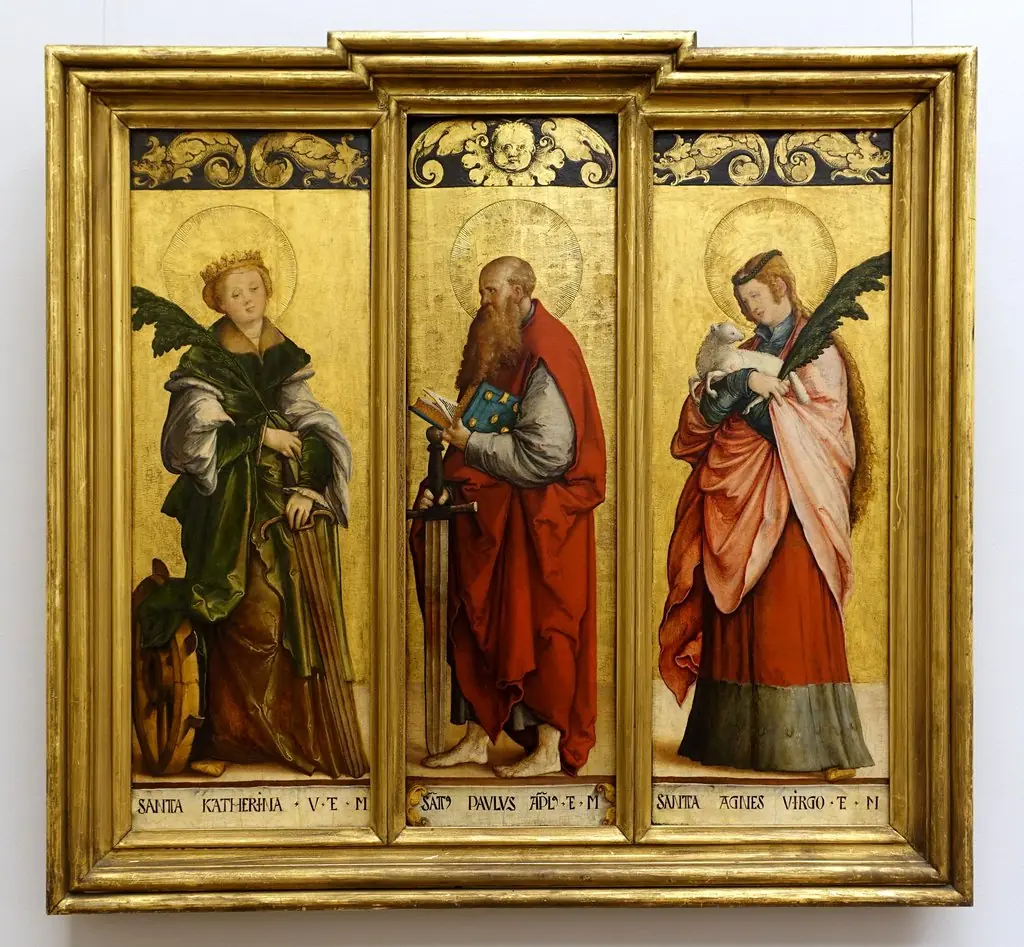 Die Heiligen Katharina
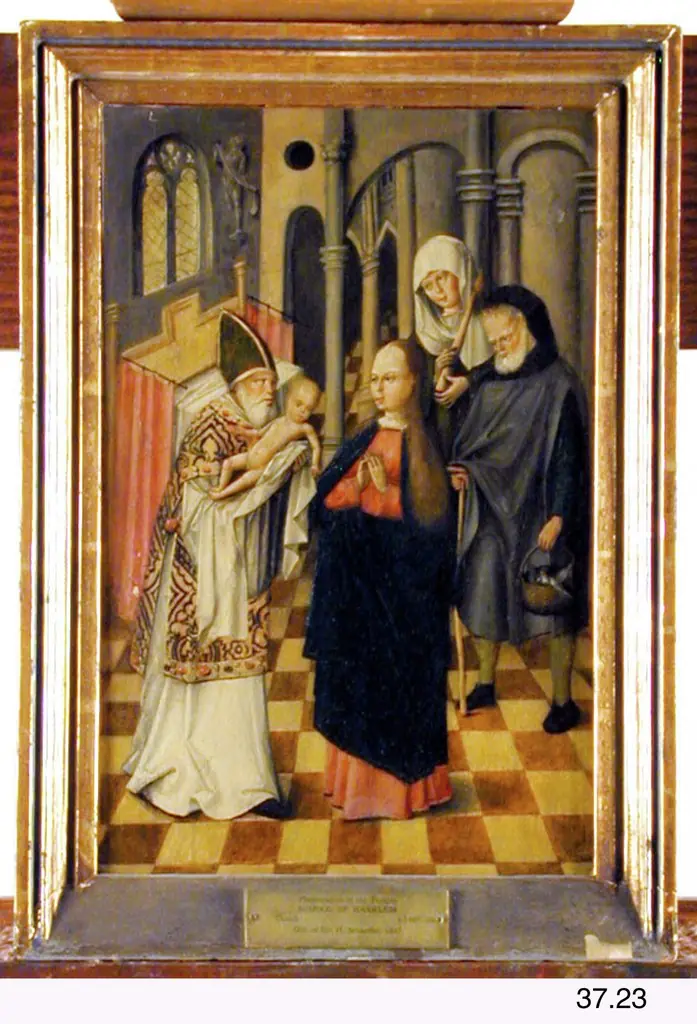 Presentation in the Temple
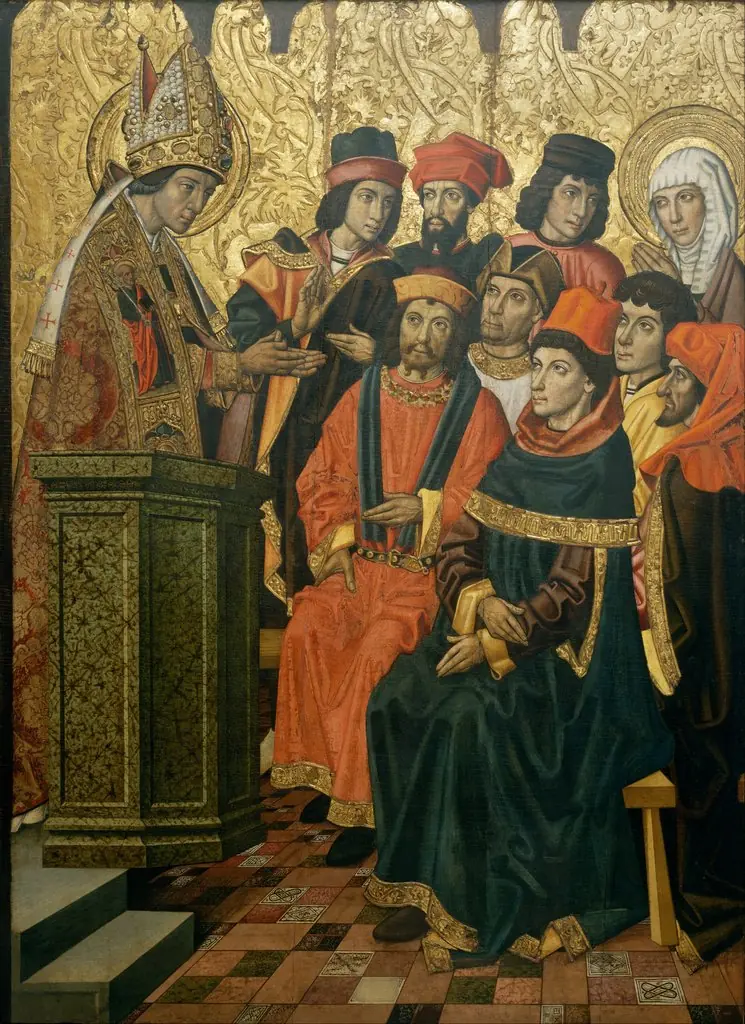 Saint Augustine and Saint Monica in a Sermon by Saint Ambrose
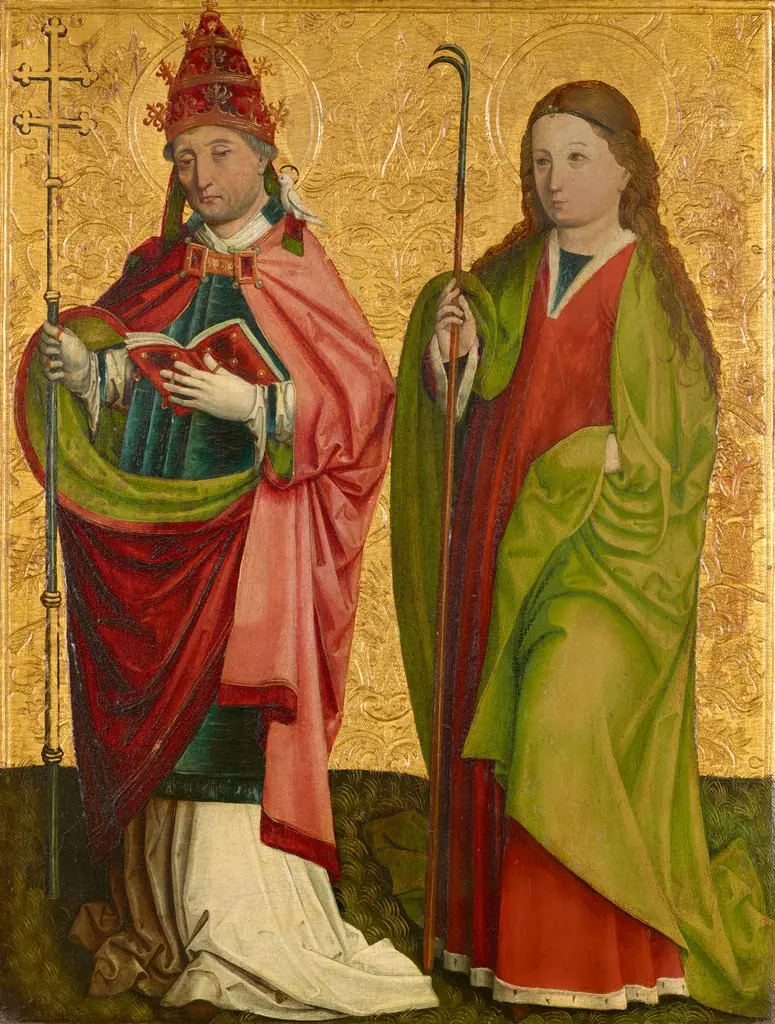 Rechter Flügel des sog. Pretschlaipfer-Triptychons: Hll. Gregor und Agathe (Innenseite); Hll. Erasmus und Barbara (Außenseite)
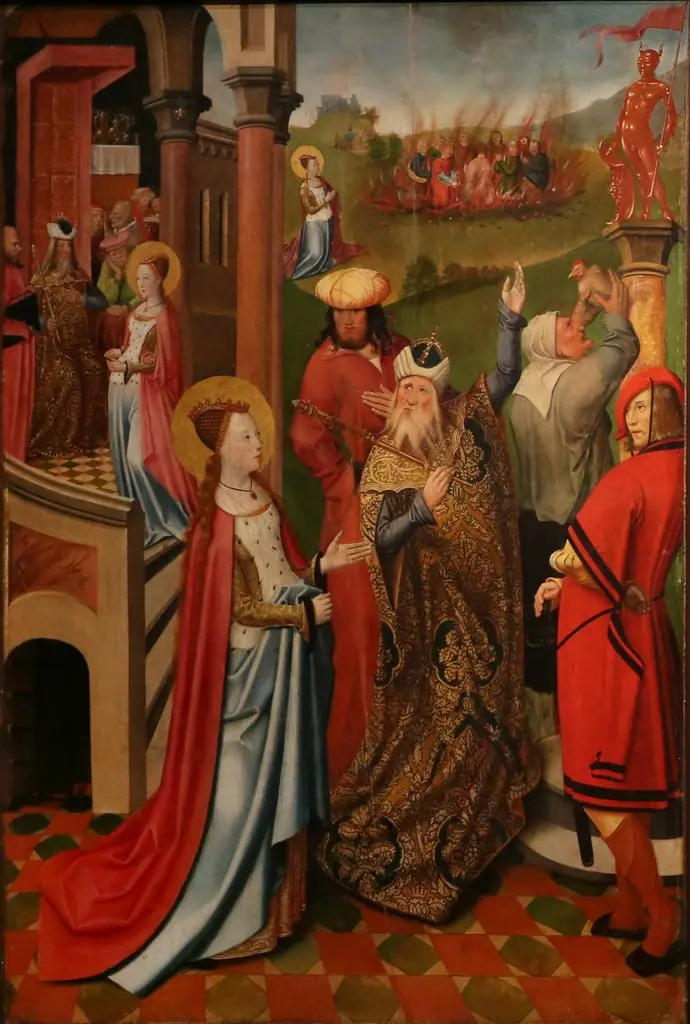 Saint Catherine refuses idolatry