Artwork
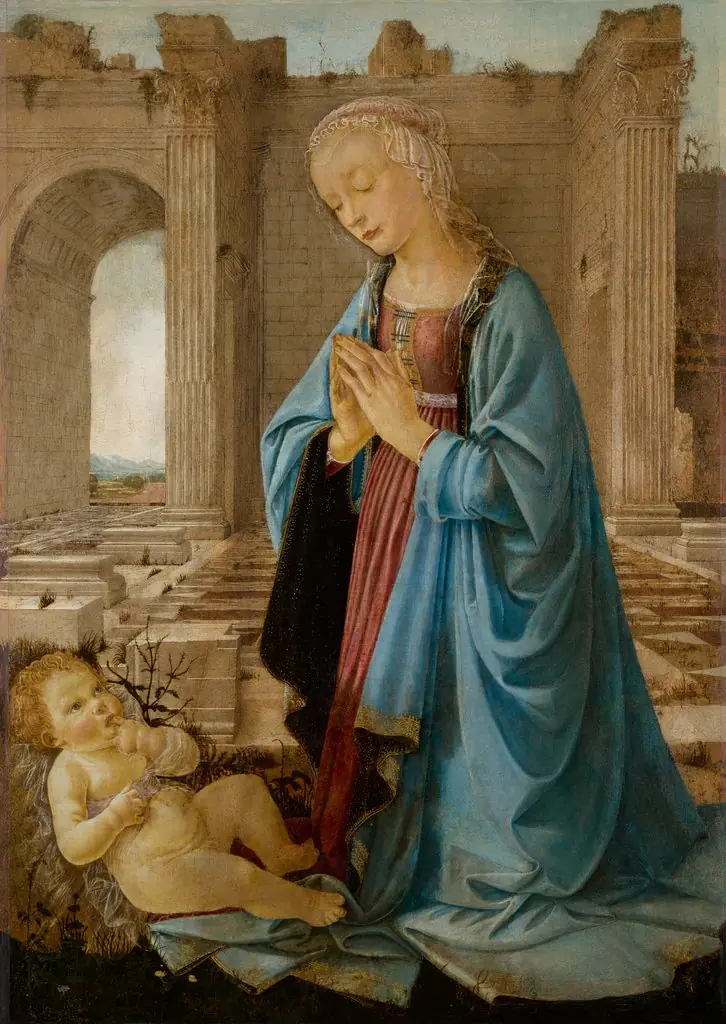
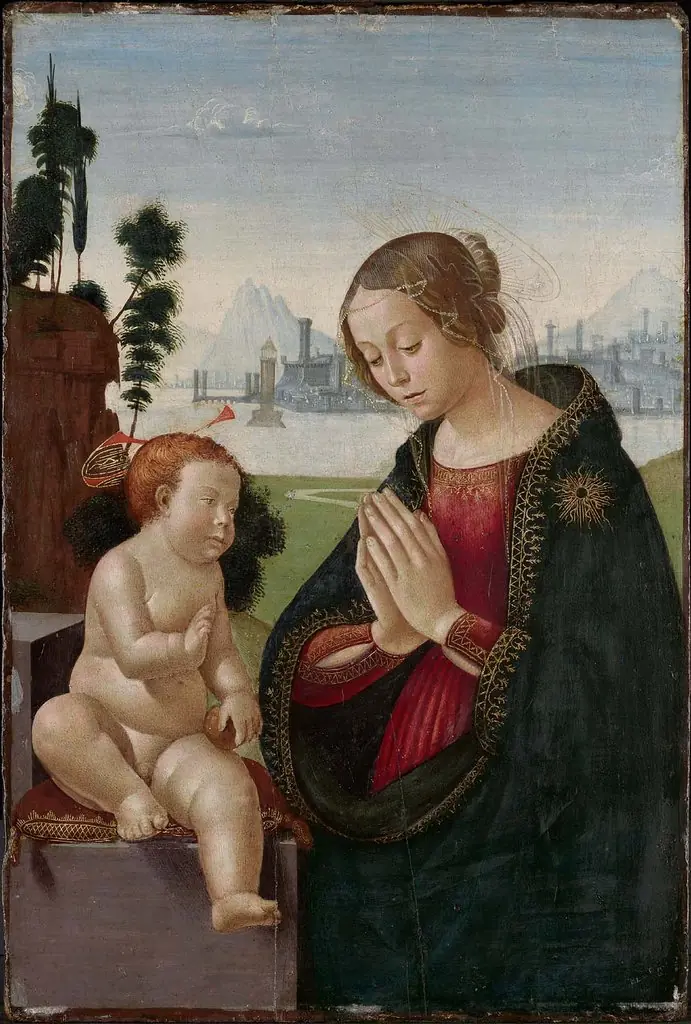
The Adoration of the Child
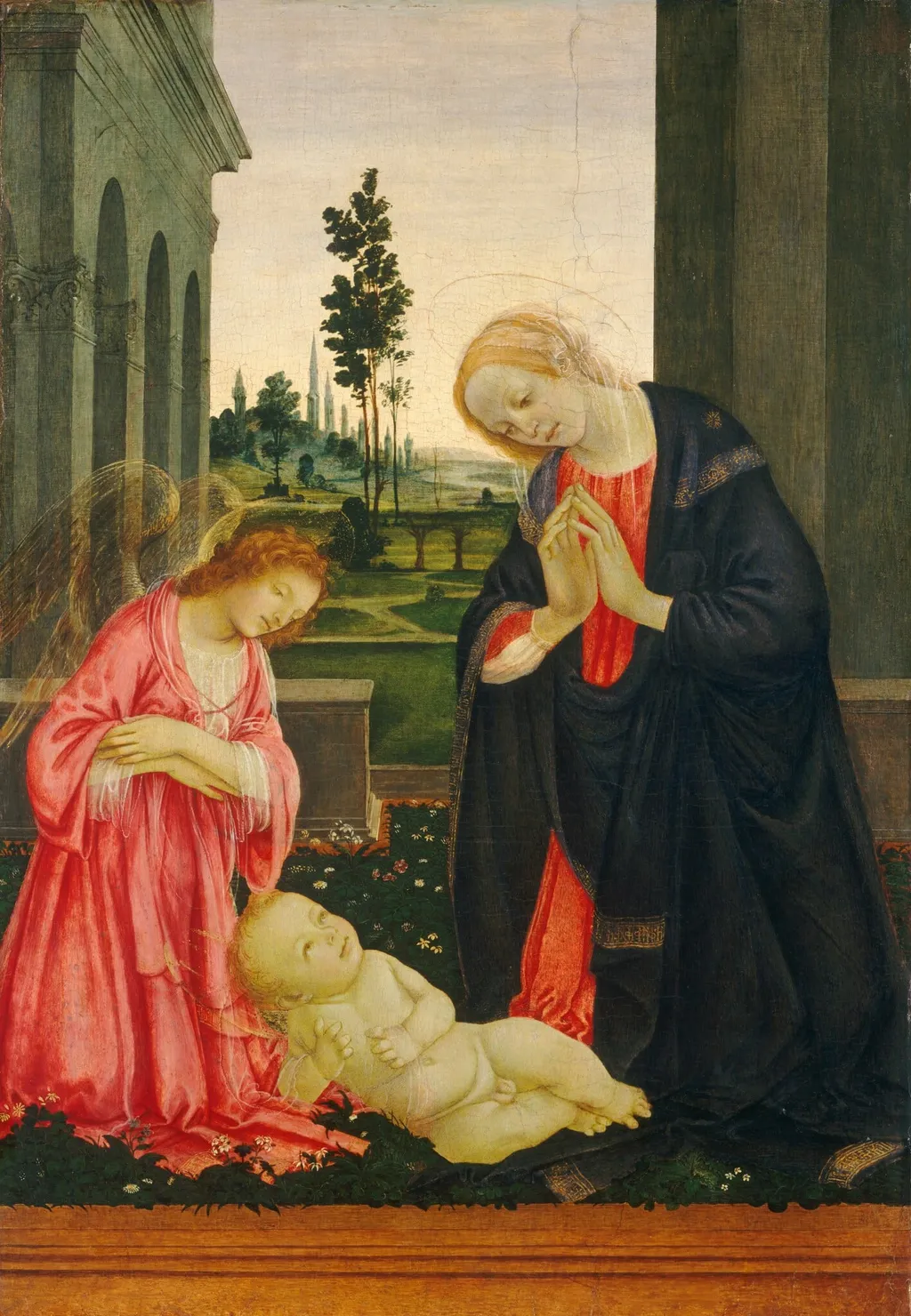
The Adoration of the Child is an oil painting by the Early Renaissance artist Filippino Lippi. It dates from 1478 and is held in the collection of the National Gallery of Art.
About this work
Subject & Meaning
The iconography aligns with the genre of religious art, representing the moment of worship surrounding the infant Jesus.
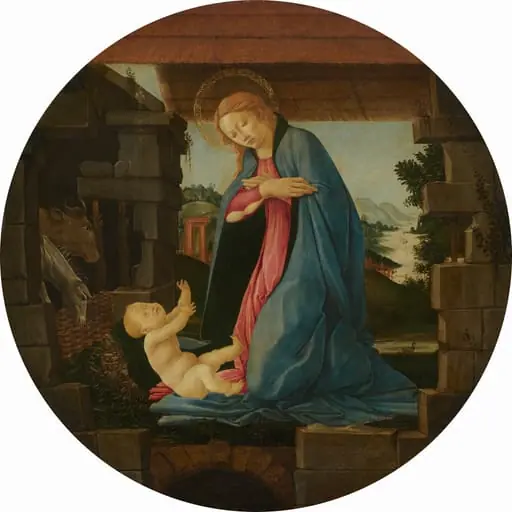
The work depicts the Nativity of Jesus, specifically focusing on the Adoration of the Child. As a religious painting, the central subject is the Christ Child, who is the primary figure of veneration in the scene. The iconography aligns with the genre of religious art, representing the moment of worship surrounding the infant Jesus.
The composition serves to illustrate the theological significance of the Incarnation, where the divine child is honored. Created in 1475, the panel utilizes oil on poplar to render this sacred narrative. The depiction emphasizes the spiritual relationship between the holy figures and the act of adoration, a common theme in fifteenth-century devotional art that underscores the humility and sanctity of the birth event.
Technique & Style
Executed in 1475, this religious work by Filippino Lippi utilizes oil paint applied to a poplar panel support. The reverse of the panel bears a red wax seal from the Saxe-Meiningen family and a Parisian customs stamp, the latter suggesting prior French ownership or transit. While the specific handling of the brushwork and the painting's current physical condition are not detailed in the available records, the material composition is clearly defined as oil on wood.
The subject matter focuses on the Christ Child within a Nativity context, consistent with the genre of religious art produced during this period.
History & Provenance
The Adoration of the Child by Filippino Lippi is dated to circa 1475 based on stylistic analysis and historical records. The earliest documented owner is Grand Duke Georg II of Saxe-Meiningen, who possessed the panel by 1872; acquisitions likely began after his accession in 1866. Following his death, the heirs sold the work in April 1930 to Duveen Brothers, who then transferred it to Paris for conservation and sale.
On 15 December 1936, the A.W. Mellon Educational and Charitable Trust acquired it, and it was gifted to the National Gallery of Art, Washington, in 1937. Earlier provenance remains unverified, though a Parisian customs stamp suggests prior French ownership or handling.
Legacy
The Adoration of the Child by Filippino Lippi, painted circa 1475, entered the National Gallery of Art in Washington, D.C., through the Andrew W. Mellon bequest in 1937 after passing through the collections of Grand Duke Georg II of Saxe‑Meiningen and the art dealers Duveen Brothers. Its inclusion in the museum’s holdings and its documentation in scholarly works such as Wikidata have contributed to a sustained scholarly reputation as an important example of early High Renaissance devotional painting, frequently cited in studies of Lippi’s output and of 15th‑century Nativity imagery. The work’s provenance and conservation history underscore its recognized significance within both private and public collections.
Overview
Filippino Lippi painted The Adoration of the Child around 1478, utilizing oil on a poplar panel. This work originates from his early career in Florence, a period when the artist was establishing his reputation. The painting exemplifies the religious genre prevalent in Italian art during the Early Renaissance, showcasing Lippi's focus on sacred narratives before his later engagements in other cities.
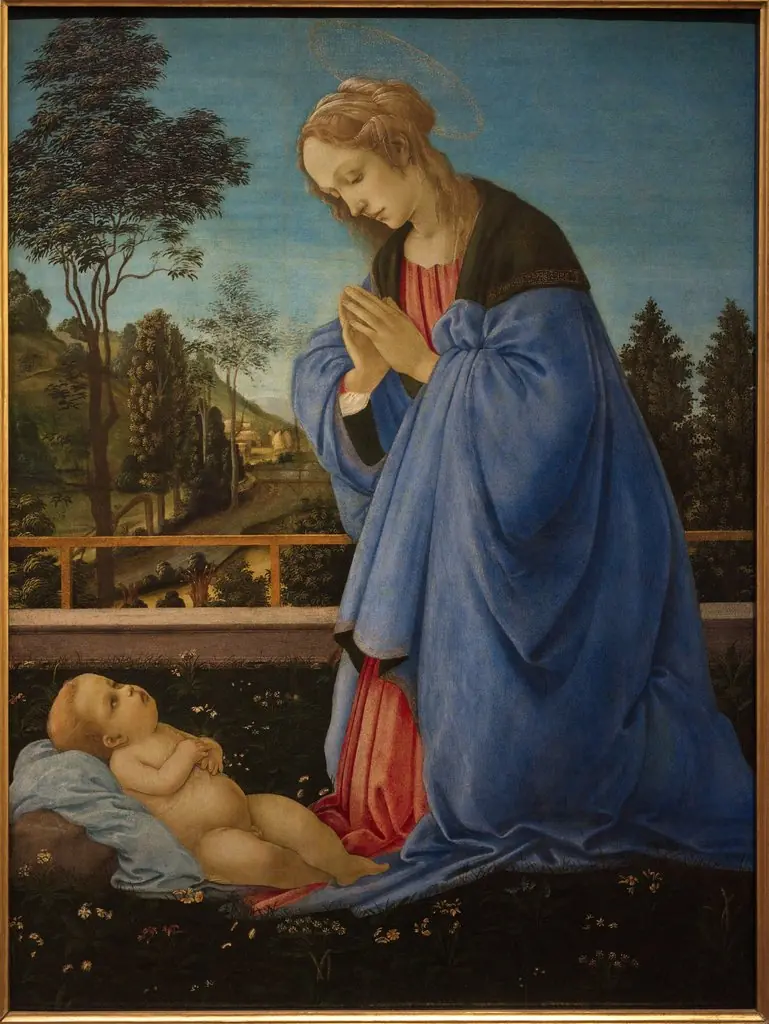
Own this work as a print
Artist & collection

Artist
Filippino Lippi (probably 1457 – 18 April 1504) was an Italian Renaissance painter mostly working in Florence, Italy during the later years of the Early Renaissance and first few years of the High Renaissance.

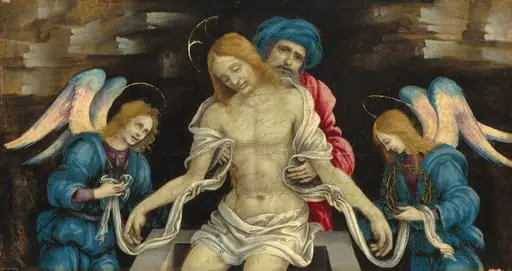 Pietà (The Dead Christ Mourned by Nicodemus and Two Angels)
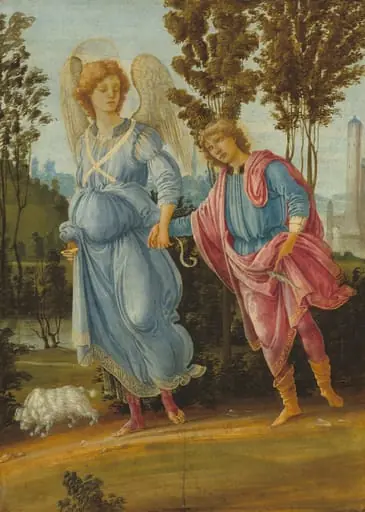 Tobias and the Angel
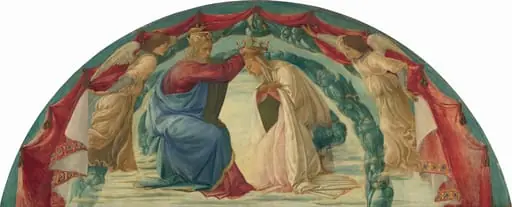 The Coronation of the Virgin
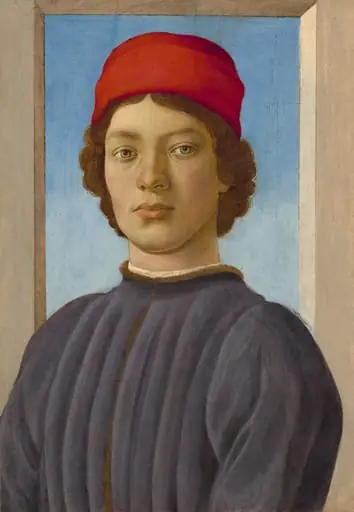 Portrait of a Youth
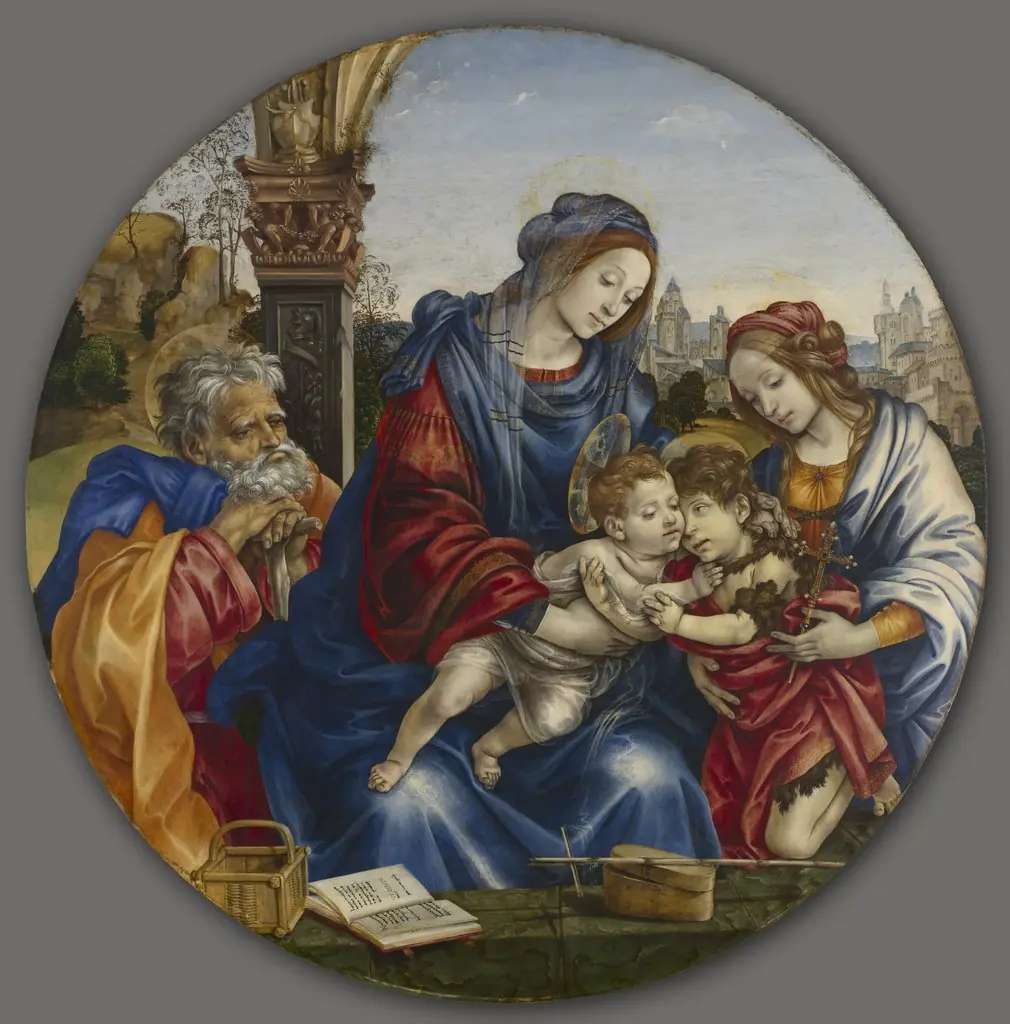 The Holy Family with Saint John the Baptist and Saint Margaret
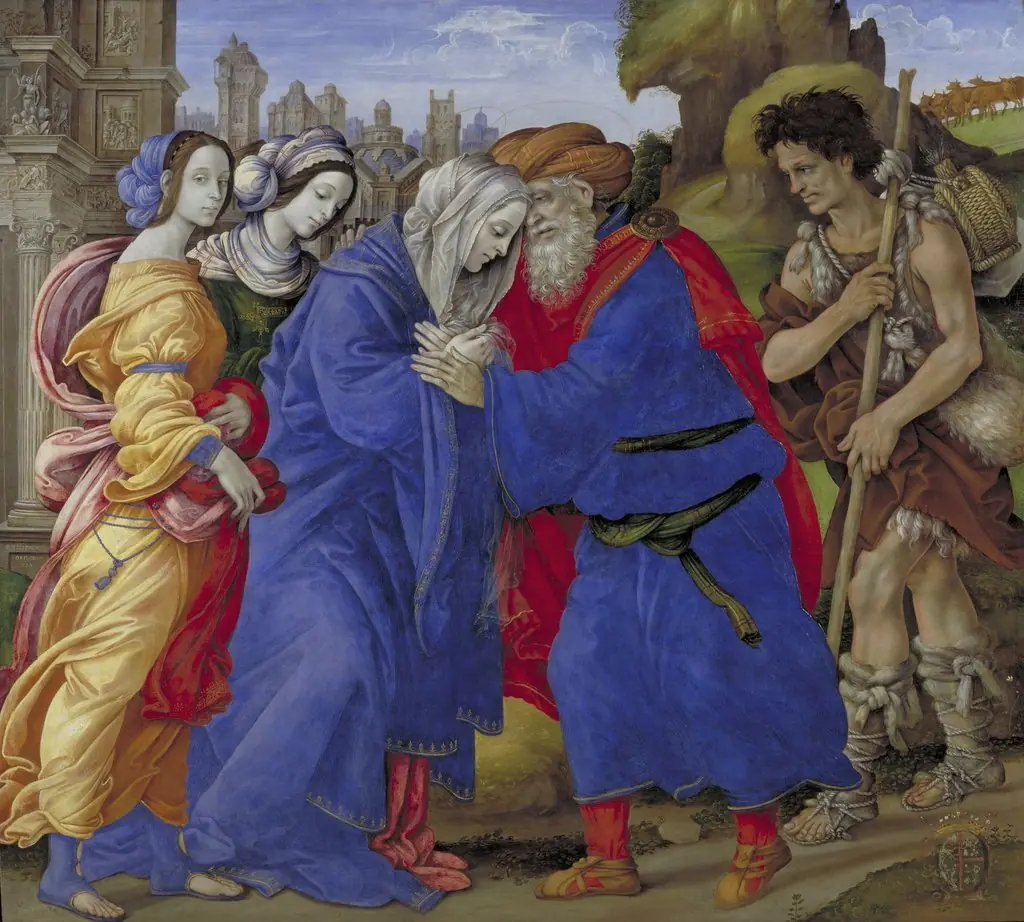 The Meeting of Joachim and Anne outside the Golden Gate of Jerusalem
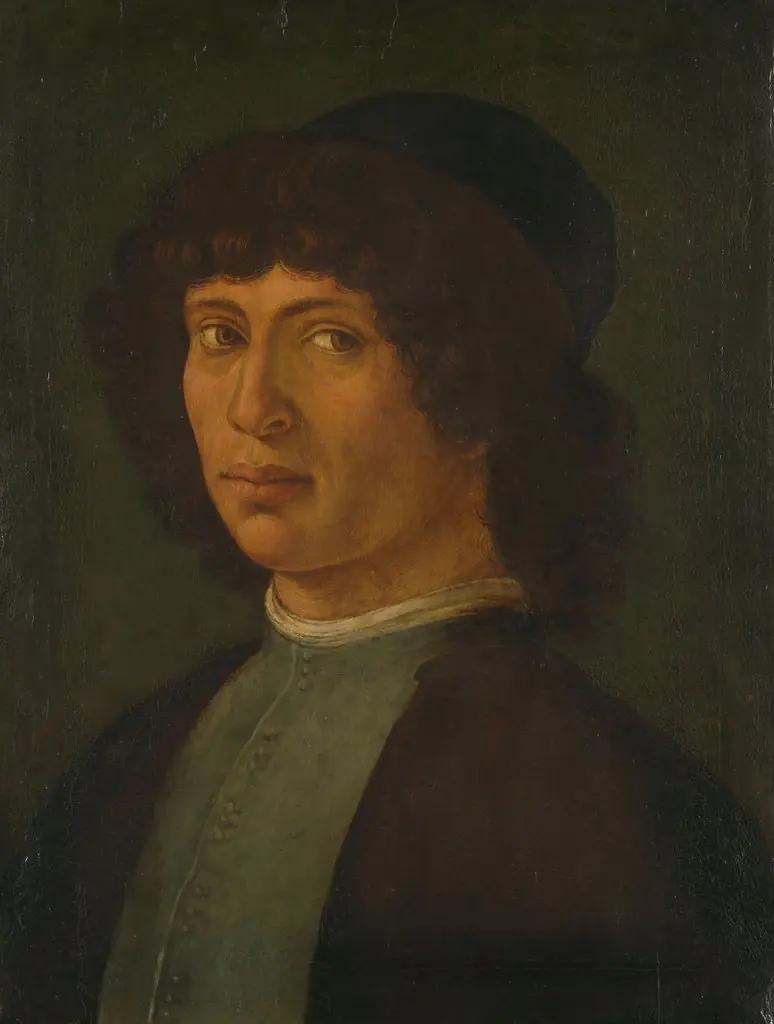 Portrait of a young man
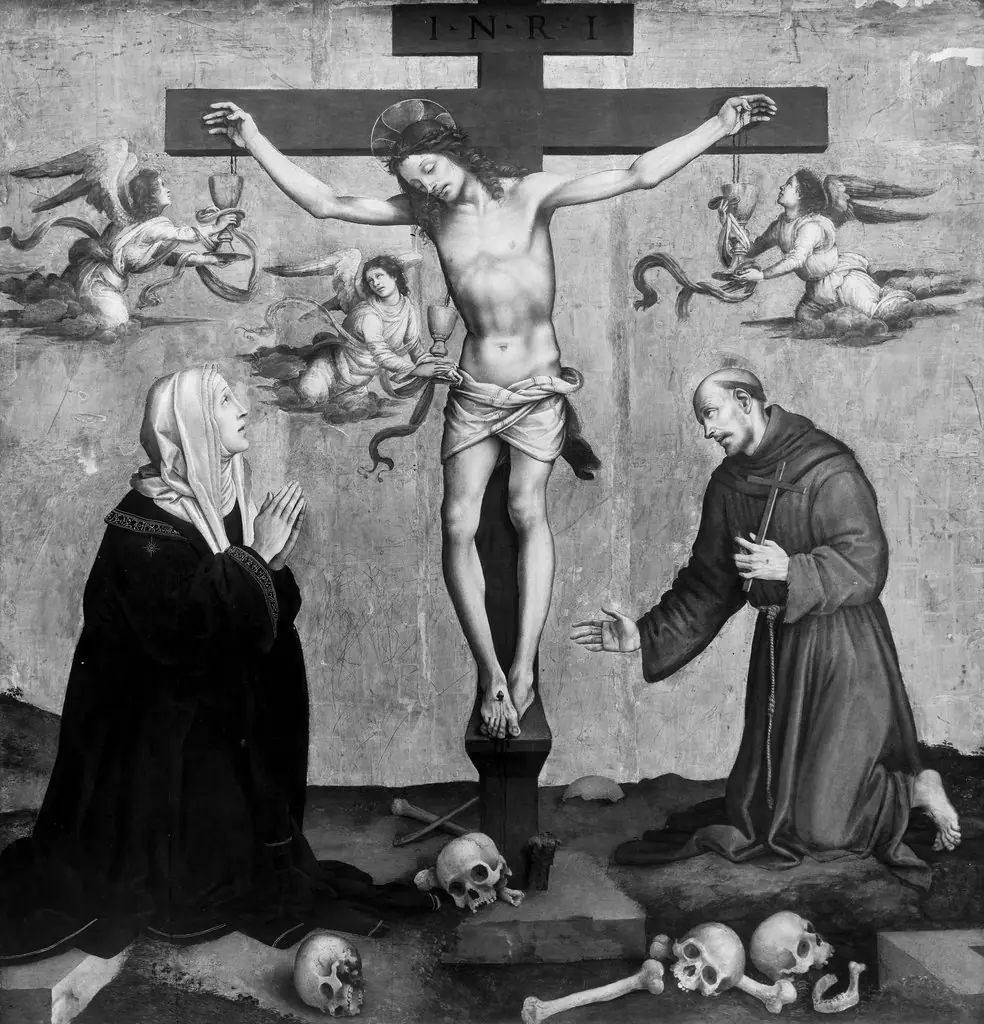 Crucifixion of Christ