Artwork
The toilet of Venus
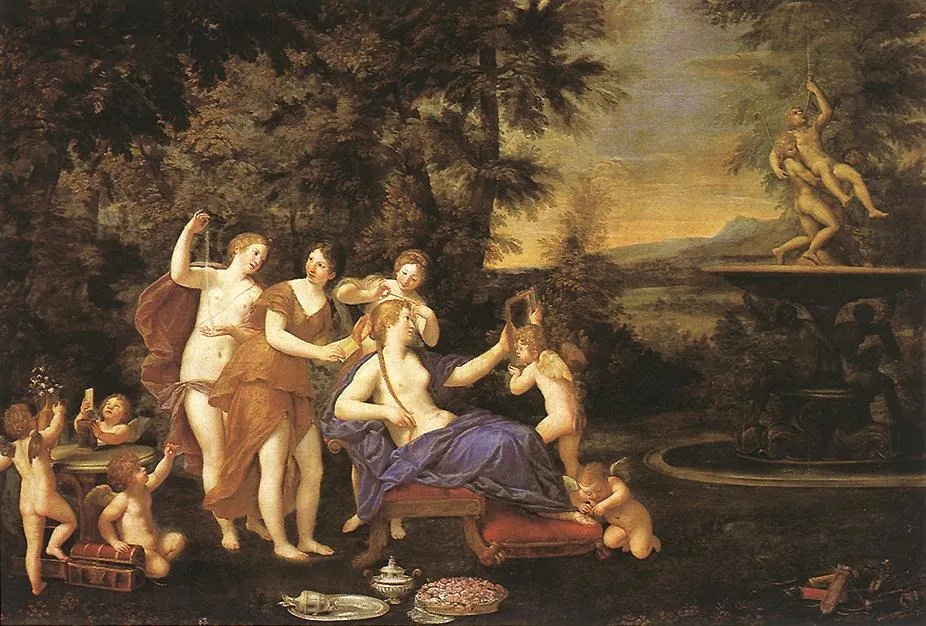
The toilet of Venus is an oil painting by the Early Baroque Italian artist Francesco Albani. It dates from 1635 and is held in the collection of the Museo del Prado.
About this work
Subject & Meaning
The composition emphasizes Venus’s ritual preparation, aligning with the traditional iconography of her toilette as a moment of elegance and divine grace.
The work represents the Toilet of Venus, a scene drawn from classical mythology in which the goddess Venus attends to her appearance. Albani depicts the goddess seated in an outdoor garden setting, surrounded by attributes associated with beauty and adornment: a hand mirror, a vase, and a gemstone. A sculptural element is also present, reinforcing the theme of refined culture.
The composition emphasizes Venus’s ritual preparation, aligning with the traditional iconography of her toilette as a moment of elegance and divine grace.
Technique & Style
Francesco Albani's The Toilet of Venus is executed in oil paint on a canvas support. Created in 1635, the work measures 114 cm in height and 171 cm in width. As a mythological painting, the composition features formal elements including a vase, container, hand mirror, garden, seat, gemstone, and sculpture arranged around the main subject, Venus. The handling of the medium depicts these specific objects within the narrative setting of the goddess's toilette.
History & Provenance
The Toilet of Venus, painted by Francesco Albani in 1635, is an oil on canvas mythological work measuring 114 cm by 171 cm. According to recorded inception data, the painting was completed in early 1635. Albani created the piece as part of his series of mythological scenes, employing the oil paint medium typical of his period. The work entered the collection of the Museo del Prado, where it remains on display, having been acquired as part of the museum’s holdings of 17th‑century Italian paintings.
Its subject matter includes a vase, hand mirror, garden elements, and the figure of Venus, reflecting the classical theme of the goddess’s toilet.
The painting is held in the collection of the Museo del Prado in Madrid. Created in 1635, the work measures 114 cm in height and 171 cm in width. The provided sources confirm its location within the museum but do not list a specific inventory number or detail any past exhibitions.
Context
The Toilet of Venus is a 1635 oil on canvas mythological painting by Francesco Albani, recorded in the Museo del Prado collection. The work measures 114 cm by 171 cm and portrays Venus in a garden setting surrounded by a vase, hand mirror, seat and other attributes described in its catalog entry. As a Baroque example of the mythological genre, it illustrates Albani’s recurrent interest in classical narratives and his skill in combining decorative detail with narrative clarity.
Overview
Francesco Albani's The Toilet of Venus, executed in 1635, depicts the Roman goddess of love attended by her nymphs and cupids during her ablutions. The composition centers on Venus seated on a red cushion, holding a mirror that reflects her image, while surrounding figures engage in acts of grooming and preparation. Albani arranges the figures in a dynamic yet harmonious grouping, contrasting the flowing drapery of the attendants with the exposed flesh of the goddess and the smaller, winged putti.
The setting includes a fountain with a statue and a table laden with fruit and a vase, elements that underscore the themes of fertility and natural abundance typical of the artist's mythological scenes. Painted during the height of the Bolognese School's influence, the work exemplifies Albani's signature style, characterized by a soft, luminous palette and a graceful, idealized treatment of the human form. This piece reflects the artist's mature period, where he frequently returned to pastoral and mythological subjects, blending classical antiquity with a sensuous, almost ethereal atmosphere that distinguishes his contribution to early Baroque painting.
Artist & collection

Artist
Francesco Albani or Albano was an Italian Baroque painter of Albanian descent who was active in Bologna, Rome, Viterbo (1609–1610), Mantua (1621–1622) and Florence (1633).

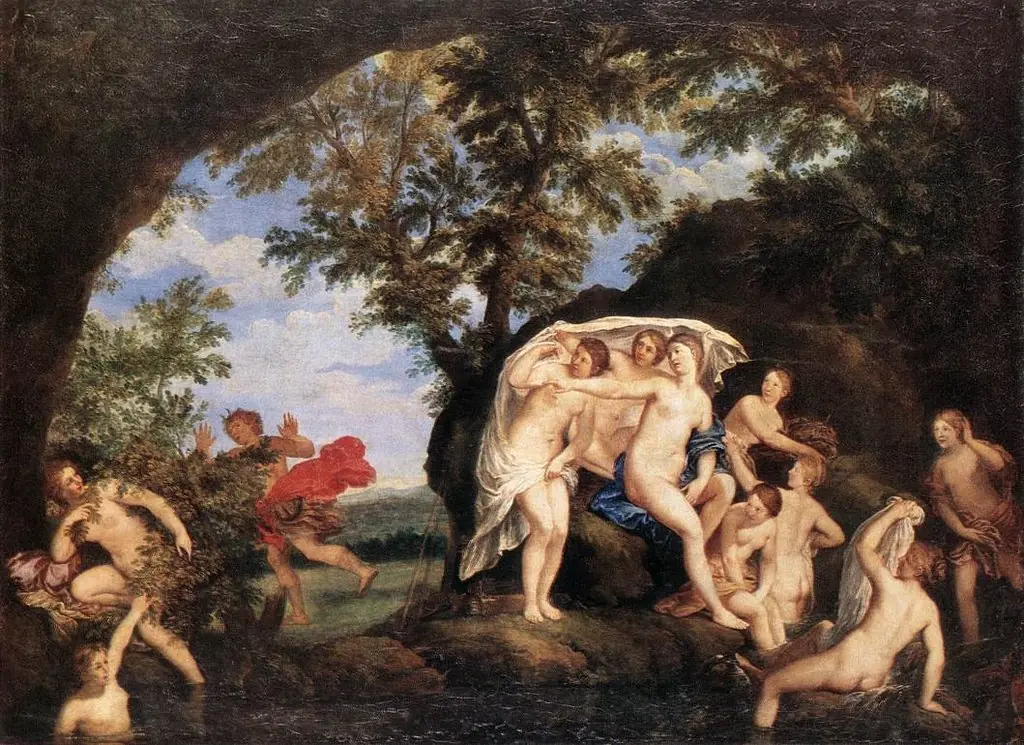 Diana and Actaeon with nine nymphs
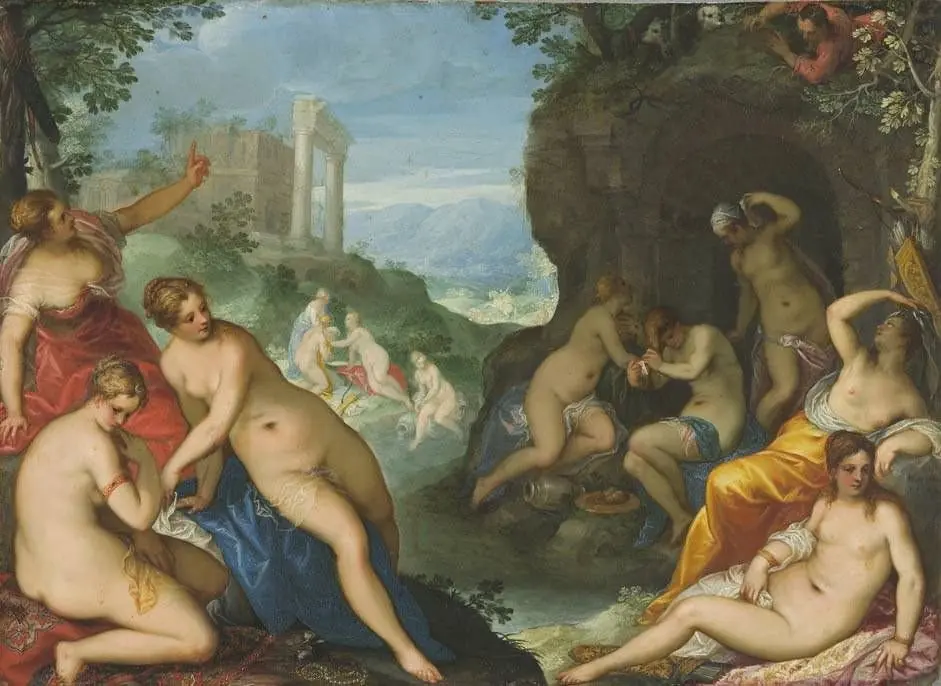 Diana und Aktäon
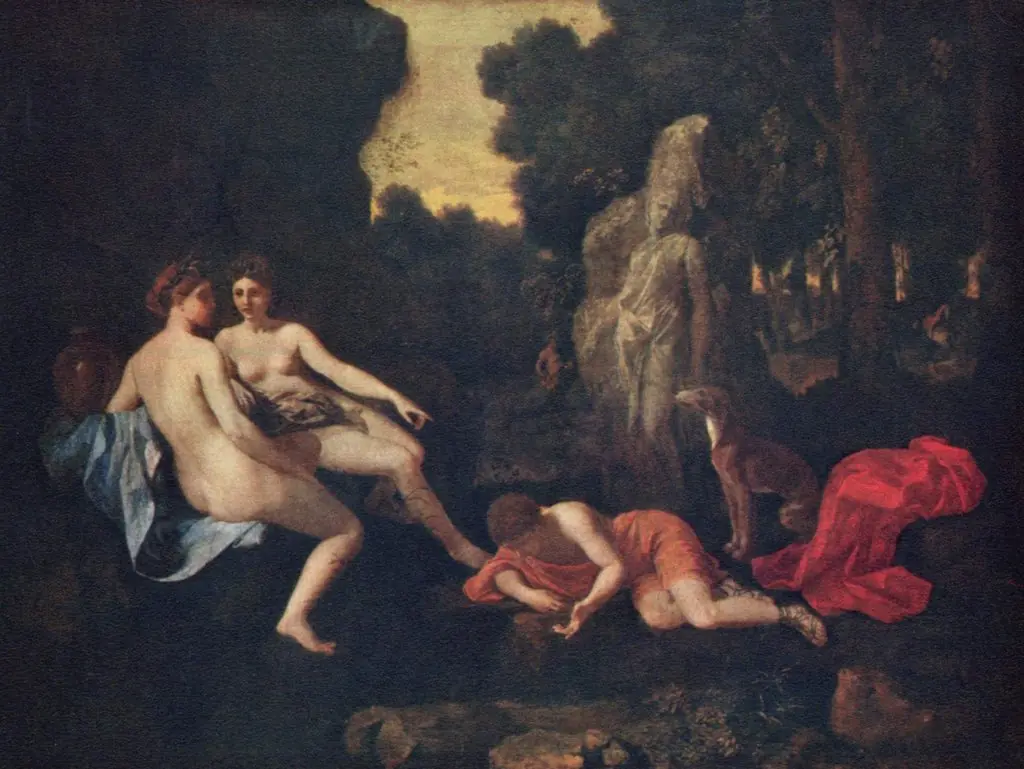 Narcissus with Two Nymphs and Echo
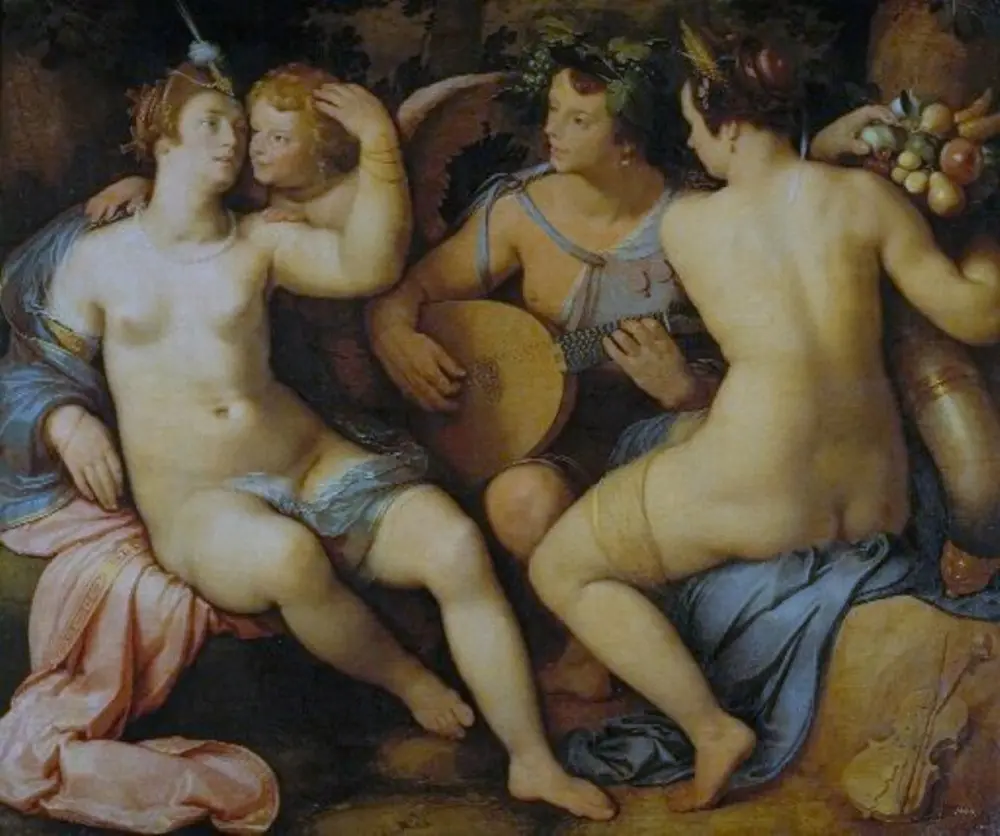 Sine Cerere et Baccho friget Venus (Terentius, Eunuchus, 732)
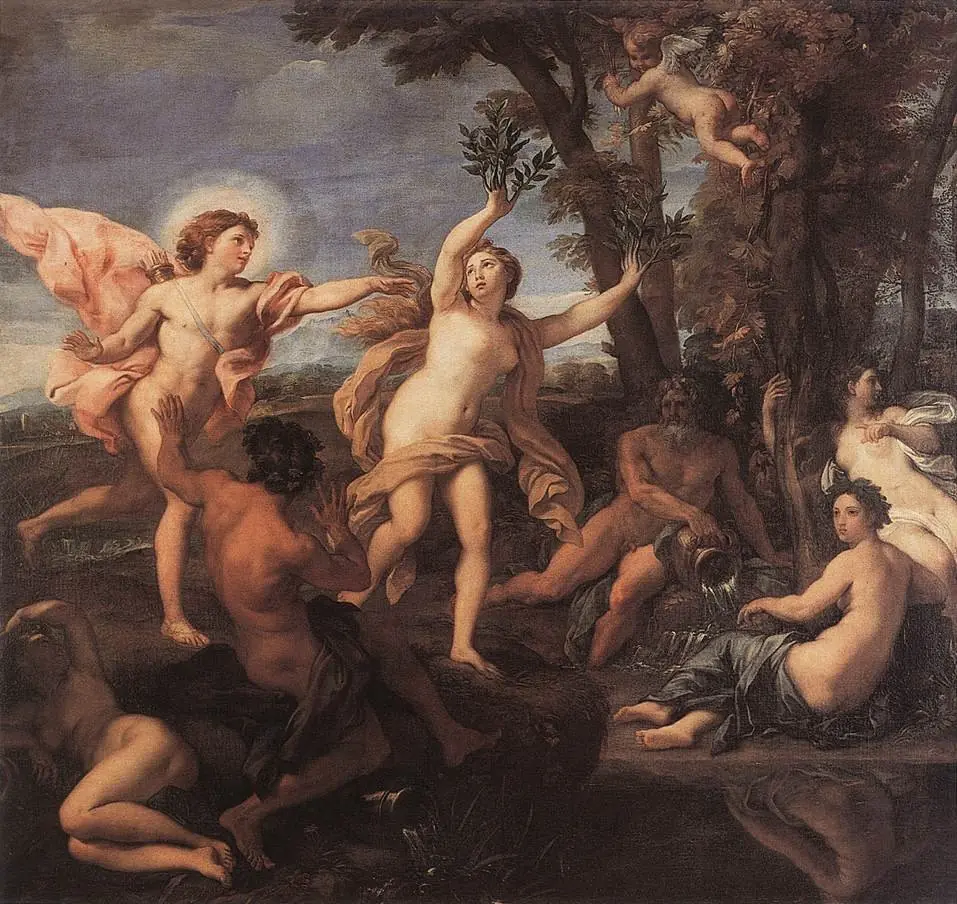 Apollo Chasing Daphne
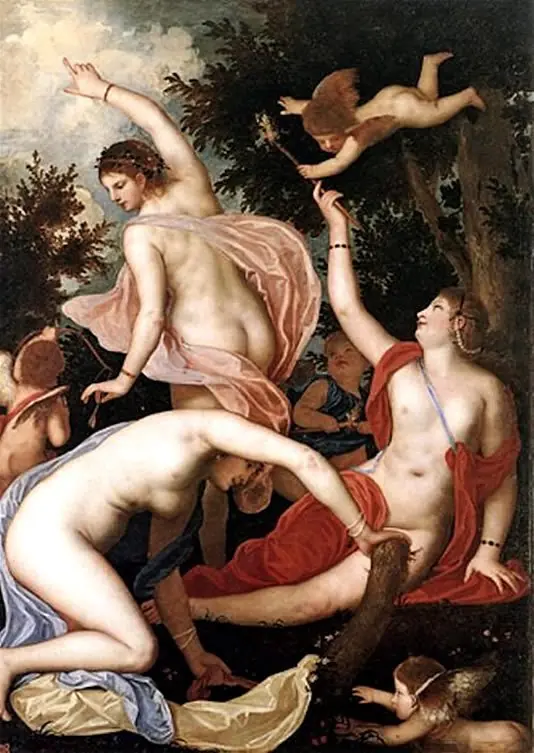 Graces and Cupids
 Diana and Callisto with Nymphs
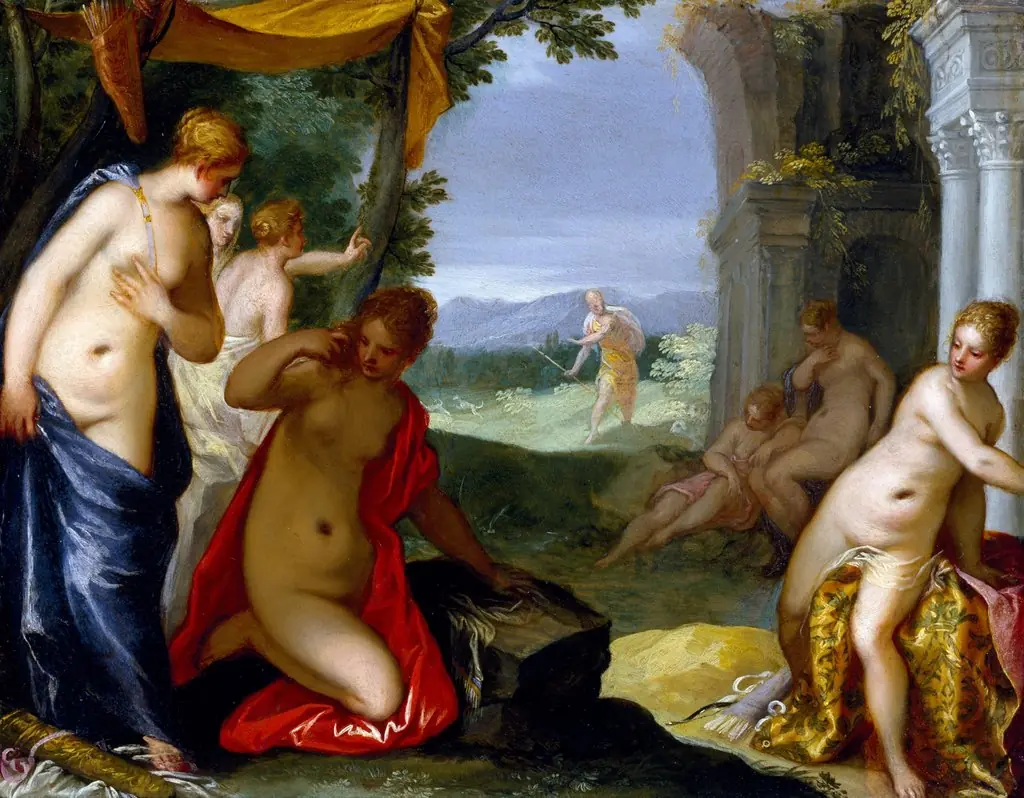 Diana and Actaeon
 Diana și Callisto
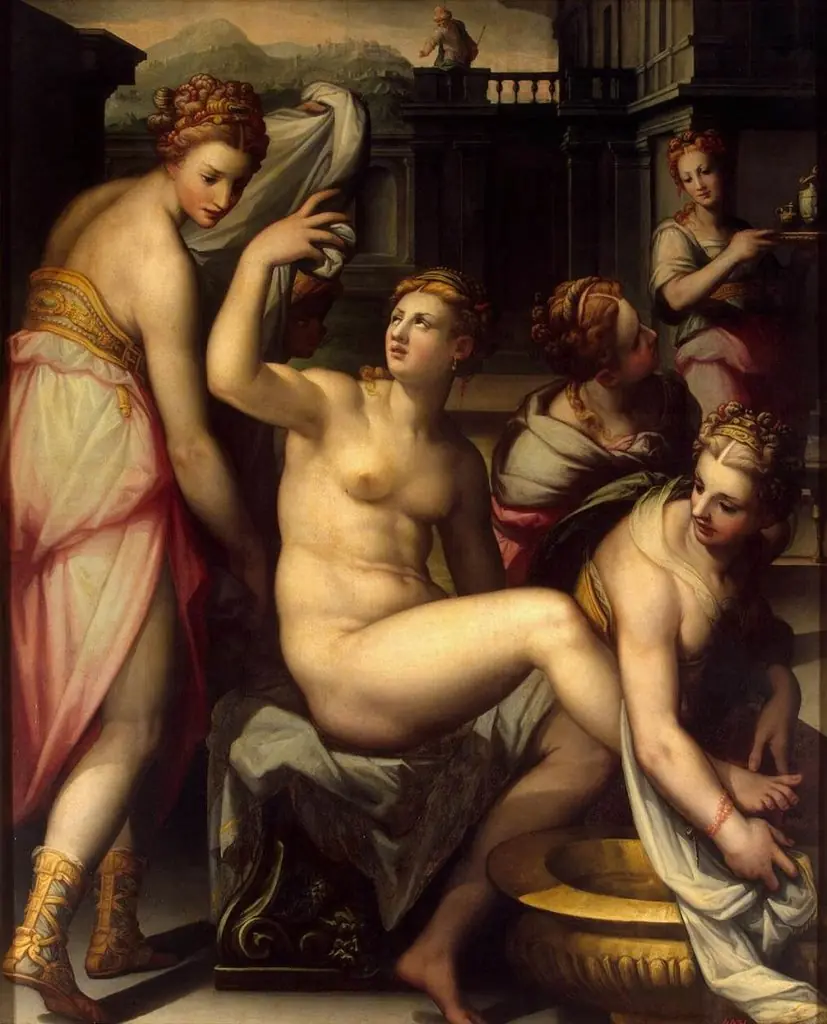 Bathsheba
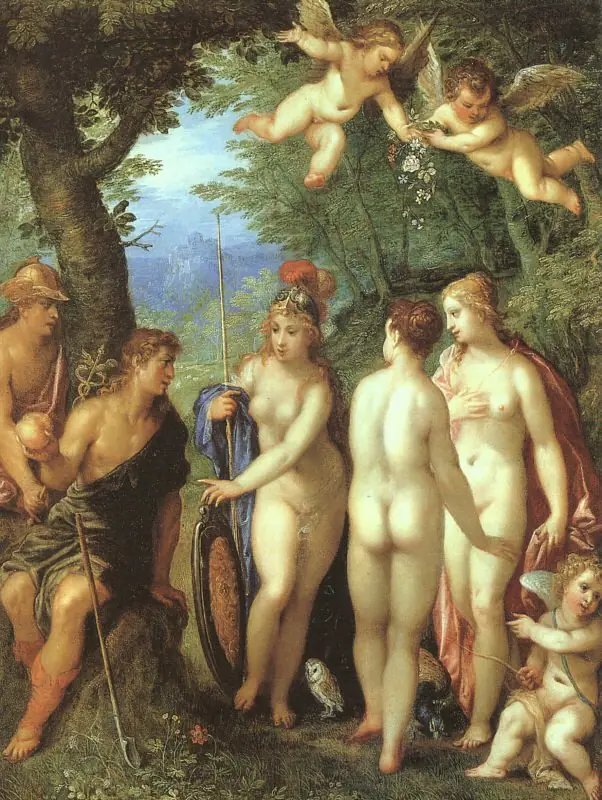 The Judgement of Paris by Hendrick van Balen
- The Toilet of Venus