Artwork
Piazza San Marco
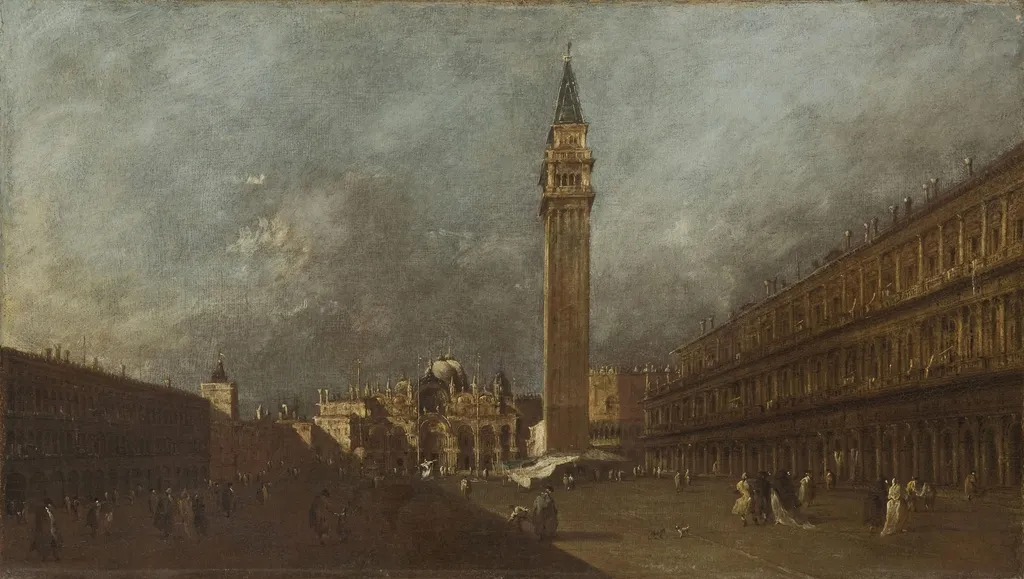
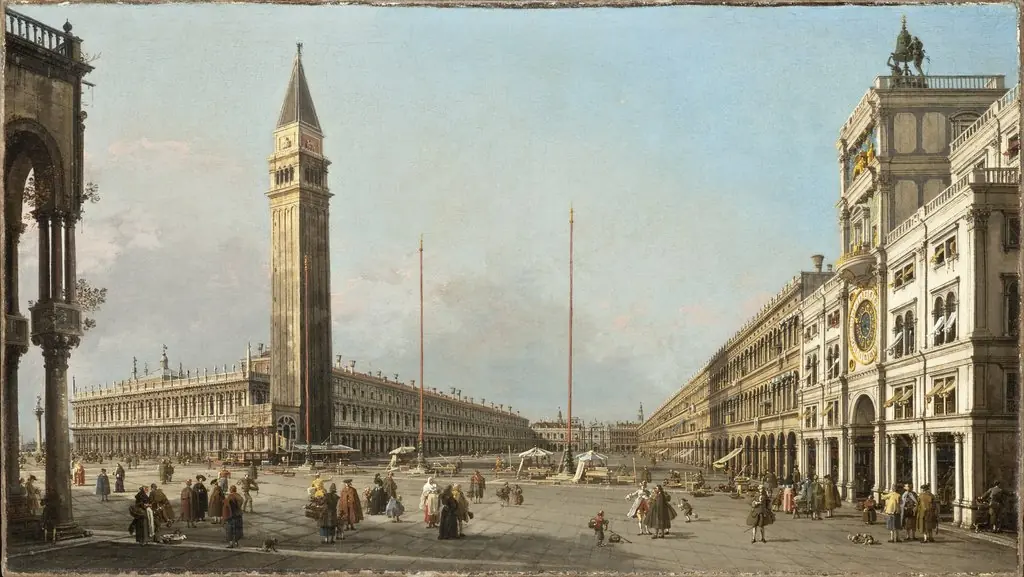
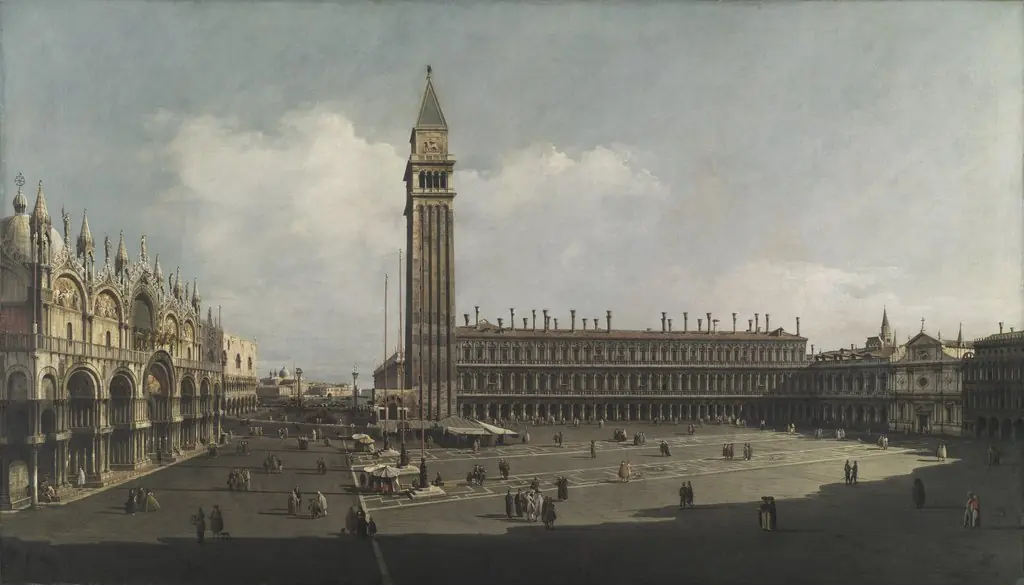
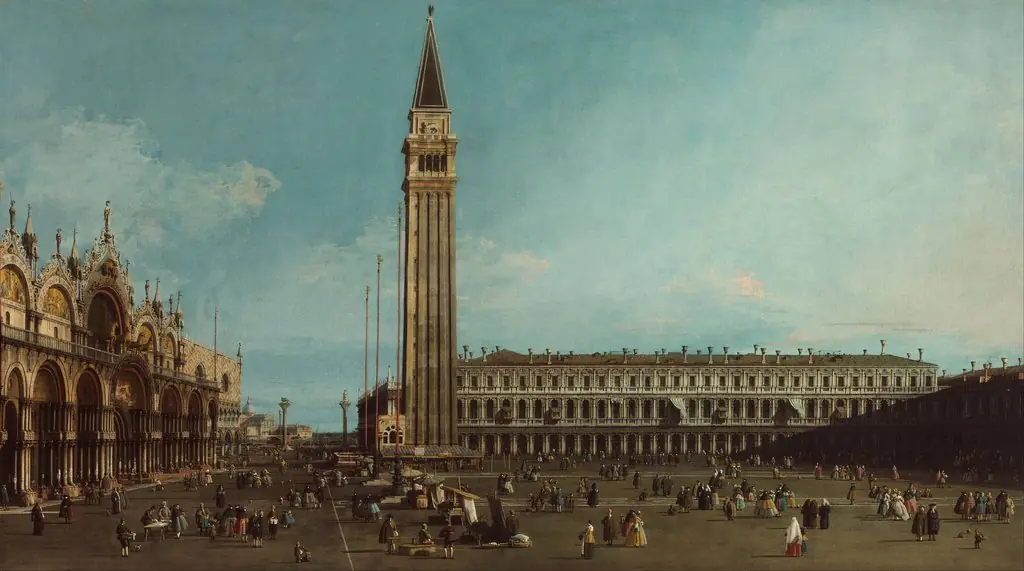
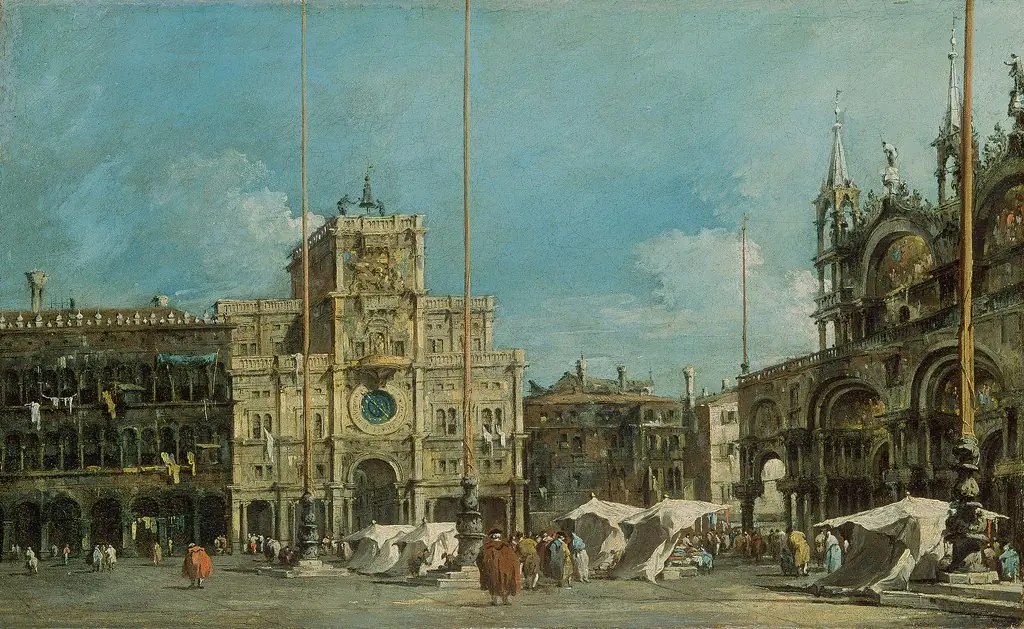
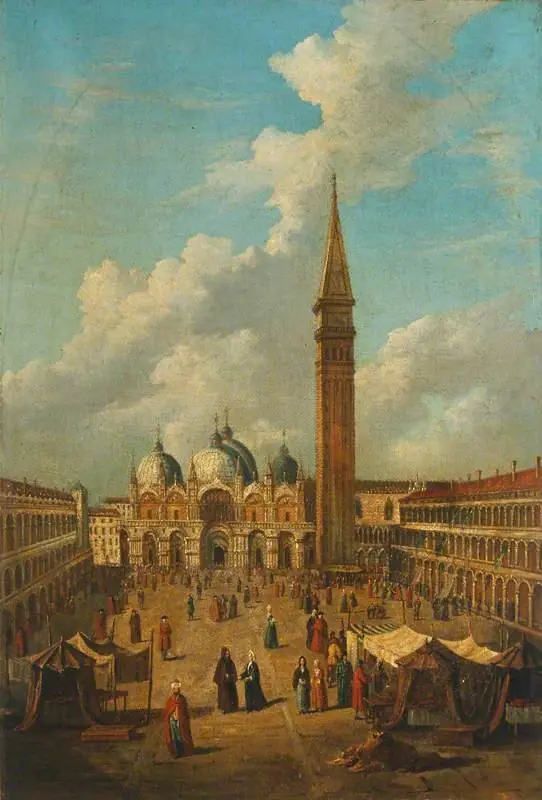
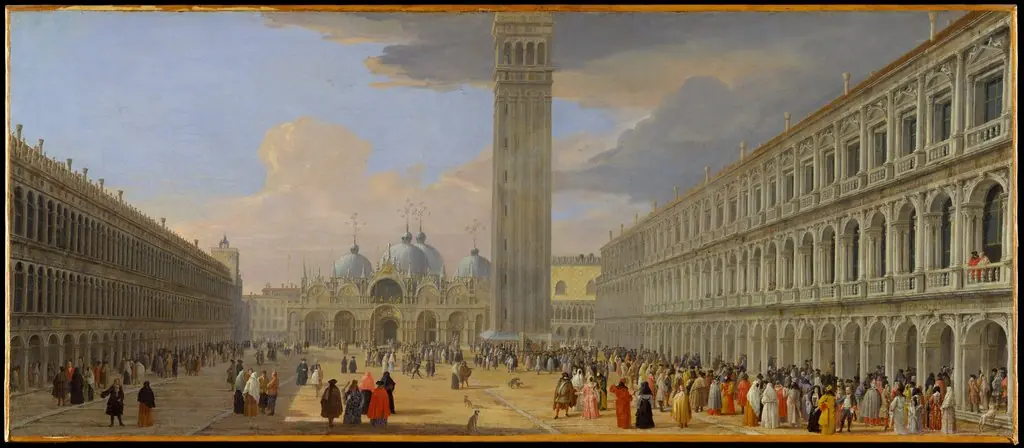
Piazza San Marco is an oil painting by the Venetian Renaissance artist Francesco Guardi. It dates from 1762 and is held in the collection of the Philadelphia Museum of Art.
About this work
Overview
Piazza San Marco is an oil painting created by Francesco Guardi around 1762, depicting Venice's central public square. Characterized by muted colors and soft brushstrokes, the work captures the square's architectural and social atmosphere in a serene, aged aesthetic.
Subject & Meaning
The painting portrays Piazza San Marco, emphasizing its role as a hub of Venetian life. The scene includes the square's iconic tower, surrounding buildings, and figures of people, conveying the daily life and architectural grandeur of the location.
Technique & Style
Executed in Guardi's later style, the painting features more fluid and expressive brushwork than his earlier works, distinguishing it from the influences of Canaletto. The muted, faded color palette and soft textures evoke a sense of antiquity and tranquility.
History & Provenance
Created after 1760, following the death of Guardi's brother, Piazza San Marco marks a period in the artist's career when he transitioned from religious themes to vedute (cityscapes), solidifying his place within the Venetian School.
Context
As part of the Venetian Renaissance tradition, this work reflects the city's cultural and architectural identity during the 18th century, offering a visual document of Piazza San Marco's appearance and social dynamics at the time.
Artist & collection

Artist
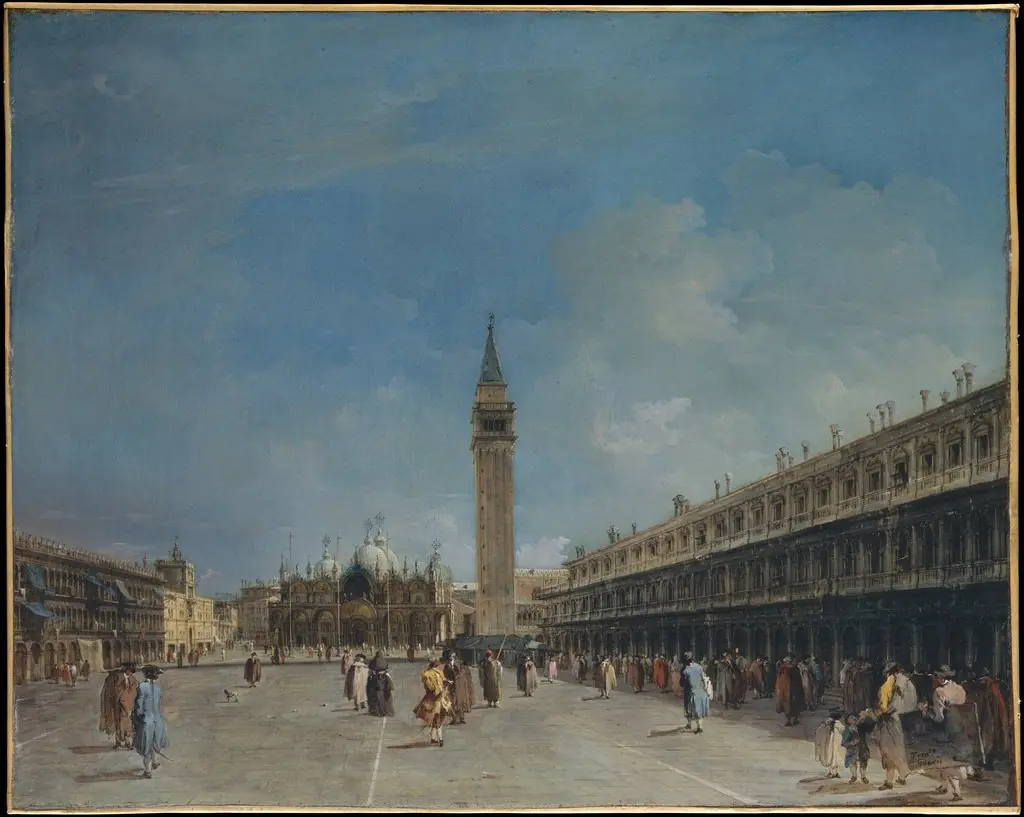
Francesco Lazzaro Guardi (Italian pronunciation:; 5 October 1712 – 1 January 1793) was an Italian painter, nobleman, and a member of the Venetian School.