Artwork
Rebecca at the Well
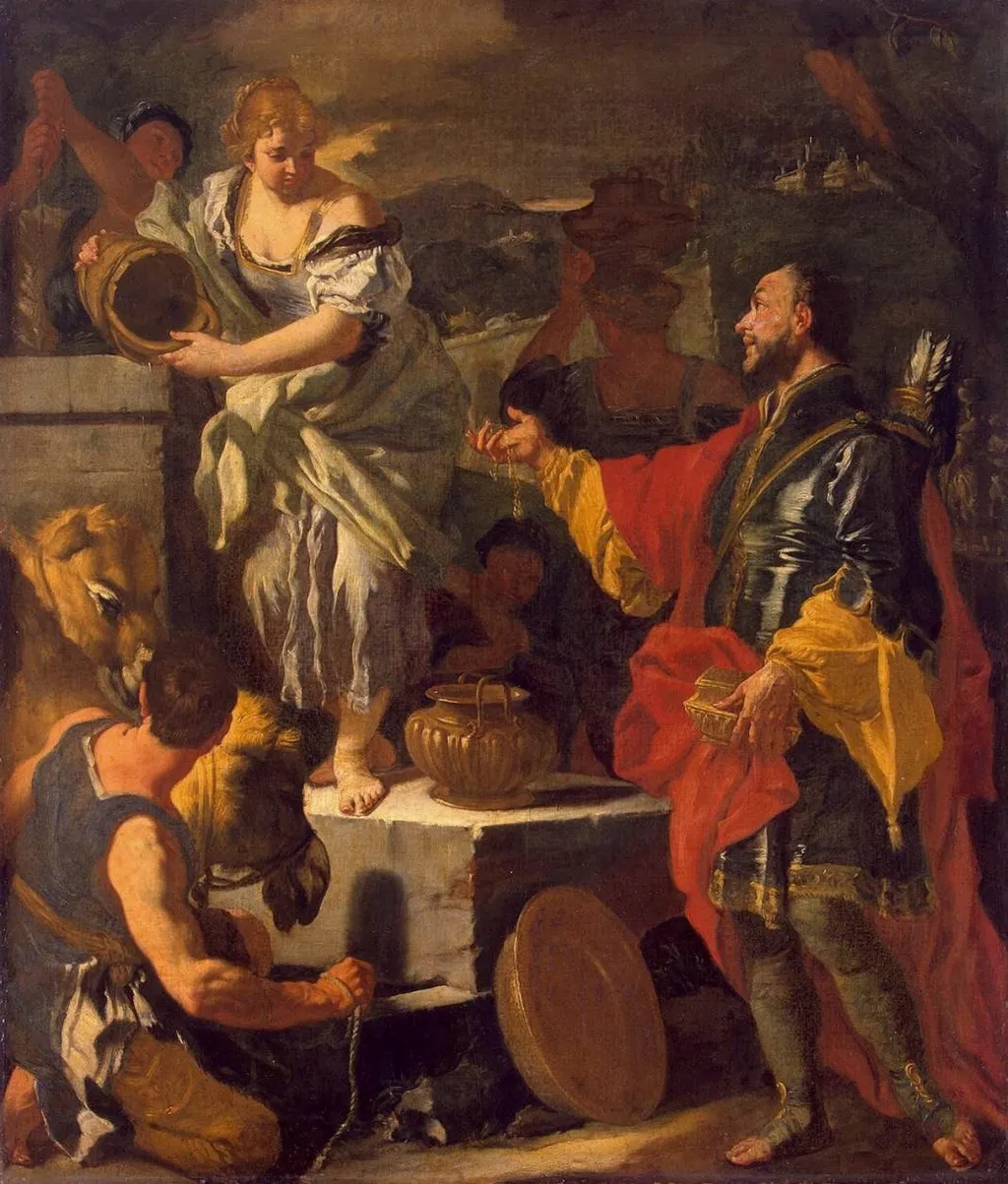
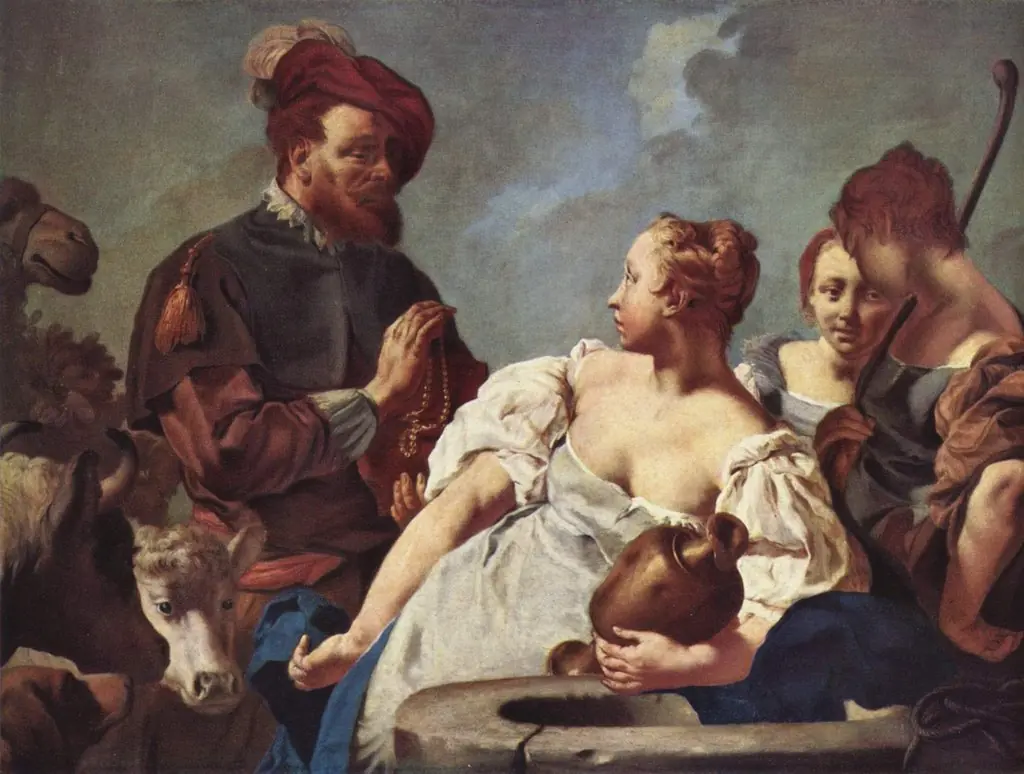
Rebecca at the Well is an oil painting by the High Baroque Italian artist Francesco Solimena. It dates from 1700 and is held in the collection of the Hermitage Museum.
About this work
Overview
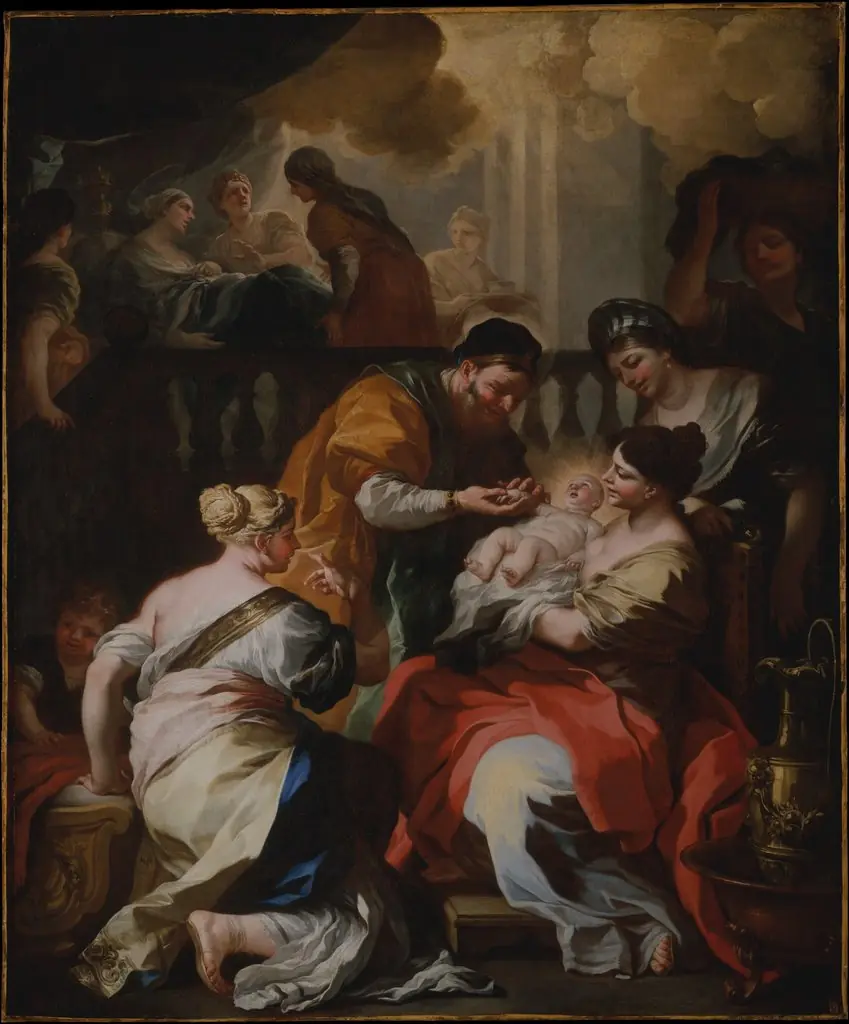
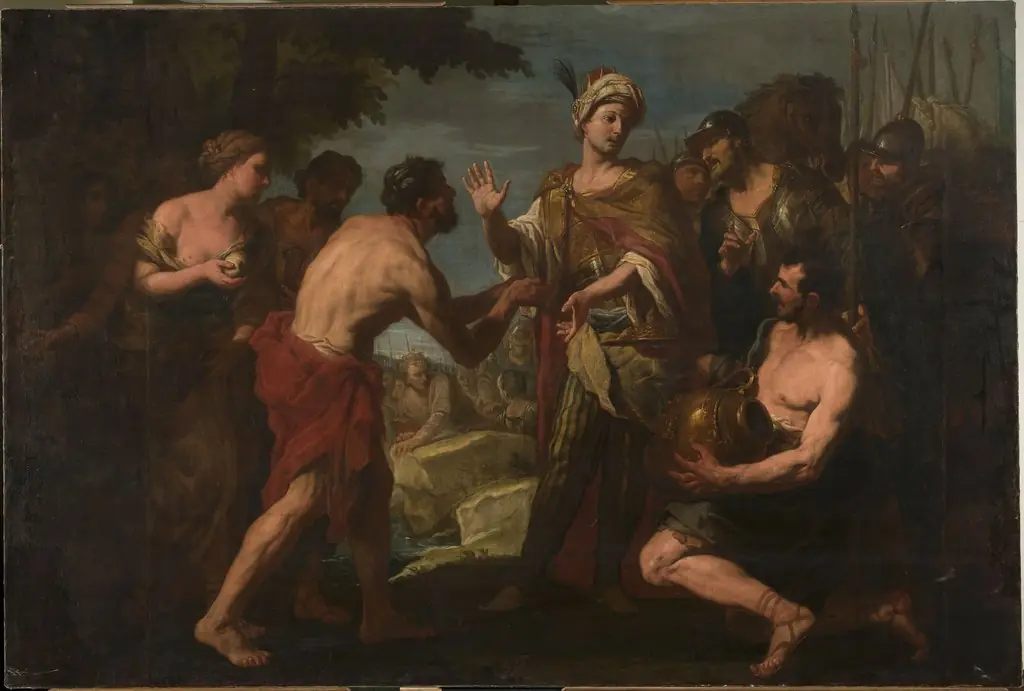
Created in 1700, Rebecca at the Well is an oil painting by Francesco Solimena, a prominent figure of the Italian Baroque. The work presents a biblical episode set before a stone well, populated by a group of figures rendered in vivid costume and gesture, all illuminated by a stark light that separates them from a dark backdrop.
Subject & Meaning
The scene illustrates the story from Genesis in which Rebecca offers water to the servant of Abraham’s heir, Eliezer.
The scene illustrates the story from Genesis in which Rebecca offers water to the servant of Abraham’s heir, Eliezer. The central female figure, dressed in white, holds a jug, while the servant in armor gestures toward her offering. Additional characters, a kneeling man with a shield, a child with a basket, and a hovering winged presence, enhance the narrative’s layers of hospitality and divine guidance.
Technique & Style
Solimena employs the high Baroque vocabulary of dramatic chiaroscuro, contrasting bright illumination with deep shadows to give the figures a three‑dimensional presence. The composition is dynamic, with diagonal lines created by the well’s edge and the gestures of the characters. Influences from Luca Giordano and Mattia Preti are evident in the vigorous brushwork and rich coloration, while the overall arrangement reflects Solimena’s personal take on Baroque drama.
History & Provenance
The painting was executed at the turn of the 18th century, a period when Solimena was at the height of his career in Naples. Although specific ownership records are limited, the work has remained within collections that focus on Italian Baroque art, serving as a representative example of Solimena’s output before his later shift toward a more restrained classicism.
Context
Biblical subjects such as Rebecca’s encounter with the well were common in Counter‑Reformation art, providing moral exempla of virtue and divine providence. In the early 1700s, Naples was a vibrant artistic center, and Solimena’s workshop produced works for both ecclesiastical and private patrons, integrating the theatricality of the Baroque with the narrative clarity demanded by contemporary religious commissions.
Artist & collection
Artist
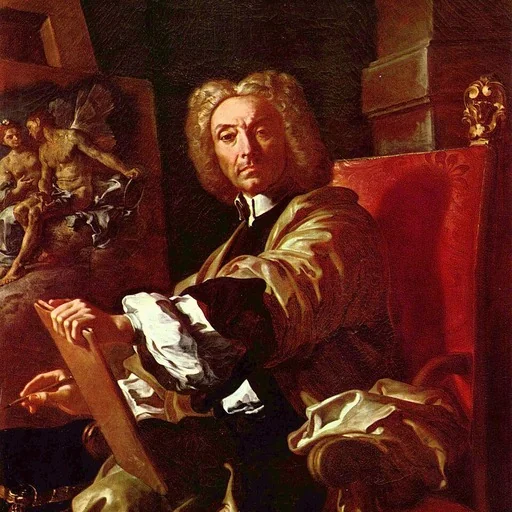
Francesco Solimena (4 October 1657 – 3 April 1747) was a prolific Italian Baroque painter, one of an established family of painters and draughtsmen.