Artwork
Achilles discovered by Ulysses and Diomedes
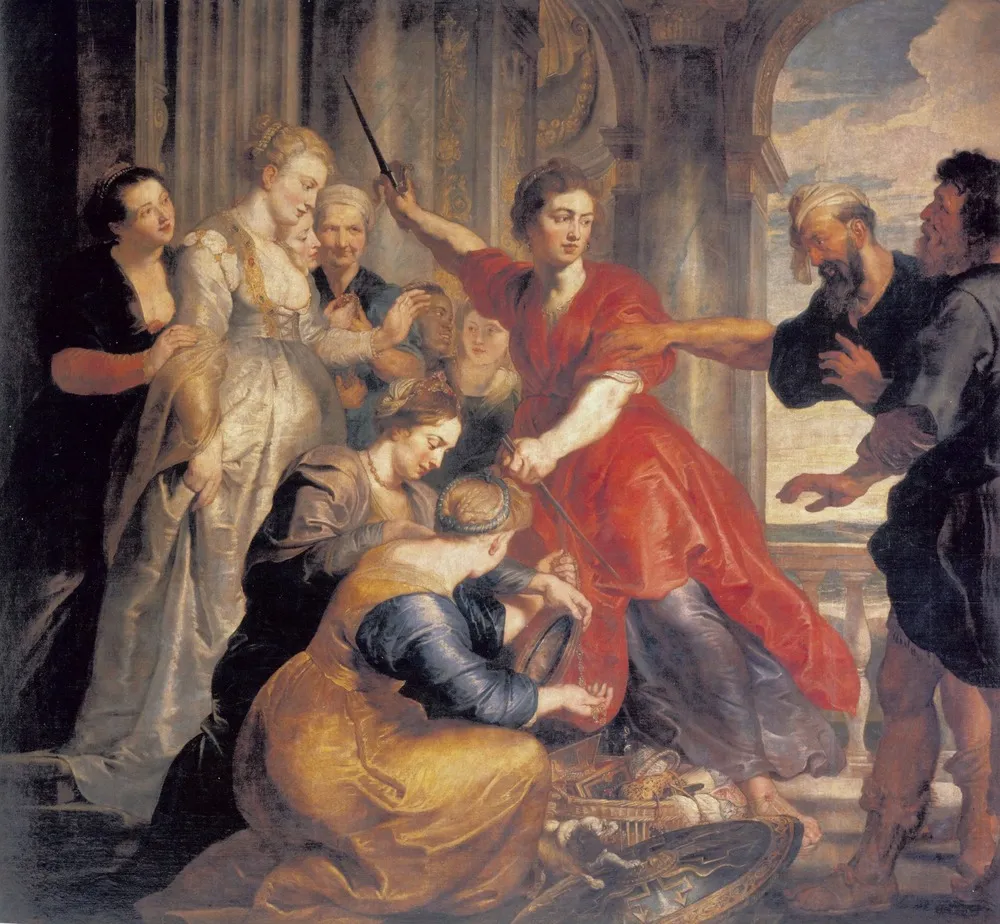
Achilles discovered by Ulysses and Diomedes is an oil painting by the Flemish Baroque painting artist Peter Paul Rubens. It dates from 1617 and is held in the collection of the Museo del Prado.
About this work
Subject & Meaning
The inclusion of arms alongside the female figure underscores the conflict between domestic hiding and martial destiny inherent in the narrative.
The painting illustrates the mythological episode of Achilles on Skyros, where the Greek hero is discovered by Ulysses and Diomedes. Depicting a pivotal moment from classical legend, the work features Achilles alongside a woman and weapons, which serve as the central iconographic elements revealing his true identity.
As a mythological painting, the scene represents the exposure of the disguised warrior, marking the transition from his concealment among women to his destined role in the Trojan War. The inclusion of arms alongside the female figure underscores the conflict between domestic hiding and martial destiny inherent in the narrative.
Technique & Style
The work is an oil painting executed on canvas, a medium and support consistent with Peter Paul Rubens's mythological compositions of the period. Its dimensions are approximately 248.5 cm in height by 269.5 cm in width, giving it a substantial, nearly square format suited to the multi-figure narrative. The composition depicts the discovery of Achilles on Skyros, with the young hero shown among women along with weapons, the central device by which Ulysses and Diomedes reveal his identity.
The handling reflects the oil technique Rubens employed for large-scale mythological canvases, with the canvas support providing the structural ground for the painted scene.
The painting is held in the collection of the Museo del Prado in Madrid, where it is housed alongside other works from the Spanish royal collection formerly owned by Ferdinand VII of Spain.
History & Provenance
Peter Paul Rubens, with assistance from Anthony van Dyck, created the oil-on-canvas painting Achilles discovered by Ulysses and Diomedes in 1617. The work depicts the mythological scene of Achilles on Skyros and measures 248.5 cm in height by 269.5 cm in width. Historical records indicate that the painting was owned by Ferdinand VII of Spain. It is currently held in the collection of the Museo del Prado in Madrid.
The painting is held in the Museo del Prado, Madrid, under inventory number P001657.
It was included in the exhibition Rubens: Painter of Sketches held at the Museo del Prado from 25 September 2018 to 13 January 2019, curated to highlight Rubens’s working methods through sketches and related works.
Overview
Peter Paul Rubens executed the oil painting Achilles discovered by Ulysses and Diomedes in 1617. The work belongs to the Flemish Baroque period and is currently part of the Museo del Prado’s collection. It presents a dramatic moment from classical mythology, rendered with the vigorous movement and strong contrasts typical of Rubens’s mature style.
Context
Rubens frequently blended classical and Christian themes, aligning with the Counter‑Reformation’s emphasis on dramatic visual storytelling. This work illustrates his ability to translate epic literature into a vivid, theatrical tableau, a hallmark of the Flemish Baroque’s narrative ambition.
Artist & collection
Artist
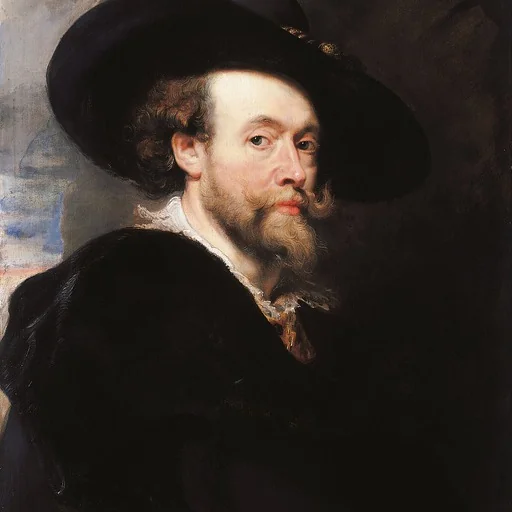
Sir Peter Paul Rubens ( ROO-bənz; Dutch:; 28 June 1577 – 30 May 1640) was a Flemish artist and diplomat.

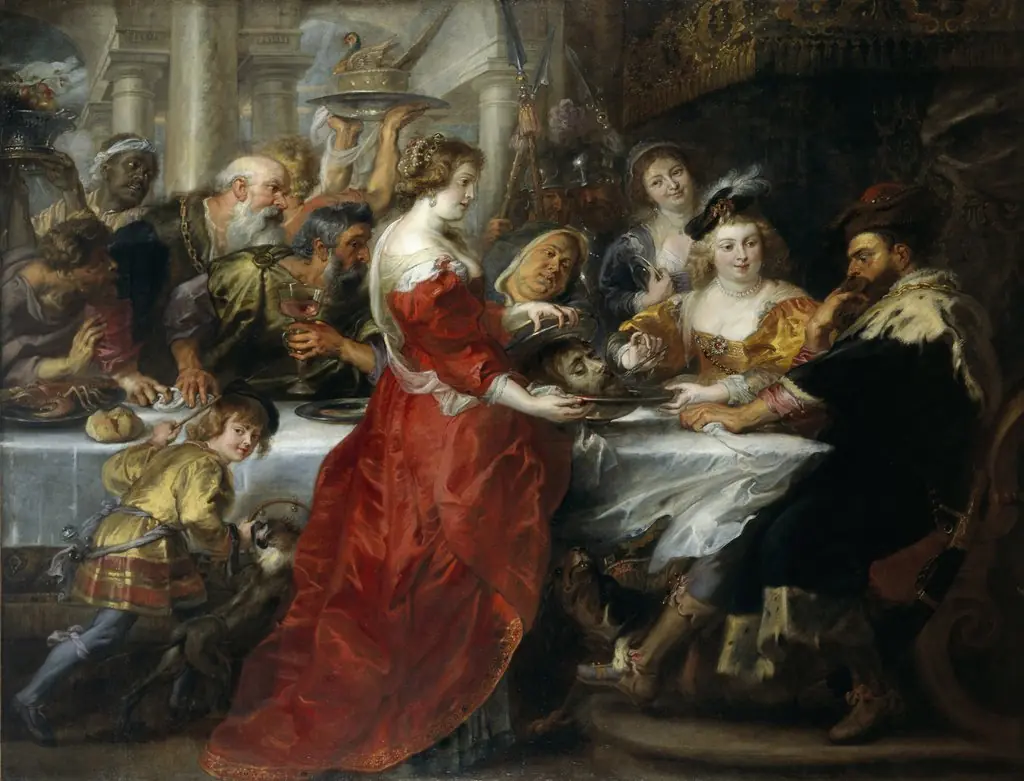 The Feast of Herod
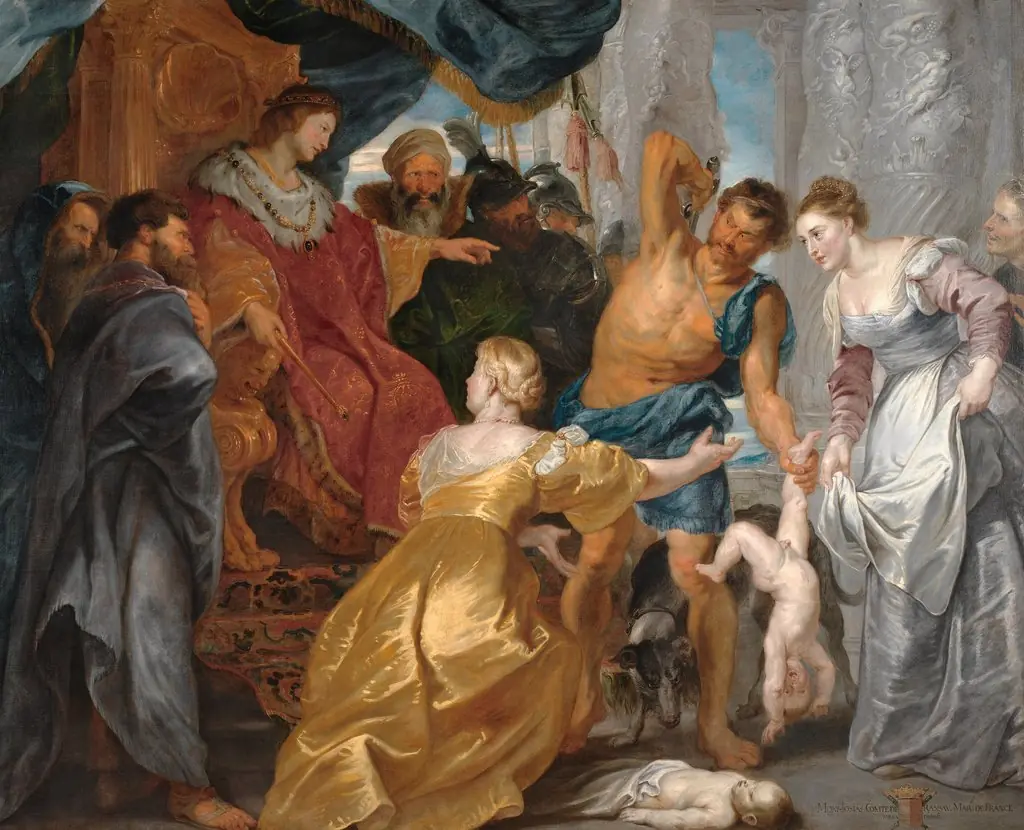 The Judgement of Solomon
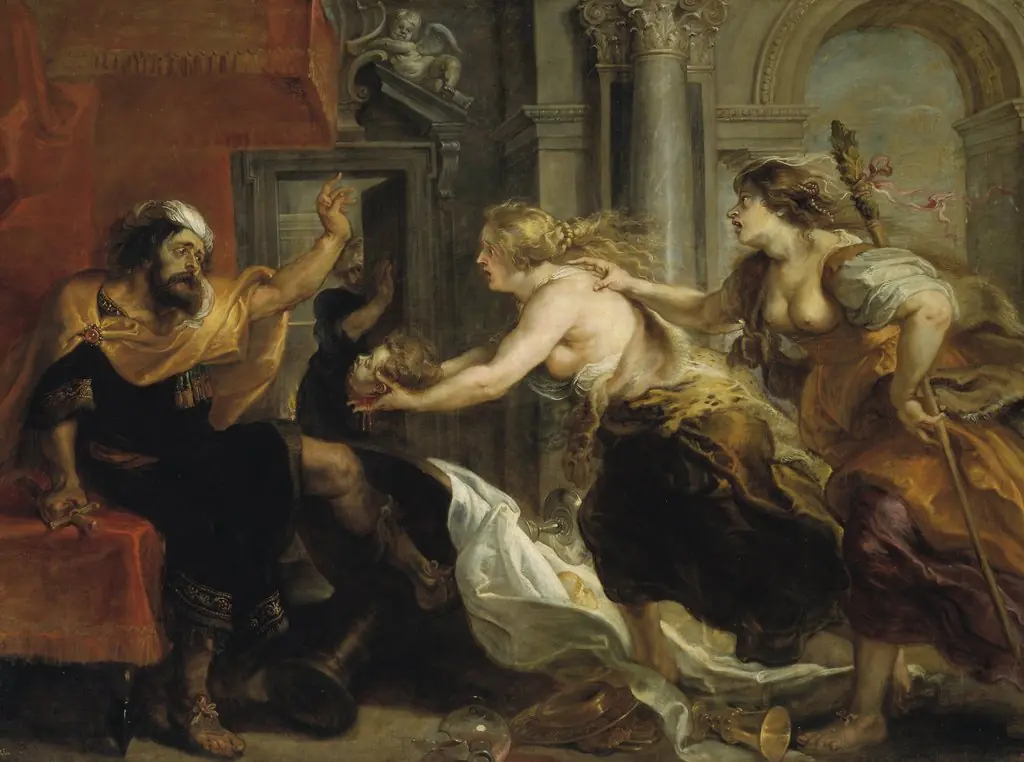 Tereus' Banquet
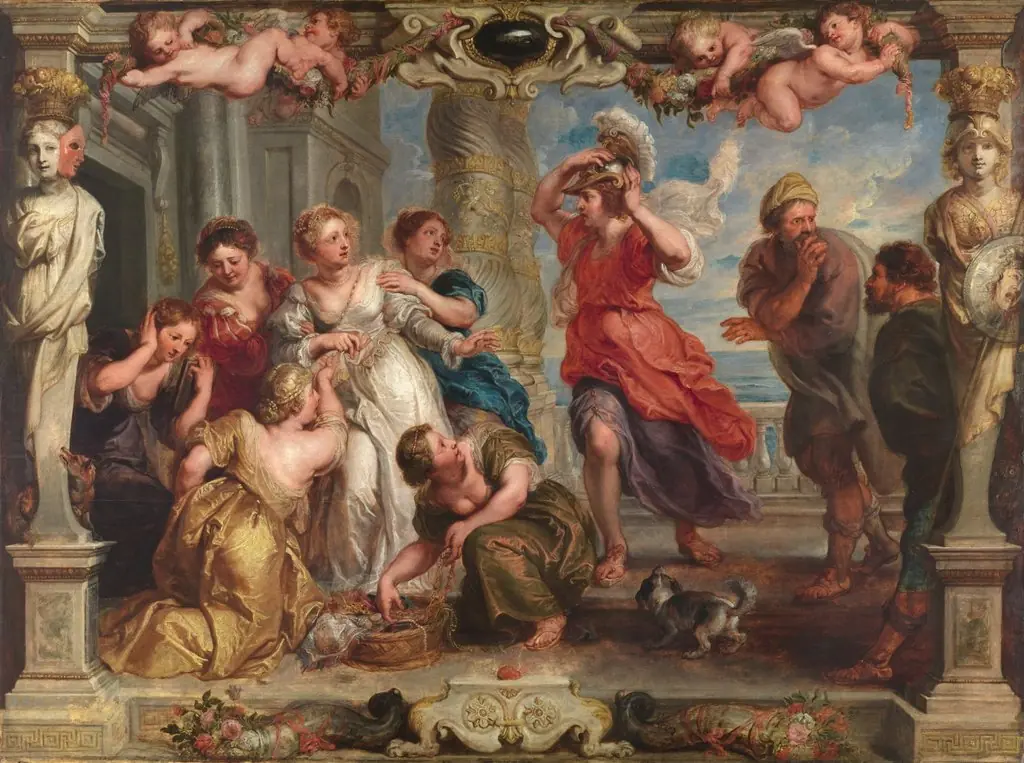
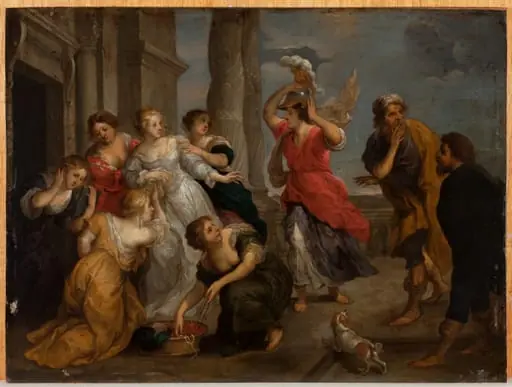 Achill unter den Töchtern des Lykomedes
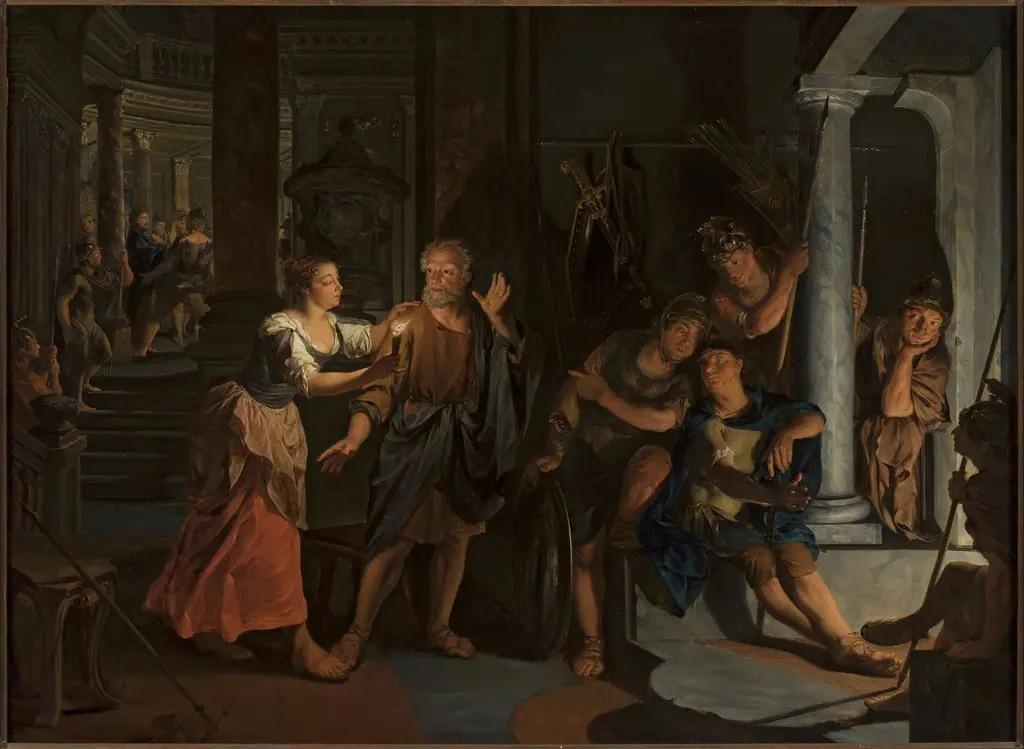 Denial of Saint Peter (Matthew 26:69-75; Mark 14:66-72; Luke 21:54-63; John 17:15-25).
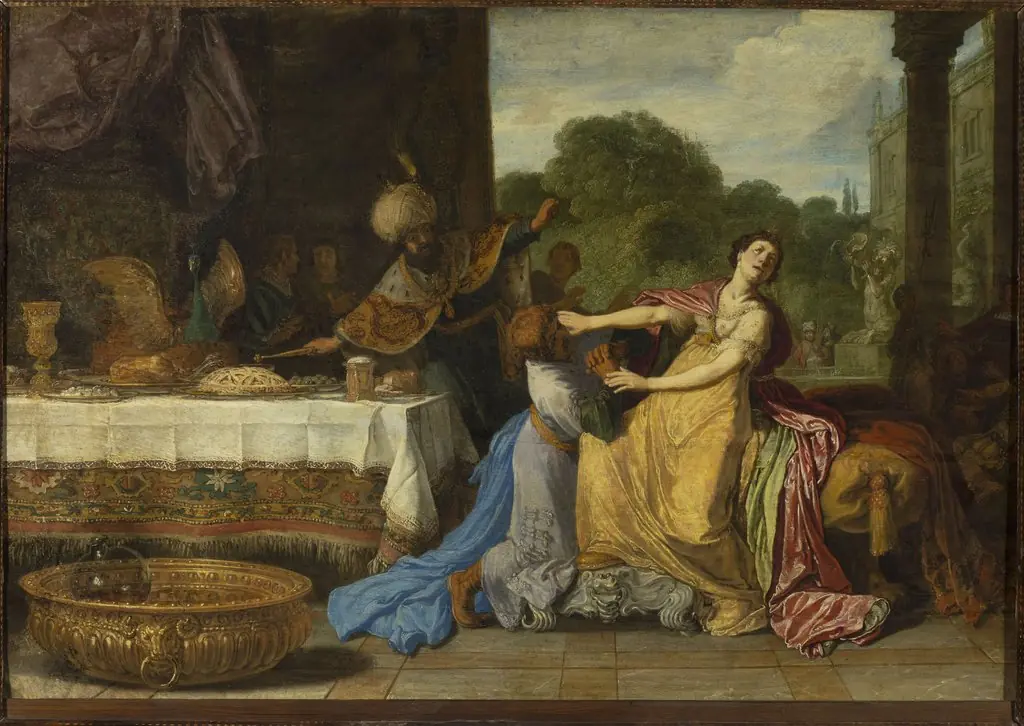 Haman begging the mercy of Esther (Esther 7:6-7)
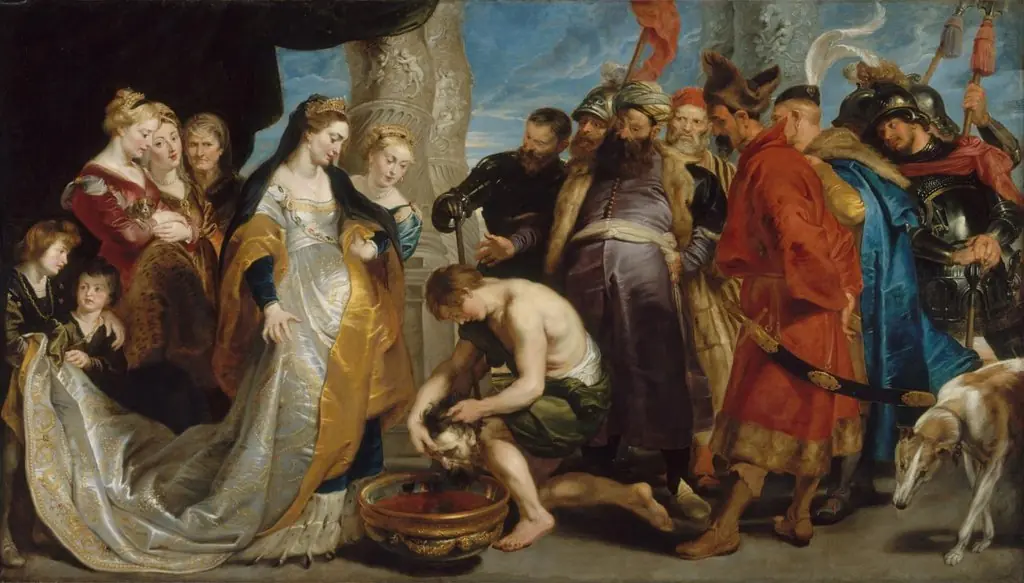 Head of Cyrus Brought to Queen Tomyris
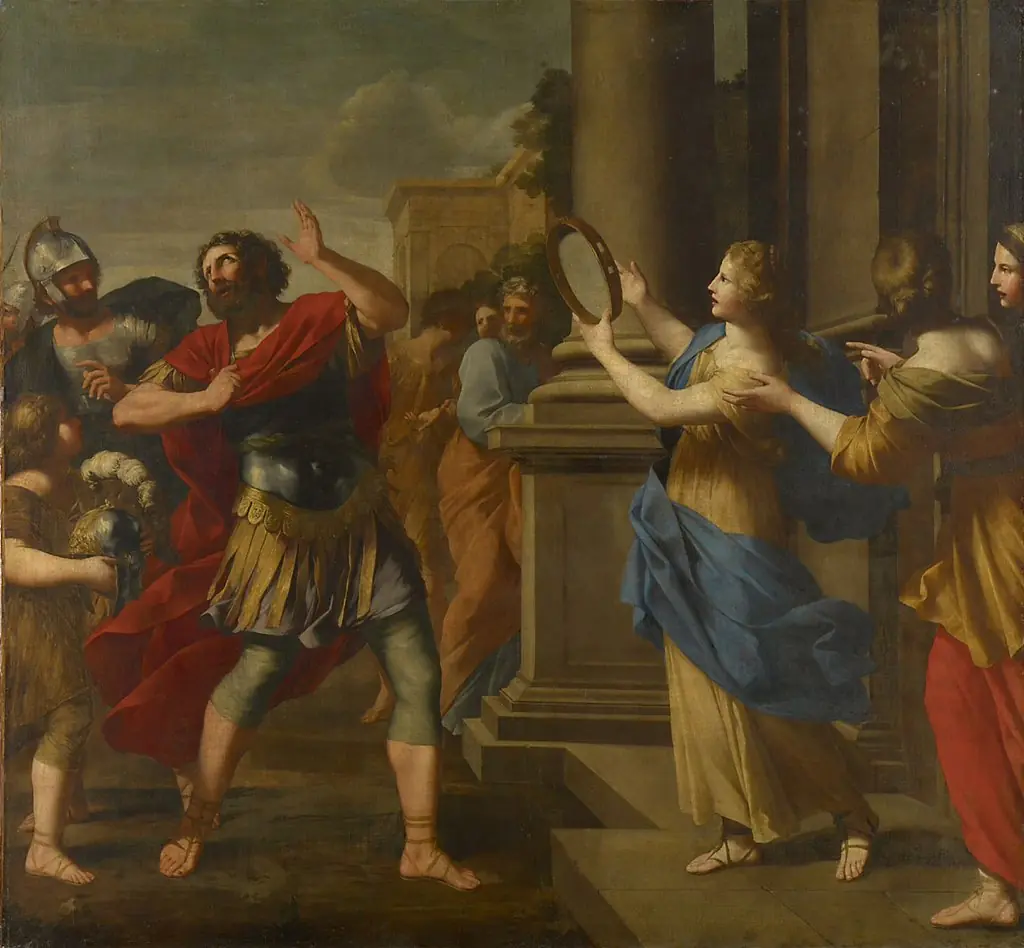 Jephta erblickt seine Tochter
 David Meeting Abigail
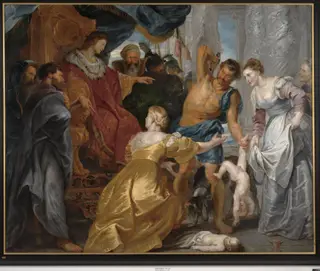 The Judgement of Solomon