Artwork
Bullfights: Title Page
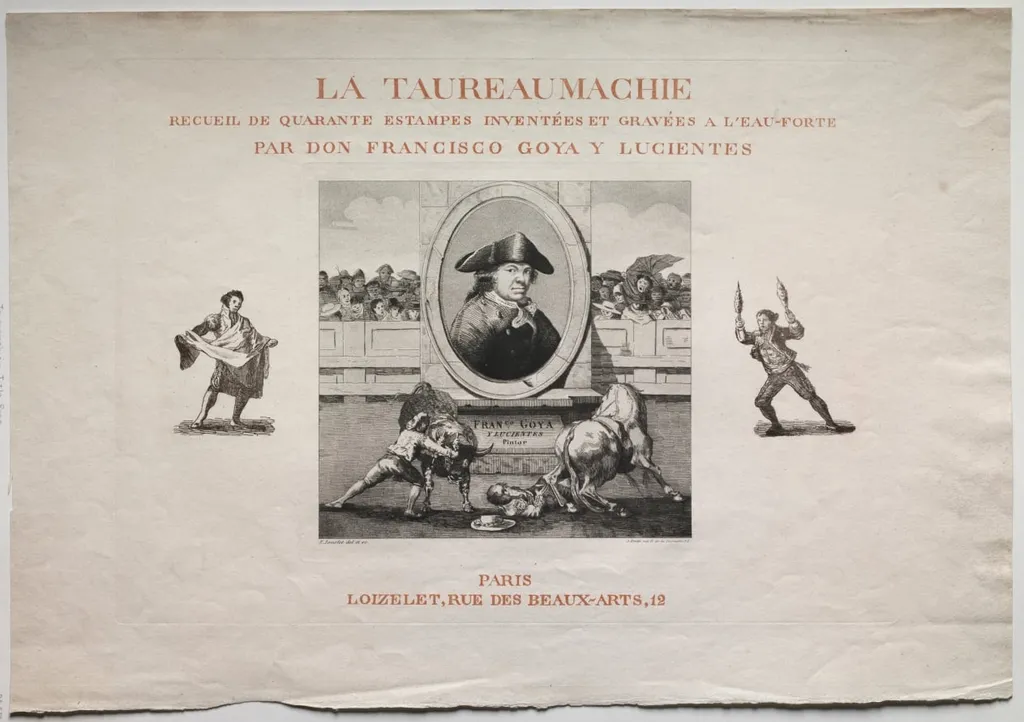
Bullfights: Title Page is a print by the Romanticist artist Francisco de Goya. It dates from 1816 and is held in the collection of the Cleveland Museum of Art.
- Accession no.
- 1923.538
- Credit line
- Charles W. Harkness Endowment Fund
About this work
Overview
The composition is structured to guide the viewer’s eye from the main action to the supporting moments, suggesting a narrative sequence.
Created in 1816 by Francisco de Goya, this print serves as the title page for the series La Tauromachie. It features a central bullfight scene surrounded by three smaller vignettes, all enclosed within a decorative border. The composition is structured to guide the viewer’s eye from the main action to the supporting moments, suggesting a narrative sequence.
The print was produced posthumously, based on Goya’s original designs, and was intended as part of a larger portfolio documenting Spanish bullfighting traditions.
Subject & Meaning
The central image depicts a matador engaged with a bull on the sand, while a spectator in a broad-brimmed hat observes from a balcony, embodying the ritualized drama of the arena. The flanking scenes, figures holding capes and swords, capture key moments of the fight’s choreography. Together, they frame bullfighting not as mere spectacle but as a codified performance, rich with tradition and tension. Goya presents the event with detached observation, avoiding overt glorification or condemnation.
Technique & Style
Goya employed etching and aquatint to achieve rich tonal contrasts and textured detail. The central scene is rendered with sharp lines and dramatic shadows, while the surrounding sketches use looser, sketchlike strokes to suggest motion and immediacy. The layered composition, with its interplay of large and small frames, anticipates sequential storytelling.
The technique allows for both precision in the main action and atmospheric depth in the background, enhancing the sense of crowded, chaotic energy.
History & Provenance
The print was produced after Goya’s death in 1828, published by the artist’s son Javier in 1835 as part of the complete La Tauromachie series. Though conceived earlier, the plates were printed and distributed decades after their creation. The Cleveland Museum of Art acquired the print as part of its holdings of Goya’s graphic works, preserving one of the earliest printed collections devoted to Spanish bullfighting as a cultural subject.
Context
La Tauromachie emerged during a period of political and social upheaval in Spain, when traditional institutions like bullfighting were both celebrated and scrutinized. Goya, having witnessed decades of violence and change, approached the subject with a blend of documentary precision and subtle irony. The series reflects a society grappling with its own rituals, presenting bullfighting not as heroic spectacle but as a complex, often brutal, social performance.
Legacy
Goya’s La Tauromachie series influenced later artists and illustrators in its use of sequential imagery and psychological depth. The title page, with its layered composition, prefigures modern graphic storytelling techniques. While not widely known outside print collections, the work remains a significant example of 19th-century printmaking that bridges observation, narrative, and cultural critique without sentimentality.
Artist & collection
Artist
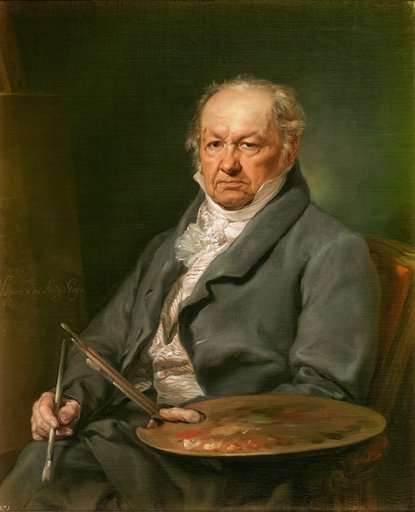
Francisco José de Goya y Lucientes was a Spanish romantic painter and printmaker.

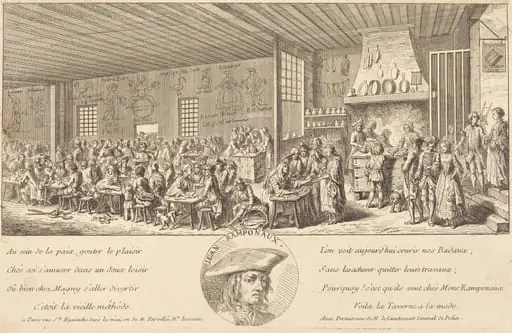 Cabaret of Ramponaux
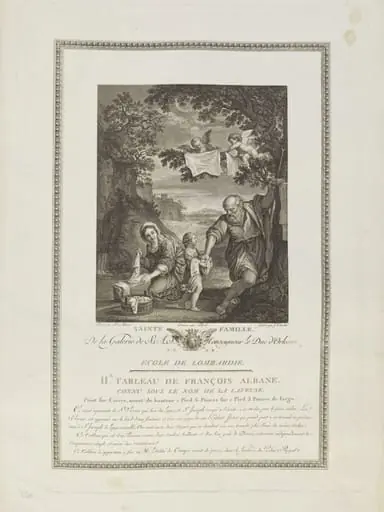 Holy Family
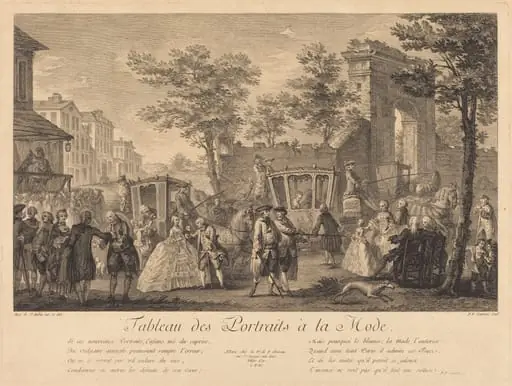 Tableau des portraits a la mode
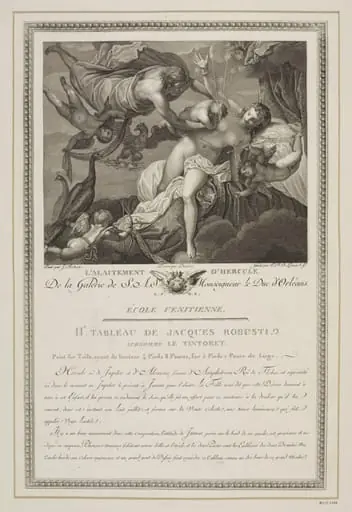 The Suckling of Hercules
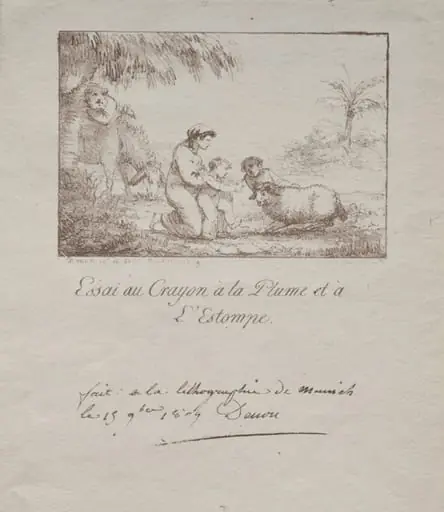 Holy Family on the Flight into Egypt
 Art of the Lithograph: Title Page, Plate I
 Frédéric Mistral: Mémoires et Recits by Frédéric Mistral: boy playing drum (page 79)
 The Charlatan (Le charlatan)
 Death of Adonis
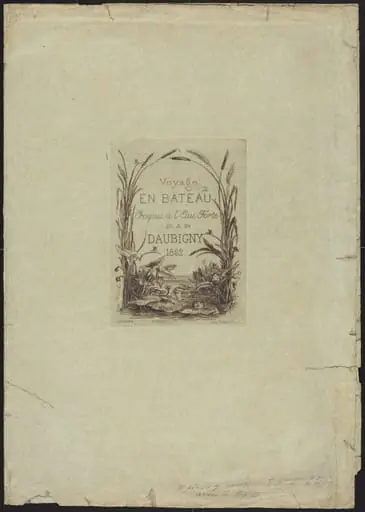 Wrapper for "Voyage en bateau"
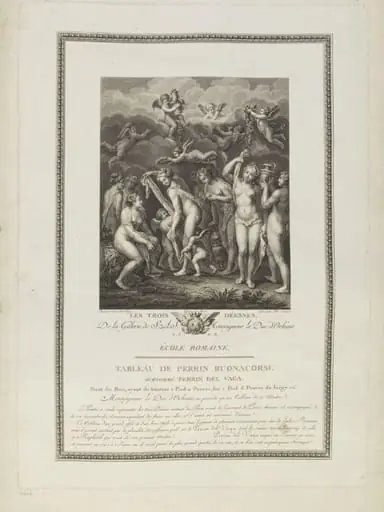 The Three Goddesses
- Bullfights: Frontispiece