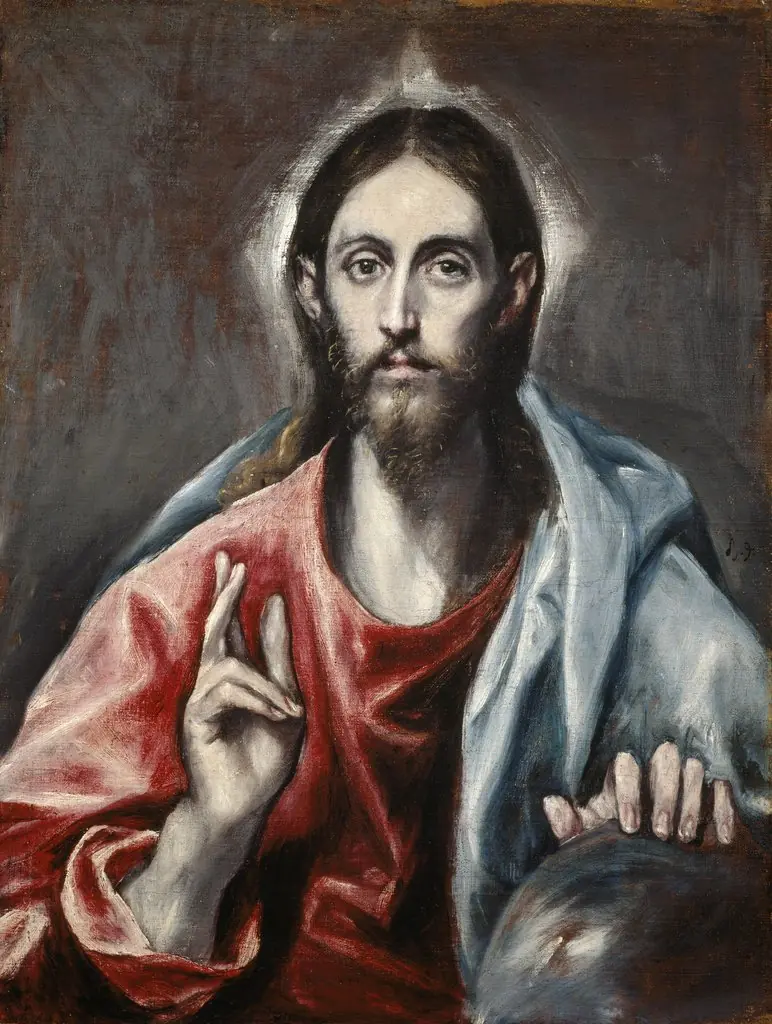
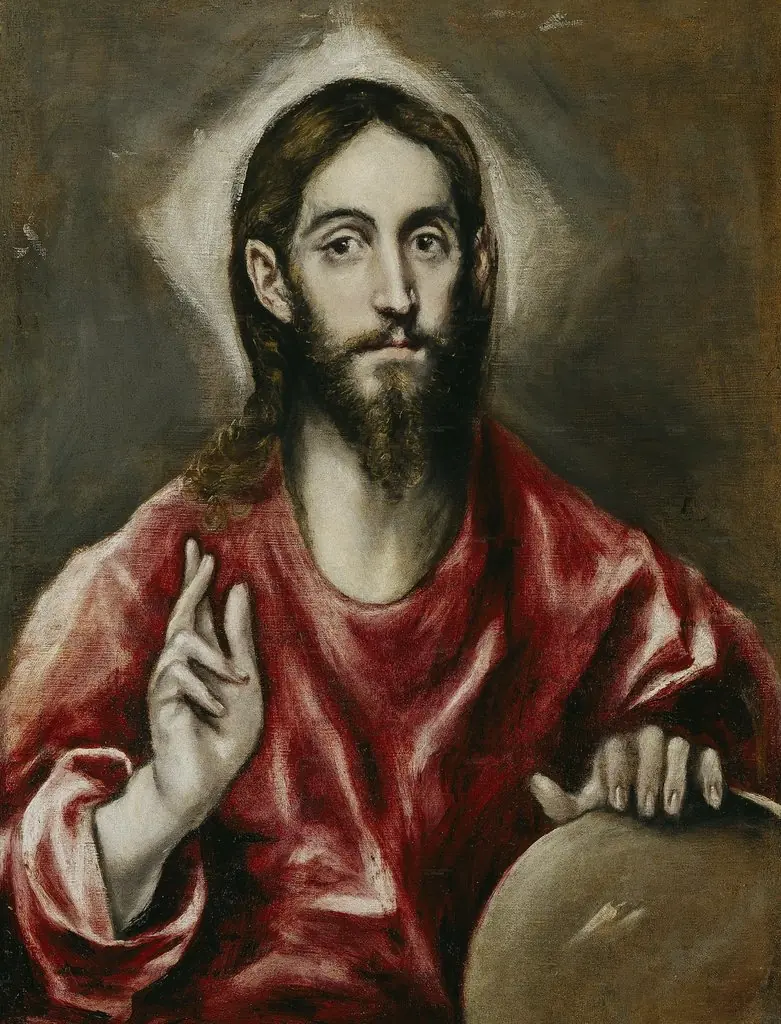
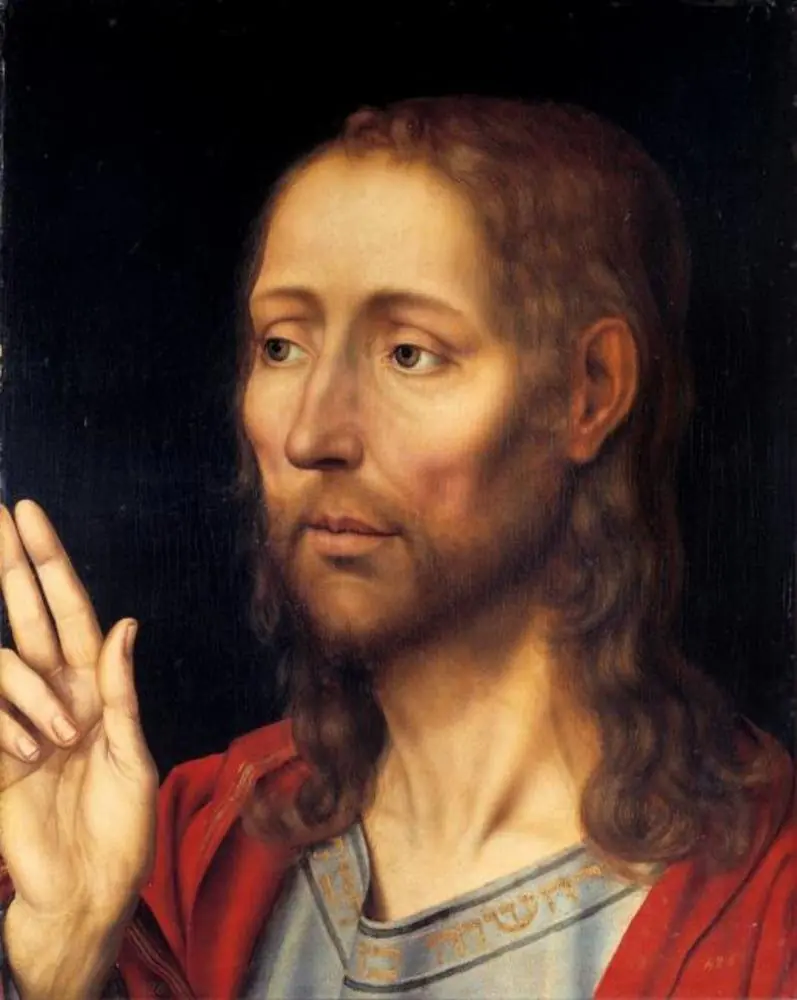
Artwork
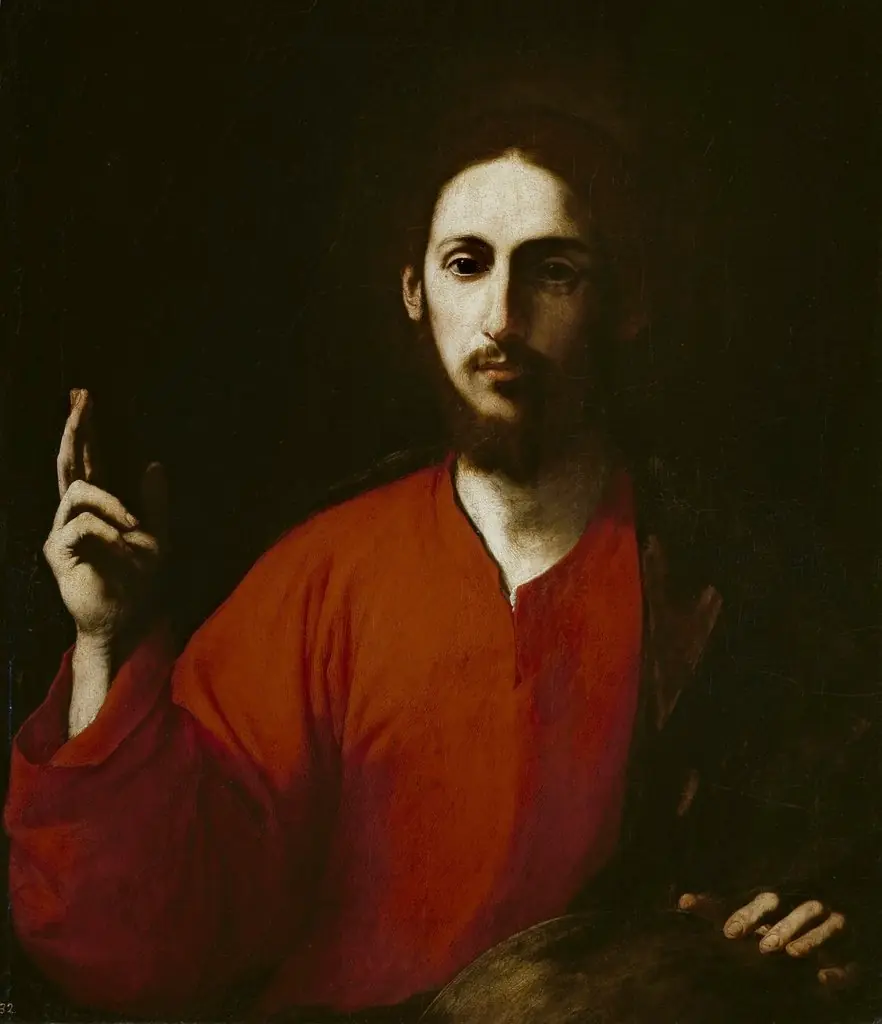
Christ the Saviour blessing
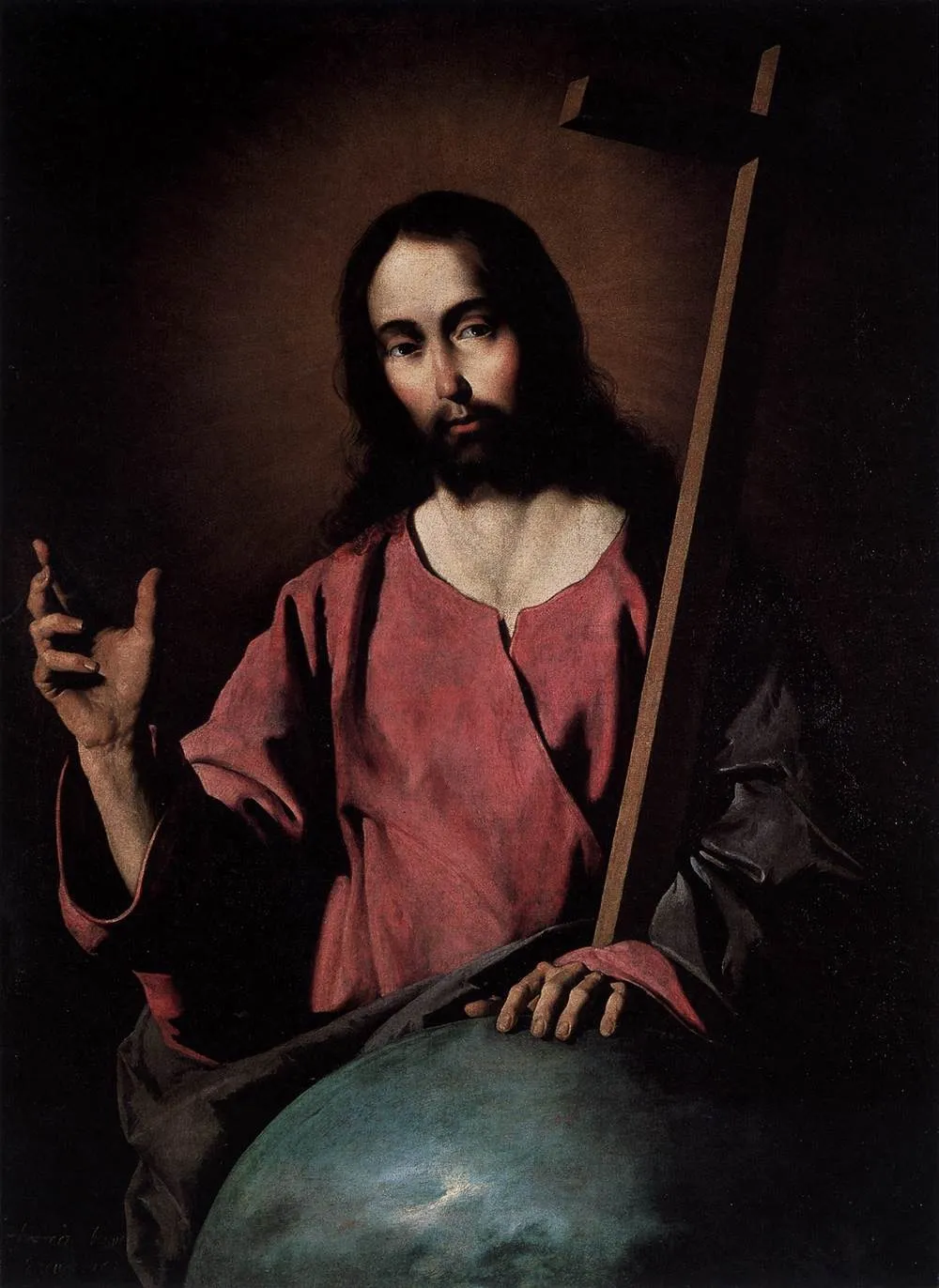
Christ the Saviour blessing is an oil painting by Francisco de Zurbarán. It dates from 1638 and is held in the collection of the Museo del Prado.
About this work
Subject & Meaning
Francisco de Zurbarán's 1638 oil painting depicts Christ the Saviour in the act of blessing.
Francisco de Zurbarán's 1638 oil painting depicts Christ the Saviour in the act of blessing. The composition focuses on the figure of Christ, who is shown holding a cross and an orb. These objects serve as central iconographic elements, with the cross representing the instrument of the Passion and the orb symbolizing Christ's dominion over the world.
As a work of religious art, the painting functions as a devotional image intended to convey the dual nature of Jesus as both suffering servant and universal ruler. The specific combination of the blessing gesture with the regalia of the cross and globe reinforces the theological concept of Christ's authority and role as the Savior.
Technique & Style
The work is painted in oil on canvas, a medium Zurbarán favored for its luminous effects and fine detail. Measuring 100 cm in height and 72 cm in width, the composition is arranged in a close, frontal view that emphasizes the figure’s presence. The handling shows Zurbarán’s characteristic smooth modeling of flesh and drapery, with restrained chiaroscuro that heightens the volumetric presence of Christ’s form.
Stylistically, the figure is rendered with quiet monumentality, his right hand raised in blessing and his left holding a cross and orb, all set against a dark, neutral ground that directs focus to the sacred objects and the serene, idealized face.
History & Provenance
The painting Christ the Saviour blessing was created by Francisco de Zurbarán in 1638. Executed in oil on canvas, the work measures 100 cm in height and 72 cm in width. It currently resides in the collection of the Museo del Prado in Madrid.
The artwork has been part of the museum's holdings since at least the period covered by the 1978–1981 exhibition titled "Zurbarán, Prado Museum: 1978-1981 Acquisitions, Exhibition of Spanish Paintings."
Legacy
The painting helped shape Baroque religious imagery in Spain and influenced later artists who adopted Zurbarán’s stark realism and contemplative spirituality. Its display at the Museo del Prado from 1978 to 1981 highlighted its significance within Spanish art history and contributed to renewed scholarly interest in Zurbarán’s role in 17th-century devotional art.
The work’s inclusion in major exhibitions reinforced its standing as a key example of Spanish Counter-Reformation painting, securing its reputation beyond academic circles and informing conservation approaches for similar religious compositions.
Overview
Francisco de Zurbarán’s oil on canvas, dated 1638, presents a solemn figure of Christ the Saviour. The composition is confined to a dark, undefined space, allowing the central figure and his attributes to dominate the viewer’s attention. The work resides in the collection of the Museo del Prado, where it is displayed among other Baroque religious paintings.
Artist & collection
Artist
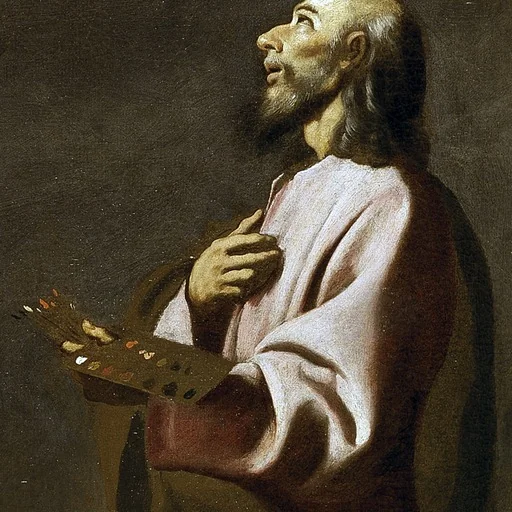
Francisco de Zurbarán was a Spanish Baroque painter. He is known primarily for his religious paintings depicting monks, nuns, and martyrs, and for his still-lifes. Zurbarán gained the nickname "Spanish Caravaggio",…