Artwork
Christ and the Virgin in the House at Nazareth
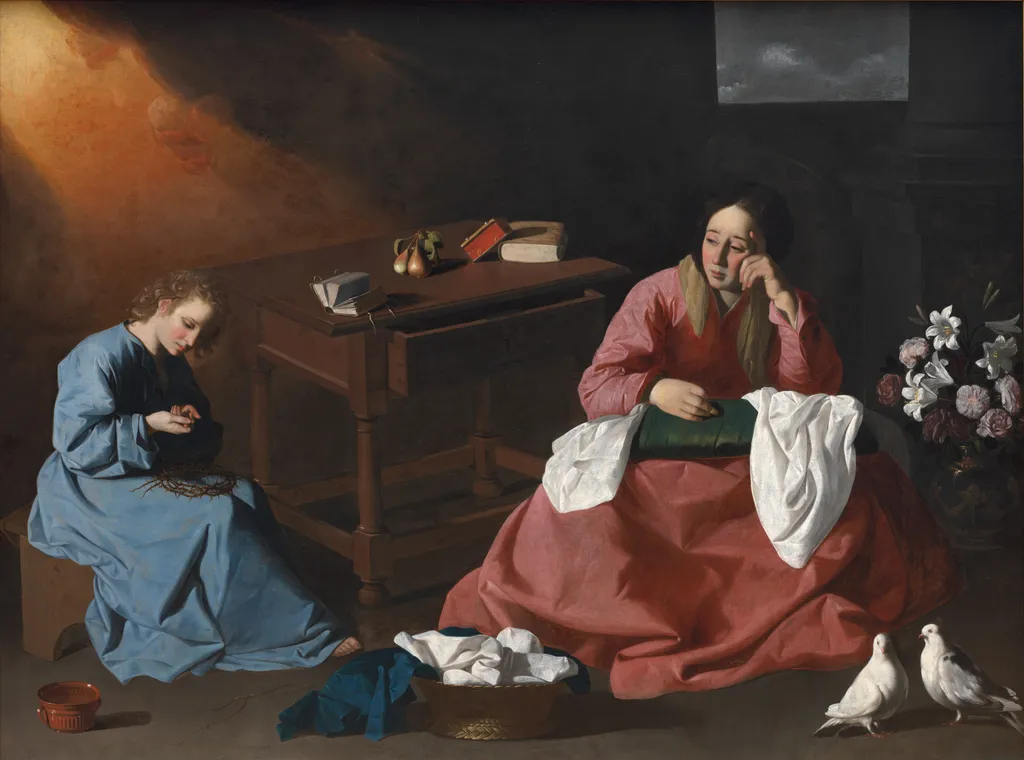
Christ and the Virgin in the House at Nazareth is an oil painting by the Spanish Baroque Tenebrist artist Francisco de Zurbarán. It dates from 1630 and is held in the collection of the Cleveland Museum of Art.
About this work
Subject & Meaning
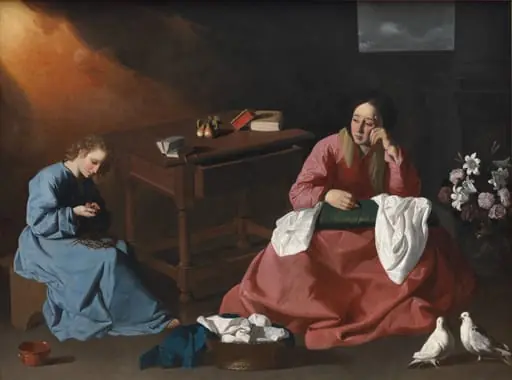
Christ, as a child, weaves a crown of thorns, pricking his finger, an act that prefigures his Passion and the redemptive sacrifice central to Christian belief.
The painting depicts the Virgin Mary and the Christ Child in an intimate domestic interior, a scene Zurbarán popularized in 17th-century Spain. Christ, as a child, weaves a crown of thorns, pricking his finger, an act that prefigures his Passion and the redemptive sacrifice central to Christian belief. Mary, interrupted in her sewing, holds a vase of lilies and roses, symbols of her perpetual virginity and divine maternity.
A burst of cherubic heads in the upper left serves as the sole visual allusion to sanctity, replacing traditional halos. White cloths signify purity, pigeons evoke the human soul and its promised resurrection, and a basin of water refers to baptism. Open books on the table signal messianic prophecy, while pears on the still-life table symbolize Christ’s salvific love for humanity.
Technique & Style
Executed in oil on canvas, this work employs a bifocal composition that rejects Baroque ostentation in favor of intimate simplicity. Zurbarán renders figures and objects with distinct material clarity, reflecting his mastery of still life. The scene utilizes contrasting light reminiscent of Caravaggio to create a theatrical, mysterious penumbra, though the tenebrism is less severe than in the artist's earlier productions.
Symbolic elements, including white cloths, pigeons, and specific flora, are individually detailed to convey theological meanings regarding purity and the Passion. The figures lack traditional halos, with sanctity indicated only by a discrete burst of cherubs. The modeling of faces is precise, while the clothing features careful folding; Jesus wears a greyish-blue tunic and the Virgin a red dress. This handling creates a profound silence around the characters, emphasizing the domestic nature of the redemption narrative.
History & Provenance
The painting is held by the Cleveland Museum of Art, where it is catalogued under inventory number 60.117 (also rendered as 1960.117). It is catalogued by Odile Delenda as number 190 and by Tiziana Frati as number 65. The museum acquired the work in 1960.
According to Wikidata, the painting's documented exhibition history includes a presentation titled "Zurbarán, Year in Review." Provenance prior to the Cleveland acquisition traces through Madrid (collection of Pablo Recio y Tello, before 1815), the Madrid collection of the Marqués de Astorga, Conde de Altamira, and a Paris sale at Walterstorff on 26–27 March 1821 (lot 65), before passing to François Heim in Paris.
Context
Art historians recognize Francisco de Zurbarán's innovation in popularizing the depiction of the Christ Child with the Virgin Mary, a subject rarely rendered individually or in this specific pairing during the sixteenth and seventeenth centuries. Scholars like Odile Delenda distinguish only three autograph versions among at least twelve known variants, highlighting the artist's workshop production. The Cleveland Museum of Art's version is noted for escaping Baroque ostentation through a simple, bifocal composition that emphasizes material texture, reflecting Zurbarán's still-life expertise.
Critics observe that the work's tenebrist lighting evokes Caravaggio while creating a theatrical, silent atmosphere distinct from the artist's earlier, harsher style. The painting's significance was further cemented when Michel Butor included it in his imaginary museum of 105 decisive works of Western painting. Sources suggest the iconography draws from Ludolfo de Sajonia's 'Vita Christi,' blending domestic intimacy with complex theological symbolism regarding the Passion and Redemption.
Legacy
Francisco de Zurbarán popularized the specific iconographic themes of the Child Jesus alone or with the Virgin Mary, subjects that were previously rare in religious art. The artist produced numerous iterations of this composition, with at least twelve versions attributed to Zurbarán or his workshop, though expert Odile Delenda recognizes only three as autograph works. The painting's enduring significance is highlighted by its inclusion in Michel Butor's imaginary museum of the '105 decisive works of Western painting.'
The work's legacy also encompasses a complex provenance history involving royal collections, damage during the Spanish Civil War, and high-profile modern auctions, reflecting its sustained value and recognition across centuries.
Overview
Francisco de Zurbarán's 1630 oil on canvas, Christ and the Virgin in the House at Nazareth, depicts a quiet domestic scene from the early life of Jesus. Now housed at the Cleveland Museum of Art, this work presents the young Christ and the Virgin Mary in a humble setting. Zurbarán explored this theme multiple times, often employing similar compositional elements to convey a sense of solemnity and spiritual depth within an everyday environment.
Own this work as a print
Artist & collection
Artist
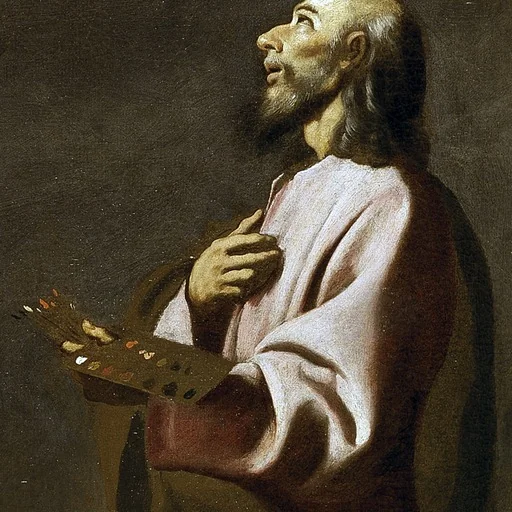
Francisco de Zurbarán was a Spanish Baroque painter. He is known primarily for his religious paintings depicting monks, nuns, and martyrs, and for his still-lifes. Zurbarán gained the nickname "Spanish Caravaggio",…

 Christ and the Virgin in the House at Nazareth
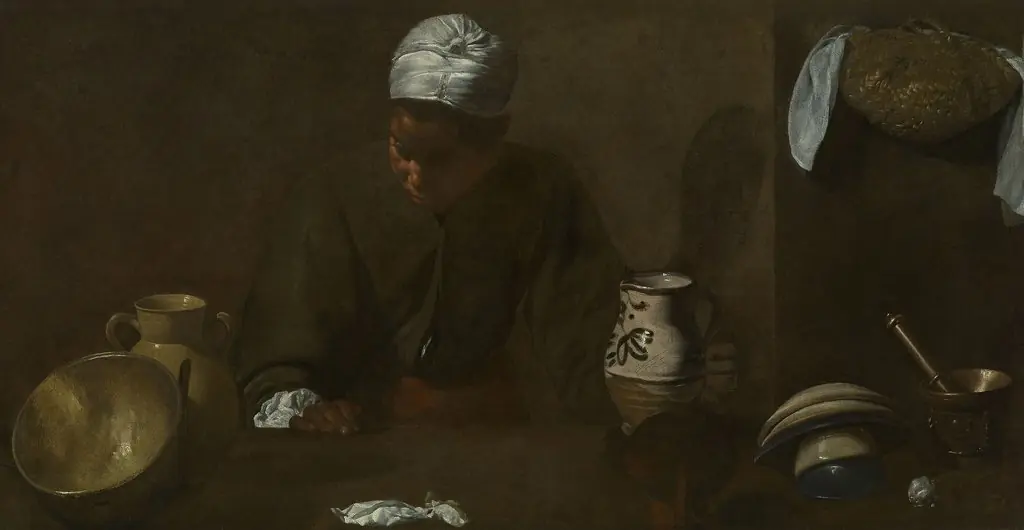 Kitchen Scene
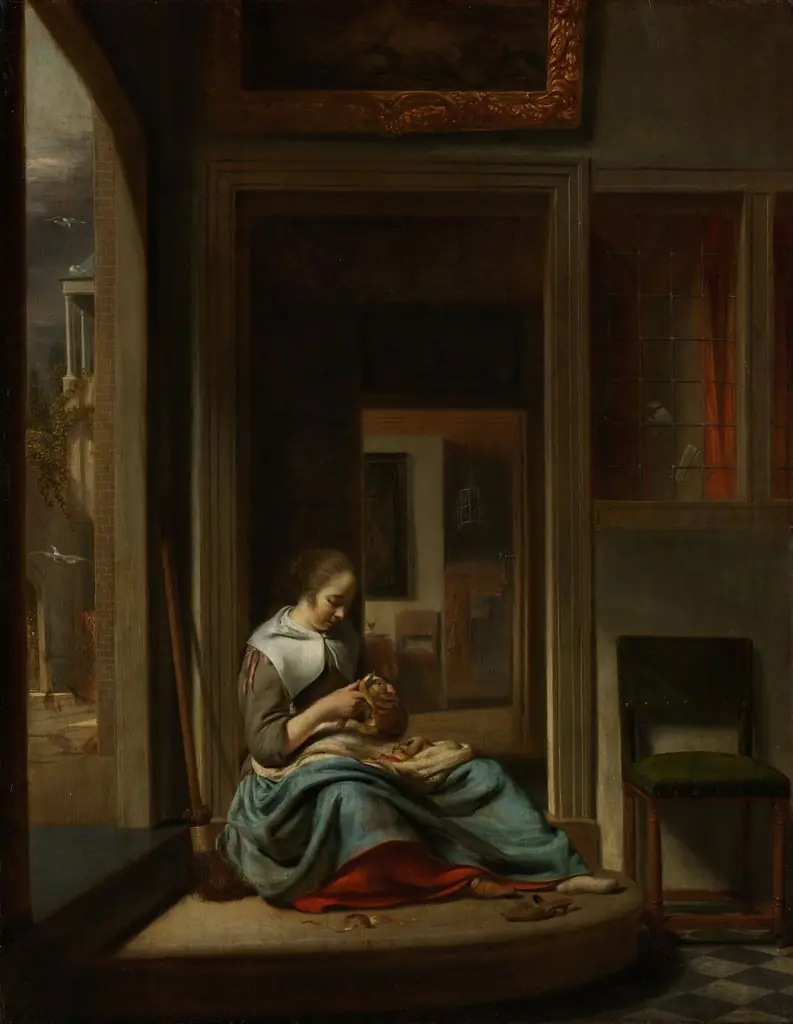 Girl peeling an apple
 Kitchen Scene
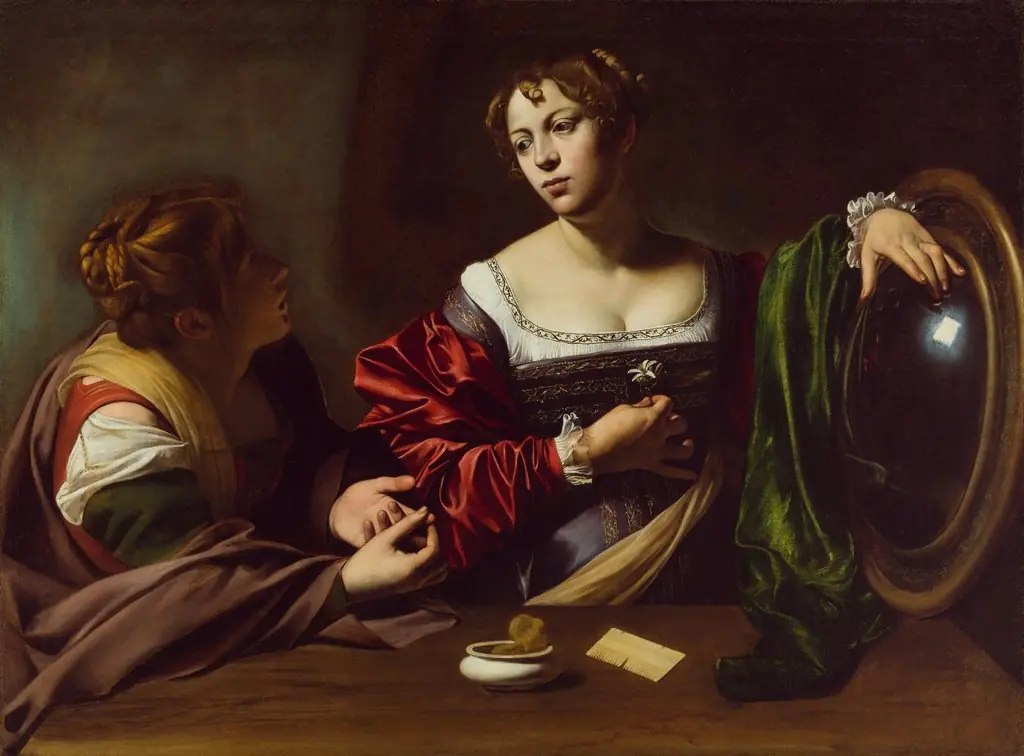 Martha and Mary Magdalene
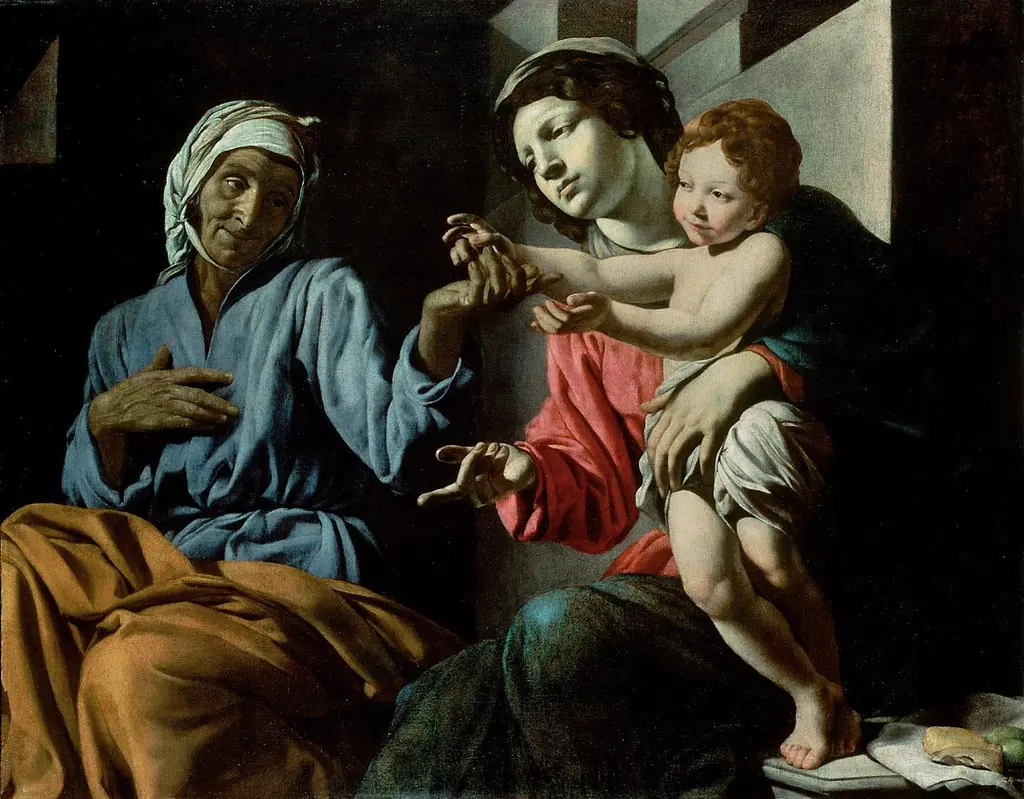 Madonna and Child with St Anne
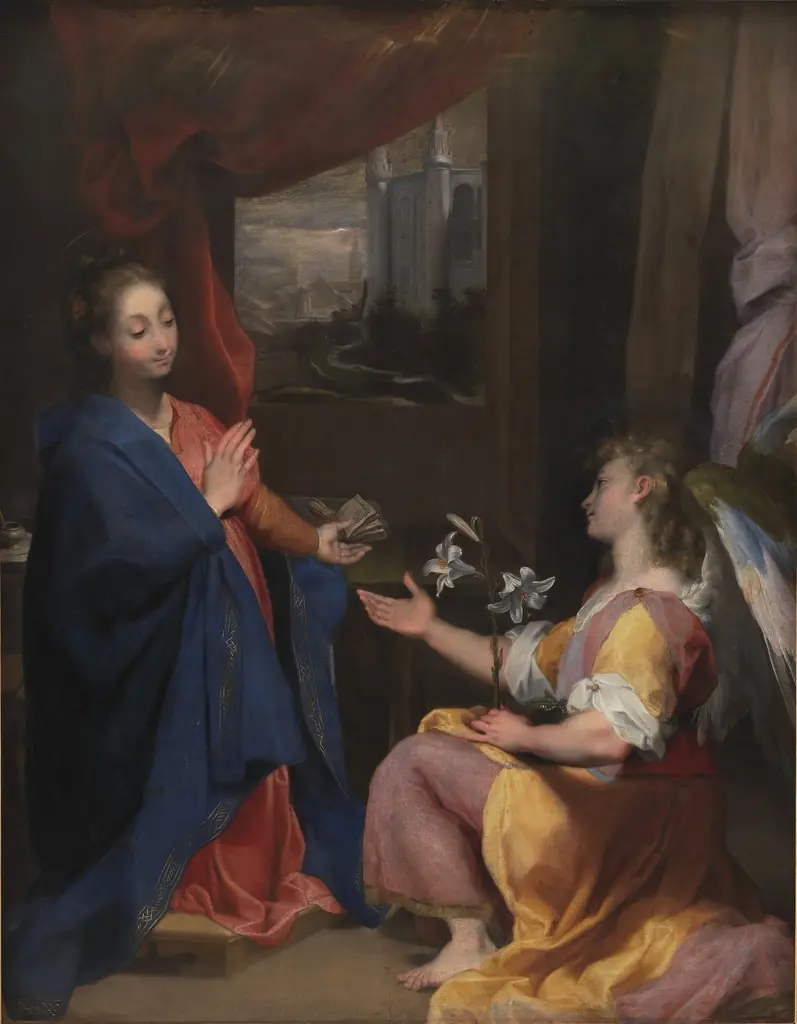 The Annunciation
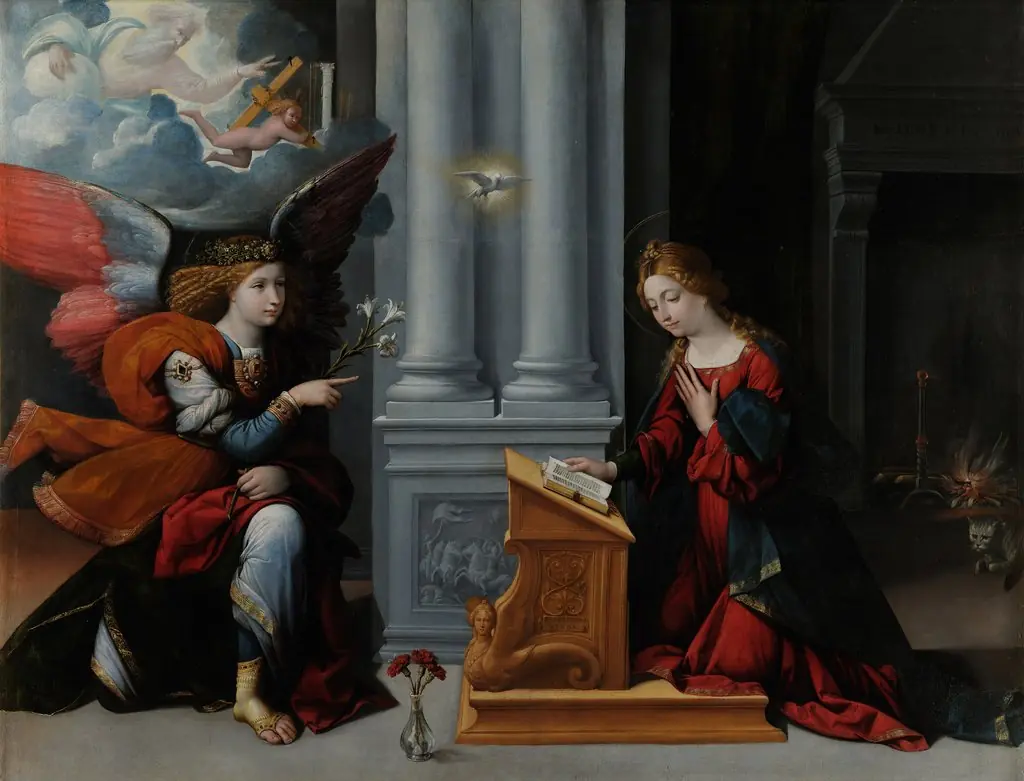 Annunciation
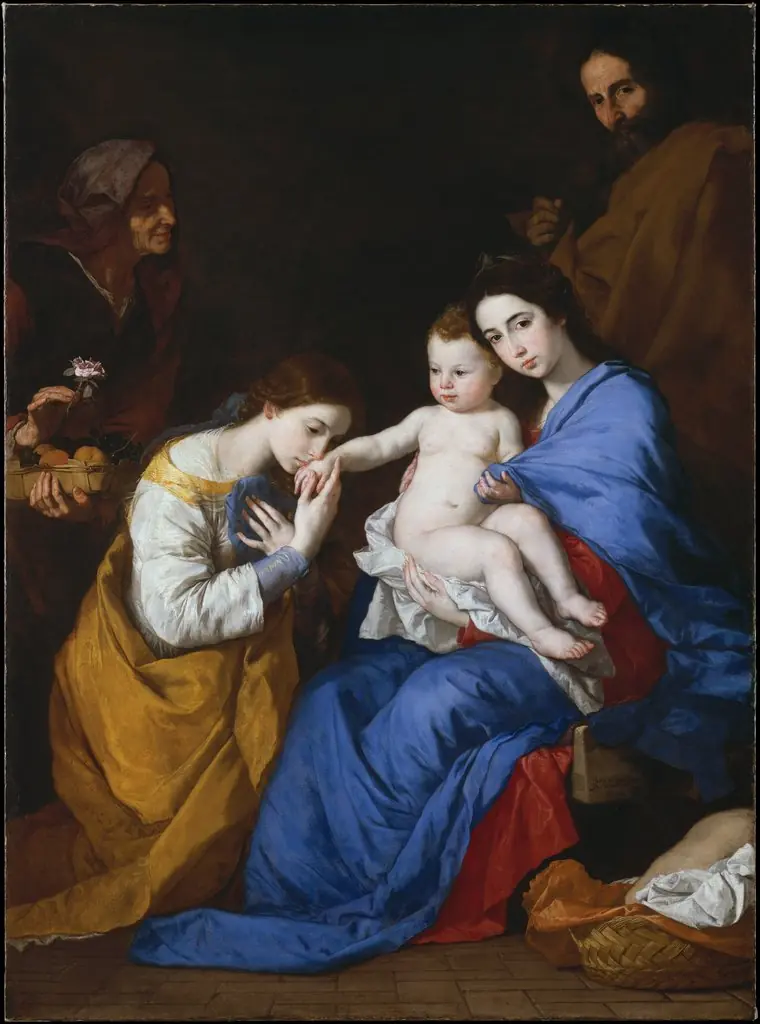 The Holy Family with Saints Anne and Catherine of Alexandria
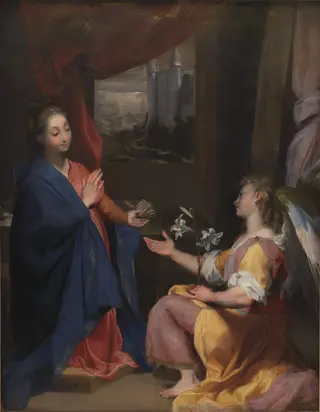 The Annunciation
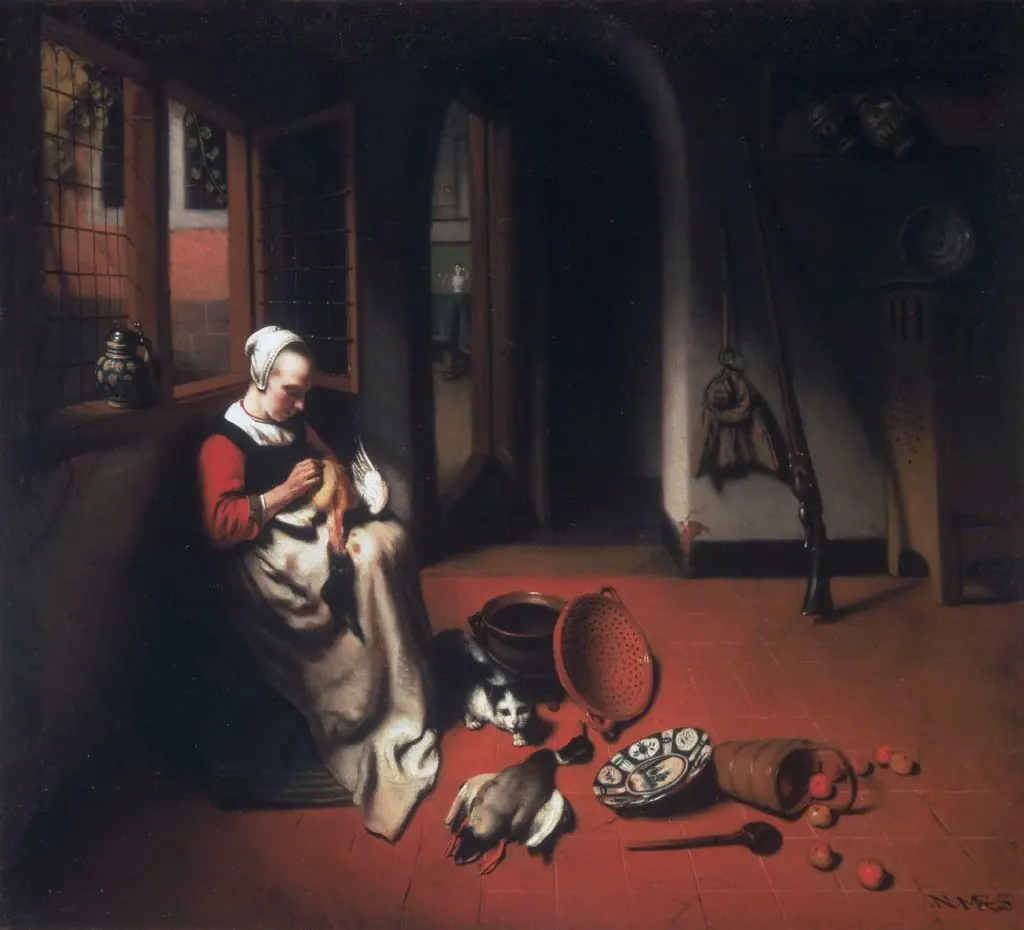 Woman Plucking a Duck
- Christ in the House of Martha and Mary