Artwork
The Young Virgin
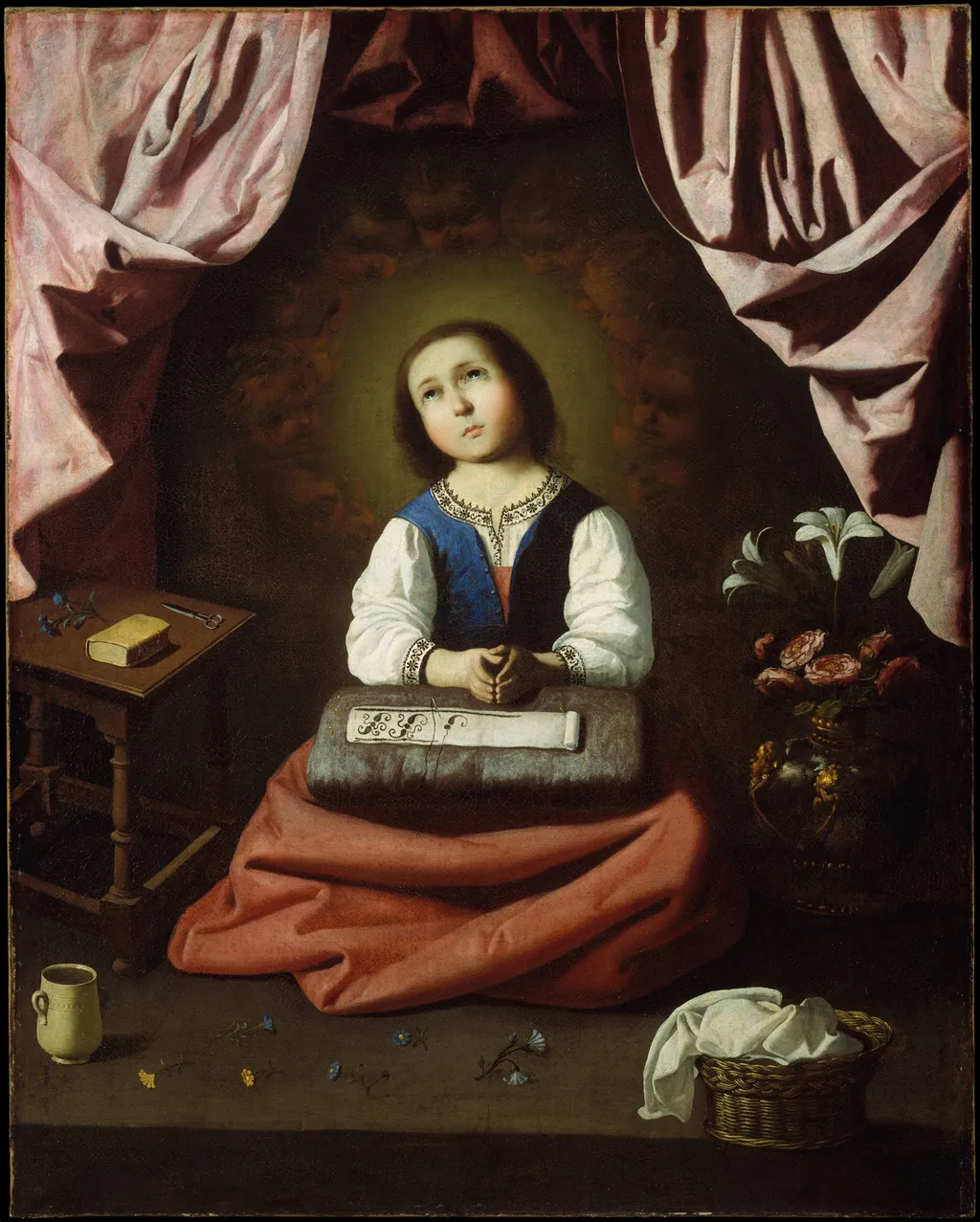
The Young Virgin is an oil painting by the Early Baroque Italian artist Francisco de Zurbarán. It dates from 1633 and is held in the collection of the Metropolitan Museum of Art.
About this work
Francisco de Zurbaran shows Mary as a young girl, caught in a quiet, inward moment, perhaps praying or daydreaming. Painted in oil in 1633, it holds her still in soft, steady focus.
Subject & Meaning
The Young Virgin depicts the Virgin Mary as a child absorbed in prayer, seated cross-legged with a basket of sewing and a vase of lilies and roses beside her.
The Young Virgin depicts the Virgin Mary as a child absorbed in prayer, seated cross-legged with a basket of sewing and a vase of lilies and roses beside her. The iconography emphasizes her piety and future virtues: scattered flowers at her feet symbolize fidelity (blue), intelligence and maturity (yellow), love (red roses), and purity (white lilies). The red-maroon drapery framing the scene evokes the Temple’s veil, reinforcing a sacred setting.
Zurbarán’s composition aligns with apocryphal accounts of Mary’s childhood in the Temple, where she engaged in domestic tasks like embroidery. The work reflects Counter-Reformation ideals of Marian devotion, blending domestic realism with spiritual intensity.
Technique & Style
Executed circa 1632–1633, The Young Virgin is an oil painting on canvas measuring 116.8 by 94 centimeters. The work depicts the Virgin Mary seated in a humble posture, interrupted from embroidery, surrounded by symbolic objects including a basket, scissors, and a vase of lilies and roses. Zurbarán renders the scene with a still-life sensibility, where scattered flowers and domestic tools possess a quality capable of forming independent high-quality compositions.
The figure is framed by a red-purple curtain that evokes the Temple veil, creating an altar-like setting. The Virgin's blouse features intricate contemporary embroidery, a motif consistent across Zurbarán's series of domestic Marian paintings. A halo of seraphim encircles her absorbed face, emphasizing her ecstatic state.
While catalogued by Odile Delenda as a primary work, the artist produced variants of this theme, some attributed to workshop hands, though this specific canvas remains a principal example of his treatment of the subject.
History & Provenance
Francisco de Zurbarán executed The Young Virgin between 1632 and 1633, though some scholarly catalogs suggest a slightly later date of 1640–1645. The work was commissioned by private patrons as part of a series depicting the Virgin Mary's childhood and domestic life. The painting's provenance begins in Madrid within the collection of Aureliano de Beruete by 1911.
Following Beruete's death, the work passed to the collection of Darío de Regoyos, specifically held by Beruete's heirs. In 1926, the Metropolitan Museum of Art acquired the canvas using funds from the Fletcher Fund, formally accessioning it into their collection in 1927. The piece is identified as catalog number 180 in Odile Delenda's critical raisonné of the artist.
The Young Virgin is held in the Metropolitan Museum of Art, New York, where it entered the collection in 1927 as part of the Fletcher Fund (accession 27‑137)【6】. The painting has been featured in numerous exhibitions, including a Zurbarán retrospective marking the third centennial of the artist’s death, shows titled “One Hundred Paintings from the Metropolitan Museum” and “Masterpieces from the Metropolitan Museum of Art,” the 1951 Art Gallery of Toronto presentation, and loans to venues such as the Texas Fine Arts Festival, Milwaukee Home Show, and the Museum of Fine Arts【2】.
Context
Art historian Odile Delenda identifies this work as catalog number 180 in her critical raisonné, distinguishing the prime version from lower-quality workshop variants. The painting belongs to a series commissioned by private patrons depicting the Virgin Mary's childhood, a subject derived from apocryphal gospels rather than canonical scripture. Scholars note the composition's synthesis of religious devotion and still-life mastery; the surrounding flowers and objects possess such detailed realism that they could function as independent bodegones, recalling the work of Juan van der Hamen.
The iconography incorporates specific symbolic meanings for the colored flowers, representing virtues such as fidelity and intelligence, while the red drapery evokes the Temple curtain. Tiziana Frati also includes the piece in her scholarly catalog of the artist's complete works, affirming its significance within Zurbarán's exploration of domestic sacred themes.
Legacy
The Young Virgin has become a reference point for studies of Zurbarán’s Marian series, appearing in multiple landmark exhibitions that highlighted the artist’s legacy, including the 1951 retrospective marking the third centennial of his death and subsequent ‘Masterpieces’ tours. Since its acquisition by the Metropolitan Museum of Art in 1927, the painting has been displayed continuously, reinforcing its status as an iconic example of Spanish Baroque devotional art. Scholarship on the work is anchored in Delenda’s catalog raisonné, which assigns it the number 180 and discusses its stylistic ties to other private commissions, thereby shaping modern understanding of Zurbarán’s influence on Baroque imagery.
Overview
Francisco de Zurbarán's painting, The Young Virgin, created between 1632 and 1633, depicts the Virgin Mary during her youth. This oil on canvas work, sometimes referred to as The Virgin Mary as a Child in Ecstasy, is a notable example of the Spanish Baroque period. It is currently held in the collection of the Metropolitan Museum of Art in New York.
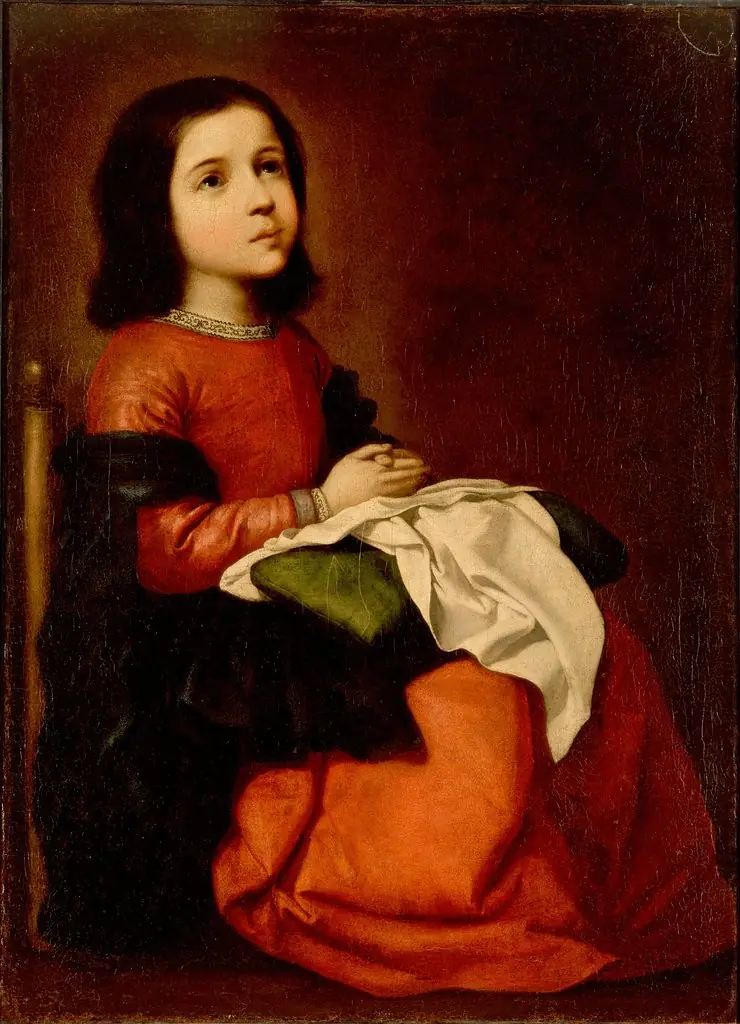
Own this work as a print
Artist & collection
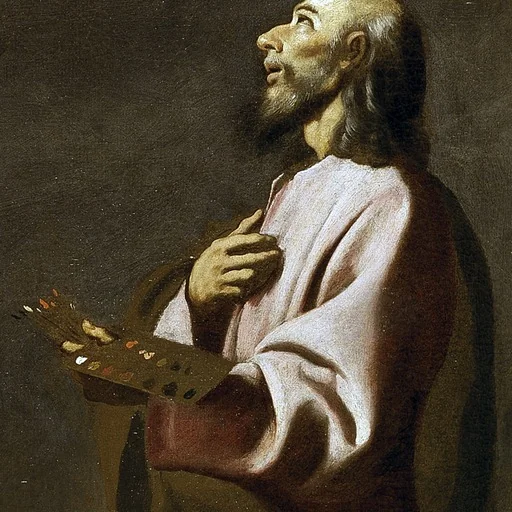
Artist
Francisco de Zurbarán was a Spanish Baroque painter. He is known primarily for his religious paintings depicting monks, nuns, and martyrs, and for his still-lifes. Zurbarán gained the nickname "Spanish Caravaggio",…

 Annunciation to the Virgin
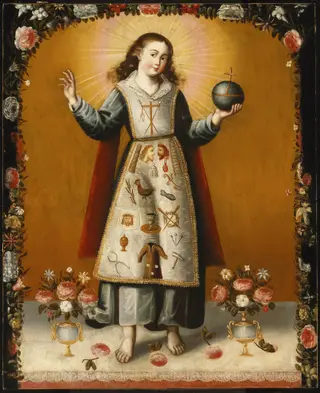 Christ Child with Passion Symbols
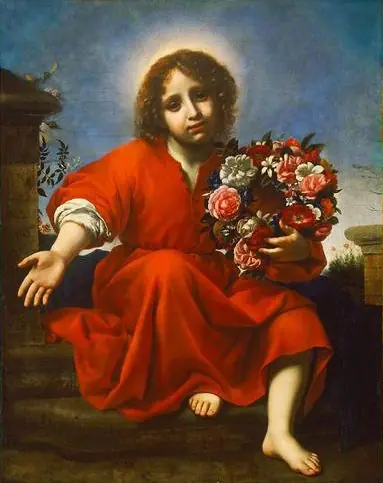 The boy Jesus invites the Christian soul to crown it according to the Song of Songs
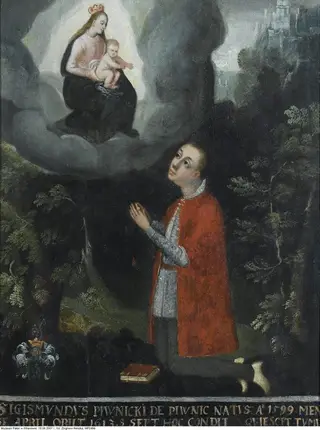 Epitaph of Zygmunt Piwnicki
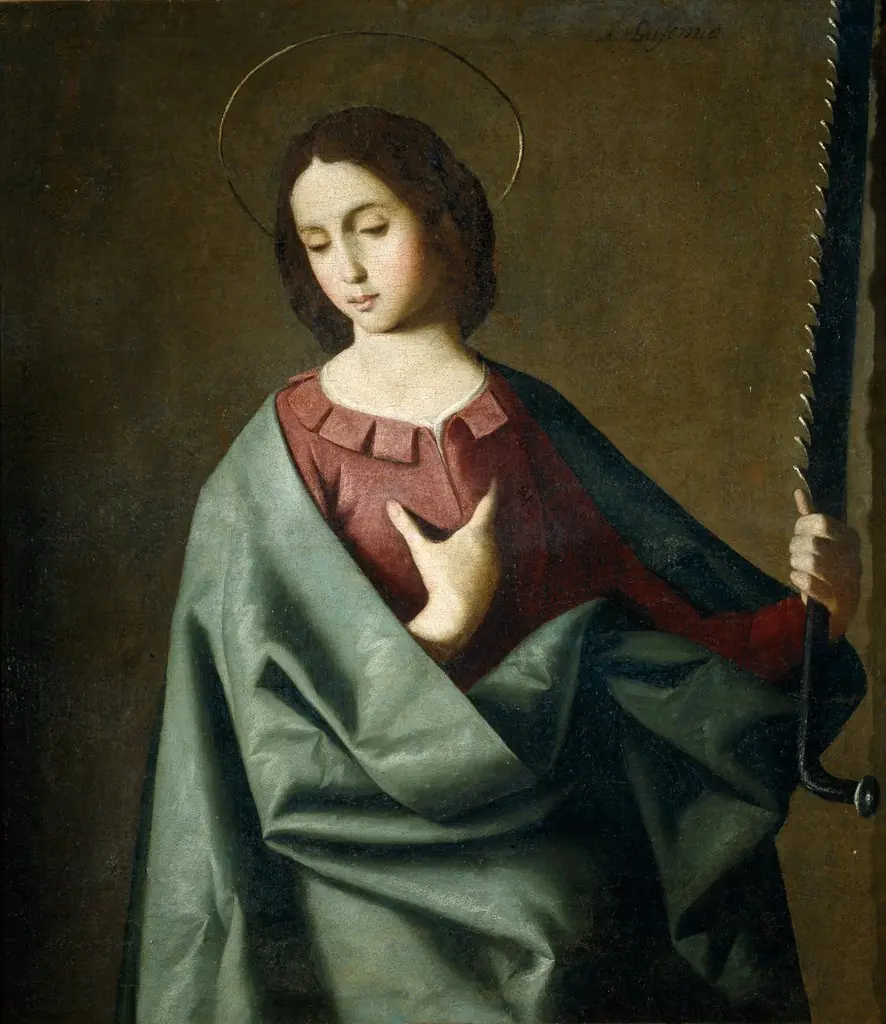 Saint Euphemia
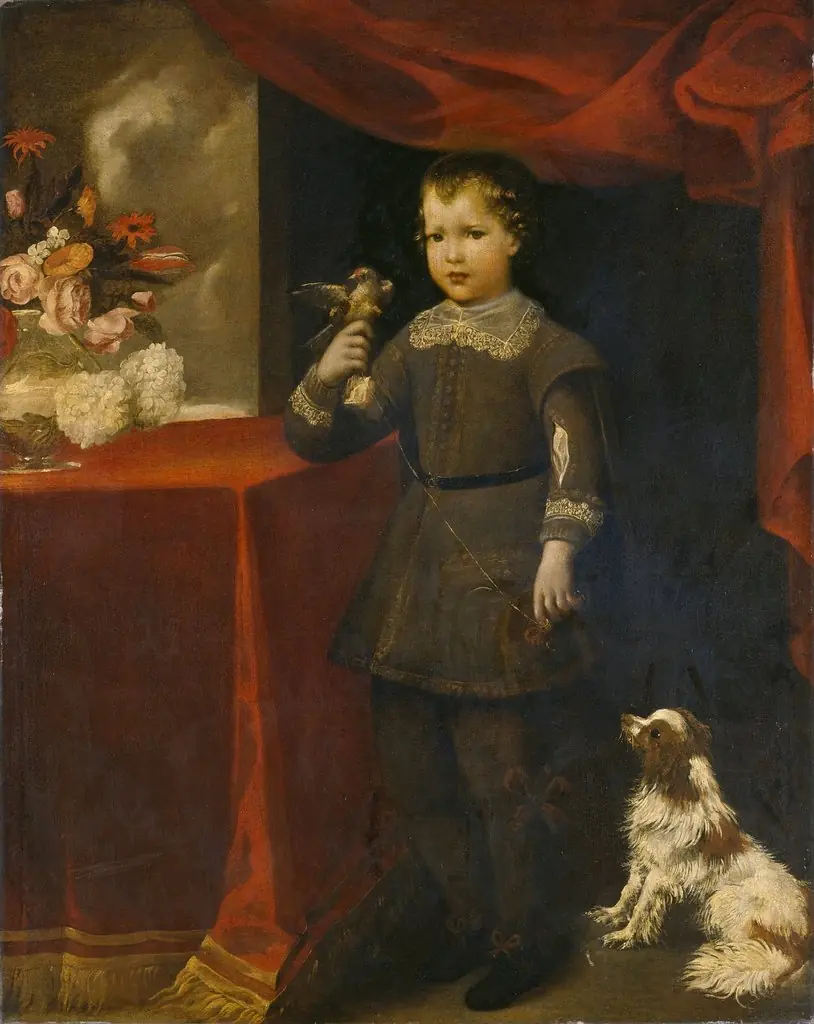 El príncipe Baltasar Carlos
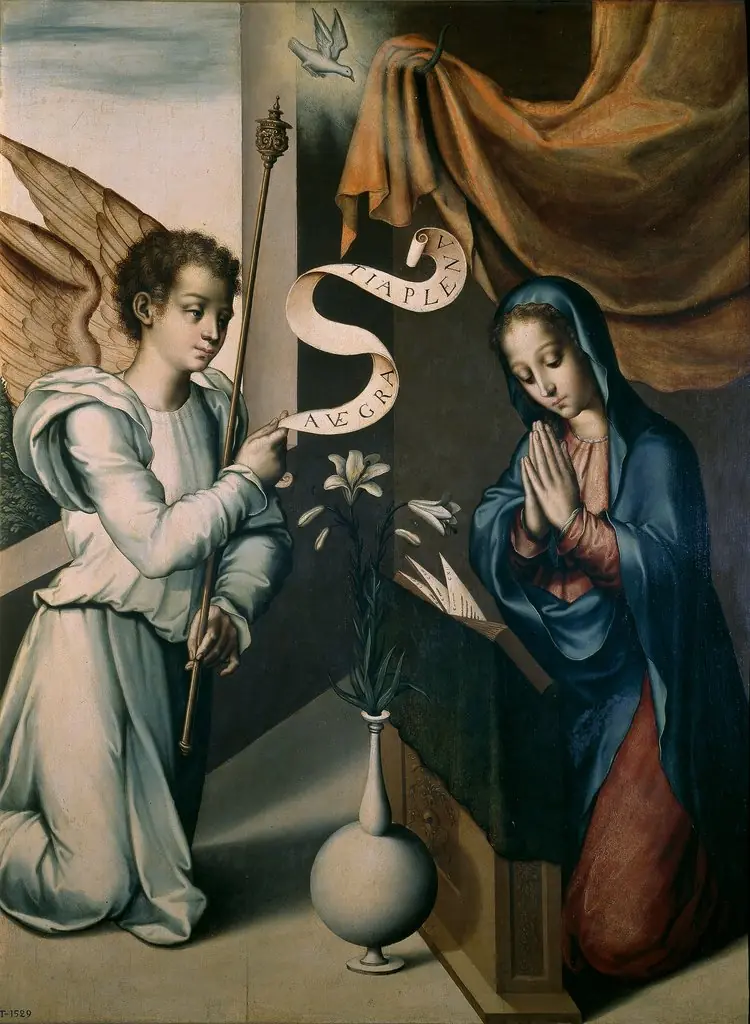 The Annuncation
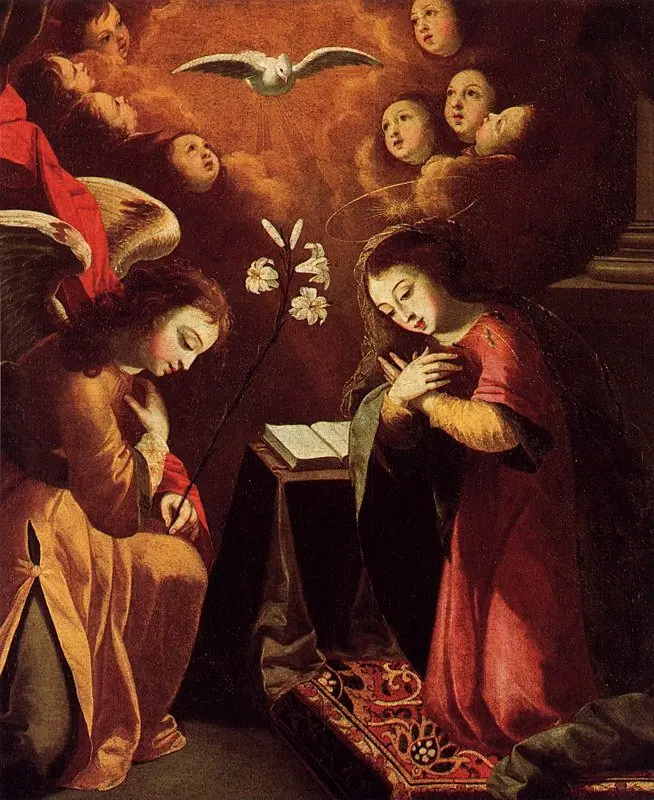 Annunciation (Josefa de Óbidos)
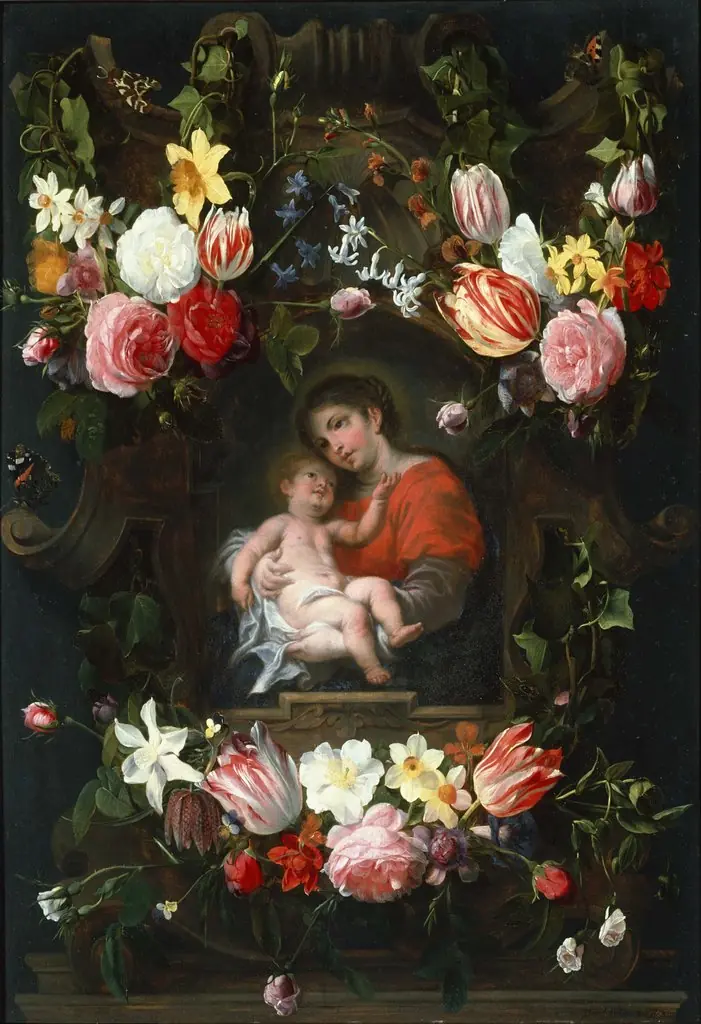 Garland of Flowers with Madonna and Child
 Saint Agatha
 The Annunciation
- Childhood of the Virgin