Artwork
The Battle between Christians and Moors at El Sotillo
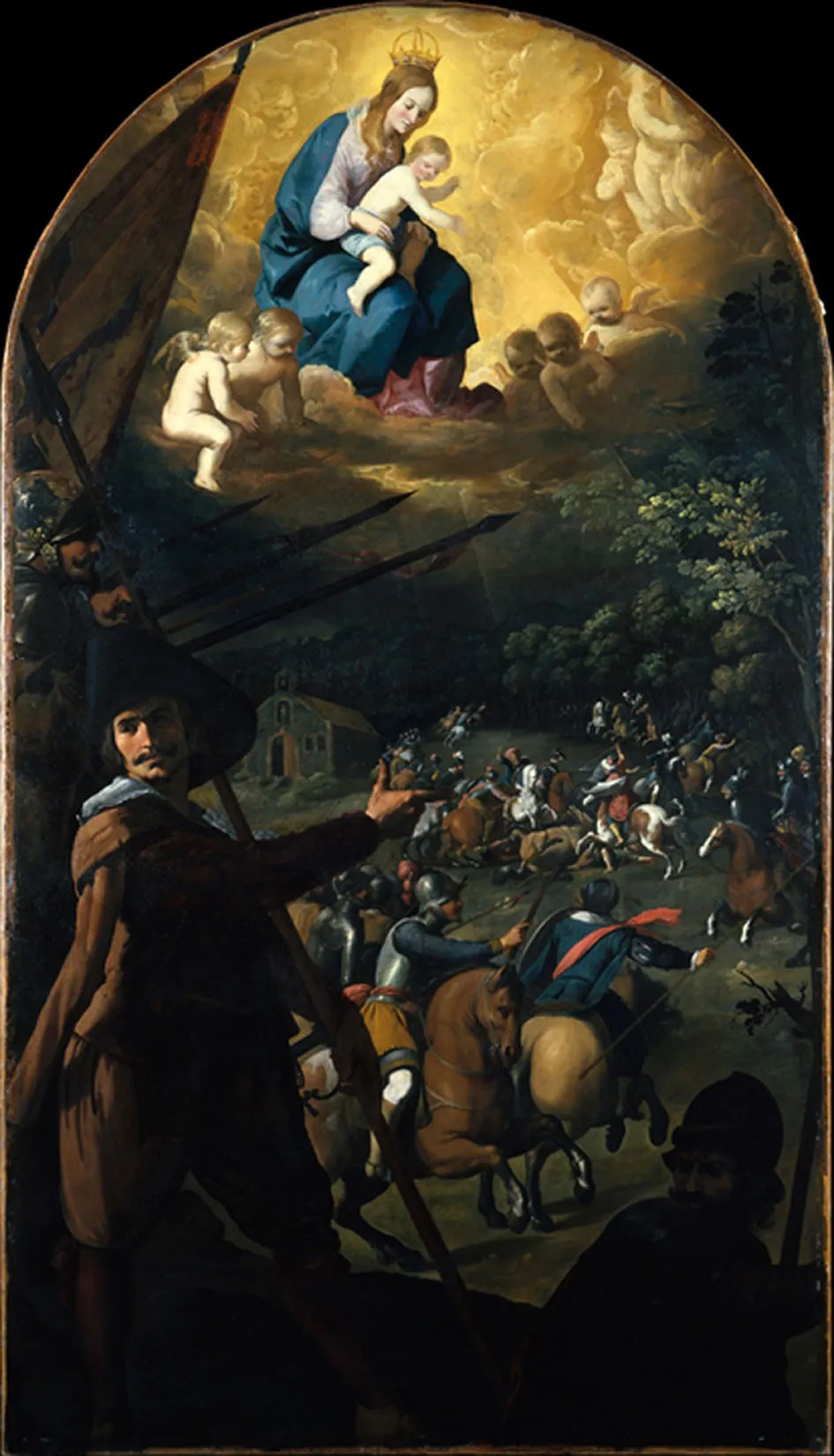
The Battle between Christians and Moors at El Sotillo is an oil painting by the Baroque artist Francisco de Zurbarán. It dates from 1637 and is held in the collection of the Metropolitan Museum of Art.
About this work
Subject & Meaning
The painting depicts a nocturnal battle at El Sotillo in 1248, where Christian forces overcame an ambush by Muslim troops through divine intervention.
The painting depicts a nocturnal battle at El Sotillo in 1248, where Christian forces overcame an ambush by Muslim troops through divine intervention. The central iconography features the Virgin Mary with the Child Jesus seated on clouds within a glory of angels. Mary, portrayed as a youthful figure with loose blonde hair and an imperial crown, acts as the mediator of the miracle; she holds the Child, who emits a golden light that illuminates the darkness, enabling the Christian victory.
The composition includes anachronistic soldiers in seventeenth-century attire, with a monumental lancer in the foreground guiding the viewer's eye toward the conflict. In the background, an hermitage and green-blue trees are visible. The work symbolizes the miraculous protection of the Virgin for the Christian cause, transforming a historical military engagement into a testament of faith where heavenly light defeats earthly darkness.
Technique & Style
Executed in oil on canvas, the work measures 335 × 191.1 cm and employs Zurbarán’s characteristic restrained palette to render the nocturnal battle scene. The composition is structured around a dense forest of obliquely placed lances that pierce the upper third, creating a shallow stage for the clash below. Figures are rendered with volumetric solidity, their anachronistic armor recalling Velázquez’s contemporaneous Rendición de Breda.
A luminous rompimiento of cloud-borne angel heads and a youthful Virgin crowns the scene, her billowing mantle and loose blonde hair functioning as the divine source illuminating the combat. The handling shows Zurbarán’s signature chiaroscuro softened by atmospheric haze, while the landscape at right, with its green-blue foliage, introduces a muted naturalism. The canvas was restored at the Metropolitan Museum of Art in 1986–87.
History & Provenance
The Battle between Christians and Moors at El Sotillo was commissioned for the central compartment of the main altarpiece in the Cartuja de Nuestra Señora de la Defensión in Jerez de la Frontera, where it remained from 1638 to 1640 before being relocated to the right side of the choir of lay brothers by 1660–1700. The painting’s subject derives from a local legend recounted by Martín de Roa and Esteban Rallón, linking a nocturnal skirmish near El Sotillo in 1368 to a miraculous celestial illumination attributed to the Virgin Mary, a narrative depicted earlier in a fresco outside the cloister. Zurbarán dated the work to circa 1637–39, aligning it with his contemporaneous projects such as the Salón de Reinos.
The provenance traces a complex path after its removal from the monastery during the Peninsular War: it passed through Madrid’s Palacio del Príncipe de la Paz (1810–13), the Musée Napoléon in Paris (1813–15), and the Real Academia de Bellas Artes de San Fernando (1819–24), before entering the Real Academia Provincial de Cádiz (1835–37). Sold in 1837 for 80,000 reales to Baron Taylor via intermediaries, it entered the Galerie Espagnole in Paris (1838–48), was auctioned at Christie’s London in 1853, and ultimately purchased by the Metropolitan Museum of Art in 1920 from the descendants of Lord Taunton.
Context
Catalogued as number 125 in Odile Delenda's critical raisonné and number 251 by Tiziana Frati, this work is situated within Zurbarán's mature Baroque period. Art historians note that Zurbarán's prior engagement (1634–1635) at the Salón de Reinos likely influenced the painting's composition, specifically the anachronistic soldier costumes which recall Velázquez's The Surrender of Breda. Scholars observe that the monumental figure of the lancer on the left parallels figures in works by Velázquez and Félix Castelo, while the diagonal arrangement of lances creates spatial depth similar to those earlier masterpieces.
Although depicting a religious miracle involving the Virgin of Jerez, the piece functions primarily as a history painting, a distinction that led the Carthusian monks to relocate it from the main altarpiece to the lay brothers' choir to serve as a pendant to a devotional image. This recontextualization highlights the work's dual nature within the artist's oeuvre, bridging sacred narrative and military genre.
Overview
Francisco de Zurbarán's oil painting, The Battle between Christians and Moors at El Sotillo, was completed in 1637. This work, currently housed at The Metropolitan Museum of Art, combines elements of a historical battle scene with a celestial apparition. It presents a complex narrative, illustrating a specific conflict while also incorporating a divine presence that oversees the earthly struggle.
Artist & collection
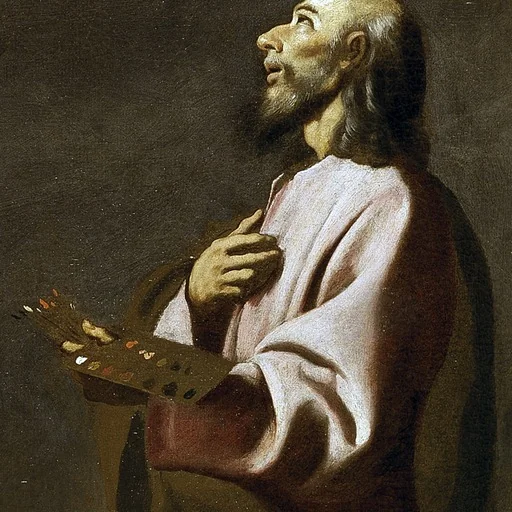
Artist
Francisco de Zurbarán was a Spanish Baroque painter. He is known primarily for his religious paintings depicting monks, nuns, and martyrs, and for his still-lifes. Zurbarán gained the nickname "Spanish Caravaggio",…

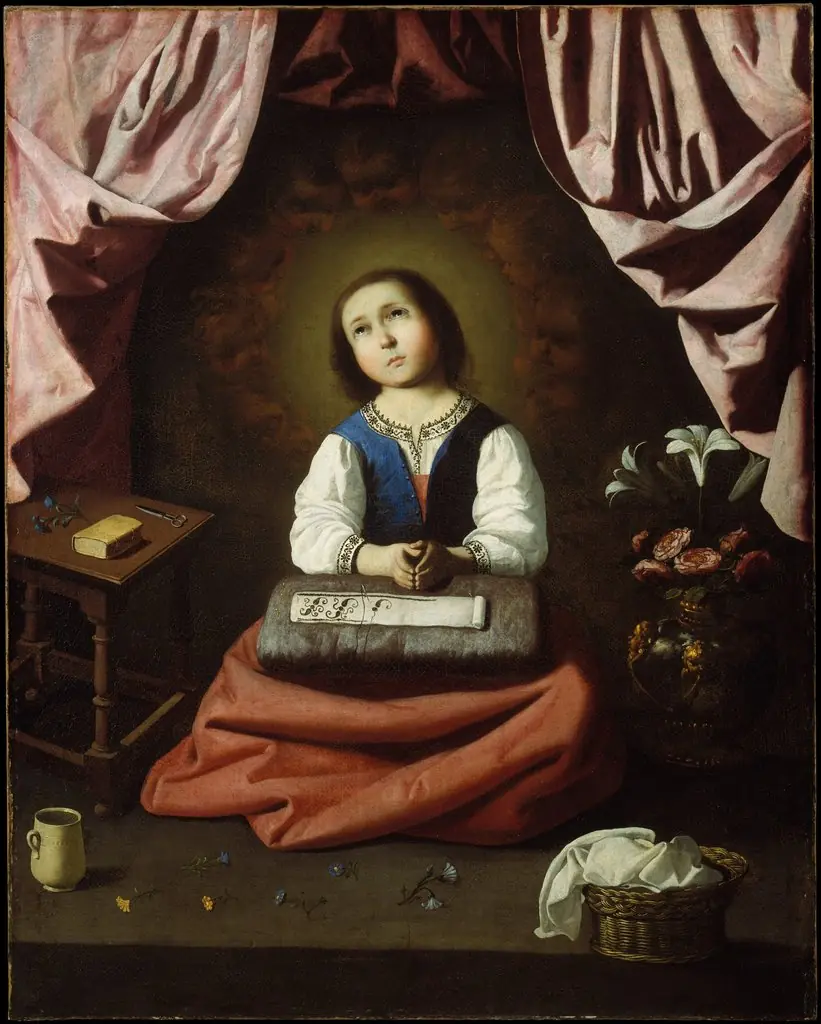
- Departure of the Amazons
 Ascension of Christ
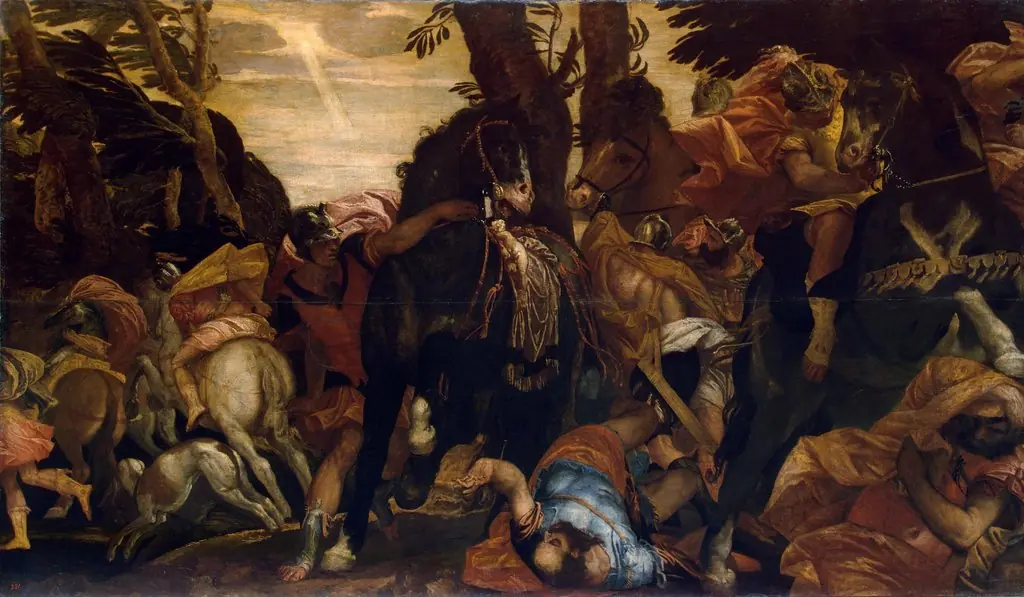 Conversion of Saul
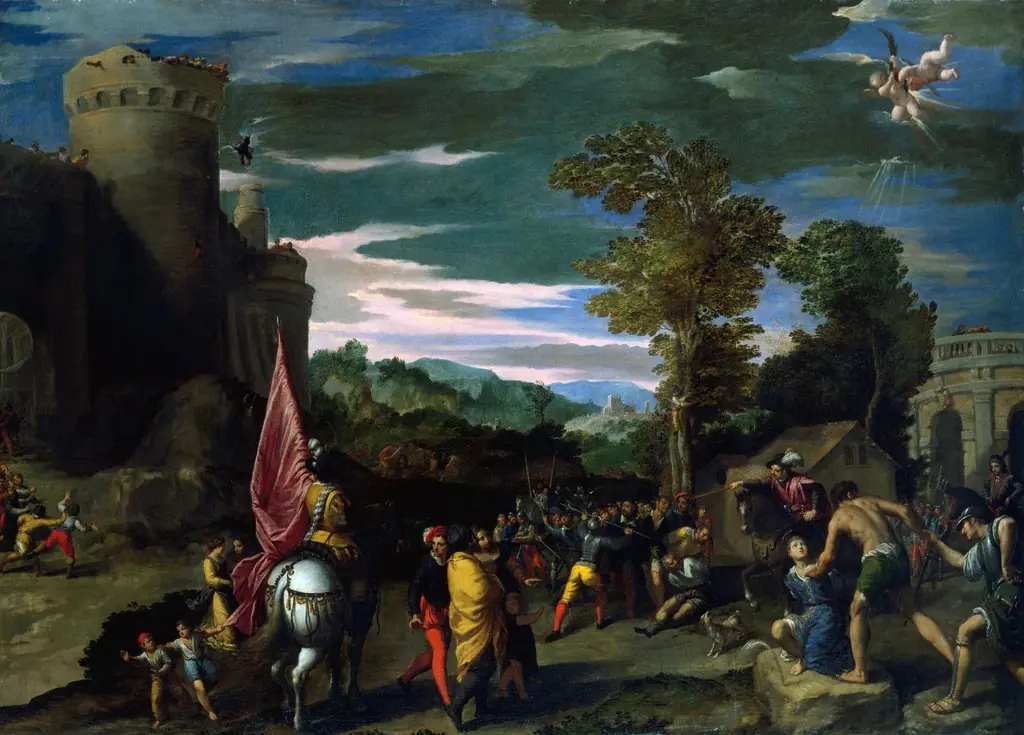 Martyrdom of Saint Venantius of Camerino
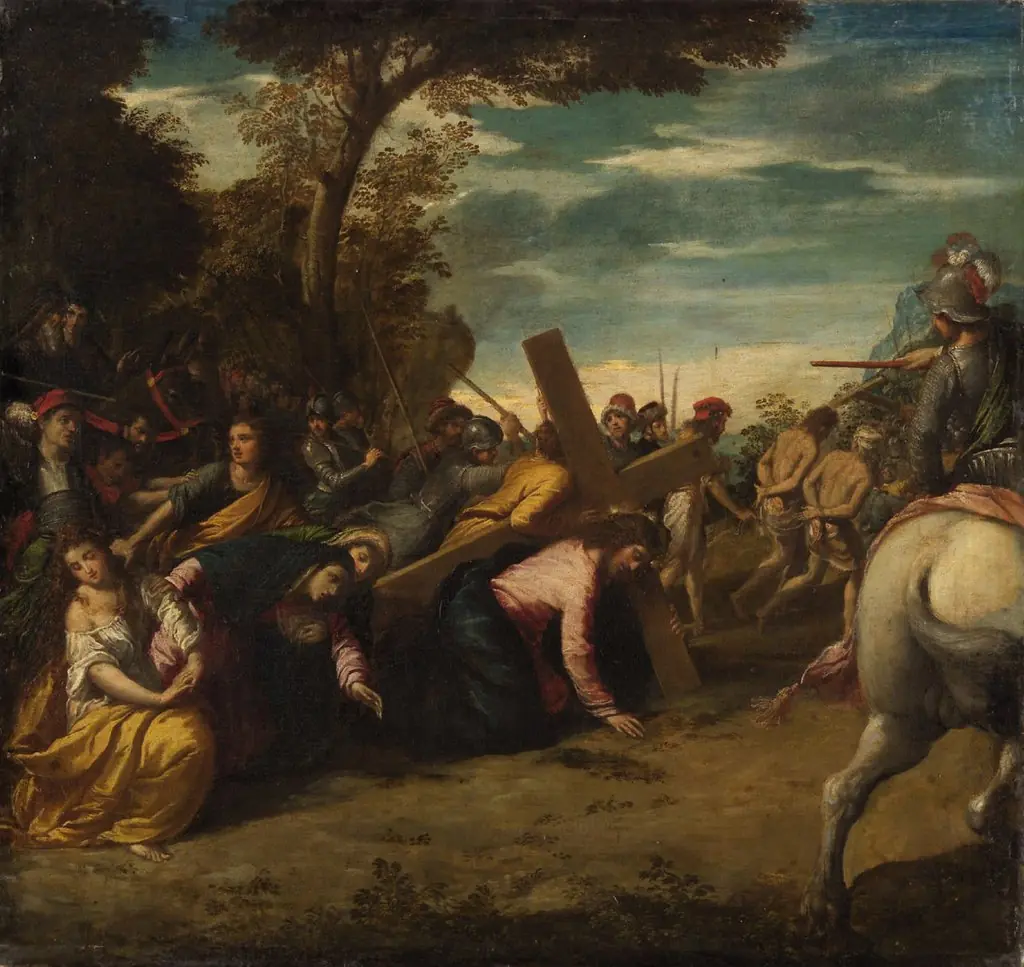 Christ Carrying the Cross
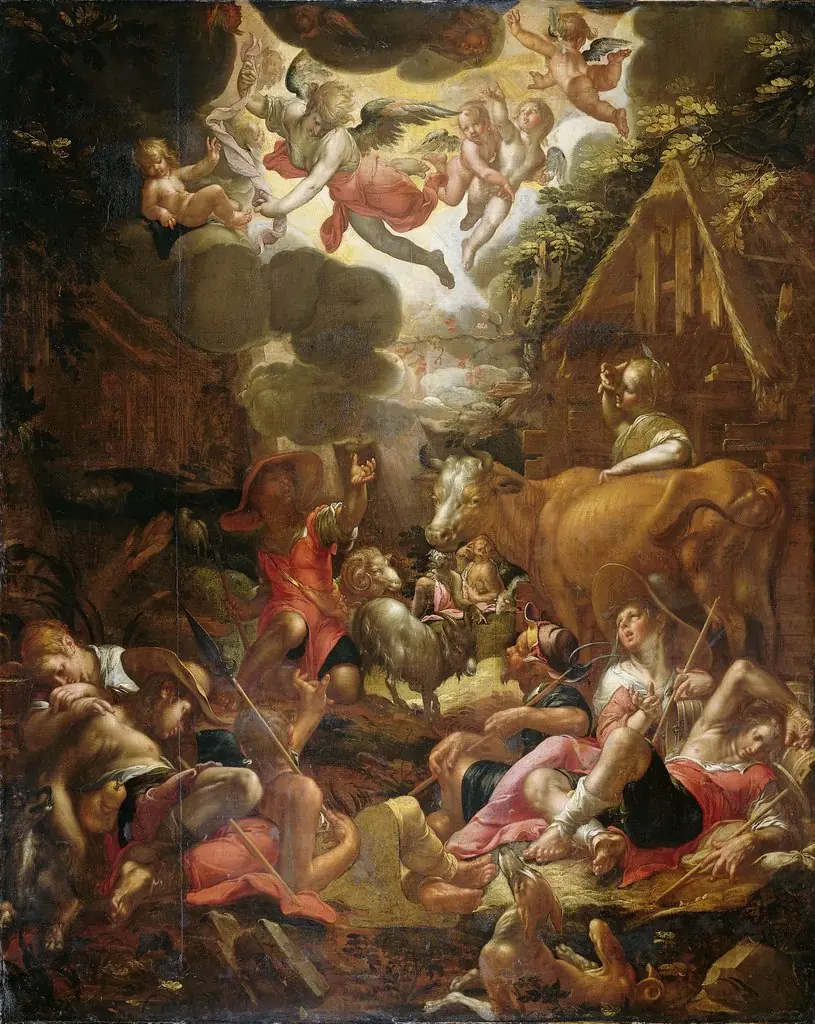 Annunciation to the Shepherds
 Army Camp
 A battle scene
 Adoration of the Magi
 The battle of Taro
 Emperor Heraclius Carrying the Cross to Jerusalem
 Die Madonna erscheint zwei Pilgern (Kopie nach)