Artwork
Saint Barbara
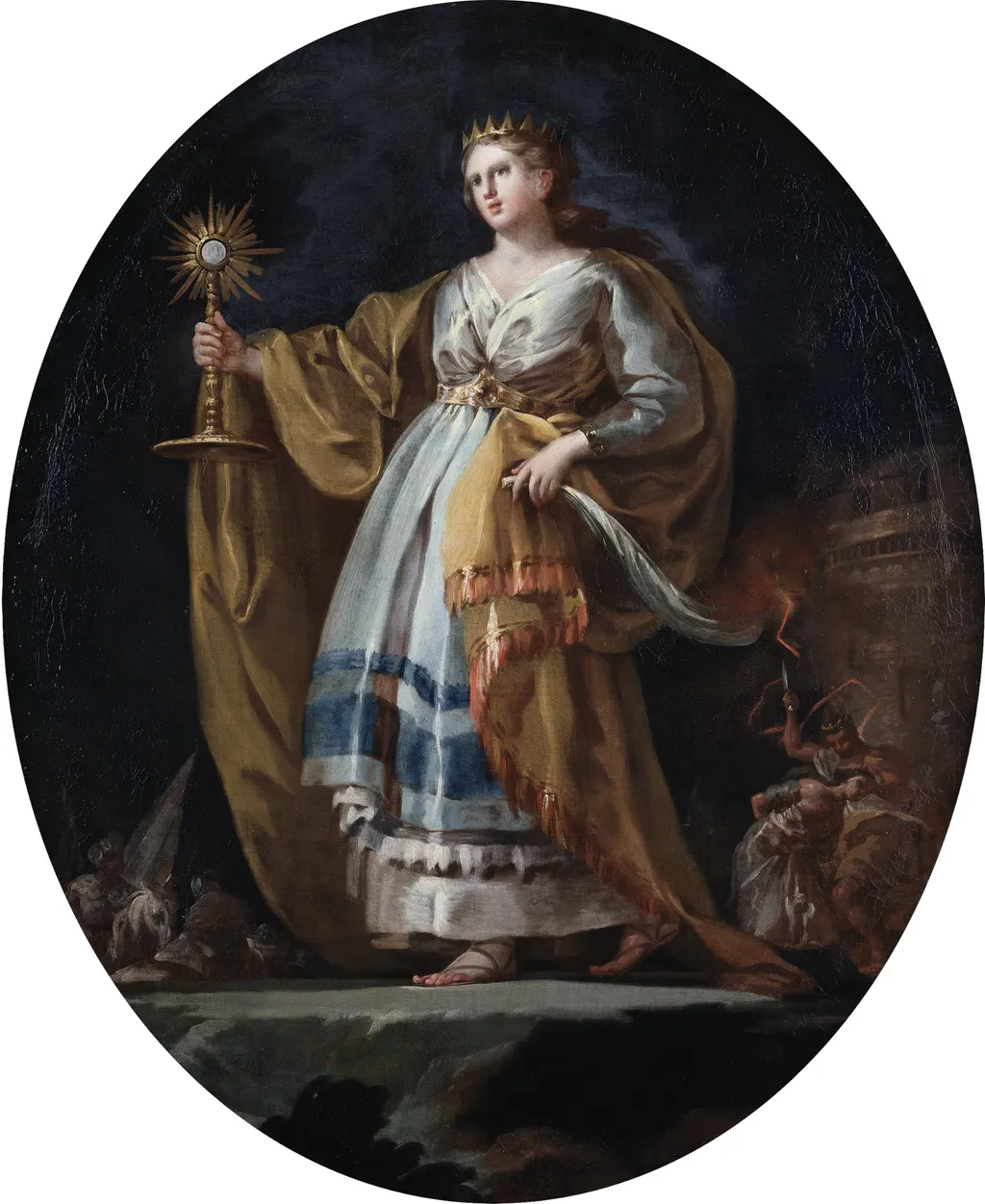
Saint Barbara is an oil painting by the Rococo painting artist Francisco de Goya. It dates from 1772 and is held in the collection of the Museo del Prado.
About this work
Subject & Meaning
The painting depicts Saint Barbara, a third-century Christian martyr particularly venerated in Spain and Aragon.
The painting depicts Saint Barbara, a third-century Christian martyr particularly venerated in Spain and Aragon. Goya portrays her as a beautiful woman of high social standing, indicated by her elaborate clothing. Her iconography includes specific attributes: she holds a monstrance in her right hand and a palm frond in her left, the latter serving as a traditional symbol of her martyrdom.
The background features a tower, referencing her place of captivity, alongside a lightning bolt. To the left, the Royal Army is depicted, acknowledging her role as their patron saint. The composition utilizes intense light to create a rhythmic flow across the figure, blending religious devotion with the artist's exposure to Greco-Roman aesthetics following his travels in Italy.
Technique & Style
Executed in oil paint on canvas, this religious work measures 97.2 cm in height and 78.5 cm in width. The composition depicts Saint Barbara as a figure of high social standing, distinguished by her elaborate attire. Goya established a rhythmic flow along the saint's body, accentuated by a strong, focused light source. Specific details of the head and torso were prepared through preliminary sketches found in the artist's Italian notebook, reflecting inspiration drawn from Greco-Roman art following his travels. Iconographic elements include a monstrance held in the right hand and a palm of martyrdom in the left, set against a background featuring a tower, a lightning bolt, and representations of the Royal Army.
History & Provenance
Painted by Francisco Goya during his youth in Zaragoza, this oil on canvas depicts Saint Barbara shortly after the artist returned from his travels in Italy. The work incorporates artistic influences from Greco-Roman art encountered during that journey, with specific details of the figure's head and body derived from sketches in Goya's Italian notebook. While some references suggest a creation window extending to 1780, the painting is widely dated to circa 1772 or 1773. It currently resides in the collection of the Museo del Prado, where it is recognized as the earliest dated work by the artist held in the institution.
Saint Barbara is held in the collection of the Museo del Prado in Madrid. According to the Spanish-language reference on the work, it is the earliest-dated painting by Goya in the museum's holdings. The Wikidata record confirms its location and collection as the Museo del Prado, with measurements of 97.2 cm in height and 78.5 cm in width.
No specific inventory or accession number is provided in the available sources. Likewise, no exhibition history is documented in the consulted references.
Context
The critical reception of this work has been shaped by its status as one of Goya's earliest religious paintings, noted for its blend of devotional imagery and emerging personal expression. Scholarship emphasizes its role within Goya's broader oeuvre, particularly his formative period in Zaragoza following his Italian journey, where classical influences from Greco-Roman art inform the composition. The painting is frequently discussed in relation to its placement in the Museo del Prado collection and its significance as an early example of Goya's engagement with martyrdom themes, reflecting both Spanish devotional practices and his evolving artistic language. Its depiction of Saint Barbara as a high-status figure, adorned with symbols of her martyrdom and captivity, has been analyzed for its psychological depth and technical execution, contributing to ongoing debates about the intersection of religious narrative and artistic innovation in late 18th-century Spanish art.
Own this work as a print
Artist & collection
Artist
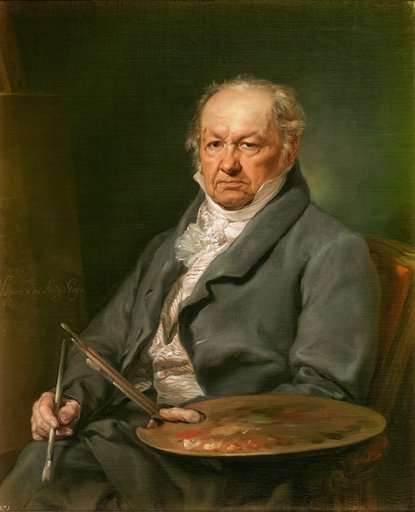
Francisco José de Goya y Lucientes was a Spanish romantic painter and printmaker.

 Santa Catalina
 Nobility Holding a Statue of Athena
 Saint Catherine of Alexandria
 Astronomia
 Saint Catherine of Alexandria in Prison
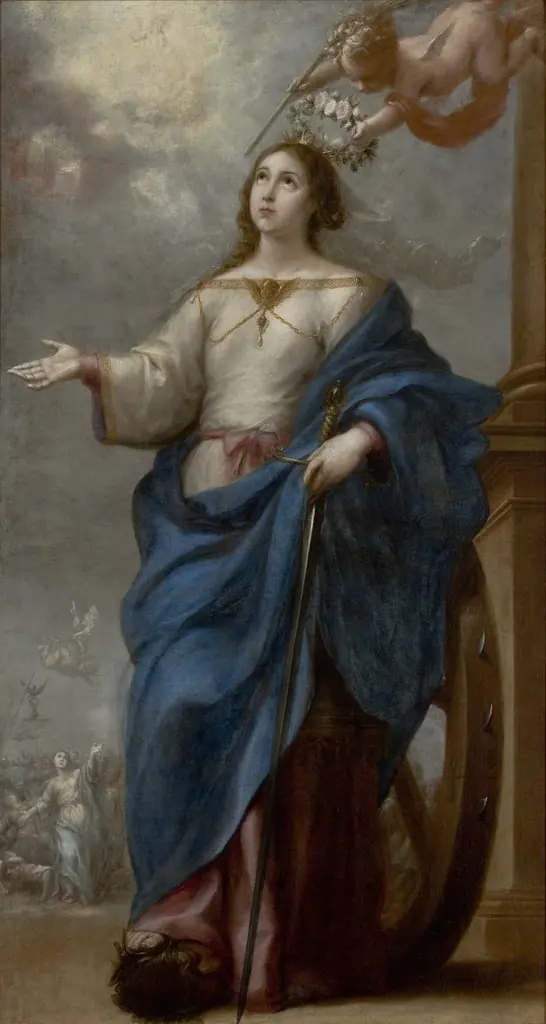 Heilige Katharina von Alexandrien
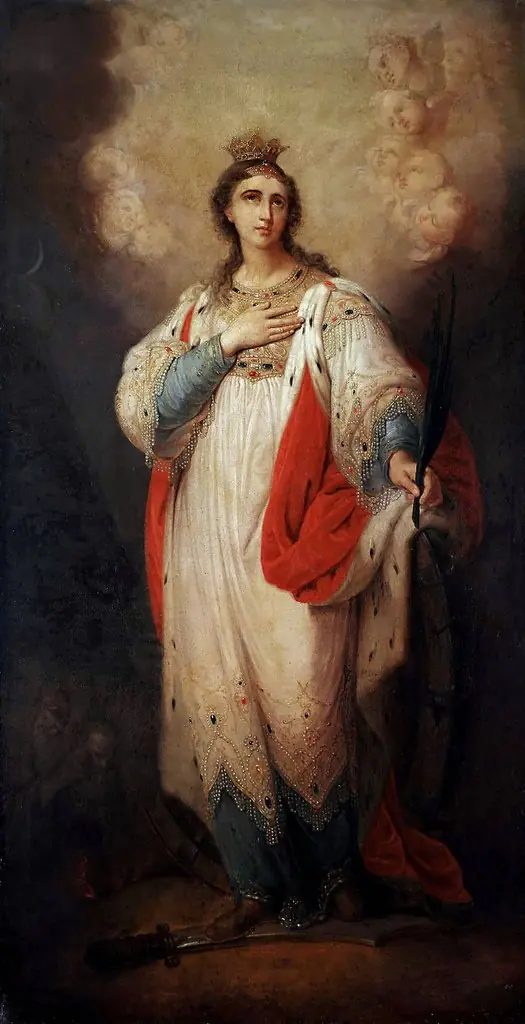 St. Catherine
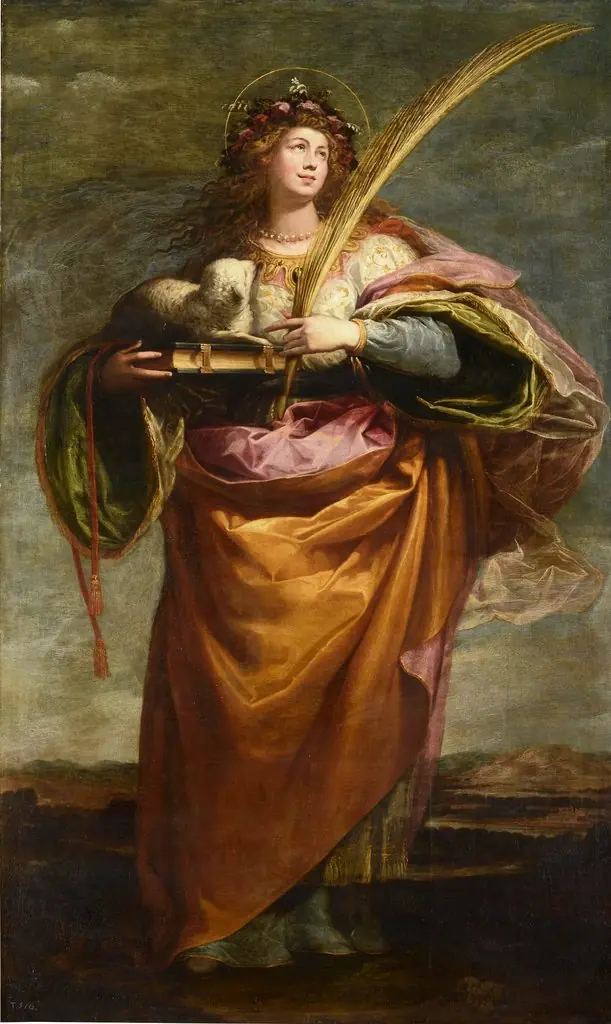 Santa Inés
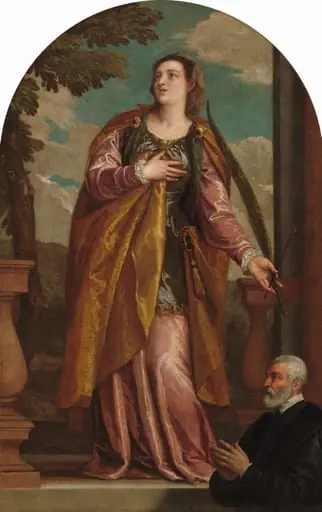 Saint Lucy and a Donor
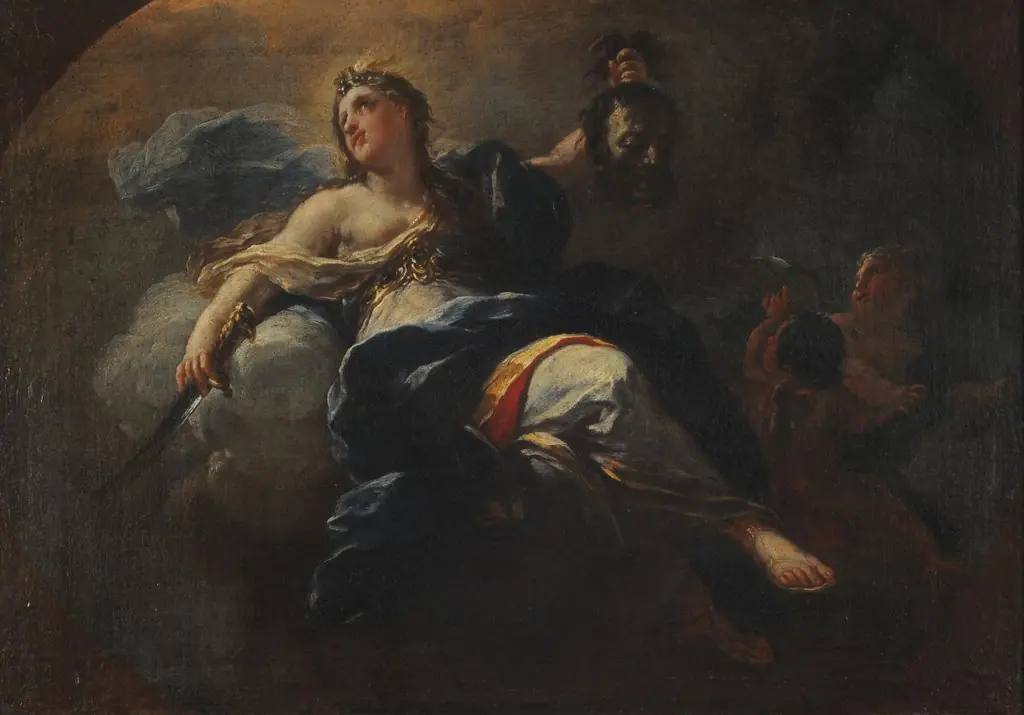 Apoteosis de Judith (Tit. Ant.: Judith llevando -en triunfo- la cabeza de Holofernes)
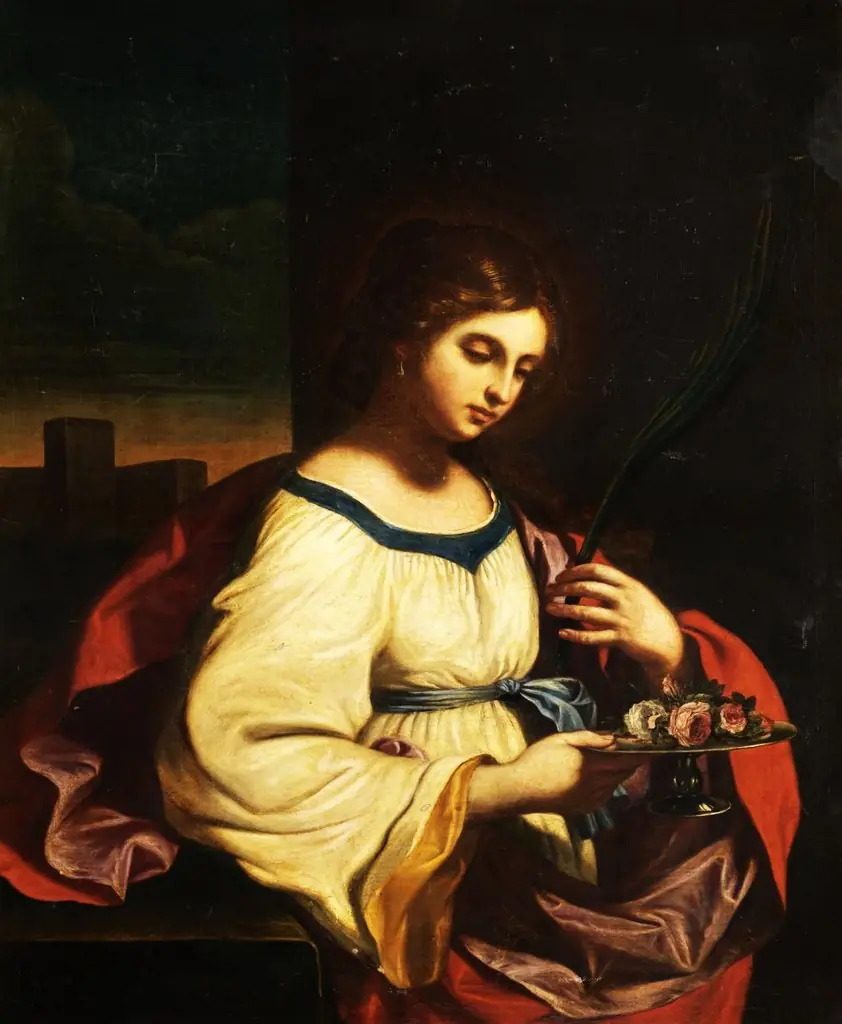 Saint Agatha
- Saint Barbara