Artwork
The Duke and Duchess of Osuna and their Children
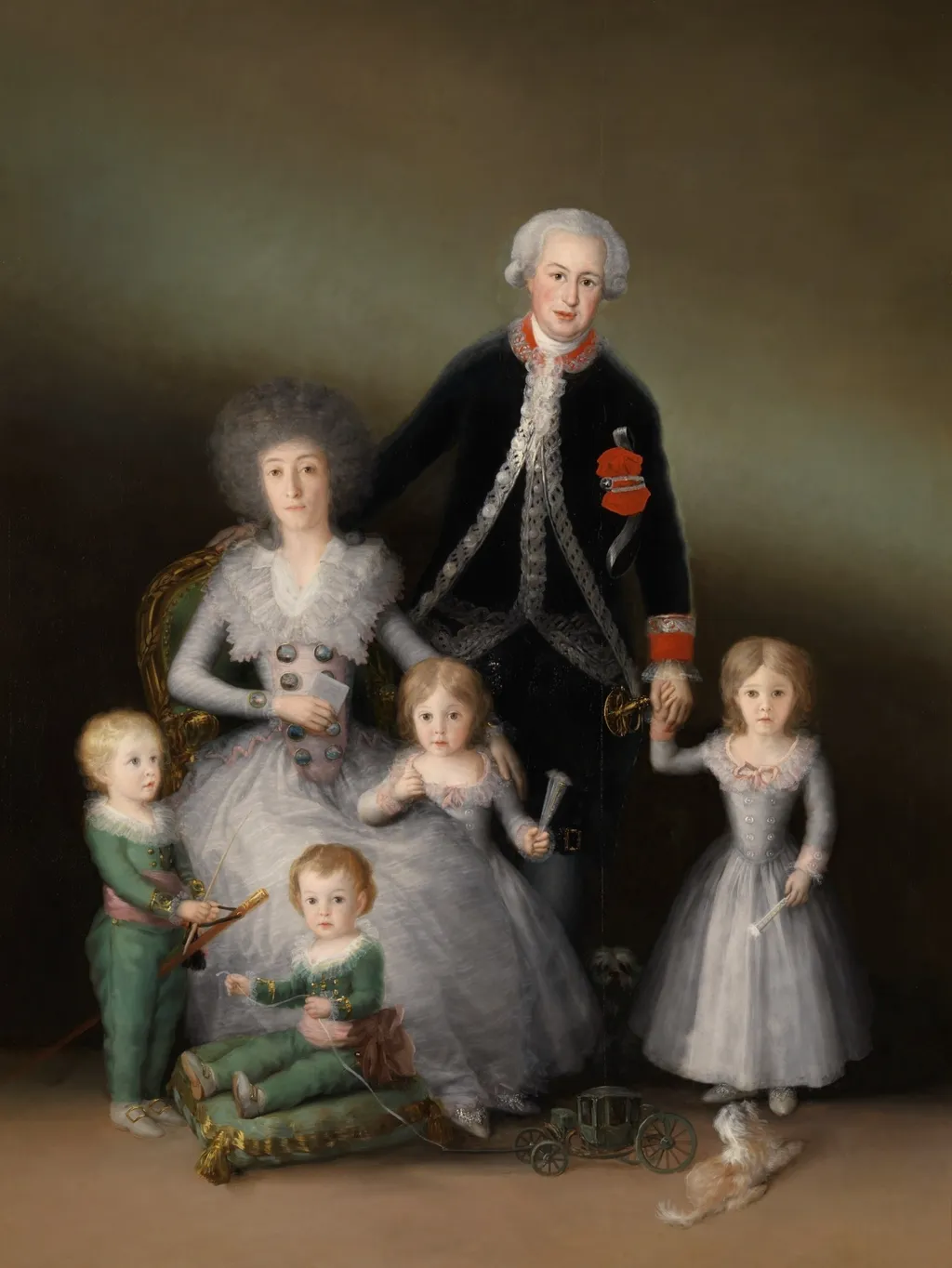
The Duke and Duchess of Osuna and their Children is an oil painting by the Neoclassicist artist Francisco de Goya. It dates from 1794 and is held in the collection of the Museo del Prado.
About this work
This shows a family portrait by Francisco Goya. He painted it in 1787 using oil paints. It hangs in Madrid’s Museo del Prado today.
The picture captures a noble Spanish family with their kids. Goya worked on it in the late 1700s. The Duke and Duchess wanted a formal family image.
Next time you’re at the Prado, look for this one. It’s by Francisco Goya.
Subject & Meaning
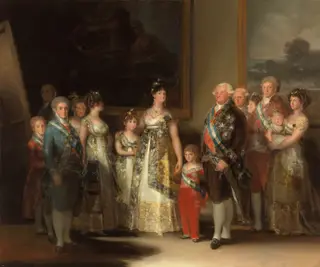
The painting depicts Pedro Téllez-Girón, 9th Duke of Osuna, and his wife María Josefa Pimentel with their four young children, capturing a rare blend of aristocratic formality and domestic intimacy. The Duke, dressed in military uniform to mark mourning for his father, stands beside his seated wife, who wears contemporary French fashion, symbolizing the family's alignment with Enlightenment ideals and modern European culture. The children are portrayed with distinct individuality: the eldest daughter holds her father's hand, the middle daughter rests on her mother's lap, the heir plays with a hobby horse, and the youngest pulls a toy carriage, while two small dogs animate the scene.
These elements, combined with the affectionate expressions and direct gazes of the children, reflect the close personal relationship between the patrons and Goya, transforming a traditional group portrait into a warm, lifelike family moment that underscores the Osunas' role as cultivated patrons of the arts.
Technique & Style
Goya handles space in a manner reminiscent of Velázquez, suggesting walls and floor through light and shade without depicting them explicitly.
The portrait is executed in oil paint on canvas, measuring 225 × 174 cm. Goya employs a soft, delicate palette of grey-greens, pinks, and vivid reds, set against a monochrome neutral background that lends volume to the figures and leaves the surrounding space deliberately undefined.
The group is organized in a pyramidal composition influenced by Anton Raphael Mengs, with varied postures animating each figure. Goya handles space in a manner reminiscent of Velázquez, suggesting walls and floor through light and shade without depicting them explicitly. The figures are brought to life through subtle gestures, the Duke leaning slightly to one side, the children's intense gazes, and the presence of two small dogs, producing a sense of immediacy amid the painting's official character.
History & Provenance
The Duke and Duchess of Osuna and their Children was commissioned by Pedro Téllez-Girón, 9th Duke of Osuna, and María Josefa Pimentel, who were among the most significant patrons of Francisco Goya. The couple, prominent figures in the Spanish Enlightenment, engaged the artist for numerous works and facilitated his entry into high aristocratic circles. Goya executed this family portrait between 1787 and 1788, depicting the dukes with their four surviving children at that time.
The painting excludes their youngest daughter, Manuela Isidra, who was not born until 1794. Since its creation, the work has remained in the collection of the Museo del Prado in Madrid, where it is currently held.
The painting is permanently held in the Museo del Prado in Madrid, Spain. Multiple sources confirm its location within this specific institution, which also houses other works by Francisco Goya and has a historical connection to the family depicted, as one of the sons later directed the museum. The provided sources do not list a specific inventory or accession number for the work, nor do they detail any exhibition history beyond its continuous residence in the Prado. The artwork remains part of the museum's core collection.
Context
Francisco Goya's 1787–1788 portrait of the Duke and Duchess of Osuna with their children exemplifies early Neoclassicism in Spanish art. The work reflects the sitter's status as prominent patrons who commissioned numerous portraits from Goya, introducing the artist to elite intellectual circles. Critics have highlighted the pyramidal arrangement of figures, the Duke's standing posture, and the intimate rendering of the children, noting Goya's blend of Velázquez's spatial treatment with Mengs's compositional order.
Contemporary scholarship also emphasizes the painting's subtle animation, the use of delicate palette, and its role in documenting aristocratic family life while foreshadowing Goya's later explorations of personal intimacy.
Legacy
The Osuna portrait has been repeatedly cited as a touchstone in studies of Goya’s early portraiture and family-group conventions, noted for its synthesis of Neoclassical compositional clarity with an intimate, animated presence rare in aristocratic commissions of the period.
Scholars highlight its influence on later Spanish family portraits that sought to balance dynastic representation with affectionate detail, particularly in the treatment of children’s gazes and the integration of household pets to enliven the scene. The work’s placement in the Museo del Prado since at least the late nineteenth century has further anchored its status as a canonical example within the museum’s holdings of Goya’s secular portraits, reinforcing its pedagogical and critical reception.
Overview
This painting, titled The Duke and Duchess of Osuna and their Children, is a family group portrait created by the Spanish artist Francisco Goya. Executed in oil paint during 1787, the work is a significant example of Goya's early career as a court painter. It is currently housed in the collection of the Museo del Prado in Madrid, where it remains a notable representation of late 18th-century Spanish aristocracy.
Own this work as a print
Artist & collection
Artist
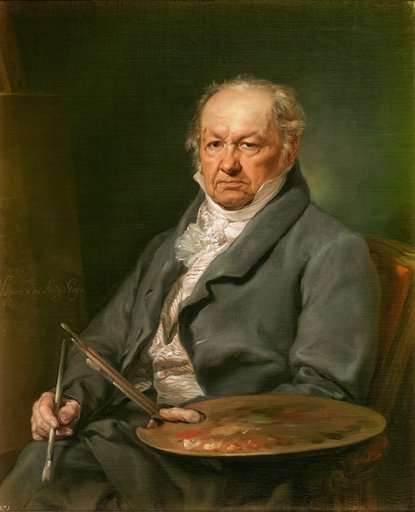
Francisco José de Goya y Lucientes was a Spanish romantic painter and printmaker.

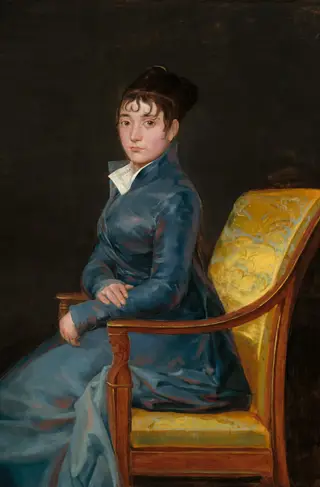
- The Duchess of Berry and her Children
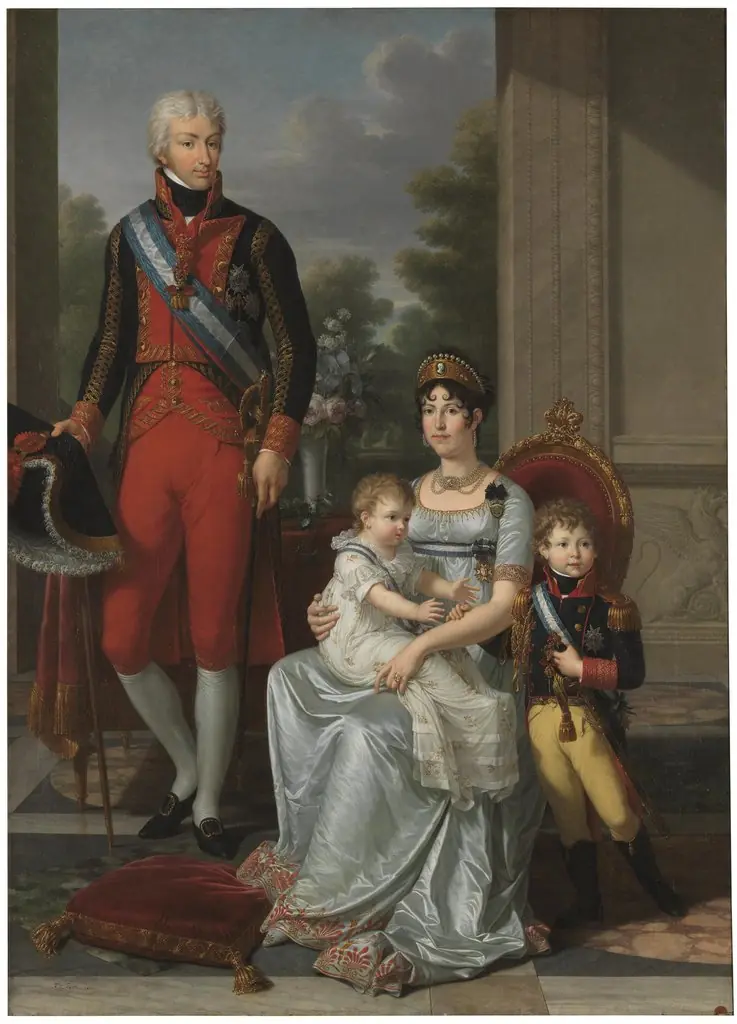 The Etrurian Royal Family
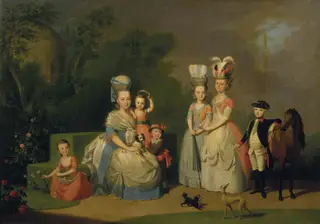 Portrait of Carolina Wilhelmina of Orange (1743-1787) and her Children
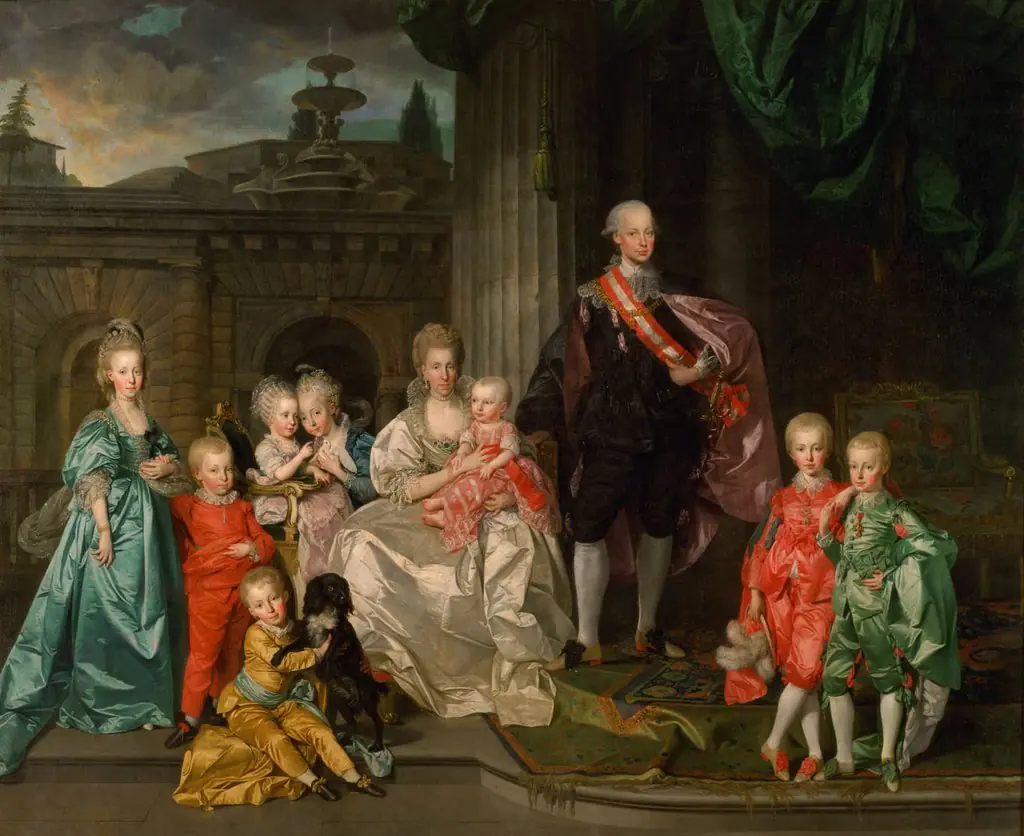 Leopold I, Grand Duke of Tuscany with his wife Maria Luisa and their children
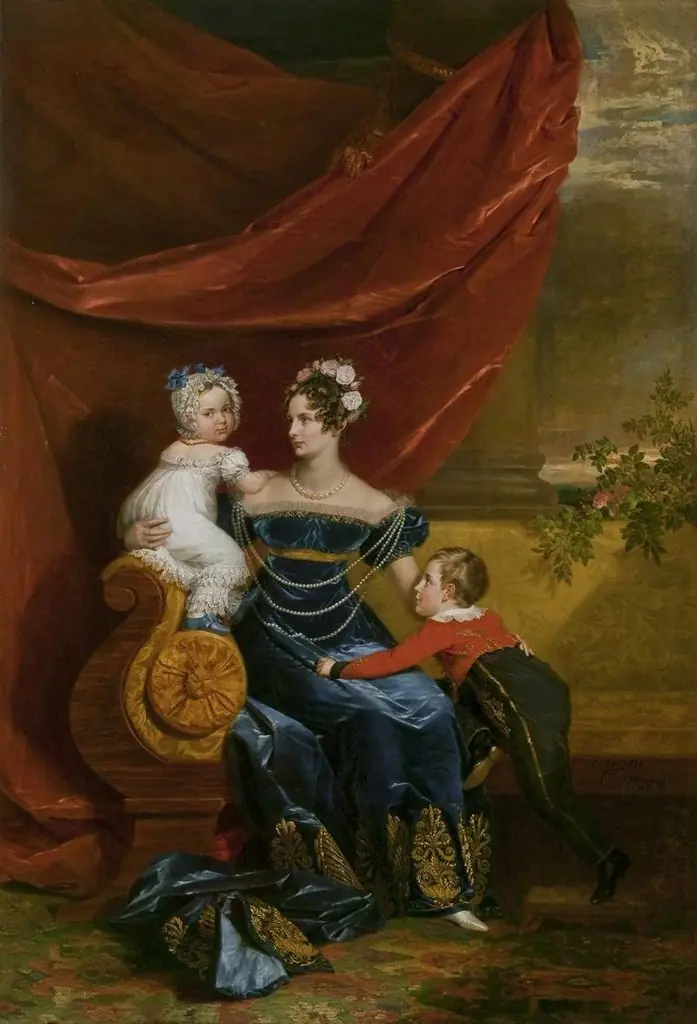 Portrait of Grand Duchess Alexandra Fiodorovna with Children
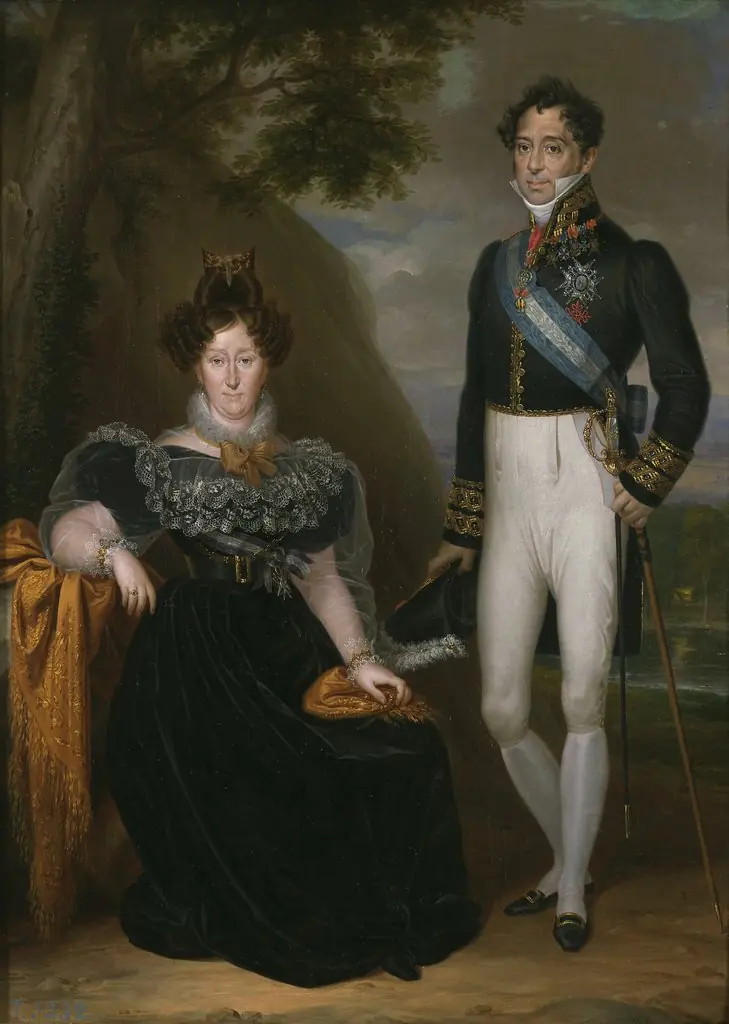 The Duke and Duchess of San Fernando de Quiroga
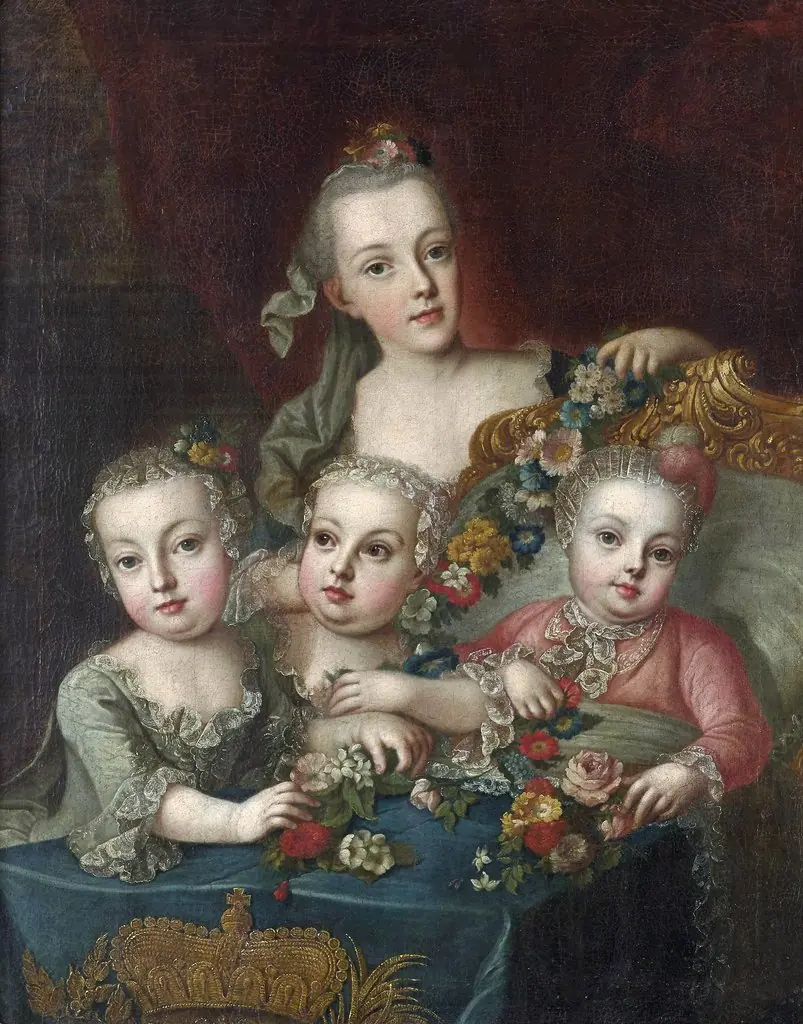 Portrait of the children of the Austrian Empress Maria Theresa
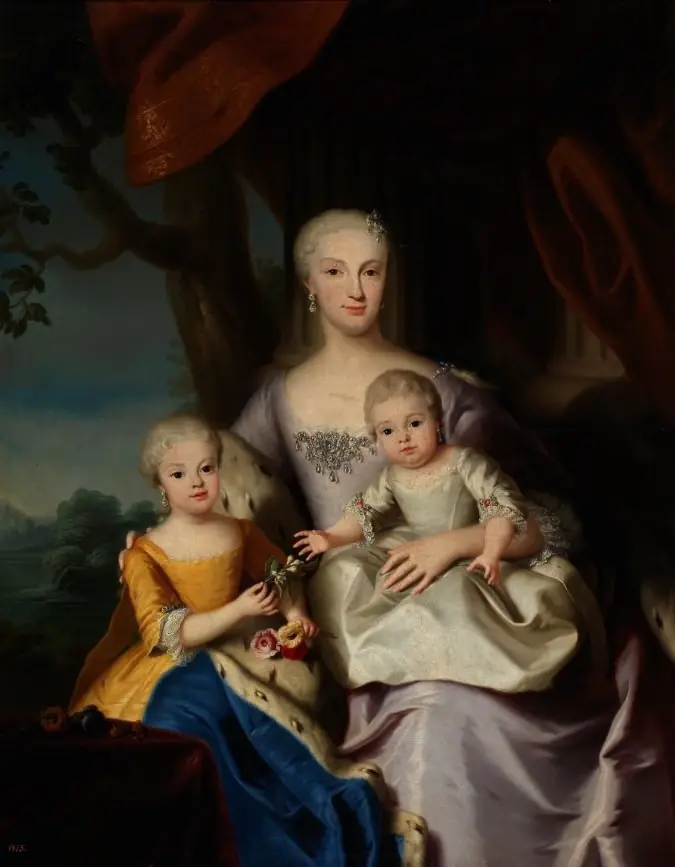 Maria Antonia of Spain and her two daughters
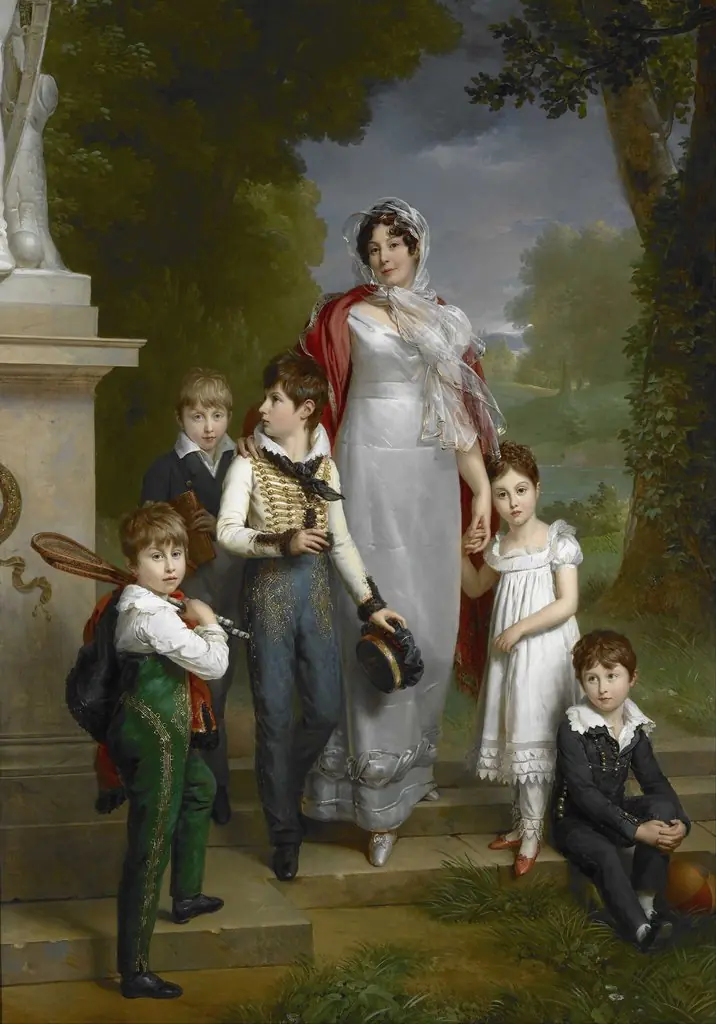 Portrait of Louise-Antoinette-Scholastique Guéhéneuc, Madame la Maréchale Lannes, Duchesse de Montebello, with her Children