Artwork
The Holy Family
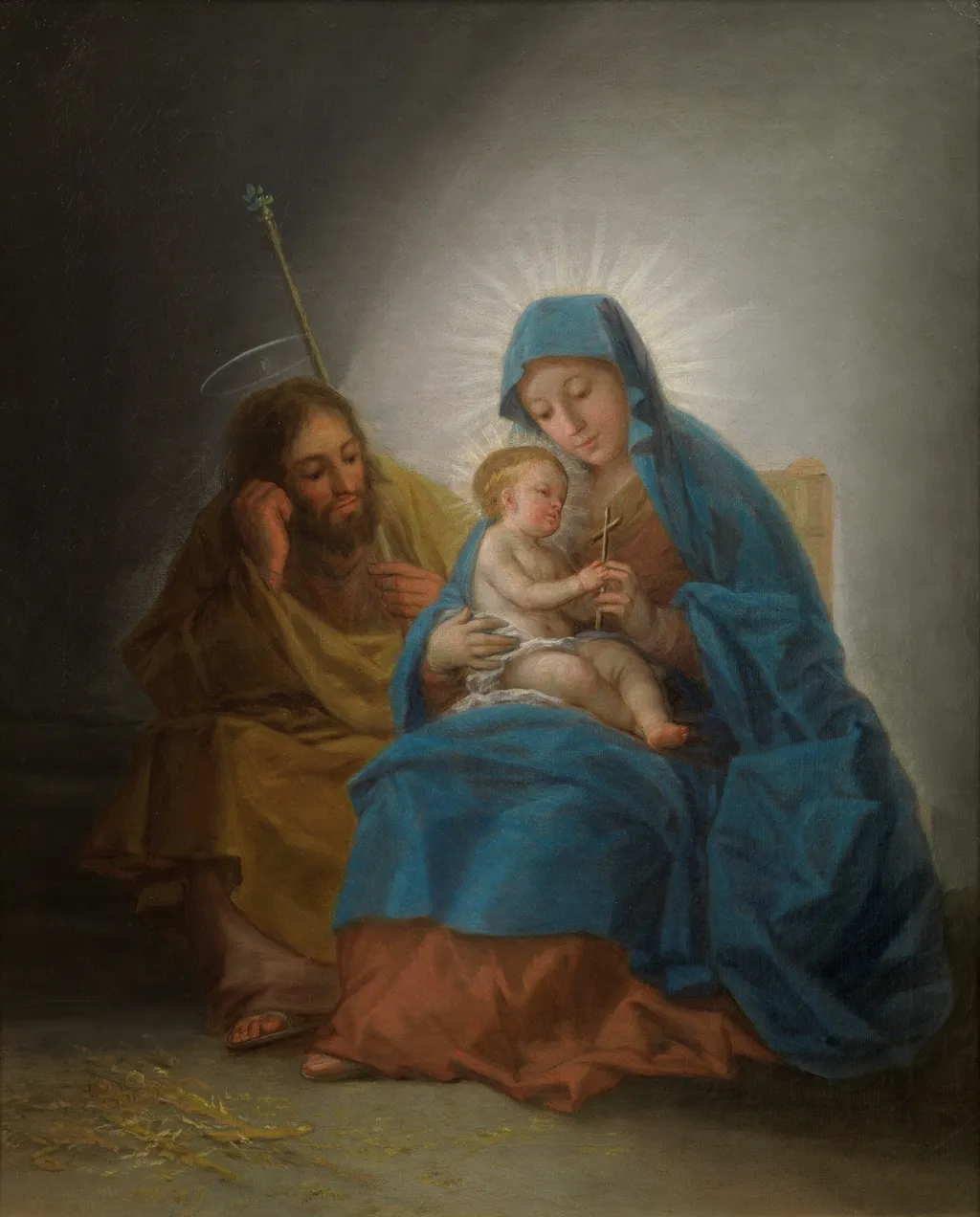
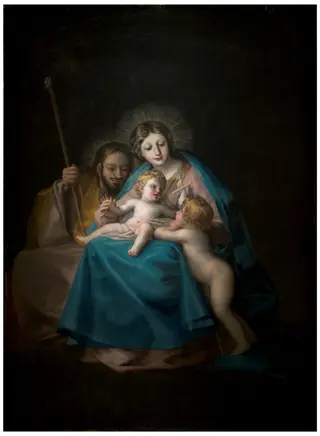
The Holy Family is an oil painting by the Rococo painting artist Francisco de Goya. It dates from 1794 and is held in the collection of the Museo del Prado.
About this work
Subject & Meaning
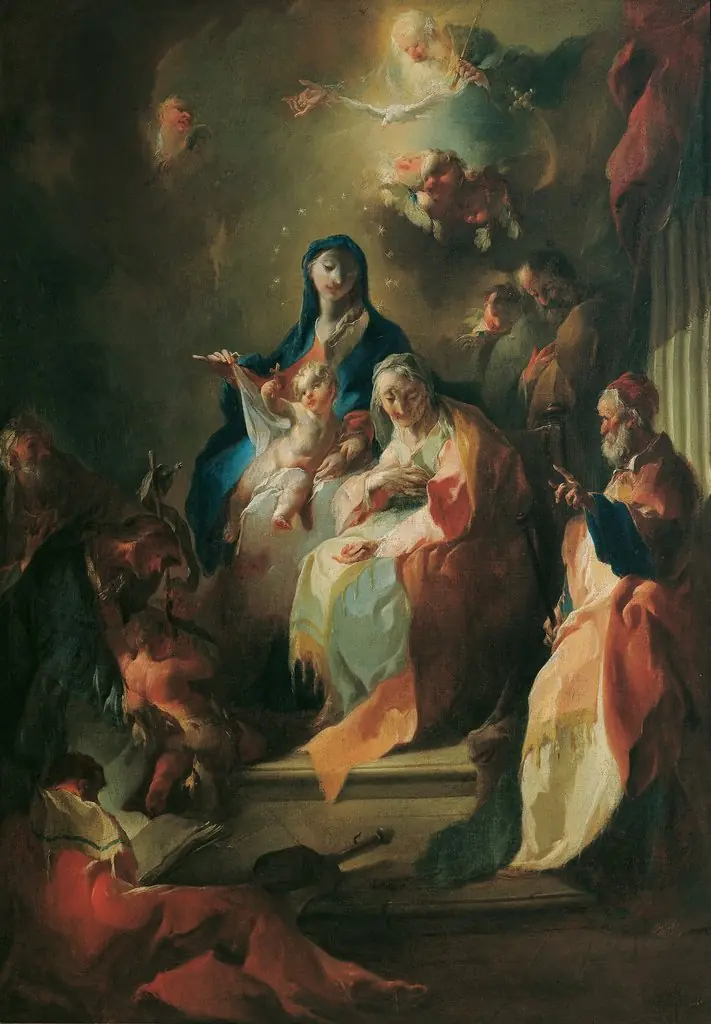
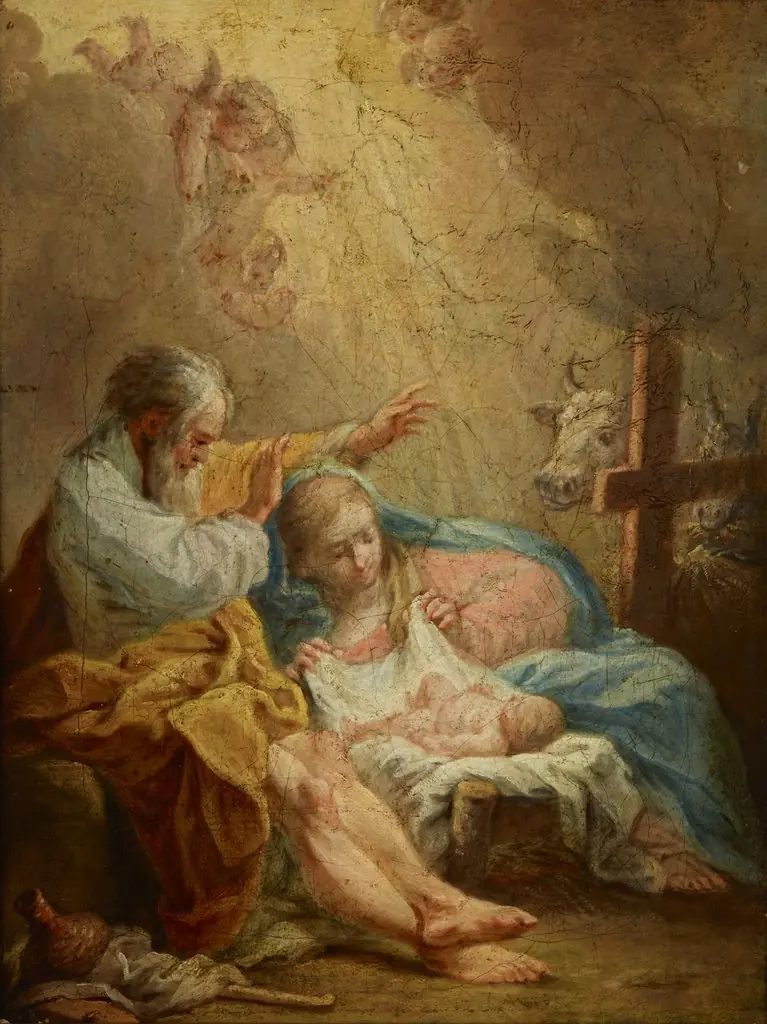
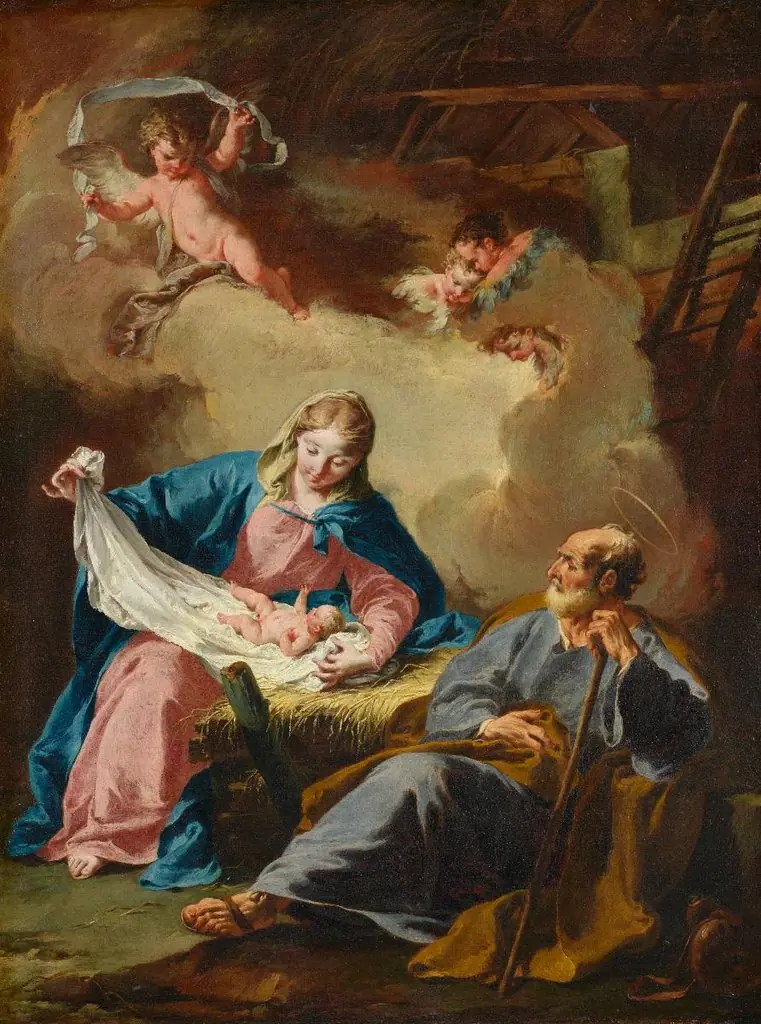
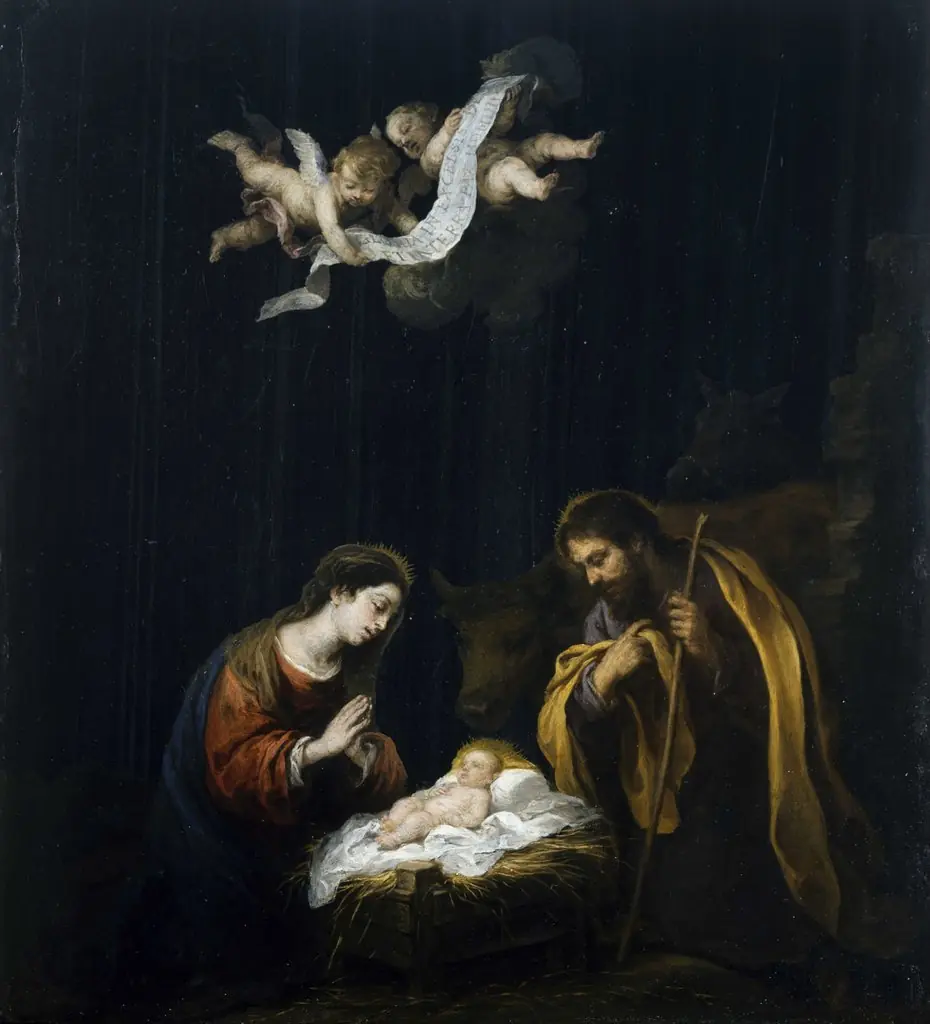
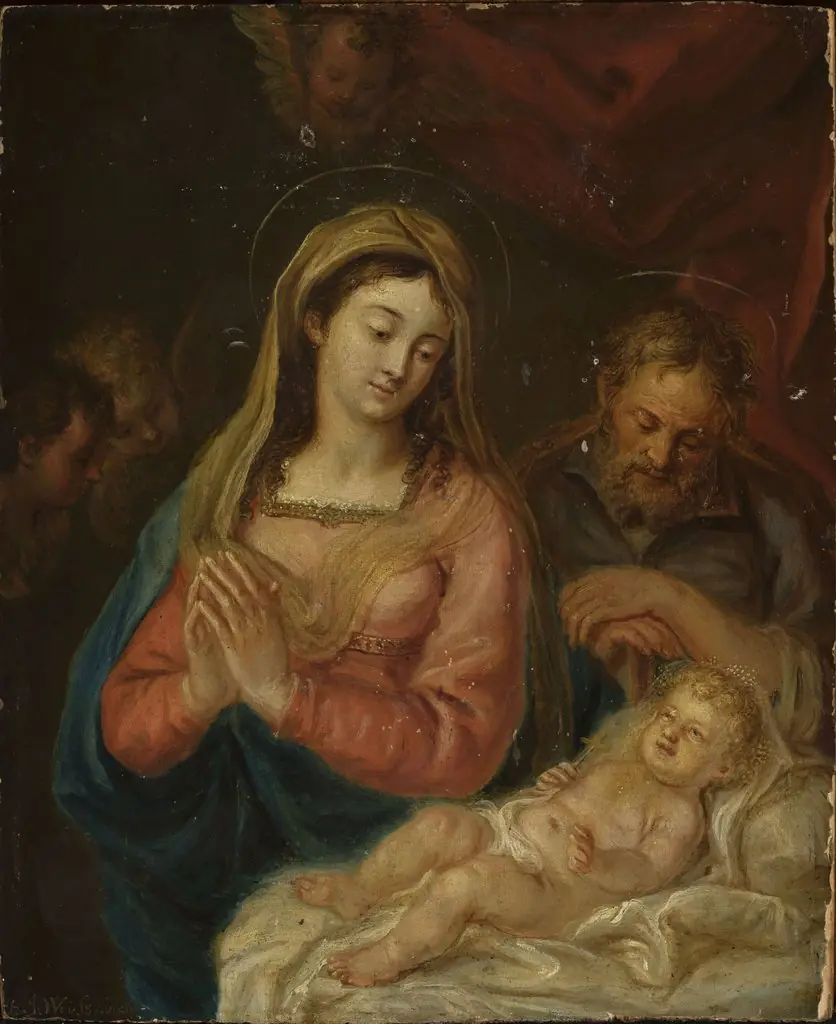
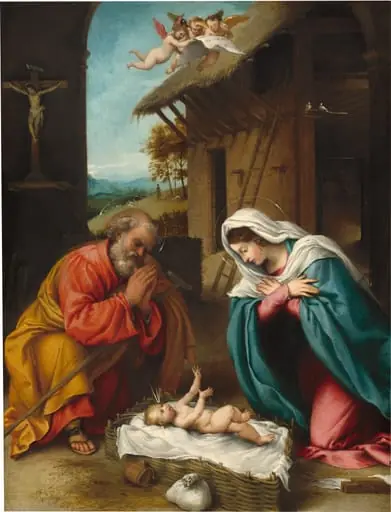
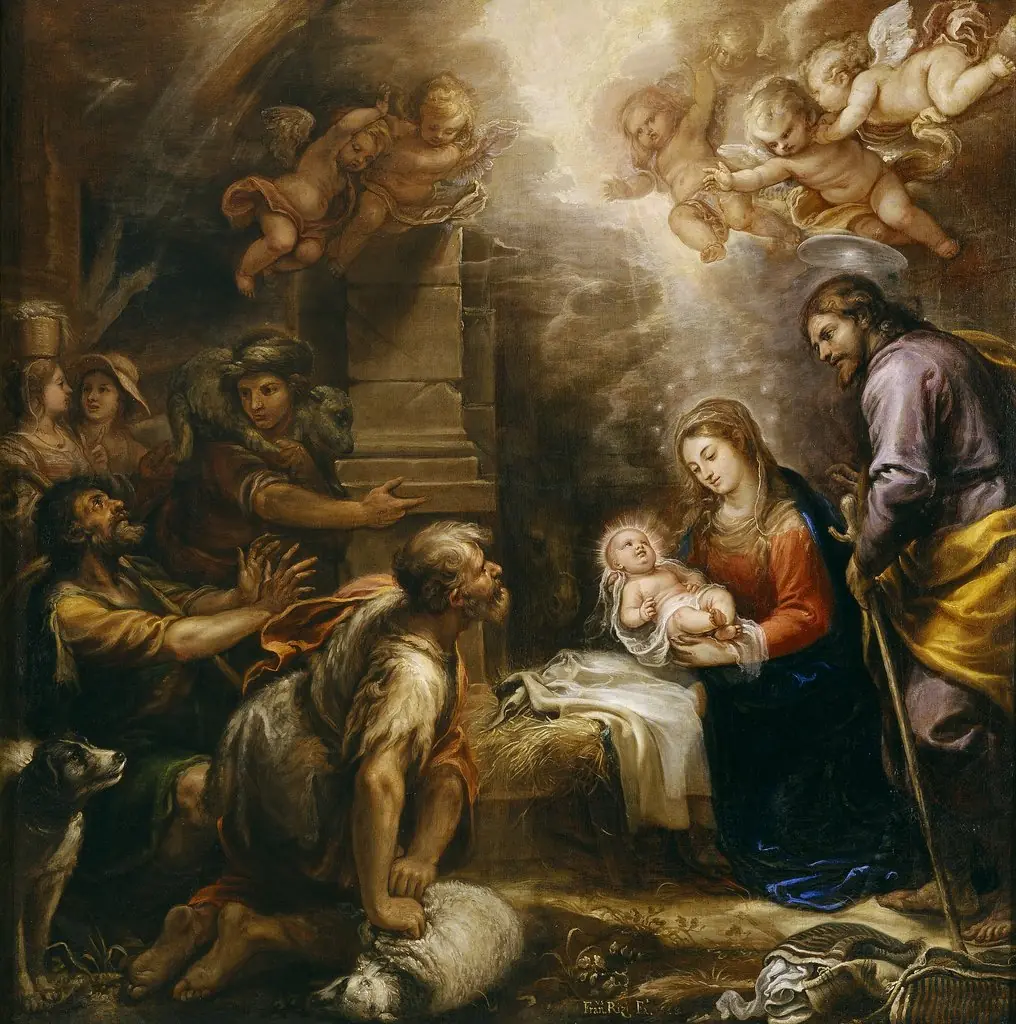
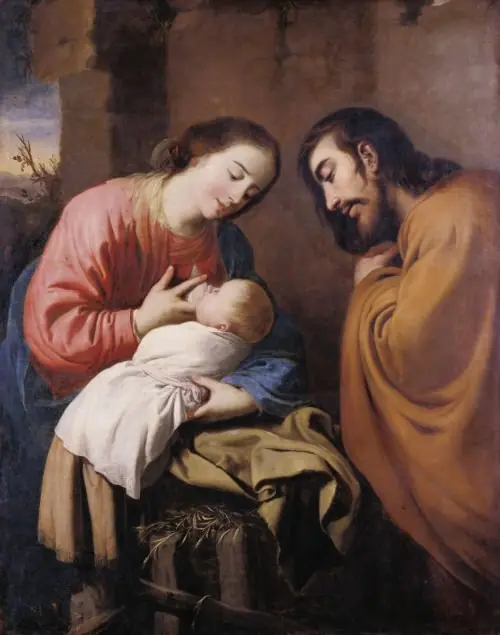
Francisco Goya's 1787 oil painting, The Holy Family, is a religious work that depicts the traditional biblical trio of Mary, Joseph, and the Christ Child.
Francisco Goya's 1787 oil painting, The Holy Family, is a religious work that depicts the traditional biblical trio of Mary, Joseph, and the Christ Child. As a piece of religious art, the composition centers on the Holy Family as its main subject, illustrating the domestic intimacy of the sacred figures. The work represents the core Christian narrative of the Nativity through the presence of the mother, father, and infant Jesus, adhering to established iconography for this genre.
Technique & Style
Francisco Goya executed The Holy Family in 1787 using oil paint applied to a canvas support. The work measures 63.5 cm in height and 51.5 cm in width. As a religious painting created during this period, the piece depicts the Holy Family, specifically Mary, Joseph, and the Christ Child.
The medium of oil on canvas was standard for the artist's panel and easel works of this era, allowing for the rich texture and color depth characteristic of his late 18th-century output.
History & Provenance
Francisco Goya painted The Holy Family in 1787 as an oil on canvas work measuring 63.5 cm by 51.5 cm. The composition portrays Mary, the Christ Child, and Joseph in a domestic setting. Goya’s authorship is confirmed by stylistic analysis and contemporary records. The painting entered the collection of the Museo del Prado, where it remains on display.
The work is held in the Museo del Prado, where it is catalogued under the inventory number P009601. It has been part of the museum's collection since its creation in 1787 and has been exhibited in various retrospectives of Goya's religious works at the Prado, including the 1995 exhibition "Goya: The Religious Paintings".
Context
Francisco Goya painted The Holy Family in 1787 as an oil-on-canvas work depicting the Virgin Mary, the Christ Child, and Saint Joseph. Executed during the artist's early mature period, the piece is classified within the religious art genre and is currently held in the collection of the Museo del Prado. The painting measures 63.5 cm in height and 51.5 cm in width.
As a devotional image created by Goya, it represents his engagement with traditional religious subjects prior to his later, more famous works.
Overview
Francisco Goya’s 1794 oil painting The Holy Family presents a quiet devotional scene typical of late‑eighteenth‑century religious art. Executed in the Rococo idiom, the work shows the Virgin Mary, Saint Joseph and the infant Jesus within a modest interior, rendered with a restrained palette and subdued lighting. The painting belongs to the collection of Madrid’s Museo del Prado.
Own this work as a print
Artist & collection
Artist
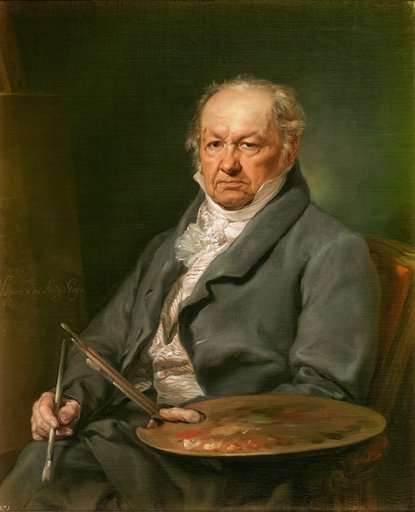
Francisco José de Goya y Lucientes was a Spanish romantic painter and printmaker.