Artwork
Death Playing the Violin (Death and a Money-Lender)
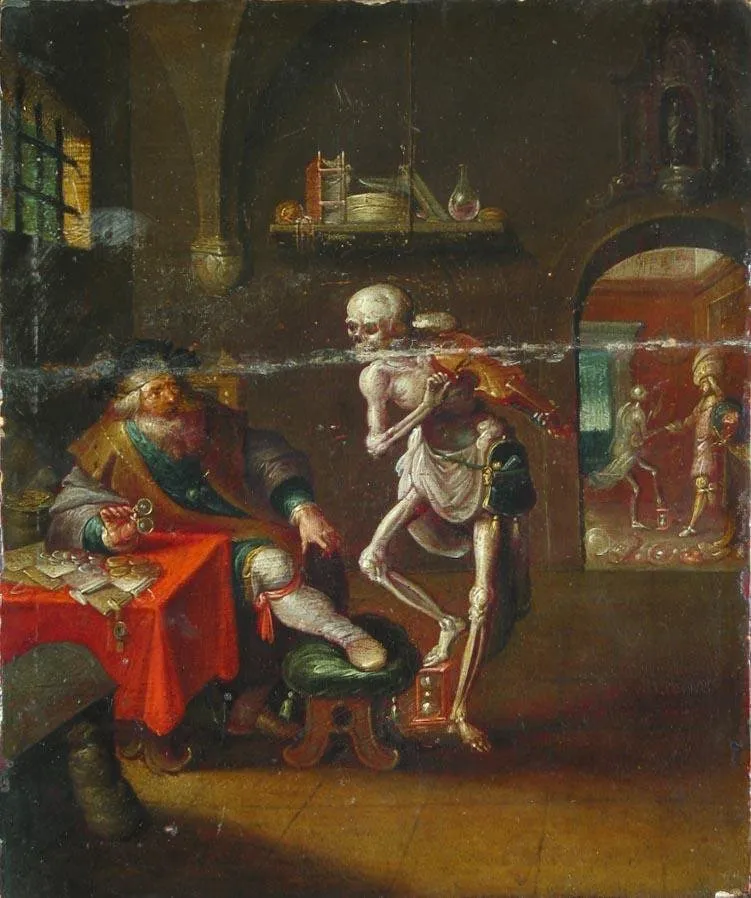
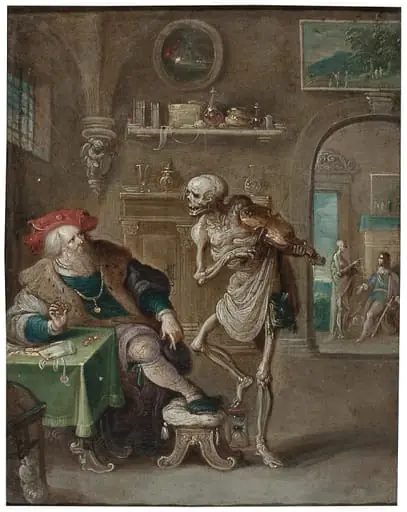
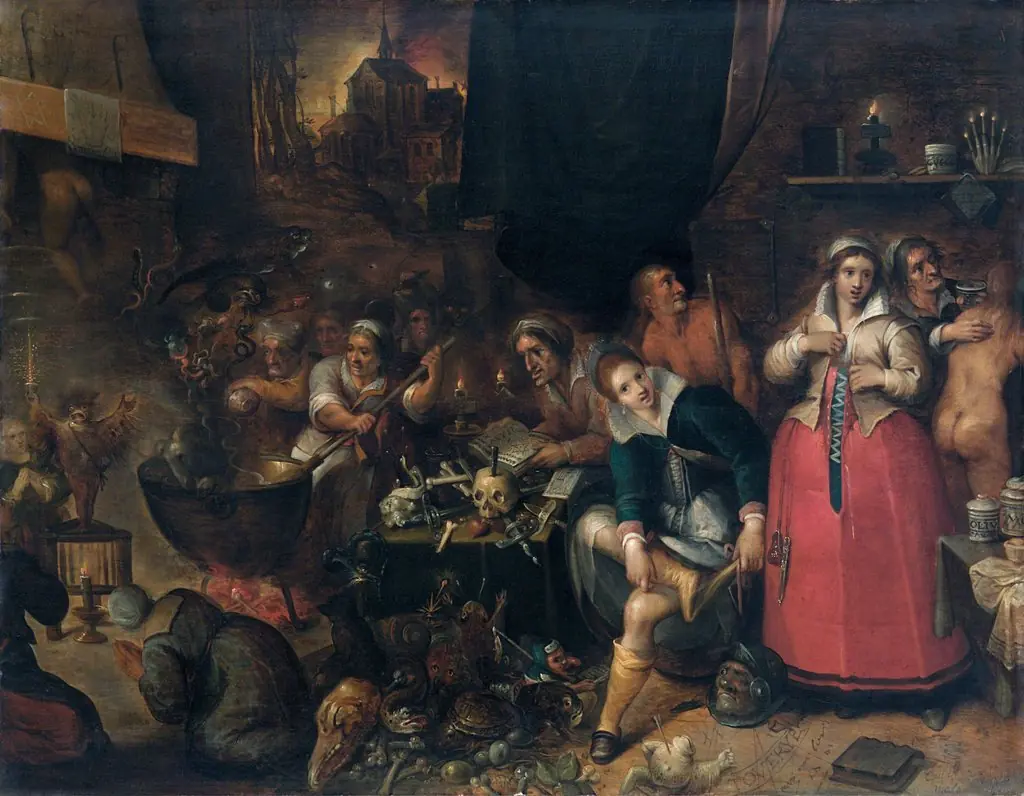
Death Playing the Violin (Death and a Money-Lender) is an oil painting by the Flemish Baroque painting artist Frans Francken the Younger. It dates from 1625 and is held in the collection of the Hermitage Museum.
About this work
Subject & Meaning
This juxtaposition draws on the long‑standing allegory of Death and the Miser, in which Death confronts avarice to remind viewers of life’s transience.
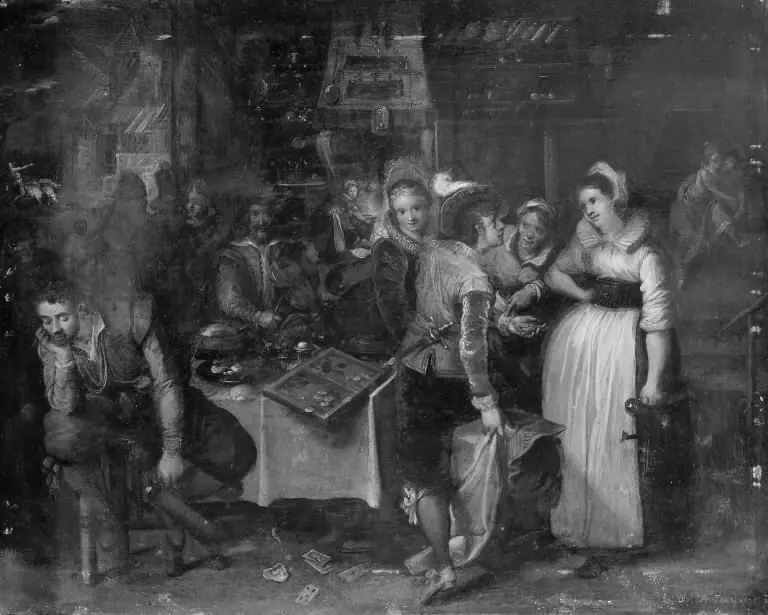
The painting shows a skeletal figure of Death playing a violin while an elderly man, identified in the title as a money‑lender, listens or reacts. This juxtaposition draws on the long‑standing allegory of Death and the Miser, in which Death confronts avarice to remind viewers of life’s transience. The violin, a symbol of fleeting pleasure, underscores the vanitas theme: earthly wealth and music are temporary in the face of inevitable mortality.
By portraying Death as a musician, Francken the Younger emphasizes that even the pursuit of riches cannot escape the ultimate reckoning.
History & Provenance
The painting was created in 1625, as indicated by the internal record and corroborated by the Hermitage Museum’s data.
It entered the Hermitage’s holdings as part of its Flemish collection, where it remains today. The work is listed under the title Death Playing the Violin (Death and a Money-Lender) and depicts an allegory of death, derived from the theme Death and the Miser.
The painting Death Playing the Violin (Death and a Money-Lender) by Frans Francken the Younger is held in the collection of the Hermitage Museum. Created in 1625, the work is executed in oil on panel and measures 21 cm in height by 17 cm in width. The piece depicts an allegory of death featuring a human skeleton and an old man.
While the work is documented as part of the museum's holdings, the provided records do not list a specific inventory number or detail any past exhibitions.
Context
The painting Death Playing the Violin (Death and a Money-Lender) by Frans Francken the Younger, dated 1625, occupies a distinctive niche in early 17th-century Flemish art through its macabre allegorical subject and virtuoso handling of vanitas themes. Contemporary scholarship emphasizes its role as a visual sermon on the transience of wealth and power, aligning with Counter-Reformation imperatives to dramatize mortality through vivid personifications of death. The work directly engages with the established motif of Death and the Miser, yet reinterprets it through the lens of a young artist experimenting with genre fusion, blending moralizing allegory with the observational precision of genre painting.
Its formal innovation lies in the theatrical composition where skeletal figures enact financial improprieties on a violin, transforming symbolic warnings into dynamic narrative tableaux that prefigure later Dutch vanitas developments. The piece remains pivotal in understanding Francken’s contribution to the evolution of moralizing art within the Flemish Baroque context, particularly through its synthesis of didactic intent and painterly inventiveness.
Overview
Frans Francken the Younger, an active Flemish painter of the early 17th century, completed the oil work Death Playing the Violin in 1625. The composition presents a genre scene typical of the Flemish Baroque, now part of the State Hermitage Museum’s collection.
Technique & Style
Executed entirely by Francken, the painting employs a limited palette of deep shadows and muted highlights to model the figures against a dark interior. The artist renders the skeleton’s bony anatomy with precise chiaroscuro, while the textured fabrics and reflective glass demonstrate his skill in handling oil paint for both flesh and material surfaces.
Artist & collection
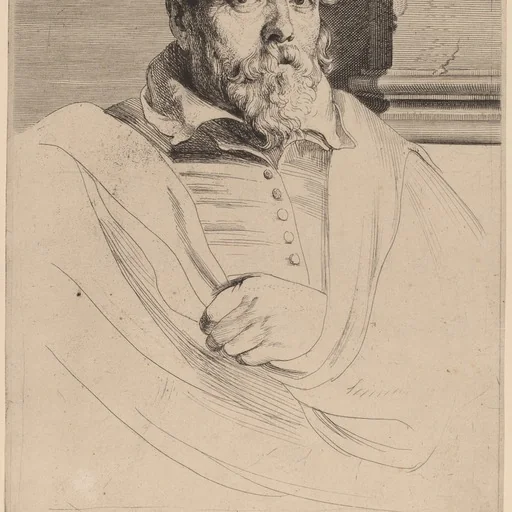
Artist
Frans Francken the Younger (1581, Antwerp – 6 May 1642, Antwerp) was a Flemish painter and the best-known and most prolific member of the large Francken family of artists.