Artwork
Infanta Isabel Clara Eugenia
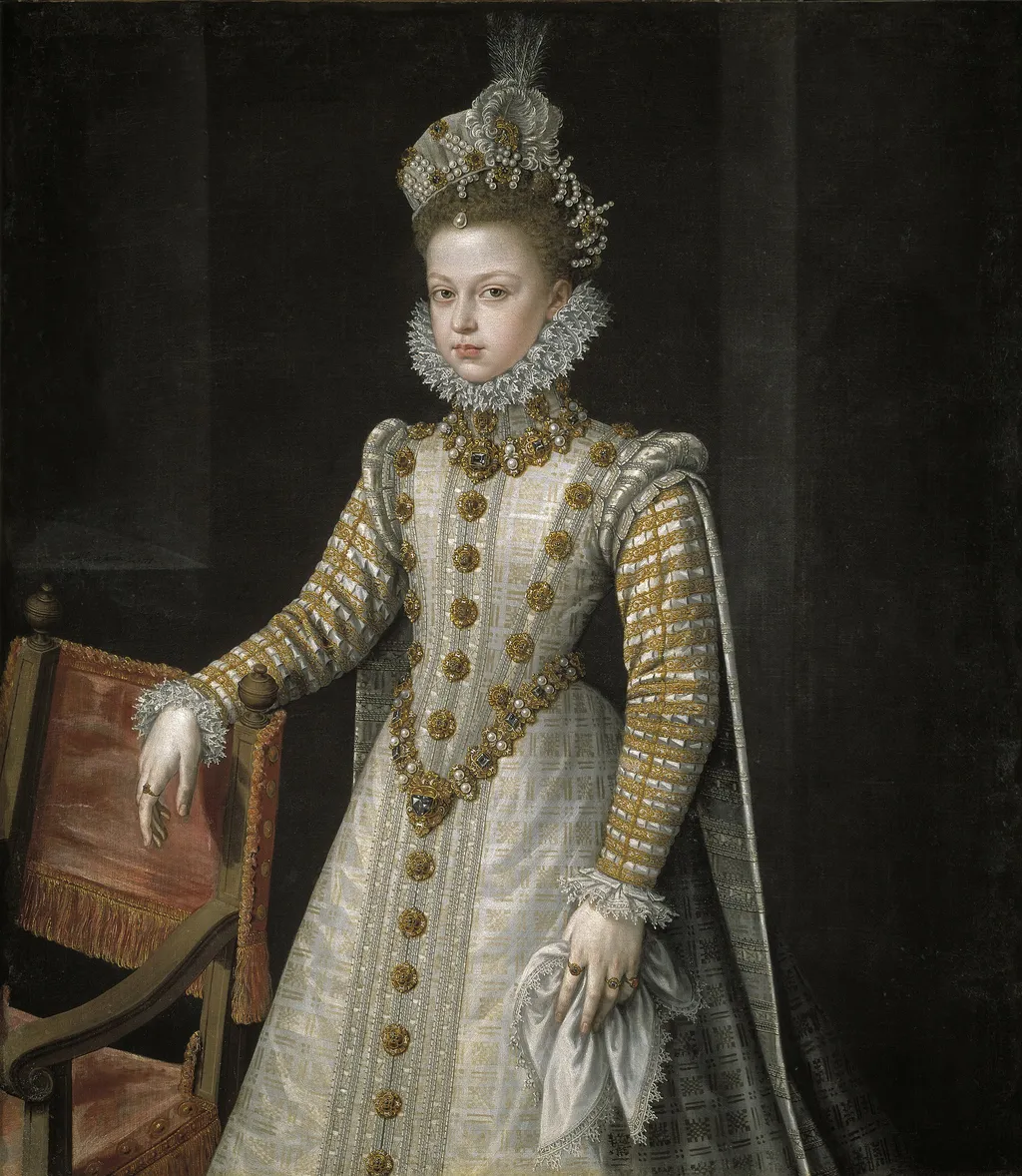
Infanta Isabel Clara Eugenia is an oil painting by the Early Baroque Italian artist Alonso Sánchez Coello. It is held in the collection of the Museo del Prado.
About this work
Subject & Meaning
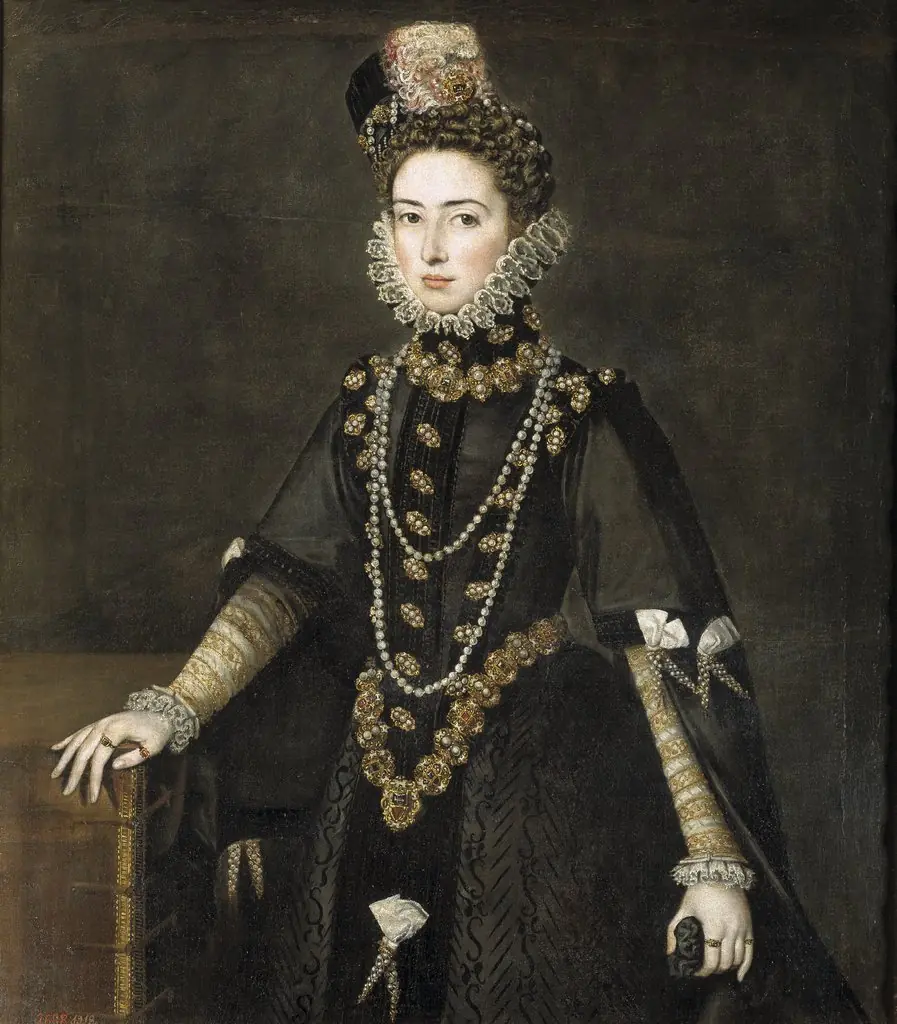
The painting shows Infanta Isabel Clara Eugenia, daughter of King Philip II of Spain, depicted at thirteen years old in a three-quarter-length court portrait.
The painting shows Infanta Isabel Clara Eugenia, daughter of King Philip II of Spain, depicted at thirteen years old in a three-quarter-length court portrait. She wears a white silk dress embroidered with gold thread and precious stones, a pearl headdress crowned by a flower, and holds a lace-edged handkerchief in her left hand while wearing three gemstone rings. The dark background emphasizes her figure, and she gazes directly at the viewer with a composed, impassive expression. The work exemplifies the power and dignity of the royal Habsburg family, reflecting Counter-Reformation ideals of authority and refined femininity. Its composition draws on the style of Flemish painter Anthonie van Dyck and Venetian influences seen in the court’s collection of Titian’s works.
The portrait was created around 1579 in the service of the Spanish monarchy, originally displayed in royal palaces such as the Alcázar and the Palace of El Pardo before entering the Prado Museum’s collection. It remains a key example of late Renaissance portraiture that blends Northern realism with Italian compositional techniques.
Technique & Style
Alonso Sánchez Coello painted Infanta Isabel Clara Eugenia in oil on canvas around 1579. The work measures 116 cm in height by 102 cm in width and is executed in oil paint on a canvas support. The composition presents a three-quarter-length court portrait in which the young infanta stands before a dark background, her posture dignified yet intimate. She rests her right arm on a velvet chair, holds a lace-edged handkerchief in her left hand, and wears a white silk dress embroidered with gold thread and precious stones, complemented by a pearl headdress and three gemstone rings. The rendering emphasizes the texture of fabric and jewelry, reflecting Venetian influences observed in the court’s collection of Tiziano’s works. The portrait’s formal style combines the courtly elegance of Flemish portraiture with refined attention to material detail, reinforcing the sitter’s status within the Spanish Habsburg lineage.
History & Provenance
Alonso Sánchez Coello painted Infanta Isabel Clara Eugenia in 1577, likely in Madrid, as an oil on canvas portrait commissioned by the Spanish court to commemorate her position as Governor of the Netherlands, a role she assumed after her marriage to Archduke Albert VII in 1598; the work remained in royal collections, being displayed at the Alcázar of the Austrians and later at the Palacio del Pardo before entering the permanent collection of the Museo del Prado, where it has been exhibited since its acquisition; the painting measures 116 cm in height by 102 cm in width and is catalogued in the museum's records as accession number P00968, reflecting its long-standing provenance within the Spanish royal heritage and its continuous presence in the institution's exhibition spaces
The portrait, executed in the late 1570s, showcases the Infanta in a three-quarter view, wearing a white silk dress embroidered with gold thread and adorned with pearls and gemstones, holding a lace-edged handkerchief in her left hand while resting her right arm on a velvet chair; the composition draws on Flemish influences from Antonio Moro and the Venetian colorism of Titian, emphasizing the richness of fabric textures and jewelry, with a dark background that isolates the figure; the work was signed by Sánchez Coello and documented in royal inventories of the late 16th century, later appearing in 19th-century publications such as Cirlot's 2007 catalogue of the Museo del Prado, which confirms its attribution and historical context
The work is held in the Museo del Prado in Madrid, where it is catalogued under the museum’s inventory system as part of its collection of European Renaissance portraiture. Its accession number is not specified in the provided sources, but it has been on public display within the museum’s permanent galleries since at least the early 20th century. Exhibition history includes a showing in the Prado’s 1998 retrospective of Alonso Sánchez Coello and a featured placement in the 2007 Prado exhibition “Portraits of the Spanish Habsburg Court.”
Context
This portrait is recognized as one of the most celebrated works by Alonso Sánchez Coello, exemplifying his role as a court painter who elevated the dignity of the Spanish royal house. The composition synthesizes the formal rigor of the Flemish master Antonio Moro with the textural richness of the Venetian school, particularly the influence of Titian's works present at court. Sánchez Coello's meticulous rendering of silk, gold embroidery, and gemstones against a dark background established a definitive model for Habsburg state portraiture.
The painting's formal approach directly influenced subsequent generations of Spanish artists, including Juan Pantoja de la Cruz and Bartolomé González, ultimately paving the way for the court style later mastered by Velázquez. By presenting the thirteen-year-old Infanta with a distant expression yet regal bearing, the work transcends simple likeness to function as a political statement of dynastic power.
Legacy
The portrait is regarded as one of the most recognized works by Alonso Sánchez Coello and is held in the Museo del Prado in Madrid, where it continues to be exhibited as part of the Spanish royal collections it once belonged to. It exemplifies the courtly portrait model that Sánchez Coello developed in the manner of the Flemish painter Anthonis Mor and with Venetian influence transmitted through Titian, and that model was subsequently followed by later painters including Juan Pantoja de la Cruz, Bartolomé González, and ultimately Velázquez, securing the painting's place in the lineage of Spanish royal portraiture.
Its enduring presence in the Prado and its identification as a touchstone of Habsburg court imagery have made it a frequently cited reference for the visual conventions of dignity and restraint that shaped Spanish royal portraiture in the decades that followed.
Own this work as a print
Artist & collection
Artist
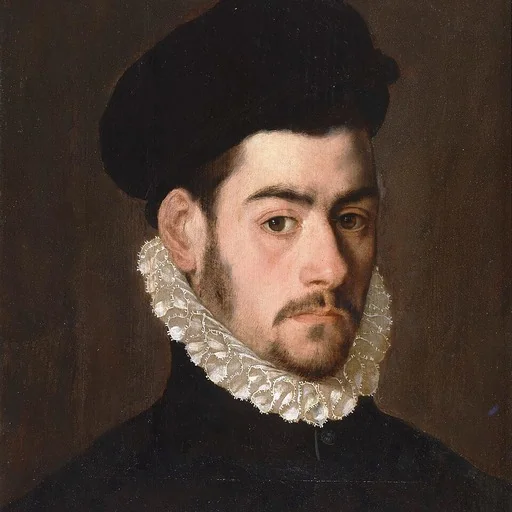
Alonso Sánchez Coello (c. 1531 – 8 August 1588) was an Iberian portrait painter of the Spanish and Portuguese Renaissance. He is mainly known for his portrait paintings executed in a style which combines the objectivity…

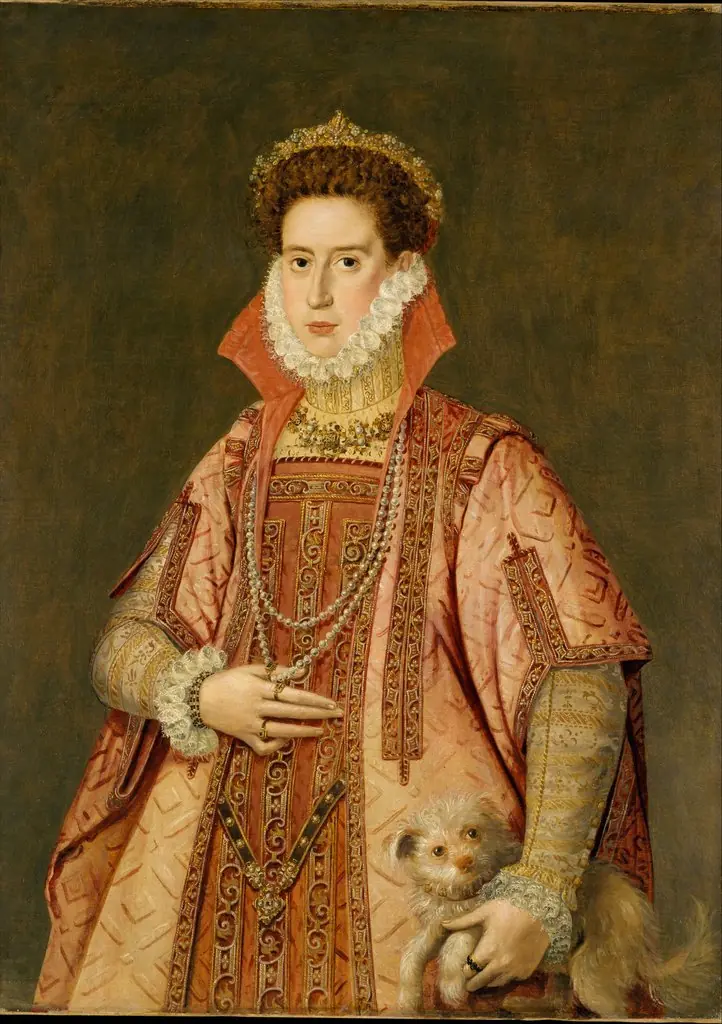
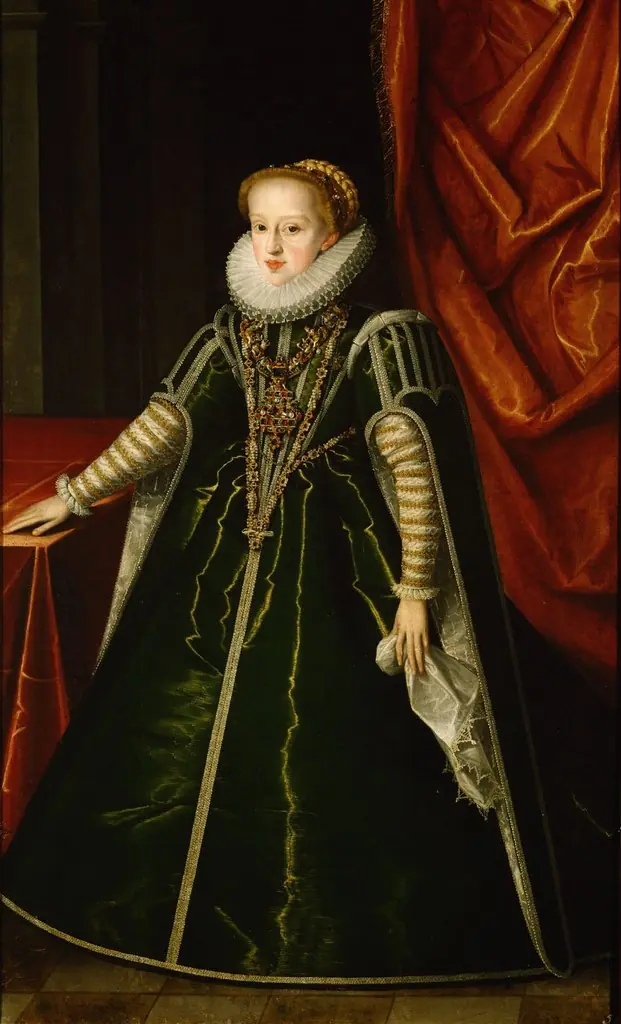 Erzherzogin Gregoria Maximiliane (1581-1597), Tochter von Karl II. von Innerösterreich, im Alter von 11 bis 12 Jahren in ganzer Figur
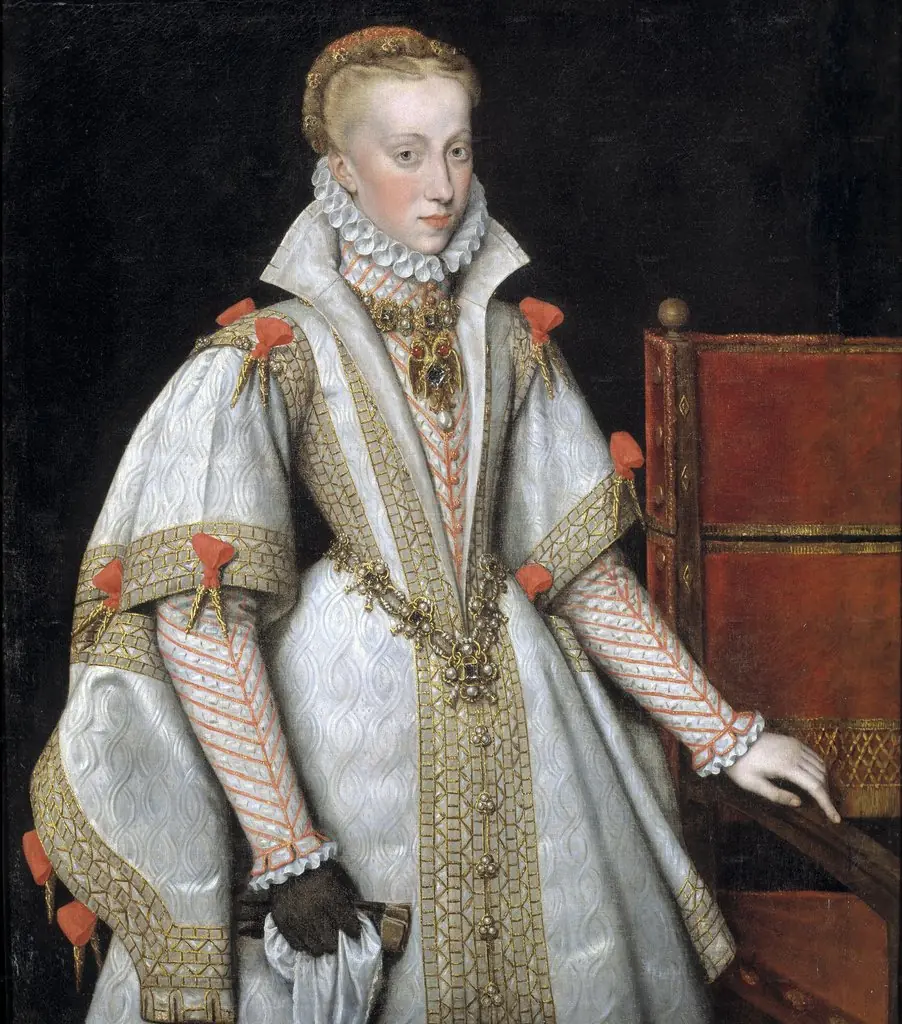 Queen Anne of Austria, fourth Wife of Philip II
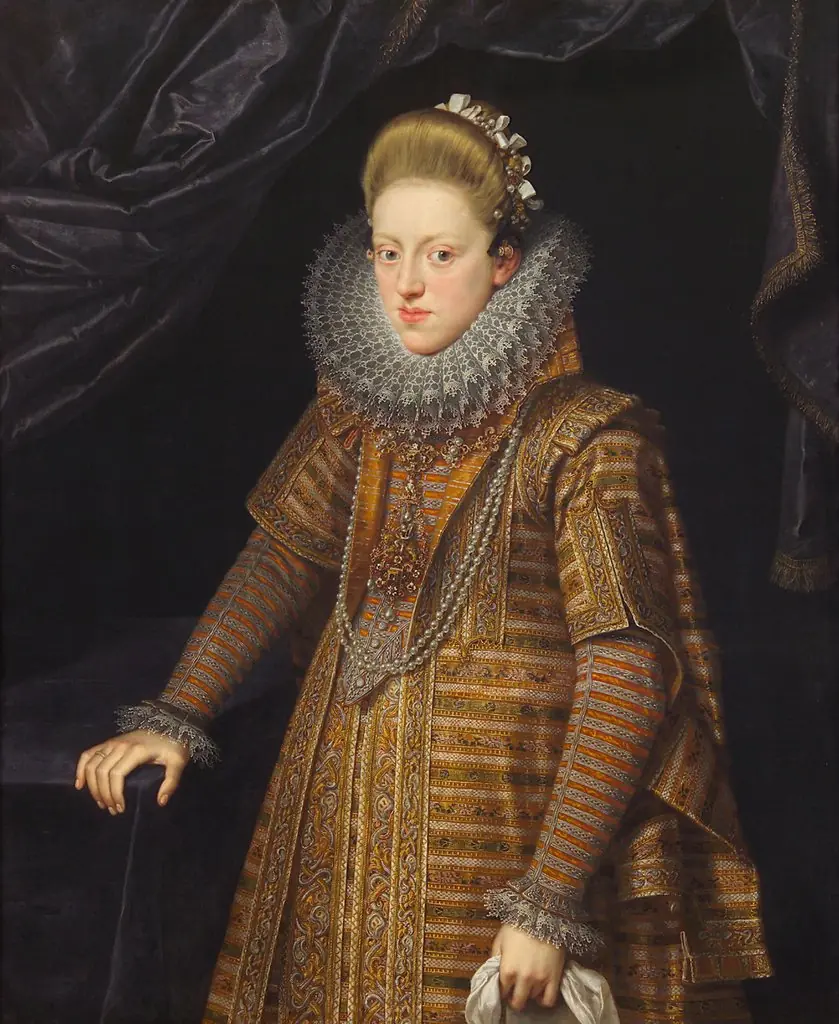 Erzherzogin Eleonore (1582-1620), Kniestück
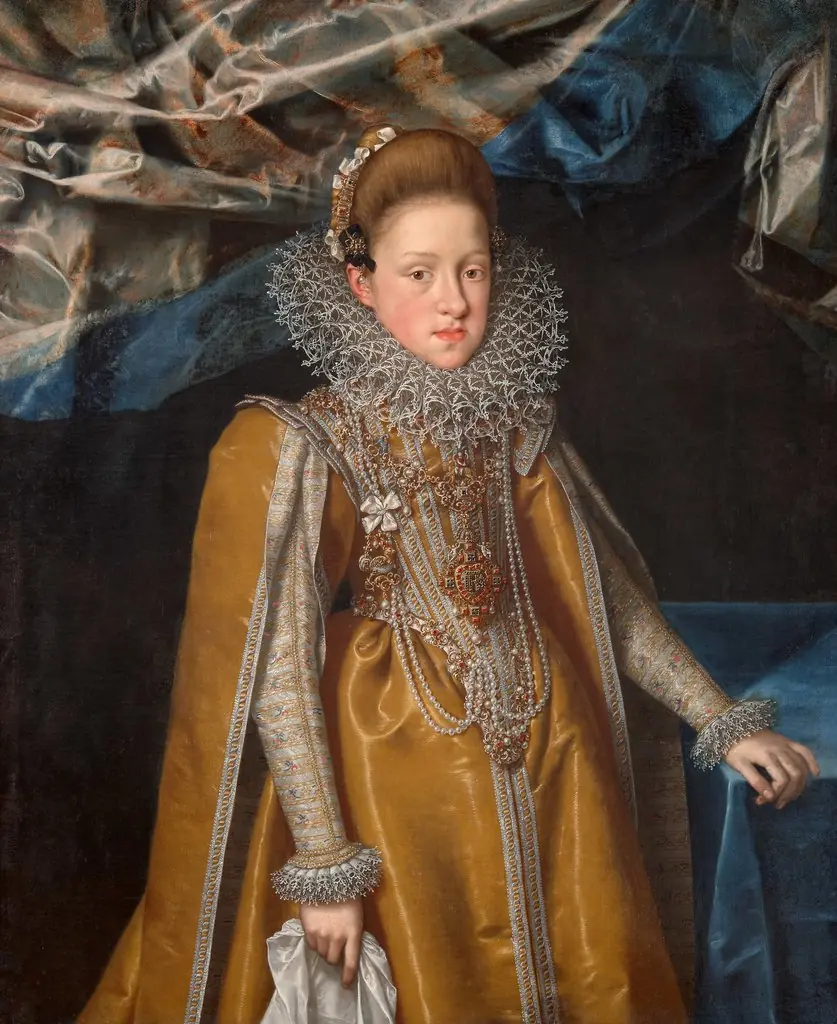 Archduchess Maria Magdalena of Austria
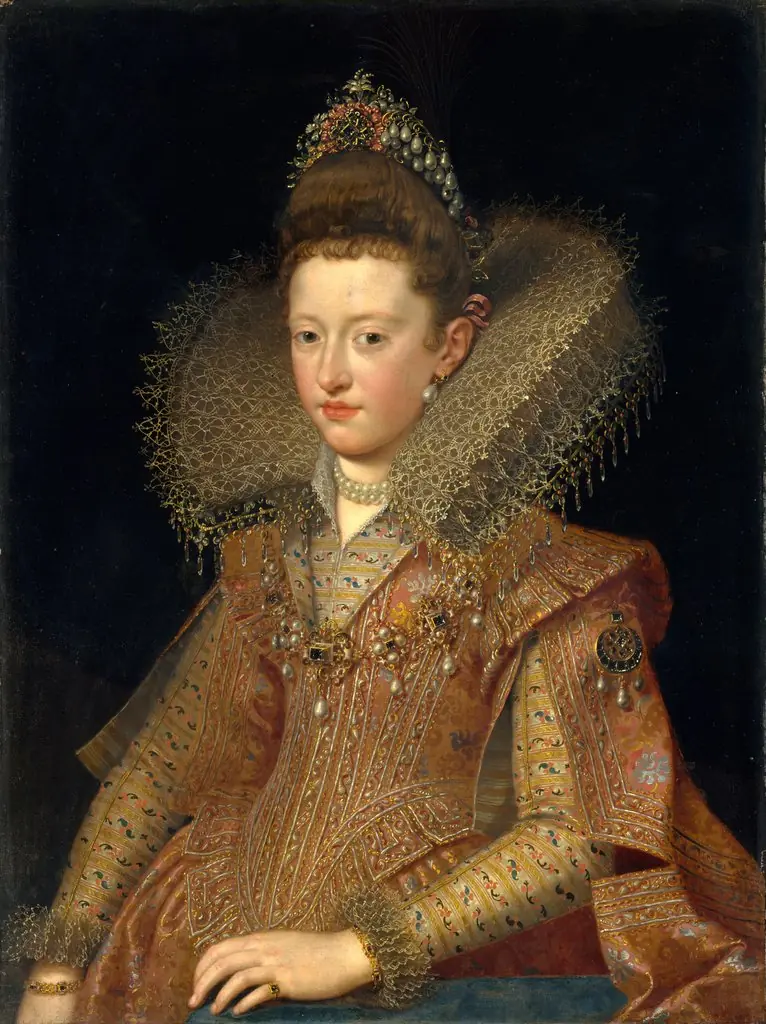 Margherita Gonzaga (1591–1632), Princess of Mantua
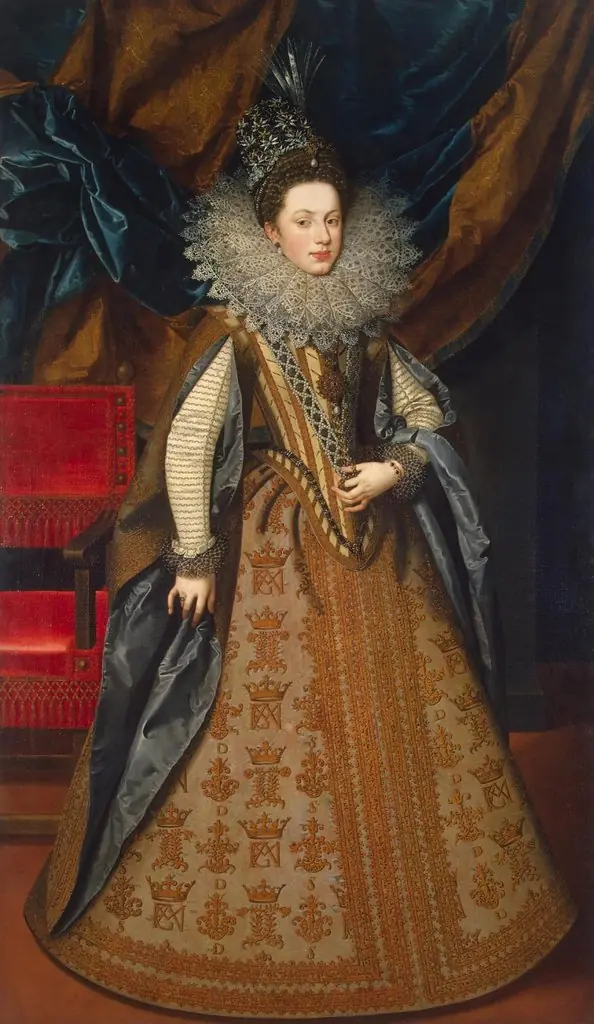 Portrait of Margaret of Savoy, Duchess of Mantua
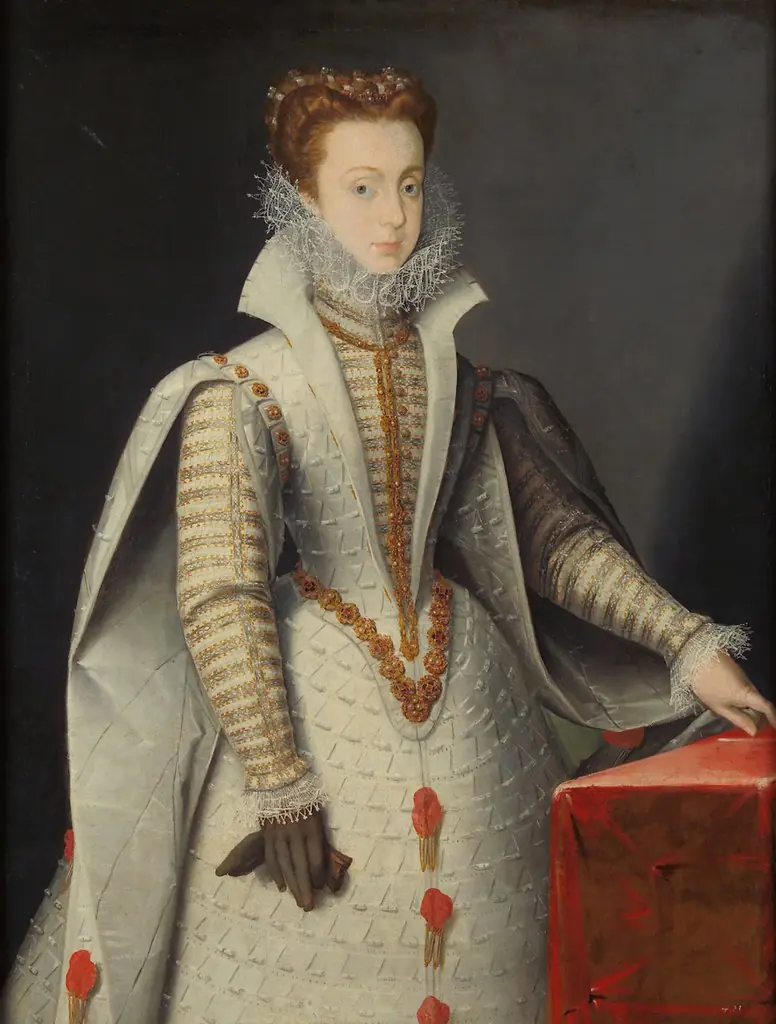 Herzogin Margarete von Joyeuse (1564-1625), Dreiviertelbildnis