Artwork
Christ and the Adulteress
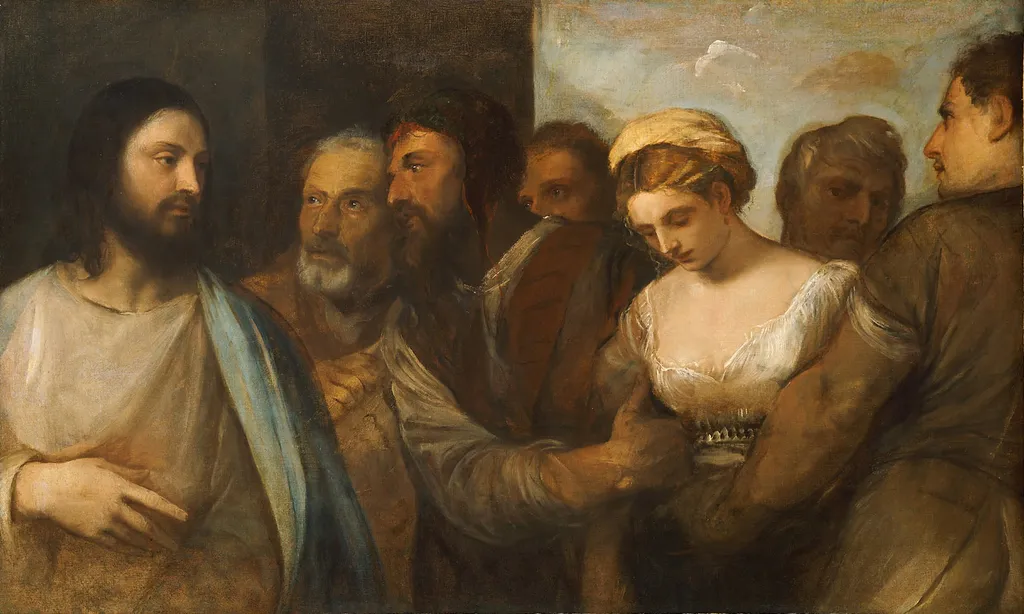
Christ and the Adulteress is an oil painting by the High Renaissance artist Titian. It dates from 1520 and is held in the collection of the Kunsthistorisches Museum.
About this work
This painting shows Jesus in a quiet moment with a crowd around him. The scene is about a woman caught in adultery, a story from the Bible.
Titian painted this around 1520 using oil paints. It hangs in Vienna’s Kunsthistorisches Museum today.
The tension between judgment and mercy is the heart of this story. It asks what forgiveness really looks like.
Look up Titian next.
Subject & Meaning
The painting depicts the New Testament episode of Jesus and the woman taken in adultery (John 8:1–11), in which a group of accusing men bring a woman caught in adultery before Christ, who responds by writing on the ground before inviting the sinless among them to cast the first stone. Titian’s composition centers on Christ’s calm authority as he deflects the confrontation, while the accusers’ tense postures and pointing gestures underscore the moral tension of the scene. The woman’s humbled stance and Christ’s gesture toward the ground emphasize themes of mercy and judgment, aligning with the biblical emphasis on forgiveness over condemnation.
Technique & Style
Christ and the Adulteress is an oil painting executed on canvas by Titian around 1520. The work measures 82.5 cm in height and 136.5 cm in width. As a religious painting, it depicts the biblical episode of Jesus and the woman taken in adultery alongside a group of men. The piece is currently housed in the Kunsthistorisches Museum in Vienna.
History & Provenance
It was formerly owned by Archduke Leopold Wilhelm of Austria, who acquired it after it left the collection of the Duke of Hamilton (1638–1649).
The painting was created around 1520 by Titian. It was first recorded in the Venetian studio of Bartolomeo della Nave, as noted by Carlo Ridolfi. The work entered the collection of the Duke of Hamilton between 1638 and 1649, and was later acquired by Archduke Leopold Wilhelm of Austria.
The painting remains in the Kunsthistorisches Museum in Vienna, where it has been housed since its acquisition. The provenance chain reflects a documented transfer from the Duke of Hamilton’s collection to the Archduke’s collection, establishing its presence in the museum’s holdings.
The painting is held in the collection of the Kunsthistorisches Museum in Vienna. It was formerly owned by Archduke Leopold Wilhelm of Austria, who acquired it after it left the collection of the Duke of Hamilton (1638–1649). Earlier, Carlo Ridolfi had noted seeing the work in the Venetian studio of Bartolomeo della Nave. No specific exhibition history is documented in the available sources.
Overview
Titian’s oil painting, dated to around 1520, portrays the biblical episode of the woman accused of adultery. Executed in the early Venetian Renaissance, the work is part of the collection of the Kunsthistorisches Museum in Vienna. The composition centers on Christ surrounded by onlookers, capturing a moment of moral deliberation.
Context
The painting reflects the Counter-Reformation’s emphasis on moral instruction through biblical scenes. Titian’s treatment aligns with contemporary Venetian interest in humanist themes, presenting a narrative that engages viewers in ethical reflection. The work also exemplifies the period’s shift toward more intimate, psychologically charged religious imagery.
Artist & collection

Artist
Tiziano Vecellio (Italian:; c. 1488/1490 – 27 August 1576), Latinized as Titianus, hence known in English as Titian ( TISH-ən), was an Italian Renaissance painter. The most important artist of Renaissance Venetian…

- Expulsion of Hagar by Abraham
 Magnanimity of Scipio Africanus
 Christ before Pilate
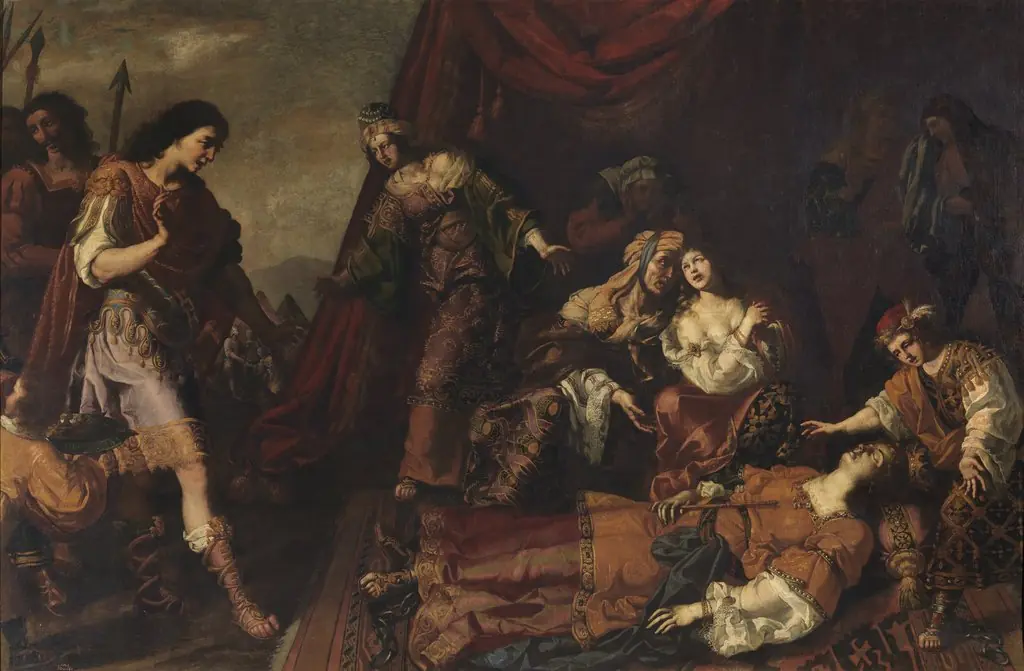 Masinissa Mourning Over the Death of Sophonisba (?)
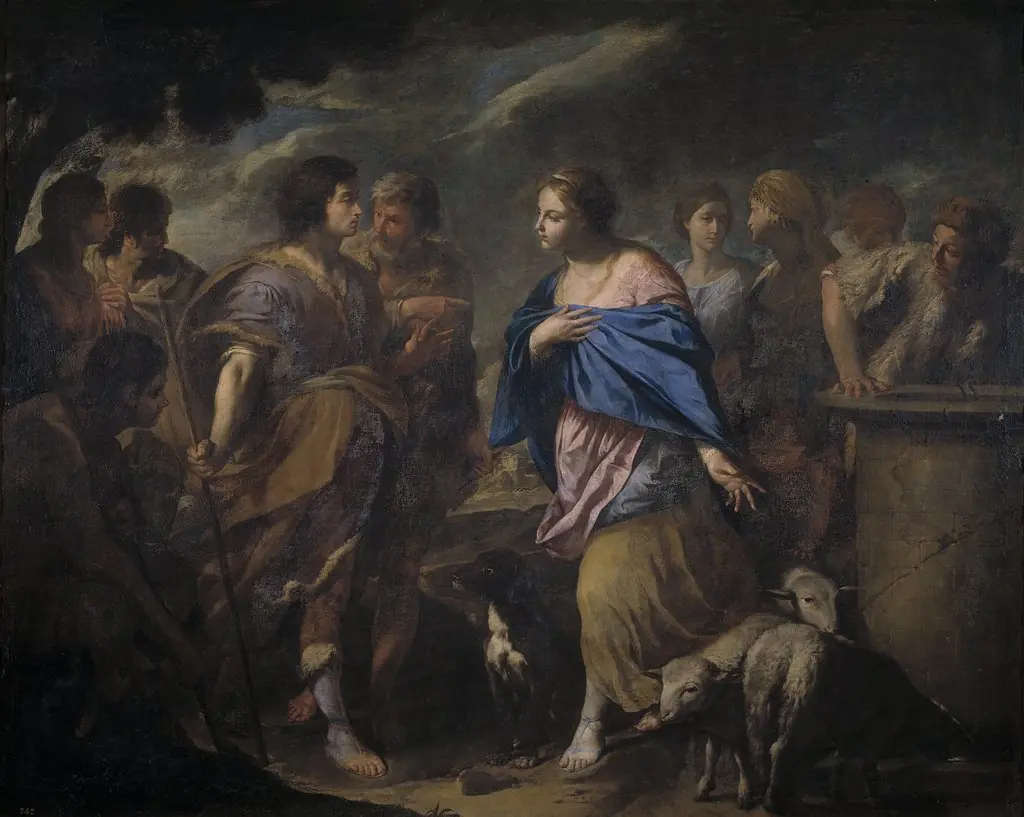 Meeting of Isaac and Rebeca
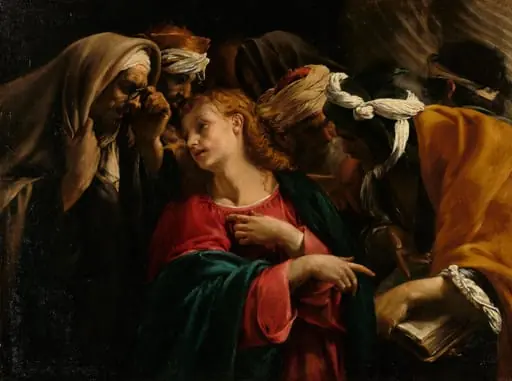 Christ among the Doctors
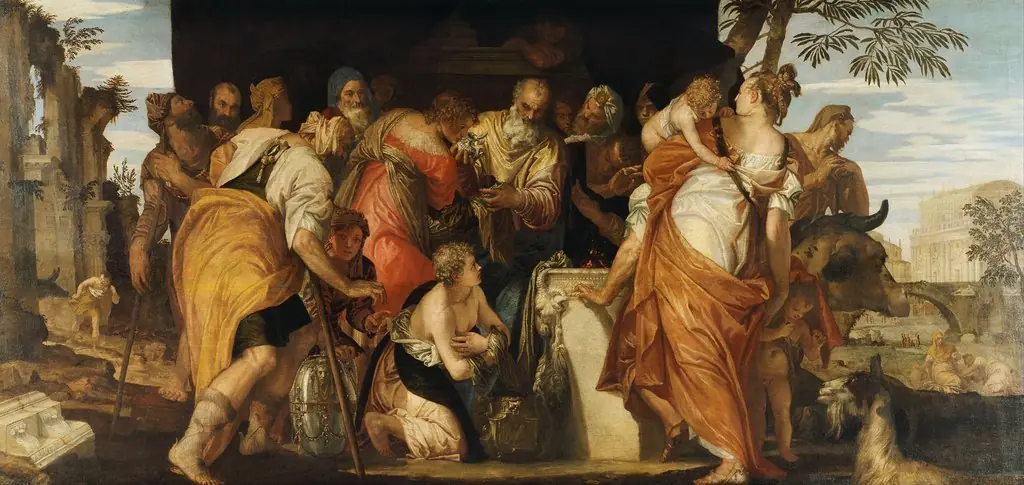 The Anointing of David
 Mucius Scaevola Confronting King Porsenna
 Study for "Antiochus and Stratonice"
 Historical Scene
 Sketch on the Subject of the Trinity Beneath the Oak of Mambre
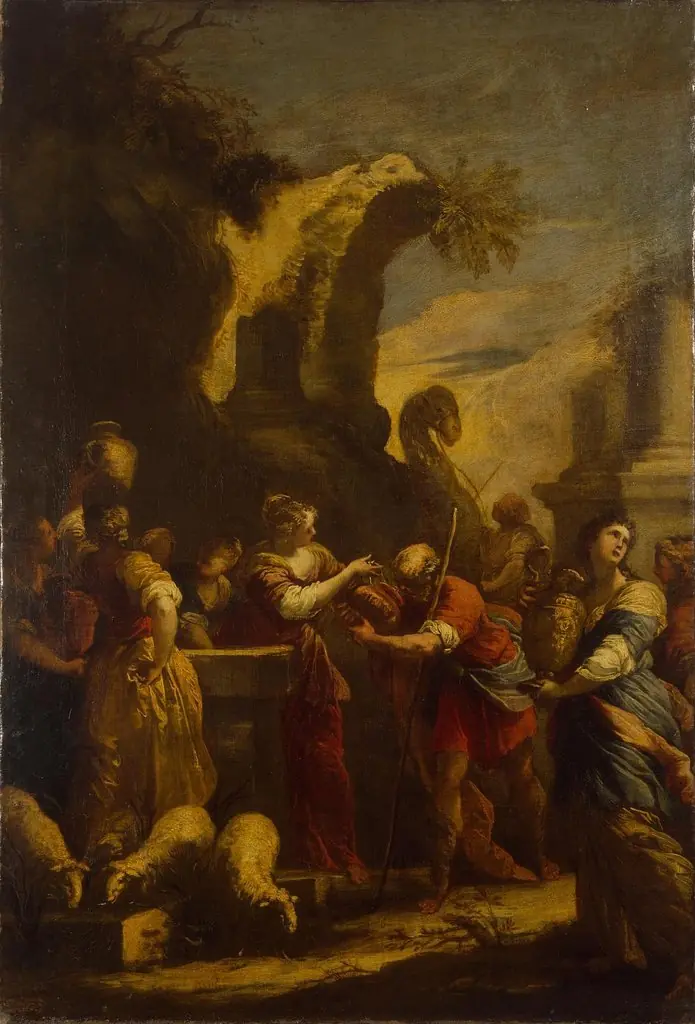 Rebecca at the Well