Artwork
Colonel Woodford
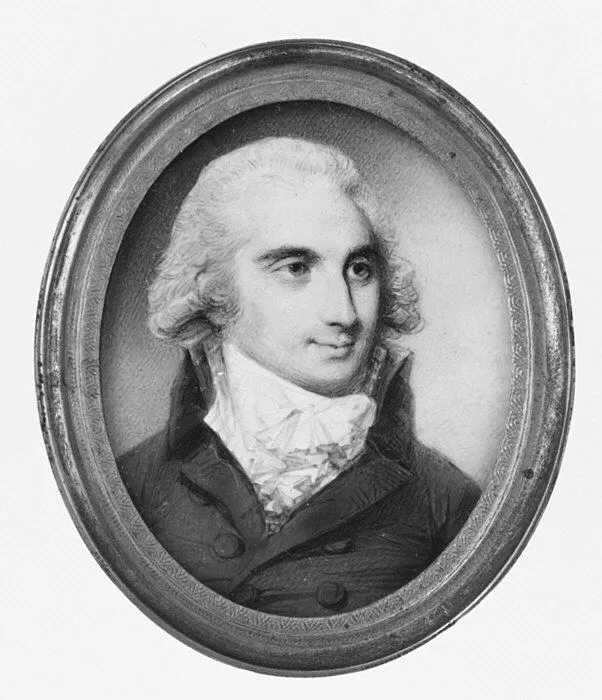
Colonel Woodford is an unspecified painting by the Rococo painting artist George Engleheart. It dates from 1794 and is held in the collection of the Metropolitan Museum of Art.
About this work
Subject & Meaning
The portrait titled Colonel Woodford, executed by George Engleheart in 1788, portrays a male sitter identified as a British army officer of the rank of colonel.
The portrait titled Colonel Woodford, executed by George Engleheart in 1788, portrays a male sitter identified as a British army officer of the rank of colonel. The work functions as a conventional representation of an 18th‑century military gentleman, emphasizing his social standing and professional identity through formal pose and attire typical of the period. As a painting in the Metropolitan Museum of Art’s collection, it serves both as a record of the officer’s lineage and as an emblem of the elite’s self‑presentation, linking personal reputation with the broader cultural notion of honor and service within the British aristocracy.
History & Provenance
Created by George Engleheart, the portrait titled Colonel Woodford was executed in 1788. Specific records indicate the work's inception date as December 23, 1788. The painting depicts a male subject and is classified within the portrait genre.
Currently, the artwork is held in the collection of the Metropolitan Museum of Art. While the specific commissioning details or original ownership chain prior to its museum acquisition are not detailed in the available records, the work remains attributed to Engleheart from its creation in the late 18th century. The piece measures 55 units in height and 44 units in width, consistent with standard portrait formats of the period.
The portrait Colonel Woodford, painted by George Engleheart in 1788, is held in the collection of the Metropolitan Museum of Art in New York. Within the museum, the work is cataloged under an accession number linked to its acquisition records, though specific inventory details remain internal to the institution. As of available documentation, the painting has been part of the Metropolitan Museum’s holdings, where it is preserved as a significant example of late 18th-century British portraiture.
No public exhibition history beyond its inclusion in the museum’s permanent display has been detailed in accessible sources.
Overview
The English miniature portraitist George Engleheart (1750-1829) completed Colonel Woodford in 1794. This painting exemplifies the artist's specialization in small-scale likenesses, presenting a formal depiction of its subject. The work reflects the refined aesthetic prevalent in the late 18th century and is currently part of the collection at The Metropolitan Museum of Art.
Technique & Style
Engleheart's execution of Colonel Woodford aligns with the Rococo period's characteristics of delicate elegance. The artist utilized soft shading to illuminate the subject's face and attire, allowing features to emerge without sharp outlines. This technique contributes to the subtle depth and polished finish typical of the era's formal portraiture, particularly in miniature formats.
Artist & collection
Artist
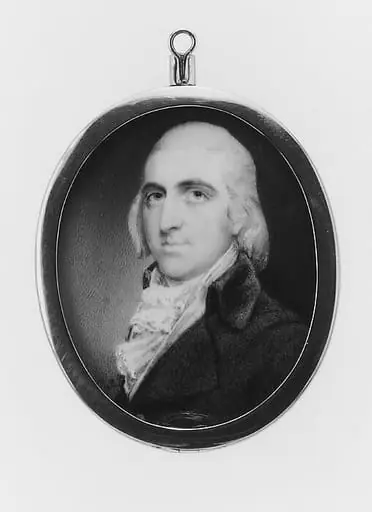
George Engleheart (1750–1829) was an English painter of portrait miniatures, and a contemporary of Richard Cosway, John Smart, William Wood, and Richard Crosse.

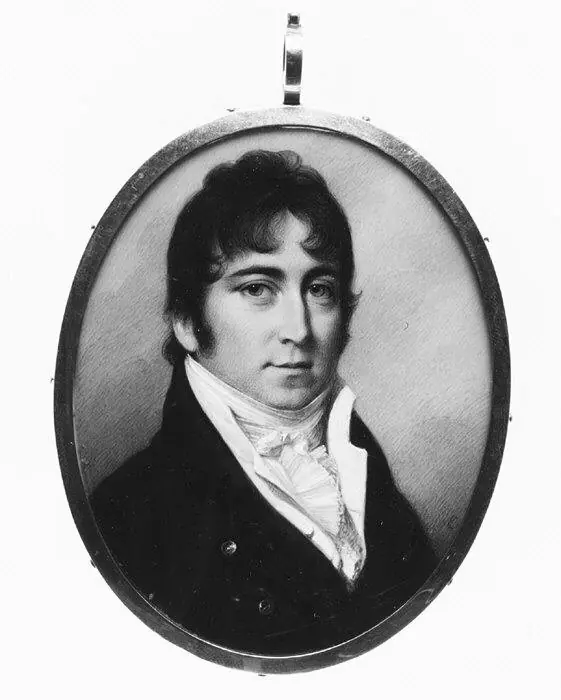
- Portrait of a Gentleman
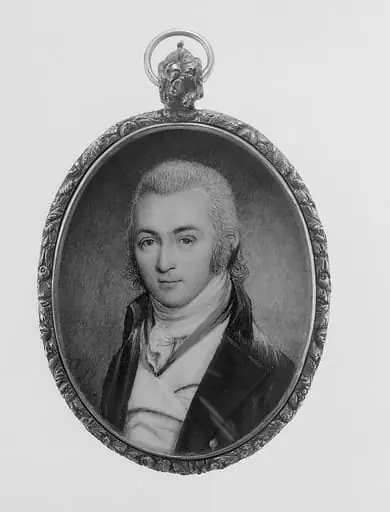 Portrait of a Gentleman
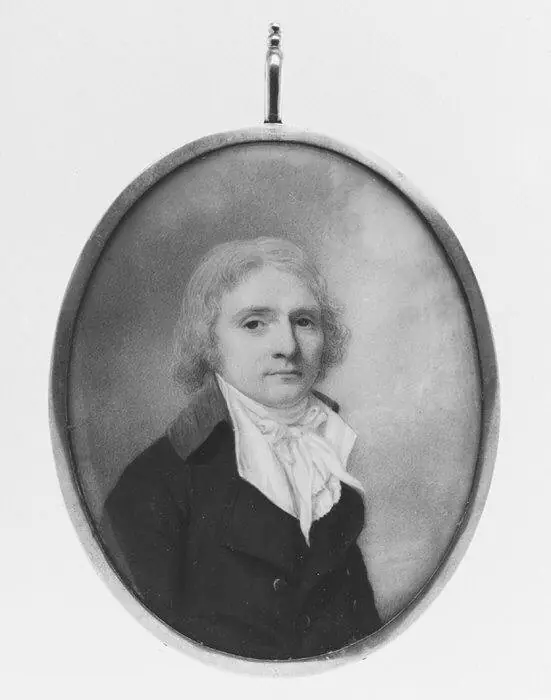 Portrait of a Man
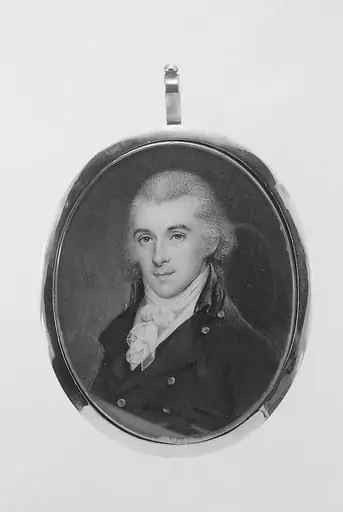 Curtis Clay
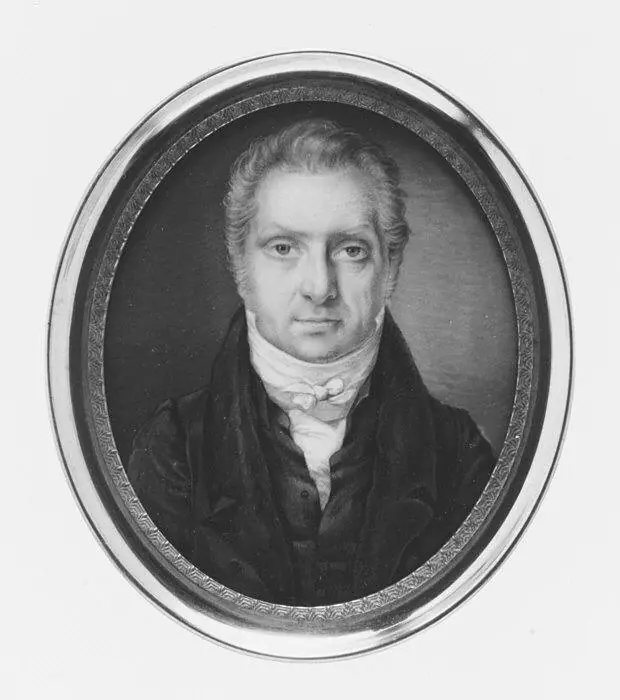 Portrait of a Man, Said to Be Alexander von Humboldt (1769–1859)
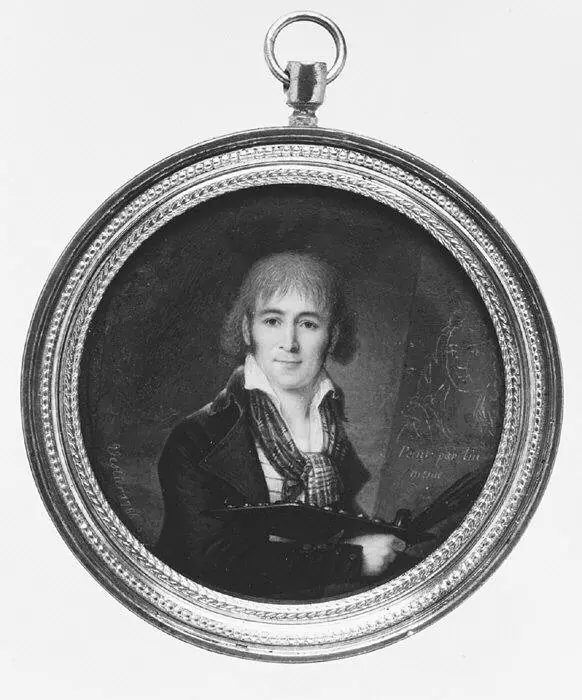 Self-Portrait of an Unidentified Artist
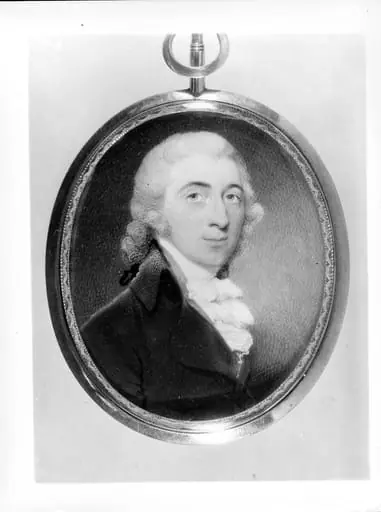 Augustus Vallette Van Horne, Jr.
 Samuel Hunt, Jr.
 Baron Joseph Dominique Louis (1755–1837)
 Portrait of a Man, Said to Be James Madison (1751–1836)
 William Jonas Keen
 Portrait of an Officer