Artwork
Portrait of a Man, Said to Be Alexander von Humboldt (1769–1859)
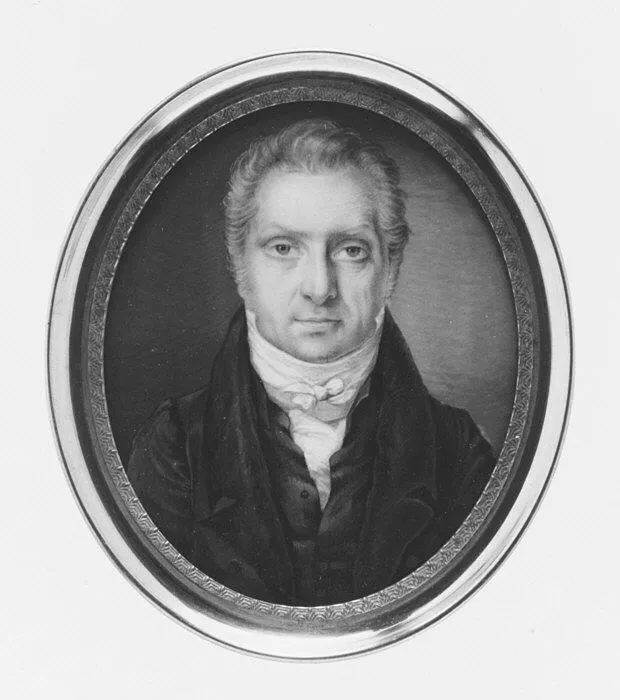
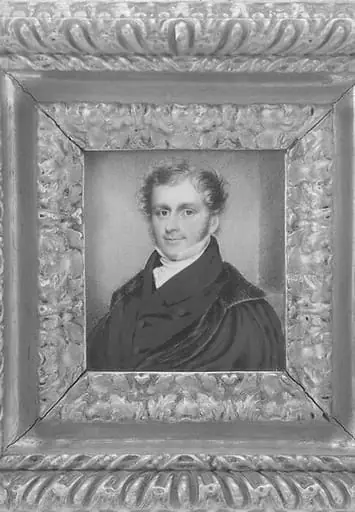
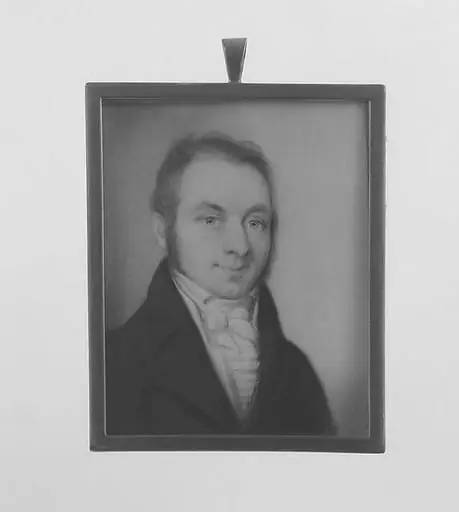
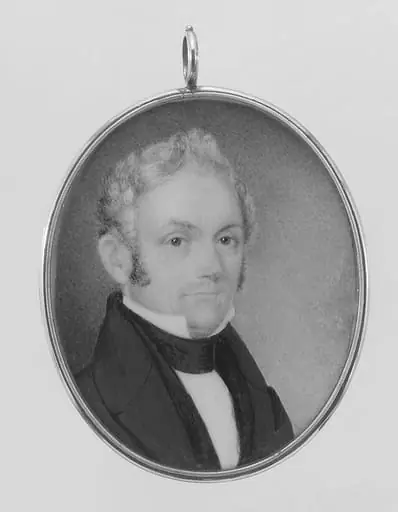
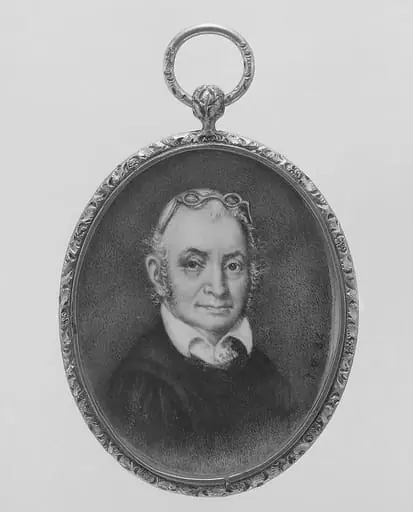
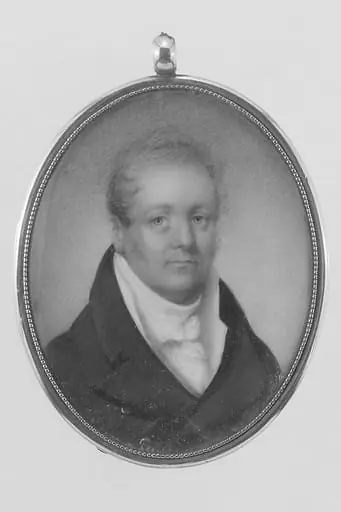
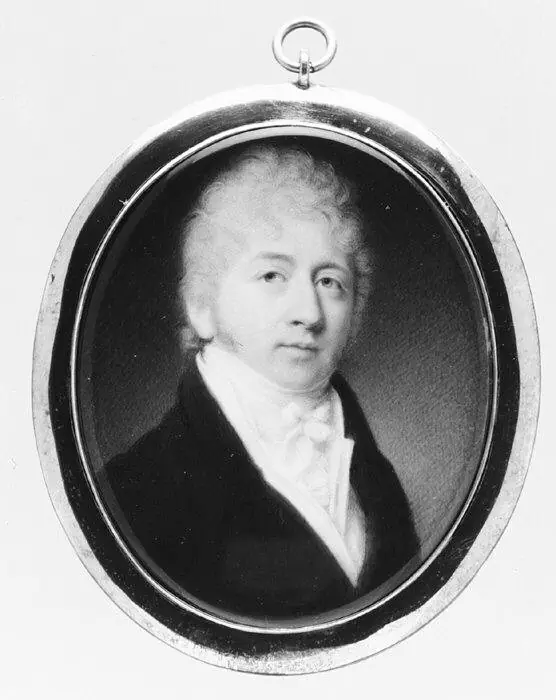
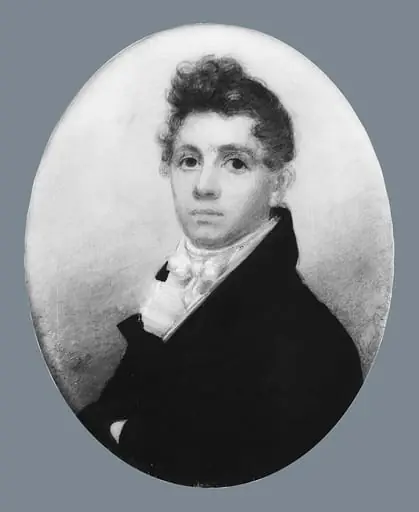
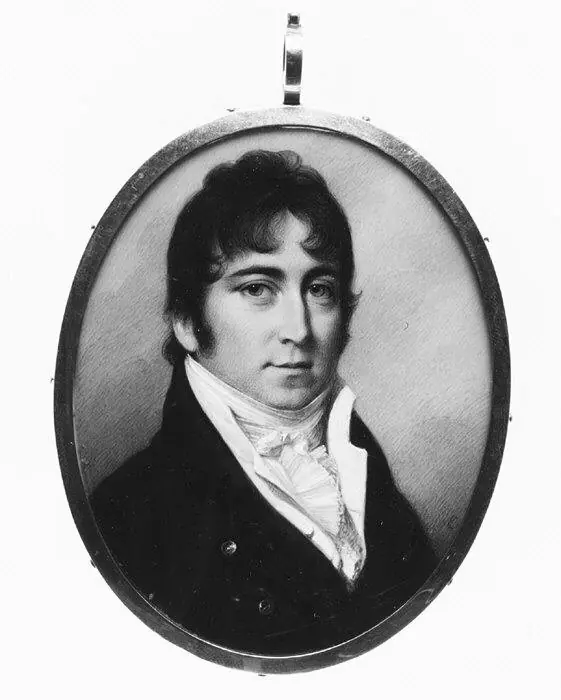
Portrait of a Man, Said to Be Alexander von Humboldt (1769–1859) is an unspecified painting. It dates from 1815 and is held in the collection of the Metropolitan Museum of Art. This painting depicts a formal portrait of a man, traditionally identified as the naturalist Alexander von Humboldt.
About this work
Overview
This painting depicts a formal portrait of a man, traditionally identified as the naturalist Alexander von Humboldt. The subject is presented in dark, formal clothing against a subdued background, which directs attention to his face. The artist captures a serious demeanor, with the man's direct gaze conveying a sense of dignity and thoughtful presence.
Subject & Meaning
The sitter, possibly the renowned explorer Alexander von Humboldt, is rendered with well-defined features, including a prominent nose and a strong jawline.
The sitter, possibly the renowned explorer Alexander von Humboldt, is rendered with well-defined features, including a prominent nose and a strong jawline. His serious expression and direct engagement with the viewer contribute to an impression of gravitas and intellectual depth. The formal attire, consisting of a dark jacket and white cravat, along with his styled hair, reinforces a sense of societal standing and composure.
Technique & Style
The artist employs chiaroscuro, a technique utilizing strong contrasts between light and dark, to sculpt the figure and create a sense of three-dimensionality. This dramatic lighting emphasizes the subject's face, drawing the viewer's eye to his features and enhancing their definition. The muted background further supports this effect, ensuring that the man's presence remains the central focus of the composition.
Artist & collection