Artwork
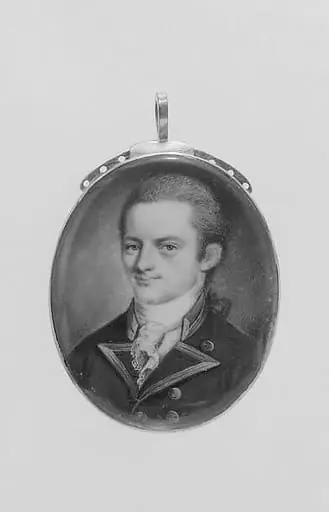
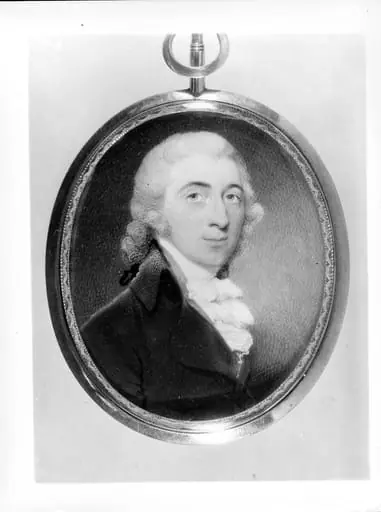
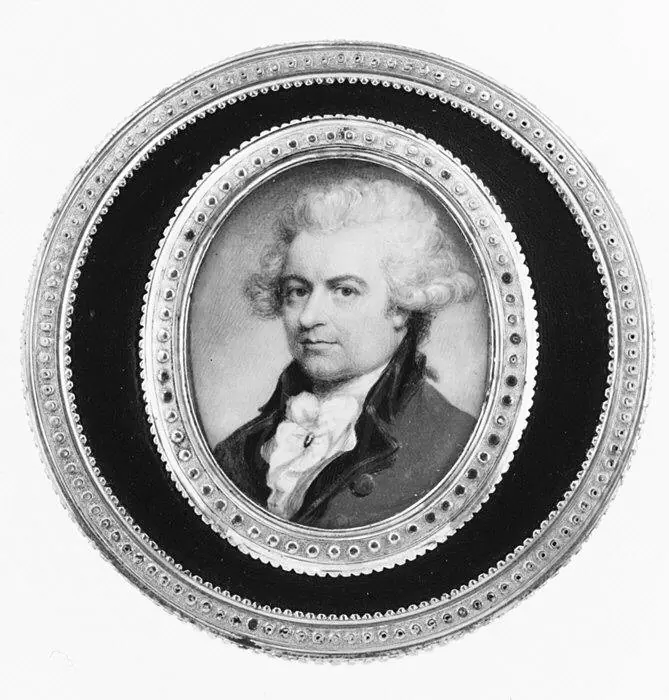
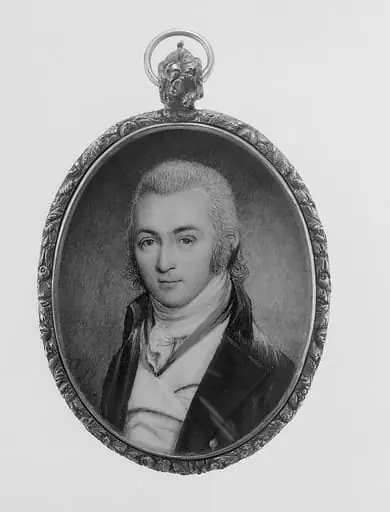
Portrait of a Man
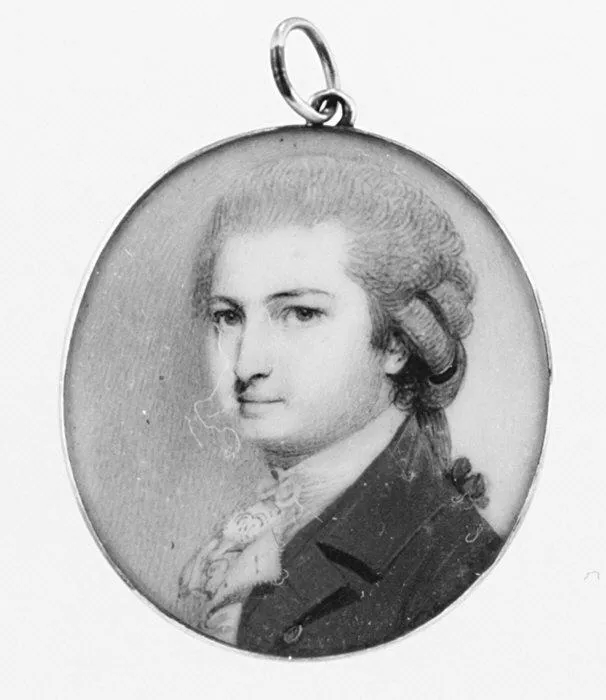
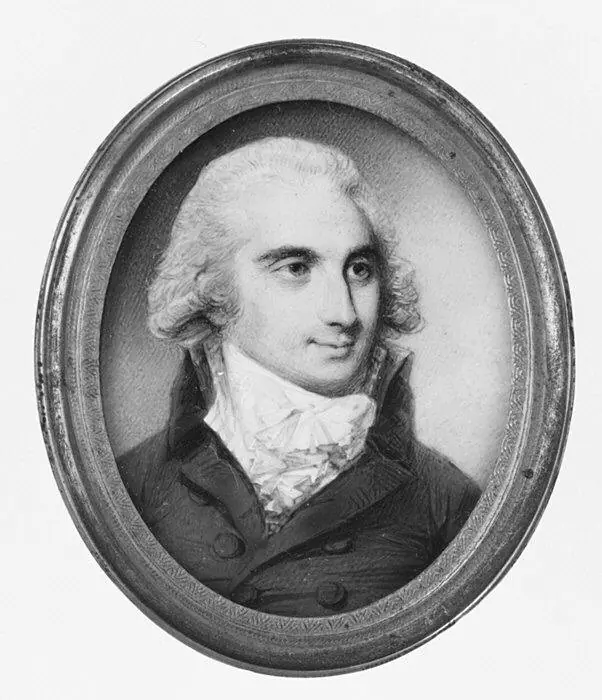
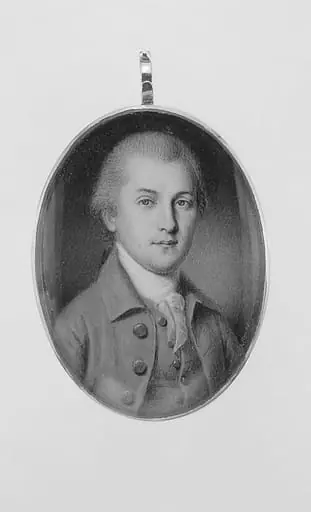
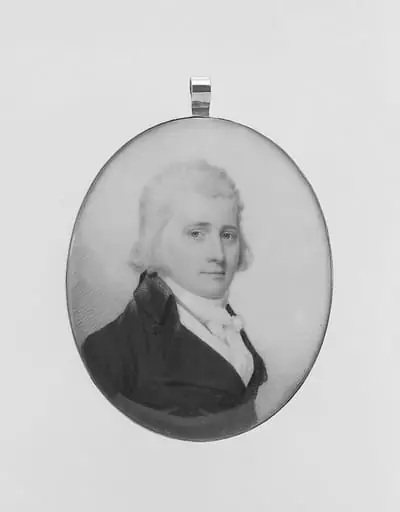
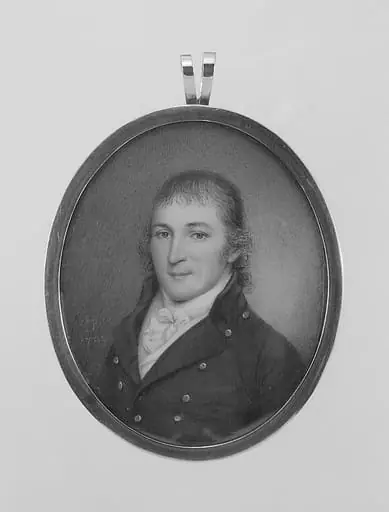
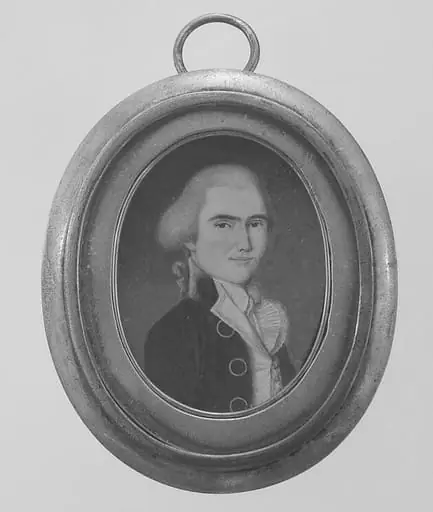
Portrait of a Man is an unspecified painting by the Rococo painting artist George Engleheart. It dates from 1790 and is held in the collection of the Metropolitan Museum of Art.
About this work
History & Provenance
The painting entered the collection of the Metropolitan Museum of Art, where it remains on view, indicating its current ownership by the museum.
Portrait of a Man is a portrait painted in 1790 by the British artist George Engleheart. The painting entered the collection of the Metropolitan Museum of Art, where it remains on view, indicating its current ownership by the museum. No earlier owners or sale records are documented in the available sources, and there is no evidence of a commissioning patron noted.
The dating derives from the artist's documented activity and the work's catalogue entry, while the medium is consistent with contemporary portrait practice of the period.
Overview
George Engleheart, an English artist specializing in miniature portraits, created this Portrait of a Man in 1790. This finely detailed work exemplifies the Rococo aesthetic, known for its delicate and elegant qualities. The painting is currently part of the collection at The Metropolitan Museum of Art, representing a key aspect of late 18th-century portraiture.
Subject & Meaning
The painting depicts an unidentified man from the chest up, framed within a circular format. He is shown with light hair styled upward, wearing a dark jacket over a white shirt and a cravat, and is turned slightly to the left. A light background accentuates his features, contributing to an overall sense of refinement and understated elegance characteristic of the period.
Technique & Style
George Engleheart was a prominent miniaturist, celebrated for his meticulous attention to detail in small-scale portraits. This work aligns with the Rococo movement, a style prevalent in the late 18th century that favored delicate ornamentation, graceful lines, and a sense of refined beauty. Engleheart's technique allowed for precise rendering of facial features and attire, despite the painting's modest size.
Context
Engleheart was an active figure in the English portraiture scene during the late 18th and early 19th centuries. He worked alongside notable contemporaries such as Richard Cosway and John Smart, contributing to a vibrant tradition of miniature painting. These artists catered to a demand for intimate, portable portraits, which served as personal mementos or tokens of affection among the gentry and aristocracy.
Artist & collection
Artist
George Engleheart (1750–1829) was an English painter of portrait miniatures, and a contemporary of Richard Cosway, John Smart, William Wood, and Richard Crosse.