Artwork
Thomas Carlyle (1795–1881)
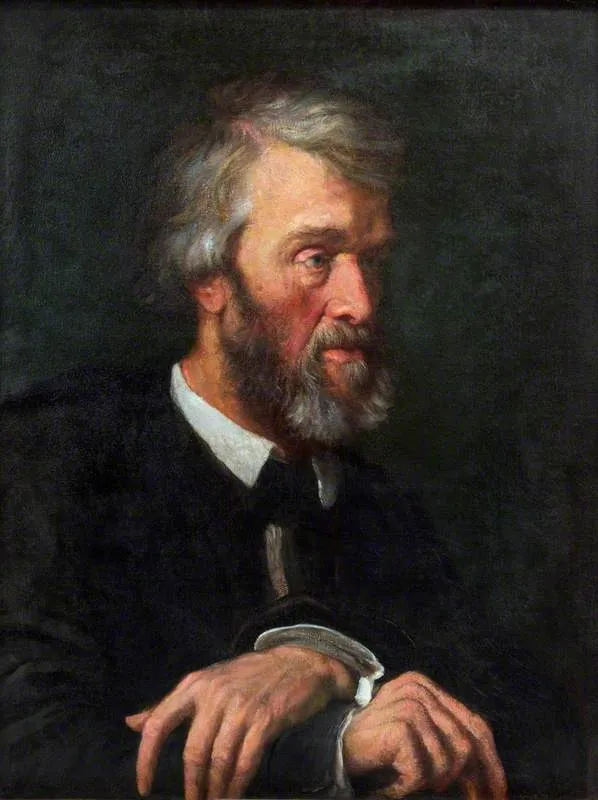
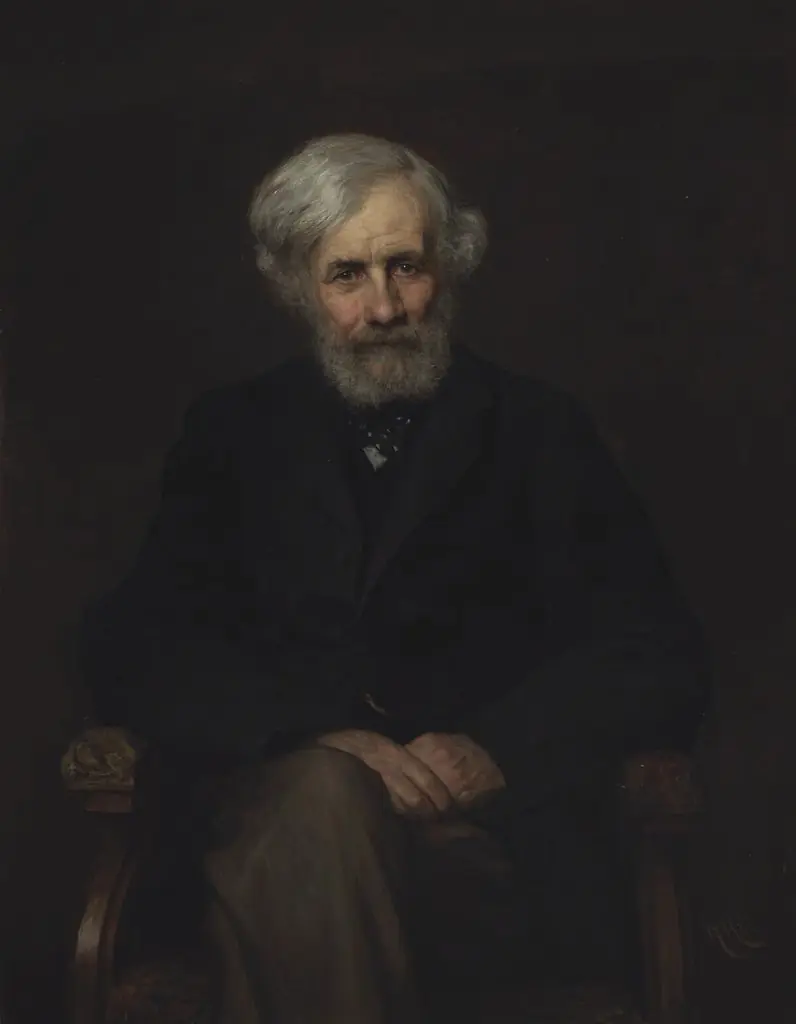
Thomas Carlyle (1795–1881) is an oil painting by the Pre-Raphaelite artist George Frederic Watts. It dates from 1868 and is held in the collection of the Victoria and Albert Museum.
About this work
Overview
George Frederic Watts completed an oil portrait of the Scottish essayist Thomas Carlyle in 1868. The canvas measures a modest size and presents Carlyle seated, his grey hair and beard rendered with careful attention. The work belongs to the collection of the Victoria and Albert Museum, where it is displayed among the artist’s later figurative pieces.
Subject & Meaning
The sitter, Thomas Carly2, appears contemplative, his gaze directed slightly to his right and his hands clasped before him. The sober expression and restrained posture suggest the intellectual seriousness for which Carlyle was known as a historian and moralist. The portrait functions less as a flattering likeness and more as a visual embodiment of his reflective character.
Technique & Style
Watts employs a restrained palette of dark tones, allowing the figure to emerge from a shadowed background.
Watts employs a restrained palette of dark tones, allowing the figure to emerge from a shadowed background. Subtle chiaroscuro models the facial features and gives the drapery a three‑dimensional presence. The rendering reflects the detailed realism championed by the Pre‑Raphaelites, while the overall mood aligns with Watts’s Symbolist inclination toward conveying inner states through visual means.
History & Provenance
Created toward the end of Watts’s most productive period, the portrait entered the Victoria and Albert Museum’s holdings in the early twentieth century as part of a broader acquisition of the artist’s work. It has remained in the museum’s collection, serving as a reference point for scholars studying Watts’s portraiture and his engagement with contemporary intellectual figures.
Context
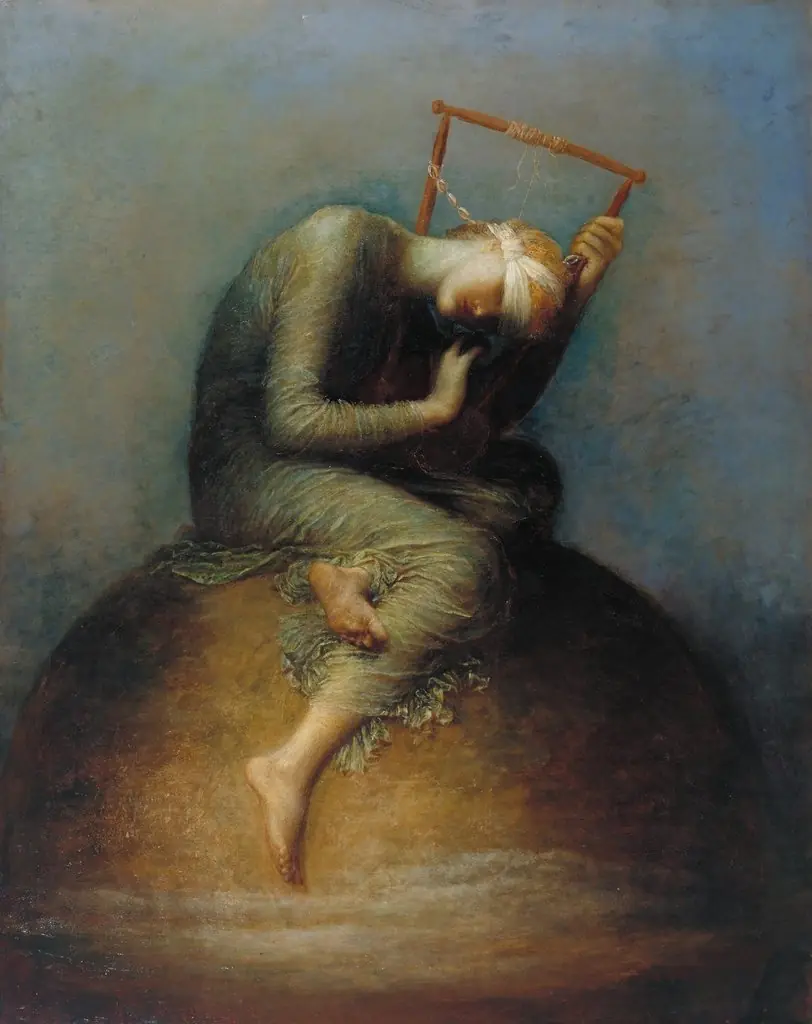
At the time of its execution, Watts was celebrated for allegorical compositions such as Hope and Love and Life, which explored universal themes through personified figures. The Carlyle portrait, while more straightforward, shares the artist’s interest in expressing moral and philosophical ideas, situating the work within his larger symbolic oeuvre and the Victorian fascination with eminent thinkers.
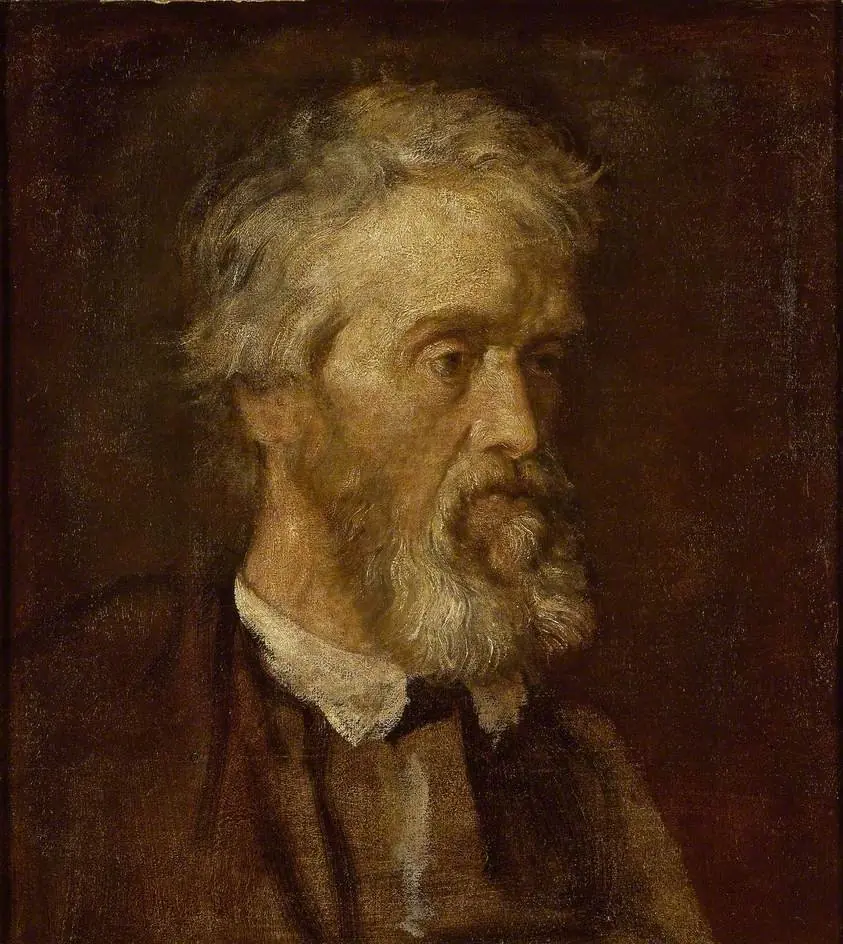
Artist & collection
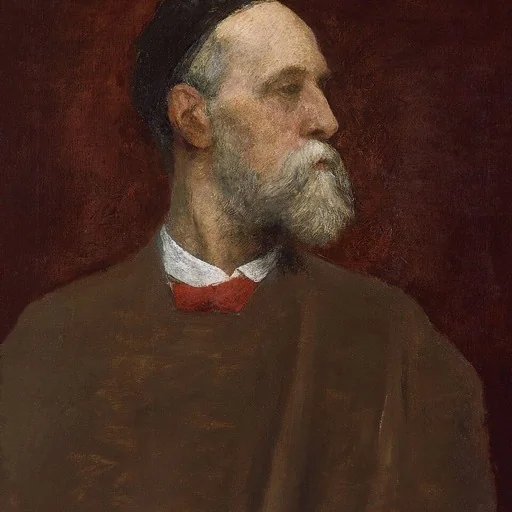
Artist
George Frederic Watts (23 February 1817 – 1 July 1904) was a British painter and sculptor associated with the Symbolist movement.

 Wynne Brownlow
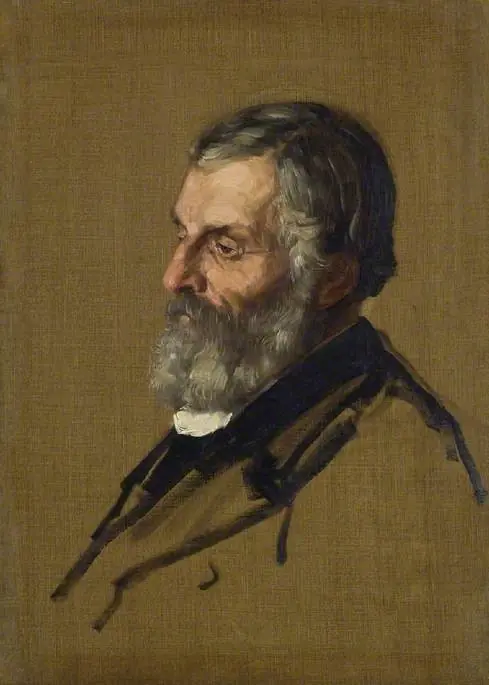 The Reverend Robert Burn
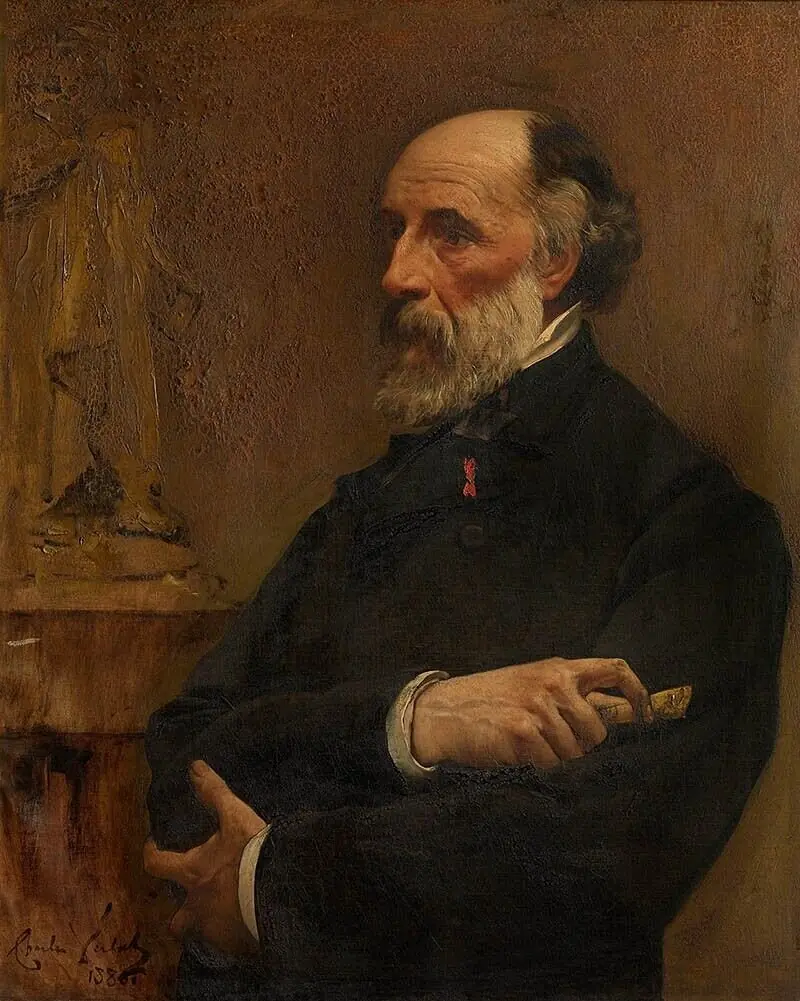 Portrait of the sculptor Jacques De Braekeleer
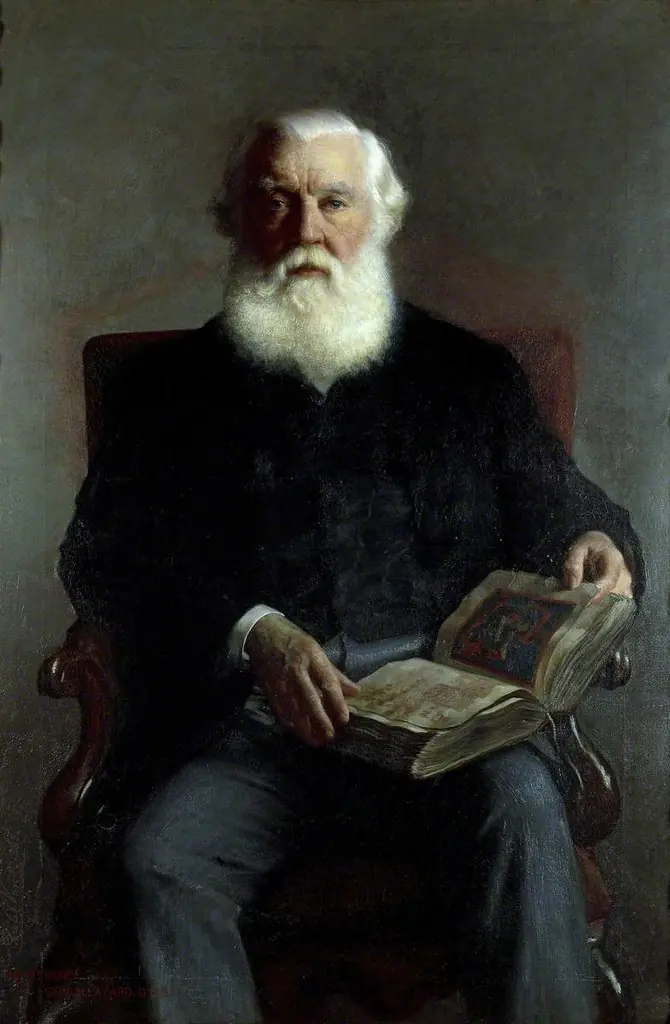 Sir Austen Henry Layard (1817–1894)
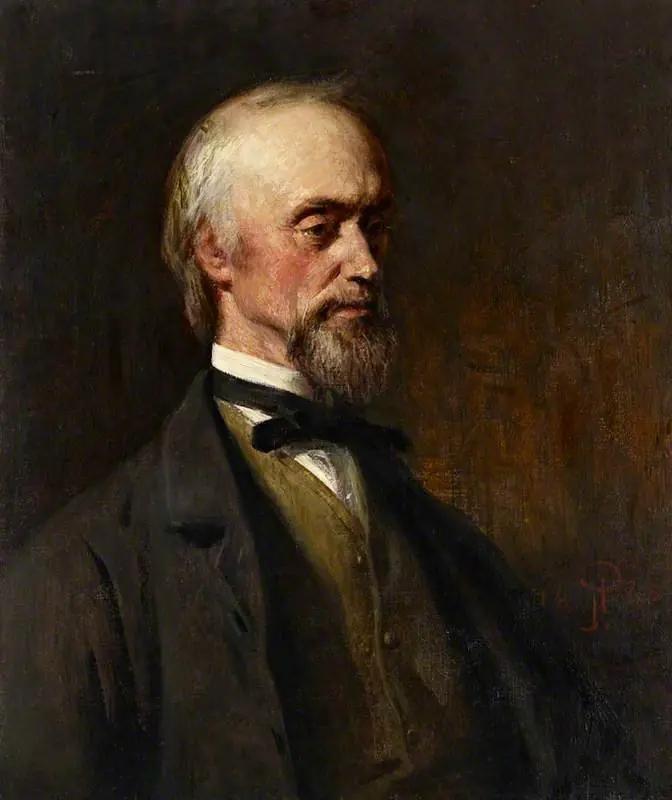 William Borthwick Johnstone (1804 - 1868)
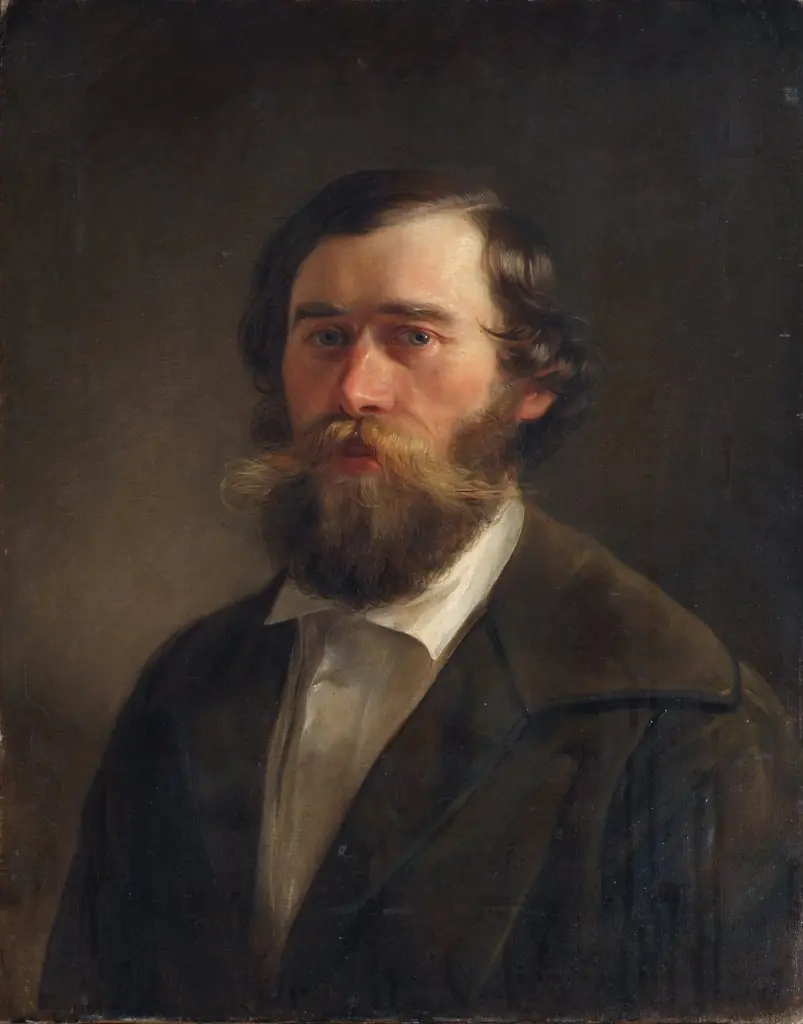 Portrait of a Gentleman
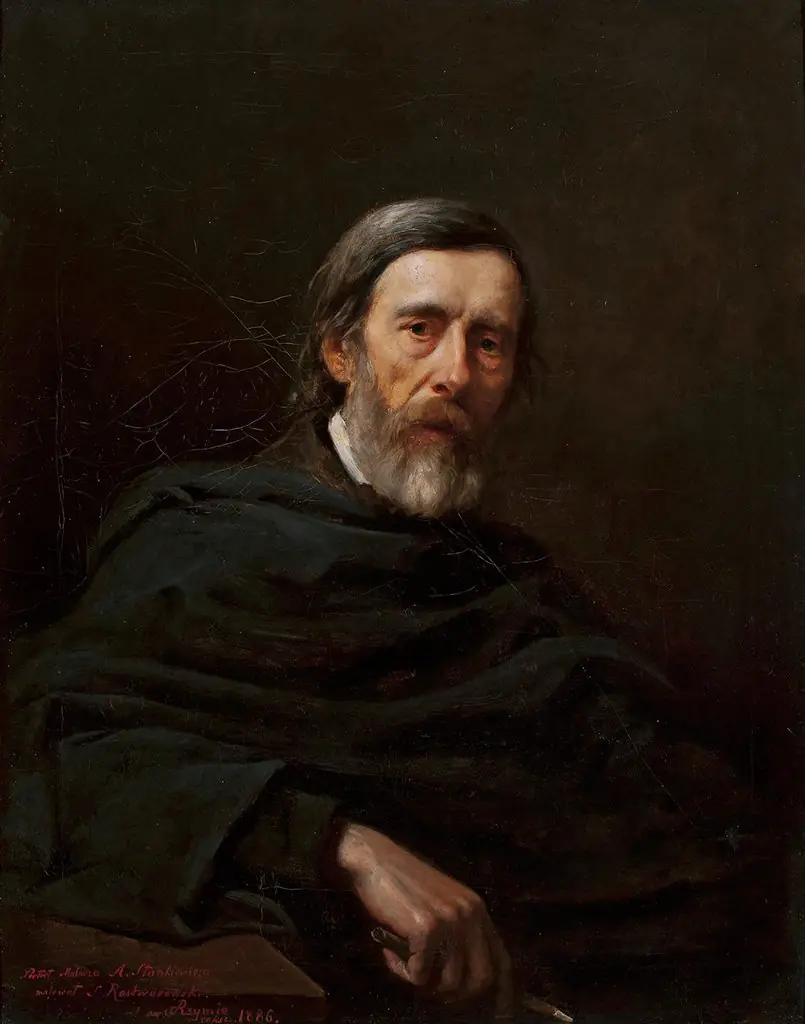 Portrait of Aleksander Stankiewicz, painter
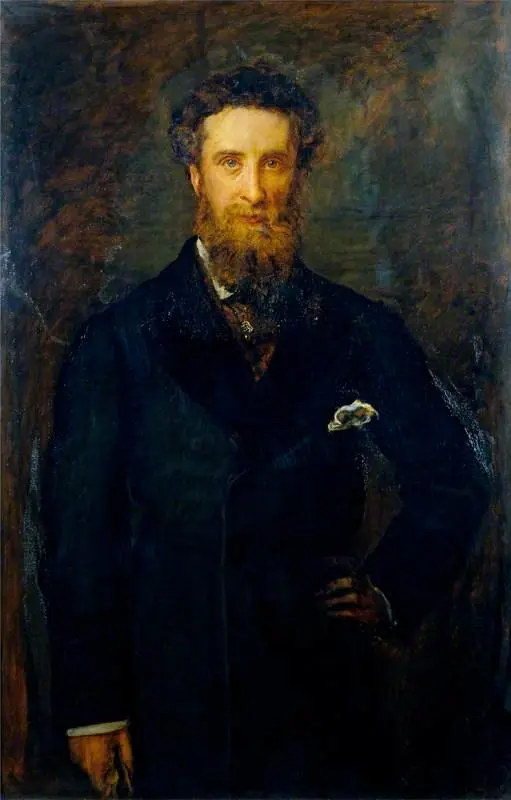 Edward Robert Bulwer Lytton (1831–1891), 1st Earl Lytton
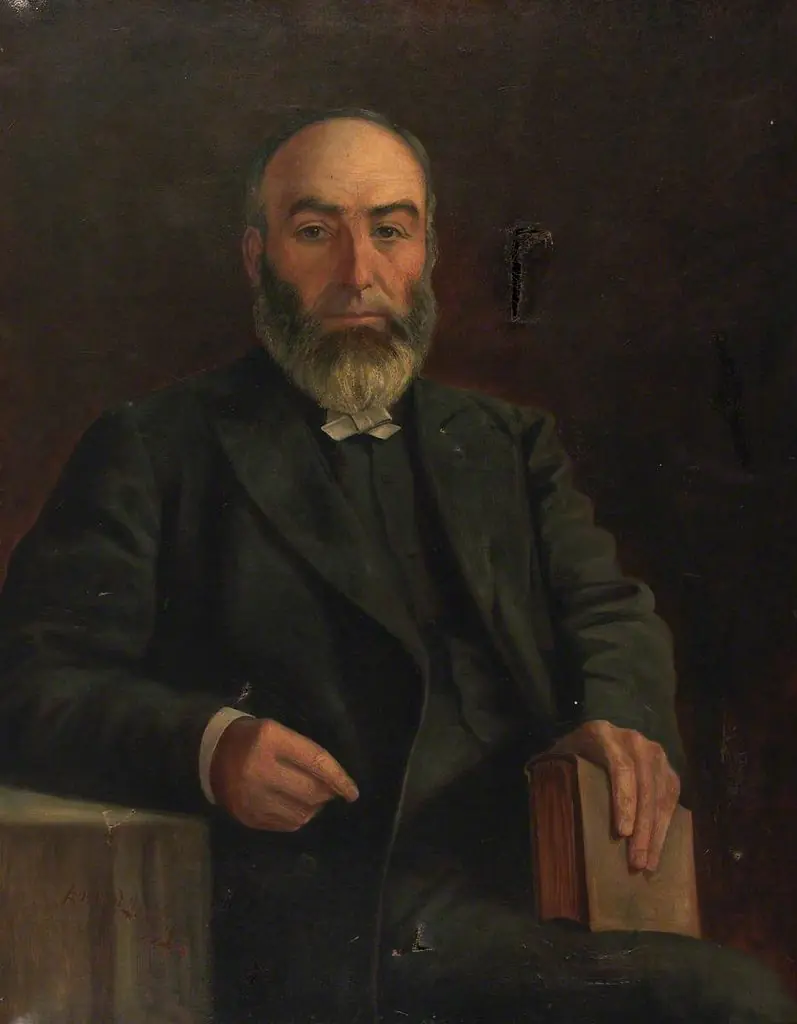 Portrait of an Unidentified Minister
 Nickus Weckström
 John Ruskin
- Thomas Carlyle