Artwork
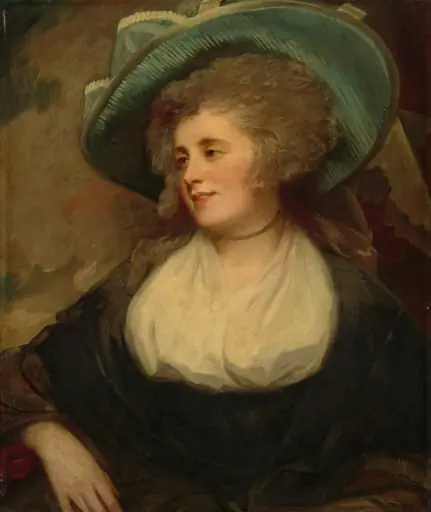
Mary Bootle, Mrs Wilbraham Bootle (died 1813)
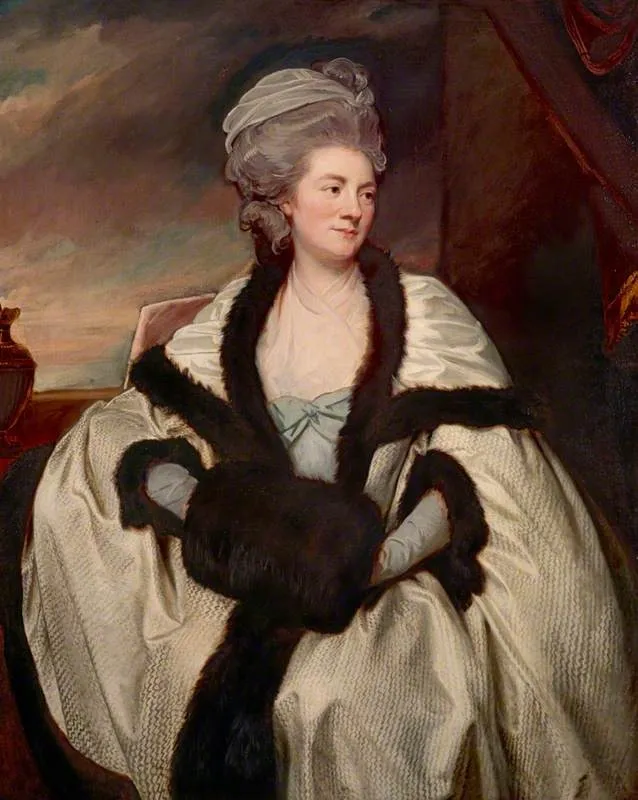
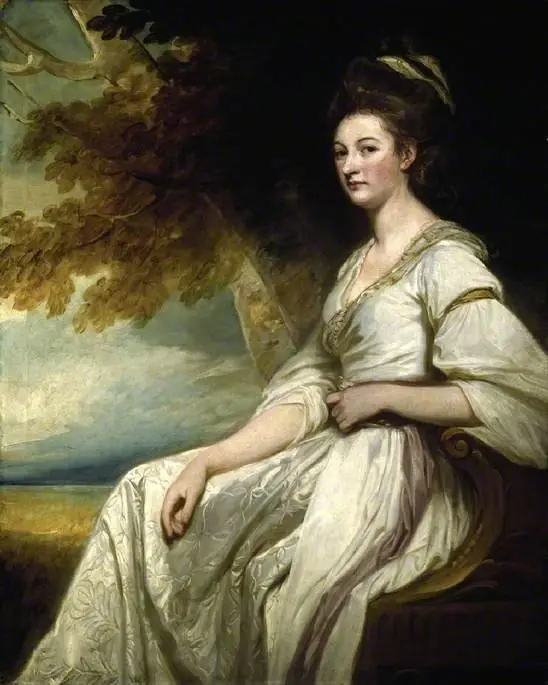
Mary Bootle, Mrs Wilbraham Bootle (died 1813) is an oil painting by the Neoclassicist artist George Romney. It dates from 1791 and is held in the collection of the National Galleries Scotland.
About this work
Overview
This oil portrait, completed in 1791, captures Mary Bootle, wife of Wilbraham Bootle, as painted by the English artist George Romney.
This oil portrait, completed in 1791, captures Mary Bootle, wife of Wilbraham Bootle, as painted by the English artist George Romney. Rendered in the neoclassical idiom, the work reflects the period’s preference for refined elegance and naturalistic presentation. It is part of the collection at the Scottish National Gallery, where it remains a representative example of Romney’s portraiture during his peak years as a sought-after society painter.
Subject & Meaning
Mary Bootle is portrayed in quiet composure, her neutral expression and relaxed posture conveying dignity rather than theatricality. Her attire, white dress, blue bow, white shawl, and black fur, signals wealth and taste, aligning with contemporary ideals of feminine refinement. The subtle inclusion of the fur and shawl suggests both comfort and status, while the absence of overt symbols or props emphasizes her identity as a member of the landed gentry, defined by poise rather than display.
Technique & Style
Romney employed oil paint to achieve a soft, lifelike texture, particularly in the rendering of fabric and skin. The brushwork is precise yet fluid, with delicate transitions between light and shadow that model the figure without harsh contours. The dark background, pierced by a faintly rendered cloudy sky through a window, creates depth and focuses attention on the sitter. The composition is balanced and restrained, characteristic of neoclassical portraiture’s preference for clarity and harmony.
History & Provenance
Commissioned during Romney’s most active period as a portraitist, the painting remained in the Bootle family until entering public collection. It was acquired by the Scottish National Gallery in the 19th century, likely through donation or purchase from a private collector. Its documented history is modest but consistent, with no major alterations or reattributions, affirming its authenticity and continuity within the gallery’s holdings since at least the 1800s.
Context
Romney was among the leading portraitists in late 18th-century Britain, favored by aristocrats and intellectuals alike. His style, influenced by classical ideals and the work of Reynolds, emphasized naturalism over grandeur. This portrait aligns with contemporaneous trends that valued understated elegance, particularly among women of the upper class, who were increasingly depicted in domestic, intimate settings rather than formal allegorical poses.
Legacy
The portrait endures as a quiet testament to Romney’s skill in capturing character without sentimentality. While less celebrated than his depictions of Emma Hamilton, it exemplifies his consistent approach to portraiture: attentive to detail, respectful of the sitter’s presence, and grounded in the aesthetic values of his era. It contributes to the broader understanding of British portraiture beyond the most famous names of the period.
Artist & collection
Artist
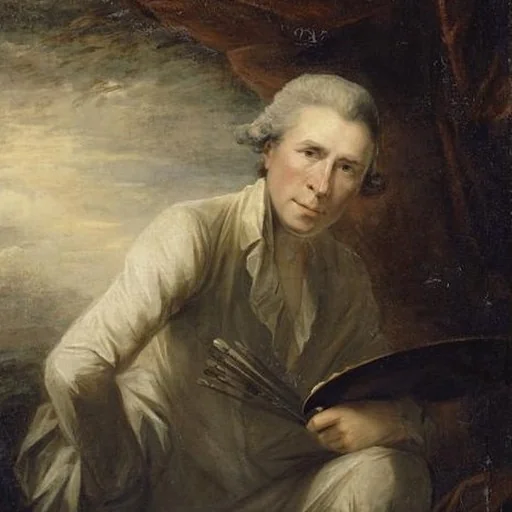
George Romney (26 December 1734 – 15 November 1802) was an English painter. He was the most fashionable artist of his day, painting many leading society figures – including his artistic muse, Emma Hamilton, mistress of Lord Nelson.

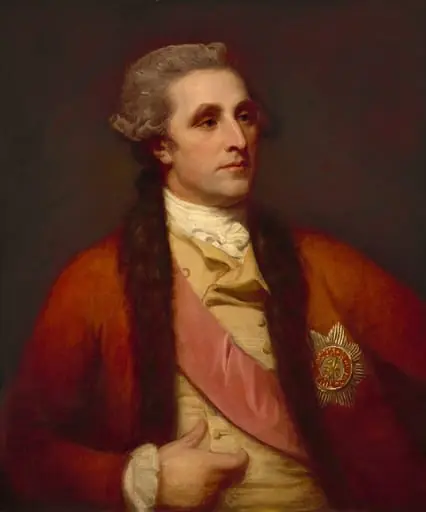
 Mary Degg, Lady Robert Manners (1737 - 1829)
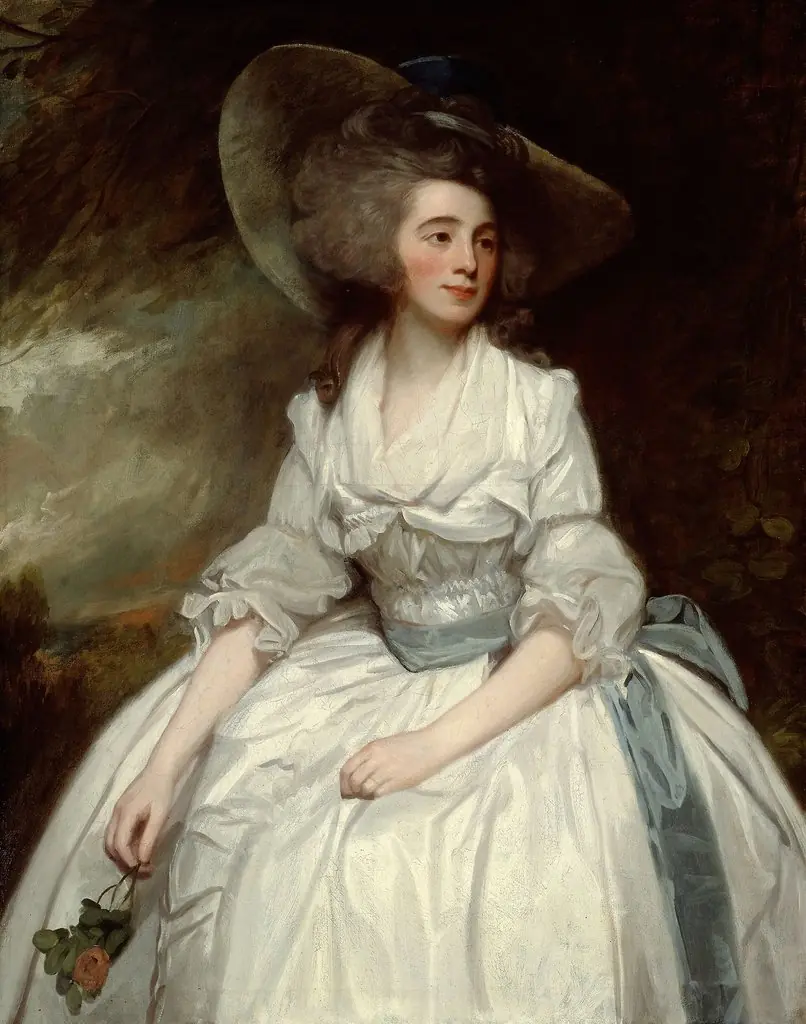 Mrs. Francis Russell
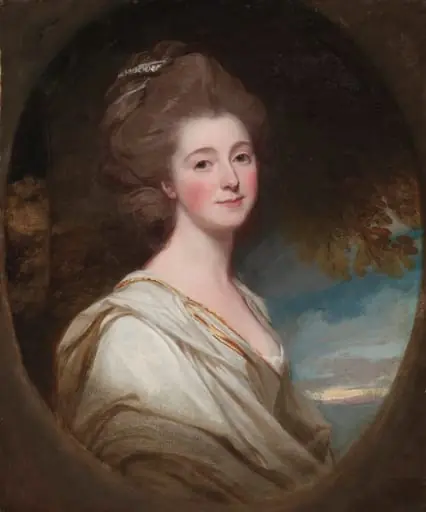 Portrait of Jane Hoskyns
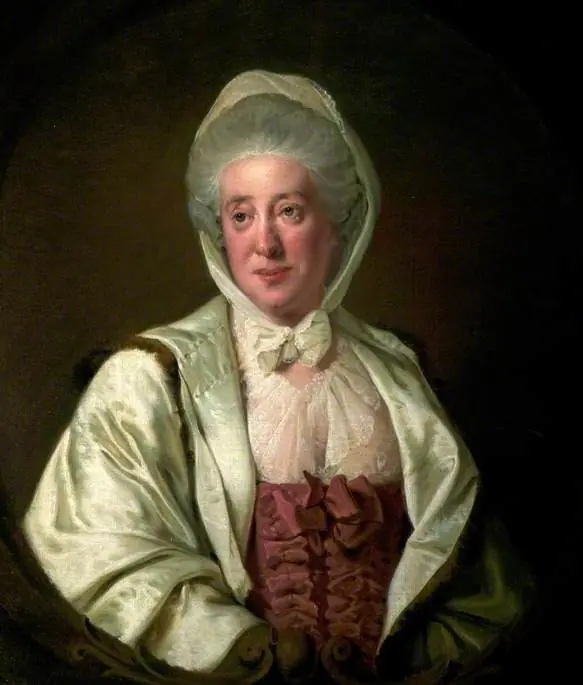 Elizabeth Crompton
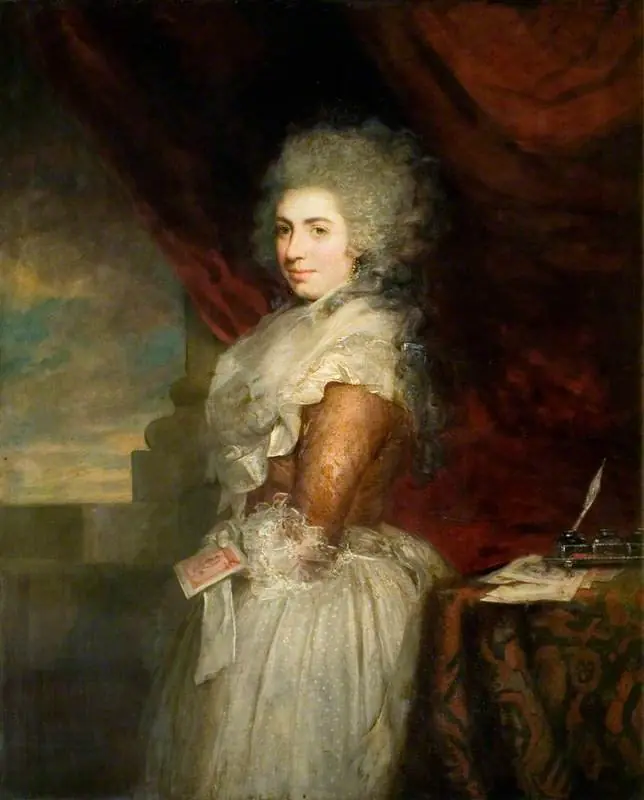 Portrait of a Lady (possibly Miss Fleming)
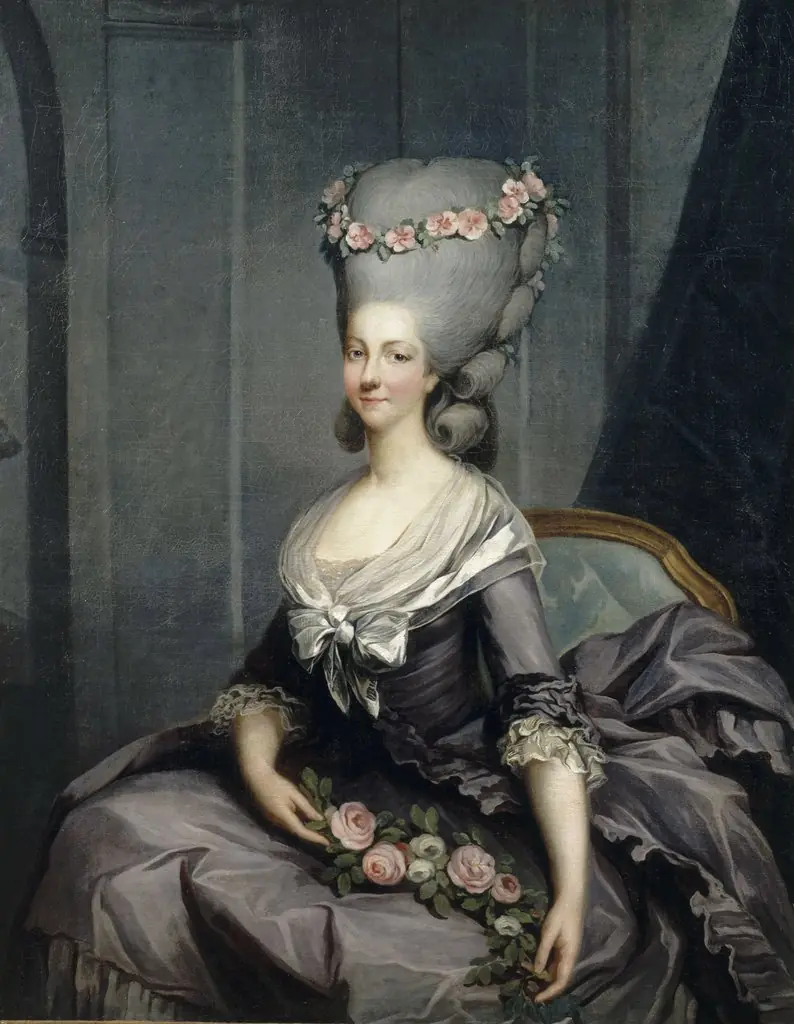 Portrait of the Princess of Lamballe
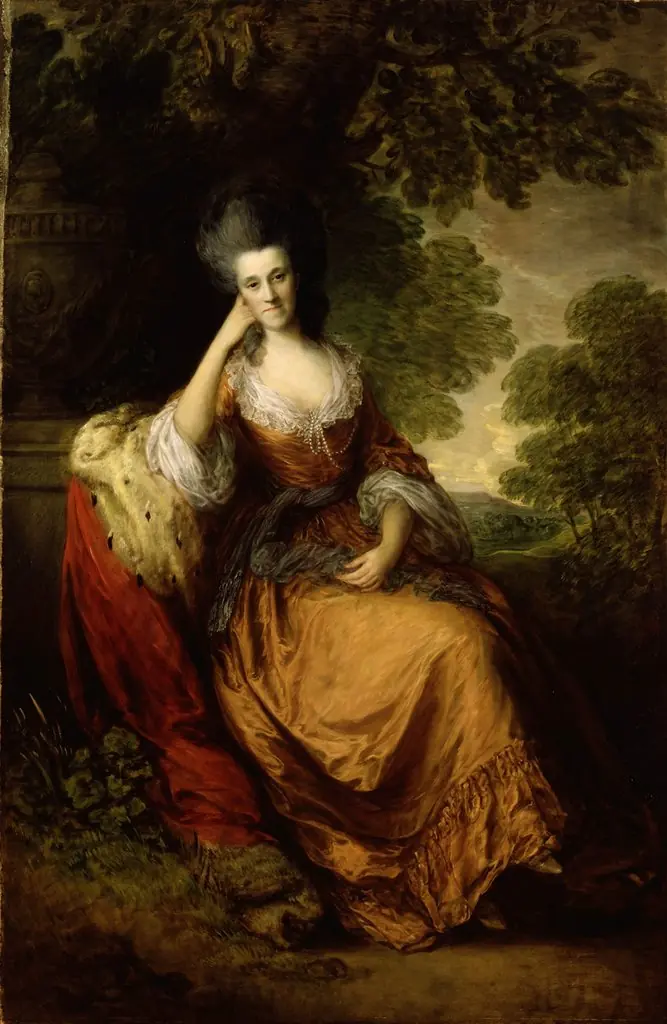 Lady Anne Hamilton
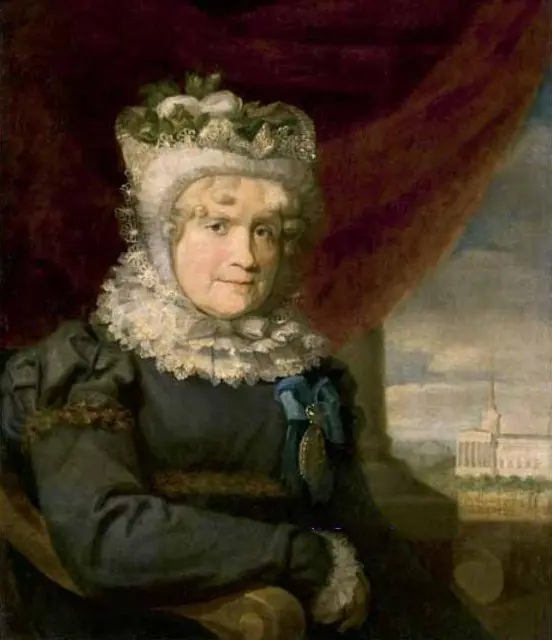 Portrait of Charlotte von Lieven (1742/43-1828)
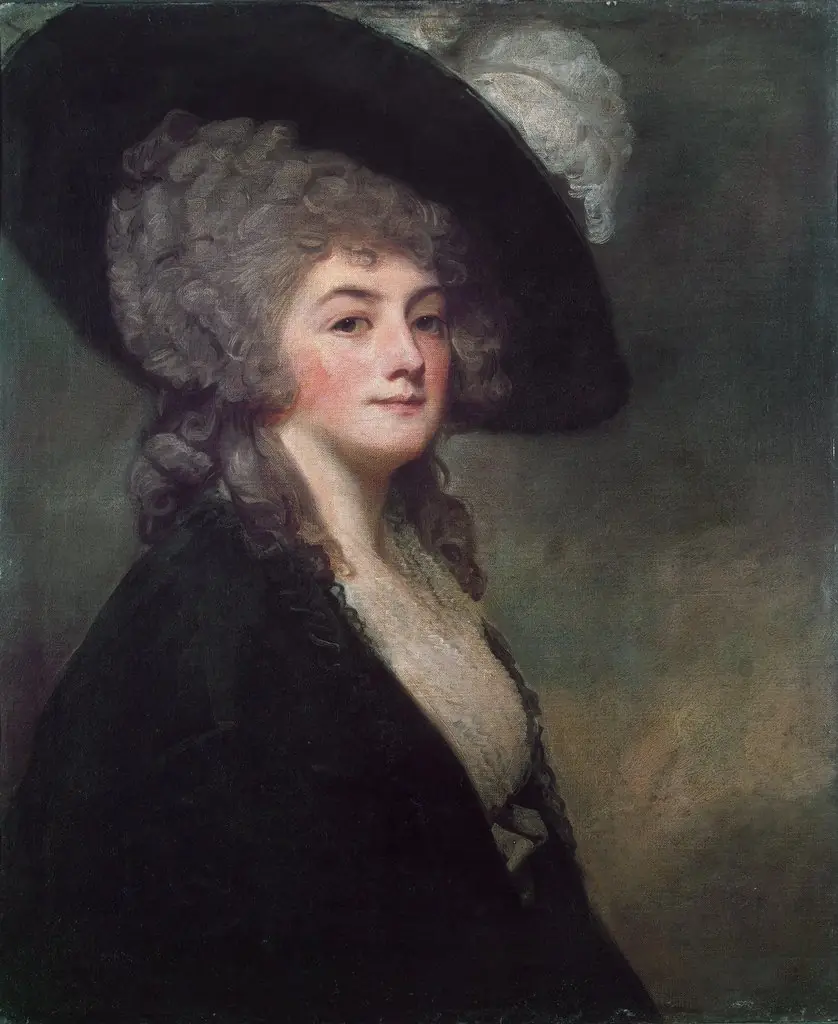 Portrait of Mrs Harrit Greer
 A Portrait of Mrs. Beal Bonnell