Artwork
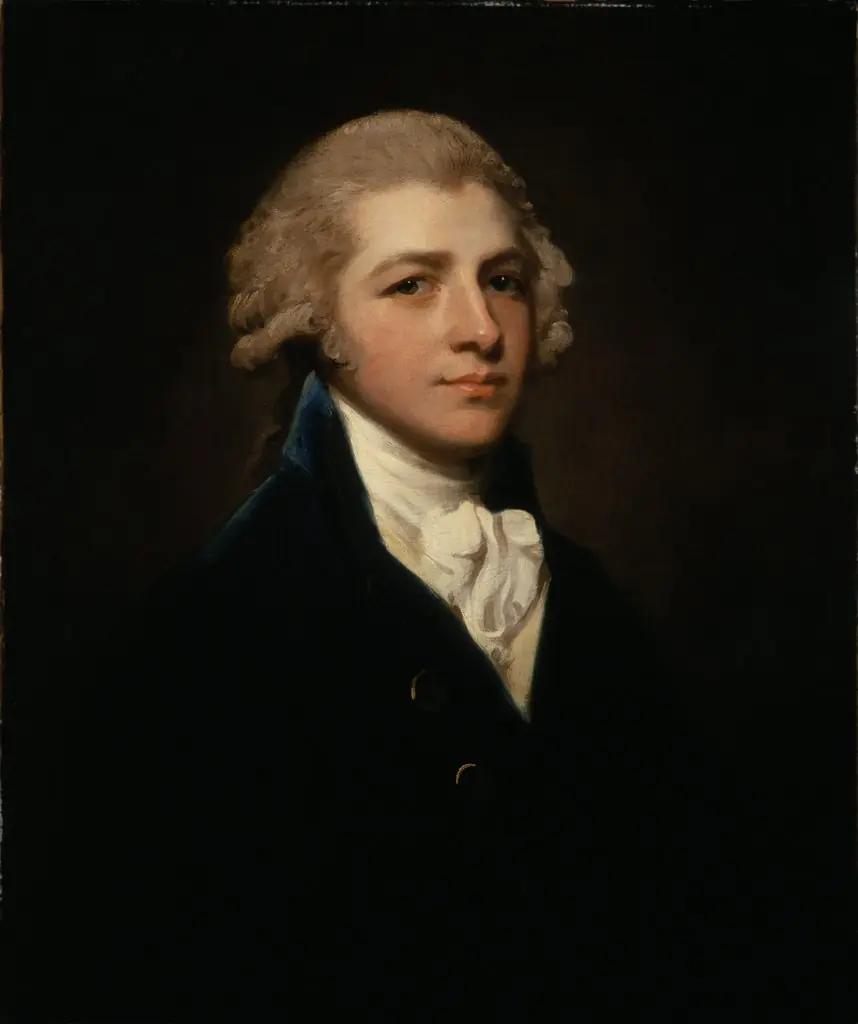
Portrait of a Man
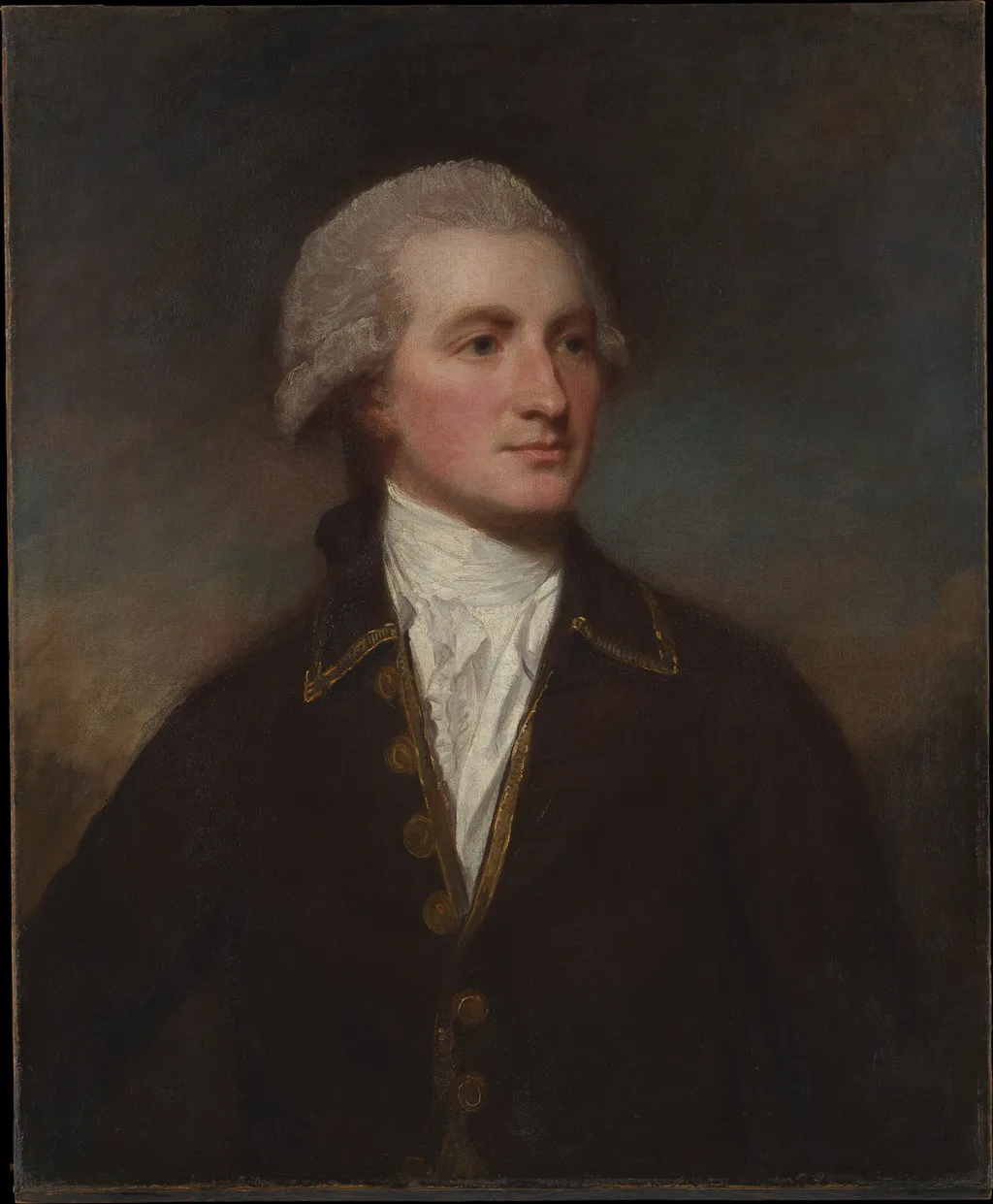
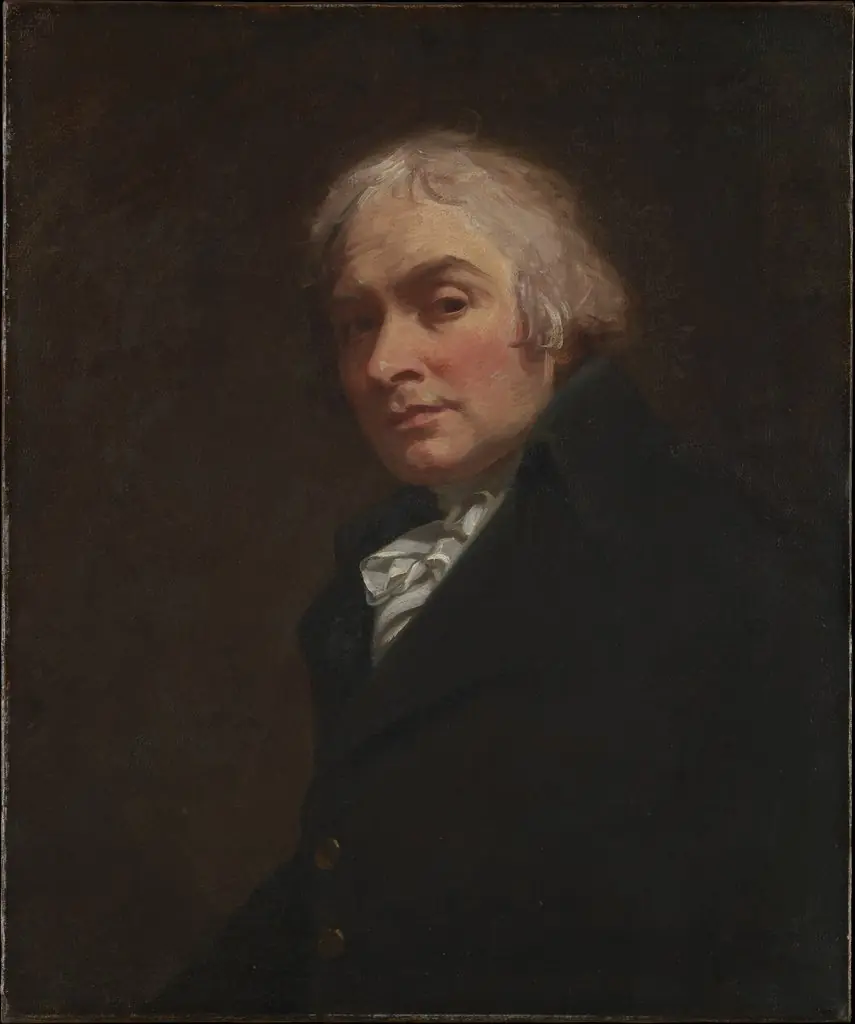
Portrait of a Man is an oil painting by the Rococo painting artist George Romney. It dates from 1790 and is held in the collection of the Metropolitan Museum of Art.
About this work
Subject & Meaning
The work depicts a man, serving as the sole main subject of this portrait by George Romney.
The work depicts a man, serving as the sole main subject of this portrait by George Romney. Created in 1790, the painting presents an unidentified male figure without additional narrative elements or specific iconographic symbols described in the available records. The composition focuses entirely on the individual's likeness rather than conveying complex allegorical meanings or representing broader symbolic themes beyond the standard conventions of portraiture.
Technique & Style
Romney executed this portrait in oil paint on canvas, measuring 76.2 × 62.9 cm. The work exemplifies the artist's characteristic approach to male portraiture, employing a direct and economical handling that avoids elaborate settings or accessories to focus attention on the sitter's presence. The brushwork and compositional restraint reflect Romney's practiced skill in capturing individual character through subtle formal means rather than theatrical effect.
History & Provenance
The Portrait of a Man was created by George Romney in 1790, as established by its documented inception date. Executed in oil on canvas, the work measures 76.2 cm in height and 62.9 cm in width. The painting is held in the collection of the Metropolitan Museum of Art, New York, where it is inventoried as accession number 1975.1.149. No specific details regarding its original commission or early ownership history are recorded in the available sources.
Overview
George Romney's Portrait of a Man, painted in oil in 1790, exemplifies the refined aesthetic of late 18th-century portraiture. This work captures an unidentified male subject, rendered with the elegant brushwork characteristic of the Rococo style. The painting is part of the collection at The Metropolitan Museum of Art, representing a key aspect of Romney's output during his prominent career as an English painter.
Context
Created in 1790, this portrait reflects George Romney's reputation as a leading English painter of his era, specializing in fashionable depictions of the elite. The work embodies the Rococo style, which favored grace and sophistication in its artistic expression. This approach allowed Romney to capture the refined tastes and social aspirations prevalent among the prominent figures he frequently portrayed during the late 18th century.
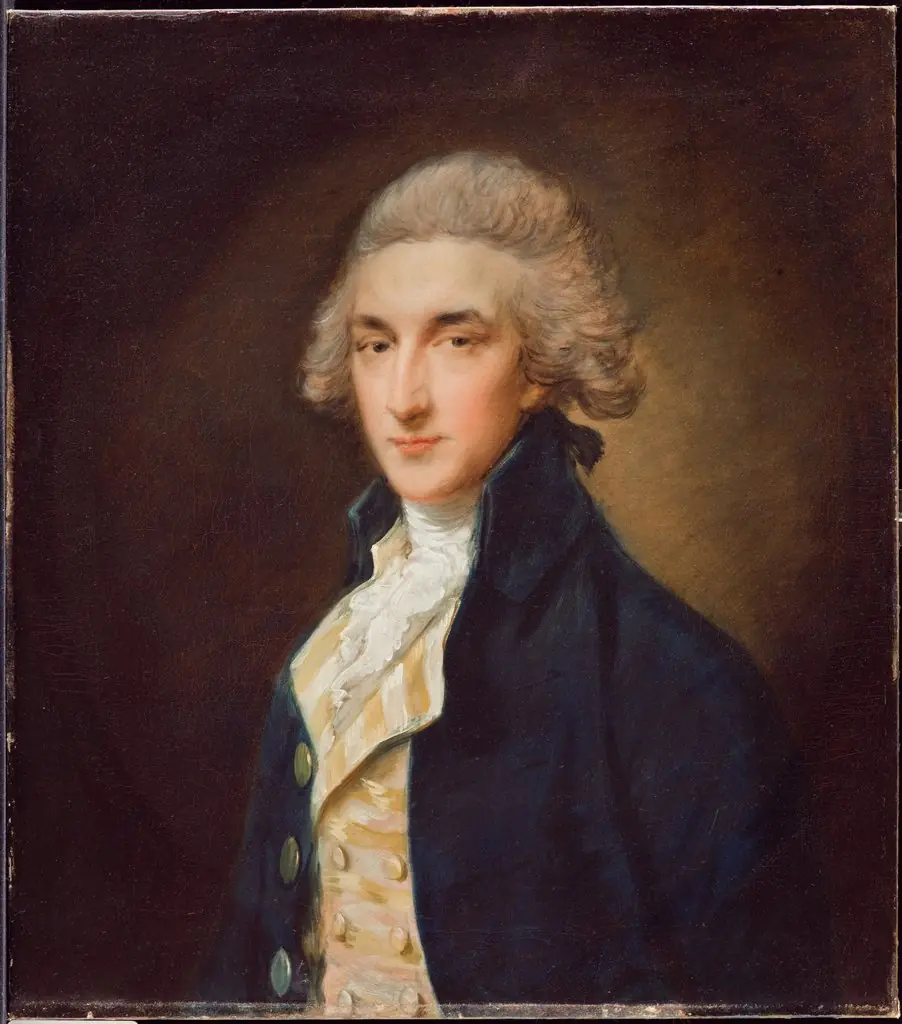
Own this work as a print
Artist & collection
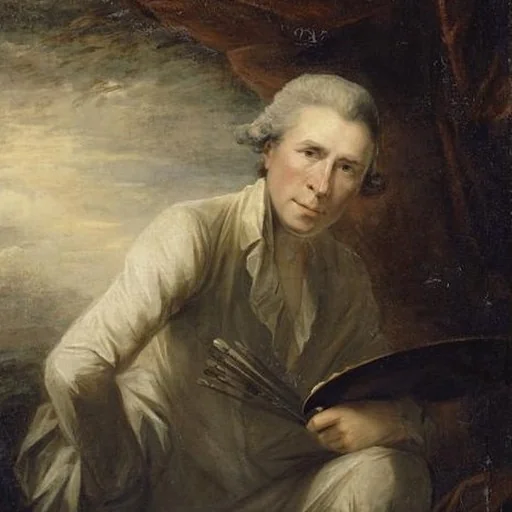
Artist
George Romney (26 December 1734 – 15 November 1802) was an English painter. He was the most fashionable artist of his day, painting many leading society figures – including his artistic muse, Emma Hamilton, mistress of Lord Nelson.

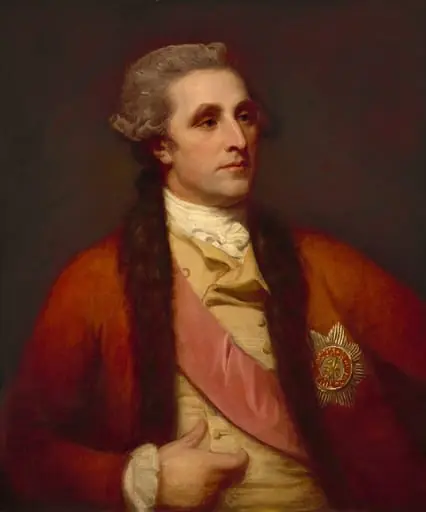
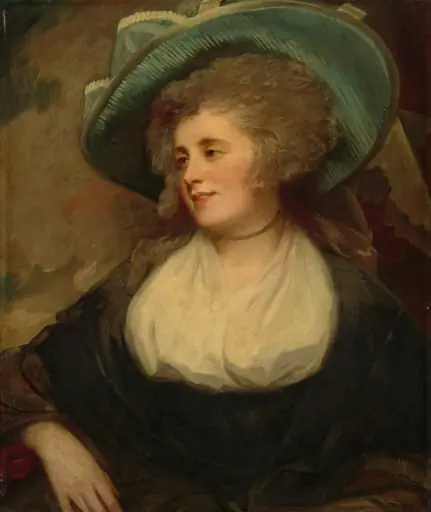
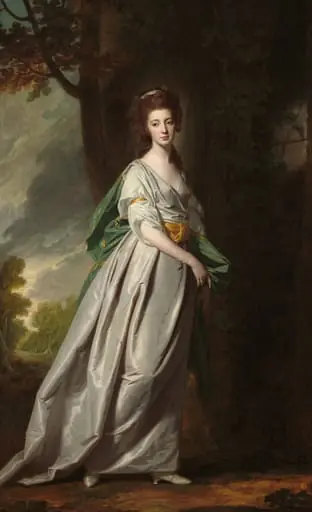
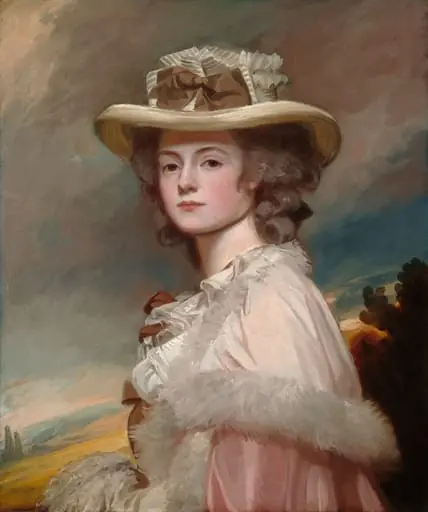
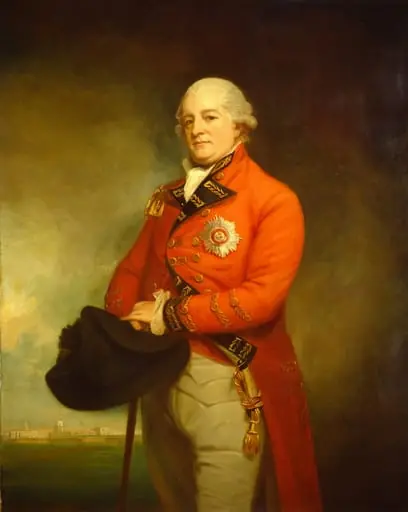
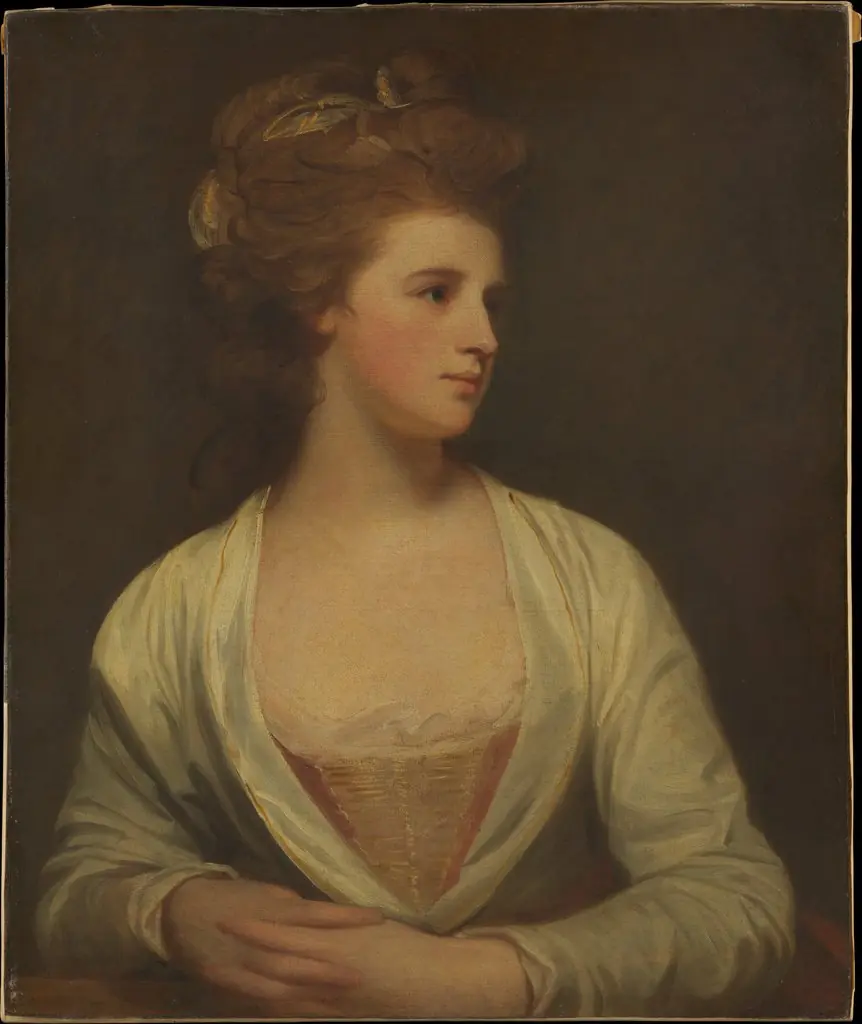
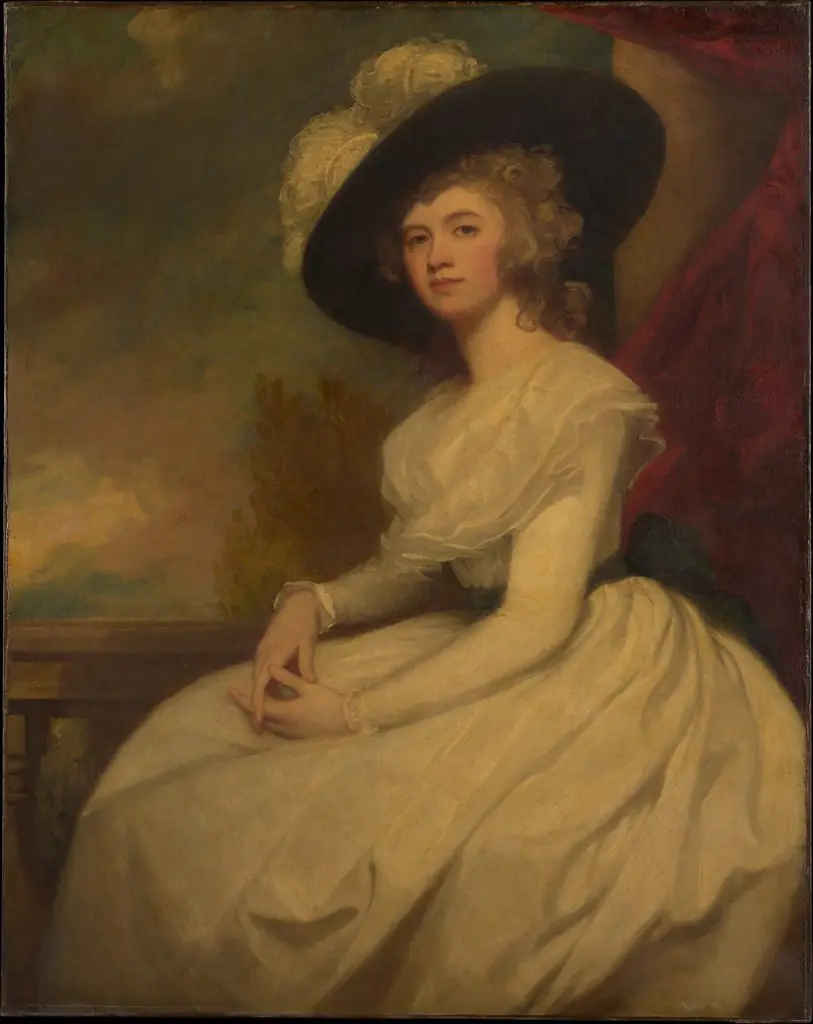
- Sir John Edward Swinburne
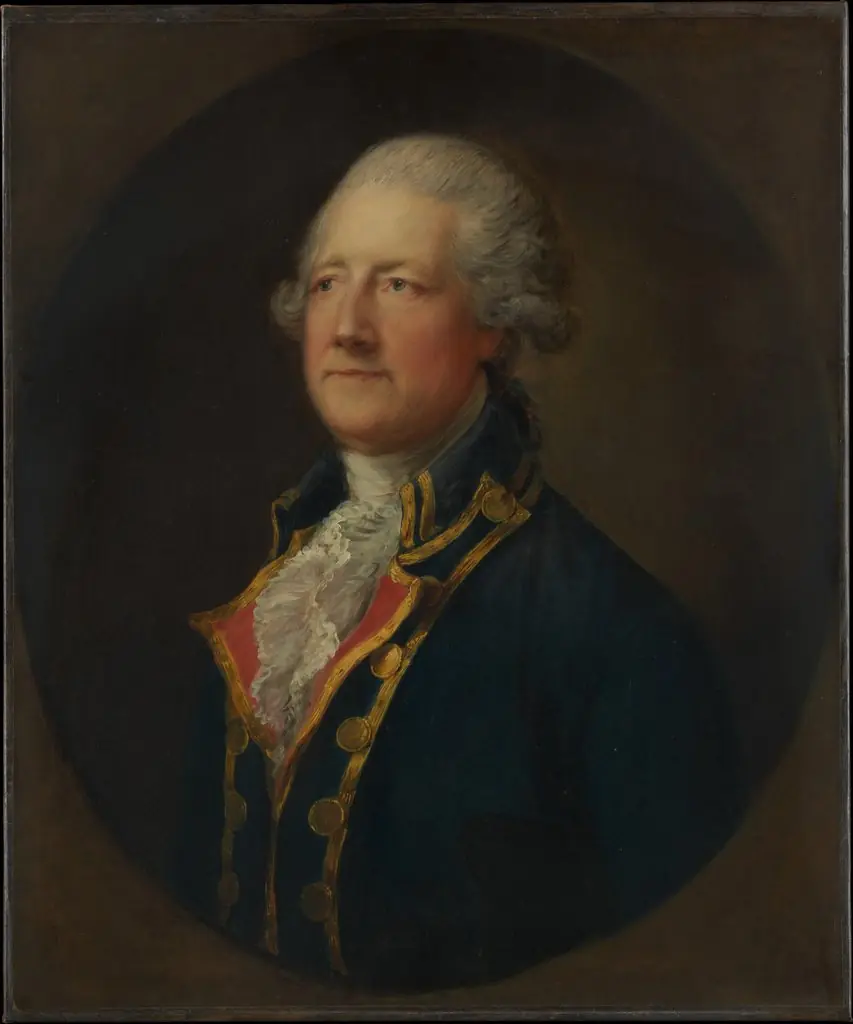 John Hobart (1723–1793), 2nd Earl of Buckinghamshire
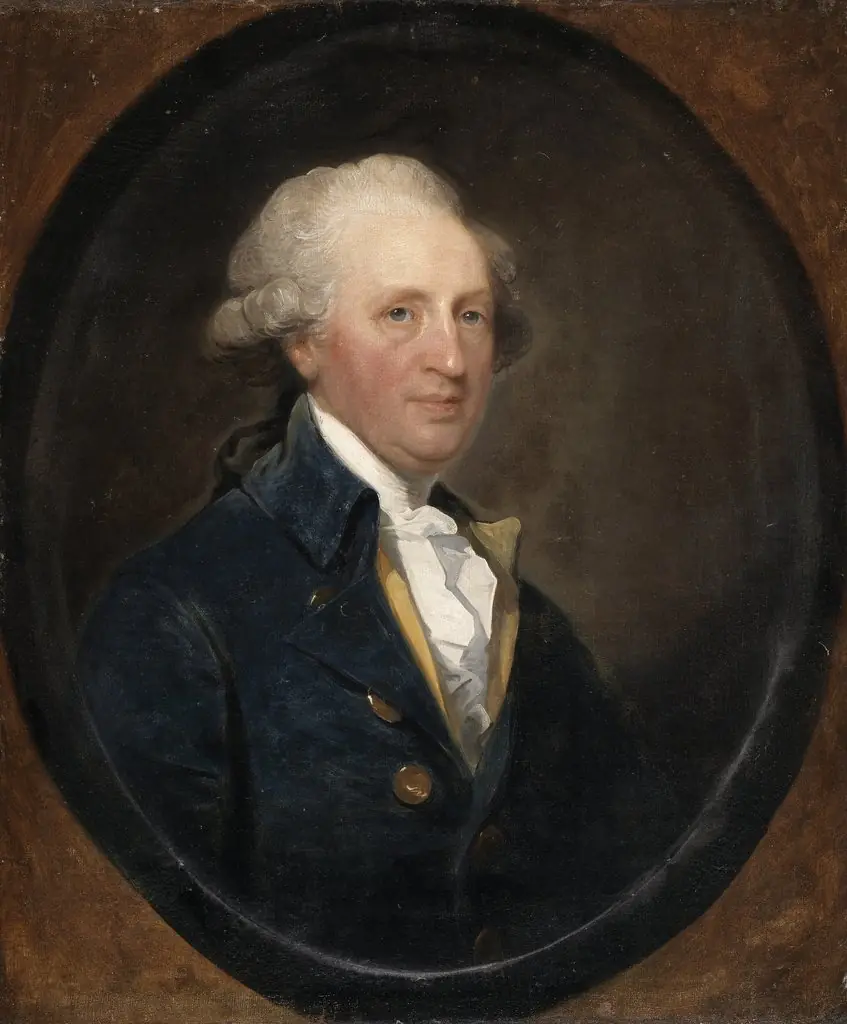 John Beresford (1738-1805), MP
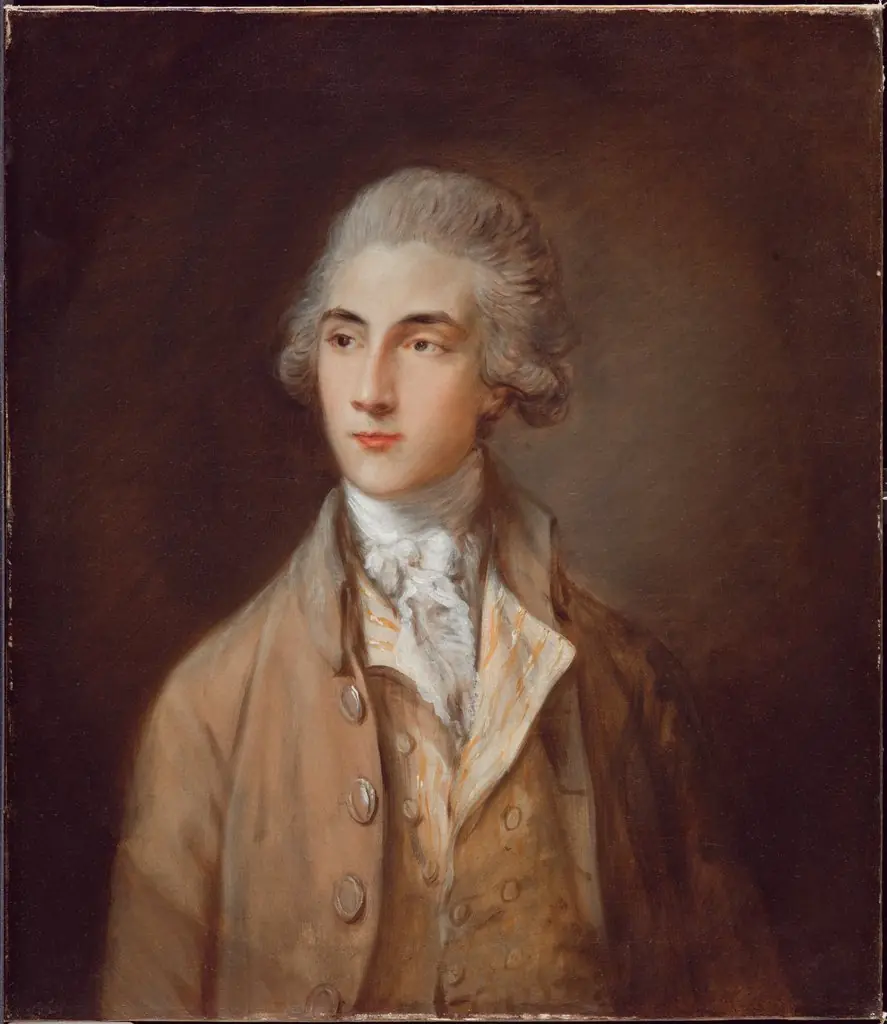 Edward Swinburne
 Mr. Forbes
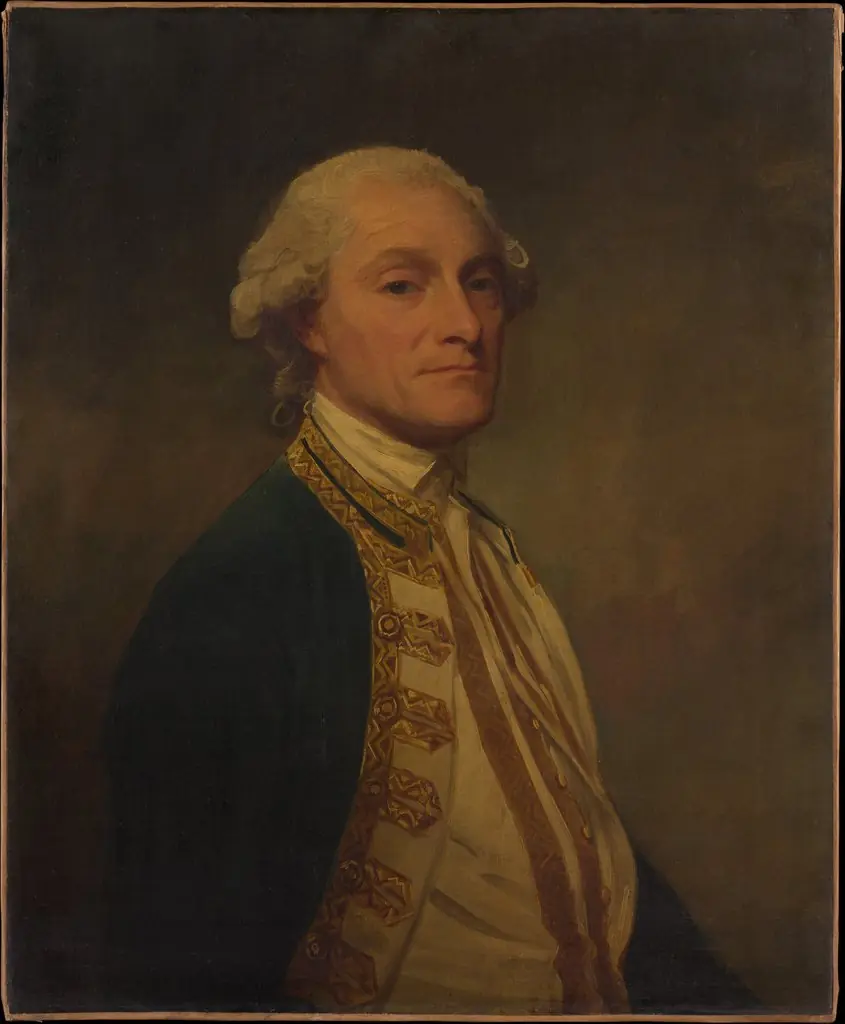 Admiral Sir Chaloner Ogle (1726–1816)
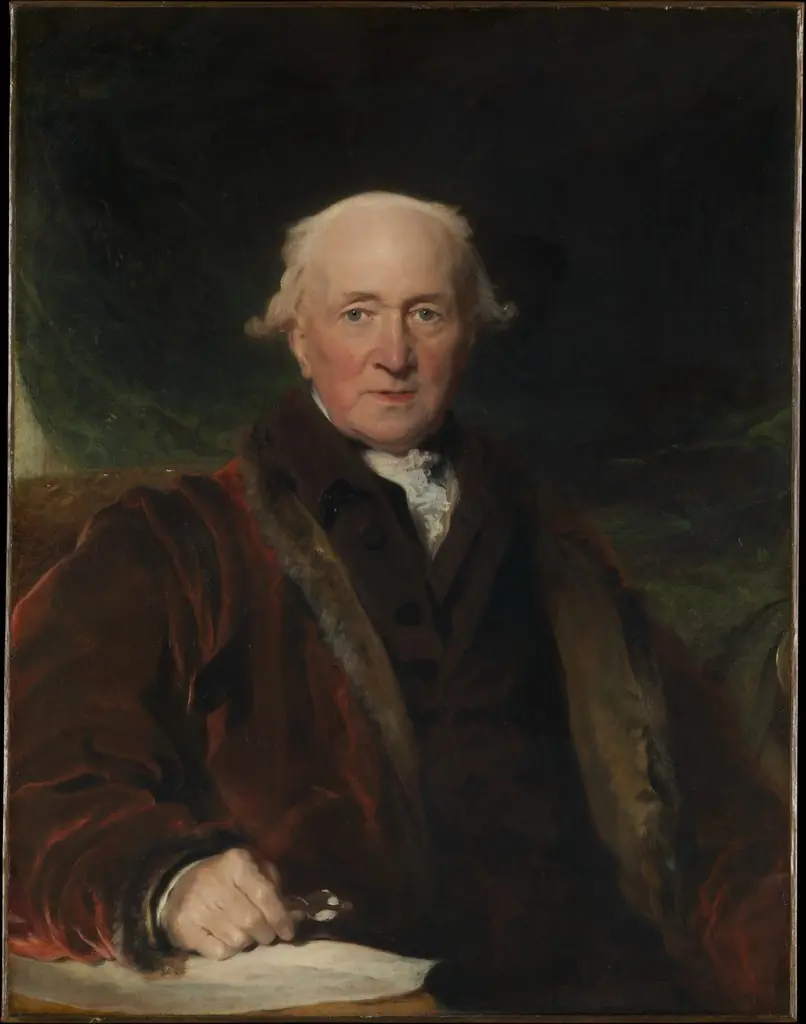 John Julius Angerstein (1736–1823)
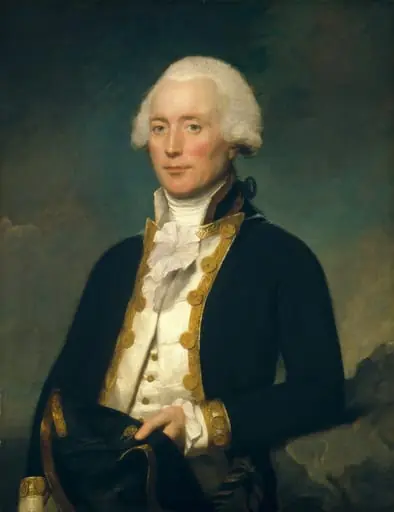 Captain Robert Calder
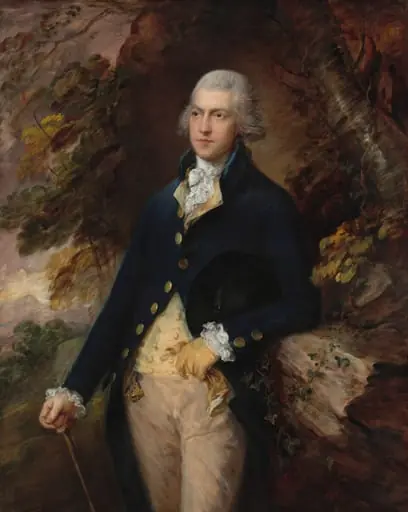 Francis Basset, Lord de Dunstanville
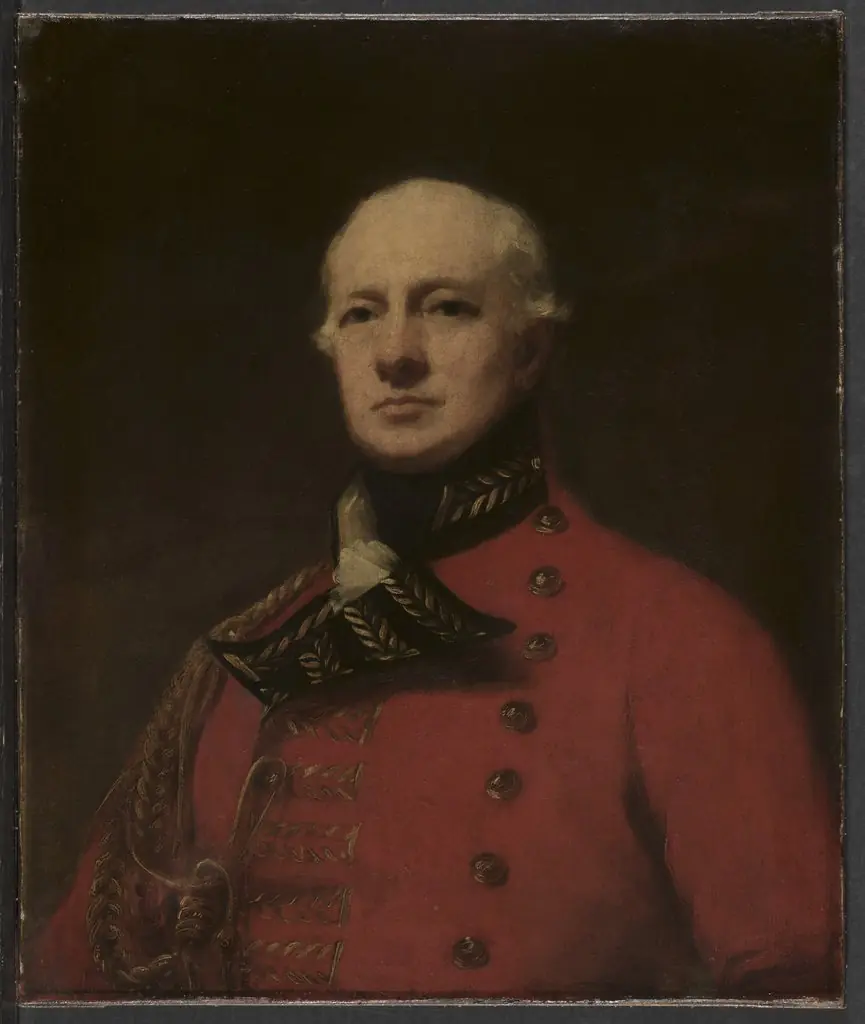 Lieutenant General Duncan Campbell
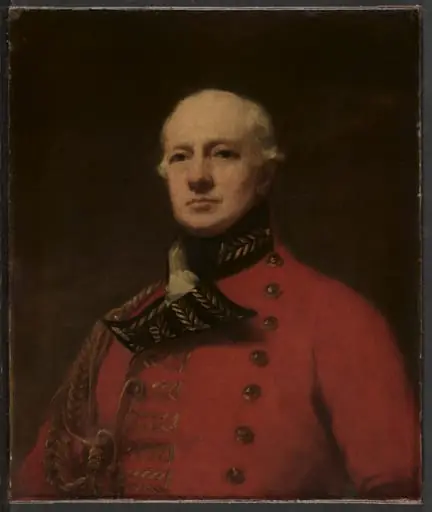 Lieutenant General Duncan Campbell
 Portrait of Richard Palmer