Artwork
The Rue St. Vincent, Paris, in Spring
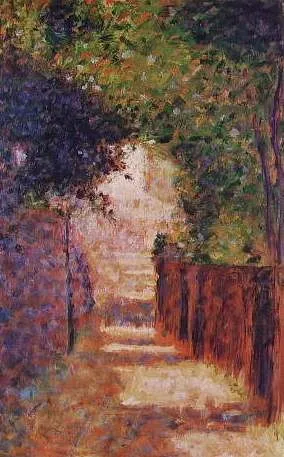
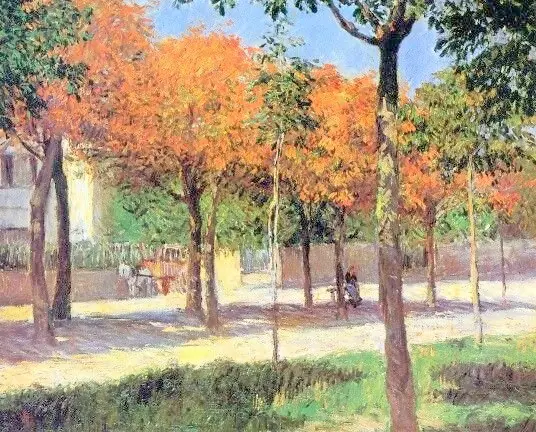
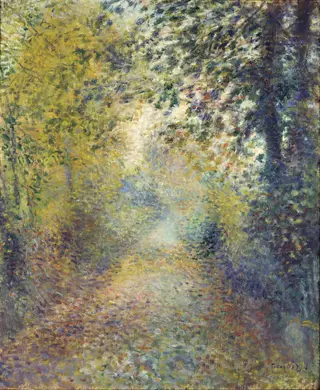
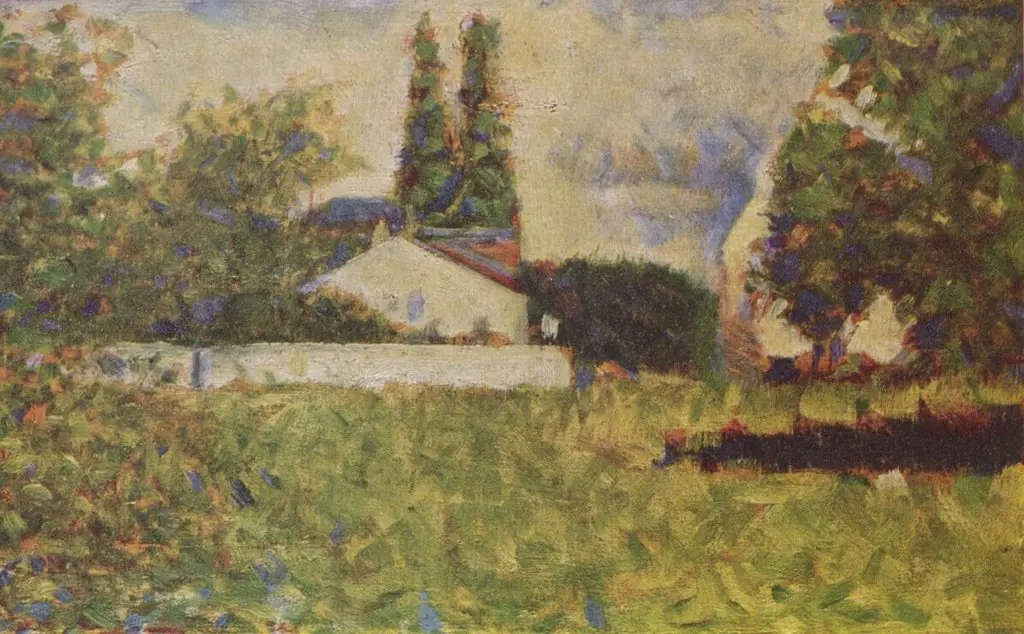
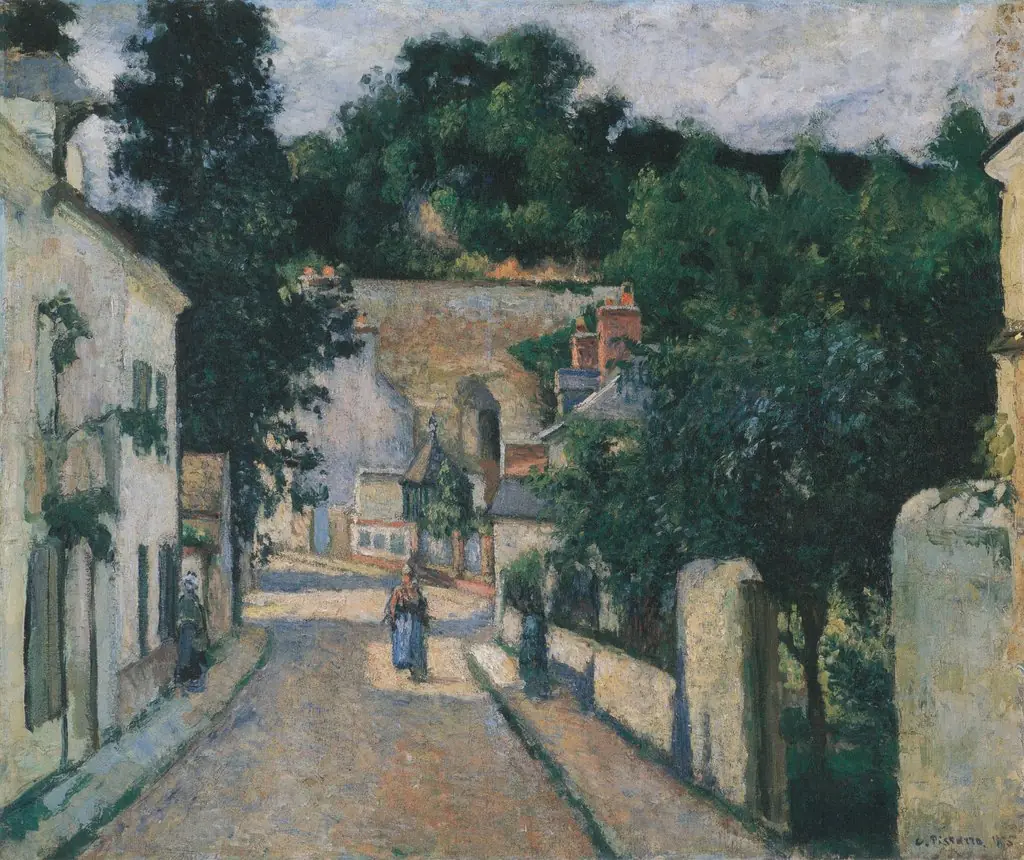
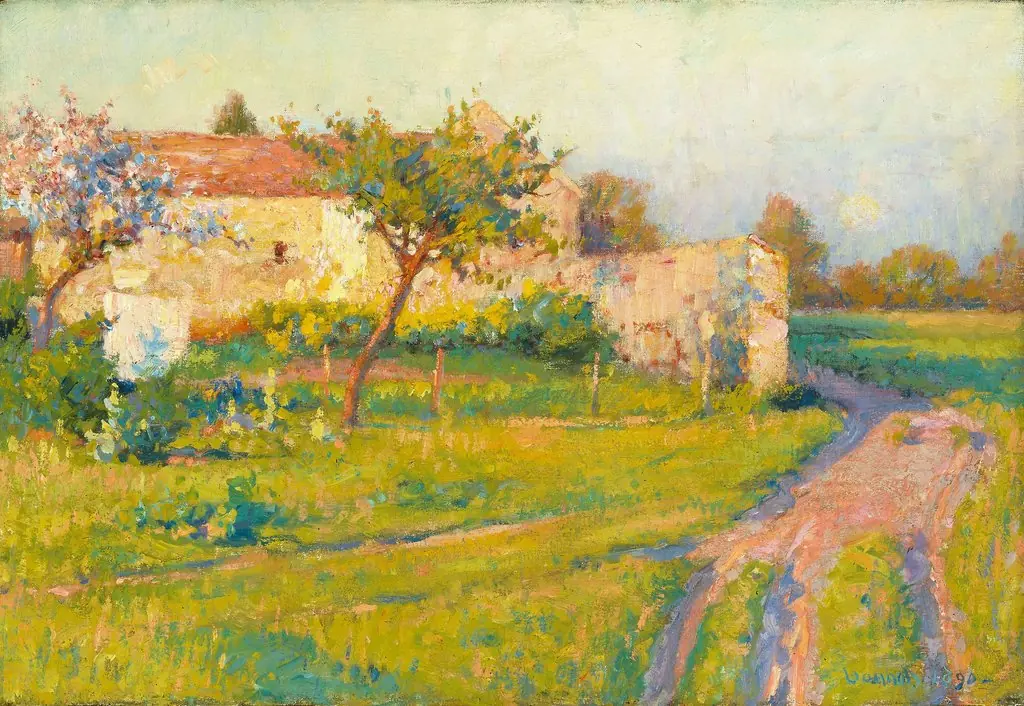
The Rue St. Vincent, Paris, in Spring is an oil painting by the Post-Impressionist artist Georges Seurat. It is held in the collection of the Fitzwilliam Museum. Created in 1892, this oil painting portrays a quiet Parisian street in early spring.
About this work
Overview
Created in 1892, this oil painting portrays a quiet Parisian street in early spring. A tree‑lined avenue stretches beneath modest buildings, while a solitary pedestrian walks through the composition, suggesting a moment of everyday life. The work is part of the post‑Impressionist canon and is presently owned by the Fitzwilliam Museum.
Subject & Meaning
The scene captures a tranquil urban moment, emphasizing the interplay of light and shade on the street and foliage. The lone figure introduces a subtle narrative of movement within the otherwise still environment, inviting viewers to contemplate the rhythm of city life during the season of renewal.
Technique & Style
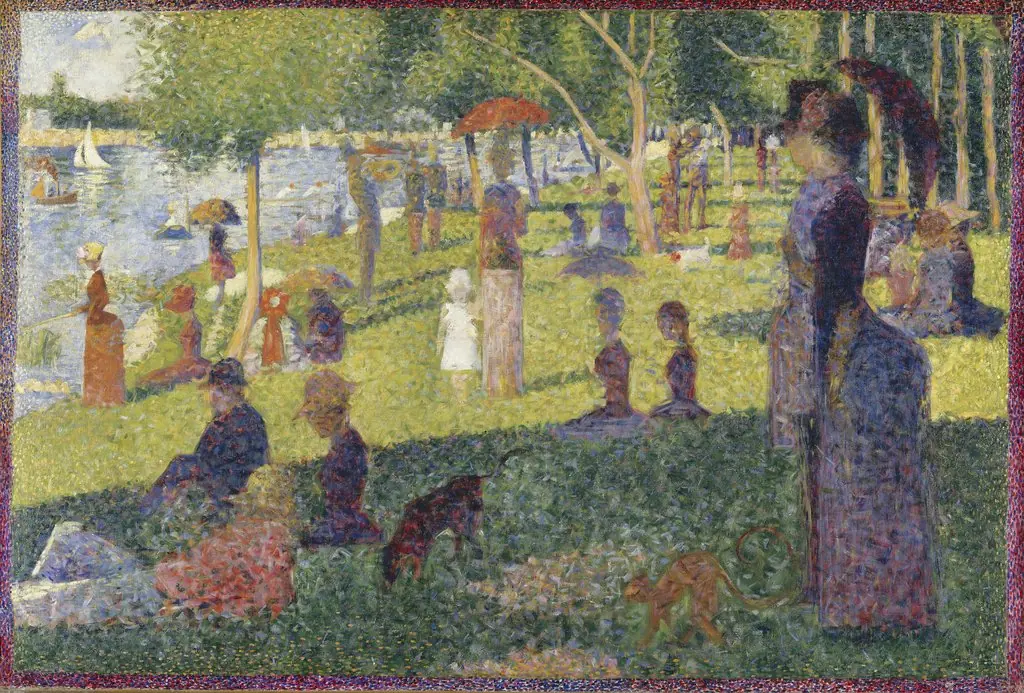
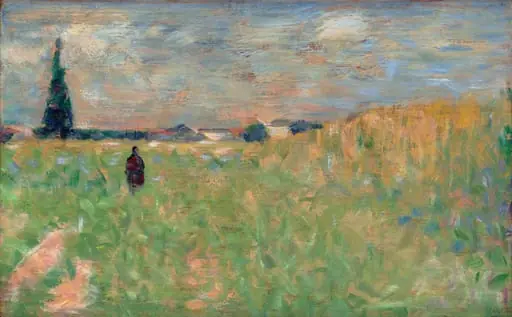
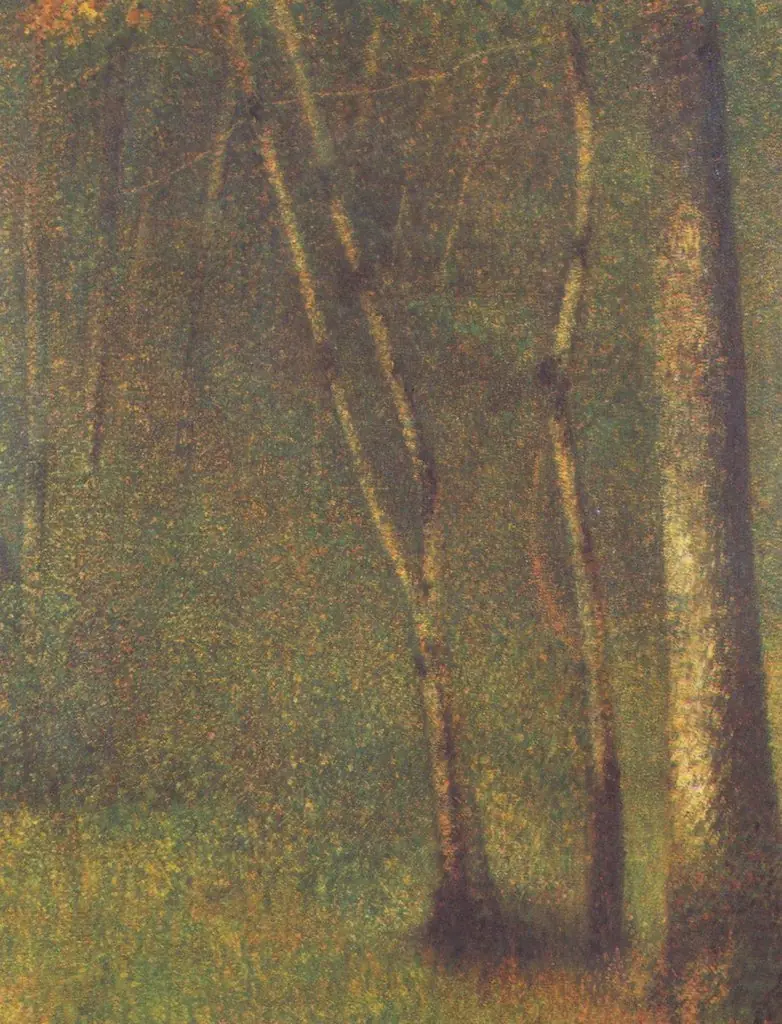
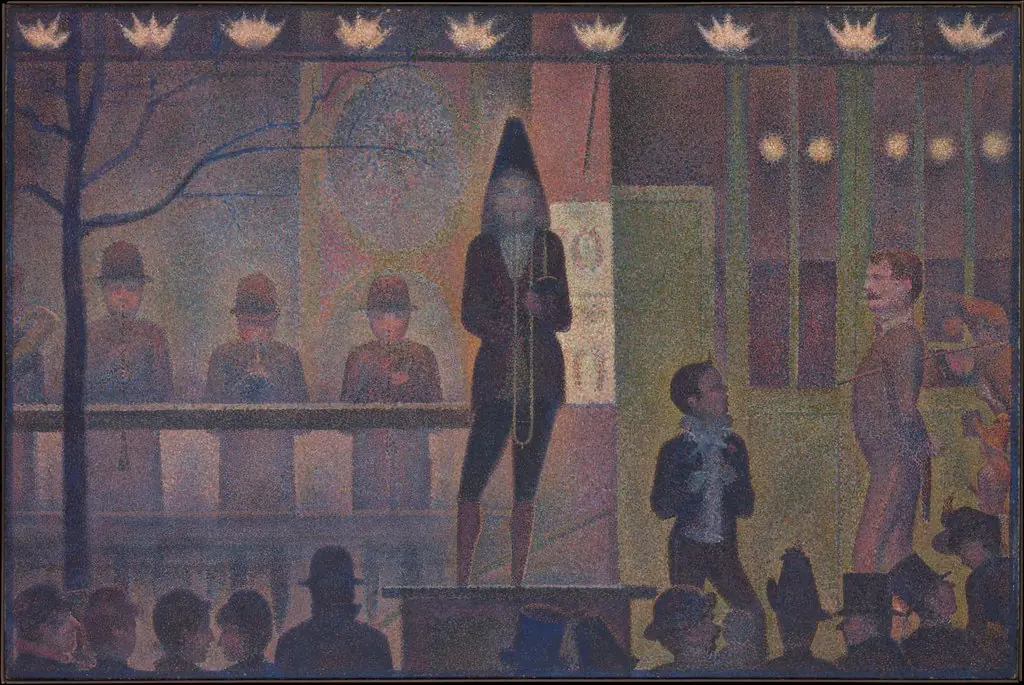
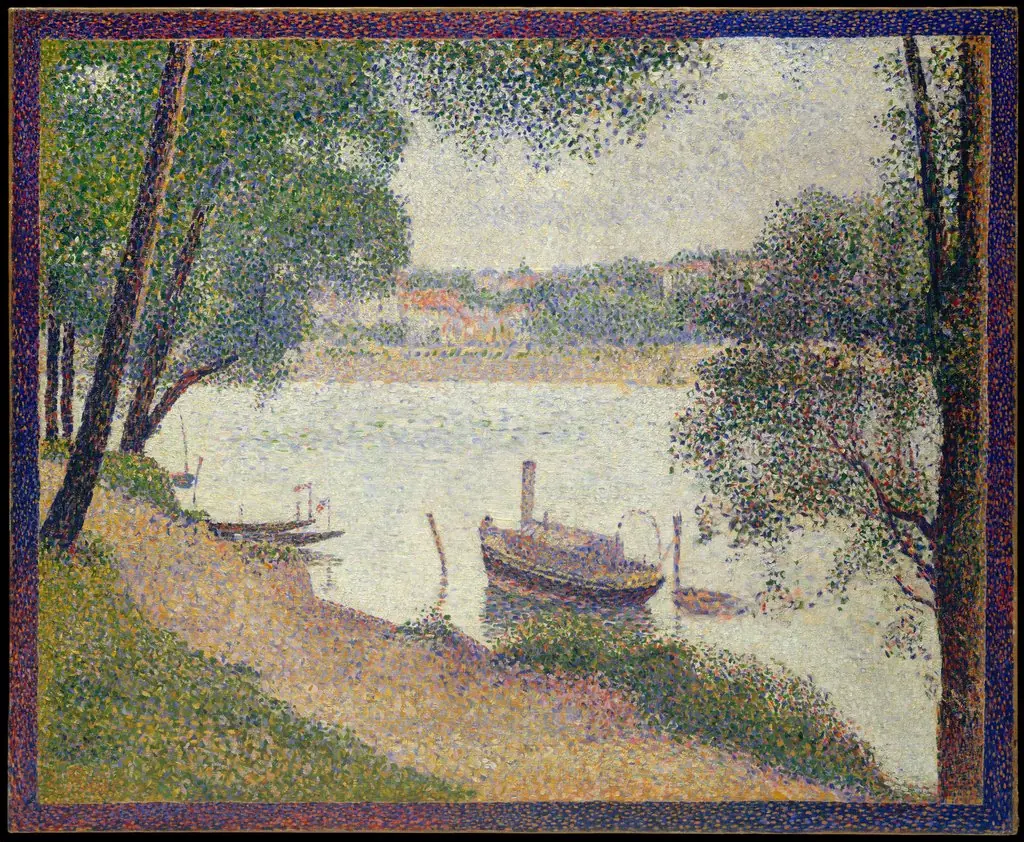
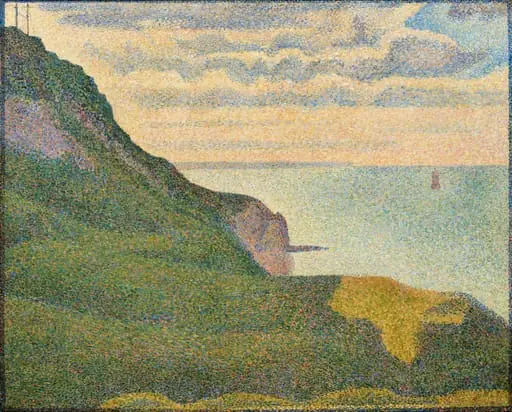
Executed with Seurat’s characteristic pointillist approach, the painting assembles color through small, distinct brushstrokes that collectively render form and atmosphere. This method reflects a disciplined, almost mathematical organization of hue, allowing the eye to blend tones optically and convey the luminous quality of spring daylight.
History & Provenance
The canvas was painted by Georges Seurat, a French artist noted for advancing chromoluminarism and pointillism within the post‑Impressionist movement. After changing hands over the decades, it entered the collection of the Fitzwilliam Museum, where it remains on display as a representative example of Seurat’s urban subjects.
Artist & collection
Artist
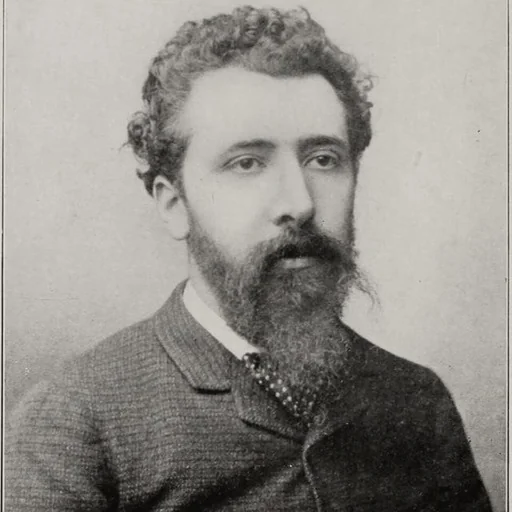
Georges Pierre Seurat (UK: SUR-ah, -ə, US: suu-RAH; French:; 2 December 1859 – 29 March 1891) was a French post-Impressionist artist.