Artwork
Cervara Polyptych
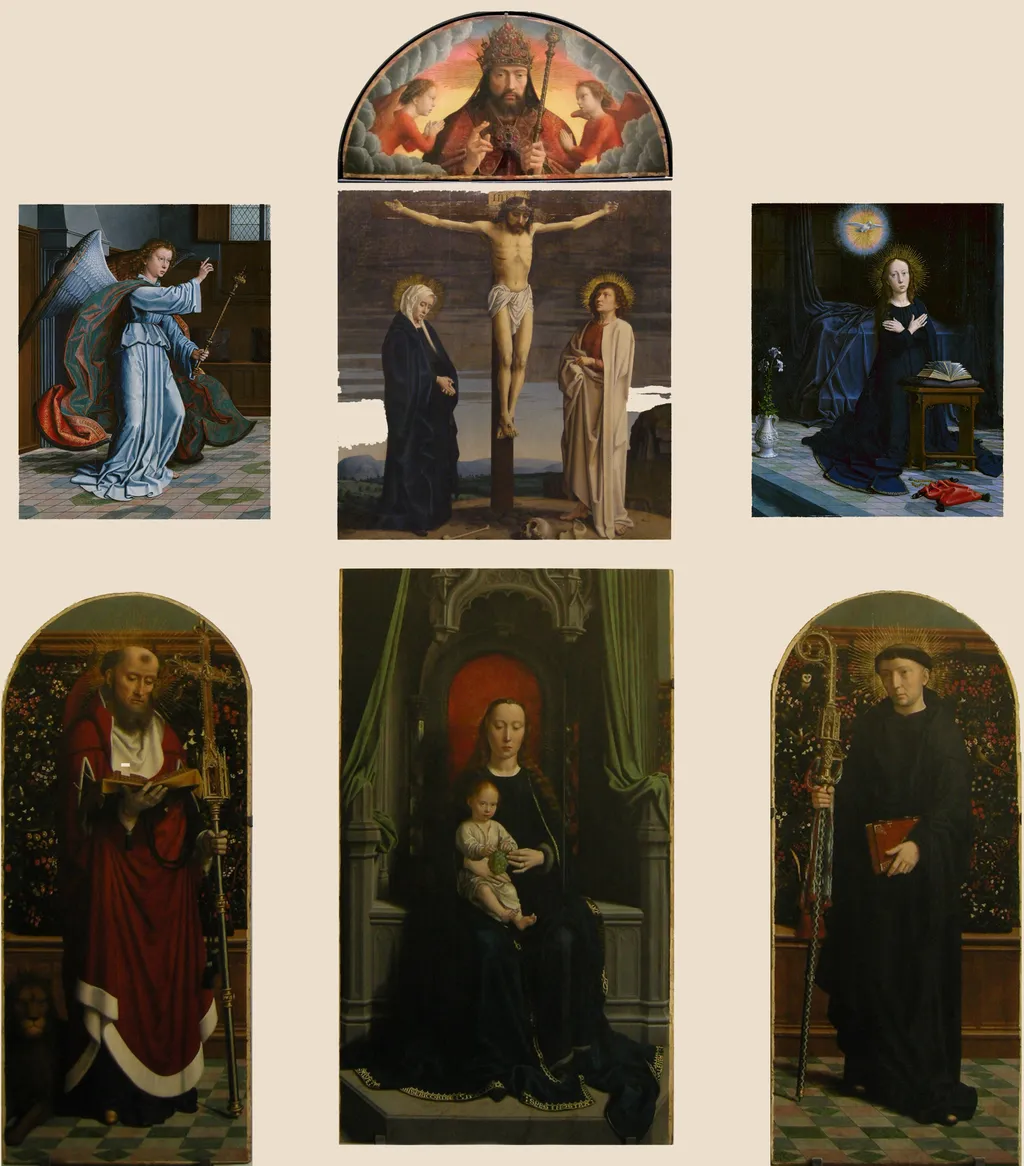
Cervara Polyptych is an oil painting by the Northern Renaissance artist Gerard David. It dates from 1500 and is held in the collection of the Metropolitan Museum of Art.
About this work
The Cervara Polyptych, an altarpiece Gerard David painted around 1500 for the high altar of a monastery in Italy. David was Flemish, and a Northern European hand at work in an Italian church was an unusual thing to find at this date.
Subject & Meaning
Side panels depict the Annunciation, with an angel and the Virgin, and a separate God‑the‑Father figure surrounded by angels.
The Cervara Polyptych portrays a central Virgin enthroned with the Christ Child holding a bunch of grapes, symbolising the Eucharist, flanked by saints Jerome and Maurus who reference the abbey’s dedication, while a Crucifixion panel above shows the crucified Christ with God the Father blessing from a celestial backdrop. Side panels depict the Annunciation, with an angel and the Virgin, and a separate God‑the‑Father figure surrounded by angels. These images convey themes of divine motherhood, martyrdom, and heavenly intercession, reflecting the devotional program commissioned by Vincenzo Sauli for the high altar of Cervara Abbey and illustrating the fusion of Flemish technique with Italian religious iconography.
Technique & Style
Executed circa 1506–1510, the Cervara Polyptych is an oil painting on Flemish oak panels, originally comprising seven distinct sections. The work exemplifies Early Netherlandish technique through its meticulous attention to detail and complex perspective, particularly visible in the Annunciation panels where octagonal floor tile patterns create spatial depth. The central Madonna and Child panel, known as the 'Madonna of the Grapes,' features a grape cluster held by the figures, while the Crucifixion scene distinguishes itself with an expansive landscape background rather than an interior setting.
Stylistically, the piece merges religious iconography with naturalistic elements, such as the symbolic lily representing purity. Although the polyptych was dismantled in 1797, causing the loss of original framing and some painted architectural elements like the arched tops of certain panels, the surviving sections demonstrate the characteristic luminosity and textural precision associated with Gerard David's Bruges workshop.
History & Provenance
The Cervara Polyptych was commissioned on 7 September 1506 by the Genoese nobleman Vincenzo Sauli, as recorded in a 17th-century document; the patron's name was originally inscribed above the Virgin's feet in the central panel. Gerard David executed the work in Bruges on oak panels, and it was installed on the high altar of the Benedictine abbey church of San Girolamo della Cervara at Santa Margherita Ligure in 1507. Following the suppression of the monastery by the Republic of Genoa in 1797, the seven panels were dismembered and dispersed.
Four panels were initially deposited in the Palazzo Ducale, seat of the prefecture; the central Madonna and Child and the upper Crucifixion were rediscovered there in 1805. In 1830 the painter Francesco Baratta supervised their transfer to the mayor's office in the Palazzo Tursi and later to the Palazzo Bianco. The remaining three panels surfaced elsewhere: two Annunciation wings at the Metropolitan Museum of Art in New York and a God the Father panel at the Louvre in Paris. All seven panels were reunited at the Palazzo Bianco in autumn 2005.
The Cervara Polyptych is today dispersed across three institutions. Four panels remain in Genoa at the Palazzo Bianco (Musei di Strada Nuova), where they are inventoried within the civic collections: the central Madonna and Child Enthroned (153 × 89 cm), two side panels of Saints Jerome and Maurus (each 152.5 × 64 cm), and the upper Crucifixion scene (102 × 88 cm). Two further panels, the Annunciation with the Angel and the Virgin, are held by the Metropolitan Museum of Art in New York; the semicircular panel of God the Father Blessing is in the Louvre, Paris. All seven were temporarily reunited and exhibited at the Palazzo Bianco in autumn 2005.
Context
Critical scholarship identifies the Cervara Polyptych as a pivotal example of early 16th‑century Flemish art exported to Italy, reflecting Gerard David’s mature phase and his transition from Bruges to Italian commissions. Studies emphasize its sophisticated iconography, naturalistic detail, and innovative use of perspective, marking it as a key testament to artistic exchange between Flanders and Genoa. The work’s dispersal after the 1797 suppression and its reassembly in the Palazzo Bianco in 2005 illustrate its enduring significance in art‑historical discourse.
Legacy
The Cervara Polyptych came to be recognized as a seminal example of Early Netherlandish art within Italian contexts, a status highlighted by its attribution to Gerard David and its inclusion among the period’s most significant works. After the monastery’s suppression in 1797 the altarpiece was dismantled, with its panels scattered to Genoa, New York, and Paris; a 2005 reassembly at Palazzo Bianco restored the work in its original configuration. The dispersed panels now reside in the Metropolitan Museum of Art and the Louvre, underscoring the transnational circulation of Flemish art.
Contemporary scholarship, documented in bibliographies and exhibition catalogues, continues to examine its composition, iconography, and influence on later Italian painting.
Overview
The Cervara Polyptych is an oil painting on oak panel created by the Flemish artist Gerard David around the turn of the 16th century. This multi-panel altarpiece was designed for a prominent religious setting, showcasing David's characteristic style and meticulous technique in a significant commission.
Own this work as a print
Artist & collection
Artist
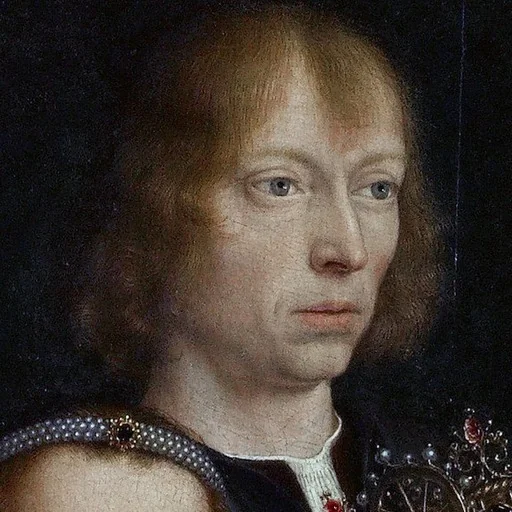
Gerard David (c. 1460 – 13 August 1523) was an Early Netherlandish painter and manuscript illuminator known for his brilliant use of color. Only a bare outline of his life survives, although some facts are known. He may…

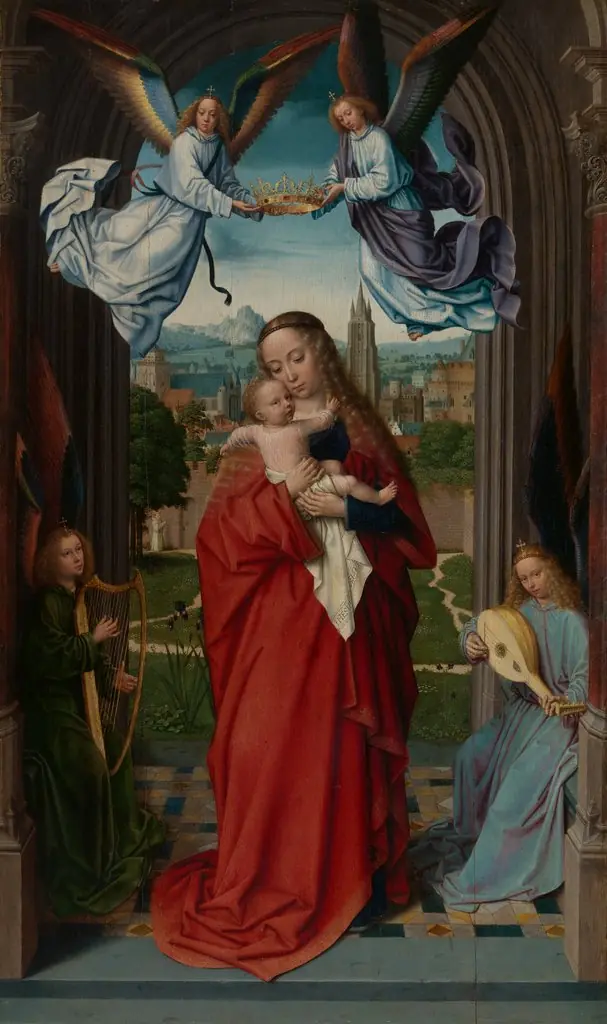 Virgin and Child with Four Angels
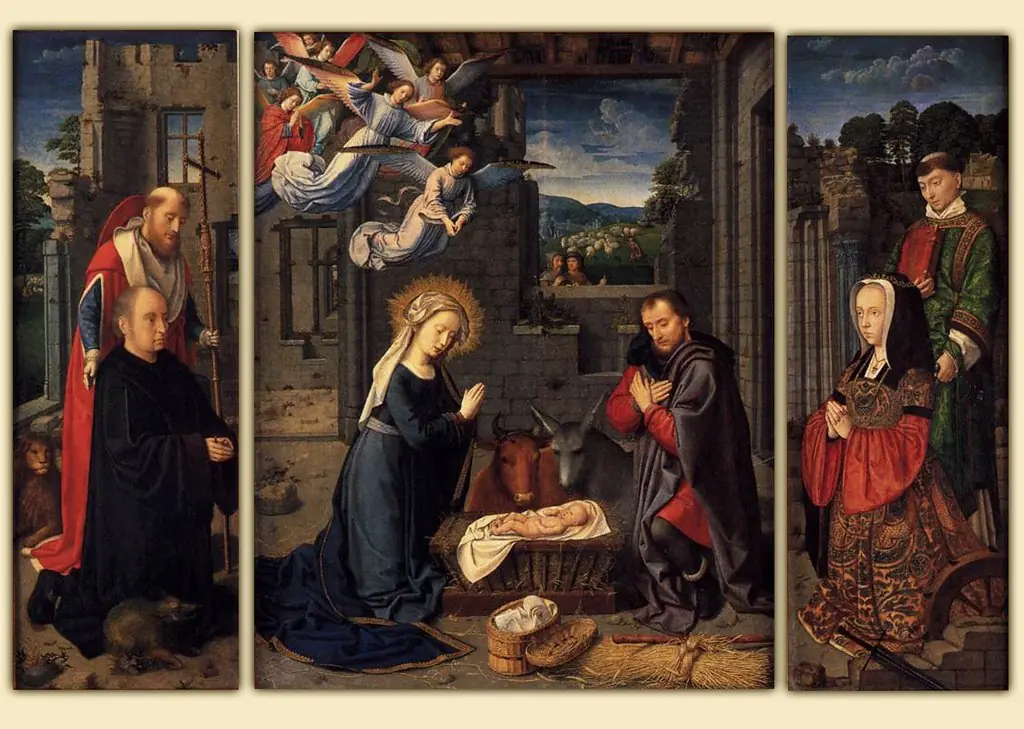 The Nativity with Donors and Saints Jerome and Leonard
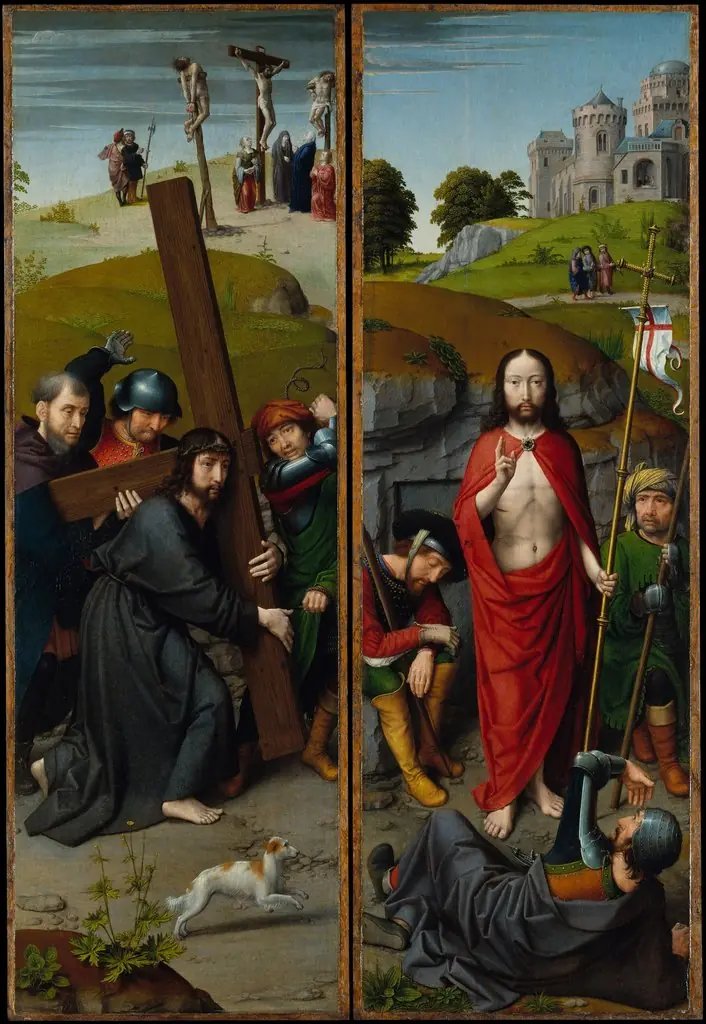 Christ Carrying the Cross, with the Crucifixion; The Resurrection, with the Pilgrims of Emmaus
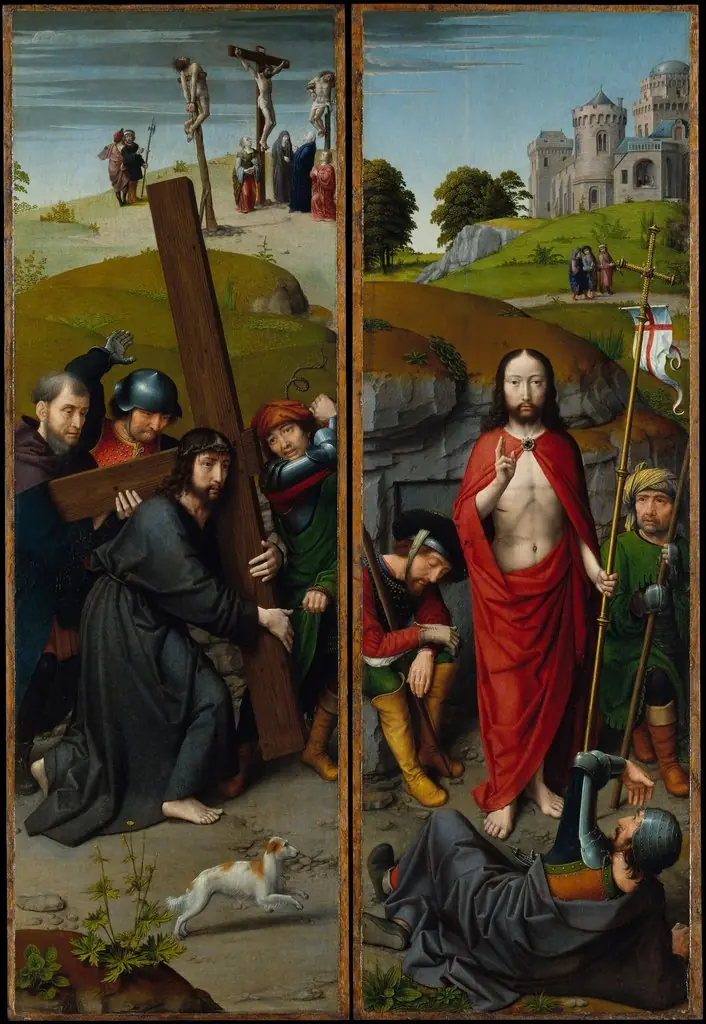 Christ Carrying the Cross, with the Crucifixion; The Resurrection, with the Pilgrims of Emmaus
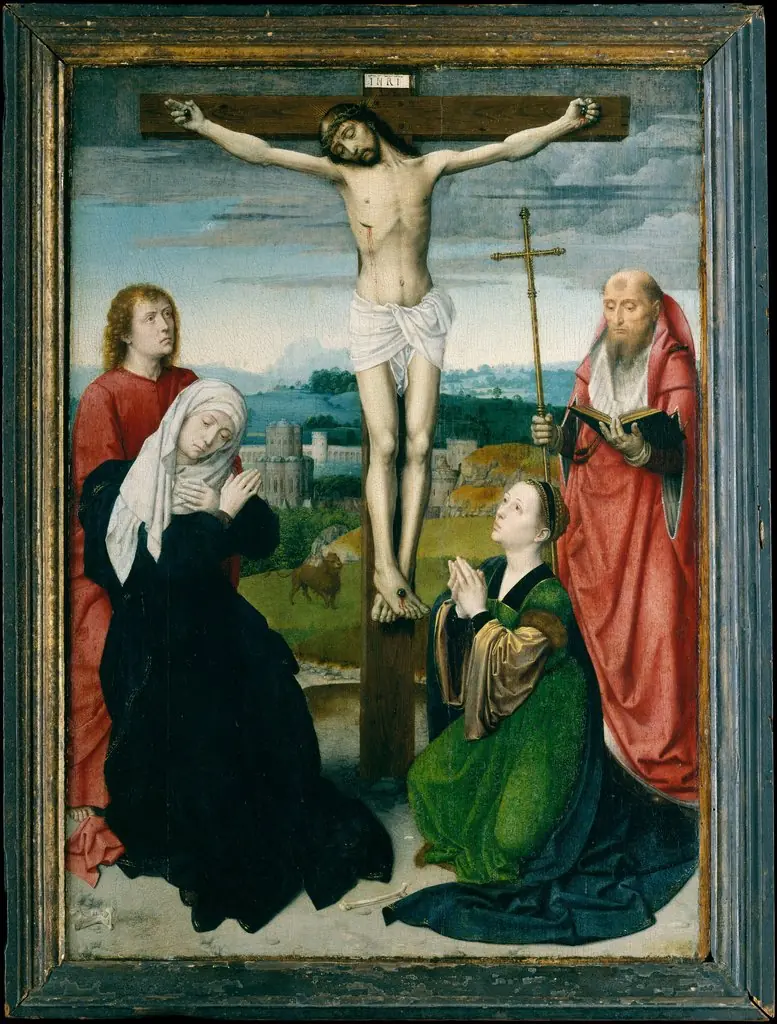 The Crucifixion
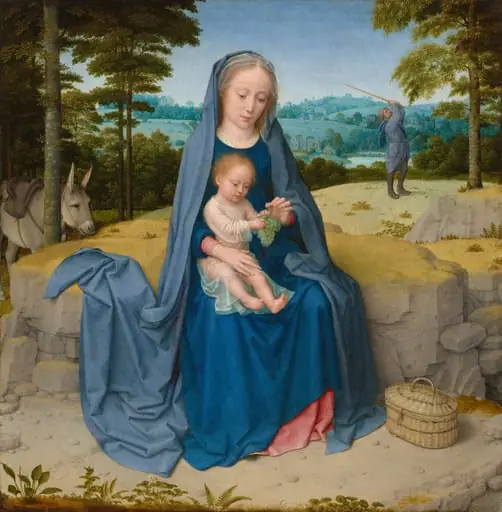 The Rest on the Flight into Egypt
![The Saint Anne Altarpiece: Saint Anne with the Virgin and Child [middle panel], by Gerard David](https://artifactworldgallery.com/img/gerard-david--the-saint-anne-altarpiece-saint-anne-with-the-virgin-and-chi--781e919f9012a004-w320.webp) The Saint Anne Altarpiece: Saint Anne with the Virgin and Child [middle panel]
The Saint Anne Altarpiece: Saint Anne with the Virgin and Child [middle panel]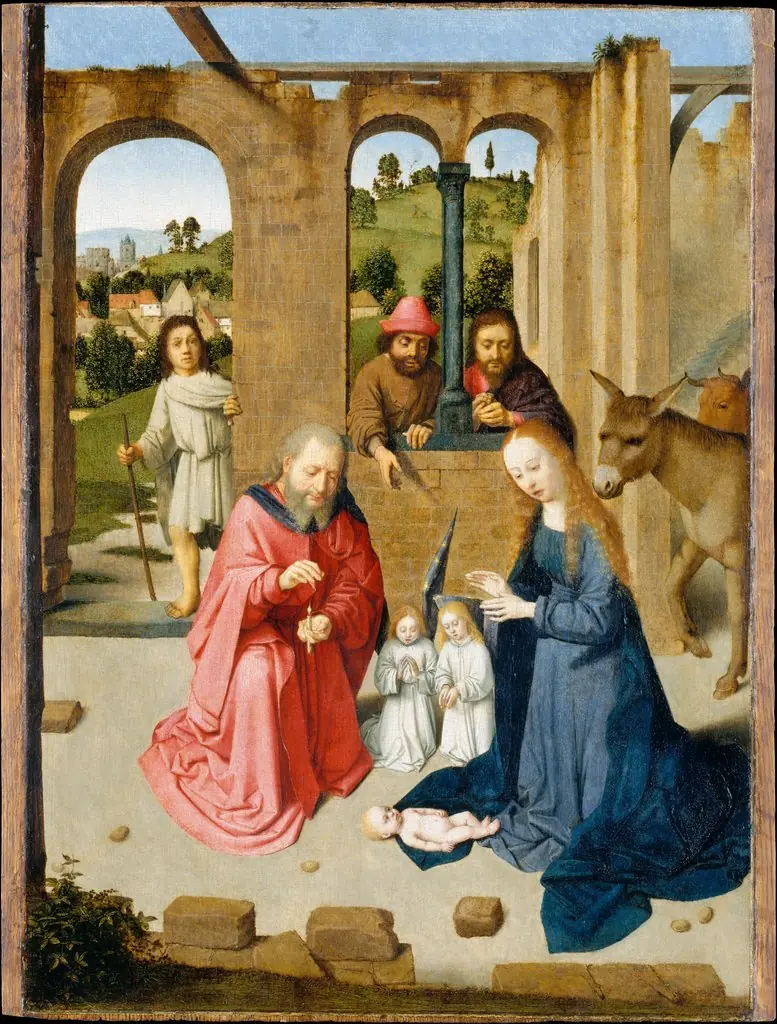 The Nativity
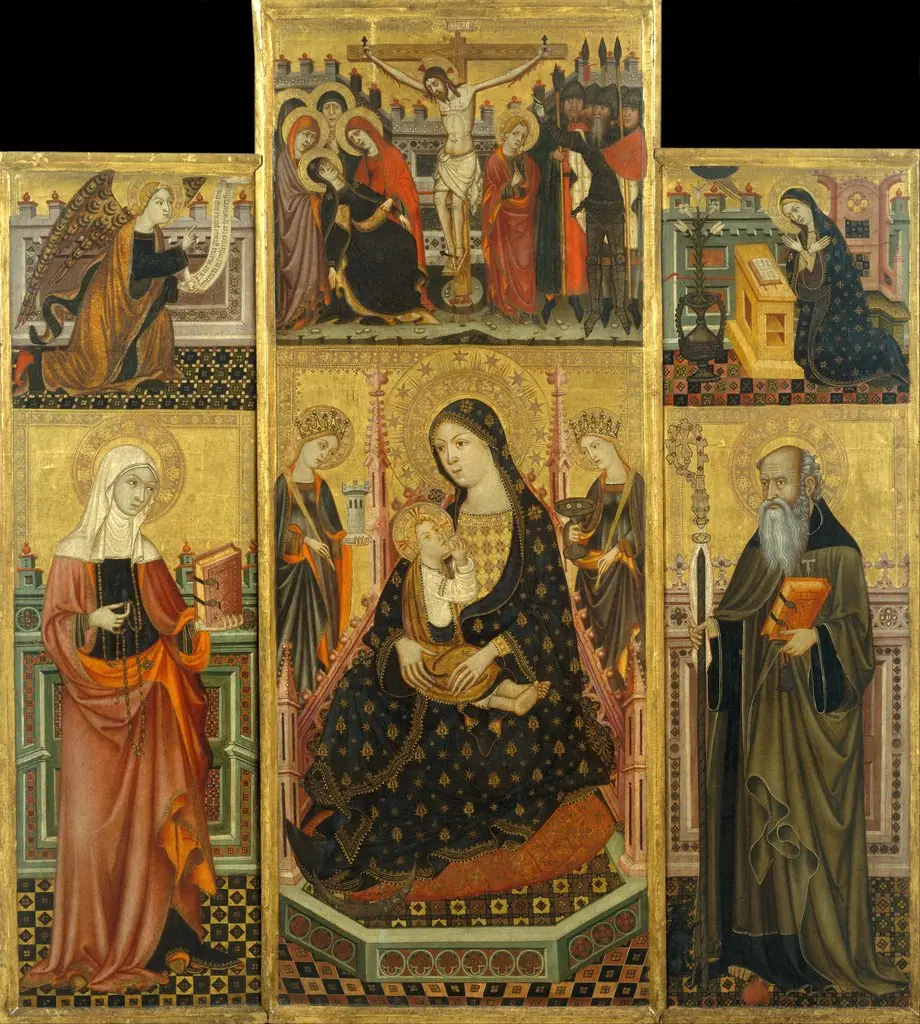 Altarpiece of the Virgin Suckling the Child, Saint Clare and Saint Anthony the Abbott
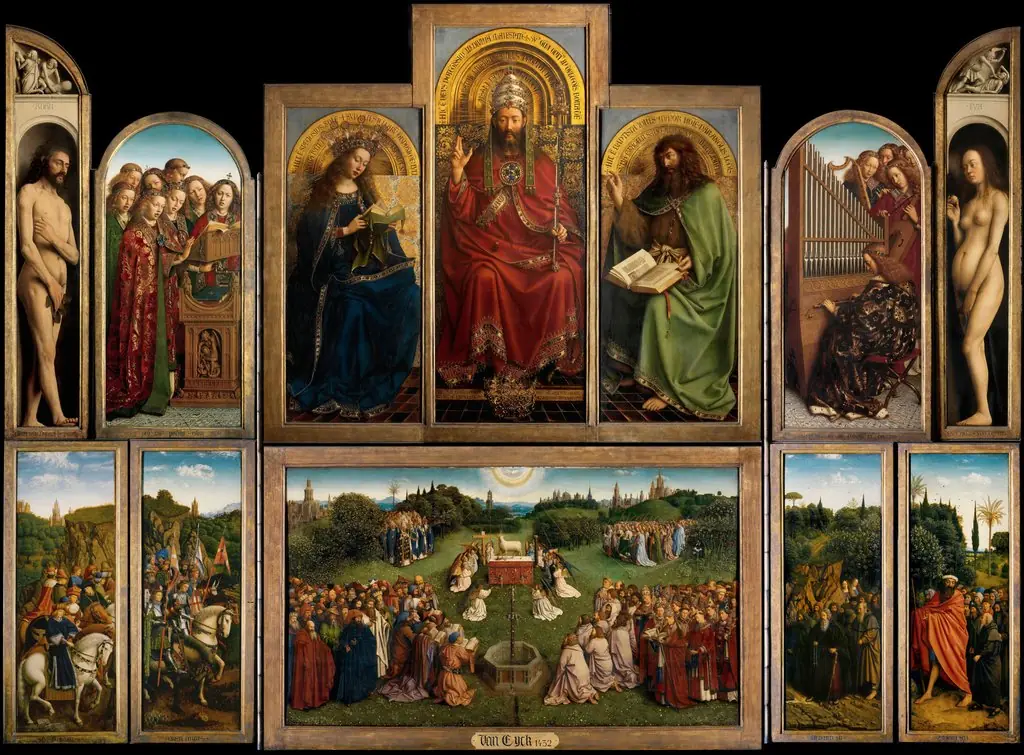 Ghent Altarpiece
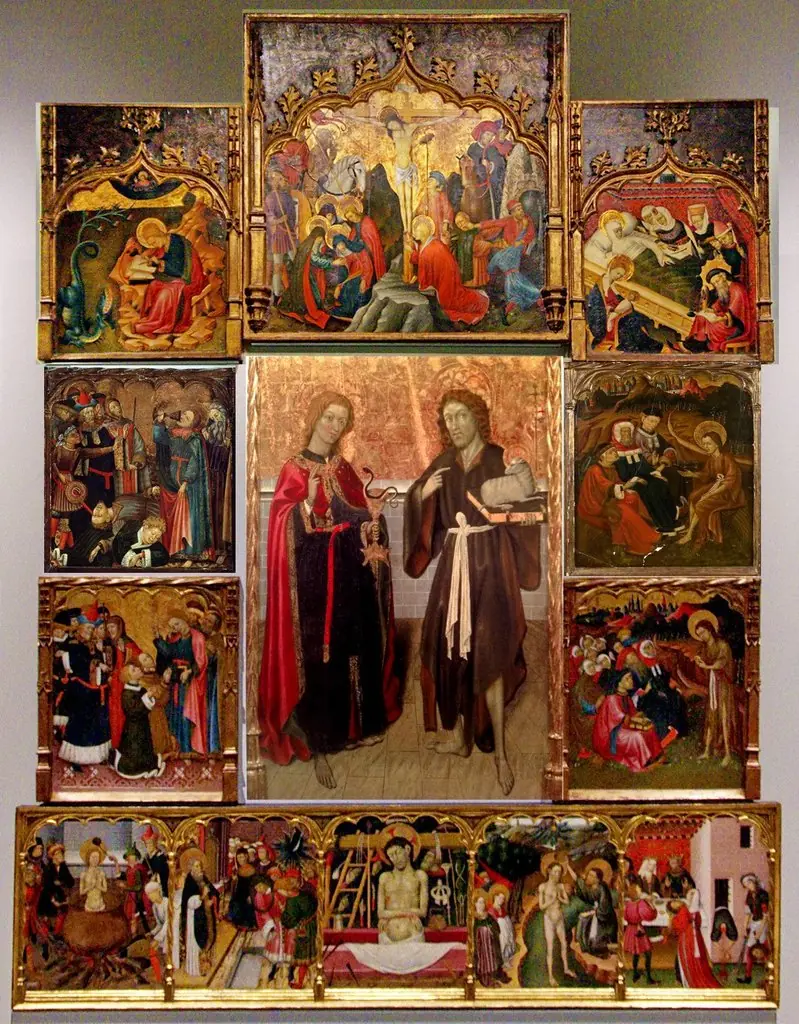 Altarpiece of the Saints John
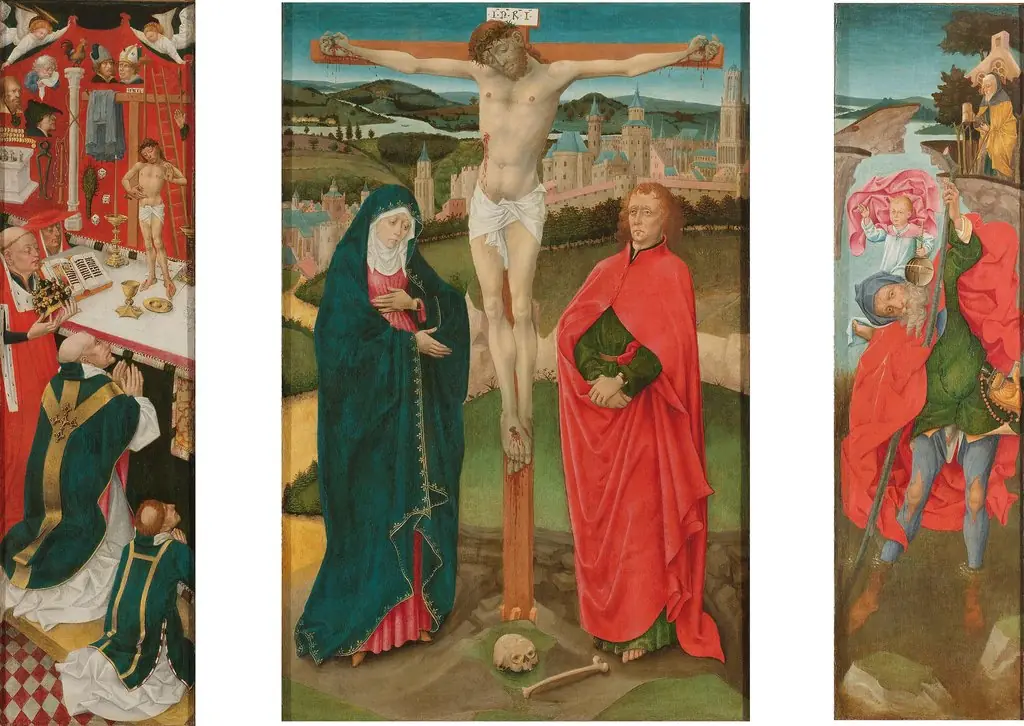 Triptych with the Crucifixion
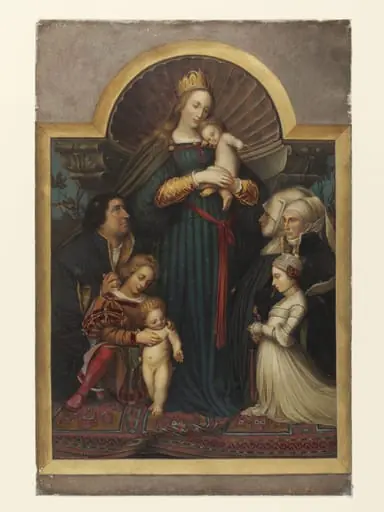 Copy after the painting Virgin and Child and Meyer Family by Hans Holbein in Darmstadt
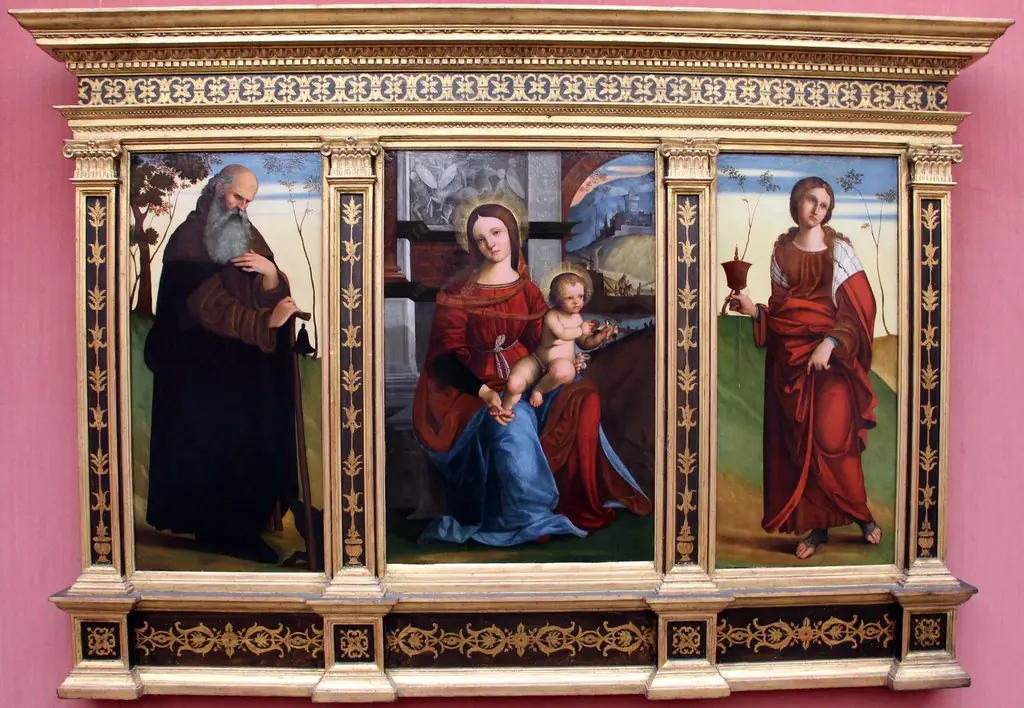 Triptychon, Maria mit Kind, Antonius Eremita, Maria Magdalena
 Altarpiece of the Passion of Christ
 Triptych of Calvary
 Altarpiece of the Saints John
 Triptych of the Princes
 Triptych
- Polyptych of Praglia