Artwork
Christ Carrying the Cross, with the Crucifixion; The Resurrection, with the Pilgrims of Emmaus
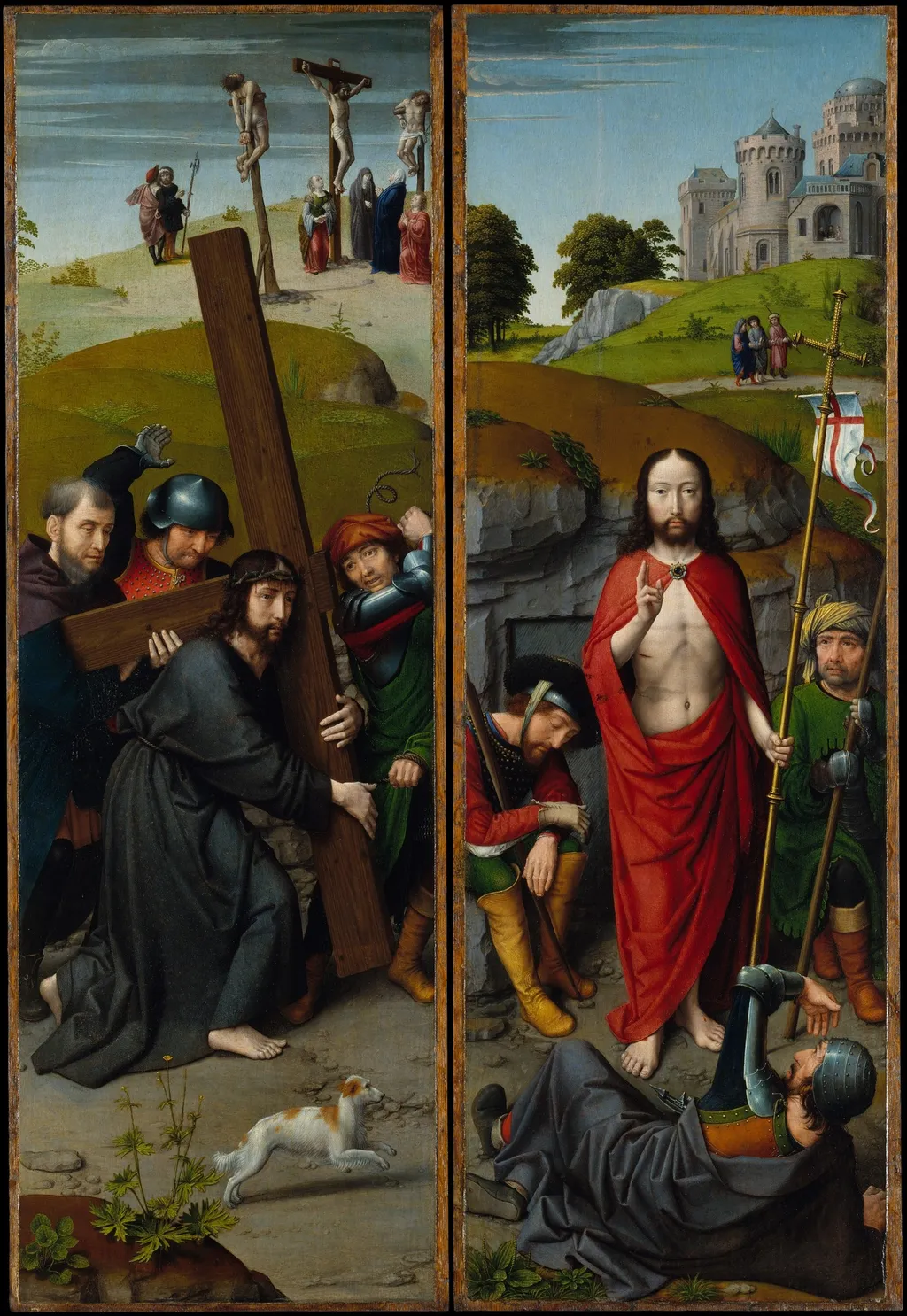
Christ Carrying the Cross, with the Crucifixion; The Resurrection, with the Pilgrims of Emmaus is an oil painting by the Northern Renaissance artist Gerard David. It dates from 1510 and is held in the collection of the Metropolitan Museum of Art. This oil painting presents two distinct biblical narratives within a single frame.
About this work
Subject & Meaning
The left panel shows Christ bearing the cross toward Golgotha, with the crucifixion visible in the background; a dog appears in the foreground.
The painting, a diptych by Gerard David dated 1510, presents two linked biblical episodes. The left panel shows Christ bearing the cross toward Golgotha, with the crucifixion visible in the background; a dog appears in the foreground. The right panel depicts the resurrected Christ meeting the two disciples on the road to Emmaus.
By placing the Passion and the Resurrection side‑by‑side, the work underscores the Christian narrative of suffering followed by redemption, inviting contemplation of sacrifice and hope. The inclusion of both events emphasizes the continuity between Christ’s death and his triumph over death.
Technique & Style
Gerard David executed this diptych in 1510 using oil paint applied to oak panels. The works measure 86.4 cm in height and 28.2 cm in width, a format typical for portable devotional objects of the period. The medium allows for the detailed rendering of religious subjects, including the Crucifixion, Christ carrying the cross, the Resurrection, and the Pilgrims of Emmaus.
The composition integrates multiple narrative scenes within a single panel surface, demonstrating the artist's skill in managing complex iconography. The inclusion of specific details, such as a dog, reflects the meticulous observation characteristic of Northern Renaissance painting. The oak support provides a stable foundation for the oil layers, ensuring the longevity of the religious imagery.
History & Provenance
Created in 1510, this diptych was executed by the Netherlandish master Gerard David using oil paint on oak panels. The work, measuring approximately 86.4 by 28.2 centimeters, depicts religious scenes including Christ Carrying the Cross and the Resurrection. While the specific original commissioner and the immediate ownership chain following its creation are not detailed in the available records, the painting's modern provenance is established by its accession into the collection of the Metropolitan Museum of Art.
The museum catalogues the work under the accession number 1975.1.119A-B, indicating it entered the institution's holdings in 1975. The piece remains classified as a religious genre painting within the museum's permanent collection.
The diptych is held in the collection of the Metropolitan Museum of Art. It is cataloged under the accession number 1975.1.119A-B. The provided records confirm the institution's ownership and the specific inventory designation assigned to the work upon its entry into the museum's holdings. No information regarding specific past exhibitions or loan history is contained within the available source material.
Context
The work exemplifies early sixteenth‑century Northern European devotional painting, combining the narrative of Christ carrying the cross with a later Resurrection scene in a single diptych. Executed in oil on oak panel around 1510, it was created by Gerard David, a leading figure in the Burgundian artistic milieu, and later entered the collection of the Metropolitan Museum of Art, where it is displayed as a key example of religious art from this period. Its dual iconography, crucifixion and resurrection, reflects contemporary theological interests and demonstrates David’s mastery of complex compositional storytelling, a subject that continues to be cited in scholarship on late medieval visual theology.
Overview
This oil painting presents two distinct biblical narratives within a single frame. On the left, the arduous journey of Christ bearing the cross is depicted, leading towards his crucifixion. The right side illustrates the miraculous event of the Resurrection, specifically Christ's appearance to the Pilgrims of Emmaus. The composition invites viewers to consider these pivotal moments in Christian theology simultaneously.
Own this work as a print
Artist & collection
Artist
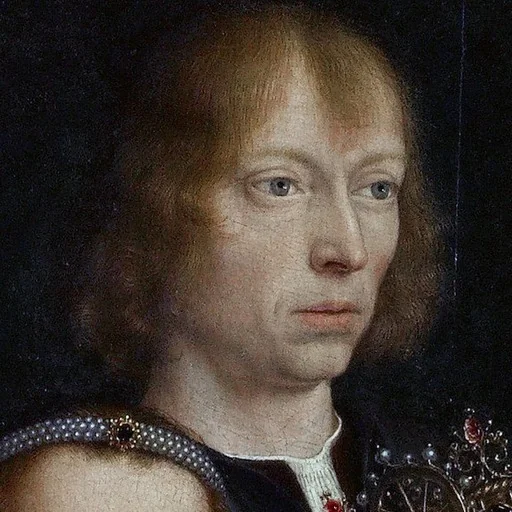
Gerard David (c. 1460 – 13 August 1523) was an Early Netherlandish painter and manuscript illuminator known for his brilliant use of color. Only a bare outline of his life survives, although some facts are known. He may…

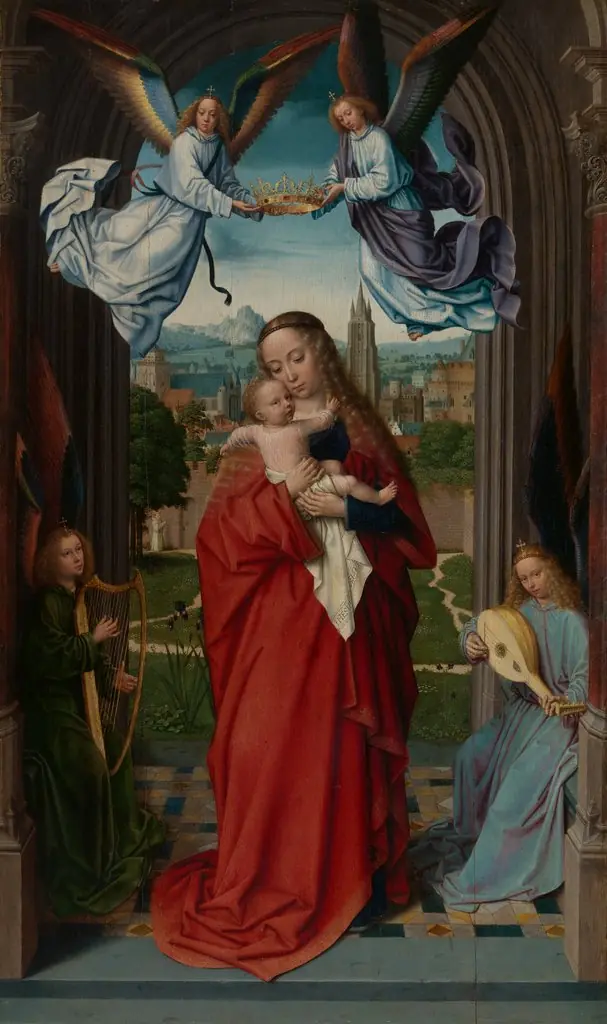 Virgin and Child with Four Angels
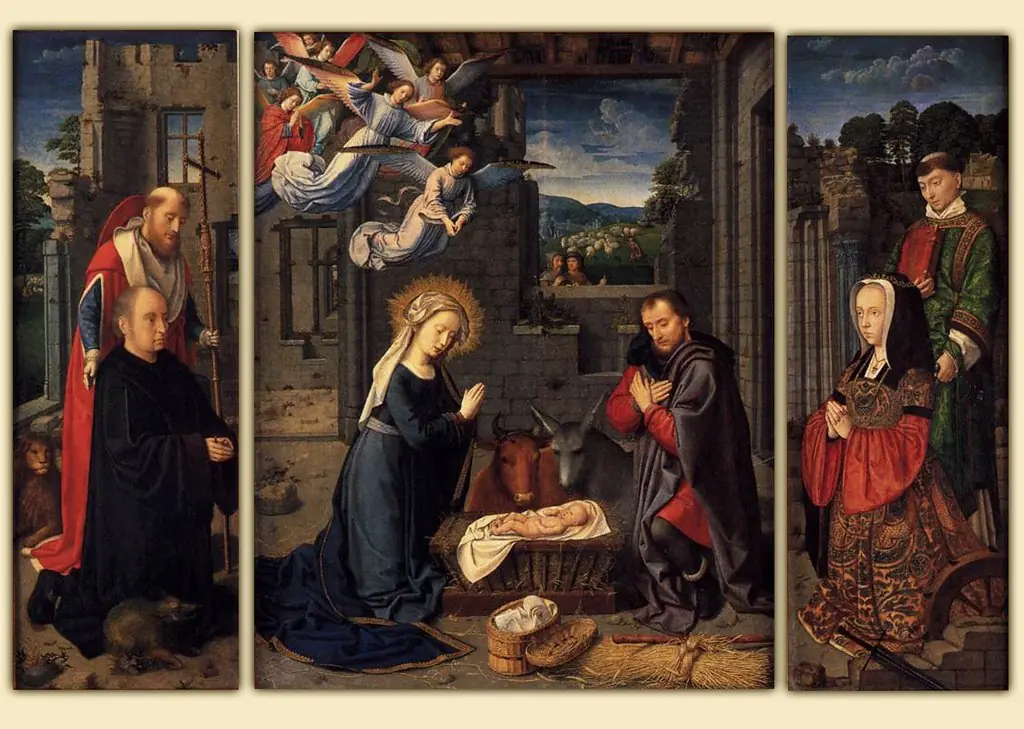 The Nativity with Donors and Saints Jerome and Leonard
- Christ Carrying the Cross, with the Crucifixion; The Resurrection, with the Pilgrims of Emmaus
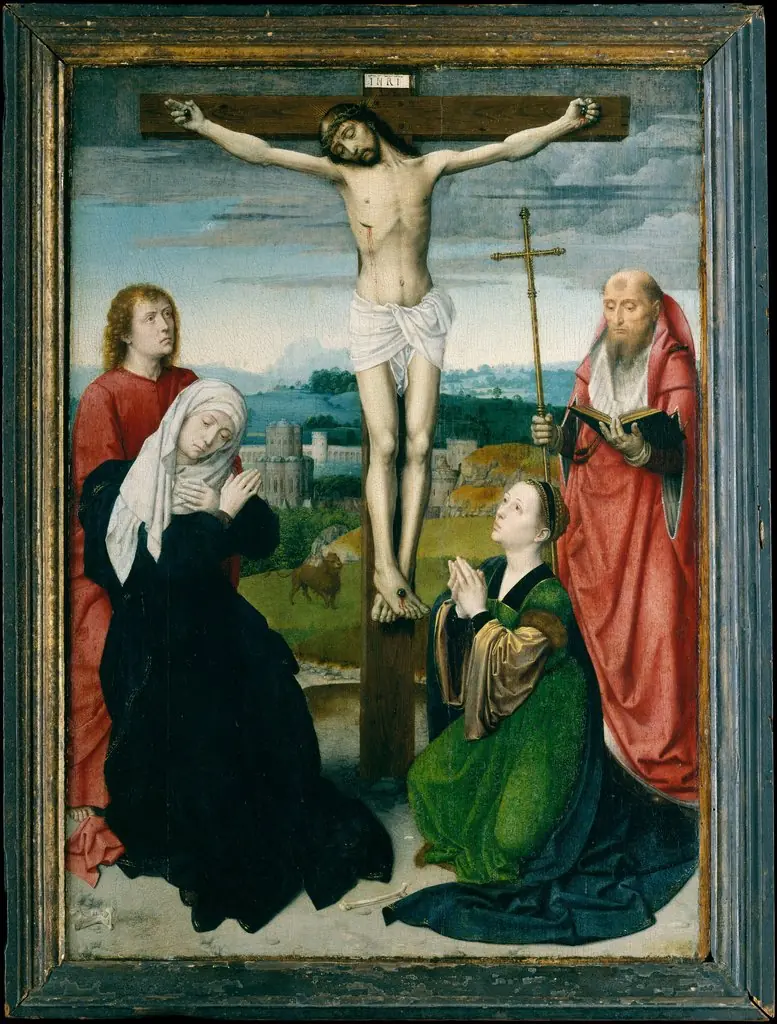 The Crucifixion
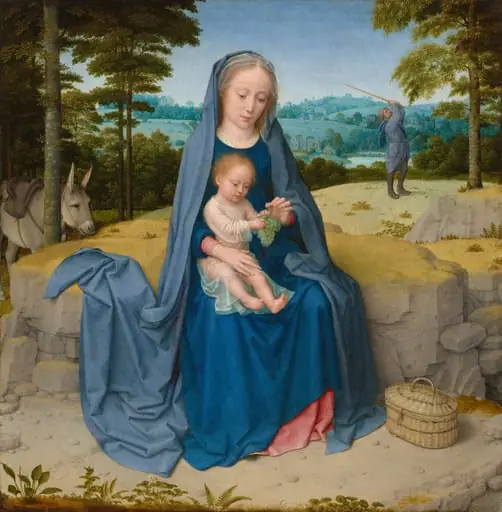 The Rest on the Flight into Egypt
![The Saint Anne Altarpiece: Saint Anne with the Virgin and Child [middle panel], by Gerard David](https://artifactworldgallery.com/img/gerard-david--the-saint-anne-altarpiece-saint-anne-with-the-virgin-and-chi--781e919f9012a004-w320.webp) The Saint Anne Altarpiece: Saint Anne with the Virgin and Child [middle panel]
The Saint Anne Altarpiece: Saint Anne with the Virgin and Child [middle panel]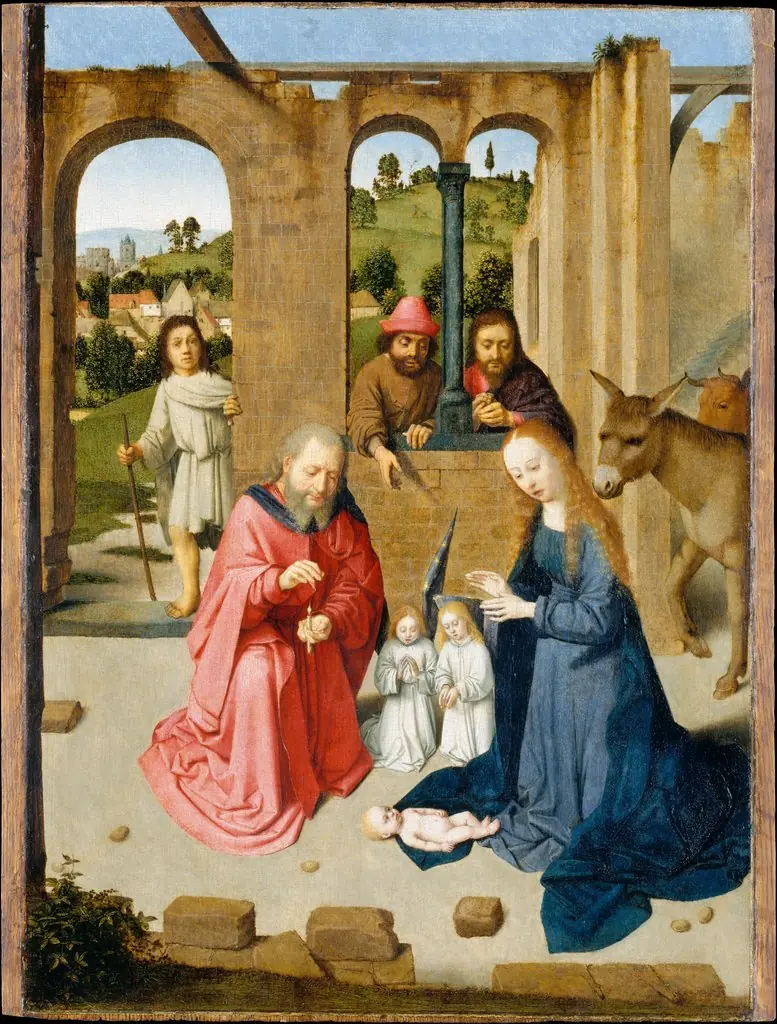 The Nativity
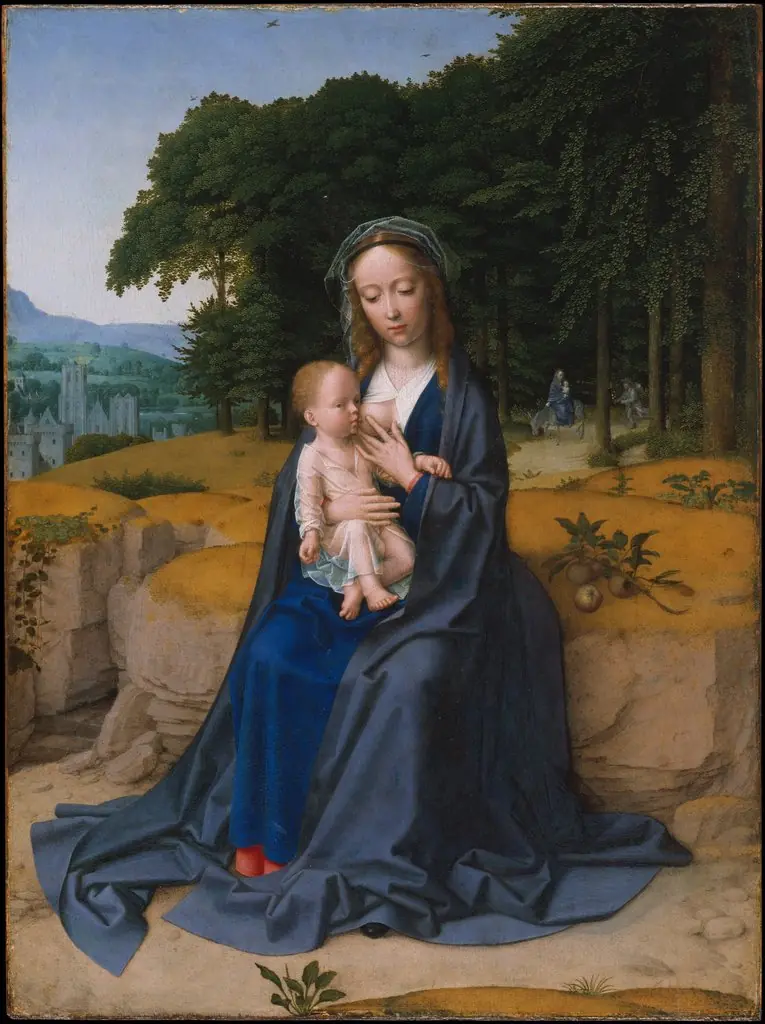 Rest on the Flight into Egypt
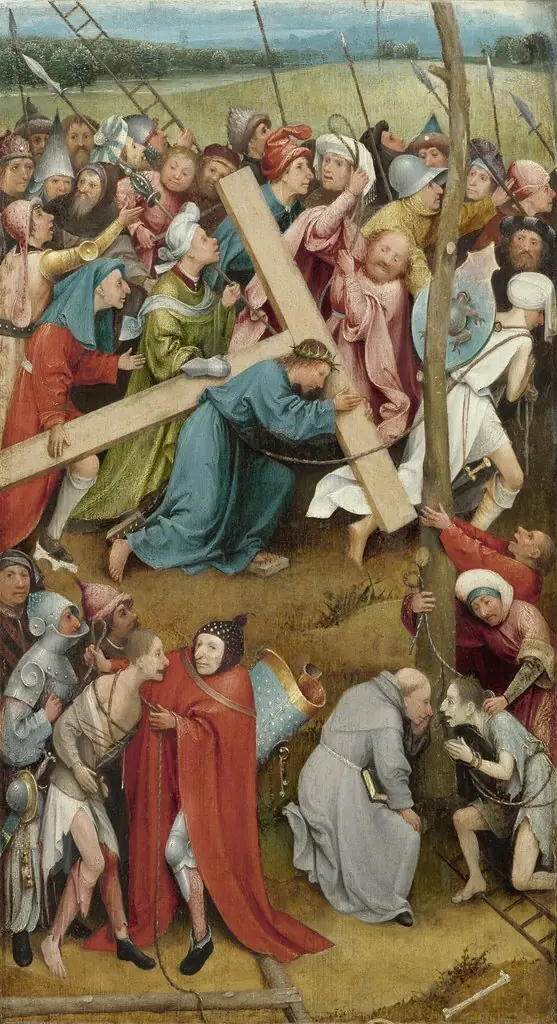 Christ Carrying the Cross
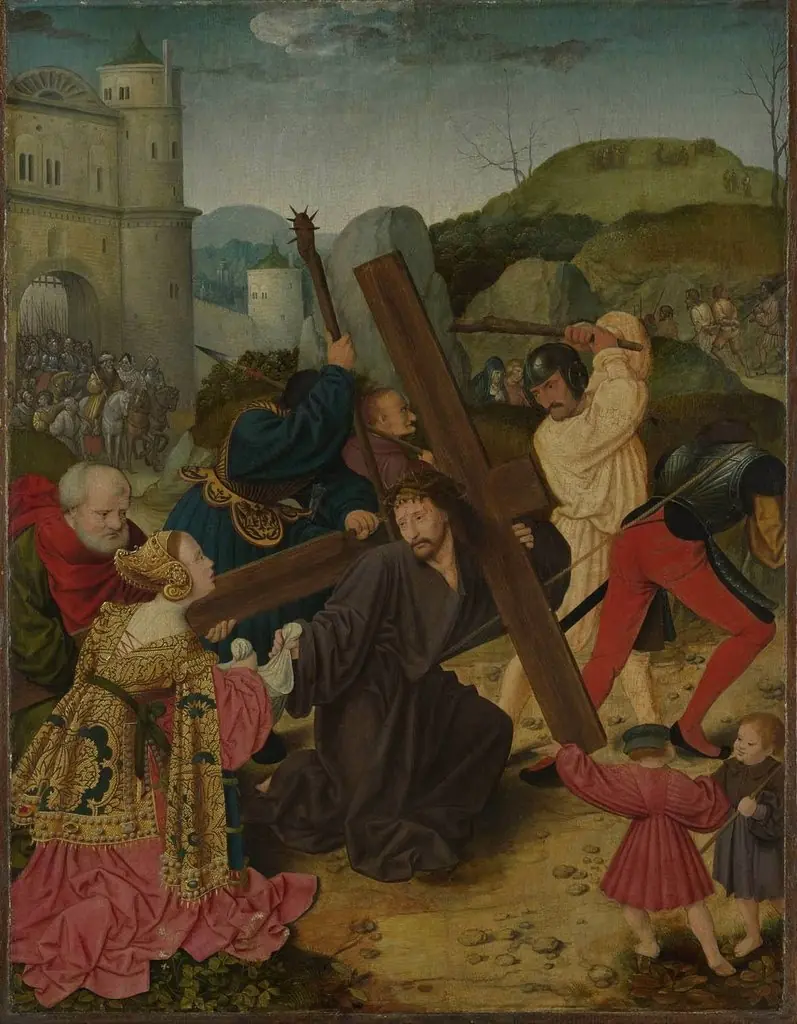 Christ carrying the cross
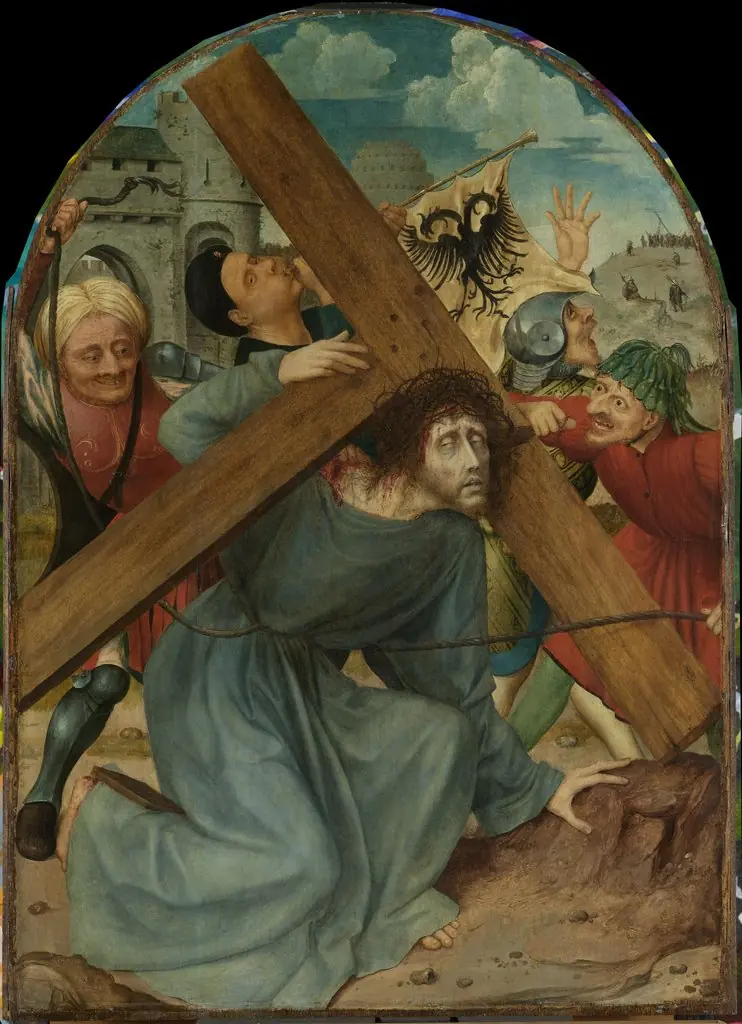 Christ Carrying the Cross
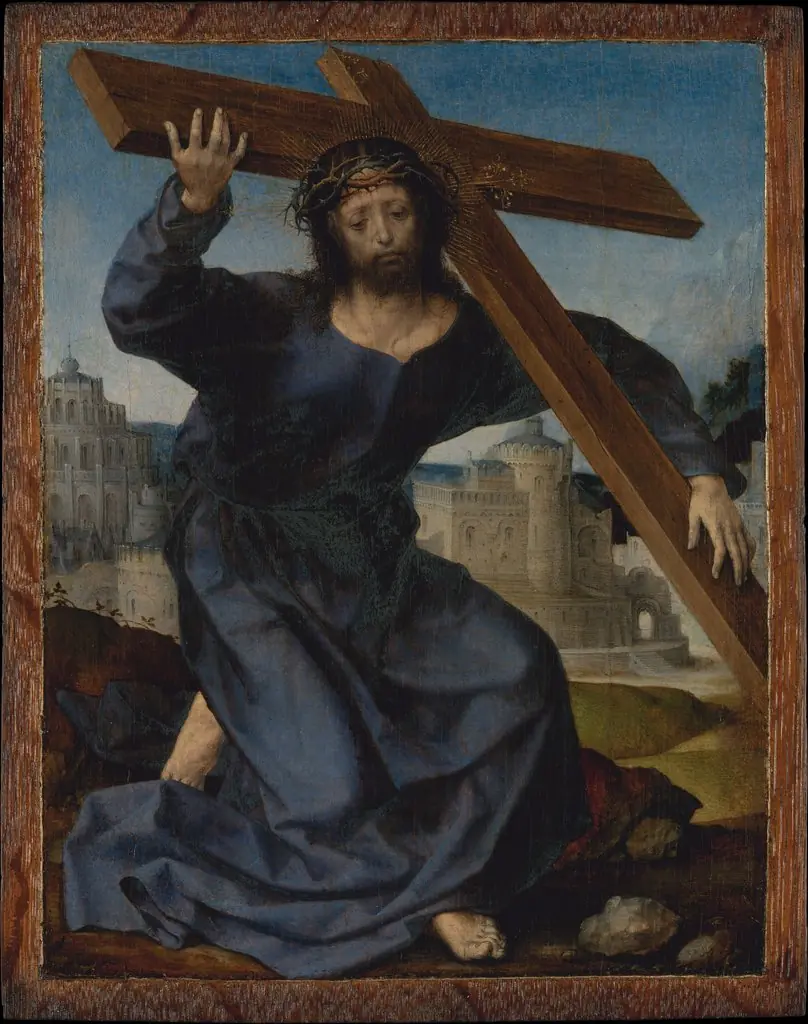 Christ Carrying the Cross
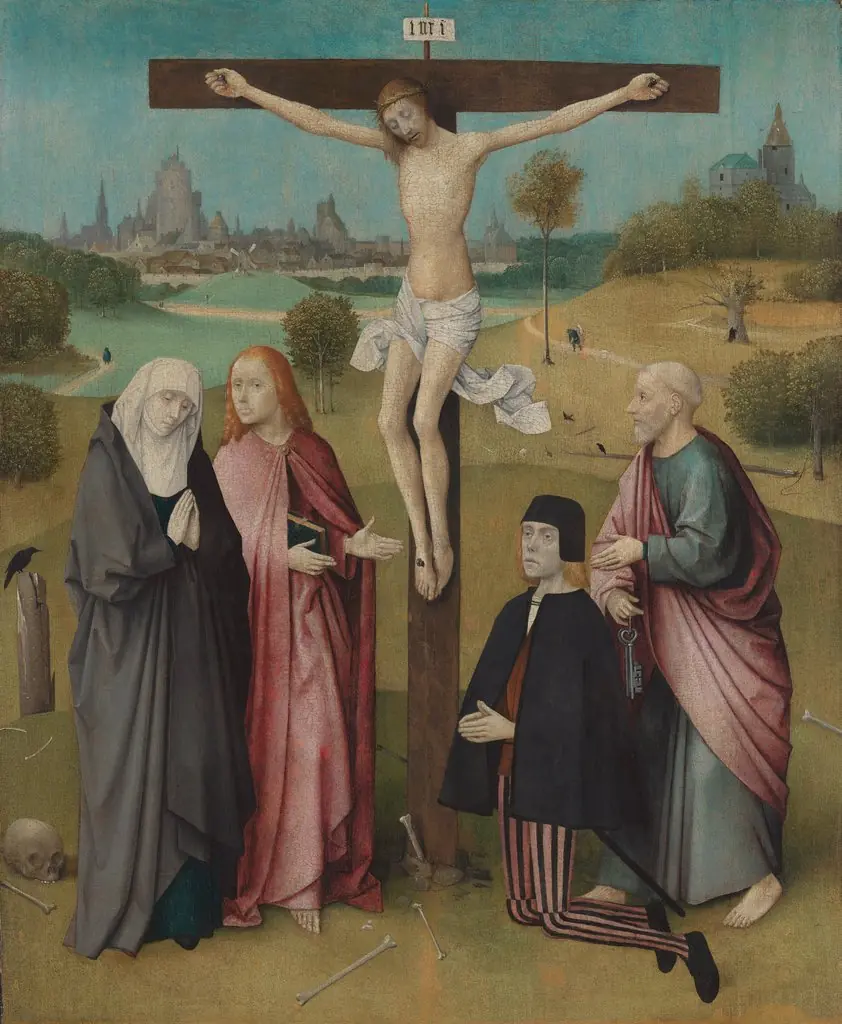 Crucifixion with a Donor
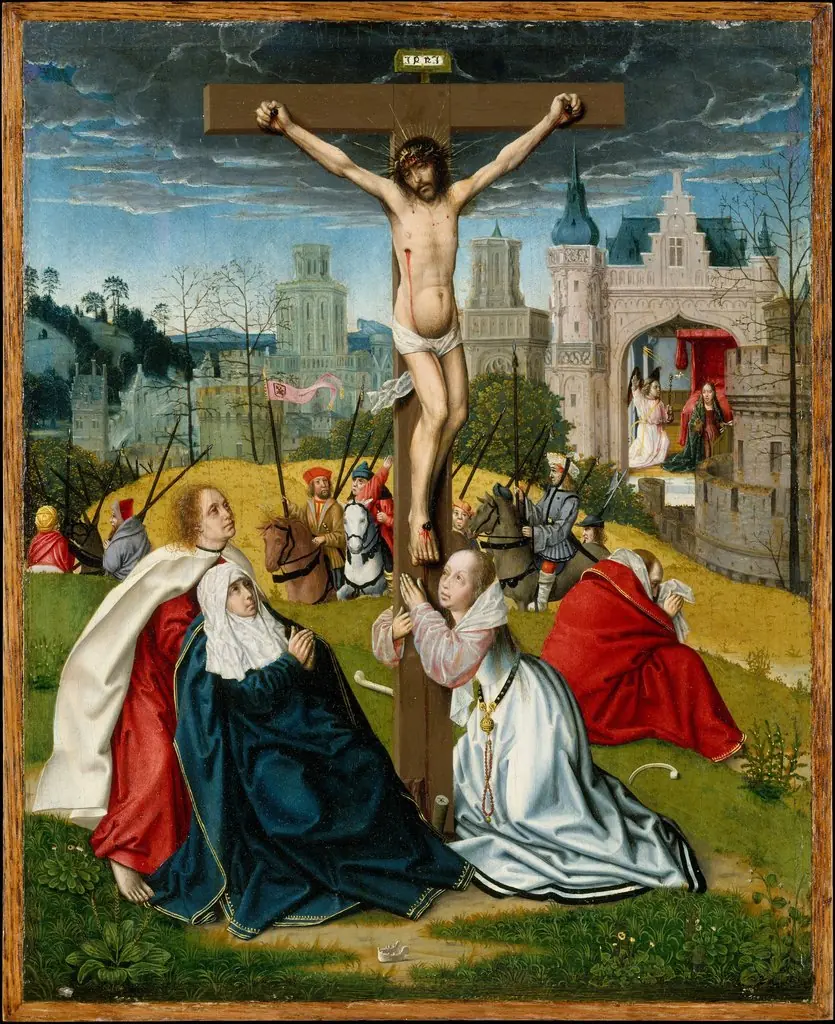 The Crucifixion
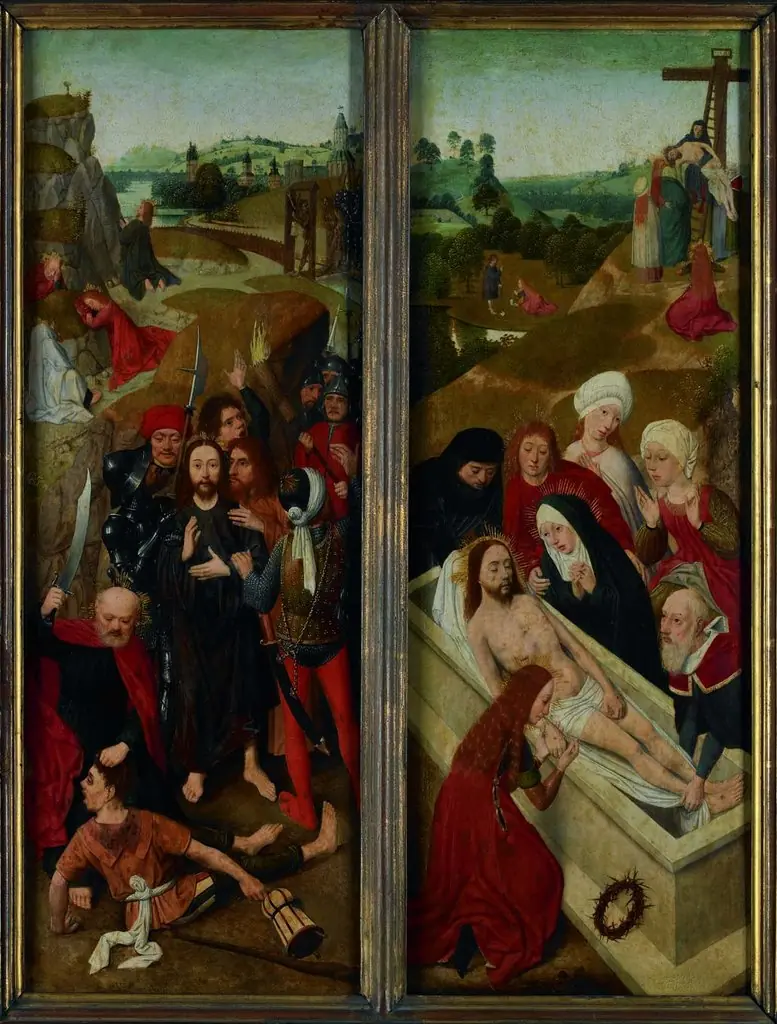 he taking of Christ and The entombment
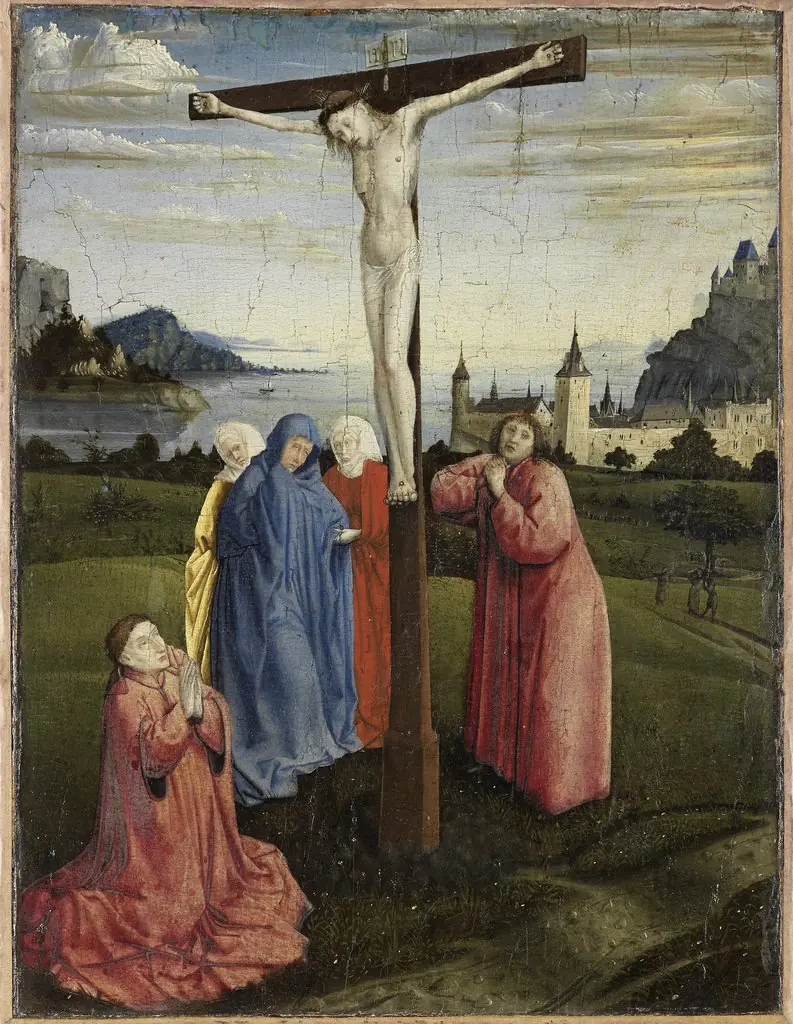 Christ on the Cross
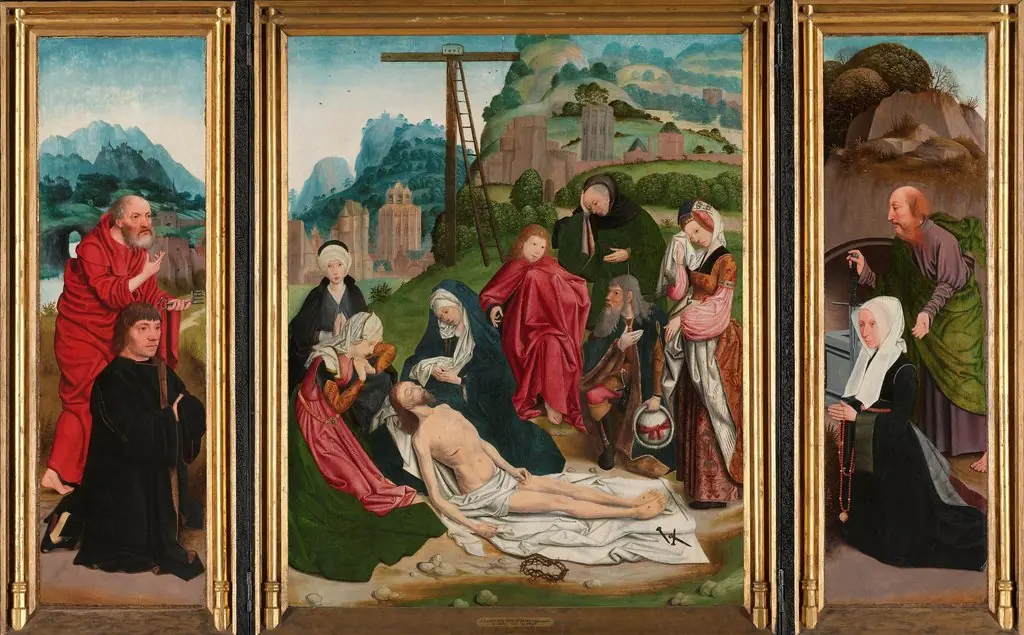 Triptych with the Lamentation (centre panel), the donor with St Peter (inner left wing), the donor’s wife with St Paul (inner right wing) and the donors’ coats of arms (outer wings)
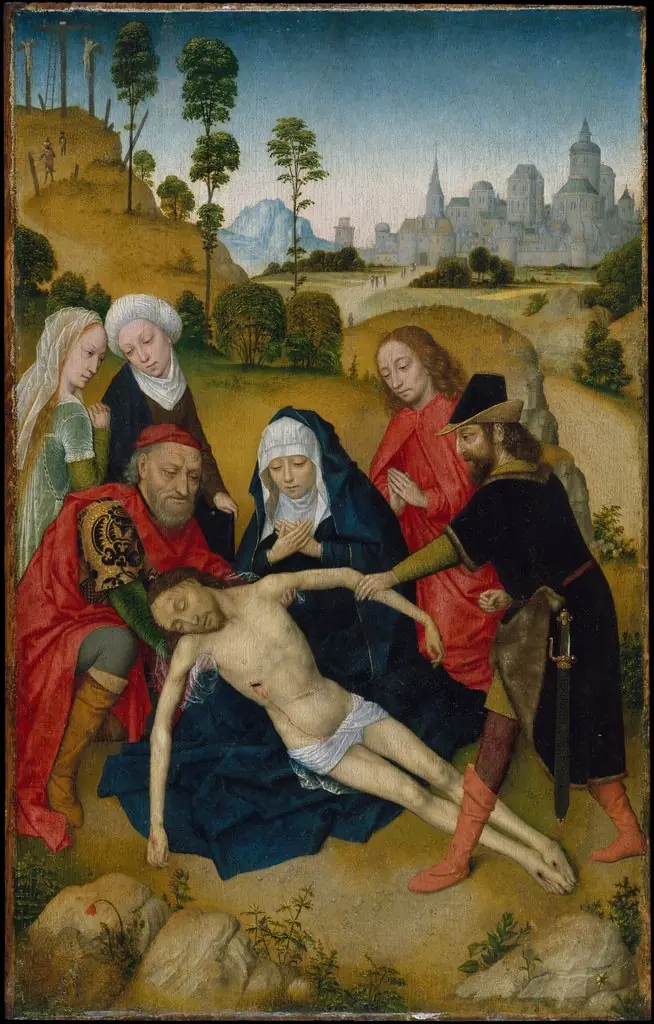 The Lamentation of Christ
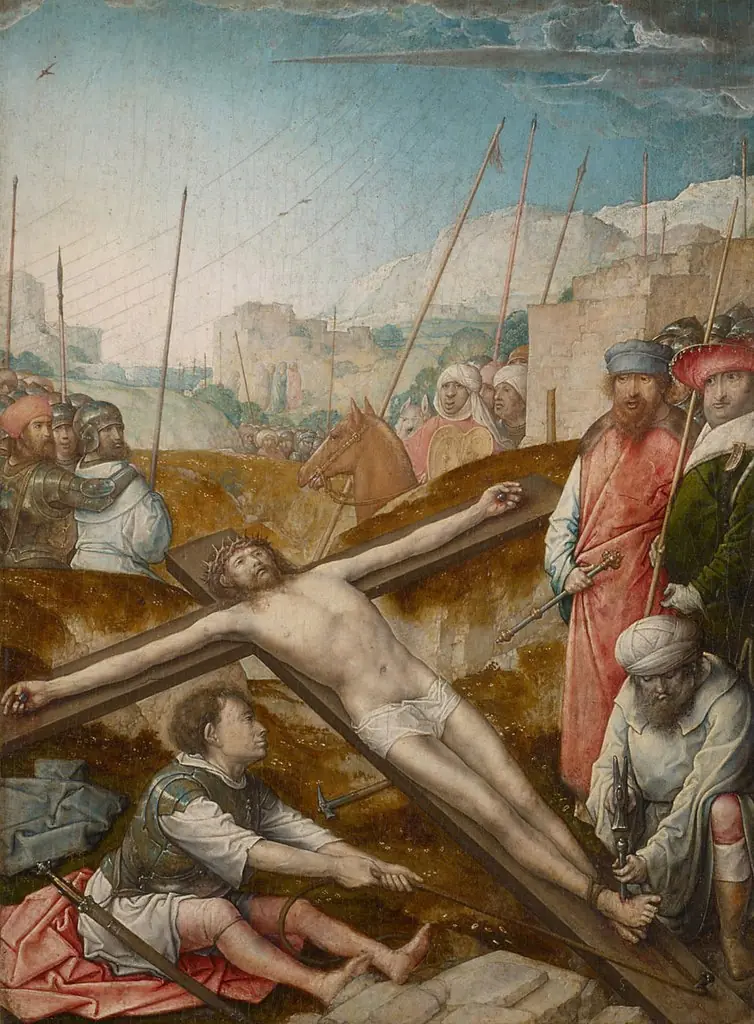 Christ Nailed to the Cross