Artwork
Ward Nicholas Boylston
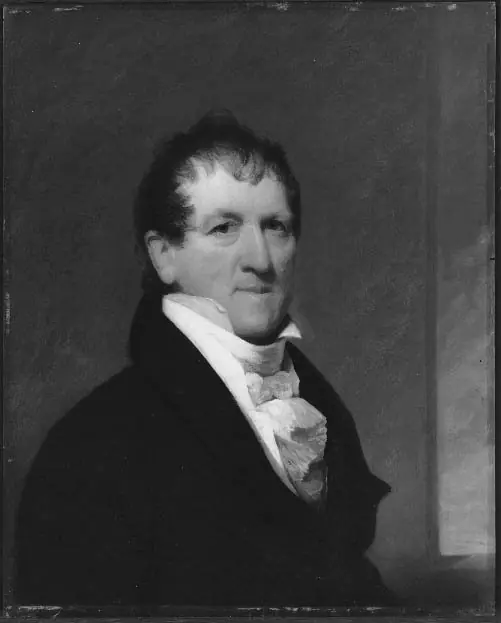
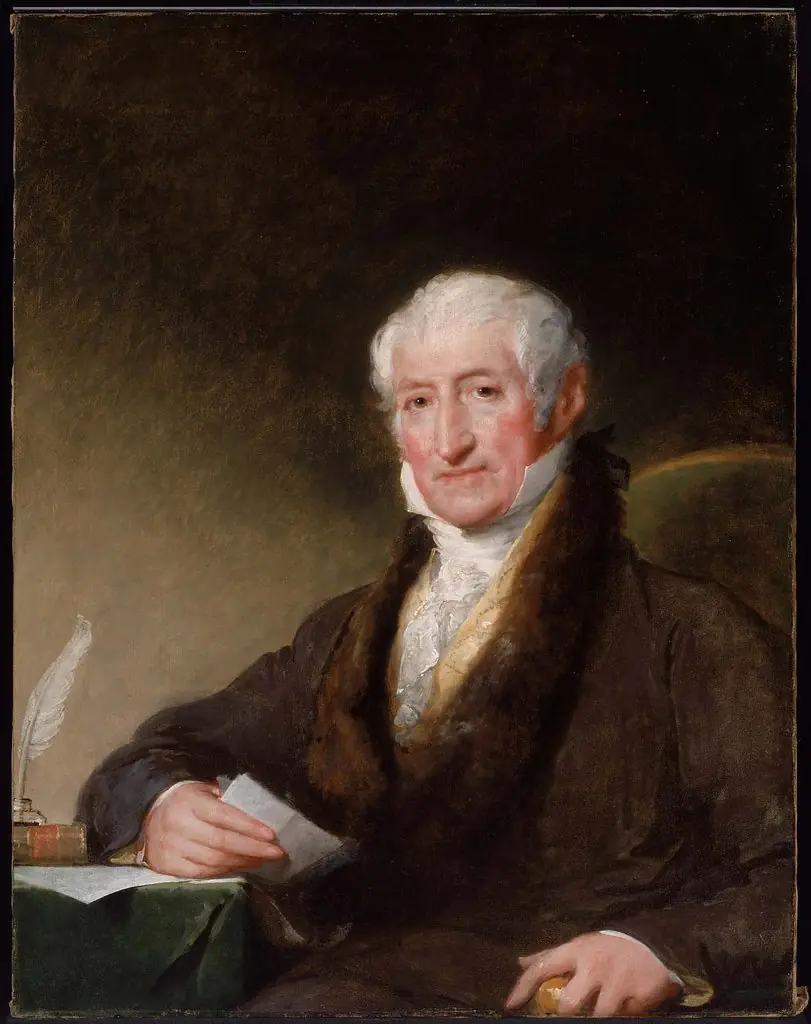
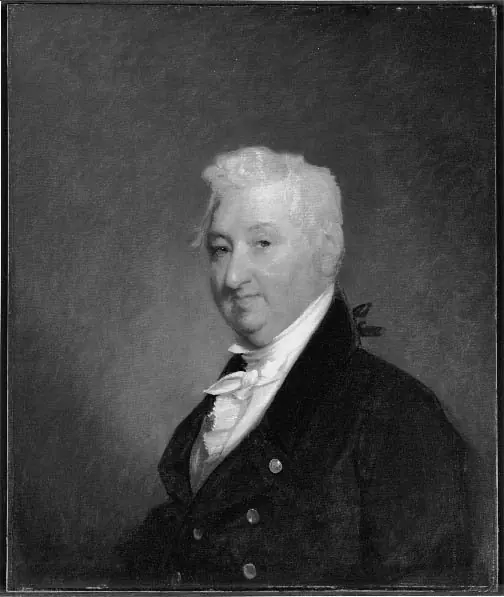
Ward Nicholas Boylston is an unspecified painting by the American Impressionist artist Gilbert Stuart. It dates from 1819 and is held in the collection of the Museum of Fine Arts Boston.
About this work
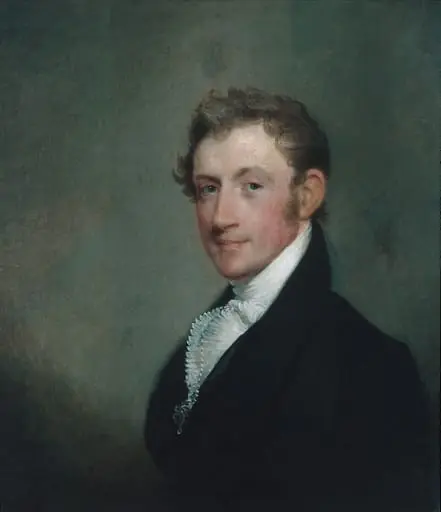
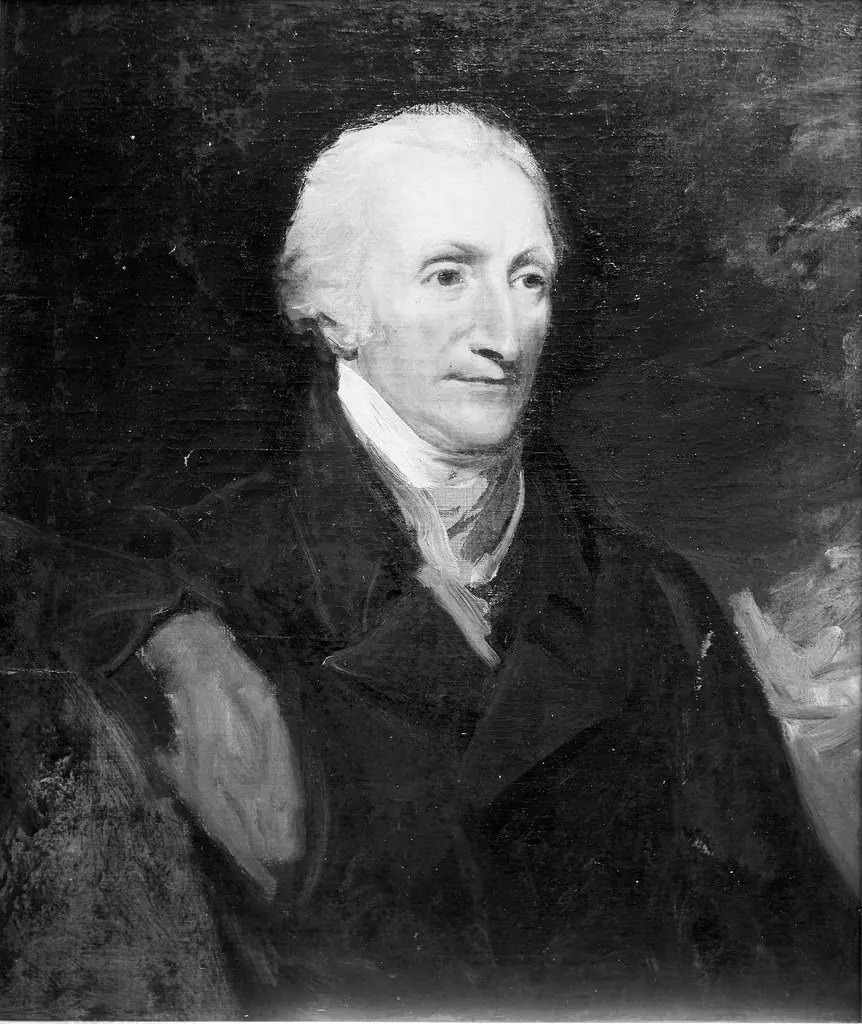
The artist's use of chiaroscuro creates a sense of depth and volume in the painting, drawing the viewer's eye to the subject's face.
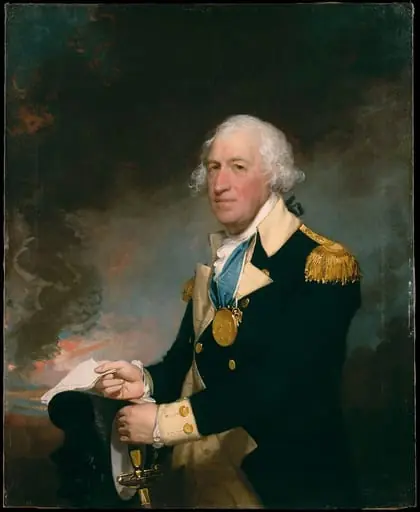
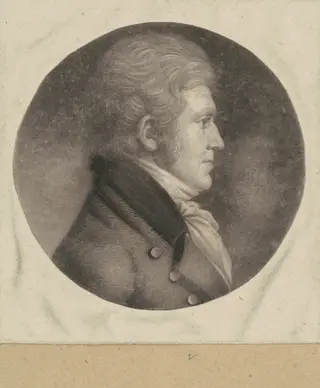
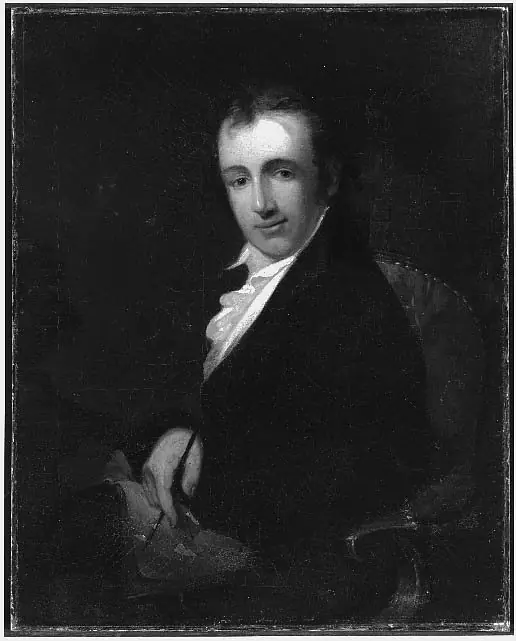
This painting is a portrait of a man with a serious expression, facing left. He has a prominent nose and is wearing a dark suit with a white shirt and a dark cravat.
The subject's hair is dark and styled in a manner that was common during the early 19th century. The background of the painting is a solid color, which helps to draw attention to the subject's face and clothing.
The artist's use of chiaroscuro creates a sense of depth and volume in the painting, drawing the viewer's eye to the subject's face. For more information on this artistic technique, look up chiaroscuro.
Overview
Painted in 1819 by Gilbert Stuart, this portrait depicts Ward Nicholas Boylston, a Boston merchant and philanthropist. Stuart, trained in London and known for his psychological depth in portraiture, completed this work late in his career. It reflects his continued commitment to capturing individual character through precise observation rather than idealization. The painting is part of the Museum of Fine Arts, Boston’s permanent collection.
Subject & Meaning
Ward Nicholas Boylston was a prominent figure in early American society, known for his financial acumen and support of educational institutions. His portrait conveys quiet dignity rather than grandeur, aligning with the values of New England’s mercantile elite. The restrained pose and direct gaze suggest introspection and social responsibility, reflecting the subject’s public role without overt symbolism.
Technique & Style
Stuart employed chiaroscuro to model the face and clothing with subtle gradations of light and shadow, enhancing three-dimensionality. The dark background isolates the figure, focusing attention on the texture of fabric and the nuances of skin tone. Brushwork is controlled yet expressive, particularly in the rendering of the cravat and hair, which convey both material weight and personal presence without theatricality.
History & Provenance
Commissioned by Boylston himself, the portrait remained in his family until it entered the Museum of Fine Arts, Boston’s collection in the late 19th century. Its provenance is well-documented, with early records confirming its creation date and sitter. Unlike Stuart’s more famous Washington portraits, this work was not widely reproduced, preserving its status as a private commission with public historical value.
Context
Painted during the post-Revolutionary era, the portrait reflects the emerging American identity in portraiture, less reliant on European aristocratic conventions, more focused on individual character and civic virtue. Stuart’s style bridged Federal-era formality and emerging realism, influencing a generation of American artists who sought to depict their subjects with psychological authenticity rather than ornamental flourish.
Legacy
Though less celebrated than Stuart’s Washington portraits, this work exemplifies his mature approach to likeness and character. It stands as a representative example of early 19th-century American portraiture, valued for its restraint and insight into the private lives of public figures. The painting continues to inform scholarly understanding of how elite Americans presented themselves in the young republic.
Artist & collection

Artist
Gilbert Stuart (né Stewart; December 3, 1755 – July 9, 1828) was an American painter born in the Rhode Island Colony who is widely considered one of America's foremost portraitists.