Artwork
Wilson Cary Nicholas
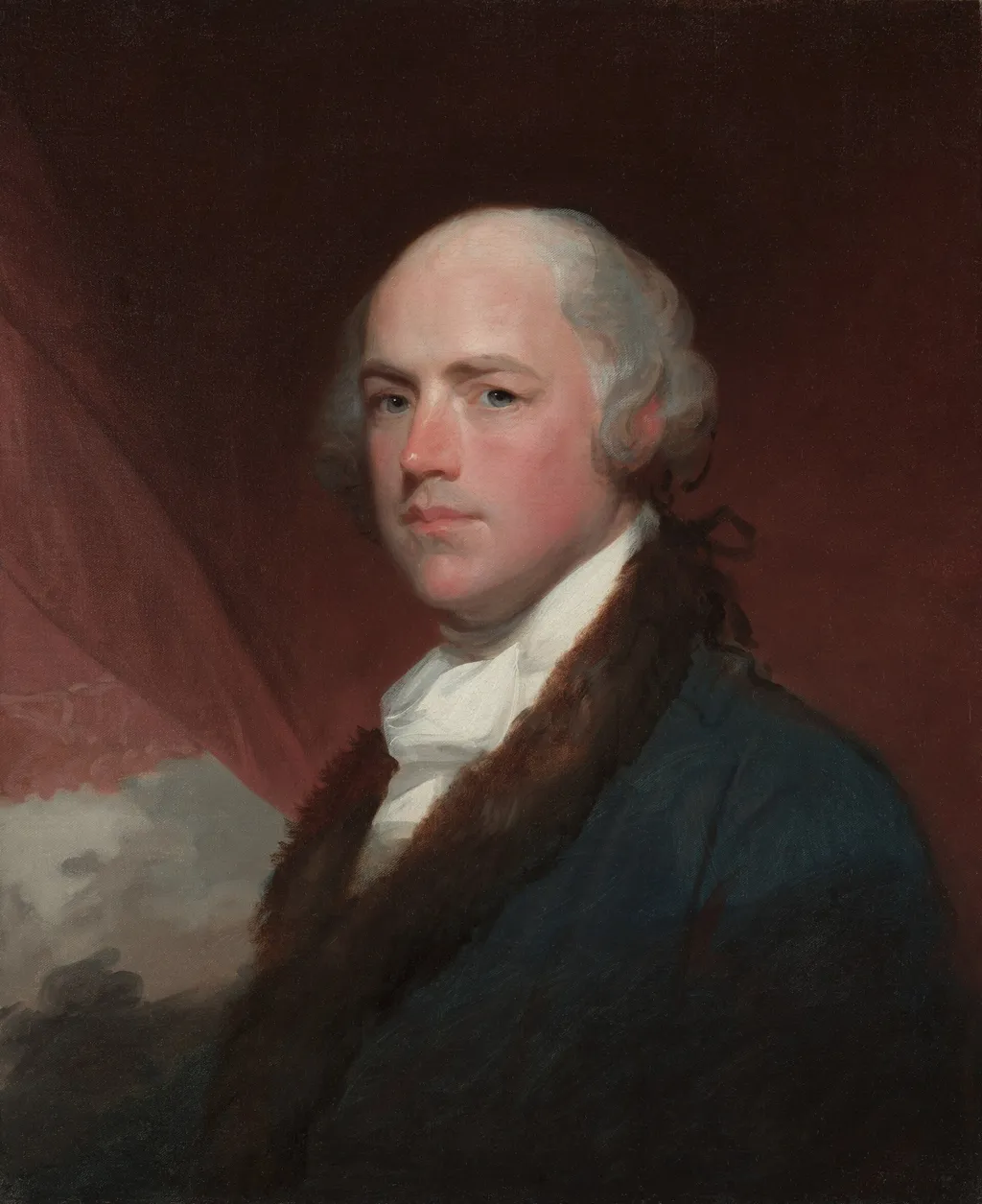
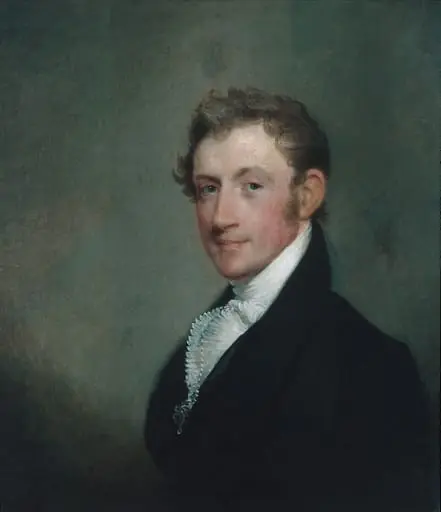
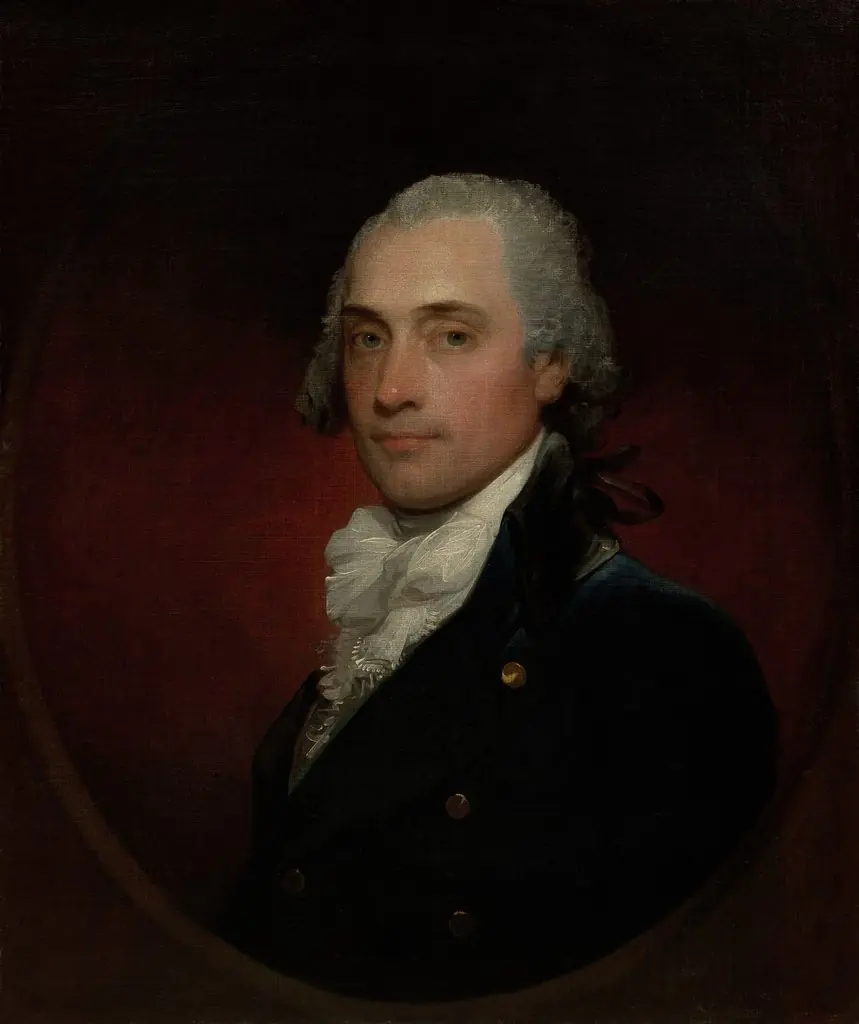
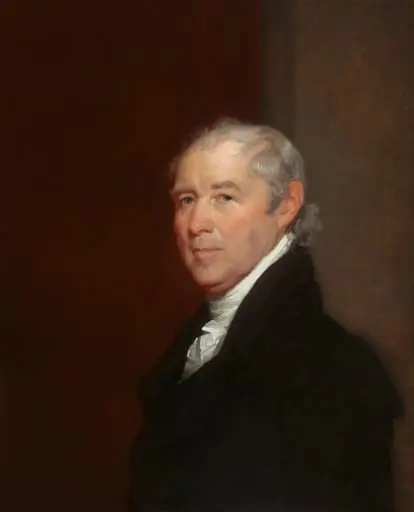
Wilson Cary Nicholas is an oil painting by the Realist artist Gilbert Stuart. It dates from 1805 and is held in the collection of the Cleveland Museum of Art.
About this work
Subject & Meaning
The composition relies on the realistic rendering of the figure to convey meaning, emphasizing the individual's identity rather than allegorical themes.
Executed in 1805 by Gilbert Stuart, this oil painting functions as a formal portrait depicting Wilson Cary Nicholas as its sole primary subject. The work adheres to the conventions of early American portraiture, focusing entirely on the likeness and presence of the sitter without incorporating additional narrative elements, complex iconography, or overt symbolic attributes. As a genre piece, the artwork represents a documentary record of Nicholas's appearance and status during the early nineteenth century.
The composition relies on the realistic rendering of the figure to convey meaning, emphasizing the individual's identity rather than allegorical themes. Held by the Cleveland Museum of Art, the painting serves as a visual testament to Nicholas's historical prominence, capturing his persona through Stuart's characteristic approach to facial representation and dignified presentation.
History & Provenance
The portrait of Wilson Cary Nicholas was executed by Gilbert Stuart in 1805, as indicated by the work’s date and inception. After its creation the painting remained in private hands before being acquired by the Cleveland Museum of Art, where it is now held under accession number 1992.305. This chain traces the artwork from Stuart’s studio to its present museum location, establishing its dating, creation history, ownership chain, and provenance.
The portrait of Wilson Cary Nicholas painted by Gilbert Stuart in 1805 is held by the Cleveland Museum of Art in Cleveland, Ohio. The work is catalogued as part of the museum’s collection, though the specific inventory or accession number is not disclosed in the available documentation. No exhibition history is recorded in the sources consulted. The painting remains in the museum’s permanent holdings, displayed within its American portrait galleries.
Overview
This oil painting, created in 1805 by American artist Gilbert Stuart, depicts Wilson Cary Nicholas. Stuart, a prominent portraitist from the Rhode Island Colony, captured the likeness of many significant figures of his era. The work is now held in the collection of The Cleveland Museum of Art, representing a key example of early American portraiture.
Technique & Style
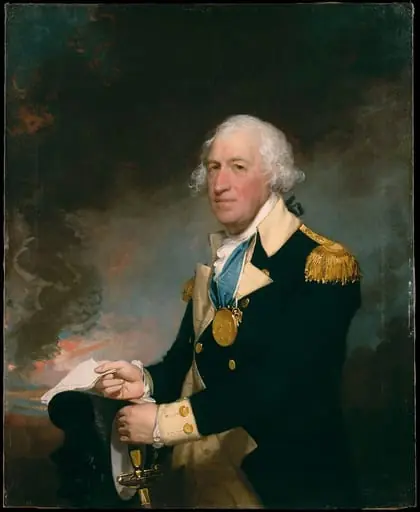
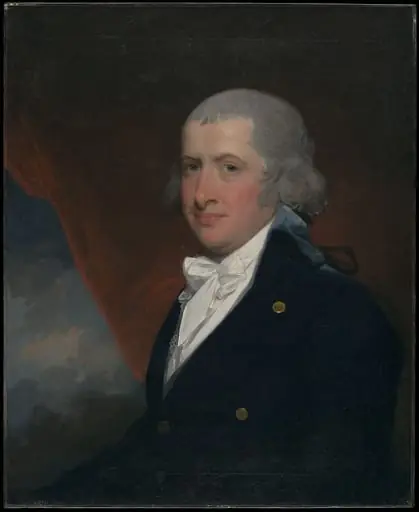
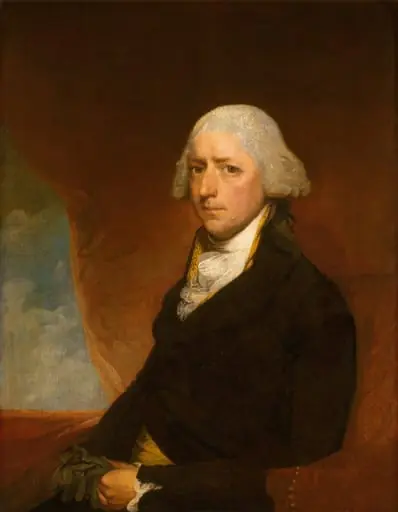
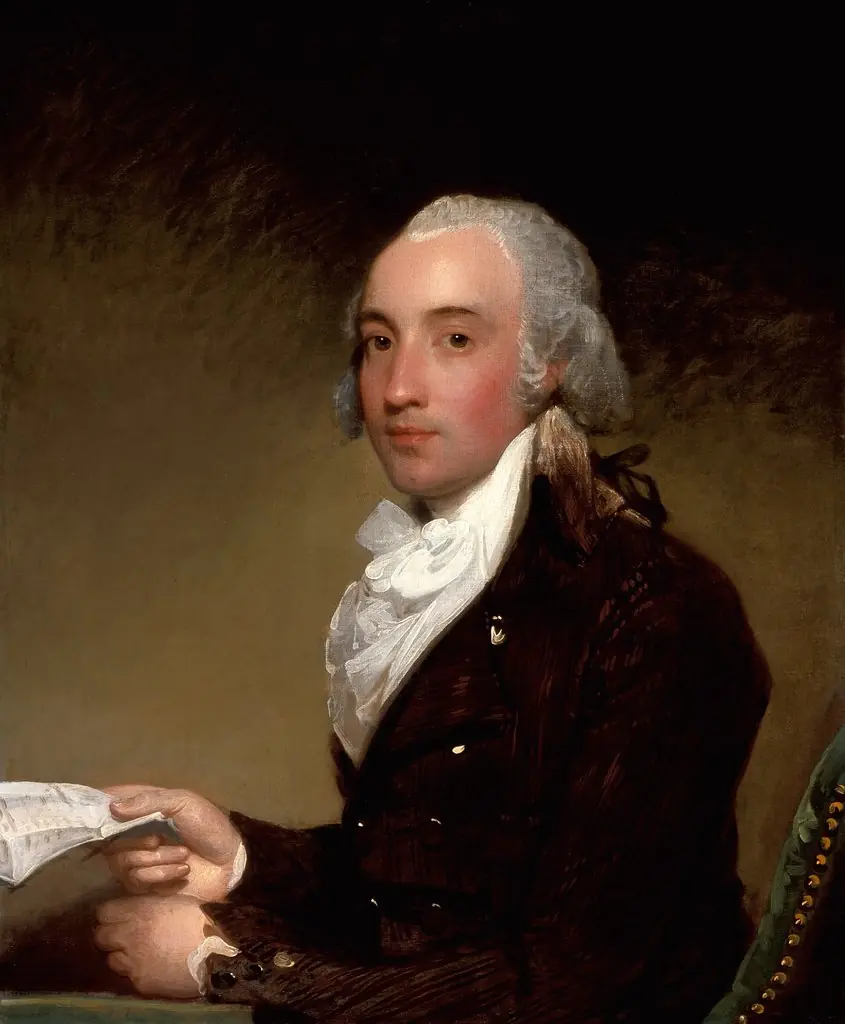
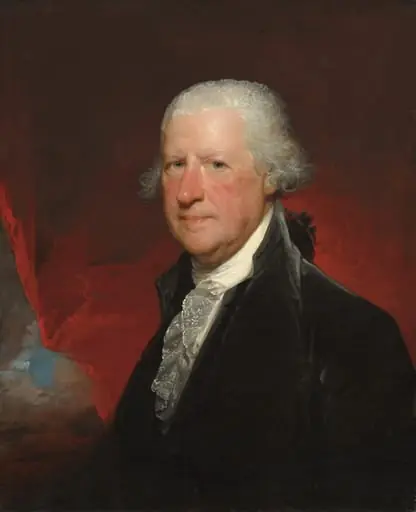
Stuart employed oil paint to render Nicholas's features with smooth brushstrokes, particularly on the face. The artist utilized pronounced contrasts between light and shadow, known as chiaroscuro, to sculpt the contours of the subject's cheek and neck, lending a three-dimensional quality to the figure. A dark red, curtain-like background, subtly hinting at a cloudy sky, frames the sitter.
Context
Gilbert Stuart established himself as one of the foremost portrait painters in America during the late 18th and early 19th centuries. His skill in capturing individual character led to numerous commissions from the nation's elite. Stuart is widely recognized for his unfinished 1796 "Athenaeum Portrait" of George Washington, which became the definitive image of the first president, reproduced extensively.
Own this work as a print
Artist & collection

Artist
Gilbert Stuart (né Stewart; December 3, 1755 – July 9, 1828) was an American painter born in the Rhode Island Colony who is widely considered one of America's foremost portraitists.